Drummond aster (Symphyotrichum drummondii)
Discover Drummond aster (Symphyotrichum drummondii), a low-maintenance perennial featuring lavender blooms from late summer into fall.
Scroll down to discover growing tips, care requirements, companion plants, and more
Complete Plant Information
Overview
The Drummond aster, scientifically known as Symphyotrichum drummondii, is a fantastic, erect herbaceous perennial that brings essential late-season color to the garden. Valued for its relatively low maintenance needs and sturdy structure, this native aster bridges the gap between summer exuberance and autumn repose. Its abundant flowers offer critical nectar sources for pollinators heading into the cooler months.
This species thrives across various conditions typical of the Eastern United States, preferring well-drained soils. As a dependable native, Symphyotrichum drummondii establishes easily and provides significant vertical interest with its leafy stems reaching up to four feet tall.
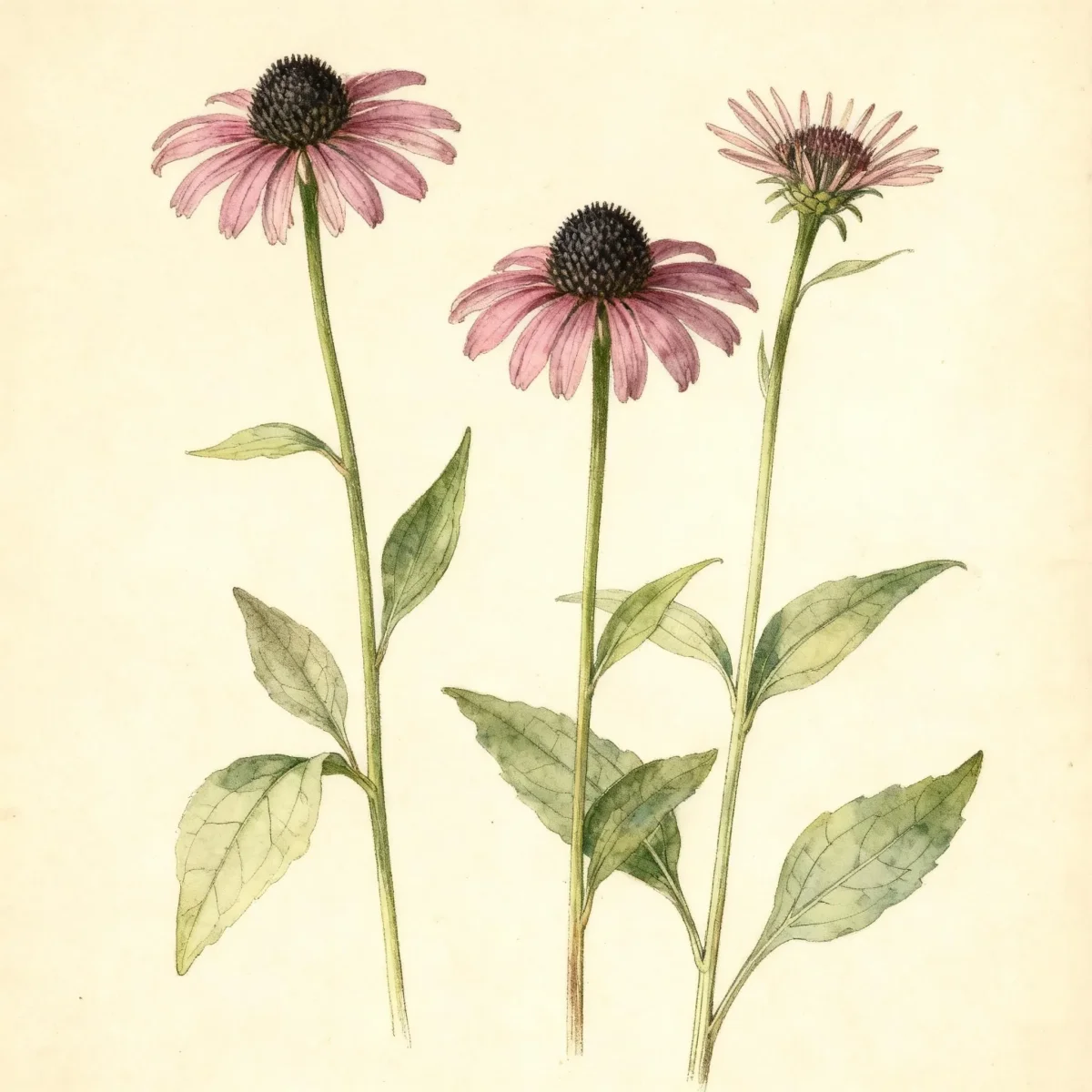
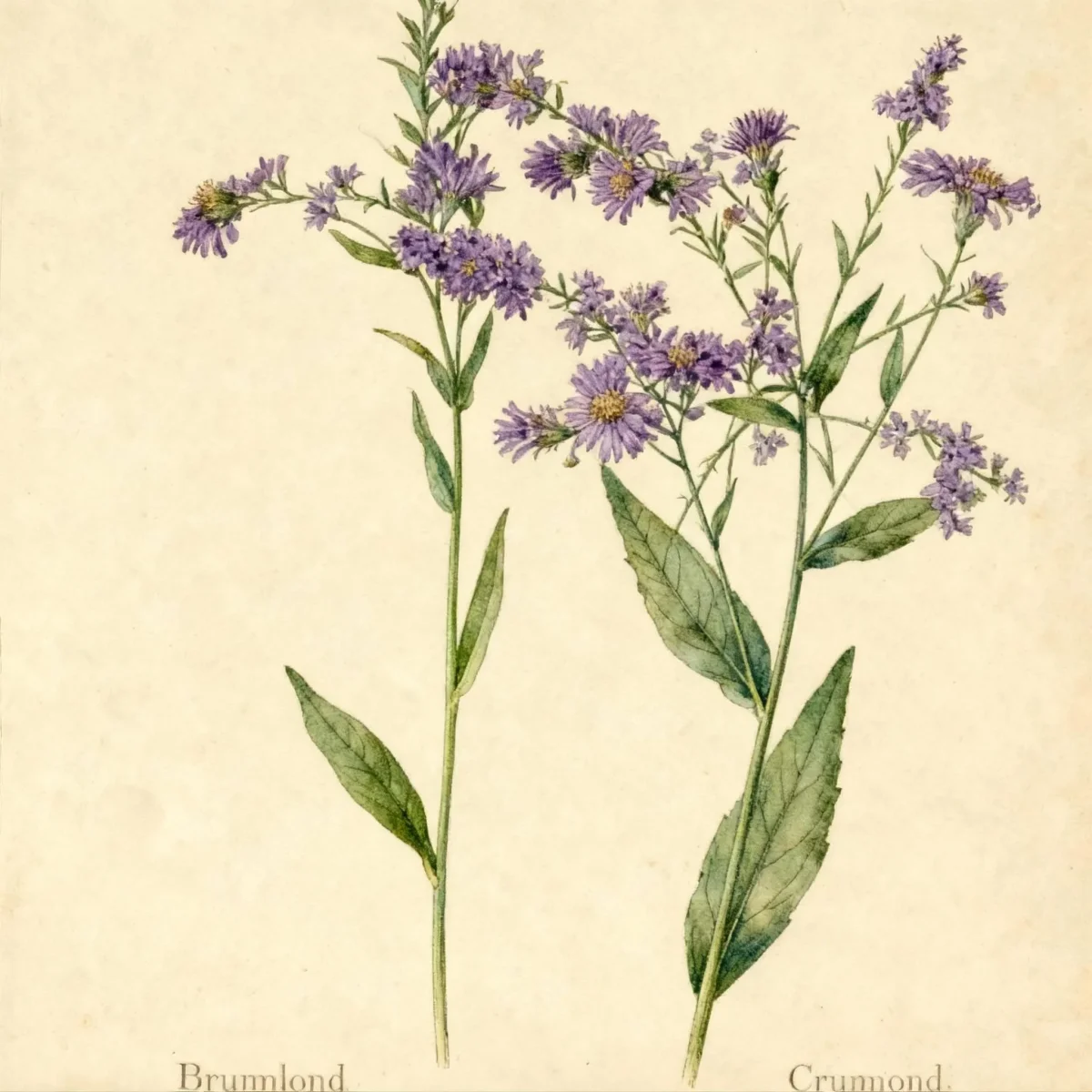
Gardeners appreciate the late season display when many other perennials are fading. Featuring lavender rays surrounding bright yellow disks, the bloom period of the Drummond aster spans August through October, ensuring garden color longevity. Consider adding this reliable plant to help naturalize areas or anchor cottage garden borders.
Fast Facts
- Plant Family: Asteraceae
- Plant Type: Herbaceous perennial
- Native Range: Eastern United States
- Hardiness Zones: USDA Zones 5-8
- Size at Maturity:
- Height: 3-4 ft
- Spread: 2-3 ft
- Bloom Time: August to October
- Bloom Description: Lavender rays and yellow center disks
- Sun Exposure: Full sun to part shade
- Water Needs: Dry to medium
- Maintenance Level: Low
How to Grow
Symphyotrichum drummondii is easily established by planting in average, dry to moist, well-drained soils. While it tolerates full sun, particularly in cooler summer climates, the Drummond aster performs optimally in part shade when subjected to intense summer heat, which helps prevent lower leaf scorch. Proper drainage is key to long-term health.
Water needs are relatively modest, requiring only dry to medium moisture levels once established. Avoid overly rich soils, as this species prefers conditions that mimic its native woodland edge habitat. Fertilizing is generally unnecessary for established plants.
For gardeners desiring a more compact habit, the stems of Symphyotrichum drummondii can be pinched back lightly in late spring or early summer. Be aware that this aster spreads readily by self-seeding, which can be beneficial for creating naturalized drifts but requires monitoring in formal beds.
Landscape Uses
The Drummond aster is versatile, excelling in settings requiring sturdy, vertical interest in the late season. Its habit makes it excellent for naturalizing in open woodland areas or integrating into robust prairie plantings where it blends well with other tall, late-blooming natives.
It serves beautifully in cottage gardens, providing the classic wildflower texture that defines the style. For a disciplined look, use Symphyotrichum drummondii in mass plantings or grouped together near borders, ensuring its structure supports shorter foreground specimens that fade earlier in the season.
Standout Features
Flower Qualities
- Showy
Noteworthy Characteristics
Symphyotrichum drummondii, commonly known as Drummond’s aster, is an erect herbaceous perennial aster that is native primarily to open woodland areas and clearings from Minnesota to Pennsylvania south to Texas and Alabama. Its flowers, appearing from summer to fall, feature 10-15 lavender to pale violet rays surrounding cream to yellow center disks which age to reddish purple. This species is distinguished from close relatives like S. Cordifolium by having winged petioles on its foliage.
Tolerances
- Drought
- Dry Soil
Potential Problems
This species is generally robust, presenting no serious insect or disease problems under proper cultural conditions. The main consideration for gardeners growing Symphyotrichum drummondii involves plant stature. Taller specimens, especially those planted in rich, overly wet soil, may occasionally require staking or support to prevent flopping, particularly after heavy rain or wind.
Frequently Asked Questions
What hardiness zones is Drummond aster suitable for?
The Drummond aster is hardy and suitable for cultivation throughout USDA Zones 5 through 8.
How large does Symphyotrichum drummondii grow?
This perennial typically achieves a height between 3 and 4 feet, spreading to a width of 2 to 3 feet at maturity.
When does Symphyotrichum drummondii bloom?
This aster begins flowering in mid-summer, continuing its display from August right through to October with lavender rays and yellow center disks.
What sun exposure does Drummond aster need?
Symphyotrichum drummondii performs well in full sun, but gardeners in very hot climates are advised to site it where it receives part shade for optimal performance.
Conclusion
The reliable, long-lasting bloom period and structural grace make Symphyotrichum drummondii a vital component for late-season garden structure and pollinator support. This low-maintenance Drummond aster proves that native plants can be both beautiful and exceptionally tough. Check your local USDA zone compatibility before planting this fall-blooming gem.
Companion Planting
Choosing companions for Symphyotrichum drummondii requires selecting plants that share its preference for dry to medium moisture and can handle the transition from full sun to part shade. Excellent partners include late-season grasses such as Little Bluestem (Schizachyrium scoparium) or Switchgrass (Panicum virgatum), which offer contrasting texture. Goldenrods (Solidago species) that mature slightly earlier or later also complement the bloom time and color palette effectively.
Wildlife Benefits
As an aster, Symphyotrichum drummondii is fundamentally important for supporting late-season biodiversity. The flowers provide a rich source of nectar and pollen for numerous late-flying native bees and migrating butterflies, including Monarchs, when other floral resources dwindle. Furthermore, the dry fruits produced after flowering provide residual seed heads that attract various small seed-eating birds throughout the winter months.