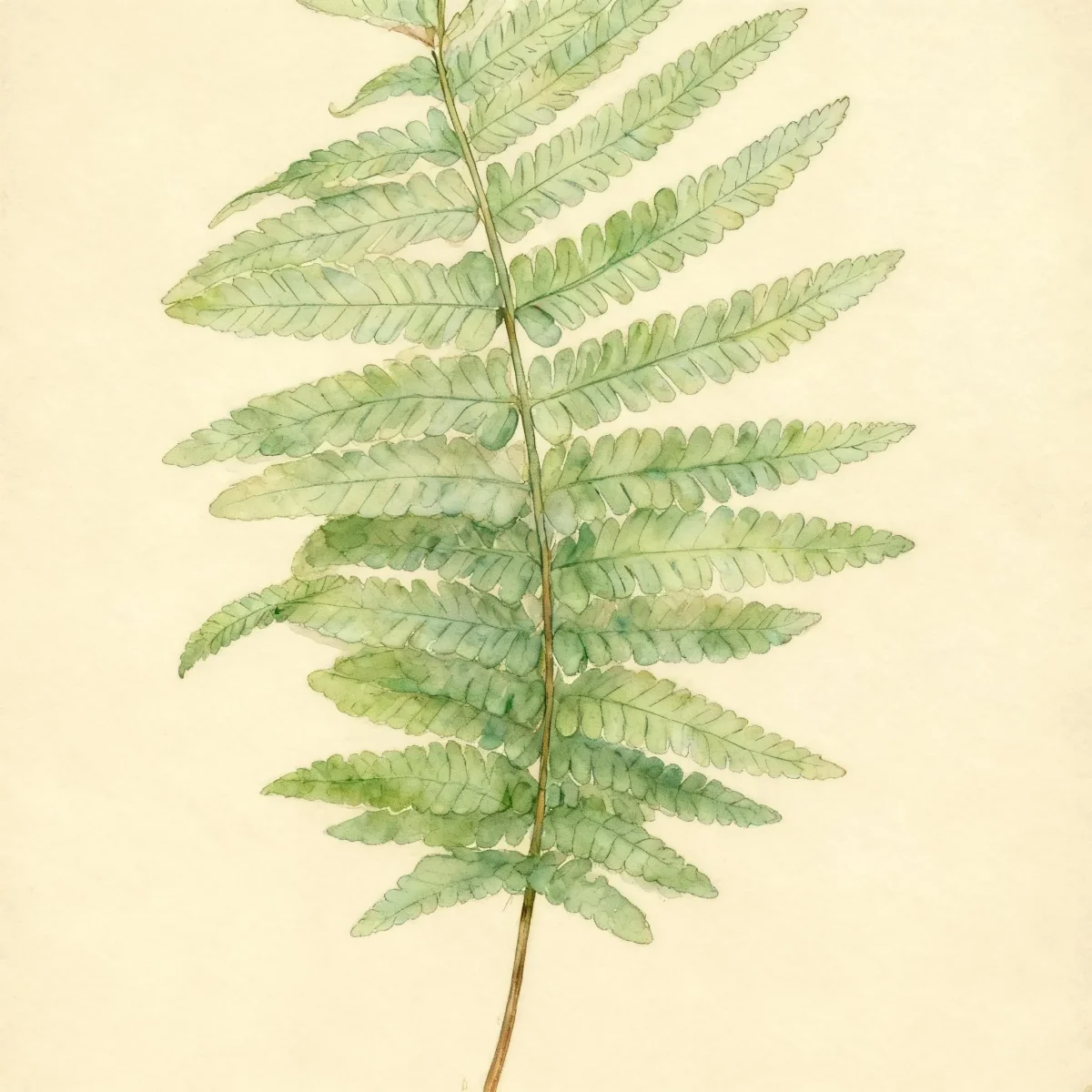
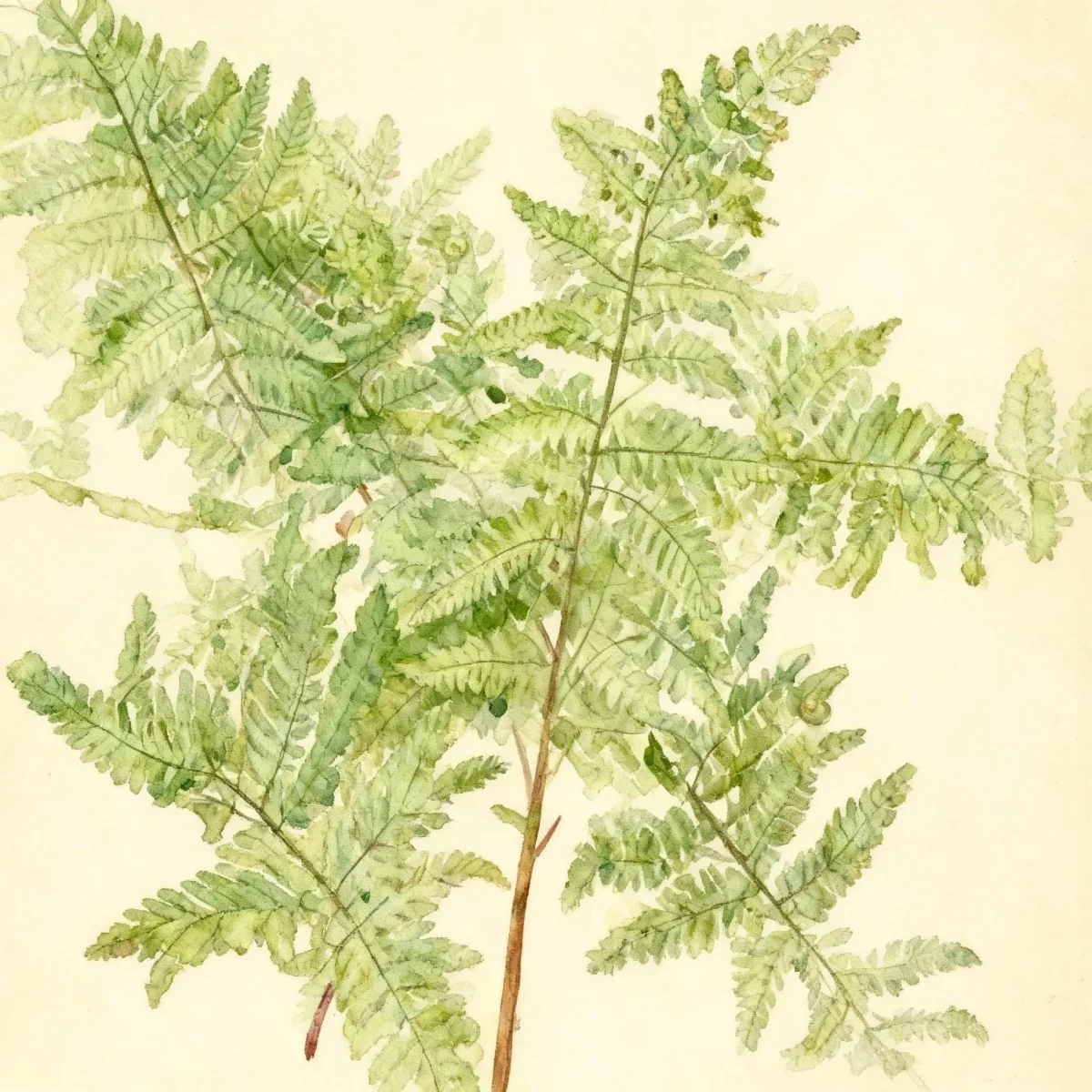
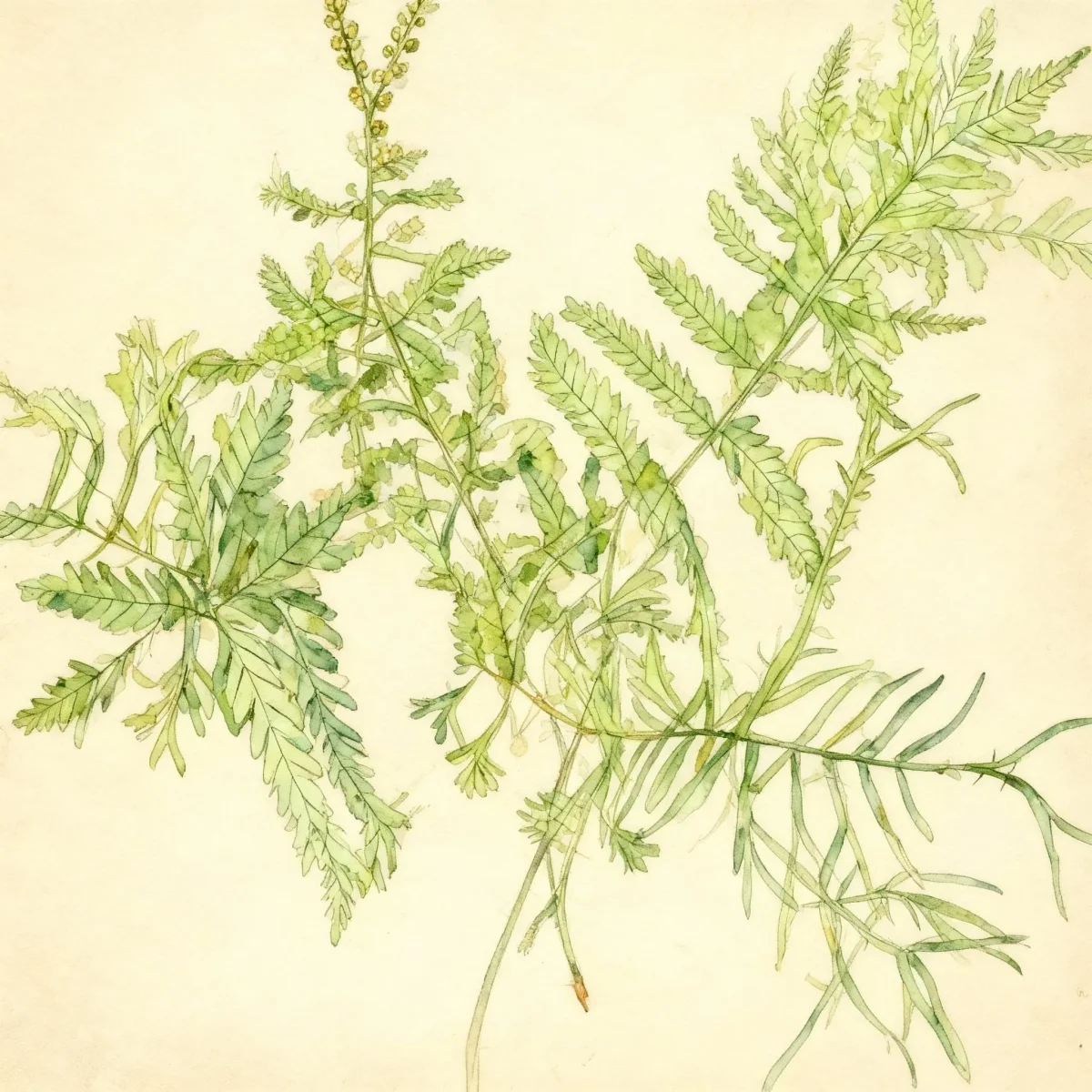
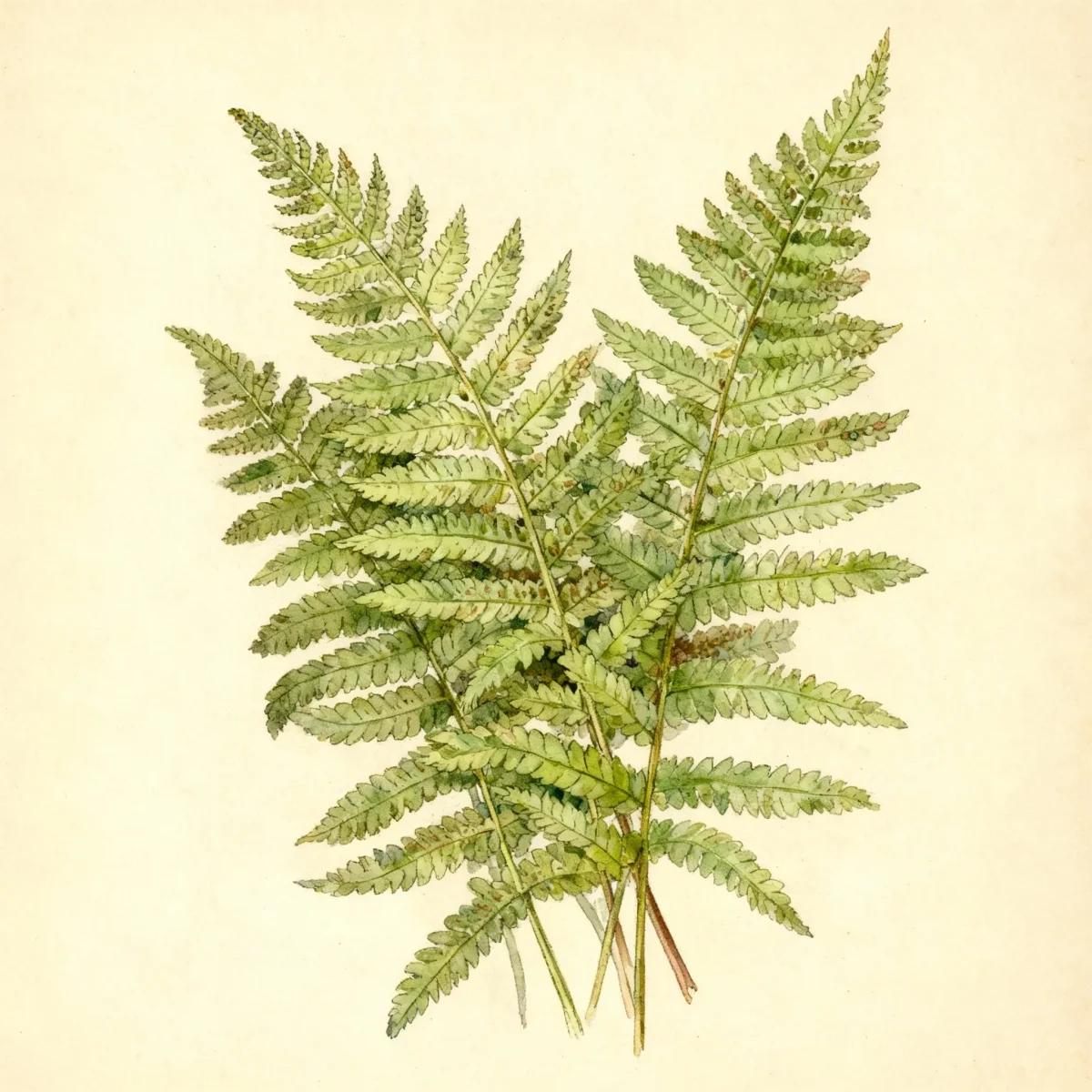
Buckler fern (Dryopteris × complexa)
Discover Dryopteris × complexa, the low-maintenance Buckler fern, thriving in zones 5-9 with deep shade tolerance.
Scroll down to discover growing tips, care requirements, companion plants, and more
Complete Plant Information
Overview
The Buckler fern, scientifically known as Dryopteris × complexa, is a highly valued, resilient hybrid fern perfect for transforming dark garden corners. It merges desirable traits from its parent species, offering an attractive texture with reliable performance in difficult shade conditions. Gardeners appreciate this fern for its manageable size and resistance to common pests, making it a staple in woodland plantings.
As a hybrid, Dryopteris × complexa boasts sturdy, bipinnate, upright-arching fronds that reach up to four feet tall and wide. Its robust nature, especially its surprising drought tolerance once established, sets it apart from more delicate shade lovers. This specimen offers year-round greenery in milder climates, providing consistent structure to the shade garden.
This low-maintenance plant thrives where little else dares, rewarding attentive planting with vigorous growth and elegant, complex foliage. For reliable texture and shade coverage, the Buckler fern proves to be an exceptional, understated choice for sophisticated landscape design.
Fast Facts
- Plant Family: Dryopteridaceae
- Plant Type: Fern
- Native Range: Europe to Turkey
- Hardiness Zones: USDA Zones 5-9
- Size at Maturity:
- Height: 3-4 ft
- Spread: 3-4 ft
- Bloom Time: Non-flowering
- Bloom Description: Non-flowering
- Sun Exposure: Part shade to full shade
- Water Needs: Medium
- Maintenance Level: Low
How to Grow
Planting the Buckler fern is best done in the spring or fall when temperatures are moderate, allowing the roots to establish before summer heat or winter freezes. Select a location that receives part shade to full shade exposure, avoiding harsh, direct afternoon sun entirely. This fern thrives in consistently moist, humus-rich, well-drained soil. Incorporate ample organic matter, such as compost, to mimic the woodland floor it naturally prefers.
Ongoing care for Dryopteris × complexa centers on maintaining consistent moisture, especially during the first growing season. While it is surprisingly drought tolerant once mature, consistent watering prevents the fronds from scorching or browning at the tips. Fertilization is rarely necessary if the soil is rich in organic matter; avoid high-nitrogen fertilizers which can weaken the structure.
Protect the delicate fronds of the Buckler fern from strong winds, which can cause physical damage and tearing. In regions with harsh winters, the fern may die back to the ground (deciduous), requiring no special winter preparation other than a light layer of mulch for insulation. Spring cleanup involves removing any remaining tattered or dead foliage before new growth emerges.
Landscape Uses
The architectural form and reliable shade tolerance make the Buckler fern an excellent foundational element for woodland or shade gardens. Plant groupings of Dryopteris × complexa along shady borders beneath mature trees or near the north side of structures where light is limited. Their medium-to-large size makes them superb background plants, adding vertical contrast against lower-growing groundcovers like hostas or epimediums.
Due to their upright, arching habit, these ferns work well as structural accents in shaded mixed borders. While they are not traditionally categorized as hedging plants, planting them in repeating drifts creates a lush, uniform tapestry effect that draws the eye through darker areas of the landscape. They are also suitable for sheltered partial-shade containers situated on covered patios or entryways.
Consider companion planting the Buckler fern with plants that contrast in texture or foliage color, such as smooth-leafed Hellebores or brightly variegated Hakonechloa (Japanese Forest Grass). This contrast highlights the finely dissected foliage characteristic of Dryopteris × complexa, enriching the visual depth of the shadowscape.
Standout Features
Noteworthy Characteristics
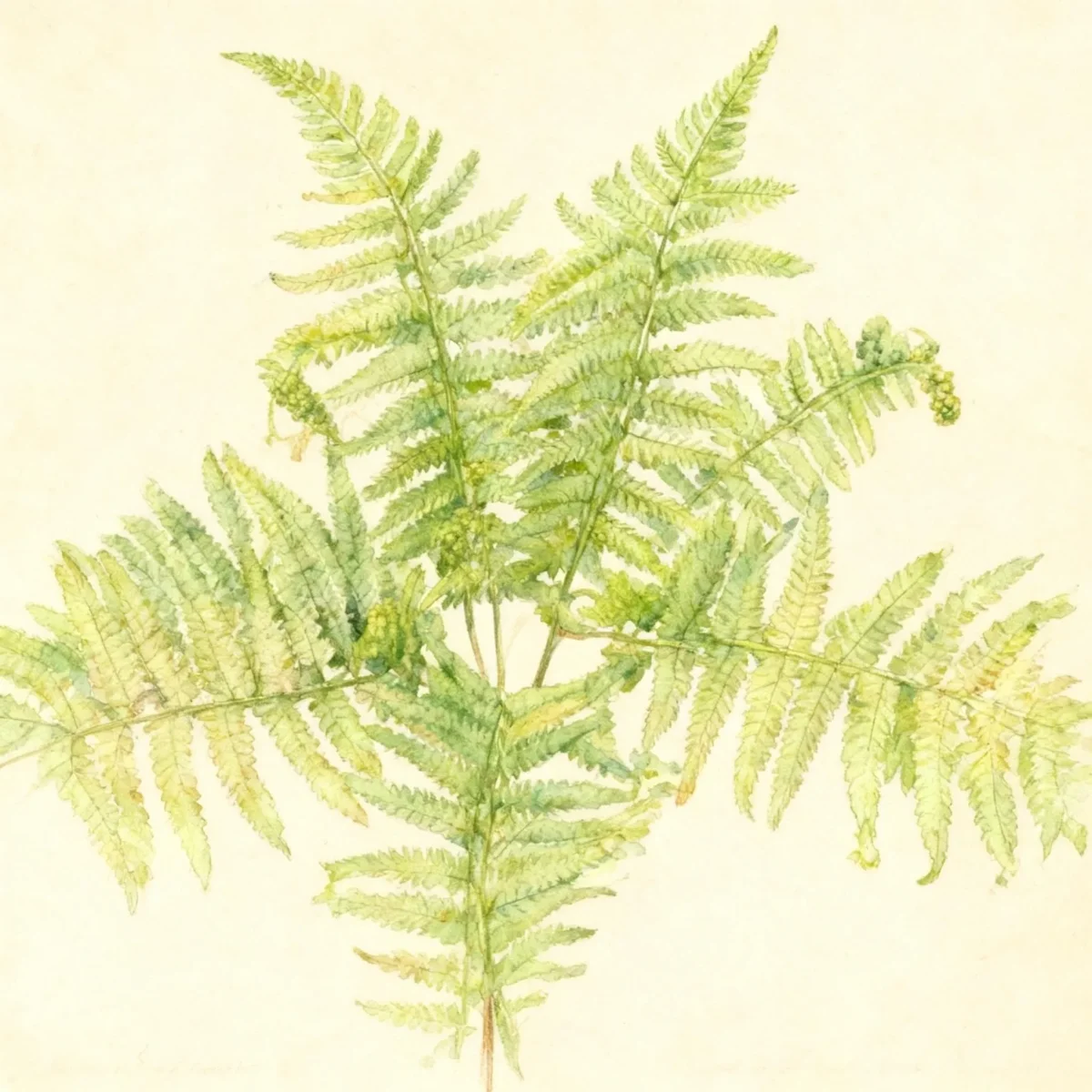
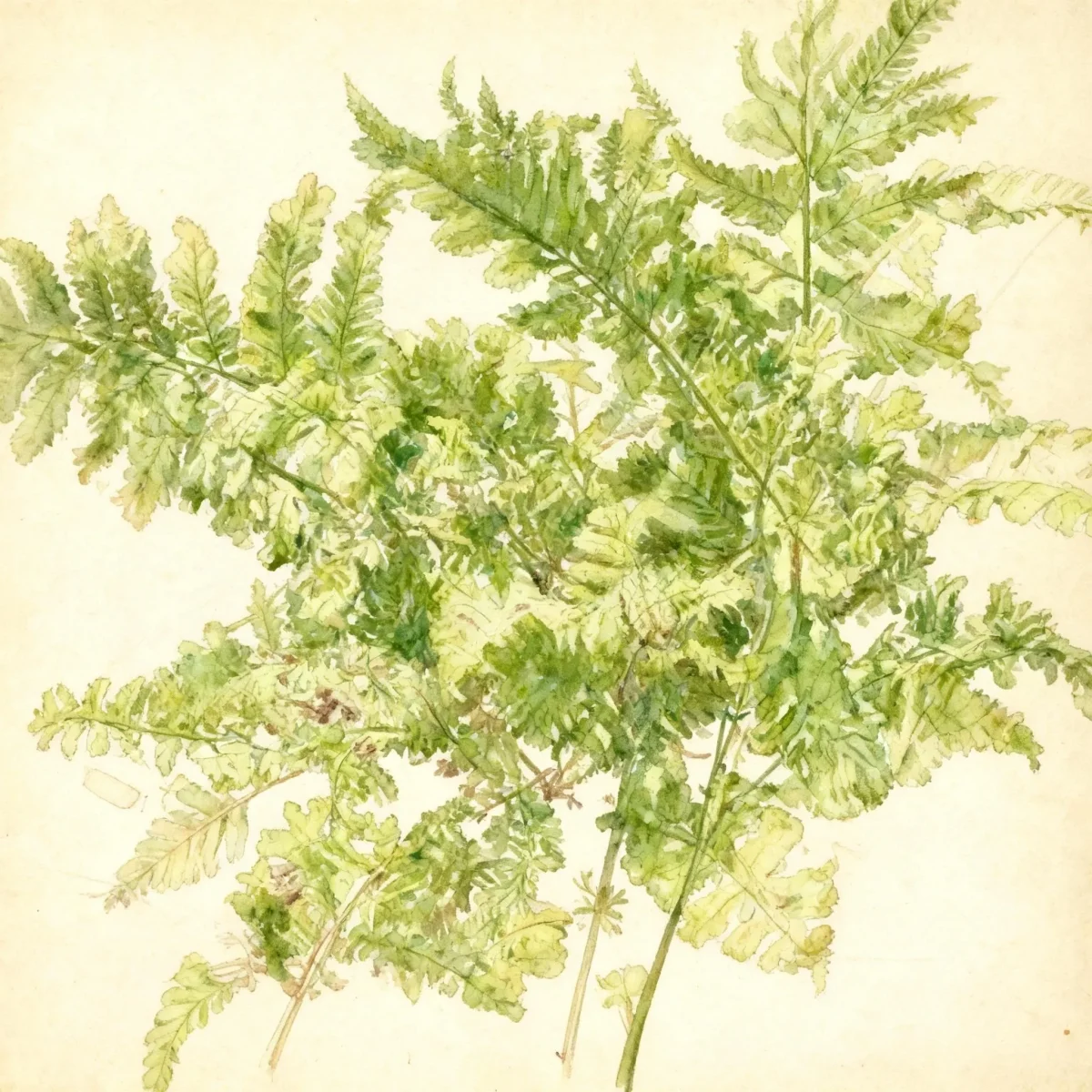
Dryopteris × complexa, commonly known as buckler fern, is a hybrid between D. Affinis and D. Filix-mas. It generally features the stronger fronds of D. Affinis and the more finely divided fronds of D. Filix-mas. Bipinnate upright arching fronds rise to 2-3’ tall from an erect crown. The hybrid name complexa means “complex” in reference to the highly dissected fronds of this hybrid.
Tolerances
- Rabbit
- Drought
- Heavy Shade
Potential Problems
The Buckler fern exhibits remarkable resilience, suffering from no serious insect or disease problems under normal growing conditions. This low pest pressure is a significant advantage for organic gardening. If fungal issues like crown rot occur, it is almost always linked to overly wet, poorly drained soil, particularly in heavy winter conditions.
To prevent potential issues, ensure excellent soil drainage when establishing your Dryopteris × complexa. If you observe browned or shriveled fronds, check for environmental stress first—usually lack of water during dry spells or windburn—rather than immediately reaching for pesticides.
Frequently Asked Questions
What hardiness zones is Buckler fern suitable for?
The Dryopteris × complexa is adaptable across USDA Hardiness Zones 5 through 9.
How large does Buckler fern grow?
This fern typically reaches a mature height between 3 and 4 feet tall, with an equal spread of 3 to 4 feet.
What sun exposure does Dryopteris × complexa need?
Dryopteris × complexa flourishes best in conditions ranging from part shade to full shade; deep, heavy shade is well tolerated.
When does Buckler fern bloom?
As a fern, Dryopteris × complexa is non-flowering and produces no noticeable blooms or fruit.
Conclusion
The resilience and beautiful, intricate foliage of the Dryopteris × complexa, or Buckler fern, make it an invaluable asset for shaded landscapes. Its low maintenance level coupled with its high tolerance for drought and heavy shade ensures reliable performance year after year. Before planting, confirm your location falls within USDA Zones 5-9 and ensure you provide the moist, humus-rich soil this spectacular hybrid requires.
Companion Planting
When integrating the Buckler fern into a shade garden design, choose companions that offer contrasting foliage texture or color to maximize visual interest. Plants with large, bold, or solid-colored leaves provide an excellent foil for the finely cut, complex fronds of Dryopteris × complexa. Consider pairing it with variegated Hostas or the rich, dark green, scalloped leaves of Japanese Anemones for multi-season appeal.
Avoid planting the Buckler fern too close to aggressive groundcovers that might compete heavily for the medium water needs this fern prefers. Instead, opt for slow-spreading, shallow-rooted companions to maintain clear space around the base of the fern’s crown, which is crucial for airflow and preventing crown rot.
Seasonal Care Calendar
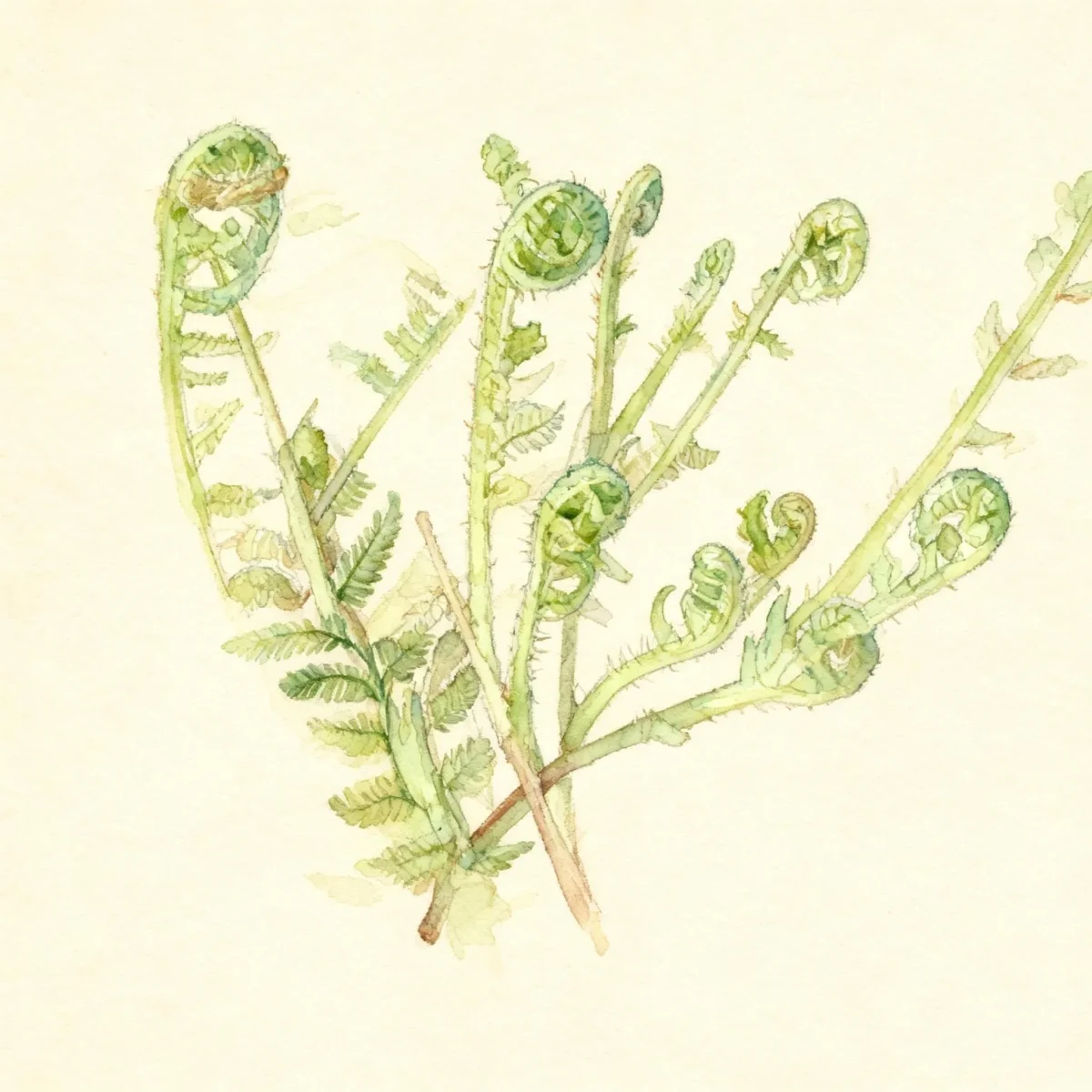
For low-maintenance success with your Buckler fern, keep routines simple and seasonal. In early spring, before new fiddleheads emerge, remove any remaining tattered, dead fronds from the previous year to tidy the appearance. During the summer, monitor moisture levels closely, especially during heat waves, and provide deep, slow watering if the soil surface feels dry to the touch.
Fall brings little required maintenance, as this plant is not heavy feeder. If you live in a colder part of its range, a light layer of shredded bark or compost applied around the crown in late autumn will help insulate the root system moving into winter. Protect the spreading canopy from heavy, wet snow loads to prevent excessive breakage of the delicate fronds.