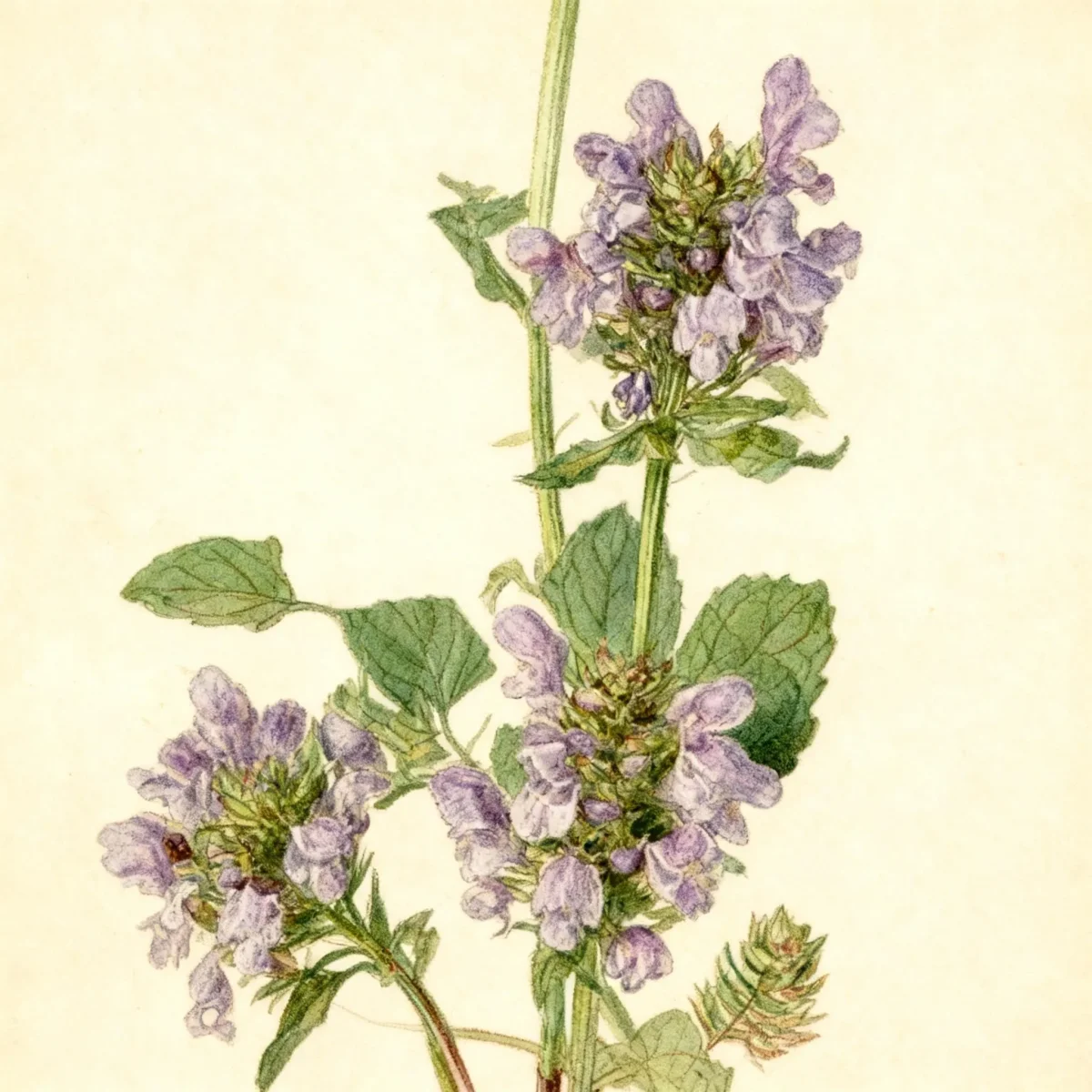
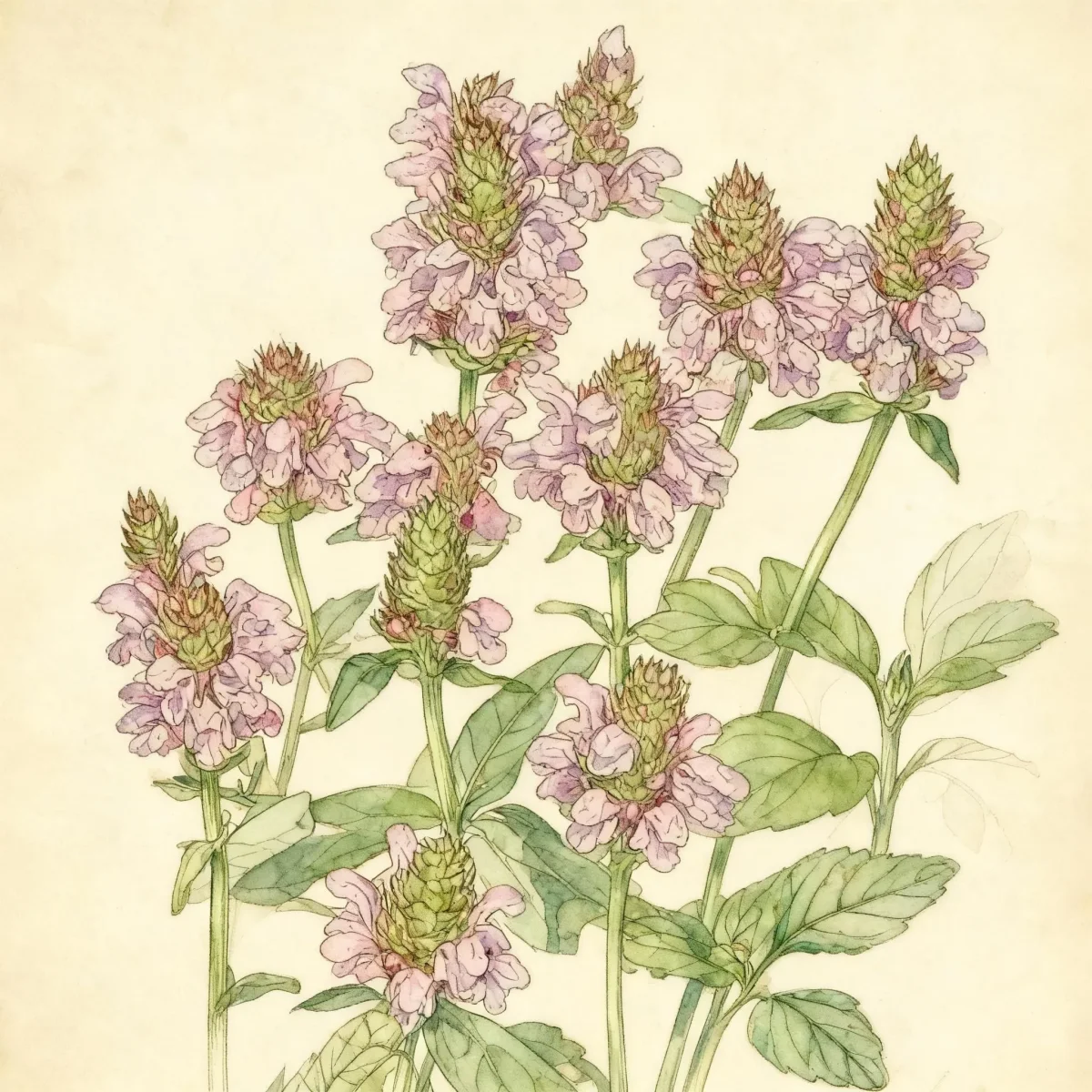
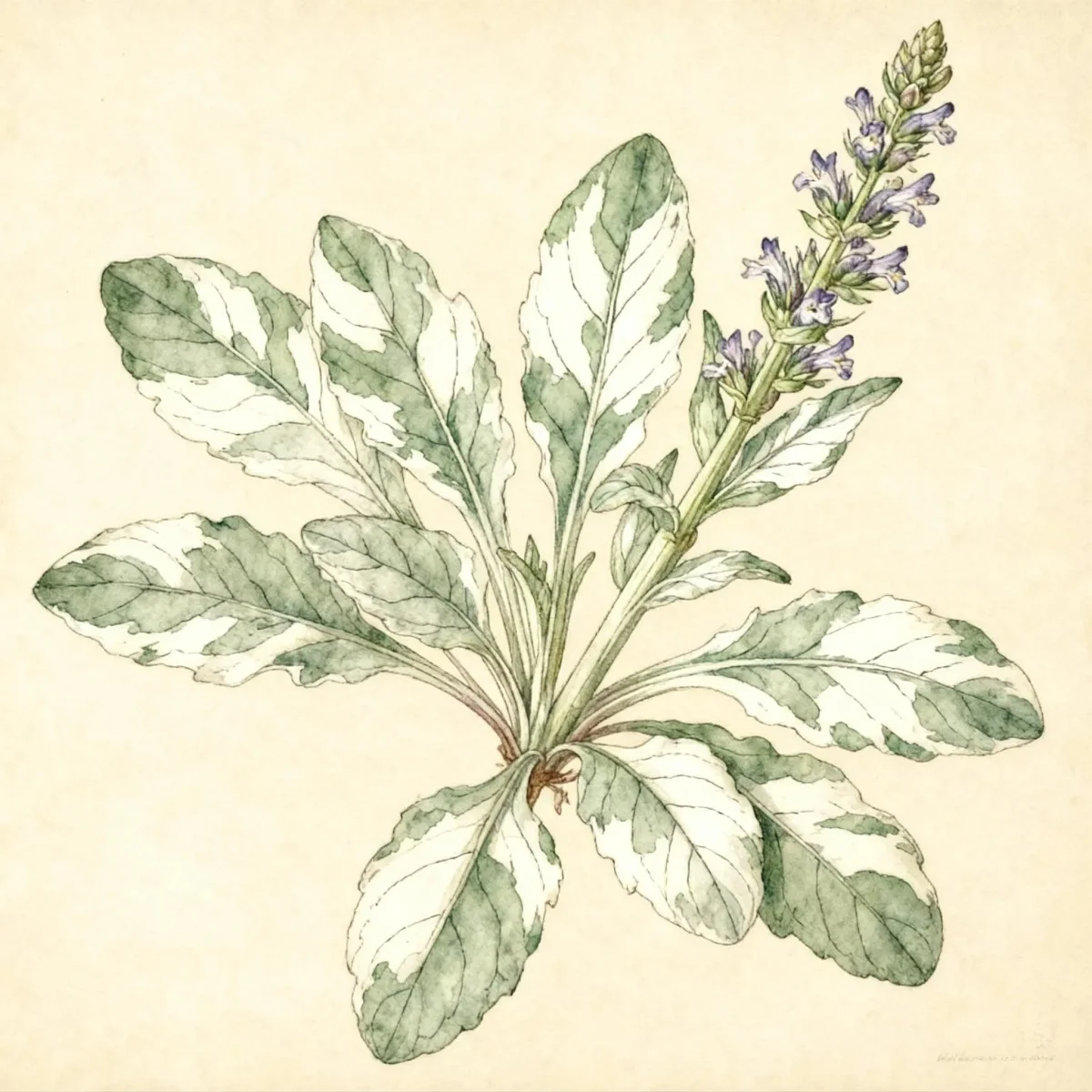
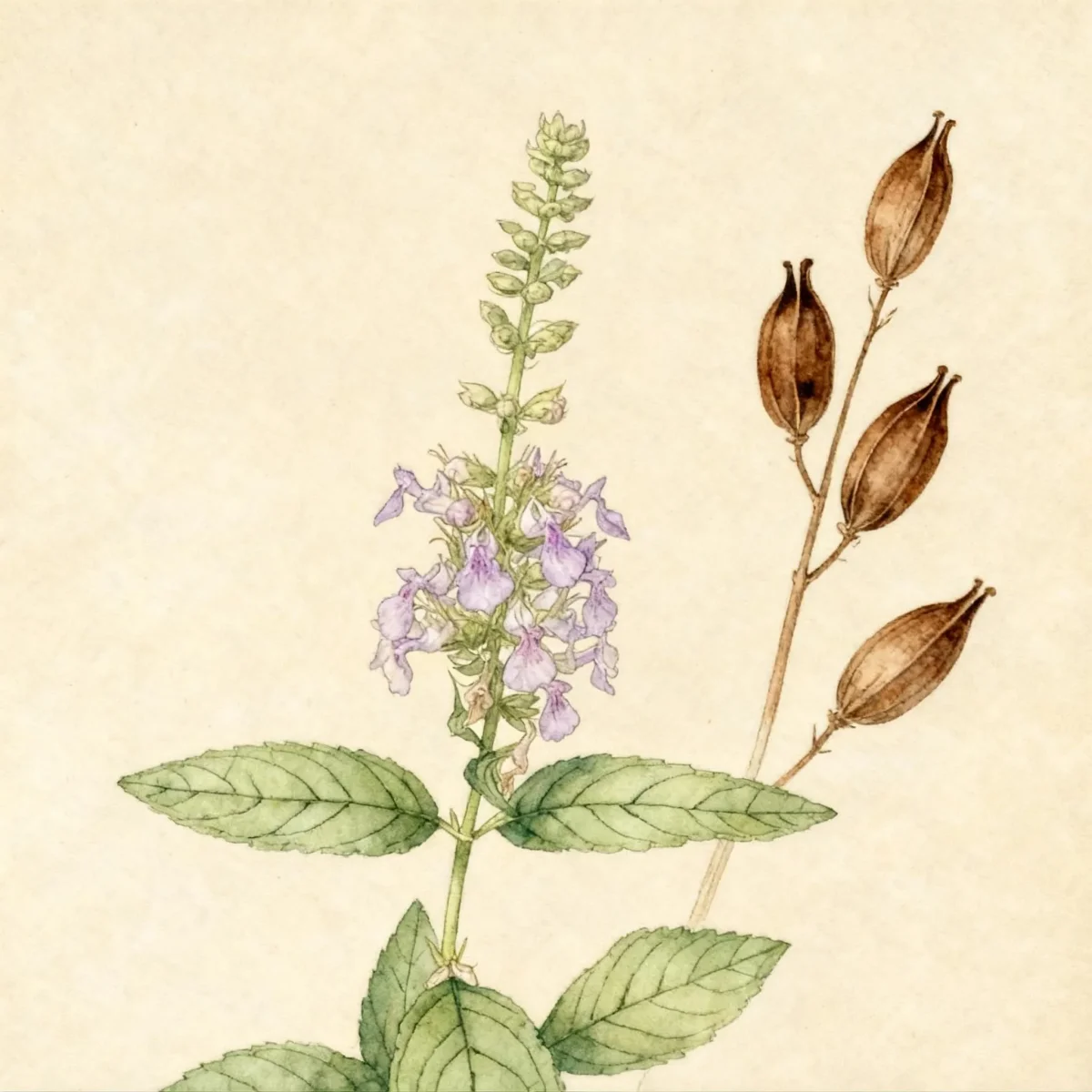
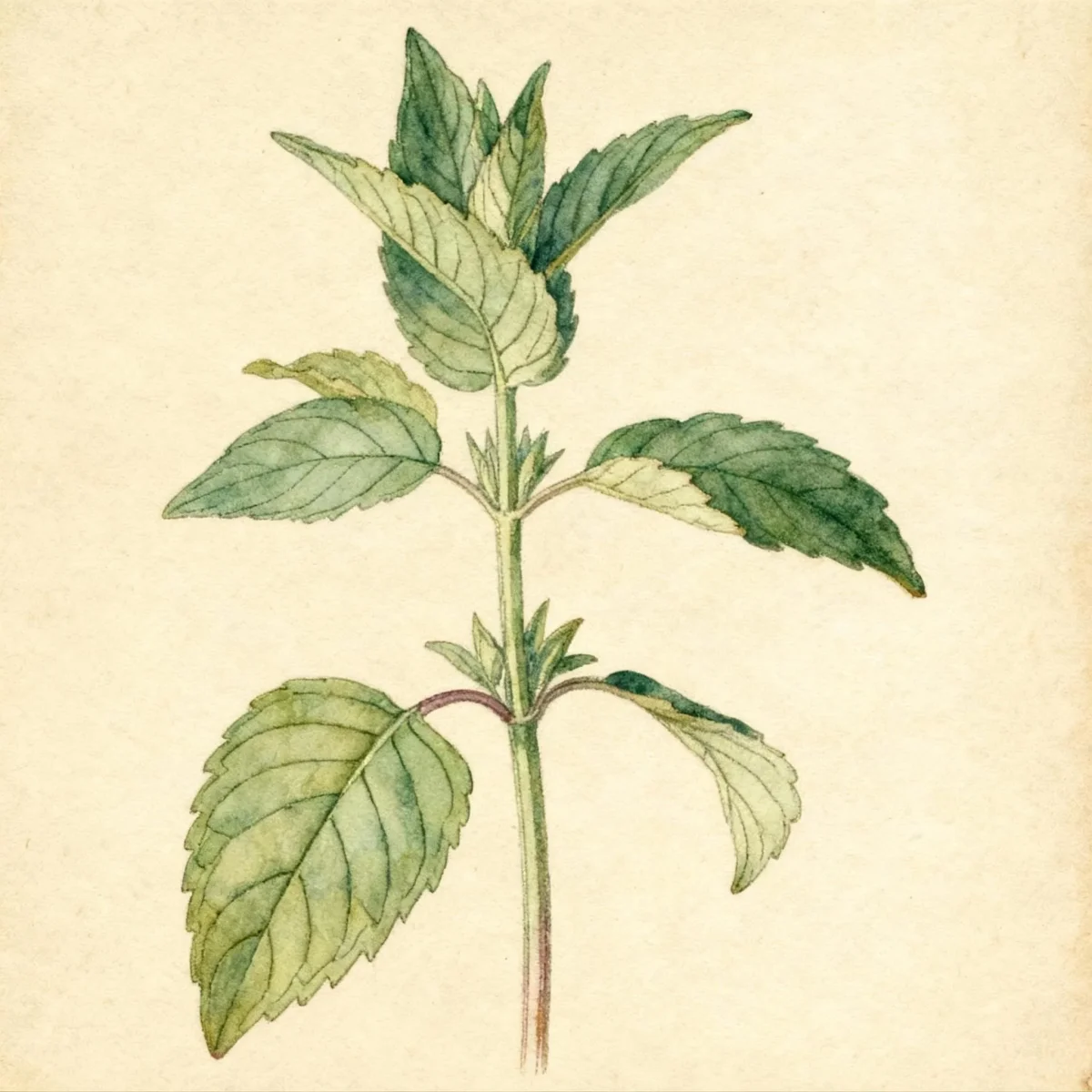
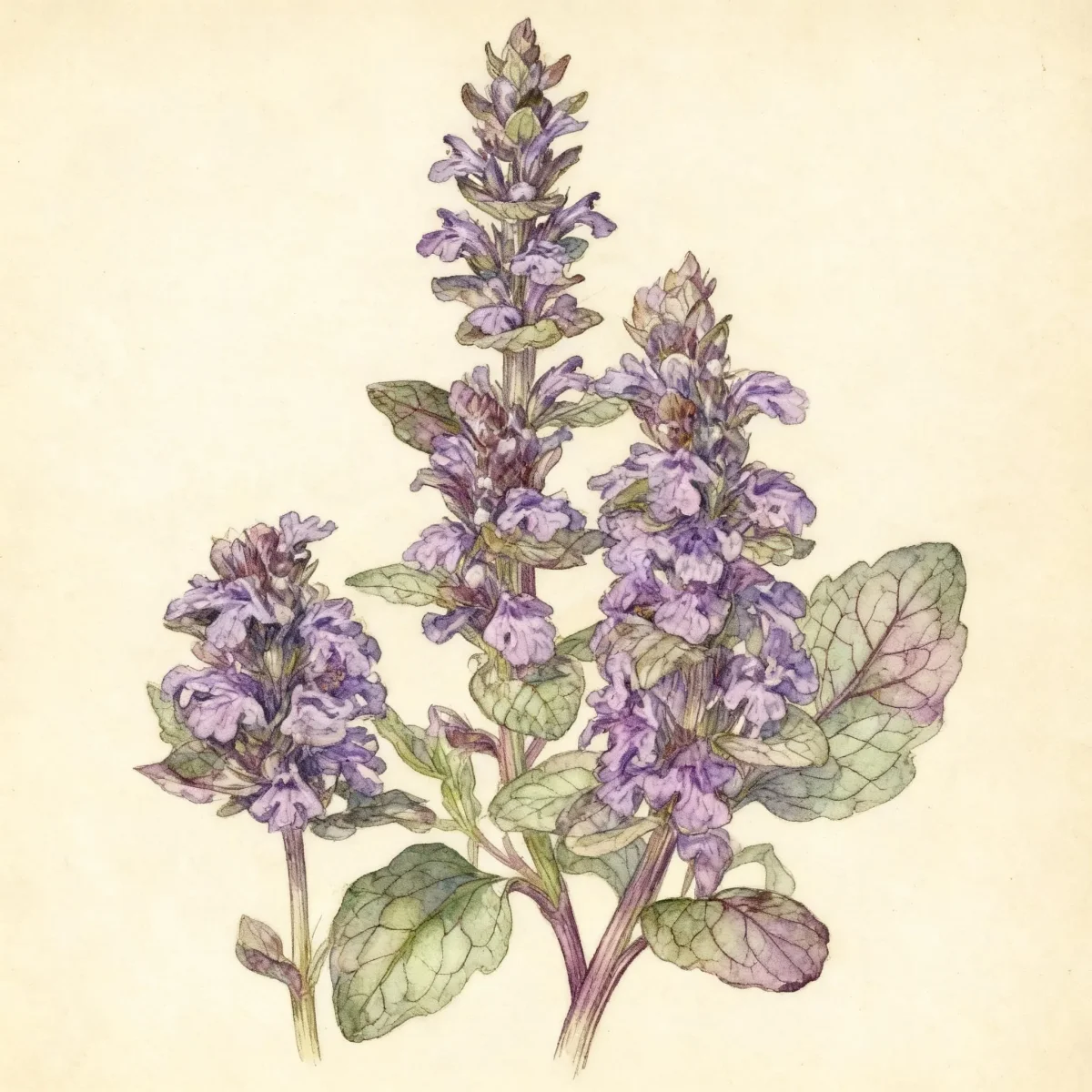
Self heal (Prunella grandiflora)
Prunella grandiflora (Self heal) is a spreading European perennial perfect for groundcover, offering purple blooms from June to August in Zones 4-8.
Scroll down to discover growing tips, care requirements, companion plants, and more
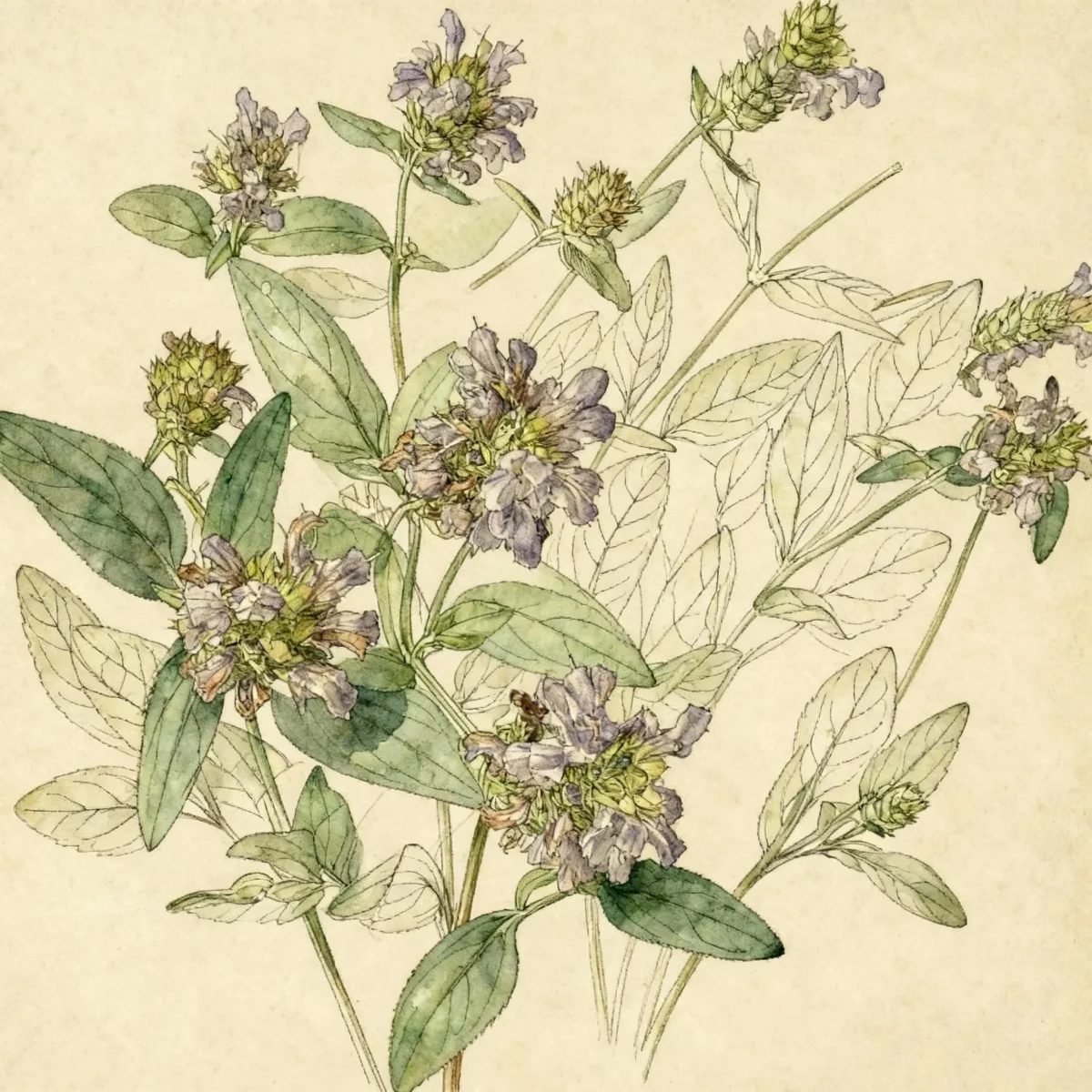
Complete Plant Information
Overview
Prunella grandiflora, widely known as Self heal, offers gardeners a handsome, mat-forming groundcover suitable for various garden settings. This low-growing perennial from the Lamiaceae family is valued for its ability to spread via stolons, effectively blanketing areas with deep green foliage. Its primary aesthetic appeal lies in the summer display of small, tubular purple flowers that emerge atop upright stems.
This vigorous spreader thrives across USDA zones 4 through 8, preferring conditions that mimic its native European meadows and woodlands. Successful cultivation relies on providing consistent moisture and balancing sun exposure, making it adaptable to both full sun and partial shade locations.
Functionally, Self heal provides excellent coverage, suppressing weeds while offering year-round structure as a semi-evergreen. Its historical note as a medicinal herb adds an interesting dimension, although modern gardeners often prize it purely for its reliable, spreading habit ideal for naturalized areas or suppressing erosion.
Fast Facts
- Plant Family: Lamiaceae
- Plant Type: Herbaceous perennial
- Native Range: Europe
- Hardiness Zones: USDA Zones 4-8
- Size at Maturity:
- Height: 0.5-1 ft
- Spread: 1-2 ft
- Bloom Time: June to August
- Bloom Description: Purple
- Sun Exposure: Full sun to part shade
- Water Needs: Medium
- Maintenance Level: Medium
How to Grow
Ideally, plant Prunella grandiflora in the spring or fall when temperatures are moderate. This species requires organically rich soils that are consistently moist but crucially, well-drained, preventing root stagnation. While adaptable to full sun, protection from the harshest afternoon rays in hotter climates is beneficial, leaning towards partial shade for best results.
Maintain consistent summer moisture; this plant does not tolerate drought well. Fertilization is usually unnecessary if the soil is organically rich. For gardeners using Self heal across large groundcover plots, an effective maintenance technique involves mowing the planting high after the bloom period concludes. This acts as a form of deadheading, encouraging a tidier appearance and helping manage the plant’s structural habit.
Propagation of Prunella grandiflora is straightforward, accomplished easily through division, cuttings, or seed collection. Be cautious if growing named cultivars, as they may not breed true from seed, necessitating division or cuttings to retain desired characteristics. Proper cultural conditions—moisture and soil enrichment—are key to mitigating occasional issues like leaf spot or powdery mildew.
Landscape Uses
The sprawling nature of Prunella grandiflora makes it an indispensable tool for creating dense, low-maintenance carpets across the landscape. It excels as a robust ground cover, particularly effective where turf grass struggles or where a more naturalized aesthetic is desired near woodlands or cottage garden borders. It can also serve as an attractive, softening edger along pathways or in various accent spots within rock gardens or border fronts.
Be mindful of its spreading vigor; while beneficial for covering large areas, this aggressiveness means it should be sited away from choice, more delicate rock garden specimens that could be smothered. Consider using it as a textural contrast against broader-leaved plants or pairing it with spring bulbs that will emerge before Self heal fully takes over the ground plane for seasonal interest.
Standout Features
Flower Qualities
- Showy
Noteworthy Characteristics
Prunella grandiflora, commonly known as large-flowered self-heal, is a sprawling, low-growing, mat-forming, semi-evergreen perennial of the mint family that typically grows to 6-12” tall, but spreads by stolons and rhizomes to 18-36” wide. It is native to meadows and woodlands in Europe. Tubular, 2-lipped, purple flowers (to 1” long) bloom in summer in terminal flower spikes (to 2-3” long) located atop square, opposite-leaved flowering stems rising to 12” tall. This species has a history of use both as a medicinal herb and as a culinary herb.
Tolerances
- No serious insect or disease problems.
Potential Problems
The plant generally resists serious pest and disease pressures, offering reliable performance. However, gardeners should remain vigilant for occasional fungal issues, specifically powdery mildew, leaf spot, and blight. Ensuring good air circulation by avoiding overly dense plantings and maintaining proper soil drainage will significantly help in preventing these moisture-related problems.
If blight or mildew appears, immediately improve air circulation or reduce overhead watering during the summer heat. Prompt removal of infected foliage can curb the spread to healthy surrounding crowns of Prunella grandiflora.
Frequently Asked Questions
What hardiness zones is Self heal suitable for?
Prunella grandiflora is reliably hardy in USDA Zones 4 through 8, providing a wide range of adaptability across temperate climates.
How large does Self heal grow?
This plant typically reaches heights between 0.5 and 1 foot tall, spreading generously to cover an area between 1 and 2 feet wide.
When does Self heal bloom?
Self heal produces its signature purple flowers during the peak summer months, blooming consistently from June through August.
What sun exposure does Prunella grandiflora need?
This perennial performs best when situated in conditions ranging from full sun to light part shade, provided the soil remains consistently moist.
Conclusion
The robust, mat-forming habit and attractive summer purple blooms secure Prunella grandiflora’s place as an excellent, low-maintenance groundcover for European native gardens or naturalized areas. By providing medium water and organically rich soil, you can effectively manage this spreading perennial. Check your local hardiness zone compatibility before planting Self heal this coming spring to ensure long-term success.
Propagation Tips
Propagating Prunella grandiflora is straightforward for gardeners looking to expand their plantings or share divisions. The most common and reliable method for maintaining established forms is vegetative division, which can be done in early spring or early fall by carefully separating the rooted stolons. Cuttings taken from semi-softwood stems also root readily when placed in moist conditions.
While Prunella grandiflora can be grown from seed, gardeners should use caution, especially with modern cultivars. The species often does not come reliably true from seed, meaning the characteristics of the parent plant might be lost. Controlled propagation via division or cuttings guarantees the resulting plants maintain the desired size and bloom color.
Companion Planting
When utilizing Prunella grandiflora as a spreading groundcover, pairing it with plants that have opposite cultural needs or textural differences creates dynamic planting designs. Try combining it with spring ephemerals such as low-growing bulbs (like miniature daffodils or species tulips), which will bloom and then recede before the Self heal fully expands its canopy for summer coverage.
For areas receiving part shade, consider planting companions that tolerate similar medium water needs, such as Astilbe relatives or certain hardy Geraniums that offer contrasting leaf shapes. Since Prunella grandiflora spreads significantly, choose companions robust enough to compete gracefully without being visually overwhelmed by the dense mat of the Self heal.