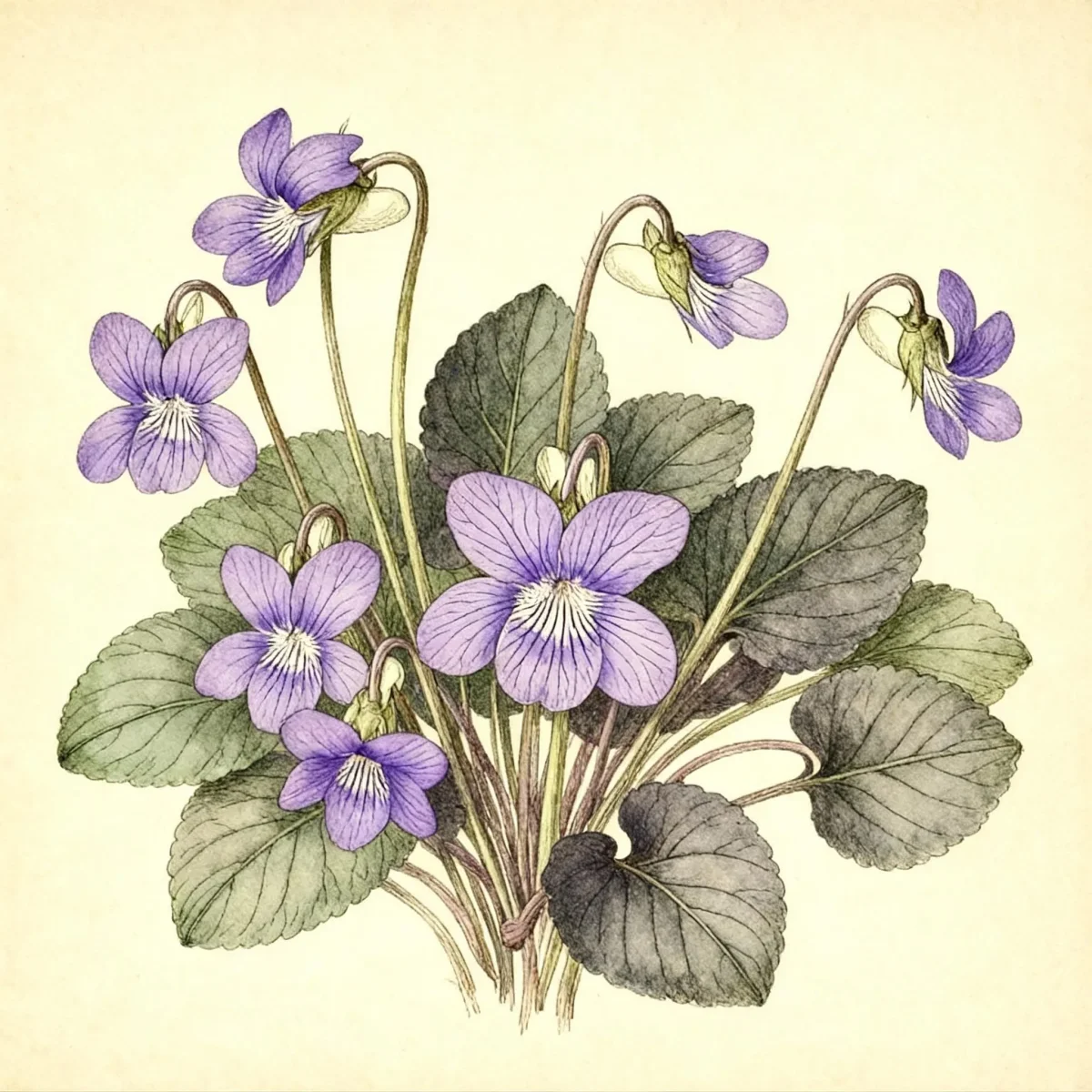
Pansy (Viola × wittrockiana)
Pansy (Viola × wittrockiana) offers showy, fragrant cool-weather blooms in zones 6-10, ideal for early color.
Scroll down to discover growing tips, care requirements, companion plants, and more
Complete Plant Information
Overview
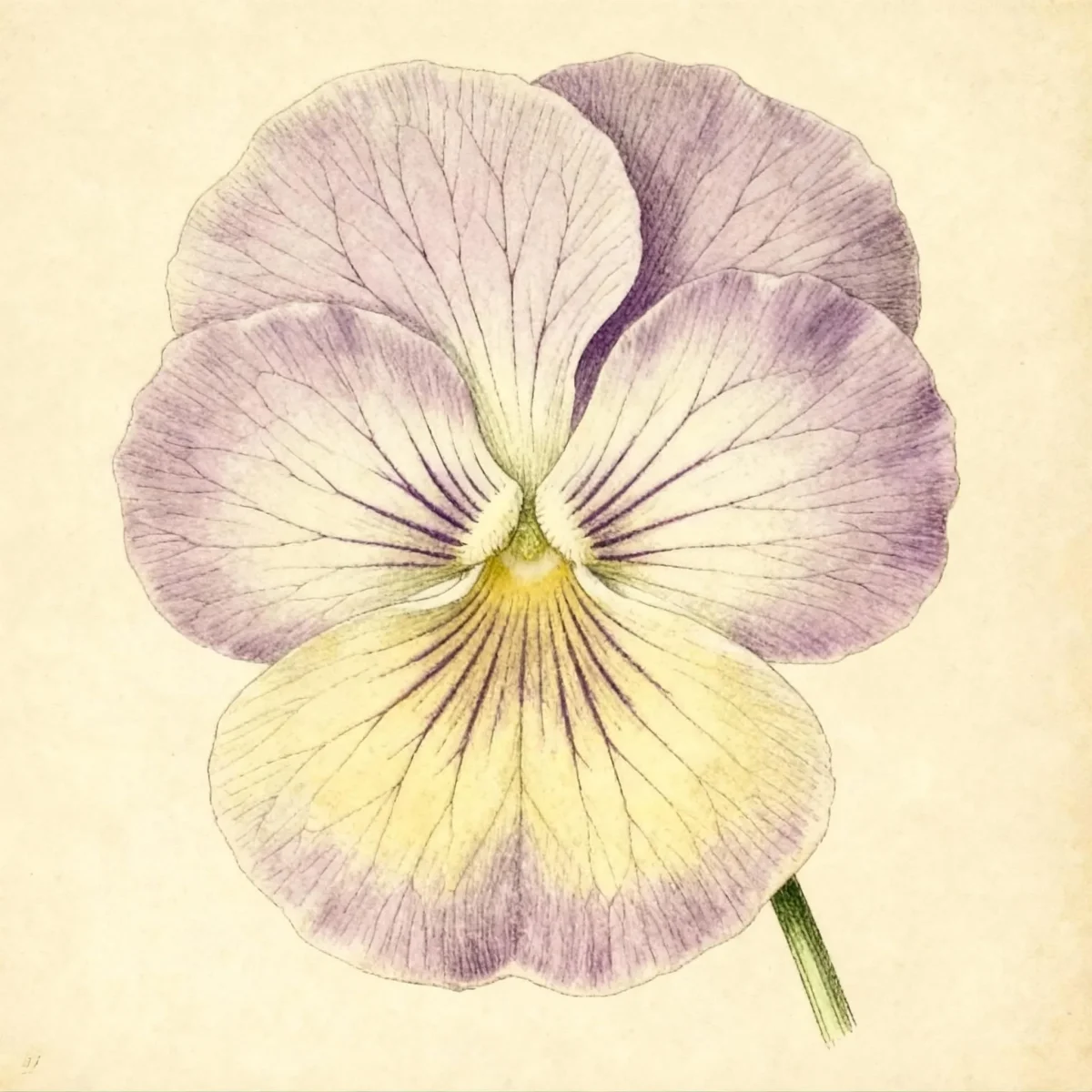
The Pansy, scientifically known as Viola × wittrockiana, is highly valued for its large, face-like flowers that provide essential color during the cooler parts of the growing season. These plants are a staple in spring and fall plantings, offering an unmatched palette of blues, purples, reds, and yellows where few other annuals thrive. While capable of surviving as short-lived perennials in their warmer zones, most gardeners treat Viola × wittrockiana as a cool-weather annual or biennial.
This hybrid is renowned for its robust yet compact growth, typically reaching less than a foot in height and spread. The primary appeal of the Pansy is its ability to bloom profusely from early spring until the heat of summer arrives, or starting in fall for winter color in mild climates. For gardeners looking to add immediate, low-growing impact to beds or containers, the dependable performance of the Pansy is hard to beat.
Fast Facts
- Plant Family: Violaceae
- Plant Type: Herbaceous perennial
- Native Range: Garden origin
- Hardiness Zones: USDA Zones 6-10
- Size at Maturity:
- Height: 0.5-0.75 ft
- Spread: 0.75-1 ft
- Bloom Time: April to June
- Bloom Description: Blue, purple, red, rose, yellow, apricot, maroon, white and bicolors
- Sun Exposure: Full sun to part shade
- Water Needs: Medium
- Maintenance Level: Medium
How to Grow
Pansies thrive when established in cool, moist conditions. For spring bloom, set out purchased plants in early spring, ensuring the soil is humusy, consistently moist, and well-drained. If aiming for a biennial approach, plant the Viola × wittrockiana transplants in the fall; these benefit from mulching (e.g., with hay or evergreen boughs) to protect them during harsh winter freezes, but may not require it in very mild climates.
Watering needs are medium; maintain consistent moisture, especially when growing pansies for maximum bloom before summer heat sets in. In warmer regions like St. Louis, providing part afternoon shade helps coax longer performance out of the plants before they expire in the summer. Deadhead spent flowers regularly to encourage continuous flowering and prevent the plant from setting seed, which can halt further bloom production.
If plants become leggy or sparse mid-season, cutting them back can revitalize the foliage and potentially encourage a final flush of color. While easy to start from seed indoors 12–14 weeks before the last frost, many gardeners find it simpler to purchase cell-pack plants from nurseries for reliable spring bedding displays.
Landscape Uses
The compact nature and vibrant flowers of the Pansy make them excellent choices for edging beds, providing low-level borders along pathways, or filling window boxes and containers where instant impact is desired. Their relatively short height ensures they do not obscure taller perennials planted behind them.
As cool-weather annuals that finish blooming when many summer annuals are just getting started, they serve as perfect transitional groundcover. Companion planting ideas include pairing Pansies with equally cool-tolerant spring bulbs like tulips or daffodils, or combining them with leafy greens for a mixed edible and ornamental display. Use them to brighten shady corners or as a cheerful accent in otherwise dormant early landscapes.
Standout Features
Flower Qualities
- Showy
- Fragrant
Noteworthy Characteristics
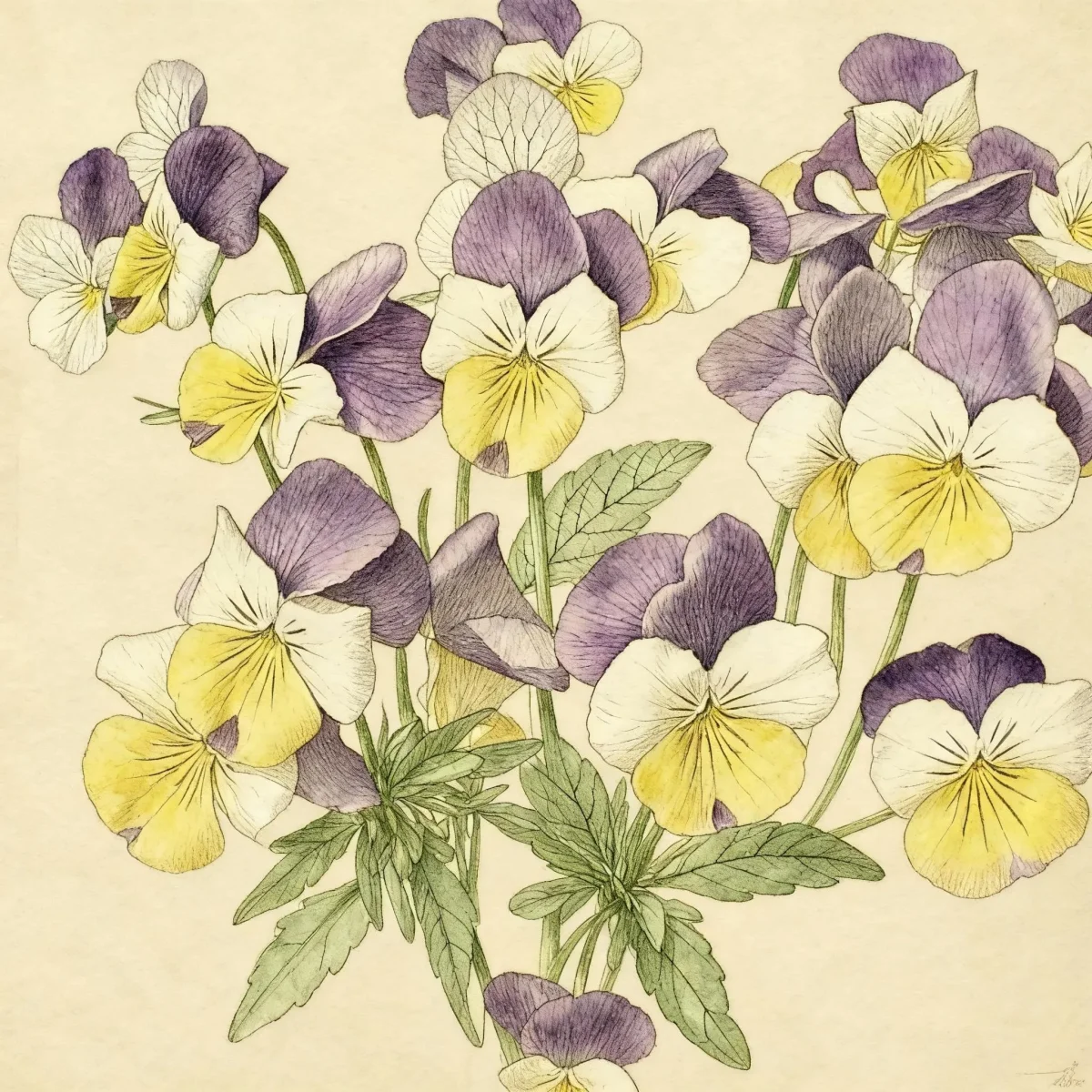
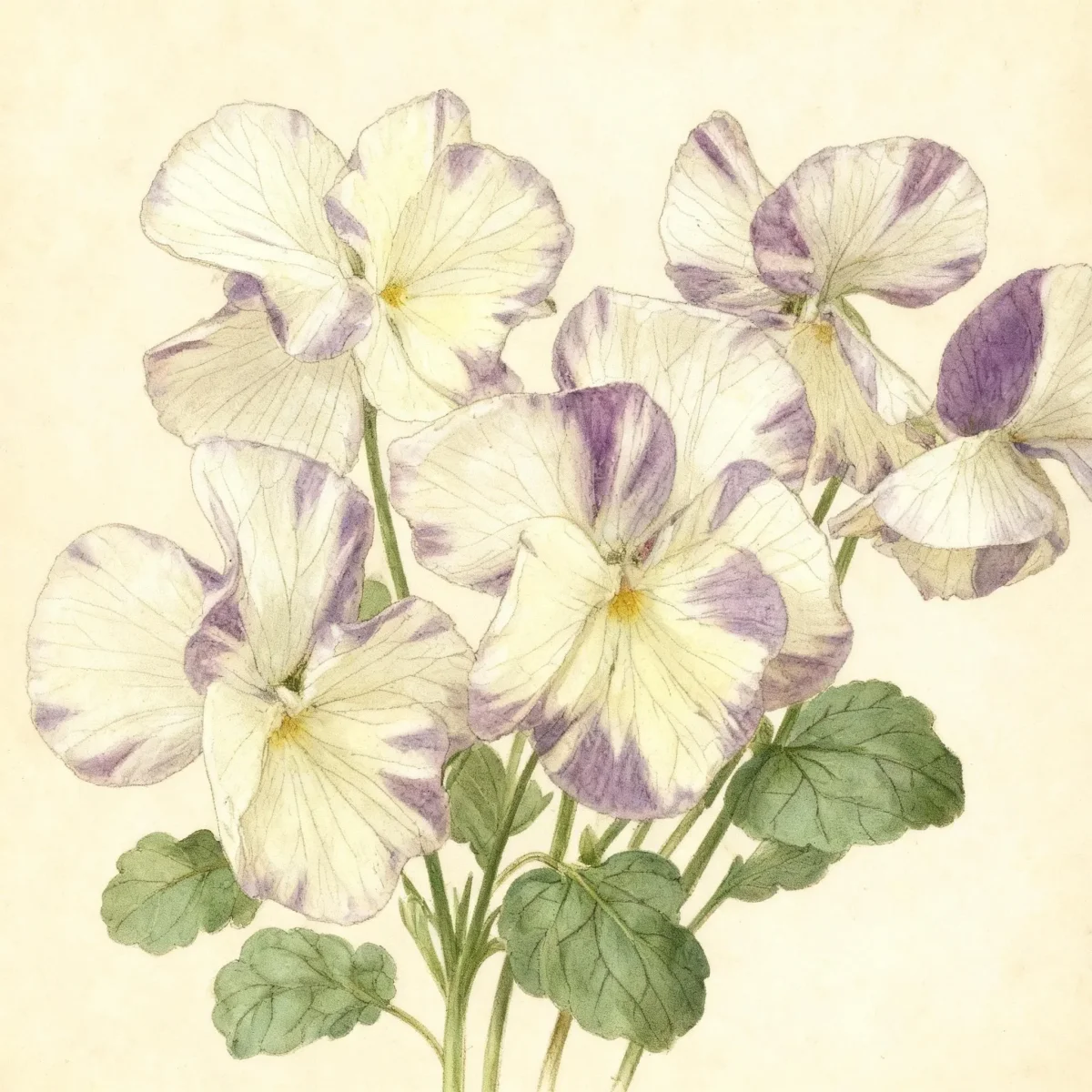
Viola × wittrockiana, known as pansies, are one of the most popular bedding plants for cool weather. Pansies sold in commerce as V. × wittrockiana are mostly F1 hybrids that grow to 8” tall with 2-4” diameter flattened face-like flowers. Flowers come in a wide variety of colors including various shades of blue, purple, red, rose, yellow, apricot, brown-red, white and bicolors, often with contrasting blotching or central whiskering/markings.
Tolerances
- Deer
Potential Problems
Pansies generally avoid serious insect or disease issues, but growers should remain vigilant regarding slugs and snails, which can chew holes in the foliage. The main threat comes from fungal leaf diseases, particularly in humid conditions or when foliage remains wet for extended periods. Ensure good air circulation and avoid overhead watering late in the day to minimize these risks. Promptly remove any diseased or overly stressed plants to prevent spread.
Frequently Asked Questions
What hardiness zones is Pansy suitable for?
The Viola × wittrockiana thrives in USDA Hardiness Zones 6 through 10, where it can provide extended seasonal color.
How large does Pansy grow?
Pansies typically reach a height between 0.5 and 0.75 feet, spreading outward to a width of 0.75 to 1 foot at maturity.
When does Pansy bloom?
Pansy displays its beautiful coloration from April to June, offering vibrant shades including blue, purple, red, rose, yellow, apricot, maroon, white and bicolors.
What sun exposure does Pansy need?
For optimal performance and the best bloom potential, plant your Pansies where they will receive full sun to part shade, often benefiting from afternoon shade in the hottest climates.
Conclusion
The Viola × wittrockiana, or Pansy, remains an indispensable bedding plant due to its early and persistent cool-season performance and broad color spectrum. Its ability to thrive in conditions that sideline summer annuals makes it highly valuable for landscapers and home gardeners alike. Before planting, always check your regional hardiness zone compatibility to maximize your enjoyment of this classic favorite.
Companion Planting
When selecting companions for your Pansy display, prioritize other cool-season favorites that share similar soil and moisture requirements. Excellent pairings include early-blooming bulbs like Muscari or Daffodils that emerge color just as the Pansies peak. For continuous bedding displays, integrate them with cool-season vegetables or herbs, such as lettuce or parsley, which also prefer slightly shaded, consistently moist soil. Avoid planting directly next to aggressive perennials that might crowd out the low-growing Viola × wittrockiana.
Design Ideas
Pansies excel in structured, contained designs. They are the perfect choice for formal edging where neat, low mounds of color are required along walkways or driveways. Window boxes offer a fantastic opportunity to showcase the bicolors and marked varieties of Viola × wittrockiana, often combined with trailing ivy or creeping thyme draped over the sides. For a charming cottage garden look, mass plant them in drifts beneath taller, later-blooming shrubs, using them as a vibrant, temporary groundcover.