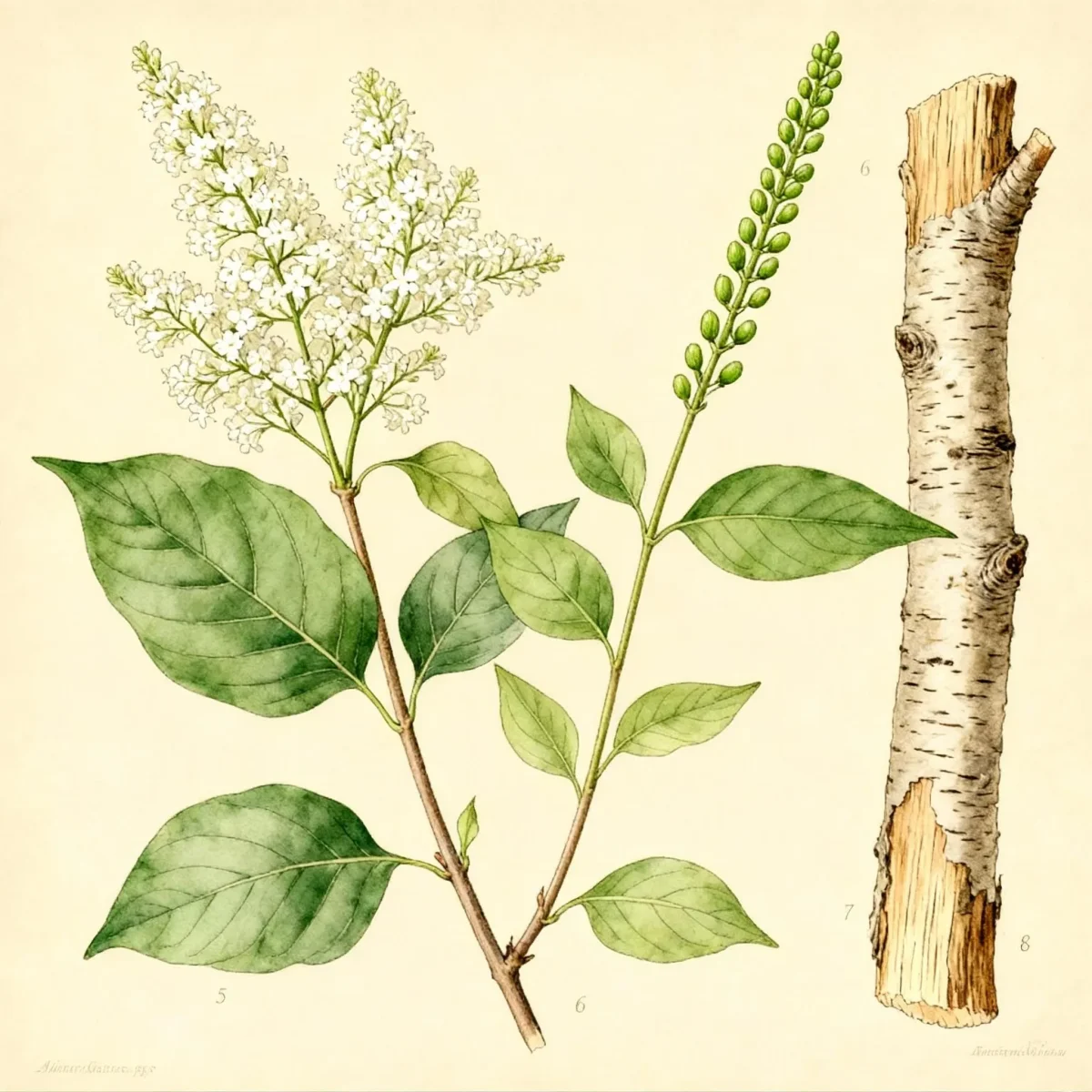
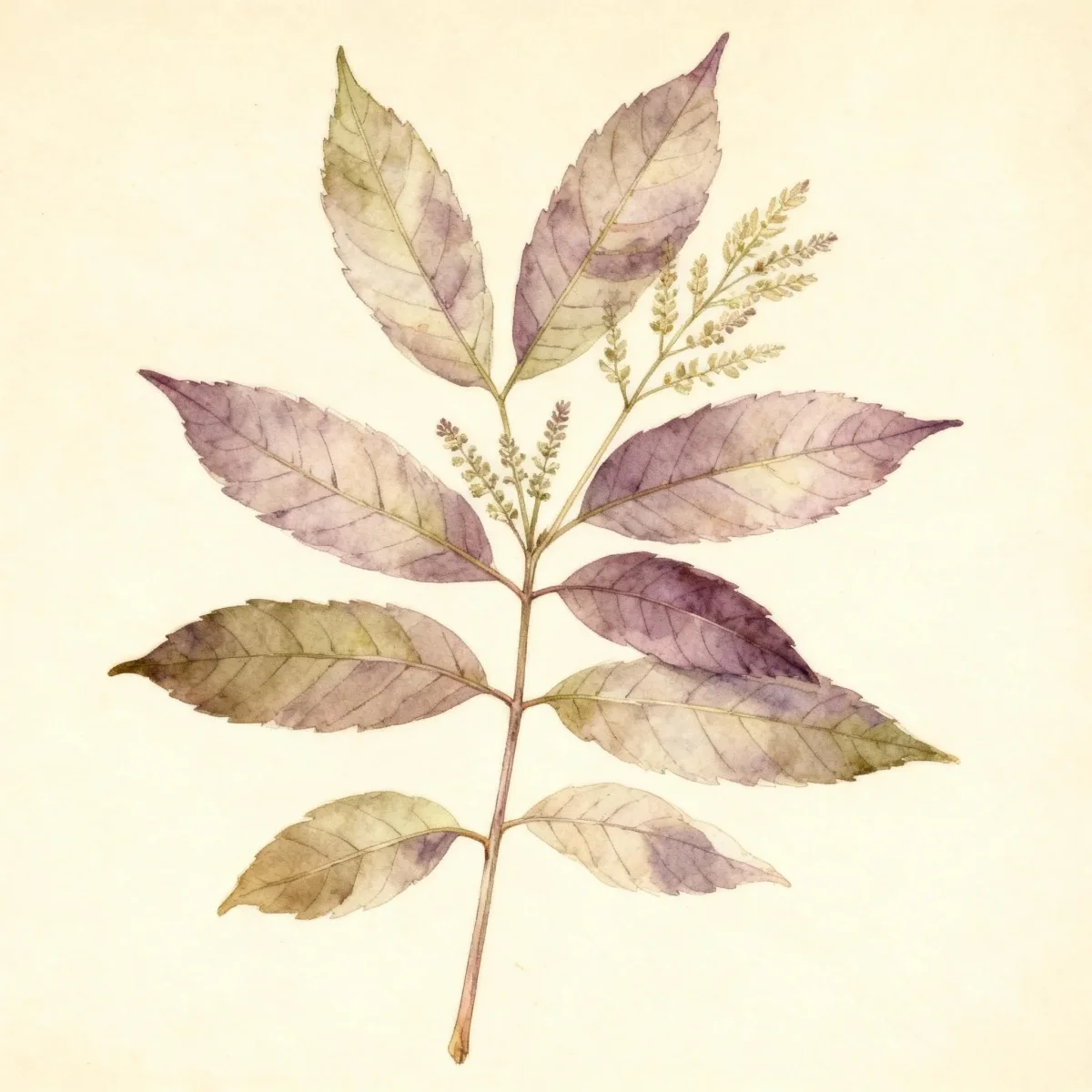
Chinese tree lilac (Syringa reticulata subsp. pekinensis)
Discover the Syringa reticulata subsp. pekinensis, the resilient Chinese tree lilac, valued for fragrant blooms and attractive exfoliating bark.
Scroll down to discover growing tips, care requirements, companion plants, and more
Complete Plant Information
Overview
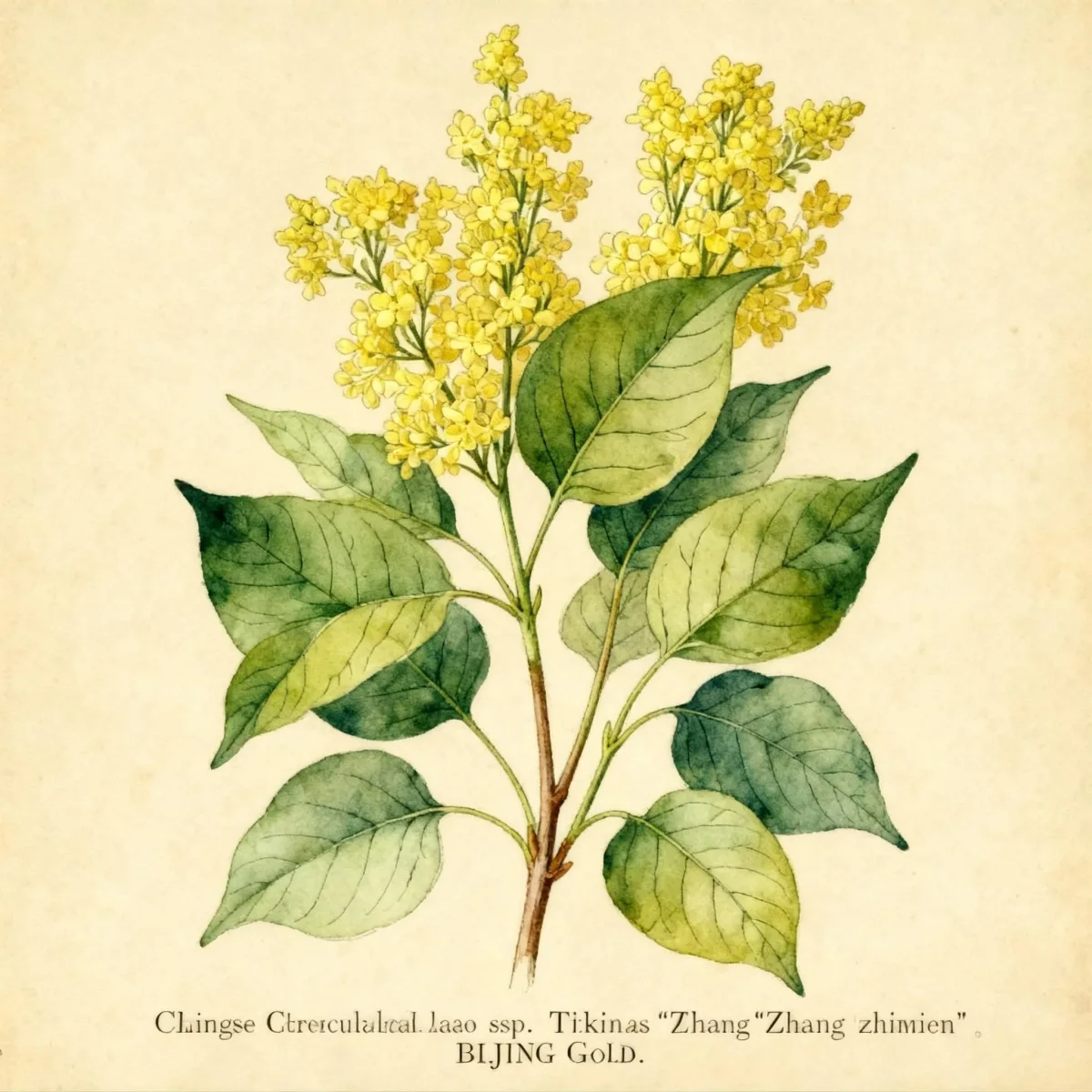
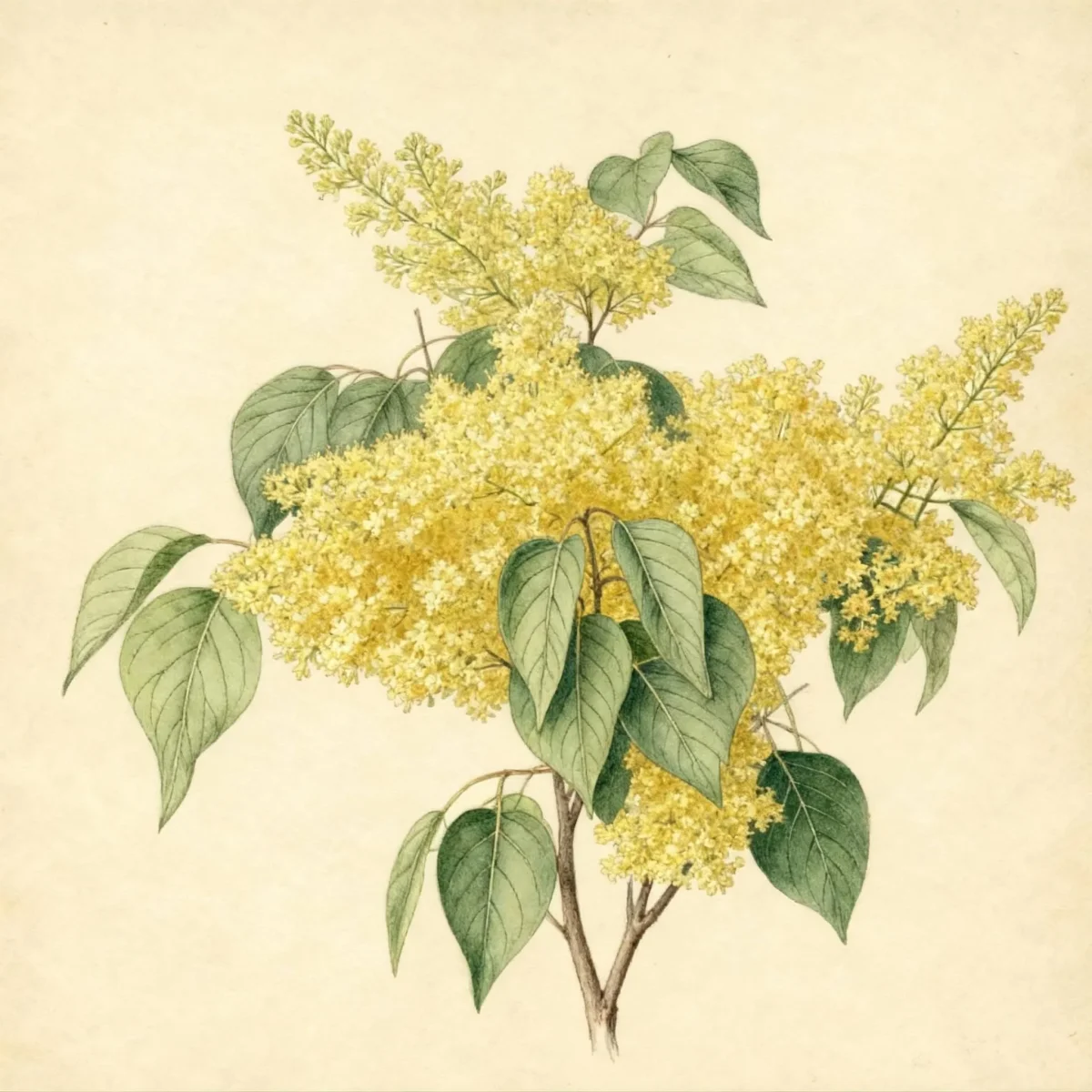
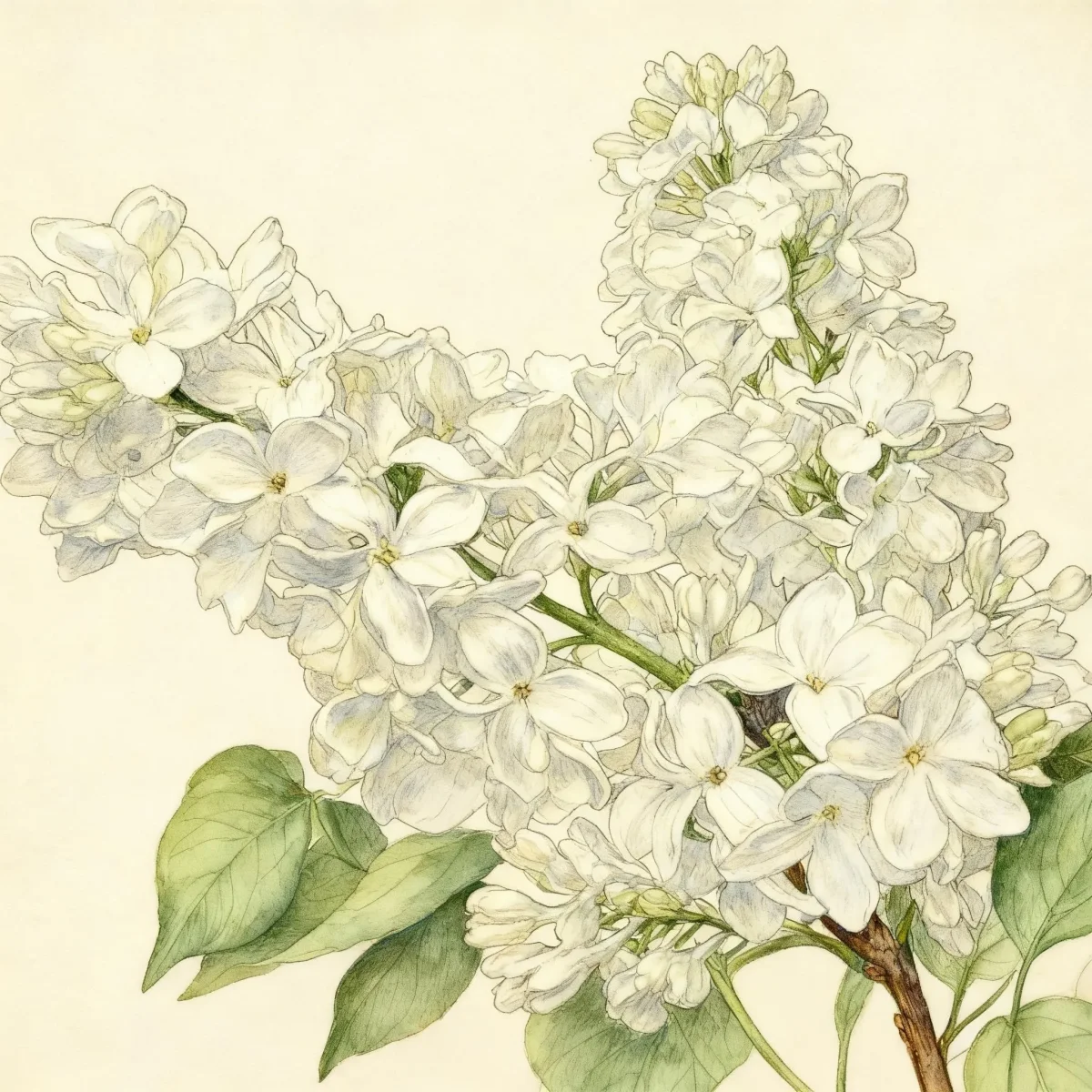
The Chinese tree lilac, scientifically known as Syringa reticulata subsp. pekinensis, stands out among lilacs by typically maturing into a manageable small tree rather than a sprawling shrub. Its primary ornamental appeal lies in the late spring to early summer display of showy, fragrant, yellowish-white flowers held in substantial upright panicles. This species, often referred to as Peking lilac, offers excellent urban tolerance and relatively low maintenance needs, making it a dependable choice for many landscapes.
Syringa reticulata subsp. Pekinensis provides visual interest beyond its bloom time, boasting attractive, reddish-brown exfoliating bark that catches the eye, especially on younger branches. Native to wooded areas in Northern China, this reliable tree thrives in conditions where other ornamental trees might struggle, including clay soils. Gardeners appreciate the hardiness and structure provided by this unique lilac variety.
This specific subspecies, Syringa reticulata subsp. pekinensis, presents a wonderful functional option for street tree plantings or as a striking specimen tree where seasonal beauty is desired. Its dense canopy and attractive features ensure it remains an ornamental asset from spring bloom through winter texture provided by persistent seed capsules.
Fast Facts
- Plant Family: Oleaceae
- Plant Type: Tree
- Native Range: Northern China
- Hardiness Zones: USDA Zones 3-7
- Size at Maturity:
- Height: 15-20 ft
- Spread: 10-15 ft
- Bloom Time: May to June
- Bloom Description: Yellowish-white
- Sun Exposure: Full sun
- Water Needs: Medium
- Maintenance Level: Low
How to Grow
The Chinese tree lilac establishes best when planted in the spring or fall in a location receiving full sun for optimal flowering performance. While it tolerates light shade, the most abundant bloom occurs when sun exposure is maximized. Syringa reticulata subsp. pekinensis adapts well to average, medium moisture, well-drained soils, though it performs best in soil that is organically rich and slightly acidic. Excellent air circulation is important for plant health.
Watering should be consistent, aiming for medium moisture, especially after establishment, though it tolerates occasional dryness better than many ornamental trees. Fertilizing is generally unnecessary if the soil is decent, but if growth is sparse, incorporate organic matter. Pruning is minimal; if desired, remove faded flower panicles to prevent seed set and perform any shaping immediately following the flowering period in late spring.
Avoid planting Syringa reticulata subsp. Pekinensis south of USDA Zone 7, as it prefers the cooler summers found in northern climates for best performance. The plant handles urban stress effectively, tolerating pollution and the compacted soils of city environments well. Cleanup requires little effort, though the persistent brown capsules can remain through the winter months, offering some winter structure.
Landscape Uses
The versatility of the Chinese tree lilac makes it highly valuable for defined landscape roles. Tree forms of Syringa reticulata subsp. pekinensis are particularly successful when utilized as flowering street trees, offering substantial seasonal interest along roadways or planting beds bordering pavement. They also serve beautifully as stately specimens in lawns, drawing admiration for their upright bloom structure and attractive bark.
For gardeners seeking functional screening or more informal groupings, the shrub form of the Chinese tree lilac functions well in borders or small groves along property lines. Its robust nature means it is an excellent candidate for foundation plantings near decks or patios, provided there is adequate space for its ultimate spread of 10 to 15 feet. The unique texture and color of its bark are enhanced when sited against darker backgrounds, such as evergreen screens or dark brickwork.
Standout Features
Flower Qualities
- Showy
- Fragrant
Noteworthy Characteristics
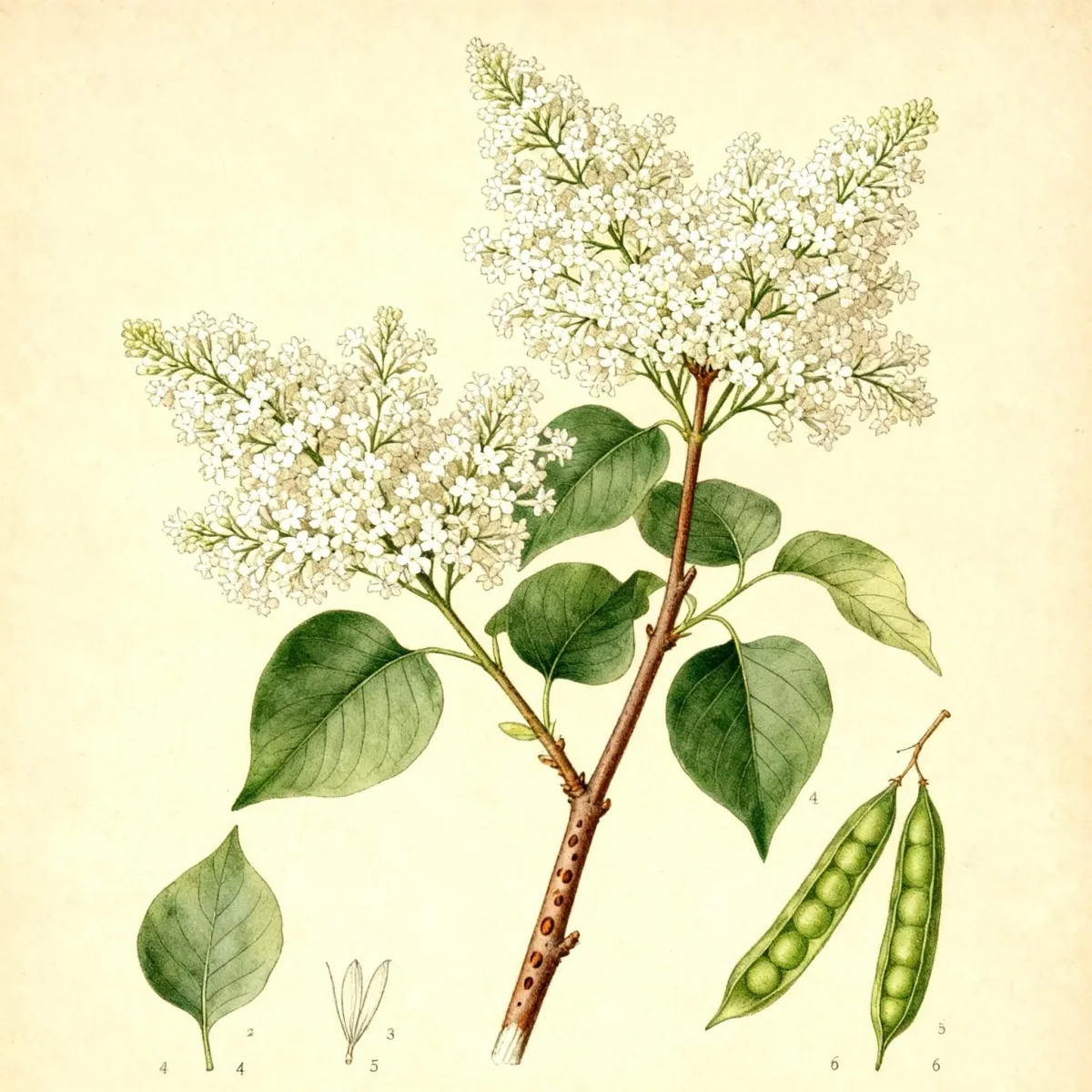
Syringa reticulata, commonly called Chinese tree lilac, typically grows as a small tree or large shrub. In tree form, it grows to 30’ tall and 20’ wide with an oval-rounded crown. Its best ornamental feature is its showy, fragrant, creamy white flowers which bloom in upright panicles to 12” long in late spring to early summer (later than most other lilac species). Subsp. Pekinensis, formerly known as Syringa pekinensis, is native to wooded areas on slopes, valleys and ravines in northern China. It is commonly called Peking lilac or Chinese tree lilac. It typically grows in an open, multi-stemmed form to 15-20’ tall and to 15’ wide with arching branches and ovate dark green leaves (to 2-4” long). Reddish-brown bark is furrowed and ridged on some plants, but exfoliates attractively on others.
Tolerances
- Deer
- Clay Soil
Potential Problems
Fortunately, the Chinese tree lilac exhibits good resistance to common lilac ailments, including powdery mildew, scale, and borers, minimizing serious insect or disease issues. However, watch for susceptibility to certain blights, leaf spots, wilt, and ring spot virus, although these are typically minor concerns. Caterpillars and leaf miners are occasional insect visitors that may require monitoring. The primary cultural challenge is the vulnerability of early spring flower buds to late frost injury, which can drastically reduce the bloom display for that season.
Frequently Asked Questions
What hardiness zones is Chinese tree lilac suitable for?
Syringa reticulata subsp. pekinensis is reliably hardy in USDA Zones 3 through 7.
How large does Chinese tree lilac grow?
This plant typically reaches a mature height between 15 and 20 feet, with a spread ranging from 10 to 15 feet wide.
When does Chinese tree lilac bloom?
The fragrant, yellowish-white flowers of the Chinese tree lilac appear from May to June.
What sun exposure does Chinese tree lilac need?
For the best flower production, Syringa reticulata subsp. pekinensis requires full sun exposure.
Conclusion
The Syringa reticulata subsp. pekinensis offers gardeners a low-maintenance, urban-tolerant tree solution that delivers fragrant, late-season blossoms and appealing winter bark texture. As a superior ornamental alternative often superior in performance to traditional lilacs in warmer zones, the Chinese tree lilac is an excellent investment. Ensure your chosen site is within USDA Zones 3-7 and receives plenty of sun when planning your installation.
Design Ideas
When integrating this specimen into a mixed border, consider pairing the Chinese tree lilac with late-blooming perennials or shrubs that thrive in similar conditions. Plants with fine, contrasting foliage work exceptionally well next to the coarser leaves of the lilac, enhancing the visual separation of textures. For example, Japanese forest grasses or dark-leafed Sedums provide beautiful foreground contrast near the base of the tree form.
Due to its medium size and tolerance for urban abuse, Syringa reticulata subsp. pekinensis is an ideal choice for creating an allee or a formal, repeating pattern along a long walkway or driveway. Groupings work well to amplify the fragrance of the May to June bloom period. When placed near patios, the scent carries beautifully on the warm evening air, making it a wonderful focal point for outdoor entertaining areas.
Wildlife Benefits
While perhaps not a primary pollinator magnet early in the season, the late bloom time of the Chinese tree lilac is significant, filling a crucial gap in the flowering season when many spring bloomers have finished. The fragrant, yellowish-white blossoms attract various bees and other beneficial insects seeking nectar when other food sources become scarce. Establishing this reliable bloomer supports local insect populations during early summer.
Furthermore, the persistent clusters of brown capsules that follow the bloom offer a structural element and potential minor food source for birds entering the fall and winter months. By avoiding aggressive pruning, gardeners allow these capsules to remain, offering subtle visual interest and supplementary winter interest in the landscape framework.