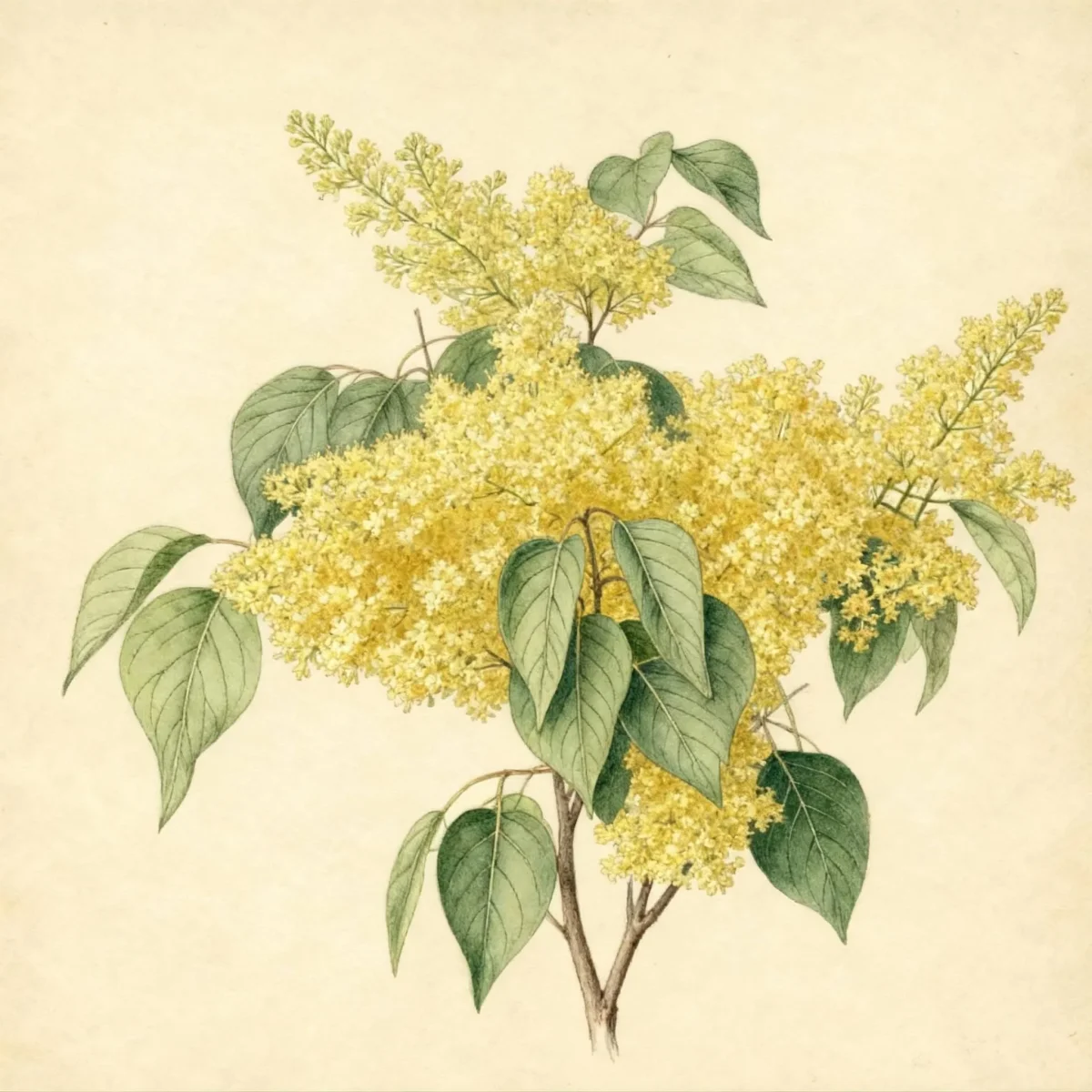
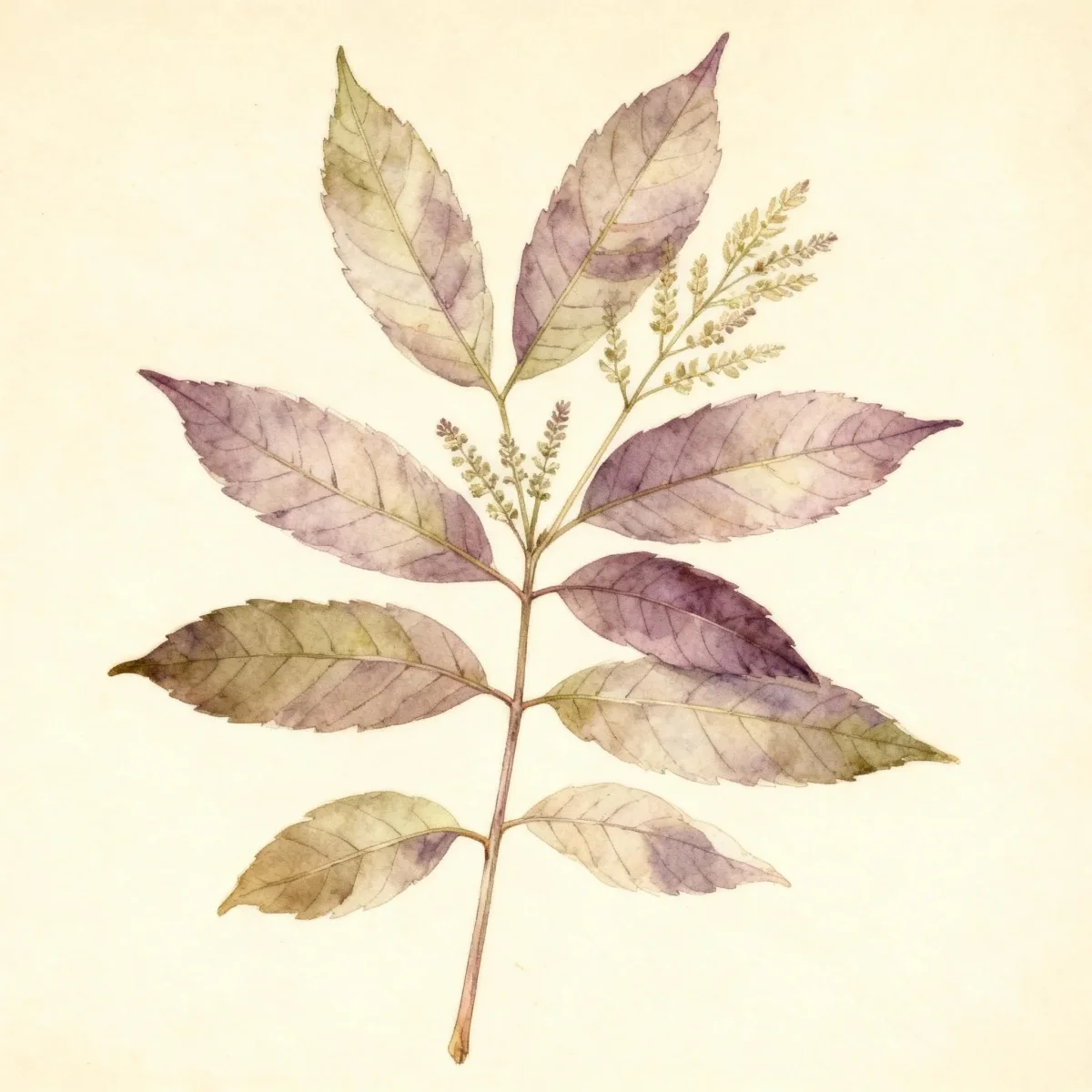
Amur lilac (Syringa reticulata subsp. amurensis)
Discover the landscape value of Amur lilac (Syringa reticulata subsp. amurensis), a low-maintenance tree offering late-season white, fragrant blooms.
Scroll down to discover growing tips, care requirements, companion plants, and more
Complete Plant Information
Overview
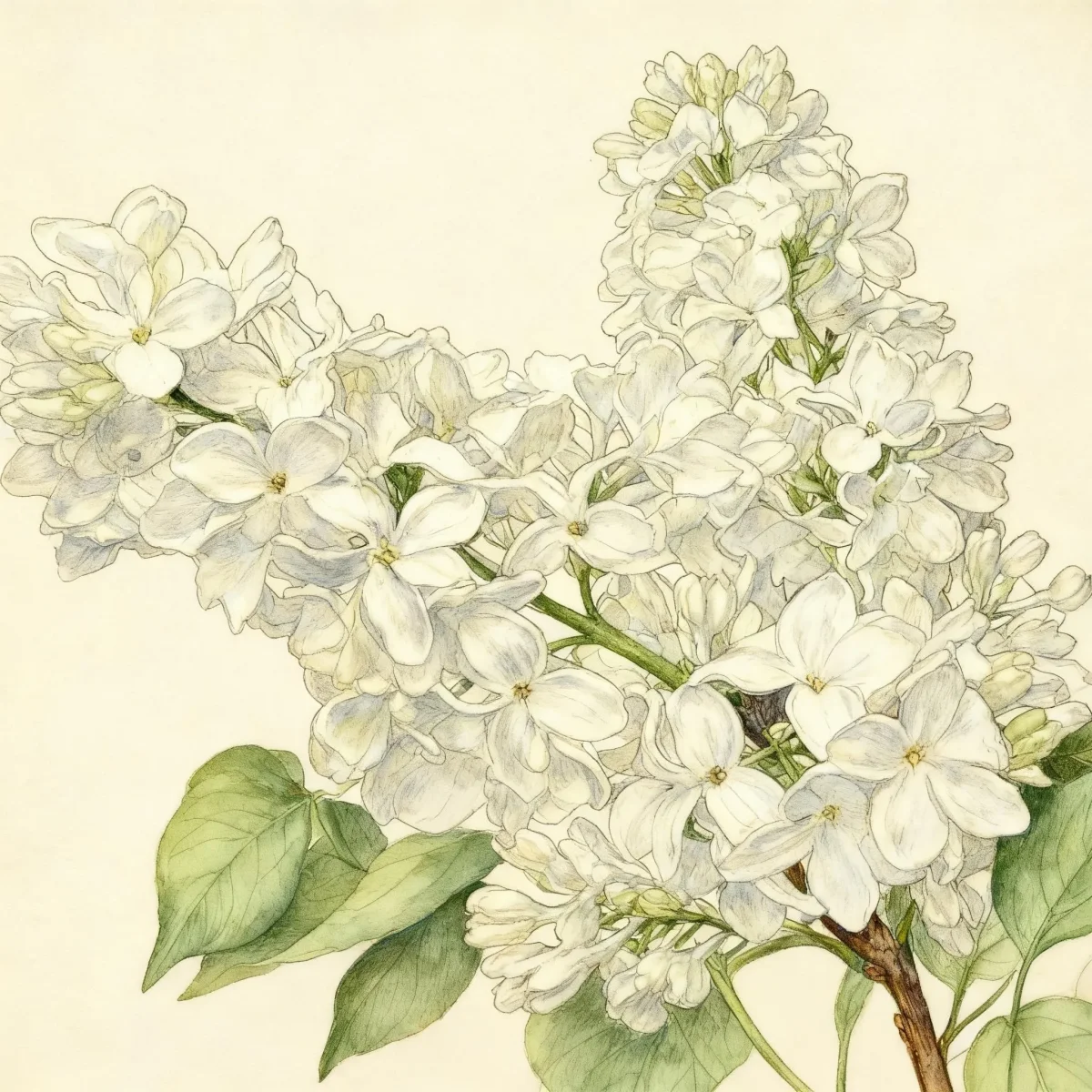
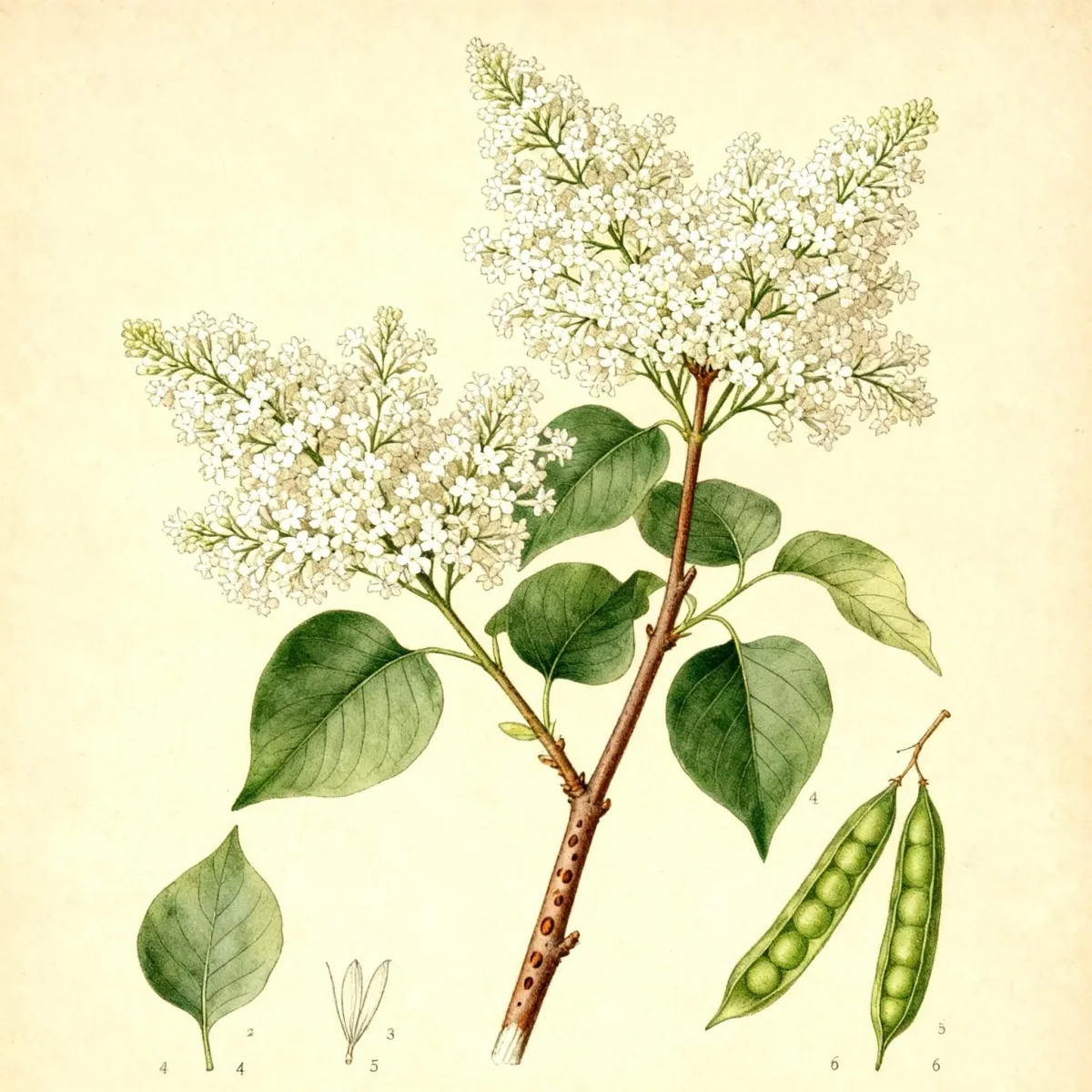
The Amur lilac, scientifically recognized as Syringa reticulata subsp. amurensis, provides reliable structure and late-season interest in the garden. As a slow-growing, relatively small, multi-stemmed tree or large shrub, it is highly valued for its adaptability and attractive bark texture as it matures. Unlike many spring bloomers, this lilac offers showy, fragrant, creamy white flowers spanning late spring into early summer.
This particular subspecies provides excellent ornamental features, particularly when contrasted with others in the lilac family. Gardeners appreciate the low maintenance required by Syringa reticulata subsp. Amurensis, making it a sturdy choice for challenging locations. Its unique appeal lies in its dependable blooming period and its ability to tolerate difficult conditions common in urban settings.
We highly recommend exploring the use of Amur lilac for its resilience and aesthetic contributions. The exfoliating bark adds winter interest, while the summer flowers attract attention when most other spring bloomers are finished. Planting Syringa reticulata subsp. amurensis ensures a reliable performer that integrates well into borders or serves as a specimen plant.
Fast Facts
- Plant Family: Oleaceae
- Plant Type: Tree
- Native Range: Manchuria
- Hardiness Zones: USDA Zones 3-7
- Size at Maturity:
- Height: 6-8 ft
- Spread: 4-6 ft
- Bloom Time: May to June
- Bloom Description: White
- Sun Exposure: Full sun
- Water Needs: Medium
- Maintenance Level: Low
How to Grow
The ideal time to plant Amur lilac (Syringa reticulata subsp. amurensis) is during the dormant seasons—early spring or fall—to allow roots to establish before harsh summer heat. Plant in full sun for the absolute best flowering performance, though it tolerates light shade. This plant thrives best in organically rich, moist, well-drained soils that are slightly acidic; however, it shows good tolerance for clay soils once established.
Water needs are medium; ensure young plants receive consistent moisture until they are fully established in the landscape. Mature Amur lilac trees are reasonably drought-tolerant but appreciate deep watering during extended dry spells. Fertilize sparingly if the soil is already rich. Good air circulation is crucial for overall plant health.
Pruning for Syringa reticulata subsp. amurensis should be done immediately after flowering ceases to avoid cutting off next year’s buds. Promptly remove faded flower panicles before they set seed, which promotes better rebloom and maintains a cleaner appearance. Note that this species is generally best suited for cooler summer climates and is not recommended for planting far south of USDA Zone 7.
Landscape Uses
The compact size of Amur lilac makes it exceptionally versatile for various landscape applications where larger trees are impractical. It functions excellently when utilized as a screen along property lines due to its density when planted closely, or it works perfectly as a formal hedge where its growth habit can be maintained.
Beyond functional purposes, Syringa reticulata subsp. amurensis shines as a specimen plant near patios or decks, allowing gardeners to enjoy the late-season, fragrant white blooms up close. It integrates well into shrub borders, offering textural contrast with its unique exfoliating bark that reveals attractive inner bark tones. Consider pairing Syringa reticulata subsp. amurensis with late-season perennials that prefer similar sun and soil needs.
Standout Features
Flower Qualities
- Showy
- Fragrant
Noteworthy Characteristics
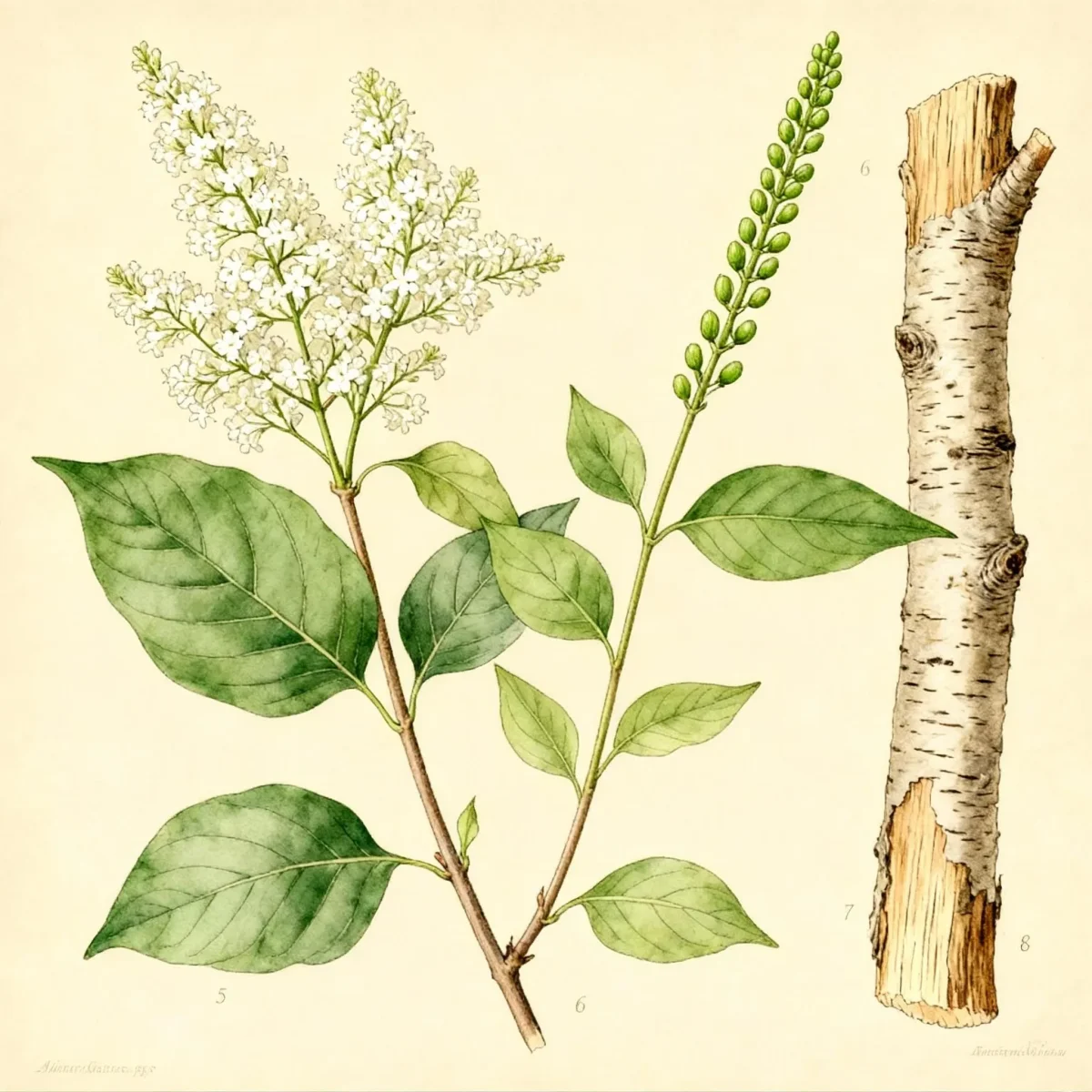
Syringa reticulata subsp. Amurensis is a large shrub or small tree native to wooded areas in Northeast China, Siberia, and Korea, commonly known as Amur lilac. It typically forms a multi-stemmed structure, reaching 6–8 feet tall with arching branches, showcasing fragrant, white flowers in large panicles during mid-spring (May–June). Mature bark exfoliates beautifully, showcasing desirable chestnut-brown inner bark, though the plant offers no significant fall color.
Tolerances
- Deer
- Clay Soil
Potential Problems
Fortunately, Amur lilac exhibits relatively few major pest or disease concerns compared to some other lilac species. It demonstrates good inherent resistance to common lilac issues like powdery mildew, scale insects, and borers. Gardeners should still monitor for occasional setbacks such as blights, leaf spots, wilt, or ring spot virus, which can occur in overly humid or stressed conditions.
If pests like caterpillars or leaf miners are observed, address them with appropriate targeted treatments as necessary. The most significant threat to bloom production is early spring frost, which can damage developing flower buds, leading to a season with fewer flowers. Selecting planting sites that minimize exposure to late frosts is the best preventative measure against this issue.
Frequently Asked Questions
What hardiness zones is Amur lilac suitable for?
The Amur lilac (Syringa reticulata subsp. amurensis) is hardy and adaptable across USDA Zones 3 through 7.
How large does Amur lilac grow?
This variety typically matures at a height between 6 to 8 feet, with a comparable spread of 4 to 6 feet, often taking on a multi-stemmed, arching form.
When does Syringa reticulata subsp. amurensis bloom?
The bloom time for this lilac variety is typically from May to June, producing fragrant white flowers.
What sun exposure does Syringa reticulata subsp. Amurensis need?
For the best flowering results, Syringa reticulata subsp. amurensis requires full sun exposure, although it can handle light shade.
Conclusion
The Amur lilac, Syringa reticulata subsp. amurensis, stands out as a resilient, low-maintenance small tree offering late-season fragrance and attractive exfoliating bark. Its tolerance for clay soil and deer browsing adds considerable value to practical landscape designs. Before planting, confirm that your location falls within USDA Zones 3–7 and ensure it receives plenty of direct sunlight for optimal spring flush.
Companion Planting
When selecting partners for Amur lilac, focus on plants that share the preference for medium moisture, well-drained soil, and full sun conditions. Consider pairing it with late-blooming summer perennials that can fill the gap after the lilac flowers fade, such as Russian Sage (Perovskia atriplicifolia) or Coneflowers (Echinacea), which provide contrasting textures and colors in the border. For foundation plantings, low-growing, fine-textured evergreens can accentuate the exfoliating bark during winter months.
Design Ideas
Utilize the tidy, rounded habit of Syringa reticulata subsp. amurensis when designing formal entryways where its size provides proportionate scale without overpowering the architecture. In naturalistic settings, allow it to assume its natural, multi-stemmed form, spacing plants widely enough to showcase the peeling bark structure. This species also works well interplanted with early-summer blooming shrubs like Hydrangeas, creating successive layers of mid-sized flowering interest throughout the warmest months.