Chittamwood (Sideroxylon lanuginosum)
Discover Chittamwood (Sideroxylon lanuginosum), a drought-tolerant native tree with showy white flowers and tough resilience for Zones 6-10.
Scroll down to discover growing tips, care requirements, companion plants, and more
Complete Plant Information
Overview
Sideroxylon lanuginosum, commonly known as Chittamwood, is a resilient native tree appreciated for its tolerance to harsh growing conditions rather than extensive ornamentation. Despite minimal contemporary ornamental cultivation, this species possesses distinct ecological and historical value as an underutilized native woody plant. While it presents as a narrow-crowned, spiny, deciduous tree, its tolerance for drought and poor soils makes the Sideroxylon lanuginosum a candidate for ecologically focused landscapes.
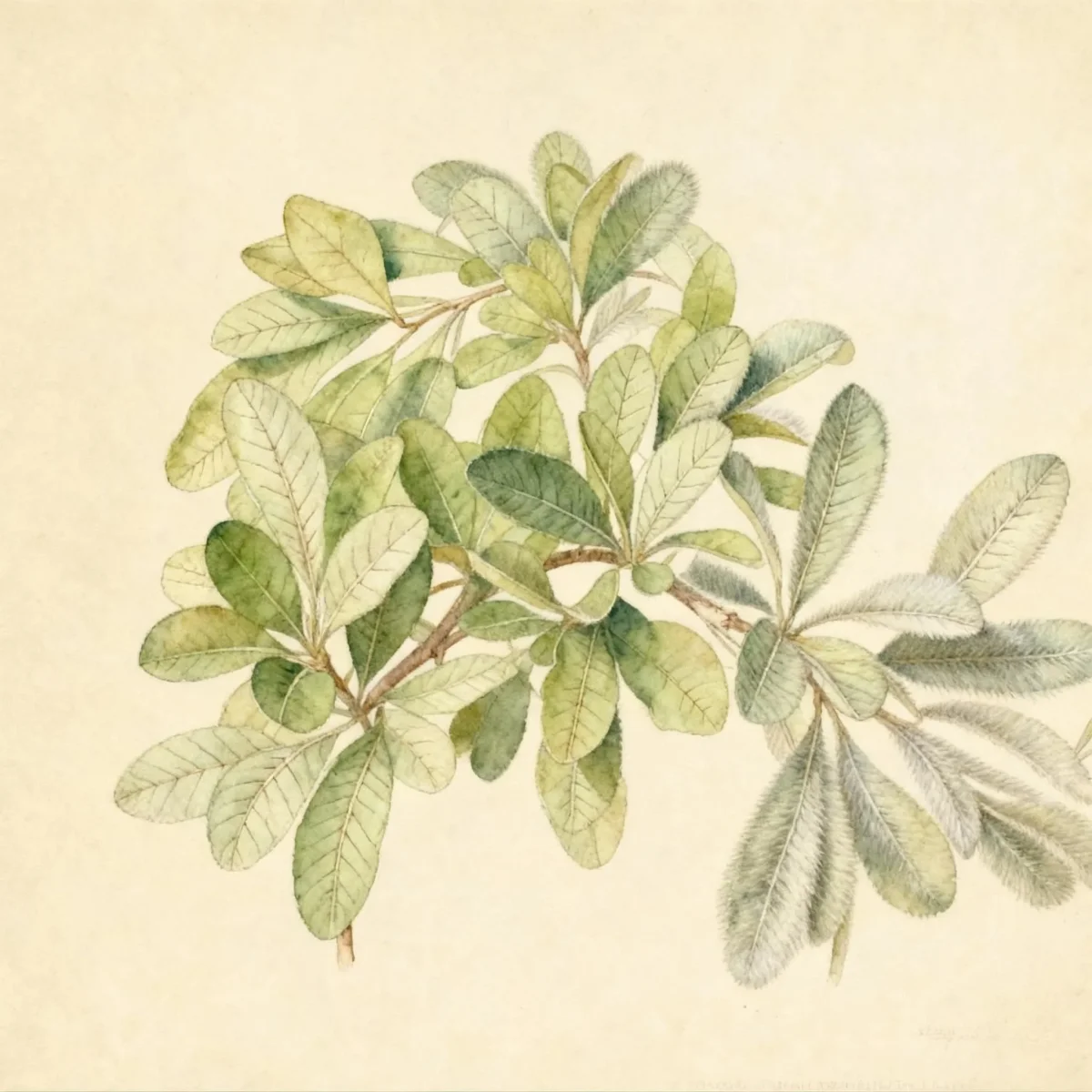
This species thrives across the Southeastern United States and into Mexico, exhibiting adaptability to various soil textures, from moist streamsides to dry, rocky glades. Growers should note that while generally hardy, its northern limits are perhaps less defined, suggesting protected sites may benefit plants near Zone 6 boundaries. The Chittamwood offers subtle aesthetic appeal, highlighted by its unusual soft-hairy leaf undersides and small, highly visible white flowers in early summer.
For the pragmatic gardener seeking a tough, low-maintenance specimen, Chittamwood offers longevity and structure, providing necessary habitat features due to its sharp thorns. Its historical connection to the sapodilla family further underscores its unique botanical positioning among temperate trees.
Fast Facts
- Plant Family: Sapotaceae
- Plant Type: Tree
- Native Range: Southeastern United States, Mexico
- Hardiness Zones: USDA Zones 6-10
- Size at Maturity:
- Height: 15-45 ft
- Spread: 10-30 ft
- Bloom Time: June
- Bloom Description: White
- Sun Exposure: Full sun to part shade
- Water Needs: Dry to medium
- Maintenance Level: Low
How to Grow
The Sideroxylon lanuginosum establishes best when planted during its dormant season, ensuring root establishment before summer heat arrives. Seek out sites offering full sun to partial shade; prolonged deep shade should be avoided. Crucially, the Chittamwood thrives in well-drained soils, tolerating dryness once established. Avoid locations where water pools, as excess moisture can negatively impact this drought-tolerant species.
Maintenance routines for Sideroxylon lanuginosum are minimal. Due to its low maintenance rating, fertilization is rarely required unless the tree is sited in extremely nutrient-poor media. Pruning should be restricted primarily to removing broken or poorly formed branches, particularly those featuring the pronounced thorns characteristic of the species.
When establishing this tree near its hardiness limits, such as in the northern reaches of its range like Missouri, provide a protected planting location sheltered from harsh winter winds. The species naturally persists in sites such as rocky woods and open glades, confirming its inherent ability to manage stress provided drainage is adequate.
Landscape Uses
Currently, the Chittamwood is infrequently cultivated for highly manicured landscape settings due to what some perceive as minimal ornamental impact; however, this perception overlooks its utility in specific applications. This tree is perhaps best employed in substantial naturalized areas, large native plant gardens, boundary plantings, or as an informal screen where its inherent toughness is an asset.
For gardeners focused on ecological restoration or low-input landscapes, Sideroxylon lanuginosum serves as an excellent structural element. It pairs well with other resilient native shrubs and small trees suited to dry, rocky slopes, providing vertical contrast against lower-growing xeriscapic perennials. Its thorny structure can also offer a defensive barrier along remote property lines.
Finding nursery stock of Sideroxylon lanuginosum may require effort, making propagation from seed or locating established specimens the more likely path for landscape incorporation. Utilizing this tree where intense flower displays are not the primary goal allows its rugged character and ecological benefits to shine.
Standout Features
Flower Qualities
- Showy
Fruit Qualities
- Showy
Noteworthy Characteristics
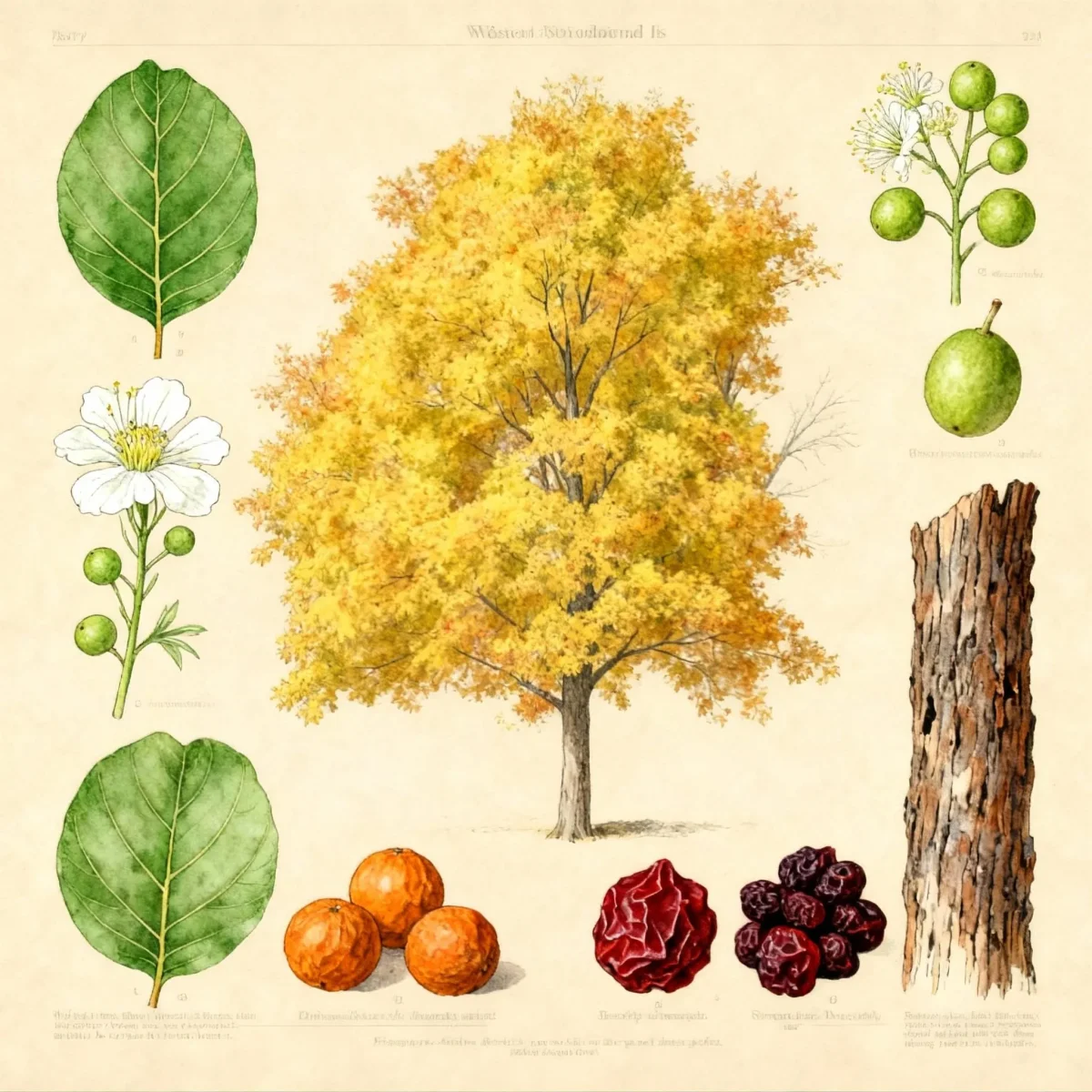
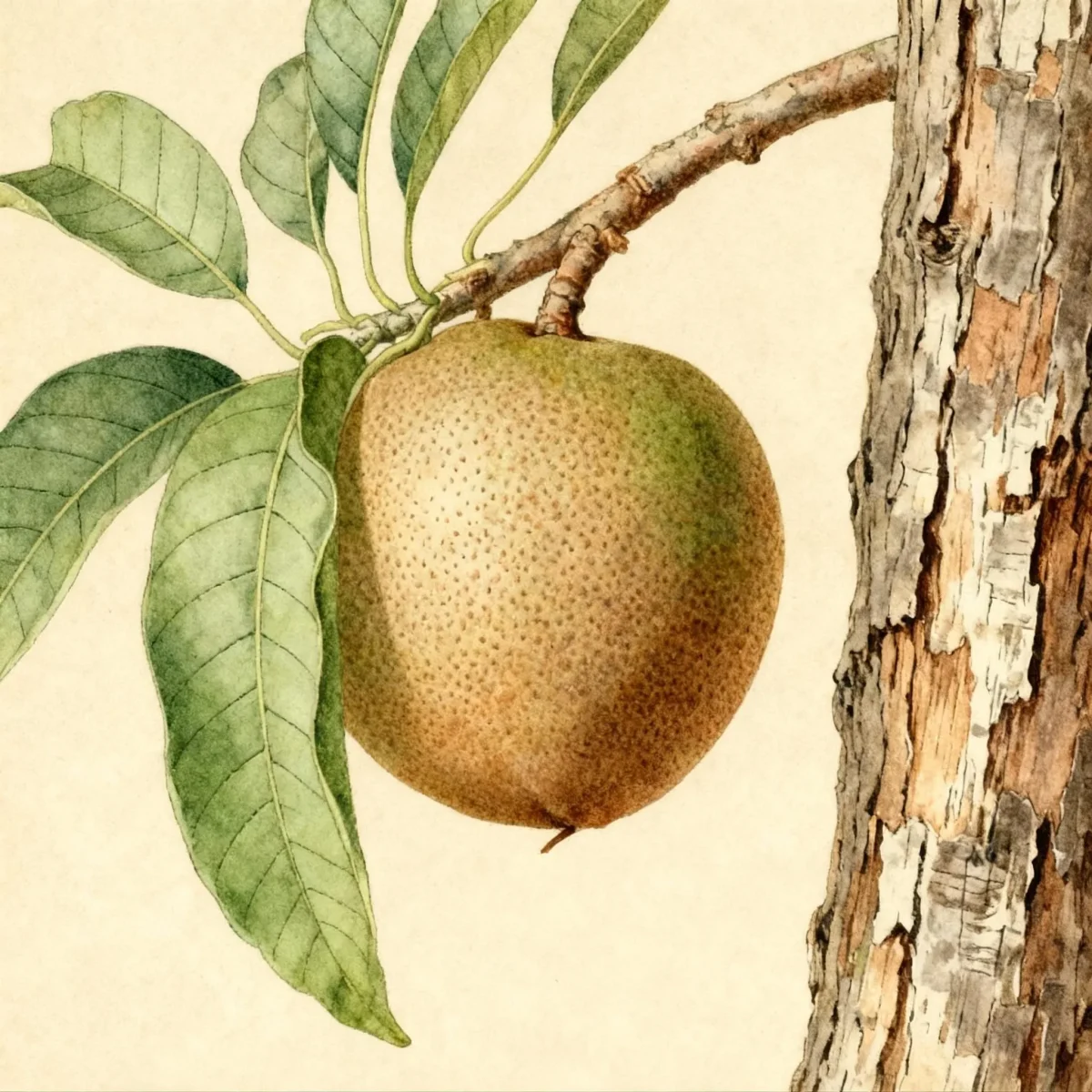
Sideroxylon lanuginosum is a narrow-crowned, spiny, deciduous tree native across the southeastern U.S. and northern Mexico, sometimes referred to as woolly bumelia. Its tiny white flowers appear in early summer, followed by shiny, small black fruits in the fall, and its oblong leaves possess soft hairs beneath providing subtle winter interest. The genus name reflects the iron-like hardness of the heartwood, while the specific epithet notes the distinct downy hairs found on the twigs and leaf undersides.
Tolerances
- Drought
- Dry Soil
- Shallow-Rocky Soil
Potential Problems
Sideroxylon lanuginosum generally exhibits exceptional resilience against common pests and pathogens, showing virtually no serious insect or disease problems recorded by horticulture databases. This inherent resistance is a significant advantage for gardeners seeking truly low-input woody plants. Because maintenance is so low, the main concerns are related to site selection, ensuring the tree is not planted in consistently wet or poorly draining soil, which will be detrimental even for this tough species.
Frequently Asked Questions
What hardiness zones is Chittamwood suitable for?
The Chittamwood, Sideroxylon lanuginosum, is generally recommended for USDA Hardiness Zones 6 through 10.
How large does Sideroxylon lanuginosum grow?
This native tree typically reaches heights between 15 and 45 feet, with a spread ranging from 10 to 30 feet at maturity.
What sun exposure does Chittamwood need?
Sideroxylon lanuginosum adapts well to a range of light conditions, preferring full sun but tolerating part shade environments.
When does Chittamwood bloom?
The tree produces clusters of small white flowers during the month of June.
Conclusion
The Sideroxylon lanuginosum, or Chittamwood, stands out as an exceptionally tough, low-maintenance native tree defined by its drought tolerance and resilience to poor soils. While it may not suit formal ornamental plantings, its structural presence and ecological function in wilder areas are invaluable. Before planting, confirm your growing region falls within USDA Zones 6-10 to ensure the Chittamwood thrives in your landscape.
Companion Planting
When integrating Sideroxylon lanuginosum into a naturalized area, pair it with other species that share a preference for dry to medium, well-drained soils. Consider drought-tolerant understory shrubs or perennials native to the Southeast that can handle sun exposure similar to that required by the Chittamwood. This approach ensures all elements of the planting contribute to a low-water, resilient ecosystem, mimicking its natural preference for habitats like open, rocky woods.
Wildlife Benefits
Although its ornamental display is subtle, the fruit production of the Sideroxylon lanuginosum provides a crucial late-season food source for local fauna. The small, shiny, black fruits mature in the fall and are attractive to various birds. Furthermore, the dense, often thorny structure, typical of the Chittamwood, offers excellent cover and safe nesting opportunities for various species seeking protection within native habitat settings.