Leopard plant (Ligularia przewalskii)
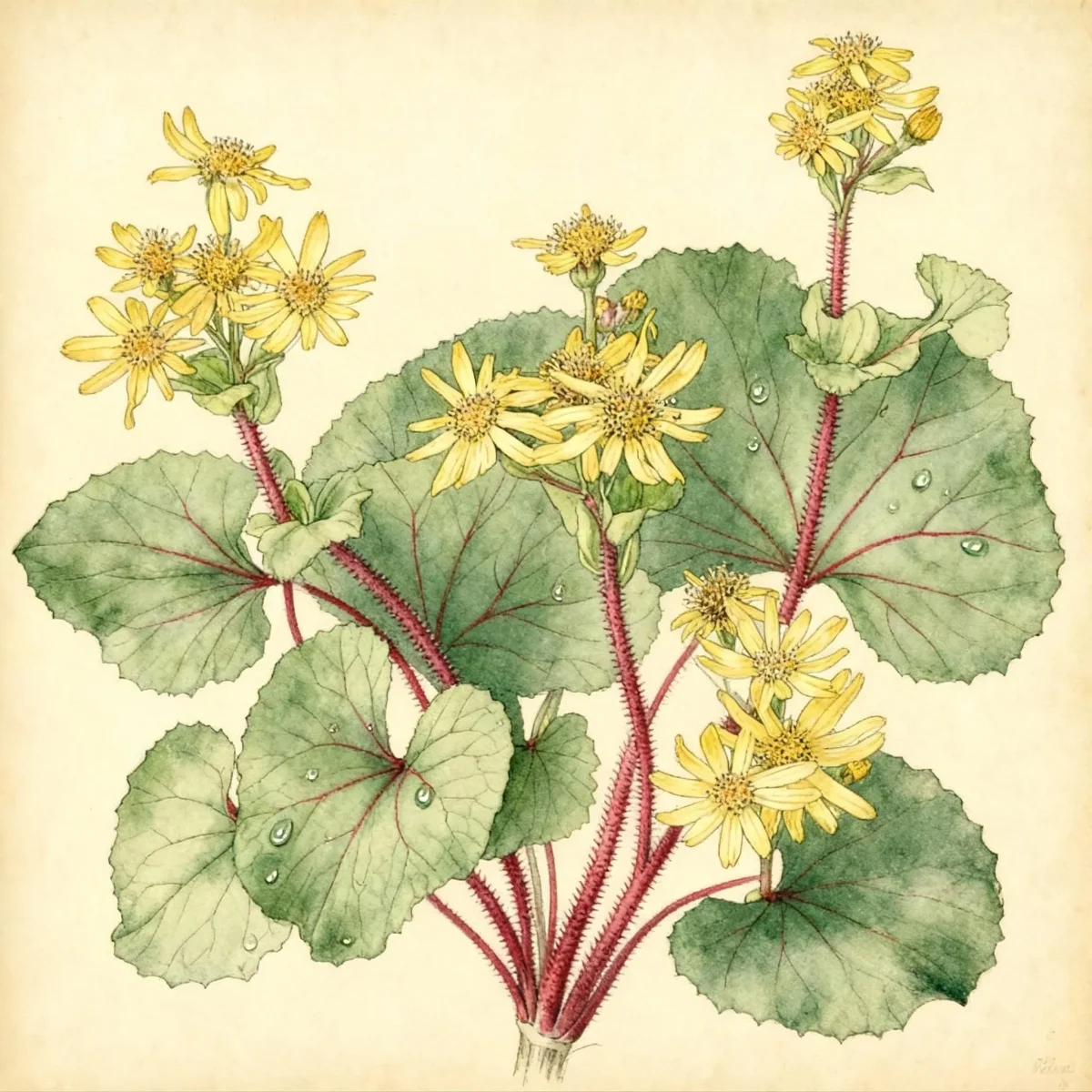
The striking Leopard plant (Ligularia przewalskii) provides bold, dark-stemmed foliage and bright yellow flower spikes in mid-summer.
Scroll down to discover growing tips, care requirements, companion plants, and more
Complete Plant Information
Overview
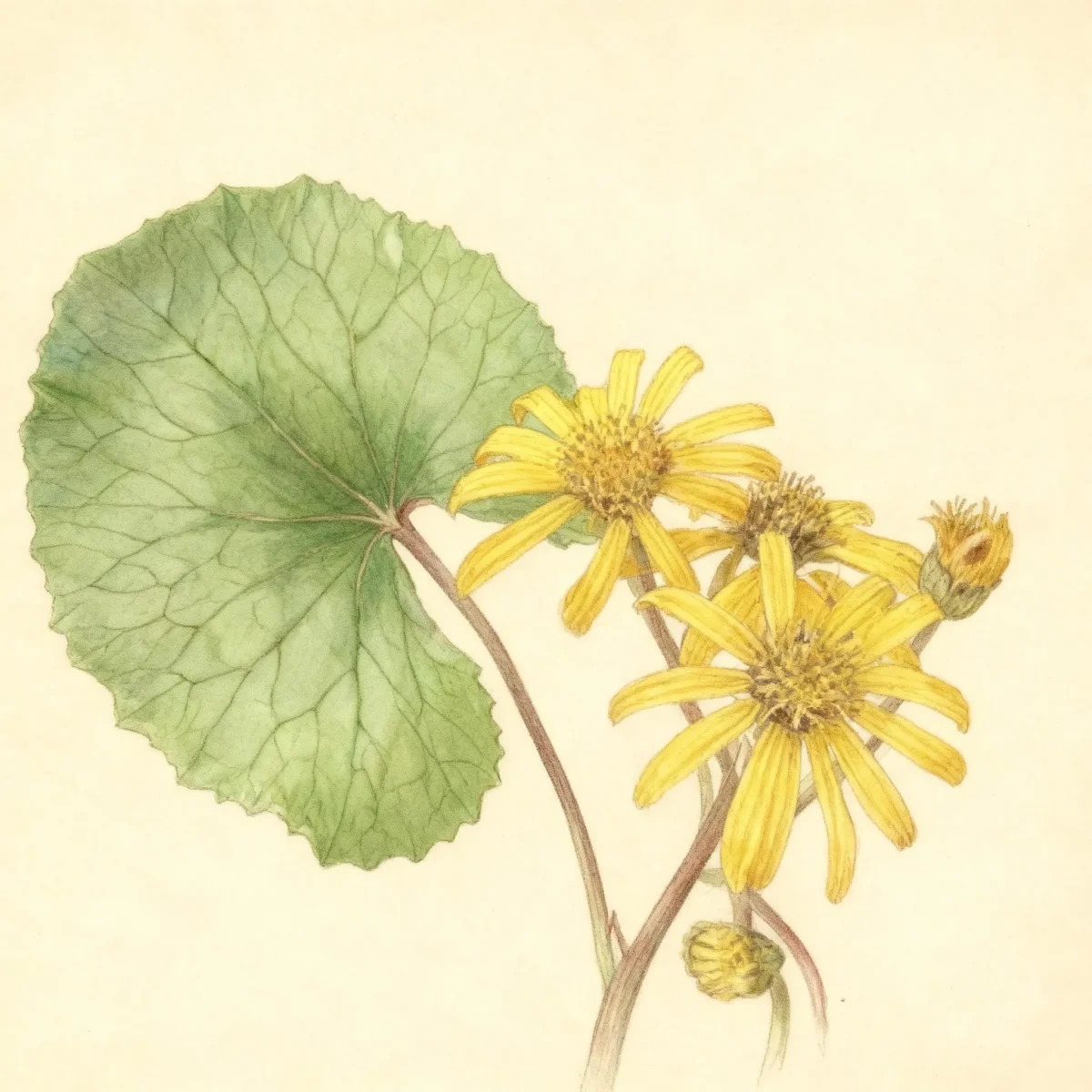
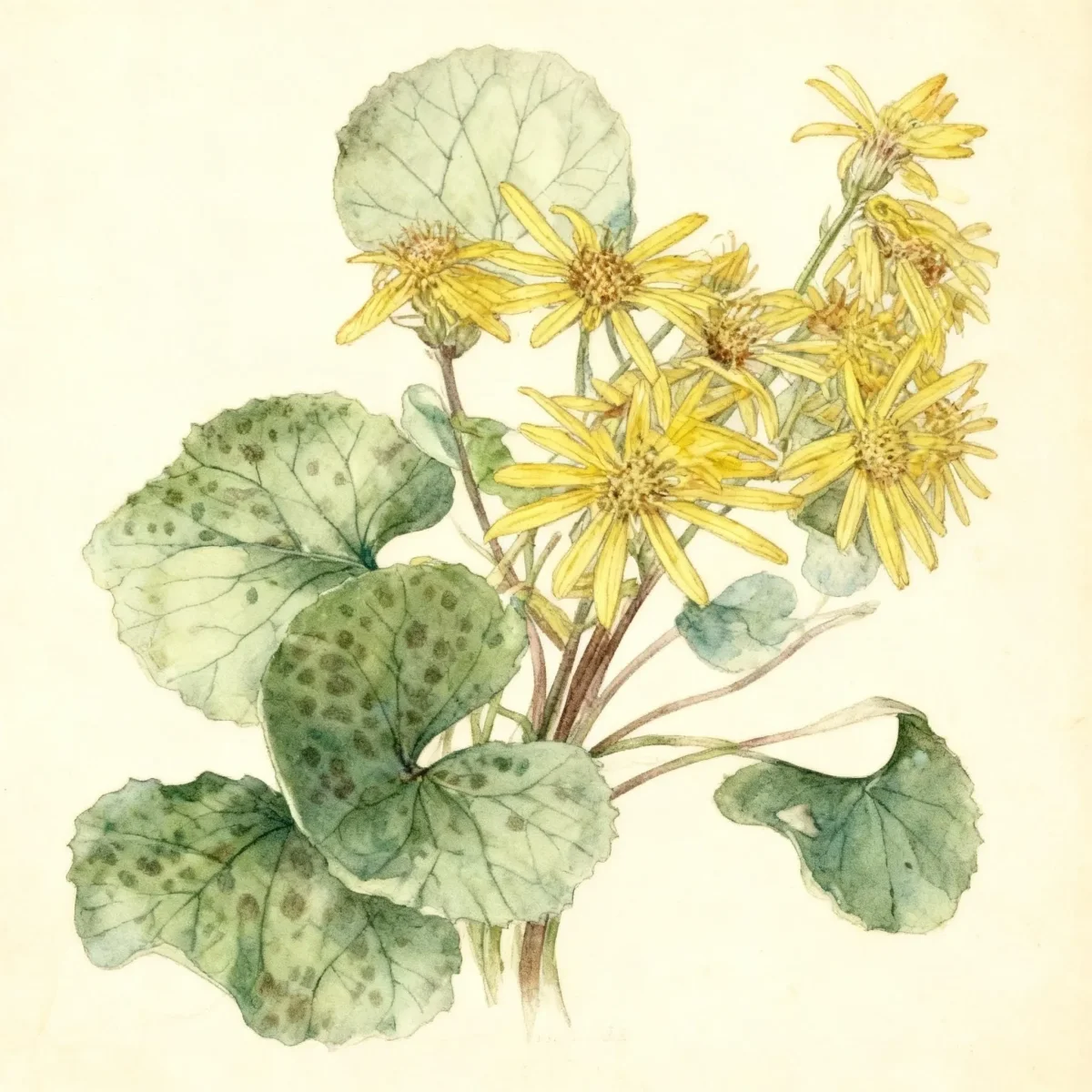
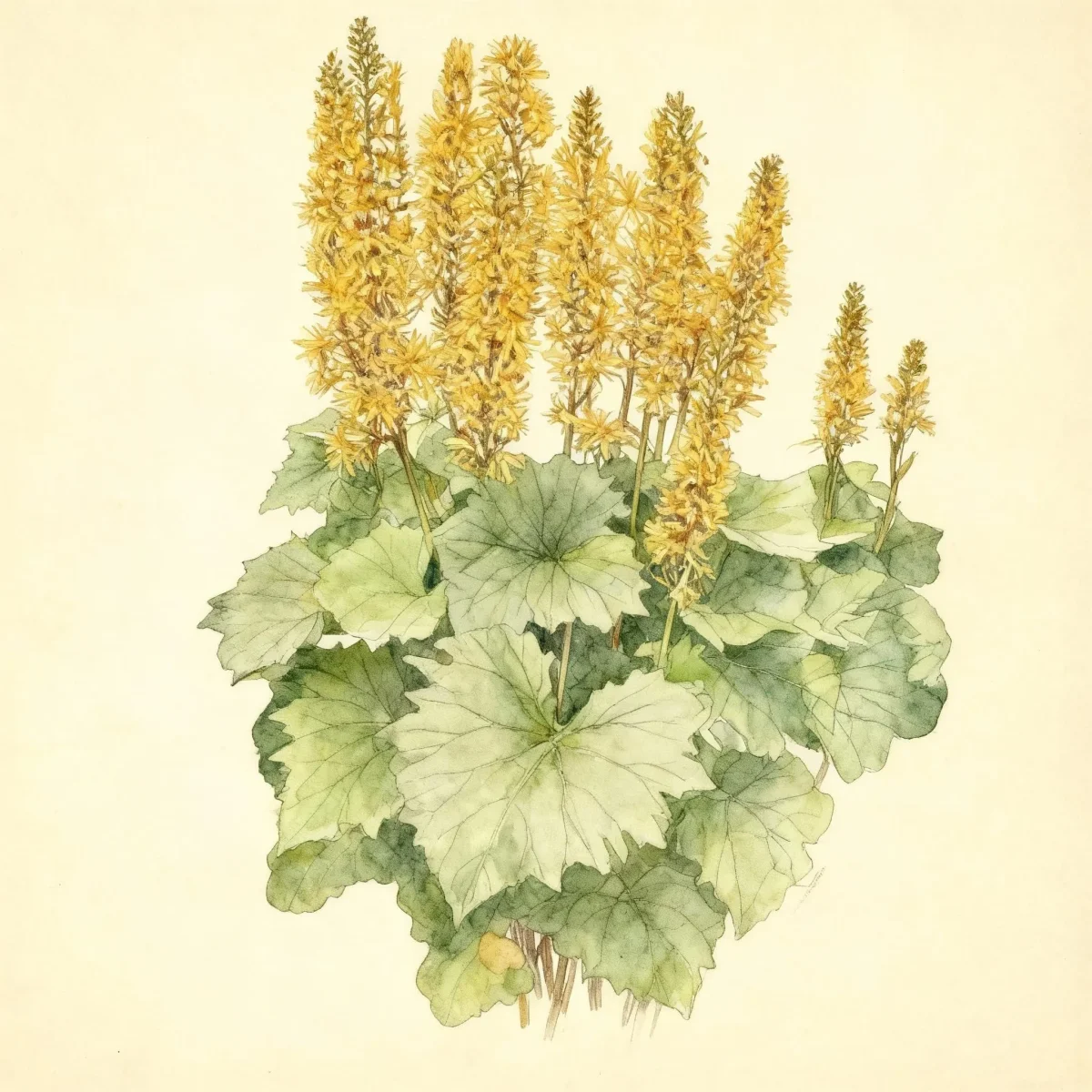
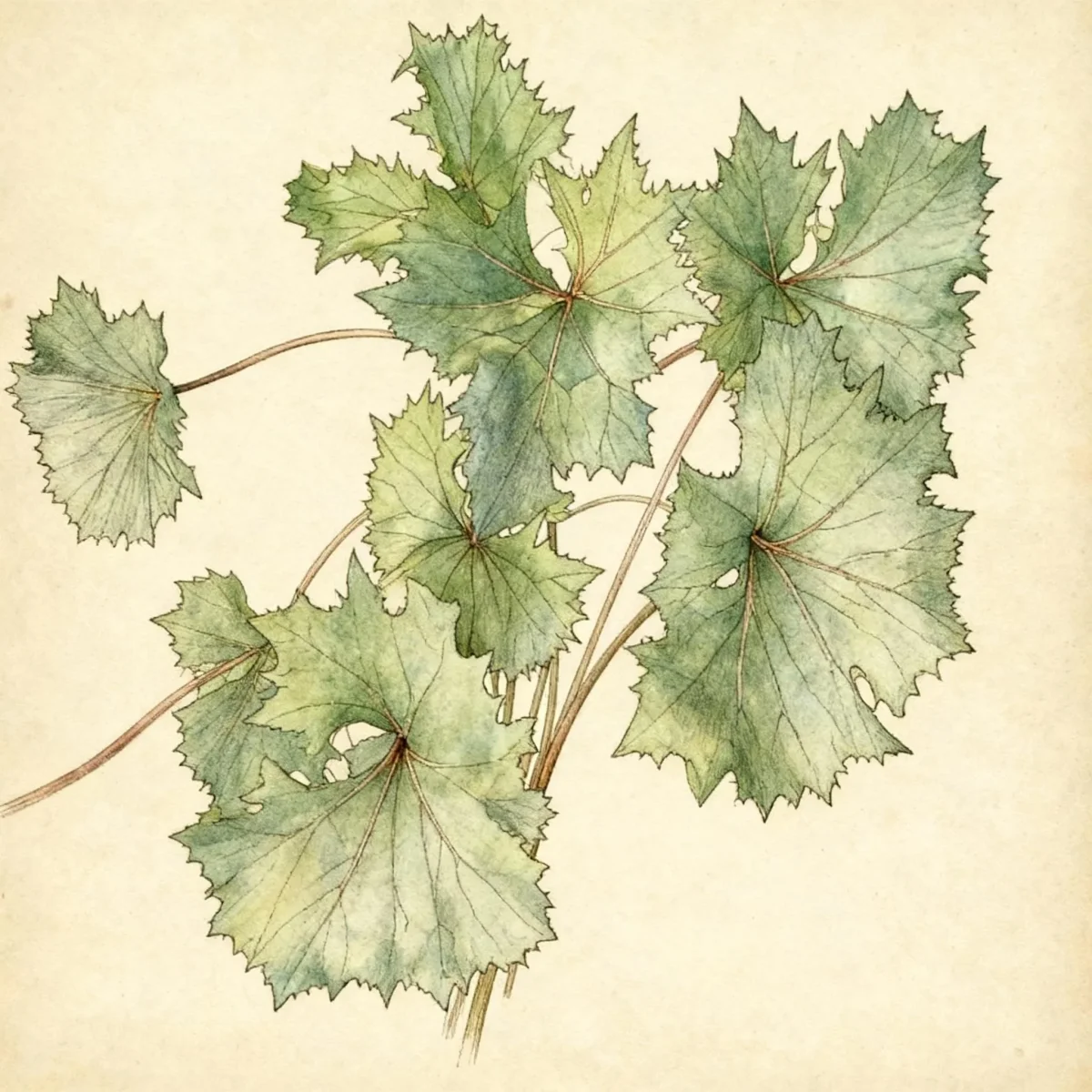
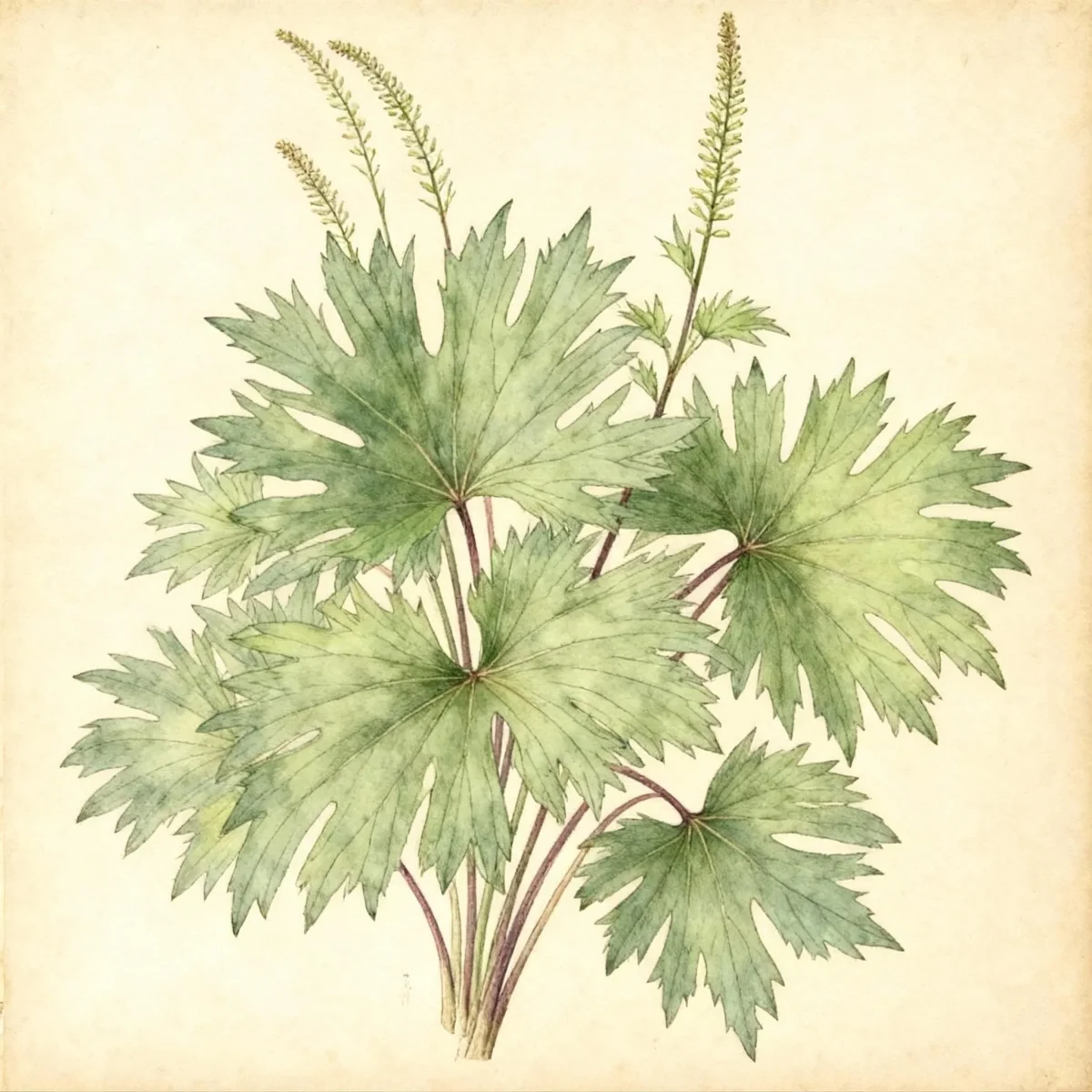
The Leopard plant, scientifically known as Ligularia przewalskii, is a dramatic herbaceous perennial prized for its strong architectural presence in the shade garden. It features deeply lobed leaves held aloft on distinct purple-black stems, forming a robust basal mound. Rising well above this foliage are narrow spikes bearing dense racemes of vibrant yellow flowers, typically appearing from July through August.
This plant thrives best when provided with consistent moisture and protection from intense afternoon heat, making it an excellent choice for woodland settings or near water features. While Ligularia przewalskii possesses structural beauty year-round, its ornamental peak occurs when it sends up its striking flower spikes above the dark, sculptural leaves.
Gardeners should select a location that mimics its native habitat in China and Mongolia—cool, partially shaded, and consistently moist. Successfully growing Ligularia przewalskii yields a substantial vertical accent that complements finer-textured shade plants brilliantly.
Fast Facts
- Plant Family: Asteraceae
- Plant Type: Herbaceous perennial
- Native Range: China, Mongolia
- Hardiness Zones: USDA Zones 4-8
- Size at Maturity:
- Height: 4-6 ft
- Spread: 2-3 ft
- Bloom Time: July to August
- Bloom Description: Yellow
- Sun Exposure: Part shade to full shade
- Water Needs: Medium to wet
- Maintenance Level: Medium
How to Grow
Plant Ligularia przewalskii during the spring or fall when temperatures are mildest. The key to success lies in soil preparation; choose a location providing humusy, organically rich soil with excellent moisture retention. Proper placement is crucial, as these plants must have consistently moist soils that never dry out.
Ongoing care requires regular, deep watering, especially during dry spells, as even adequate moisture may not prevent wilting in hot summer climates, particularly if subjected to too much sun. While plants can tolerate full sun, the foliage will likely wilt during the heat of the day. For optimal structure, site Ligularia przewalskii away from strong winds, which can damage the tall flower stalks.
These perennials prefer cooler summers and may struggle in locations with high heat and humidity, such as the deep South. Applying a layer of root mulch is beneficial for maintaining cooler root temperatures and consistent moisture levels around the base of your Leopard plant.
Landscape Uses
The bold texture and height of Ligularia przewalskii make it an outstanding structural anchor in shaded garden designs. Consider massing the Leopard plant in grouping along the edges of streams, ponds, or water gardens where the wet soil requirements are easily met. Their deep green foliage contrasts beautifully with ferns and hostas.
The plant serves extremely well as an accent or specimen in woodland borders, drawing the eye upward with its prominent flower spikes in mid to late summer. Use the striking vertical element of the bright yellow flowers to break up horizontal lines created by low-growing perennials in part shade areas. Its ability to tolerate heavy shade ensures color and interest even in difficult, deeply shaded sites.
Standout Features
Flower Qualities
- Showy
Noteworthy Characteristics
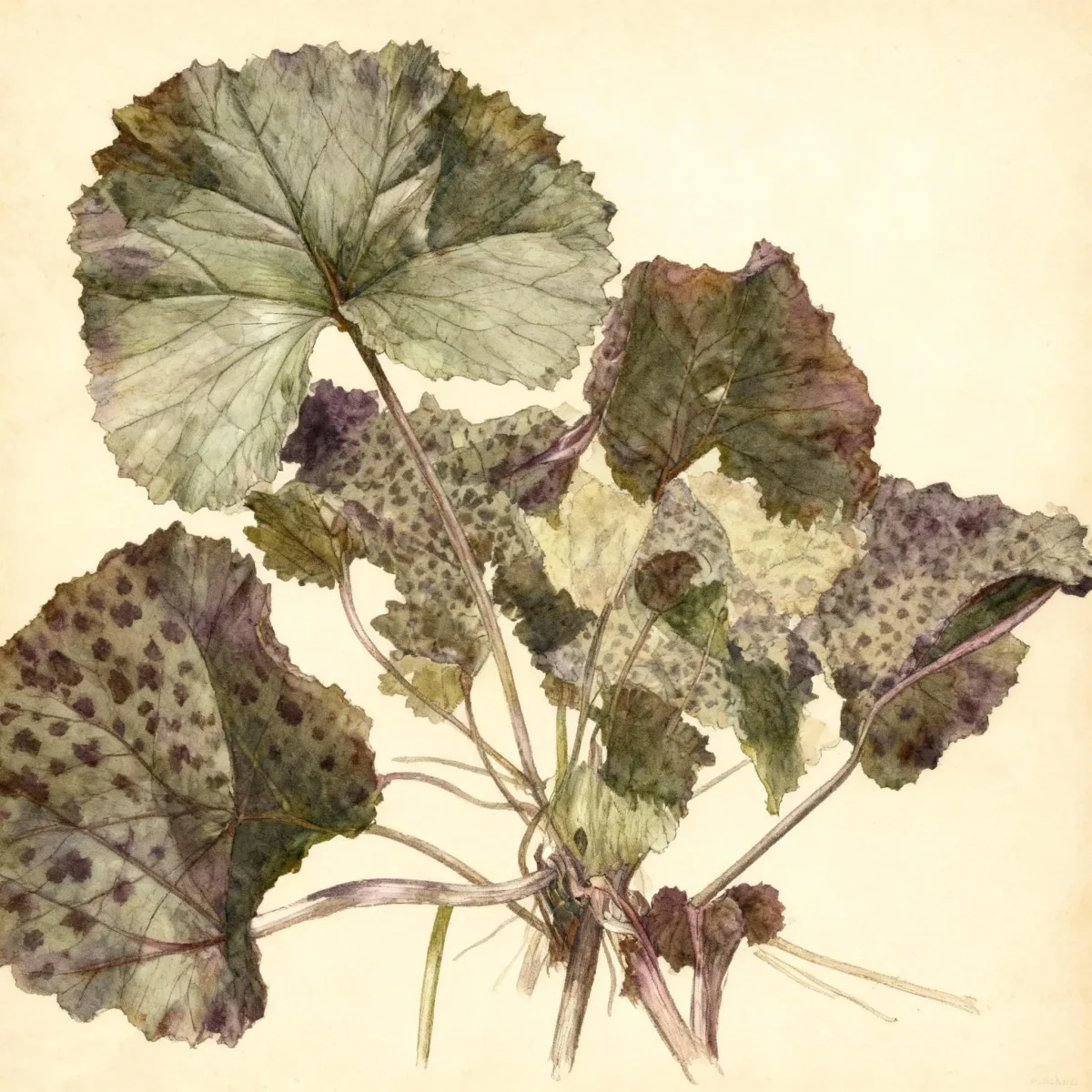
Ligularia przewalskii, sometimes commonly called Shavalski’s ligularia, is native to northern China. It is a clumping perennial that is grown for enjoyment of both its foliage and its flowers. Deeply palmately lobed leaves (to 12”) on purple-black stems form a basal foliage mound to 2’ tall and as wide. In mid to late summer, narrow spikes rise well above the foliage to 4-6’ tall bearing dense wand-like racemes of bright yellow flowers. Genus name comes from the Latin word ligula meaning strap in reference to the shape of the ray flowers.
Tolerances
- Heavy Shade
Potential Problems
Ligularia przewalskii is generally robust, presenting few serious insect or disease issues under ideal conditions. However, slugs and snails can become significant pests, causing noticeable damage to the large, attractive foliage, especially near the base of the plant.
Management of slugs should focus on proactive control methods. Furthermore, environmental stress is a major factor; even when the soil is appropriately moist, leaf wilting is common during periods of hot summer weather, particularly when the plant receives undue exposure to direct sun. Planting in the coolest, moistest part of the garden mitigates this heat-related stress.
Frequently Asked Questions
What hardiness zones is Leopard plant suitable for?
The Leopard plant (Ligularia przewalskii) is reliably hardy in USDA Zones 4 through 8.
How large does Ligularia przewalskii grow?
This perennial typically reaches a height between 4 and 6 feet, spreading to a width of 2 to 3 feet at maturity.
What sun exposure does Leopard plant need?
This plant prefers part shade to full shade conditions. It can tolerate some sun, but heavy exposure, especially combined with heat, will cause the foliage to wilt.
When does Ligularia przewalskii bloom?
The striking yellow flowers of Ligularia przewalskii generally appear throughout the summer months, specifically from July into August.
Conclusion
The Leopard plant (Ligularia przewalskii) brings essential vertical structure and bold texture to the shaded garden through its dark stems and brilliant yellow summer blooms. Its high water needs and intolerance for hot, dry conditions define where it can succeed best. Before planting, ensure your site offers consistently moist, rich soil and plan planting during cooler seasons to establish your Ligularia przewalskii successfully.
Companion Planting
Because the cultural requirements for Ligularia przewalskii center on rich, moist soil and part to full shade, choosing companions with similar needs ensures a cohesive, low-stress planting scheme. Hostas, especially those with blue or variegated foliage, provide excellent textural contrast against the deeply lobed leaves of the Leopard plant. Astilbes are another superb pairing, offering delicate, airy plumes of color that bloom throughout the season near the bold yellow spikes of the Ligularia.
Consider incorporating moisture-loving groundcovers, such as wild ginger (Asarum species) or certain sedges (Carex), to shade the root zones of the Ligularia przewalskii. This practice helps maintain cool, consistent soil temperatures, which is vital for preventing summer wilting in this dramatic perennial.
Seasonal Care Calendar
Spring rejuvenation for the Leopard plant involves clearing away any lingering debris and applying a fresh layer of organic mulch around the base, ensuring the top layer of soil stays cool. Begin regular, deep watering as soon as new growth emerges, establishing the pattern of consistent moisture needed throughout the growing season.
During the peak summer bloom of July and August, monitor water levels closely; if the plant shows any sign of drooping during the afternoon, increase watering immediately. After flowering concludes, cut back the spent flower spikes to maintain a clean appearance, though the basal foliage mound remains attractive until frost. In autumn, cease heavy fertilization and allow the plant to naturally die back before the first hard freeze; no extensive winter protection is usually required in Zones 4-8.