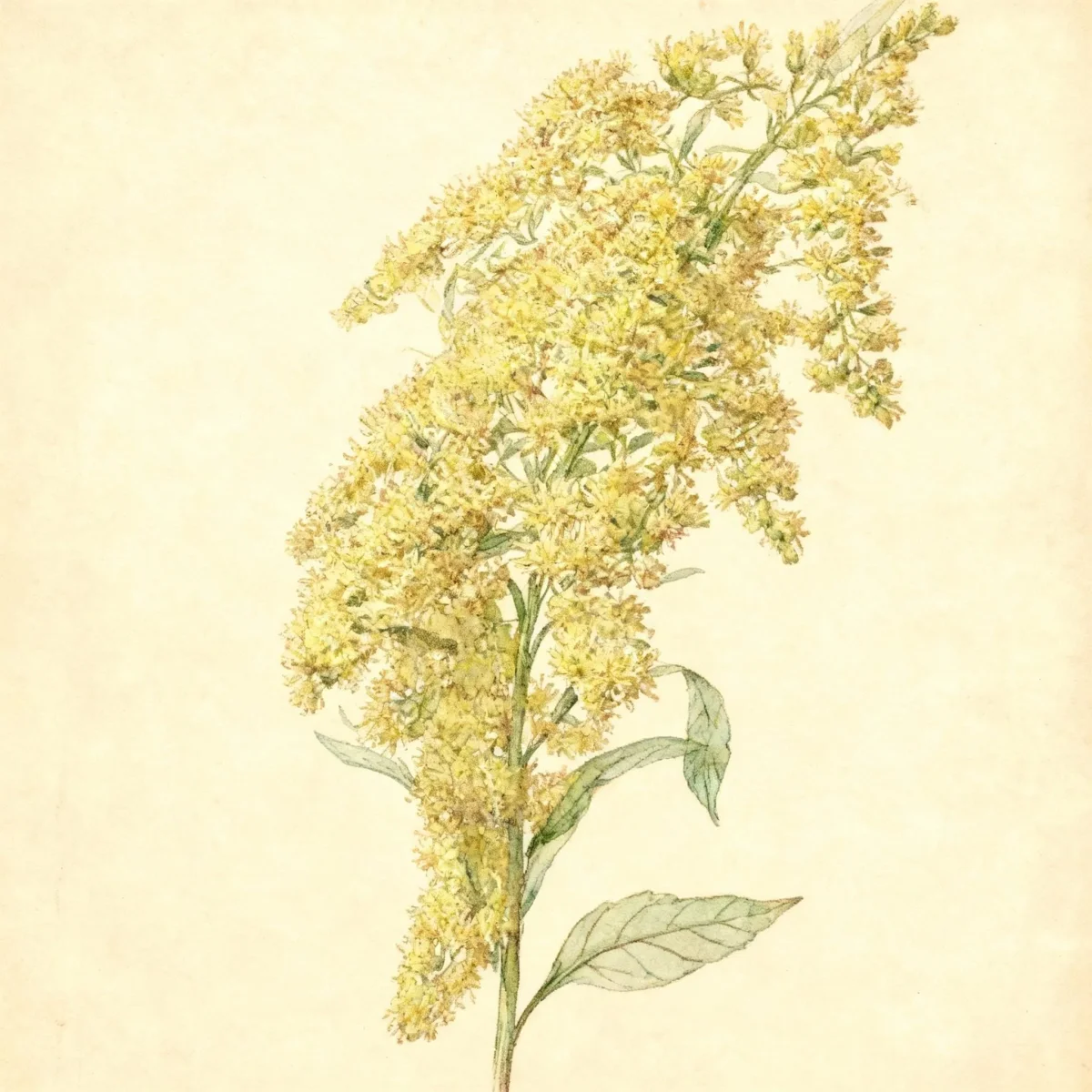
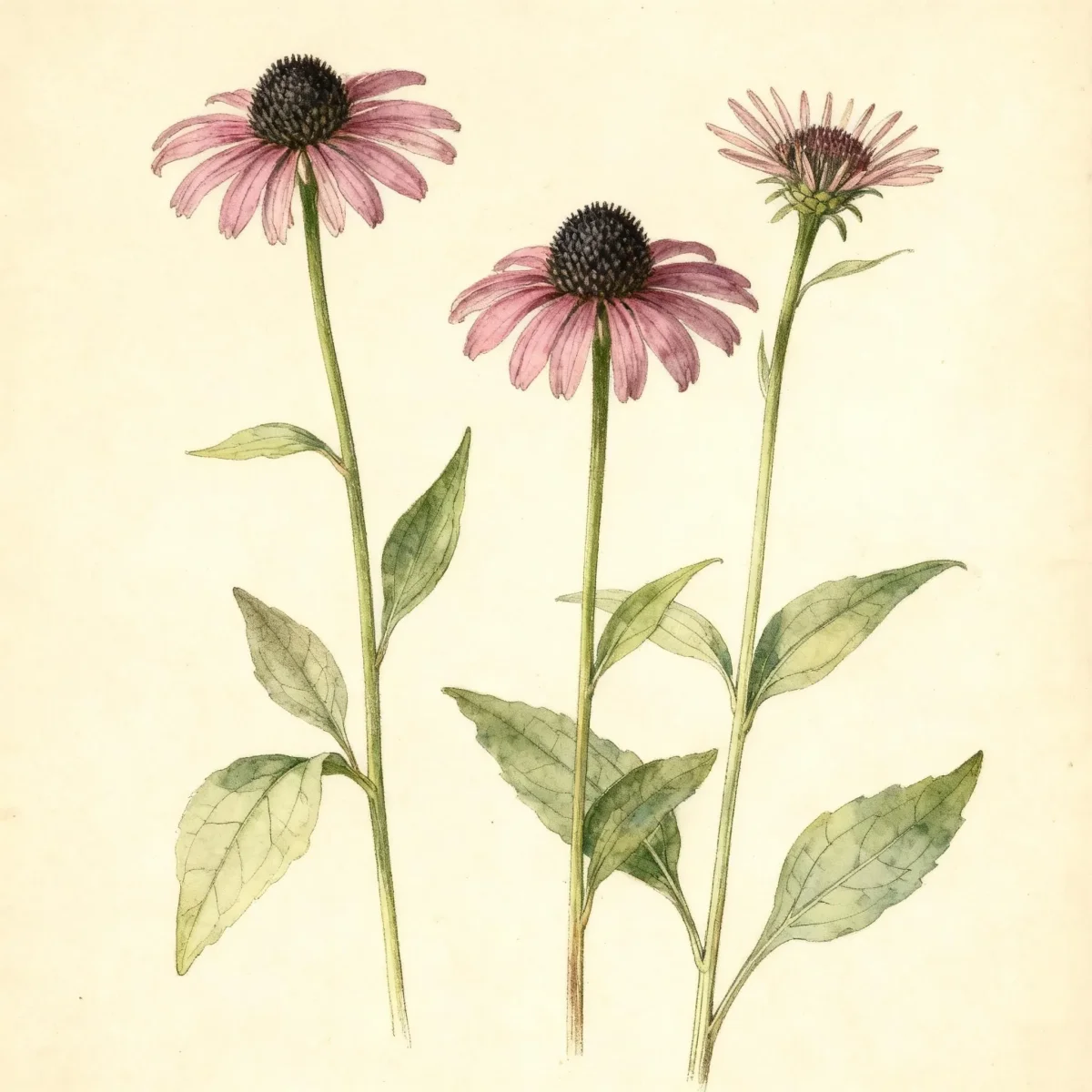
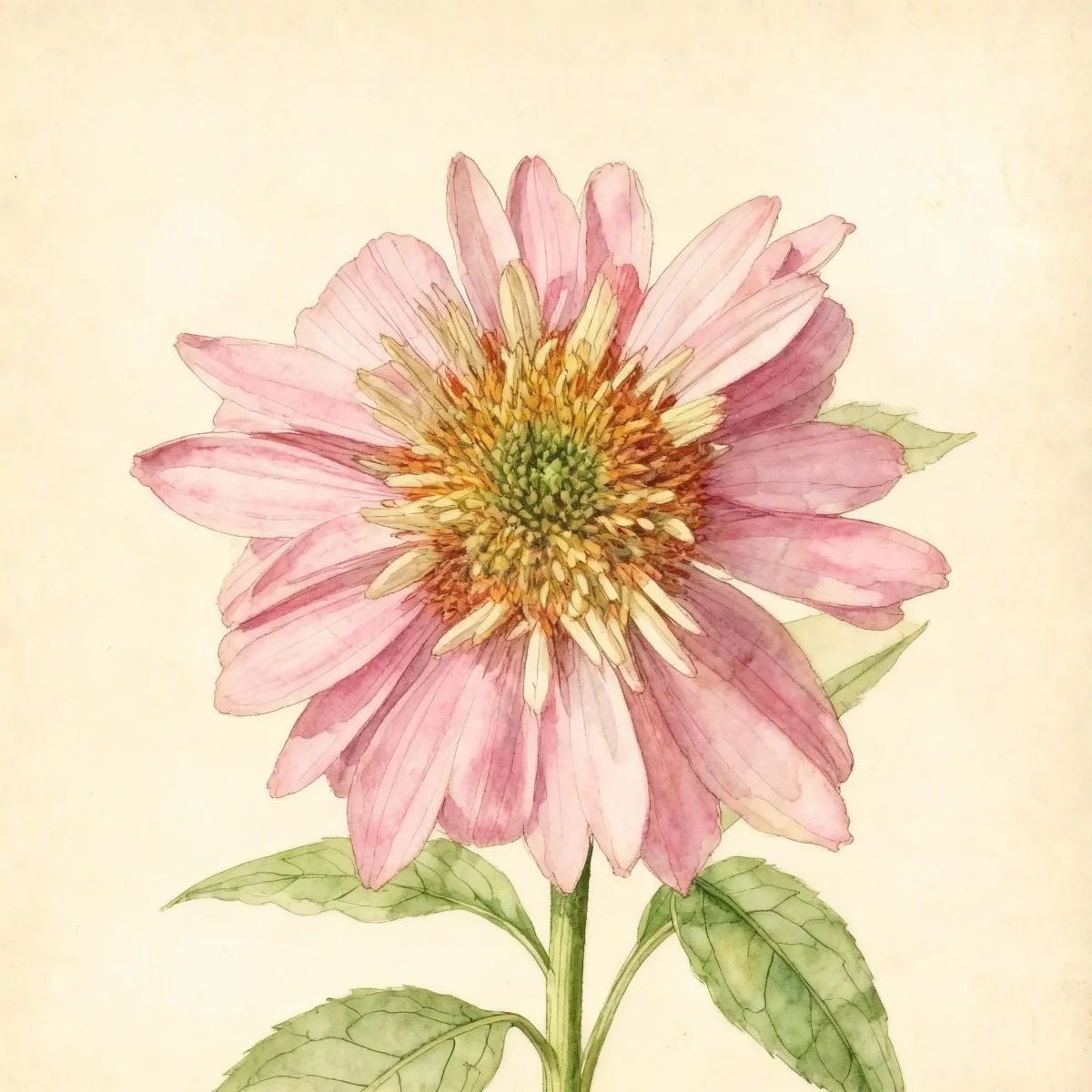
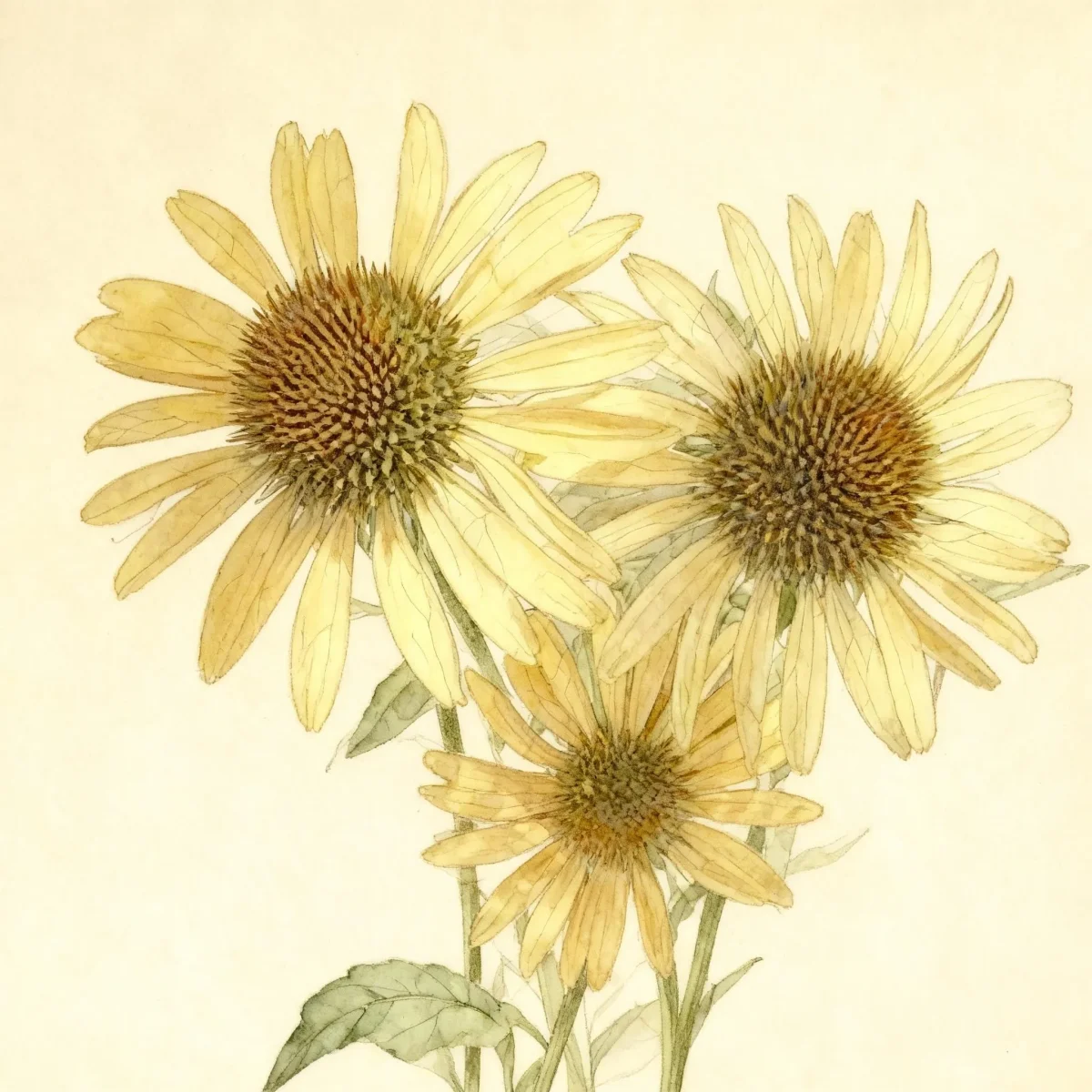
Crown beard (Verbesina helianthoides)
Discover Verbesina helianthoides (Crown beard), a low-maintenance perennial with bright yellow, daisy-like flowers native to the central US.
Scroll down to discover growing tips, care requirements, companion plants, and more
Complete Plant Information
Overview
Verbesina helianthoides, widely known as Crown beard, offers excellent value for gardeners prioritizing native, low-maintenance additions to their landscape. This clump-forming herbaceous perennial shines with its bright, daisy-like yellow flowers that provide reliable color in early summer. Its resilience in tough conditions makes it a superb choice for ecological restorations or naturalized settings.
Native to the southern and central United States, this species thrives in average, well-drained environments, requiring little supplemental care once established. The tough, hairy stems and leaves give the plant a distinct texture, supporting the cheerful bloom display. For those looking to enhance local biodiversity, Crown beard is a dependable choice.
The visual impact of mass plantings of Crown beard is significant, providing necessary nectar sources for pollinators. Its ability to handle drought and poor soils means gardeners can confidently place Verbesina helianthoides where other ornamentals might fail, particularly in open, dry woodlands or prairie settings.
Fast Facts
- Plant Family: Asteraceae
- Plant Type: Herbaceous perennial
- Native Range: Southern and central United States
- Hardiness Zones: USDA Zones 5-8
- Size at Maturity:
- Height: 2-3 ft
- Spread: 1-2 ft
- Bloom Time: June
- Bloom Description: Yellow
- Sun Exposure: Full sun to part shade
- Water Needs: Dry to medium
- Maintenance Level: Low
How to Grow
Start Verbesina helianthoides by planting in spring or fall, ensuring site preparation results in well-drained soil. This perennial performs best when positioned in full sun to light shade, mirroring its preference for open woods and prairies. Being easily grown from seed is a bonus for propagating large drifts of this species.
Once established, Crown beard requires minimal intervention. Water only if the location experiences prolonged drought, as it prefers dry to medium soil conditions. Fertilizing is generally unnecessary; amending poor, dry soils often provides all the nutrition required for robust growth.
This plant demands very little seasonal cleanup. Minimal pruning is needed; if necessary, stems can be cut back after the main bloom period concludes. Due to its somewhat rugged appearance, the goal is usually integration rather than formal shaping, keeping maintenance truly low.
Landscape Uses
Verbesina helianthoides is not ideally suited for formal borders due to its structure but excels when allowed to naturalize. It is highly recommended for native plant gardens, where it blends seamlessly with other prairie and woodland edge species. Consider planting drifts among grasses in wildflower meadows to maximize its impact during the early summer bloom window.
For areas mimicking rocky, open woods, Crown beard provides excellent coverage and requires little competition from other plants. Its ability to tolerate shallow or rocky soils makes it a workhorse in challenging sites where richer alternatives struggle. In cottage gardens that embrace a looser, informal style, it adds necessary height and brilliant yellow color.
Seek out companion plants that bloom later in the season or thrive in similar dry, sunny conditions to ensure continuous landscape interest. Planting this species alongside coneflowers or native asters creates a dynamic, ecologically sound planting scheme that honors the plant’s native habitat.
Standout Features
Flower Qualities
- Showy
Noteworthy Characteristics
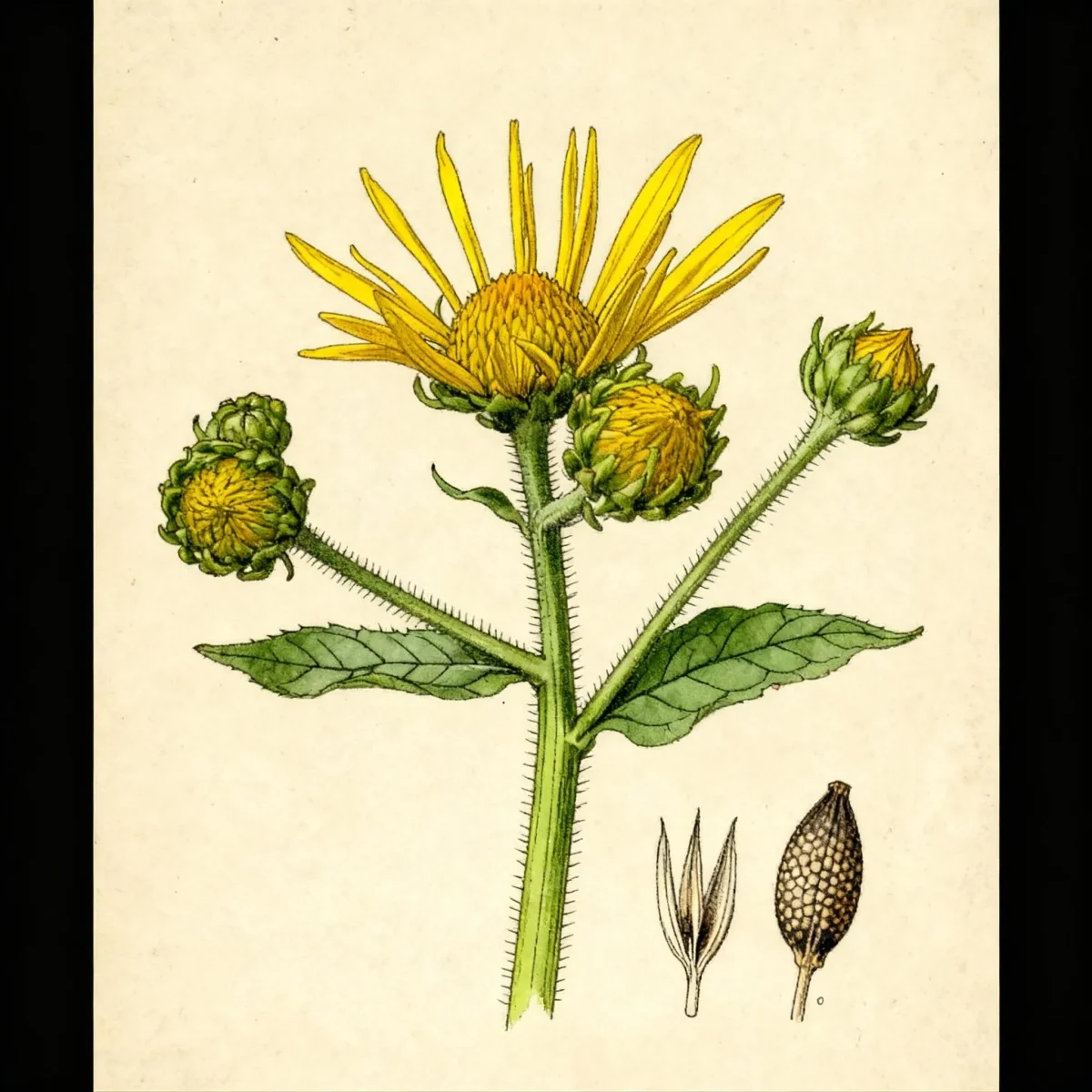
Verbesina helianthoides, commonly called crown beard, is a clump-forming herbaceous perennial that is native from Ohio to Iowa and Oklahoma south to Texas and Georgia. Bright yellow, daisy-like flowers (to 1.5” diameter) bloom typically in June atop upright, stiff, hairy, winged stems. Seeds are attractive to birds, adding seasonal interest beyond its primary bloom time.
Tolerances
- Drought
- Erosion
- Dry Soil
- Shallow-Rocky Soil
Potential Problems
This species generally exhibits excellent resistance to common garden issues. Gardeners seldom report serious insect or disease problems affecting Verbesina helianthoides. Good air circulation achieved by planting in appropriate sunny locations will ensure its health; avoid overcrowding, which can invite minor fungal issues in overly damp conditions.
Frequently Asked Questions
What hardiness zones is Crown beard suitable for?
Verbesina helianthoides is suitable for USDA Hardiness Zones 5 through 8.
How large does Verbesina helianthoides grow?
This perennial typically reaches a height of 2 to 3 feet with a spread between 1 and 2 feet.
When does Crown beard bloom?
Crown beard produces its vibrant yellow flowers primarily in June, with sporadic further blooming possible into the fall.
What sun exposure does Verbesina helianthoides need?
This plant is versatile, thriving in full sun locations but also tolerating part shade conditions effectively.
Conclusion
The Crown beard (Verbesina helianthoides) is a wonderfully resilient and beautiful addition to any gardener looking for low-fuss, native color. Its tolerance for dry, poor soils combined with its showy June blooms makes it indispensable for naturalized areas. Before planting, verify that your USDA hardiness zone falls between 5 and 8 and plan for ample sunlight for the best results.
Wildlife Benefits
The bright yellow flowers of Verbesina helianthoides serve as an excellent resource for various native pollinators, particularly during the early summer when many other blooms are just beginning. The flat, open structure of the daisy-like flower makes the nectar and pollen easily accessible to short-tongued bees and butterflies. Planting large drifts of Crown beard ensures a substantial landing zone and consistent food source during its peak flowering period.
Furthermore, the seeds produced by this plant are attractive to seed-eating birds as the season progresses and the foliage dies back. Integrating this perennial into meadow designs will directly support local wildlife populations throughout the year, adding both aesthetic and ecological value to your garden space.