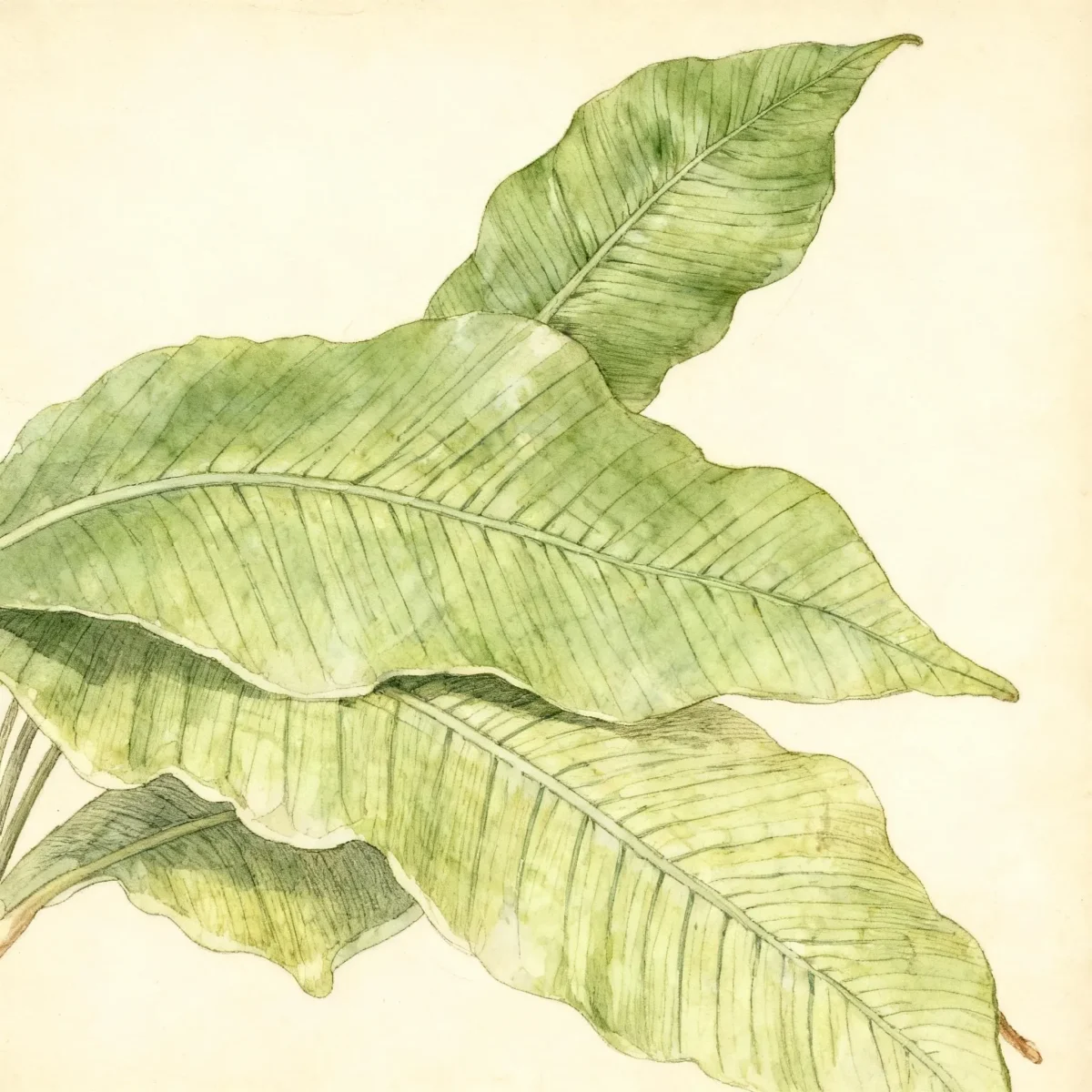
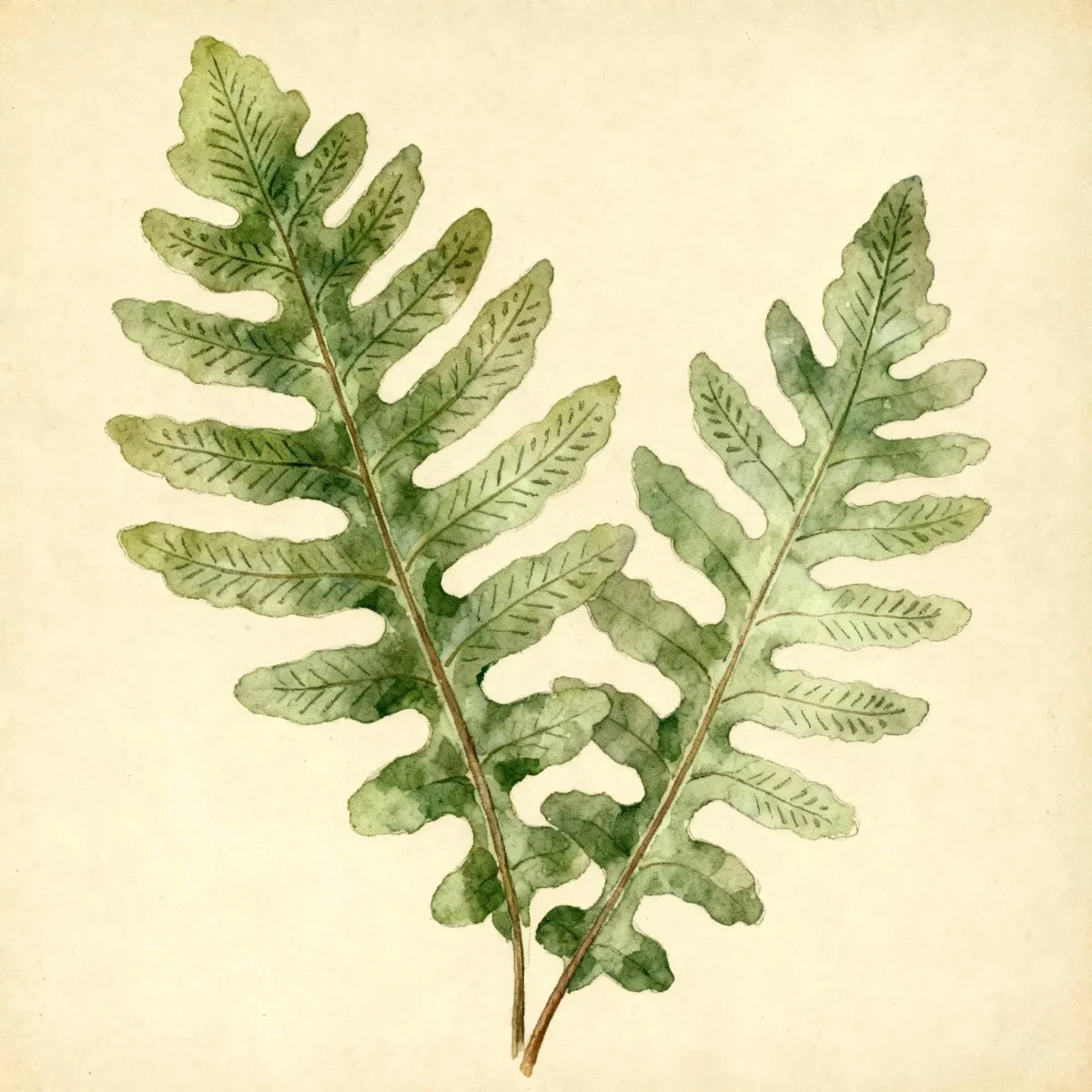
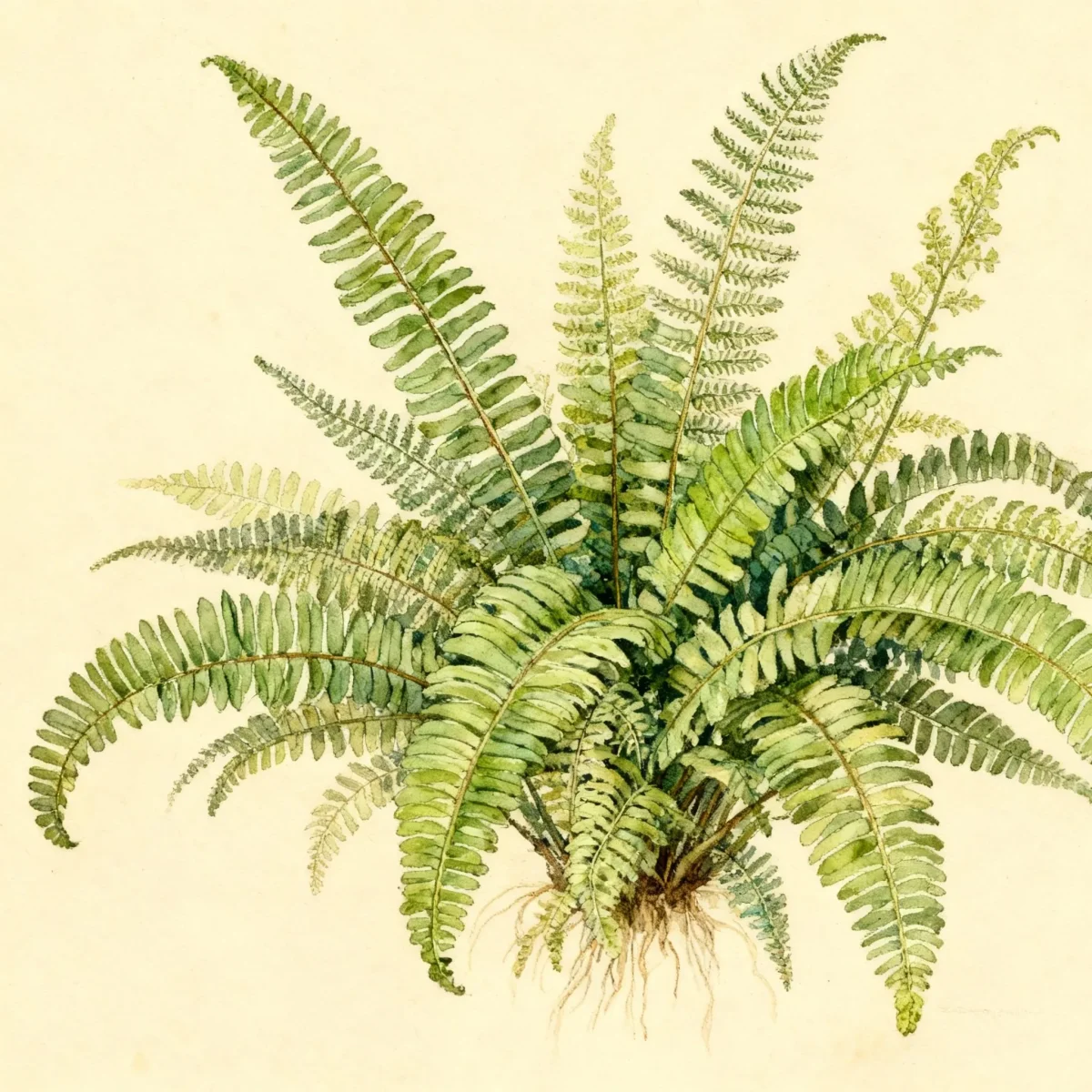
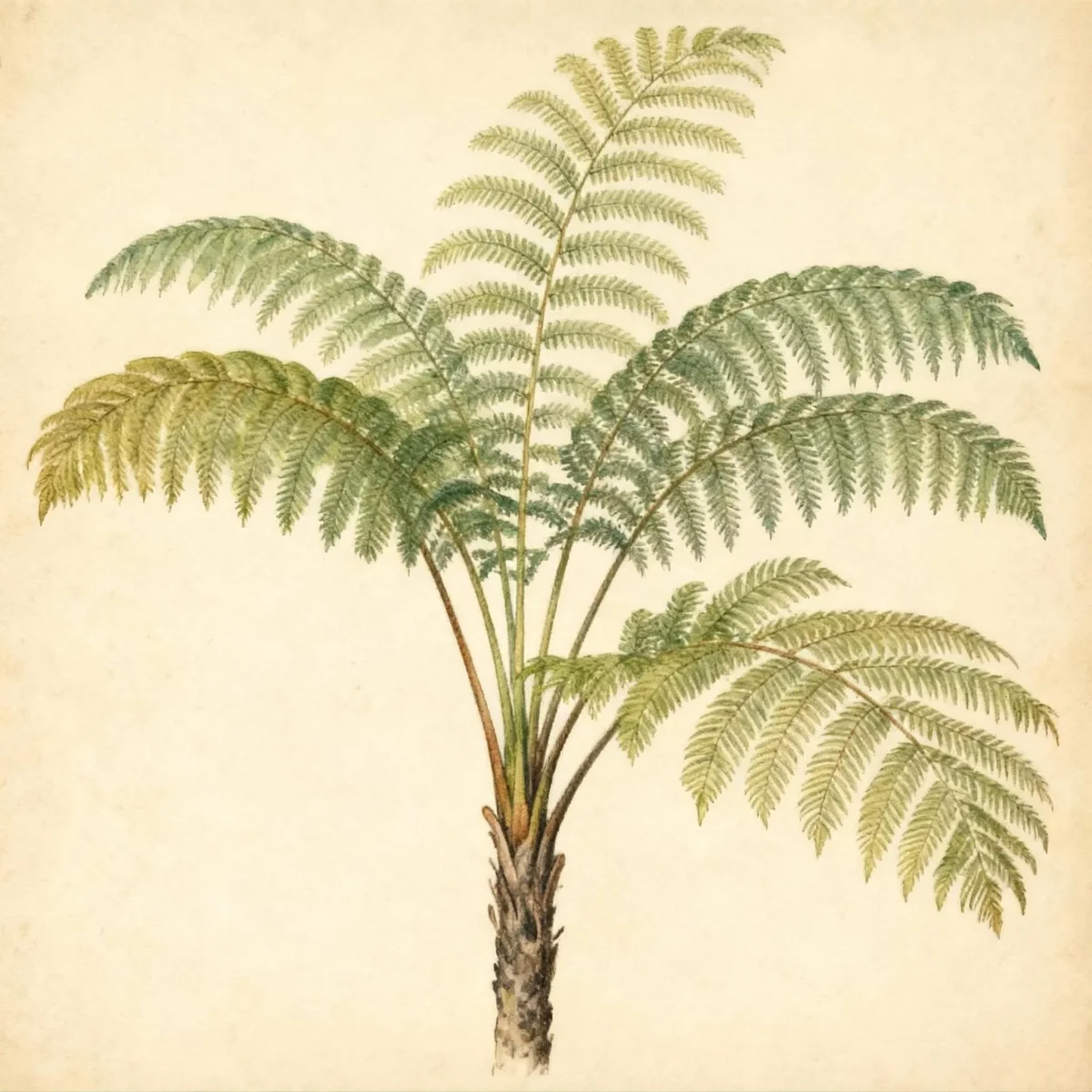
Elkhorn fern (Platycerium bifurcatum)
Discover the unique Elkhorn fern (Platycerium bifurcatum), an evergreen epiphytic fern prized for its distinctive antler-like fronds.
Scroll down to discover growing tips, care requirements, companion plants, and more
Complete Plant Information
Overview
The Elkhorn fern, Platycerium bifurcatum, is highly sought after for its dramatic and unusual foliage that mimics the wide, forked antlers of a stag. This evergreen epiphytic fern naturally colonizes tree trunks in its native habitat, offering unique visual interest unavailable in typical houseplants or landscape features. Proper cultivation of Platycerium bifurcatum relies on mimicking these humid, aerial conditions.
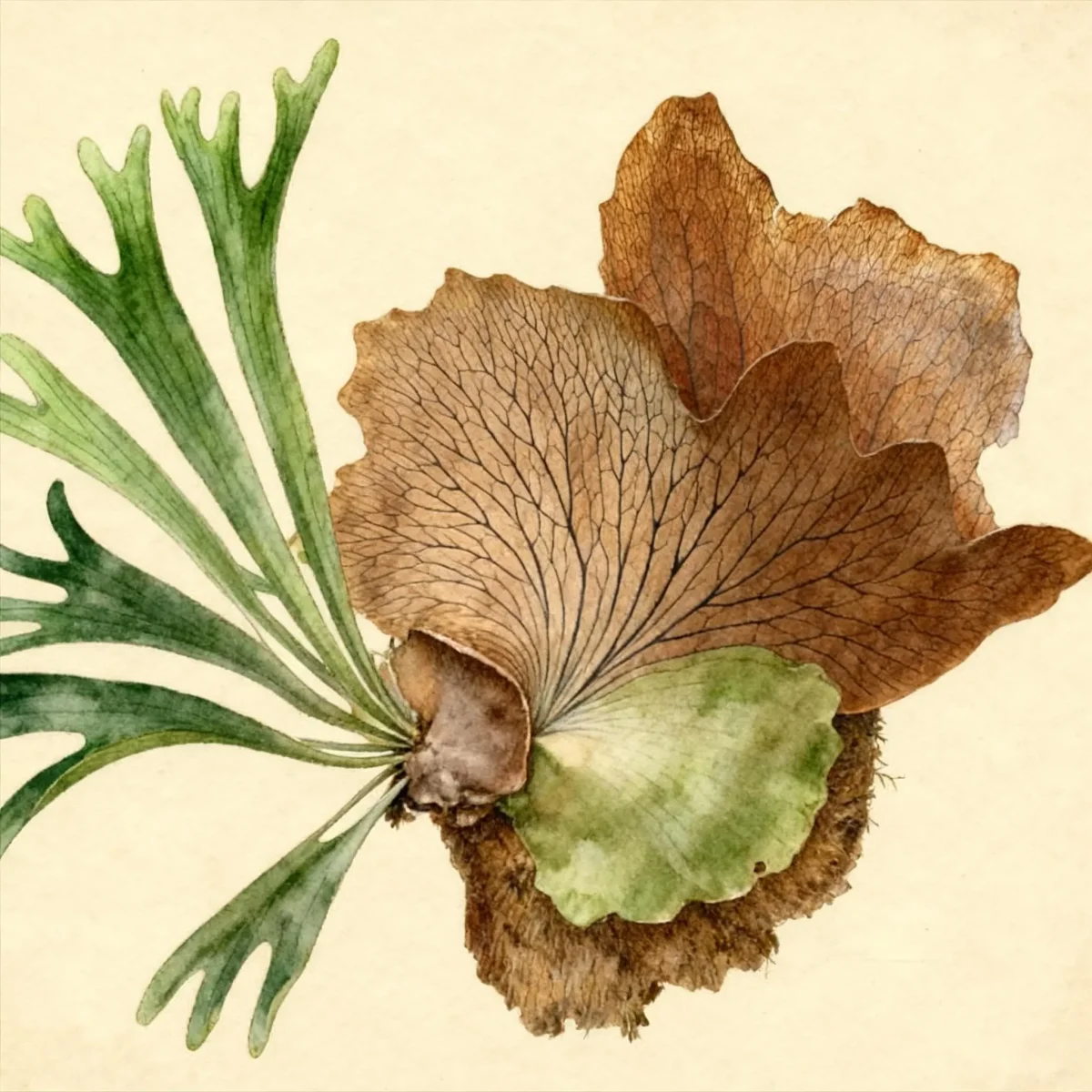
This fascinating plant produces two distinct types of fronds: small, inconspicuous shield fronds that enclose the root crown, and the long, leathery, gray-green fertile fronds that define the species. It is a low-maintenance specimen, provided its specific humidity and watering requests are met. Offering dramatic vertical interest, the Elkhorn fern excels as both an indoor specimen and mounted outdoor display in appropriate climates.
Gardening enthusiasts prize Platycerium bifurcatum for its architectural quality, making it a superb focal point in shaded gardens or bright interior spaces. Its tolerance profile allows for flexibility regarding pest control, though keen observation is always necessary for optimal health of this exotic fern.
Fast Facts
- Plant Family: Polypodiaceae
- Plant Type: Fern
- Native Range: Southeast Asia, Polynesia, subtropical Australia
- Hardiness Zones: USDA Zones 9-12
- Size at Maturity:
- Height: 2-3 ft
- Spread: 2-3 ft
- Bloom Time: Non-flowering
- Sun Exposure: Part shade
- Water Needs: Medium
- Maintenance Level: Low
How to Grow
The Elkhorn fern thrives when its roots are allowed to breathe, mirroring its natural growth habit on tree limbs. For successful mounting, secure the root ball onto a corkboard or bark slab, ensuring you insert peat moss around the crown area to retain some moisture. While winter hardy in USDA Zones 9 through 12, gardeners in cooler regions must treat Platycerium bifurcatum as a warm, humid houseplant, keeping it out of direct, intense sun exposure.
Watering is critical for this epiphytic plant. Water the crowns regularly, making sure to allow the root system to dry slightly between waterings, but never allow the roots to completely dry out. A beneficial practice for container or mounted plants is occasionally immersing the entire root ball in water for several minutes before allowing it to drain thoroughly; avoid soaking the fertile fronds themselves.
When potting a Platycerium bifurcatum, use a specialized epiphytic or sphagnum fern mix rather than standard soil mixes. Pot-grown specimens benefit from bottom watering, allowing the mix to wick up necessary moisture. During the warmer months, plants may temporarily be moved to a shaded, protected porch setting, further aiding in tropical atmosphere simulation.
Landscape Uses
While most gardeners know the Elkhorn fern as a spectacular houseplant, its epiphyte nature lends itself beautifully to specific outdoor applications in warm climates. They are exceptionally effective when mounted onto large slabs of bark or wood, creating dynamic, living wall art that draws the eye upward. In areas zoned 9 and above, mounting mature specimens onto the trunks of supporting trees can successfully recreate their native environment.
For those using Platycerium bifurcatum in containers, hanging baskets offer excellent placement flexibility, allowing the distinctive fertile fronds to cascade dramatically over the edge. Because they prefer high humidity and part shade, consider placing mounted ferns near water features or under the canopy of taller, established trees in the landscape plan for companionable conditions.
Standout Features
Noteworthy Characteristics
Platycerium bifurcatum, commonly called staghorn fern, is an evergreen epiphytic fern that produces distinctive fertile fronds resembling the forked antlers of a stag. It is native to Southeast Asia, Polynesia and Australia, where it is typically found growing on tree trunks and branches. Two types of fronds are produced: (1) infertile fronds are the small somewhat inconspicuous leaves that cover the root crown and (2) fertile (spore-bearing) fronds are the leathery, gray-green fronds that grow outward from the crown to as much as 3’ long and give the plant its common name. Fertile fronds are covered with a grayish white felt. Synonymous with and sometimes sold as P. Alcicorne.Genus name comes from the Greek words platys meaning broad and keras meaning a horn in reference to the branched fertile fronds.Specific epithet means twice forked.
Tolerances
- Rabbit
Potential Problems
This species generally experiences no serious insect or disease issues under optimal care, contributing to its reputation as a low-maintenance option when its niche requirements are met. However, gardeners should remain vigilant and watch for scale insects, which can sometimes adhere to the fronds or the protected crown area. If scale is detected, treatment usually involves targeted application of horticultural oil or insecticidal soap directly to the affected areas.
A more common cultural problem involves incorrect watering, usually stemming from inconsistent moisture levels at the root crown. Ensure the base of the plant remains moist but never waterlogged; excessive humidity without proper air circulation can also lead to fungal issues, so locating your Elkhorn fern where air moves freely is paramount.
Frequently Asked Questions
What hardiness zones is Elkhorn fern suitable for?
The Elkhorn fern (Platycerium bifurcatum) is winter hardy in USDA Zones 9 through 12.
How large does Elkhorn fern grow?
Platycerium bifurcatum typically reaches a height and spread between 2 to 3 feet at maturity.
What sun exposure does Elkhorn fern need?
This fern prefers part shade; avoid exposing the plant to direct, hot sun, especially indoors where light intensity is amplified.
When does Elkhorn fern bloom?
The Elkhorn fern is non-flowering as it is a fern, reproducing instead by spores released from its fertile fronds.
Conclusion
The striking, antler-like foliage of the Platycerium bifurcatum makes the Elkhorn fern an indispensable specimen for adding exotic texture to protected landscapes or bright interiors. Its low maintenance profile, once its epiphytic watering needs are understood, guarantees long-term appreciation for this botanical curiosity. Before bringing one home, confirm your environment mimics warm, humid conditions or plan for its indoor cultivation if you live outside USDA Zones 9-12.
Companion Planting
When growing Platycerium bifurcatum indoors or on a shaded porch, companion plants should share similar needs for high humidity and indirect light. Grouping staghorn ferns with other tropical epiphytes like many varieties of orchids (especially Cattleya or Phalaenopsis types) or bromeliads creates a microclimate that helps all residents thrive. These companions appreciate similar mounting materials or well-draining epiphytic media.
Outdoors in appropriate zones, consider positioning the mounted Elkhorn fern near moisture-loving, shade-tolerant foliage plants such as certain varieties of Hostas (if protected from full afternoon sun) or large, broad-leafed ferns like the Holly Fern (Cyrtomium falcatum). The contrast between the flat, ground-level leaves and the upright, branching fronds of the Platycerium bifurcatum creates excellent layered visual interest.
Propagation Tips
While home propagation of Platycerium bifurcatum via spores is possible, the process is notoriously slow and difficult for the average gardener, often requiring sterile laboratory conditions for success. A much more practical method involves patiently waiting for the plant to develop offsets, or “pups,” at the base, usually nestled against the mounting board or within the shield fronds.
Once these offsets reach a viable size—typically developing their own small shields and a few developing fertile fronds—they can be carefully separated from the parent plant using a very sharp, sterilized knife. Ensure the separated pup has some attached root material before mounting it immediately onto its own small board or bark slab, using fresh peat moss around the base to encourage new root establishment.