Pussytoes (Antennaria plantaginifolia)
Low-growing Antennaria plantaginifolia (Pussytoes) features soft, woolly foliage and fuzzy whitish blooms, ideal for dry, sunny rock gardens.
Scroll down to discover growing tips, care requirements, companion plants, and more
Complete Plant Information
Overview
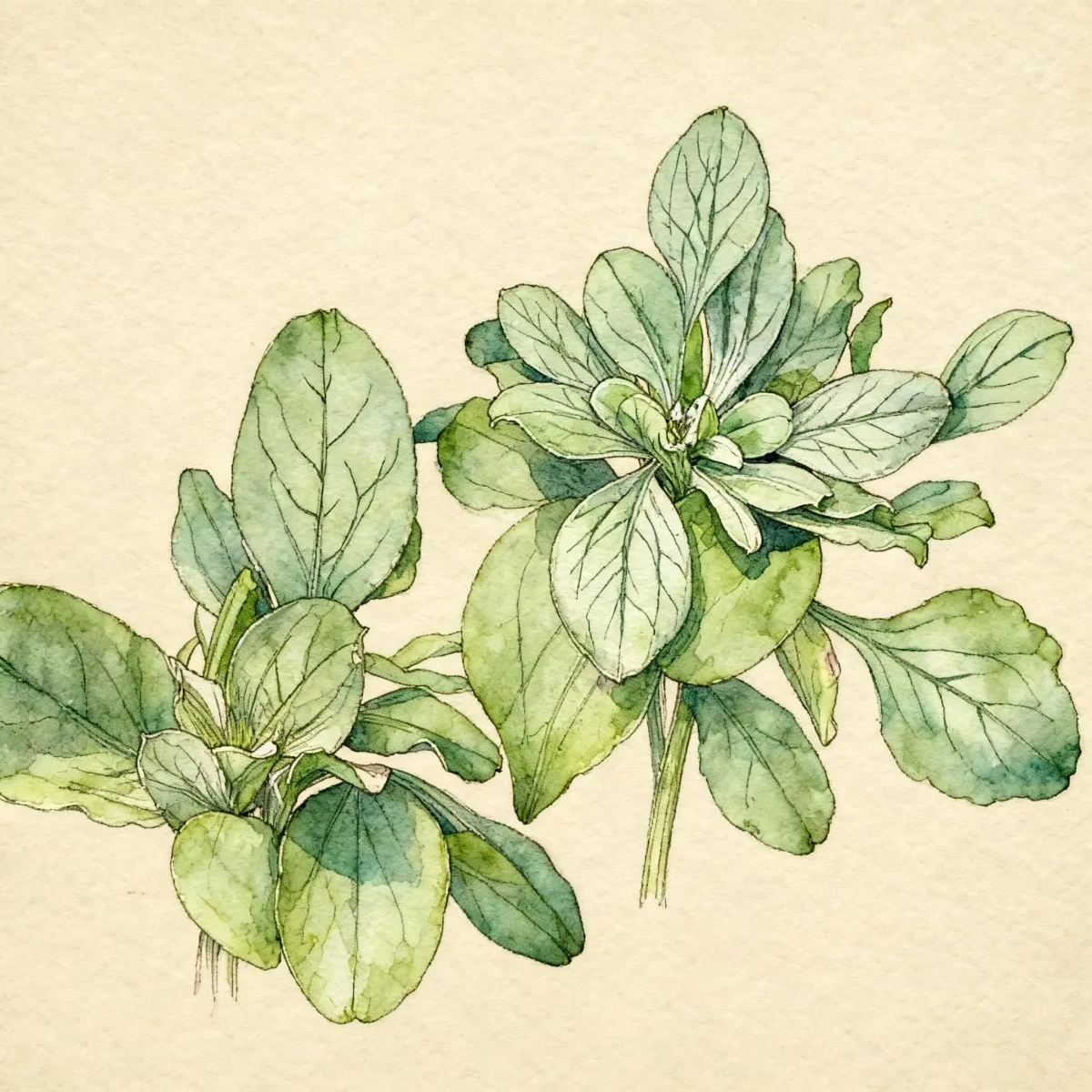
Antennaria plantaginifolia, widely known as Pussytoes, is a charming, stoloniferous native perennial valued primarily for its soft, grayish, woolly foliage. This ground-hugging plant forms dense mats, making it an excellent textural element in lean landscapes where other plants might struggle. Its common name, Pussytoes, derives from the superficial resemblance of the tight flower clusters to a cat’s paw.
While the blooms are somewhat unassuming, Antennaria plantaginifolia offers low maintenance once established in the correct environment. It thrives in dry, poor soils, contrasting sharply with plants requiring rich, humusy conditions. Successful cultivation hinges on meeting its specific drainage and fertility needs, allowing this species to spread slowly and form an attractive, durable cover.
The overall aesthetic contribution of this Missouri native plant lies in its year-round foliage appeal and its ability to naturalize in difficult, dry, or rocky exposures. Gardeners seeking authentic native ground covers for prairies or rock gardens will find Antennaria plantaginifolia a resilient and rewarding choice.
Fast Facts
- Plant Family: Asteraceae
- Plant Type: Herbaceous perennial
- Native Range: North America
- Hardiness Zones: USDA Zones 3-8
- Size at Maturity:
- Height: 0.5-1 ft
- Spread: 0.75-1.5 ft
- Bloom Time: April to June
- Bloom Description: White tinged with pink
- Sun Exposure: Full sun
- Water Needs: Dry to medium
- Maintenance Level: Low
How to Grow
The critical element for establishing Antennaria plantaginifolia is soil composition. Plant in lean, gritty, or rocky soil that is exceptionally well-drained. This plant performs poorly, often dying out, in fertile or humusy soils, especially where drainage allows water to pool. Full sun exposure is mandatory for robust health and attractive mat formation.
Watering requirements are minimal once established; treat this plant as highly drought-tolerant. Supplemental irrigation should be limited to extended periods of severe dryness. Avoid fertilization entirely, as rich soil promotes weak growth prone to rot and discourages the desired tough, compact habit of Pussytoes.
Maintenance is generally low. In the spring, a light cleanup of any winter debris may be beneficial. Deadheading the flower stalks is optional; since the flowers are insignificant, many gardeners leave them for texture or simply prune them back lightly. Allow the mat-forming nature of the plant to dictate its spread, intervening only if it encroaches on desired paths or boundaries.
Landscape Uses
The soft, gray foliage of the Antennaria plantaginifolia is arguably its best ornamental feature, providing crucial contrast against darker green or brightly colored perennials. This native perennial excels as a small area ground cover in challenging locations. Consider deploying it on rocky slopes, in gaps between paving stones, or along dry borders where foot traffic is minimal.
Pussytoes readily naturalizes in prairie settings or lean, rocky areas of the landscape, offering season-long coverage. It pairs effectively with other sun-loving, dry-tolerant natives such as certain small sage varieties or creeping thyme, which share similar low-fertility preferences. Use the mat-forming clumps to soften the edges of rock gardens or scree plantings.
Standout Features
Flower Qualities
- Insignificant
- Good Dried
Noteworthy Characteristics
Antennaria plantaginifolia, commonly called pussytoes, plantain-leaved pussytoes, plantain-leaved everlasting and ladies’ tobacco, is a Missouri native perennial which typically grows in acid soils on dry or rocky slopes, prairies and glades throughout the State. It is a stoloniferous, mat-forming, woolly plant, with all of the leaves and flower stalks being woolly and grayish. The genus name refers to bristle-like hairs resembling antennae, while the specific epithet notes the plantain-like leaves.
Tolerances
- Drought
- Dry Soil
- Shallow-Rocky Soil
Potential Problems
The primary challenge encountered with Antennaria plantaginifolia is not pest or disease related, but cultural—the plant is difficult to establish unless lean, dry, well-drained soil conditions are perfectly met. If the soil is too rich or moisture retention is too high, the plant will likely succumb to rot or simply fail to thrive. Ensure that any site selected mimics its native environment of dry slopes or glades.
For gardeners facing difficulties, assess drainage immediately. If water ponds or the soil remains soggy after a heavy rain, incorporate significant amounts of grit, gravel, or coarse sand into the planting area before attempting establishment again. No serious insect or disease problems are typically noted when cultural requirements are respected.
Frequently Asked Questions
What hardiness zones is Pussytoes suitable for?
Antennaria plantaginifolia is suitable for USDA Hardiness Zones 3 through 8.
How large does Pussytoes grow?
This slow-spreading perennial typically reaches a height between 0.5 and 1 foot, with a spread ranging from 0.75 to 1.5 feet.
What sun exposure does Antennaria plantaginifolia need?
This plant requires full sun exposure to flourish in the landscape.
When does Pussytoes bloom?
Pussytoes blooms relatively early in the season, generally from April to June, producing fuzzy white blooms tinged with pink.
Conclusion
Antennaria plantaginifolia remains a stellar choice for landscape architects and gardeners prioritizing texture and drought tolerance over showy flowers. The unique, soft mat of Pussytoes anchors dry, unforgiving sites beautifully. Ensure you mimic its native dry, lean conditions before planting this season to enjoy its low-input aesthetic success.
Companion Planting
When selecting companions for Antennaria plantaginifolia, prioritize species that share its aversion to rich, moist soil. Excellent partners include plants native to dry prairies or rock gardens that appreciate sharp drainage and full sun. Avoid heavy feeders or plants that require consistent moisture, as they will quickly overtake or undermine the survival of the Pussytoes.
Consider pairing the silvery mats of Pussytoes with succulents or alpine plants that thrive in lean, gritty conditions. Sedums (especially low-growing, creeping varieties) offer complementary textures and similar low-water needs through the peak summer months. This pairing creates a Xeriscape garden structure that requires minimal supplemental attention.
Propagation Tips
Propagation of Antennaria plantaginifolia is most easily achieved through division or vegetative cutting, capitalizing on its stoloniferous habit. Division should be performed in the spring or fall, separating small root sections or individual mats from the parent plant. Ensure each new division retains some healthy foliage roots to establish successfully in their new location.
Because this species can be challenging to establish from seed—and the plants are dioecious (requiring both male and female plants for true seed set)—vegetative propagation is more reliable for reproducing desired qualities. Taking simple stem cuttings rooted in grit in early summer can also successfully yield new populations of this fine ground cover.