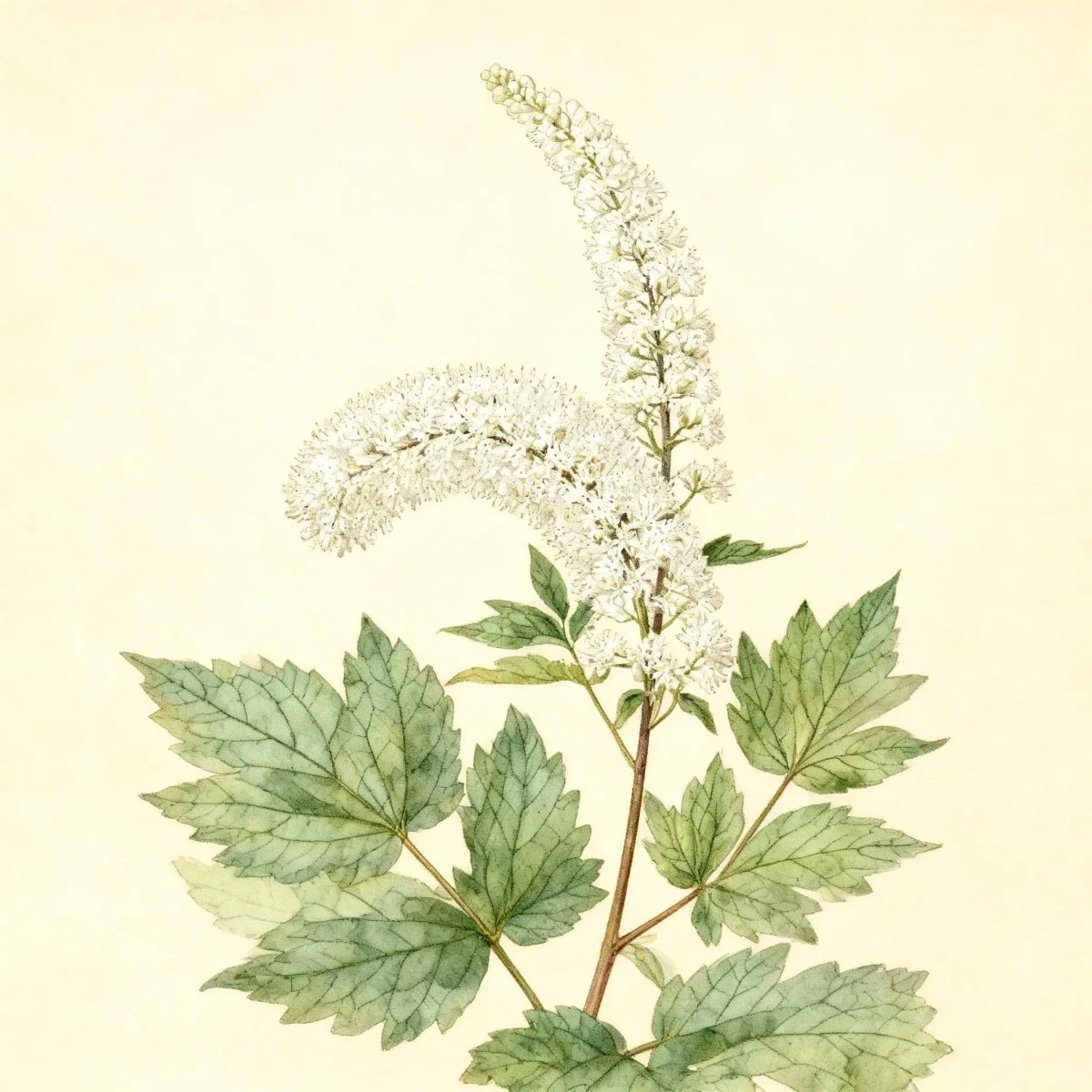
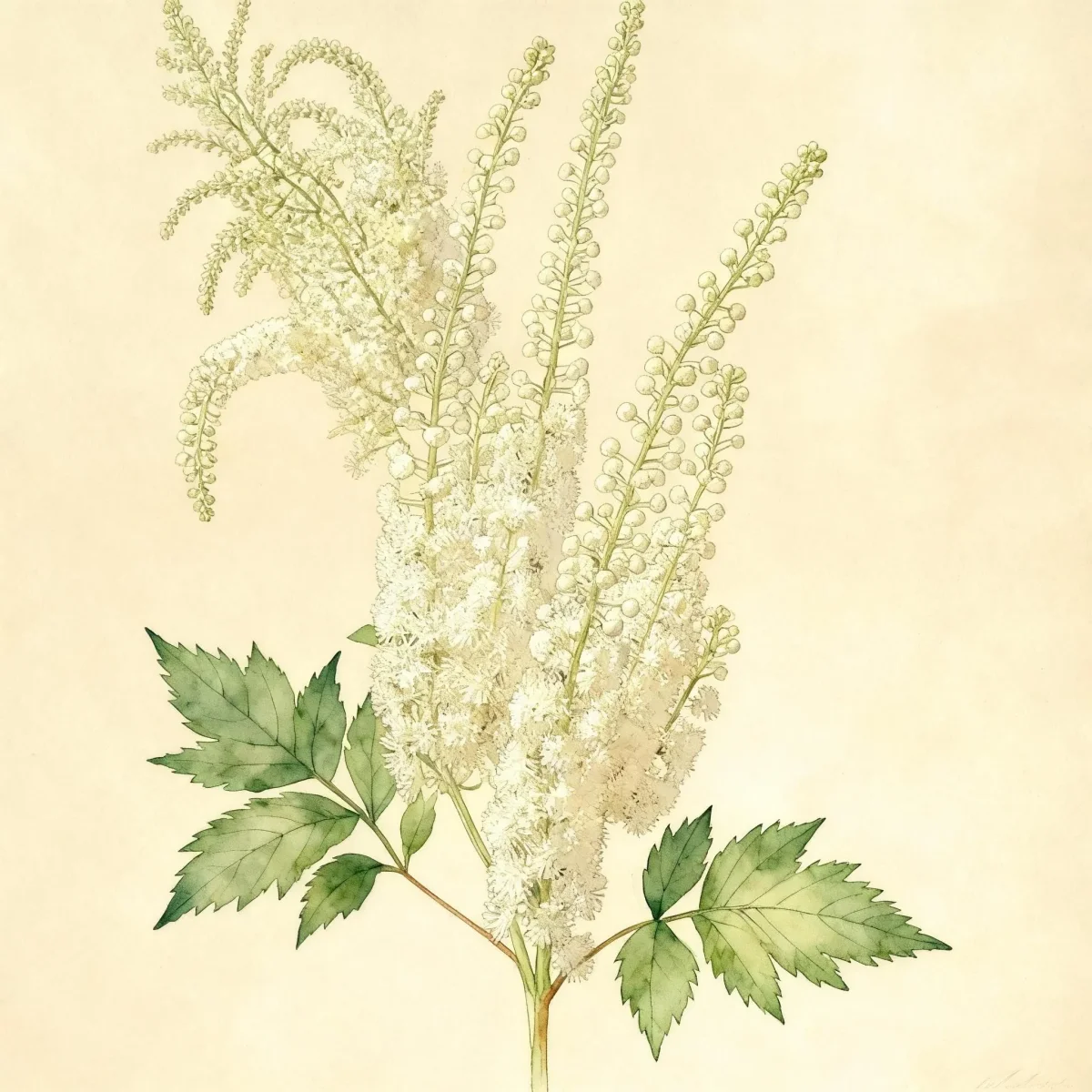
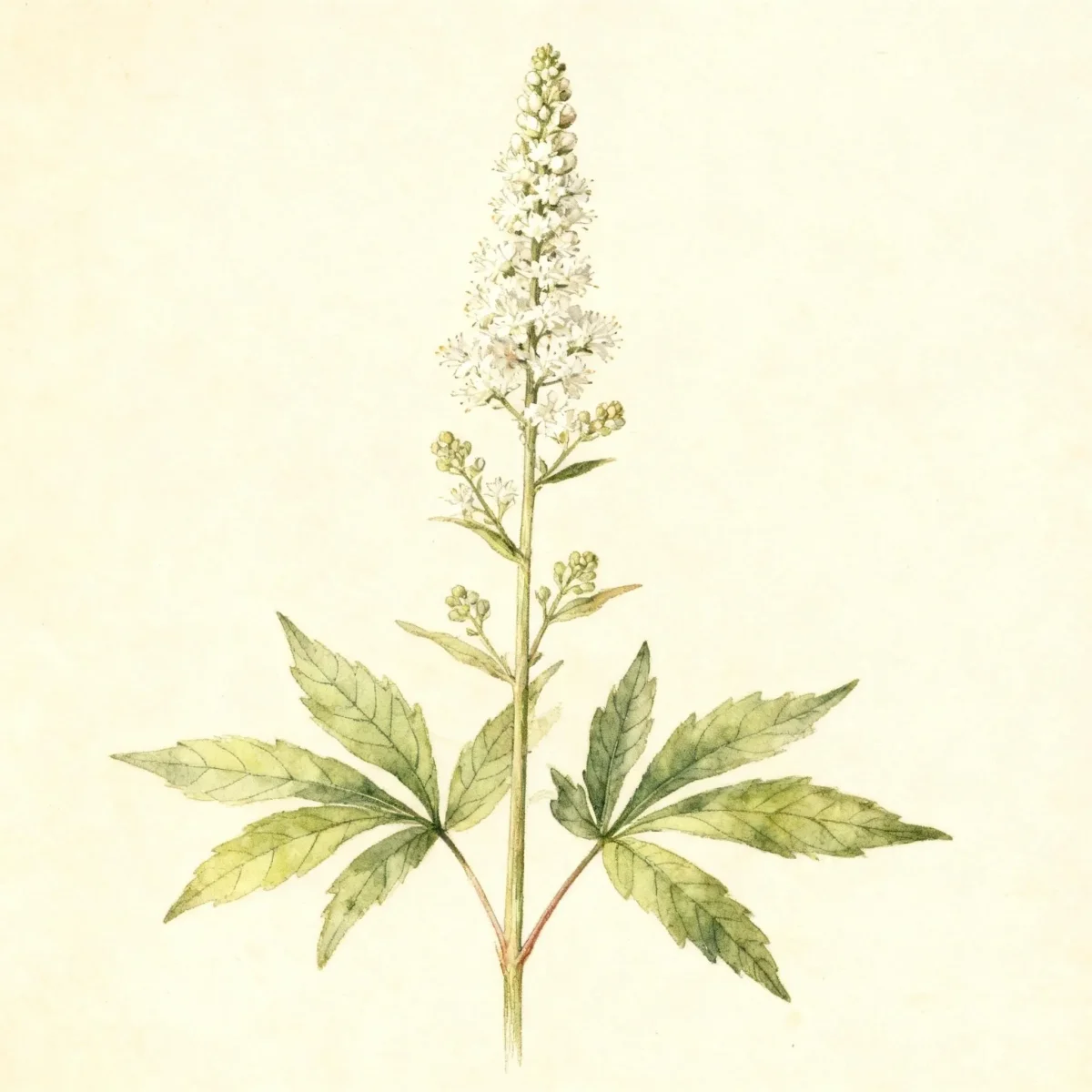
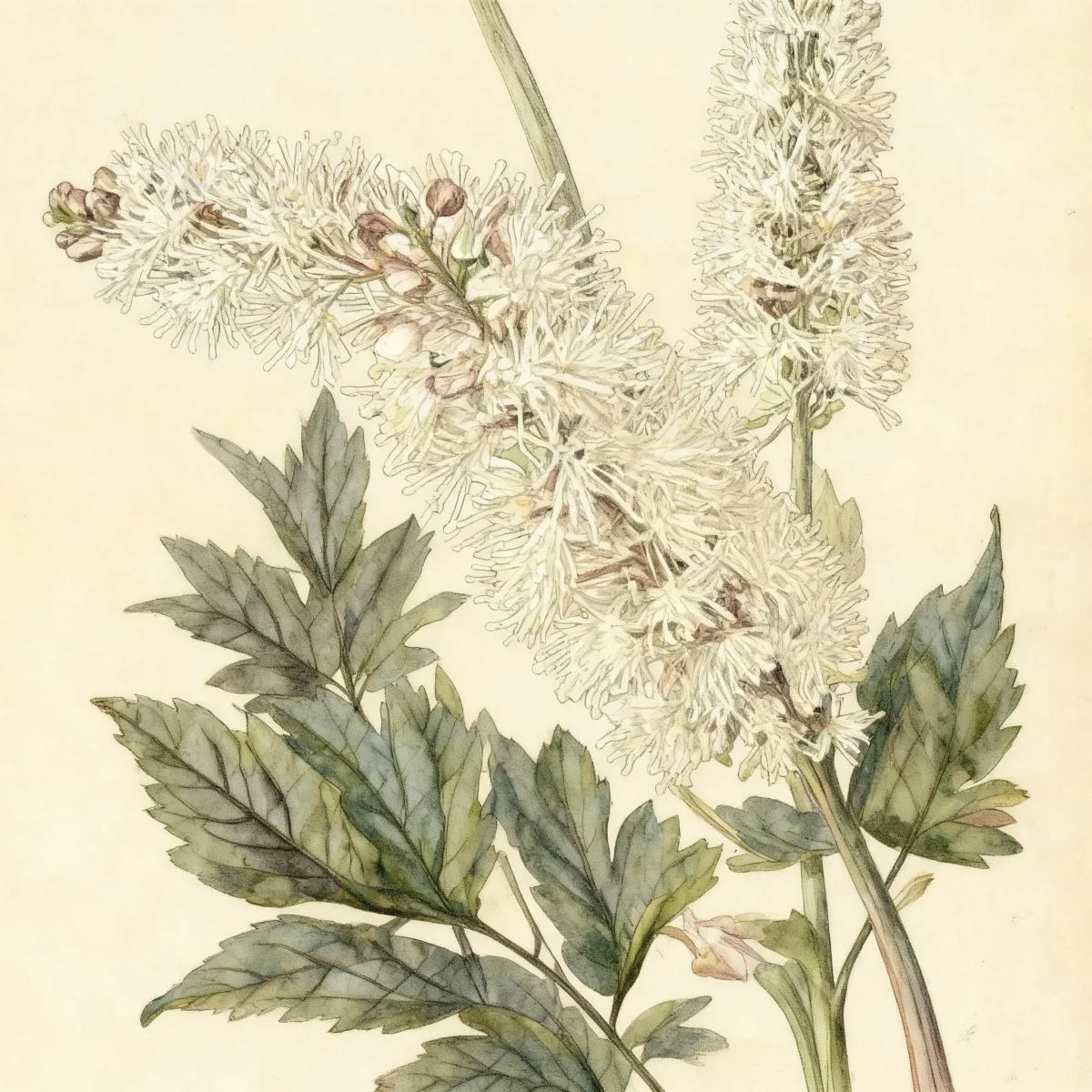
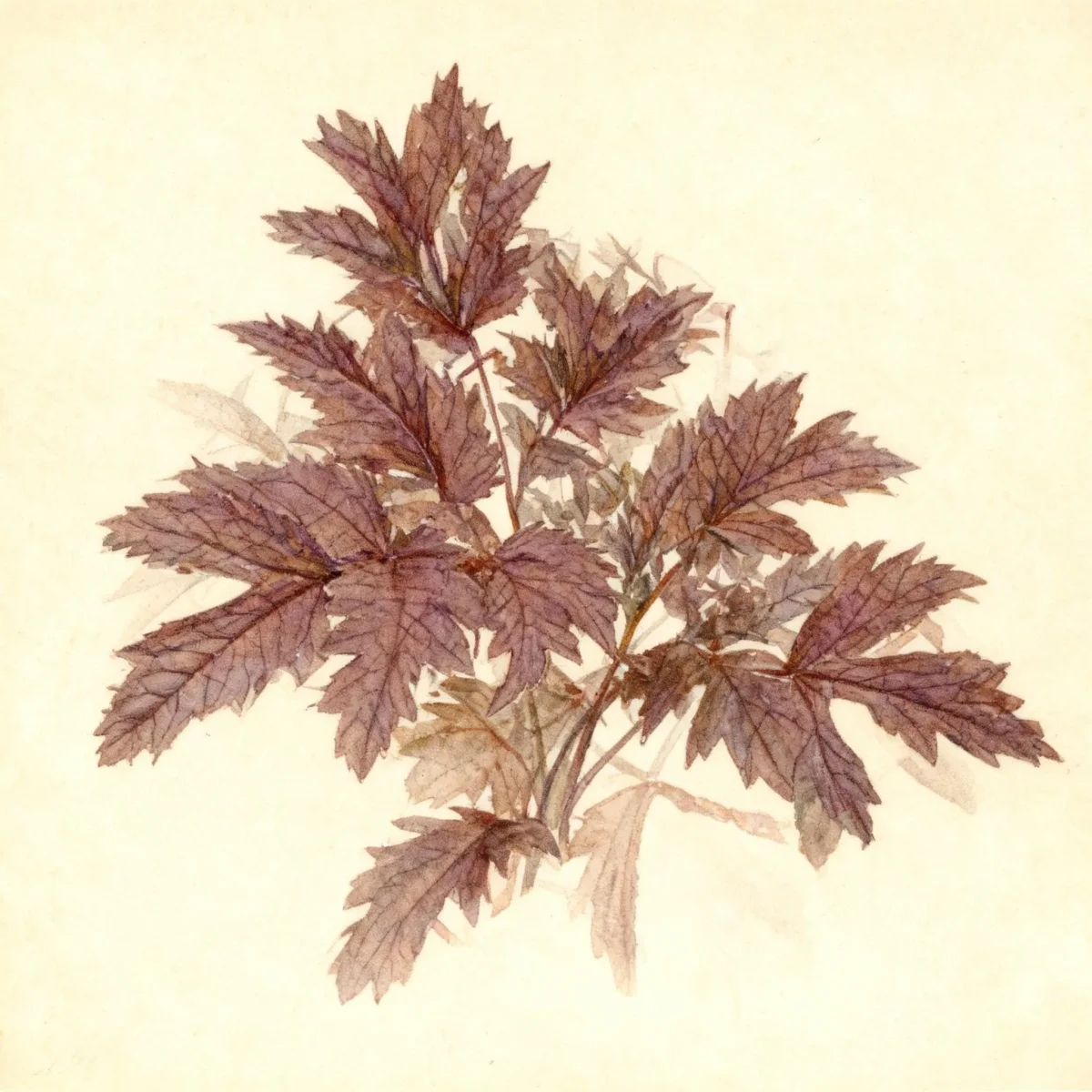
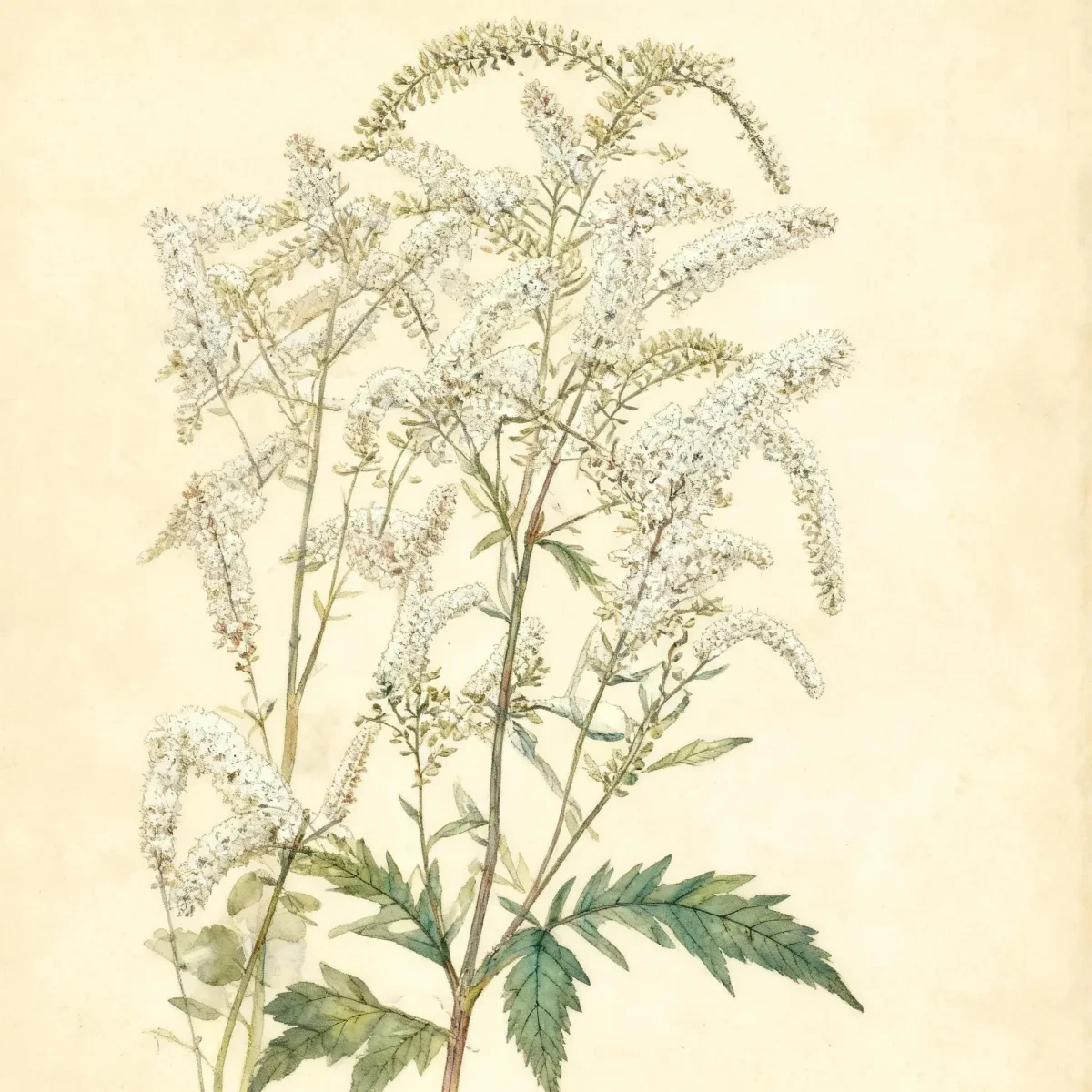
Bugbane (Actaea simplex)
Bugbane (Actaea simplex) is a striking herbaceous perennial offering fluffy white spires in late summer shade gardens.
Scroll down to discover growing tips, care requirements, companion plants, and more
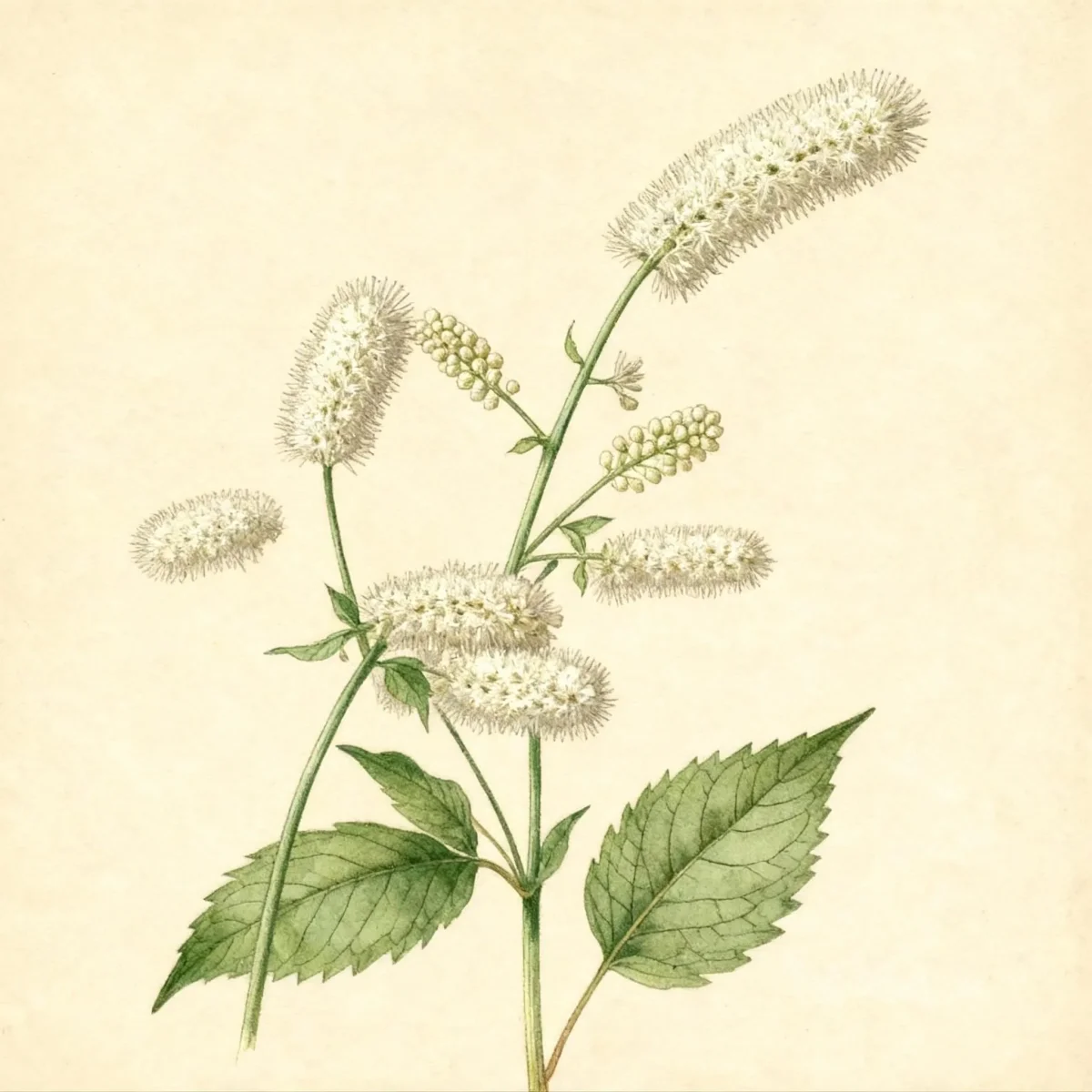
Complete Plant Information
Overview
Actaea simplex, widely known as Bugbane, provides essential vertical interest and late-season perfume to shaded garden areas where many other perennials fade. This herbaceous perennial features attractive, deeply cut, dark green foliage that offers excellent texture from spring until frost. Its most celebrated feature is the emergence of tall, fluffy spires of creamy white, fragrant flowers in the transition from late summer into early fall.
As a rhizomatous perennial, Actaea simplex slowly develops into substantial clumps, offering reliable structure in woodland settings or beneath high canopy trees. It is valued for its tolerance of deeper shade, though gardeners must understand its moisture needs to prevent foliage browning. Ensuring consistent moisture is key to maintaining the handsome appearance of this reliable eastern Asian native.
The genus name Actaea carries historical weight, while the common name Bugbane alludes to its traditional use as an insect repellent. Once established, this plant serves as an architectural highlight, lending an airy, elegant presence that contrasts beautifully with broad-leaved shade plants.
Fast Facts
- Plant Family: Ranunculaceae
- Plant Type: Herbaceous perennial
- Native Range: Eastern Asia
- Hardiness Zones: USDA Zones 4-8
- Size at Maturity:
- Height: 3-4 ft
- Spread: 2-3 ft
- Bloom Time: August to September
- Bloom Description: White
- Sun Exposure: Part shade to full shade
- Water Needs: Medium
- Maintenance Level: Medium
How to Grow
Planting Bugbane is ideally done in spring or fall, allowing the plant time to settle before summer heat or winter dormancy. Choose a location that offers part shade to full shade; direct, intense afternoon sun will likely scorch the foliage. Actaea simplex performs best in humusy, organically rich, moisture-retentive soils. Good drainage is necessary, but consistent moisture levels are critical for success.
Watering requirements for this perennial are medium, but consistency is paramount. Foliage will scorch and general growth may slow if the soil is allowed to dry out, especially during establishment. While fertilizing is not strictly necessary in rich soil, an annual top-dressing of compost can help maintain soil structure and nutrient levels. Deadheading is generally not required, but spent flower spikes can be cut back after flowering concludes.
When siting, remember this is a slow-to-establish plant; patience is necessary for it to reach its full stature. Best siting involves locations protected from strong, damaging winds which can otherwise damage the taller flower racemes. Minimal pruning is ever required beyond tidying up old foliage in early spring before new growth begins.
Landscape Uses
Actaea simplex is the backbone of the transitional season shade border, providing needed height when summer bloomers are fading. Its upright, 1-2 foot long white flower spires create a dramatic vertical mass that pairs excellently with darker-leaved companions, allowing the white to truly pop in lower light conditions. This plant is highly recommended for woodland gardens or naturalized settings where it can spread slowly via its rhizomes over time.
For formal garden designs, groupings of three or more Bugbane plants deliver the best visual impact, establishing a significant block of texture and late-season color. While it has specimen value once mature, its best function is textural layering within mixed borders. Consider pairing the airy blooms of Actaea simplex with the bold texture of Hostas, fine textures of Ferns, or rich color of Heucheras for dynamic contrast in the shade garden.
Standout Features
Flower Qualities
- Showy
Noteworthy Characteristics
Actaea simplex, commonly called bugbane, is a herbaceous, rhizomatous perennial native to forest edges, scrublands, grassy slopes, and other open habitats in eastern and central China, Japan, Korea, and far eastern Russia. Mature plants typically reach a total height of 3-4’ with a 2-3’ spread. Small, numerous, creamy white, strongly fragrant flowers appear in late summer to early fall in long, terminal racemes resembling fluffy spires (typically 1-2’ long) rising above the foliage on upright, wiry stems. Synonymous with and formerly known as Cimicifuga simplex.
Tolerances
No data provided for specific tolerances.
Potential Problems
This plant generally avoids serious insect or disease issues, though occasional problems with rust or leaf spot can occur, usually indicating high humidity or overly dense planting. The primary cultural challenge centers on moisture management; leaf margins frequently brown up (scorch) and overall growth slows if the soil is not consistently moist—a common issue during establishing or in hot, dry spells. Taller flower spires may occasionally bend towards available light, sometimes necessitating minor staking, particularly when the plant is situated deep in dense shade or has reached its maximum height.
Frequently Asked Questions
What hardiness zones is Bugbane suitable for?
Actaea simplex is suitable for USDA Hardiness Zones 4 through 8.
How large does Bugbane grow?
Mature Bugbane typically reaches a height between 3 and 4 feet, with a spread of 2 to 3 feet.
What sun exposure does Actaea simplex need?
Actaea simplex thrives best in part shade to full shade conditions in the landscape.
When does Bugbane bloom?
This perennial produces its signature white flower spikes from August to September.
Conclusion
The tall, fragrant white spires of Bugbane (Actaea simplex) offer a dramatic, elegant solution for late-season interest within partially shaded garden areas. By ensuring rich, consistently moist soil, gardeners can mitigate the common issues of leaf scorch and encourage this plant to become a reliable architectural element. Always check your local hardiness zone compatibility before incorporating this superb perennial into your landscape design.
Companion Planting
Selecting appropriate companions is crucial for managing the moisture and light needs of Actaea simplex while enhancing its aesthetic appeal. Since Bugbane performs best when its roots are kept cool and moist, pairing it with other moisture-loving shade denizens like large-leaved Hosta varieties or Astilbe ensures a harmonious cultural requirement. Plants that offer contrasting foliage textures—such as delicate Ferns or the broad, glossy leaves of Rodgersia—work beautifully alongside the finely cut leaves of the Bugbane.
For color contrast during the white bloom season in late summer, consider pairing the Actaea simplex with late Japanese Anemones, which provide shades of pink or purple. The height and structure of this Bugbane variant also allow shorter groundcovers, like European Wild Ginger (Asarum europaeum), to bridge the gap between the soil line and the emerging foliage, creating a layered woodland effect.
Design Ideas for Woodland Settings
The natural range and cultural needs suggest that Actaea simplex is perfectly suited for woodland garden schemes where light is dappled and the soil is naturally rich in organic matter. When naturalizing this plant, place it along woodland paths where its late flowers can be enjoyed up close, taking advantage of the subtle fragrance. Use its height to its advantage by placing it toward the middle or back third of a border that faces a seating area.
To maximize the visual impact of the white flowers, utilize darker backgrounds. Planting Actaea simplex in front of dark green conifers, deep burgundy Physocarpus shrubs, or even dark stone pathways will make the fluffy flower spires appear brighter and more luminous as evening approaches. This contrast is particularly effective in deep shade, turning what might otherwise be a dull corner into a focal point.