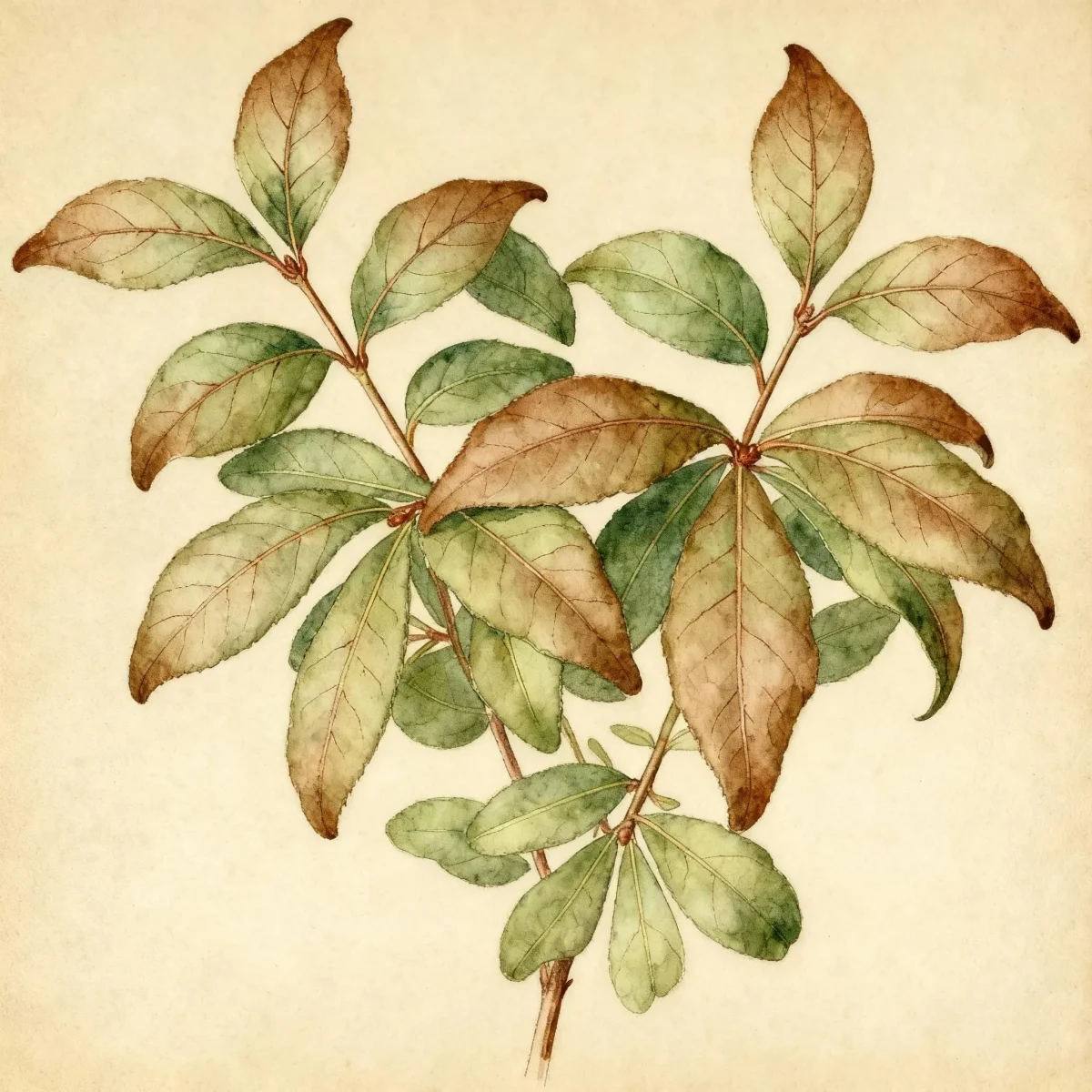
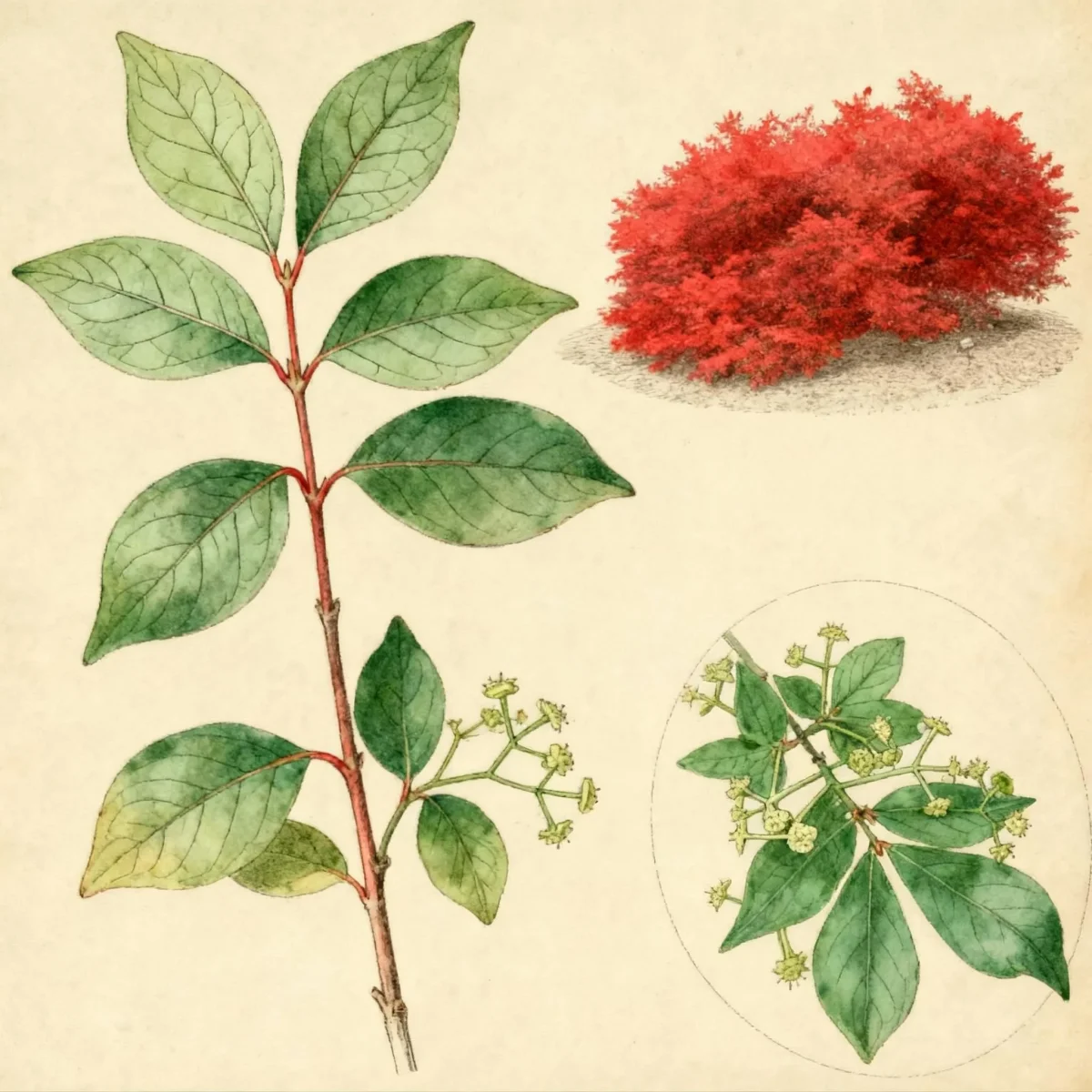
Spindletree (Euonymus bungeanus)
Discover Euonymus bungeanus, the adaptable Spindletree, offering striking fall fruit display and low maintenance for Zones 4-8.
Scroll down to discover growing tips, care requirements, companion plants, and more
Complete Plant Information
Overview
Euonymus bungeanus, commonly known as Spindletree, is valued by gardeners for its structure and late-season interest, particularly the visual appeal provided by its colorful fruits. This dense, woody-stemmed specimen functions effectively as a small tree or a large shrub adaptable to various landscape roles. It offers reliable seasonal transition as its foliage develops attractive yellow and pink tones before dropping.
The Spindletree exhibits excellent adaptability, thriving in a wide range of urban conditions and soil types, provided they are not overly wet. Belonging to the Celastraceae family, this cultivar provides a dependable structure, reaching heights between 15 and 24 feet, making it suitable for screening or placement near foundations.
For gardeners seeking low-effort beauty, Euonymus bungeanus presents a strong option. Its low maintenance requirements combined with the showy fruit display ensure that this native of China and Korea provides aesthetic benefit with minimal intensive care throughout the growing season.
Fast Facts
- Plant Family: Celastraceae
- Plant Type: Tree
- Native Range: China, Korea
- Hardiness Zones: USDA Zones 4-8
- Size at Maturity:
- Height: 15-24 ft
- Spread: 10-15 ft
- Bloom Time: May
- Bloom Description: Yellowish-green
- Sun Exposure: Full sun to part shade
- Water Needs: Medium
- Maintenance Level: Low
How to Grow
Planting Euonymus bungeanus is best done in spring or early fall, allowing the roots time to establish before extreme seasonal shifts. This Spindletree appreciates average, well-drained soils, though it shows remarkable tolerance for varying soil conditions, excluding overly saturated ground. Ensure the chosen location receives full sun to partial shade to maximize both foliage color and fruit production.
Ongoing care for Euonymus bungeanus is generally minimal due to its low maintenance classification. Provide medium water, especially during the first few years establishment, ensuring consistent moisture without sogginess. Fertilization is rarely necessary unless the soil quality is extremely poor. Pruning is usually limited to removing crossing or damaged branches, as the natural form is often desirable.
Propagation of Euonymus bungeanus can be achieved through cuttings or seed, offering avenues for increasing stock if desired. Because this species shows good tolerance for urban conditions, it is a reliable choice for tighter spaces or landscapes where pollution stress might be a concern. Winter preparation is simple; avoid heavy pruning late in the season.
Landscape Uses
The versatility of Spindletree makes it applicable across numerous design schemes. It excels when utilized for informal hedge or screen purposes, where its dense, woody structure can effectively define boundaries or obscure unwanted views. Furthermore, Euonymus bungeanus works well when grouped or massed together to create a significant textural background in larger landscape beds.
For foundation plantings, the manageable height range of this small tree allows it to soften structural lines without overwhelming the building when sited correctly. It also integrates smoothly into shrub borders, providing season-long structure that transitions well from spring bloom to vibrant fall fruit.
Consider planting Euonymus bungeanus near evergreen conifers or plants with strong summer color to set off its delicate yellowish-green spring flowers and its more impactful late-season fruit capsules. Its adaptability to various soils means it pairs well with many other robust, informal landscape elements.
Standout Features
Flower Qualities
- Insignificant
Fruit Qualities
- Showy
Noteworthy Characteristics
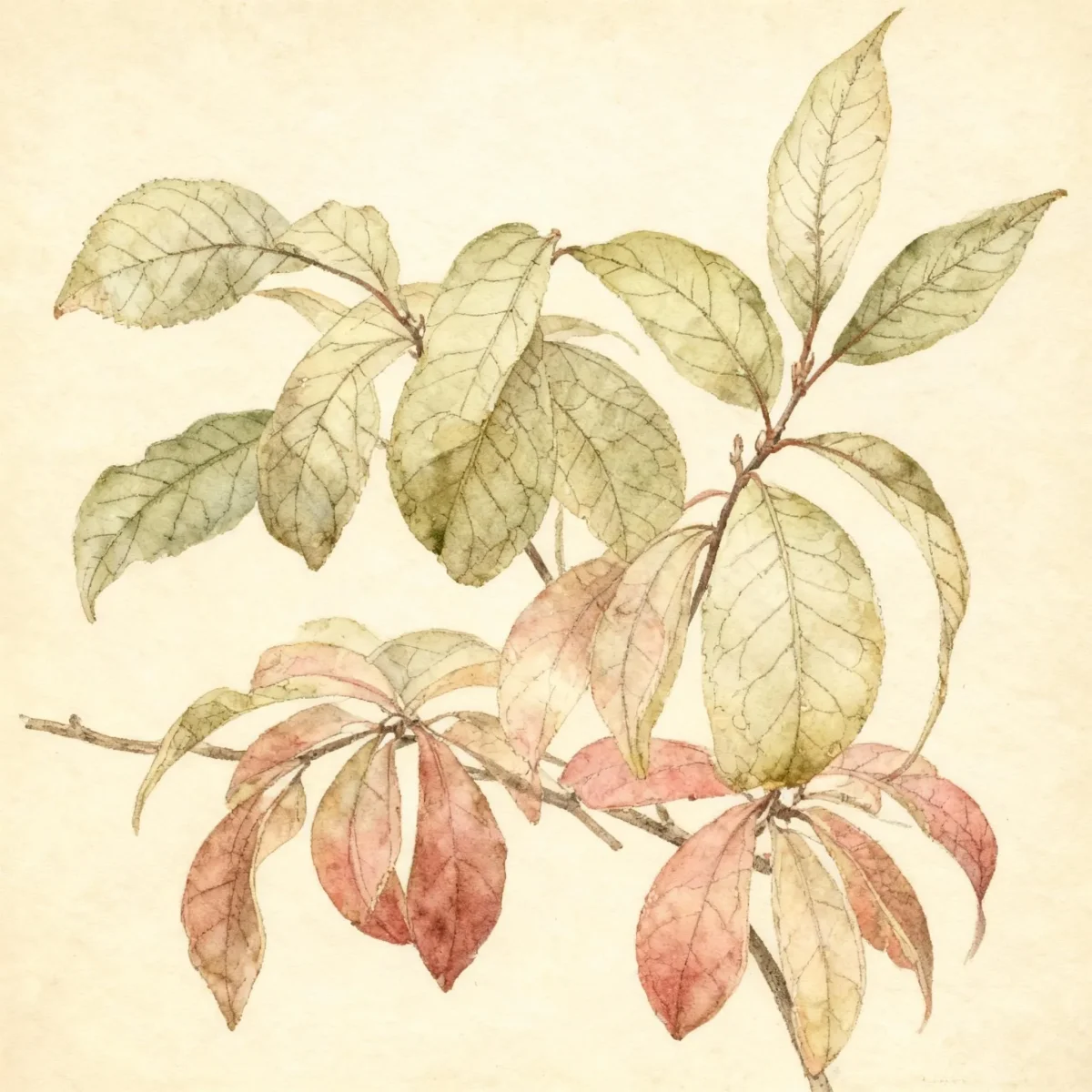
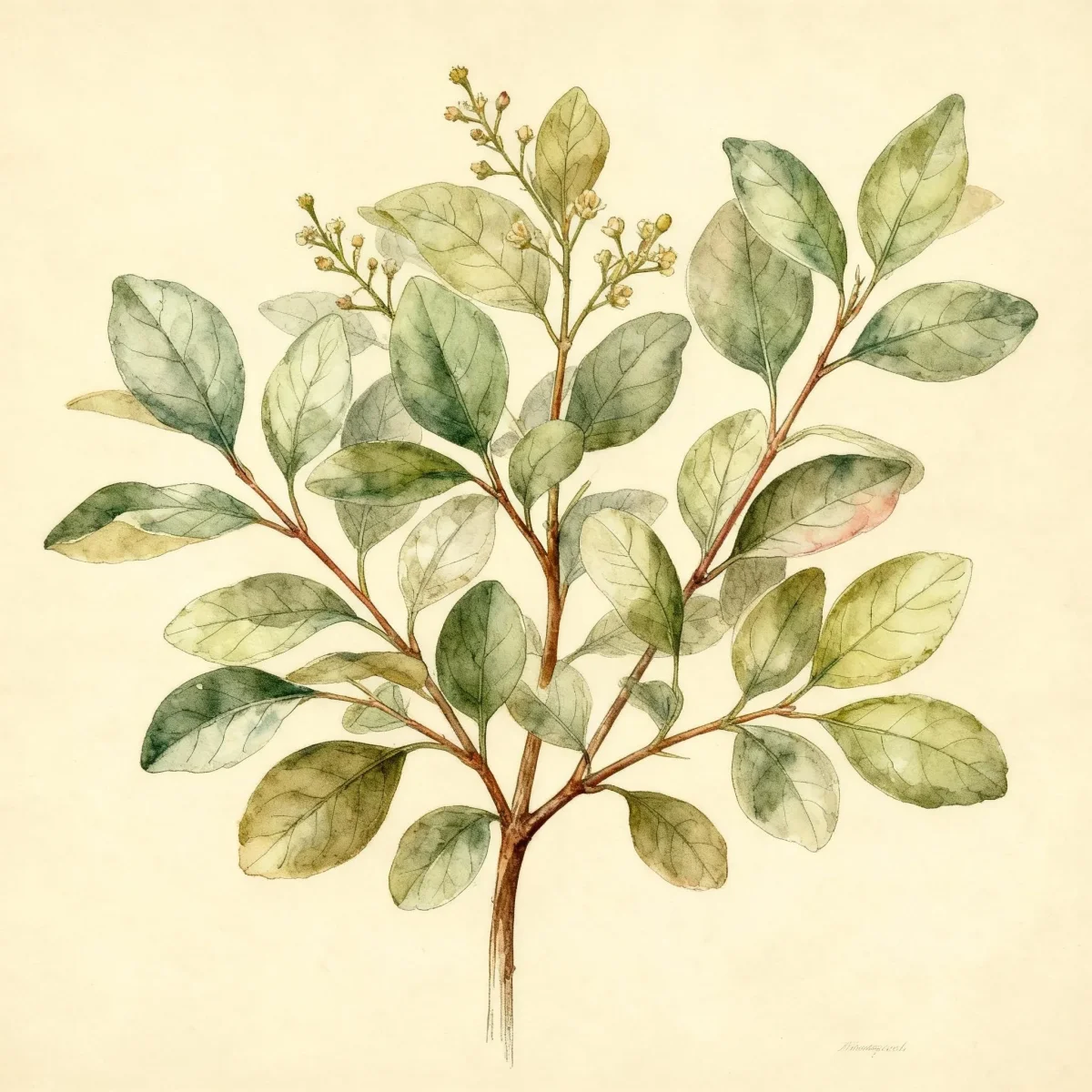
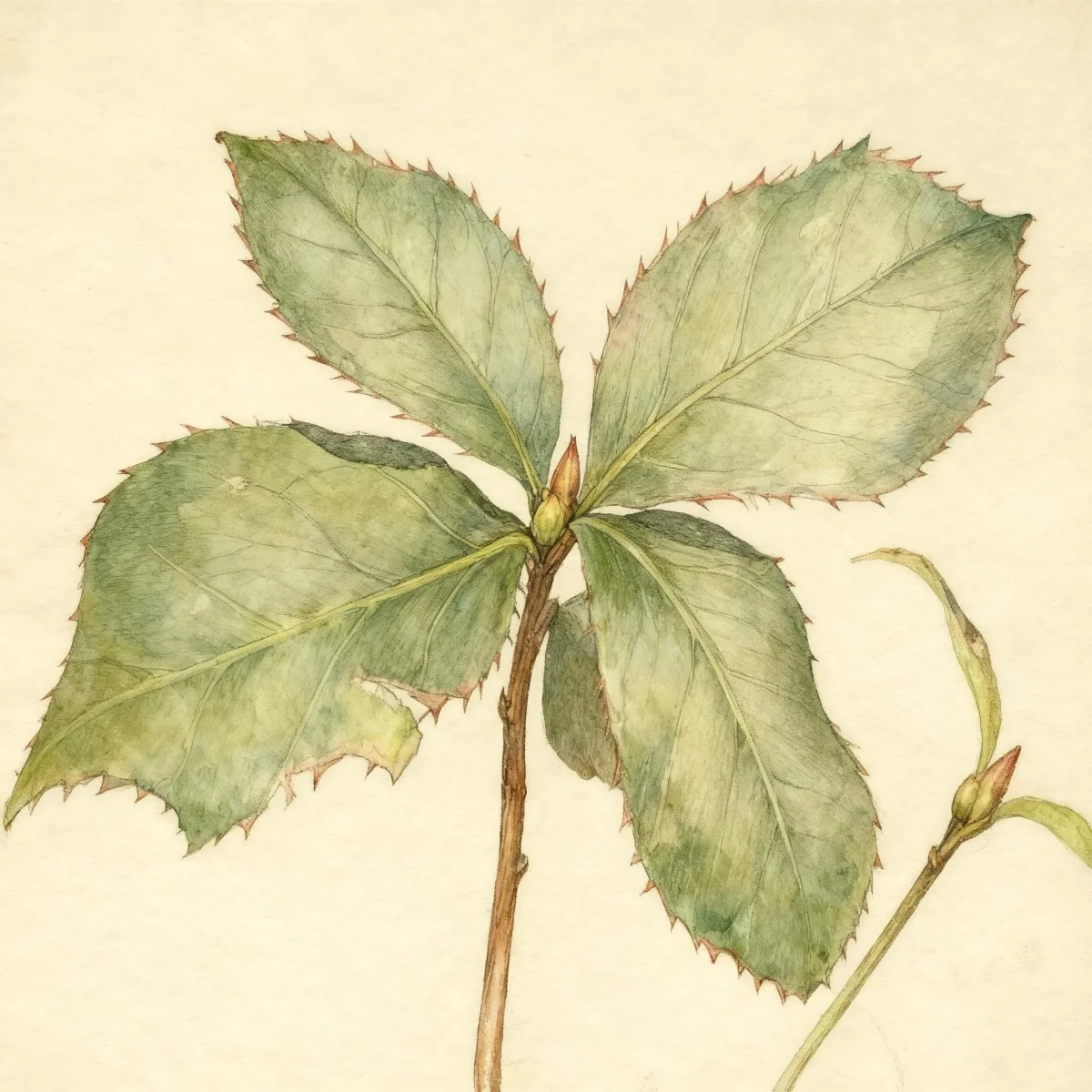
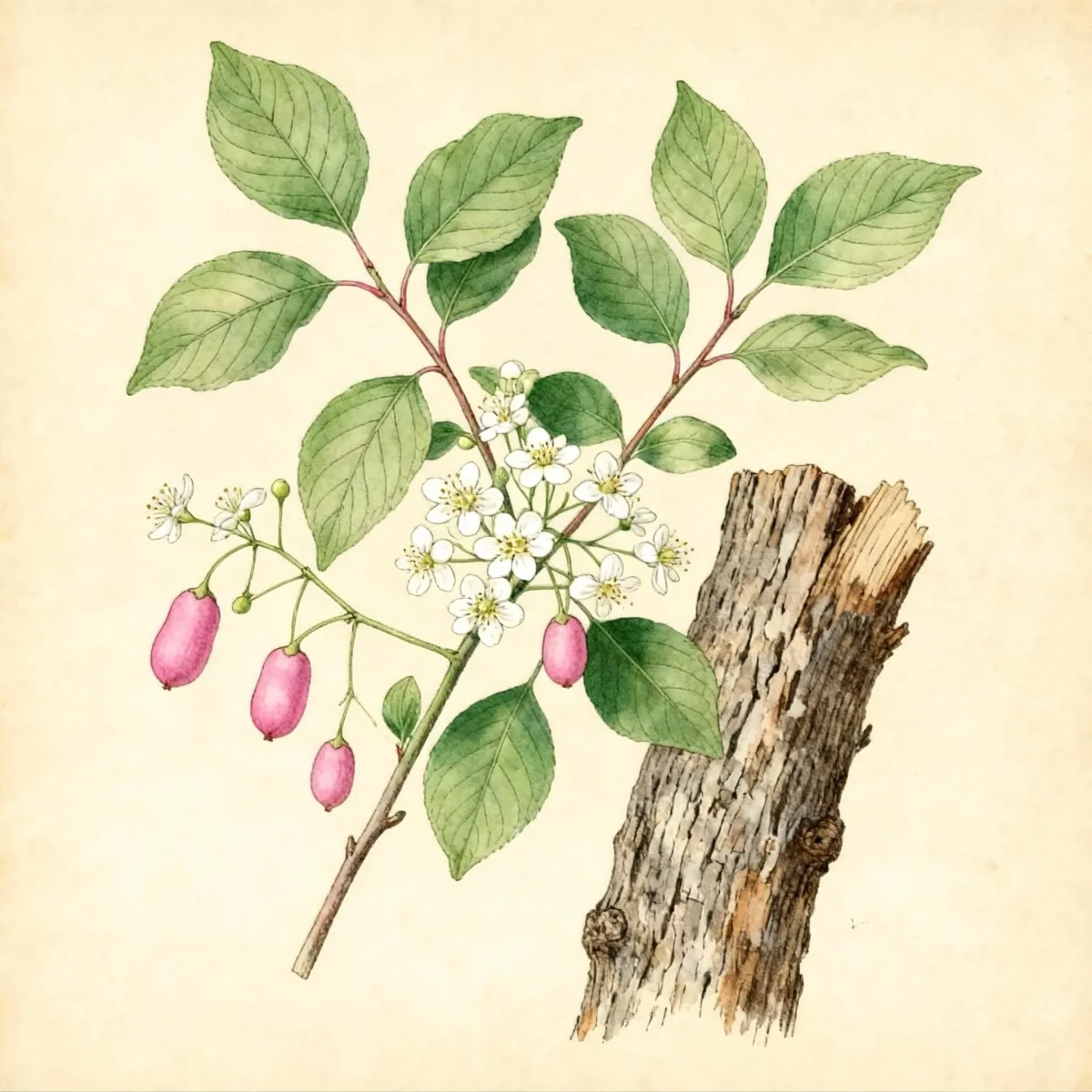
Euonymus bungeanus, commonly called spindletree, is a dense, woody-stemmed, semi-evergreen to deciduous small tree or shrub that grows to 15-24’ tall and to 10-15’ wide with slender pendulous branching. Inconspicuous, yellowish-green flowers with purple anthers bloom in small cymes in mid-spring (May), giving way to spherical, 4-lobed, yellowish-pink capsules (1/2” across) showcasing seeds with orange arils. The elliptic-ovate, finely serrate leaves turn yellow and pink dramatically in the fall, adding significant seasonal interest.
Tolerances
- Drought
- Black Walnut
Potential Problems
The primary pest concern for Euonymus bungeanus is the presence of Euonymus scale, which can become a significant infestation if left untreated and requires proactive management if observed. Other potential issues include common ornamental tree afflictions such as anthracnose, crown gall, leaf spot, powdery mildew, and aphids. Regular observation, especially during warmer months, aids in early detection, allowing for targeted treatment before these relatively minor problems become widespread issues affecting the overall health of the Spindletree.
Frequently Asked Questions
What hardiness zones is Spindletree suitable for?
Euonymus bungeanus is reliably hardy in USDA Zones 4 through 8.
How large does Spindletree grow?
This small tree typically matures to a height of 15 to 24 feet, with a spread ranging from 10 to 15 feet wide.
When does Spindletree bloom?
The inconspicuous flowers of Euonymus bungeanus typically appear in May, noted for their yellowish-green color.
What sun exposure does Euonymus bungeanus need?
This adaptable species performs best when situated in full sun to partial shade conditions.
Conclusion
The Spindletree remains a highly practical and visually rewarding addition to many landscapes due to its low maintenance needs and urban tolerance. For structure, year-round appeal, and excellent fall color provided by Euonymus bungeanus, assess your site conditions now and plan your planting for the optimal establishment period this season.
Companion Planting
When integrating Spindletree into mixed borders, focus on companions that share similar needs for medium moisture and full to partial sun exposure. Pairing Euonymus bungeanus with late-flowering perennials or shrubs can extend the interest in the garden bed beyond the Spindletree’s initial bloom. Consider planting near plants that contrast well with its eventual fruit display, such as deep purple foliage or late-blooming summer hydrangeas which appreciate similar soil drainage.
Design Ideas
For smaller properties, prune the Euonymus bungeanus strictly to maintain a strong single-trunk form, treating it as a specimen tree to highlight the pendulous branching structure. In larger settings, utilize its density to create an informal property screen or a robust living hedge that requires minimal shearing compared to formal hedges. Mass planting of Spindletree creates spectacular drifts of color in autumn when the foliage and fruit mature simultaneously.