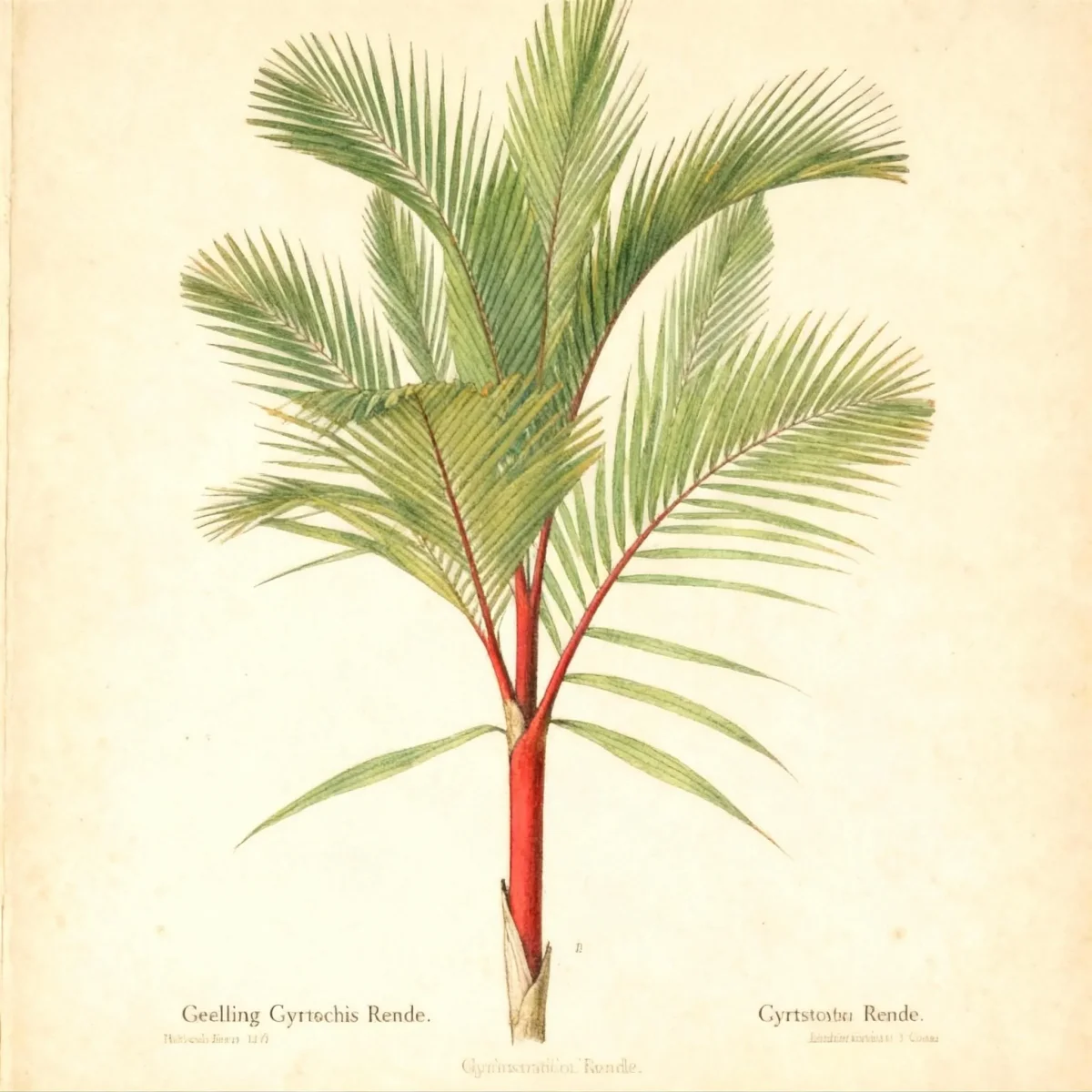
Bamboo palm (Dypsis lutescens)
The lush Bamboo palm (Dypsis lutescens) offers bright, arching foliage perfect for screens or elegant indoor displays. Low maintenance and hardy in Zones 10-11.
Scroll down to discover growing tips, care requirements, companion plants, and more
Complete Plant Information
Overview
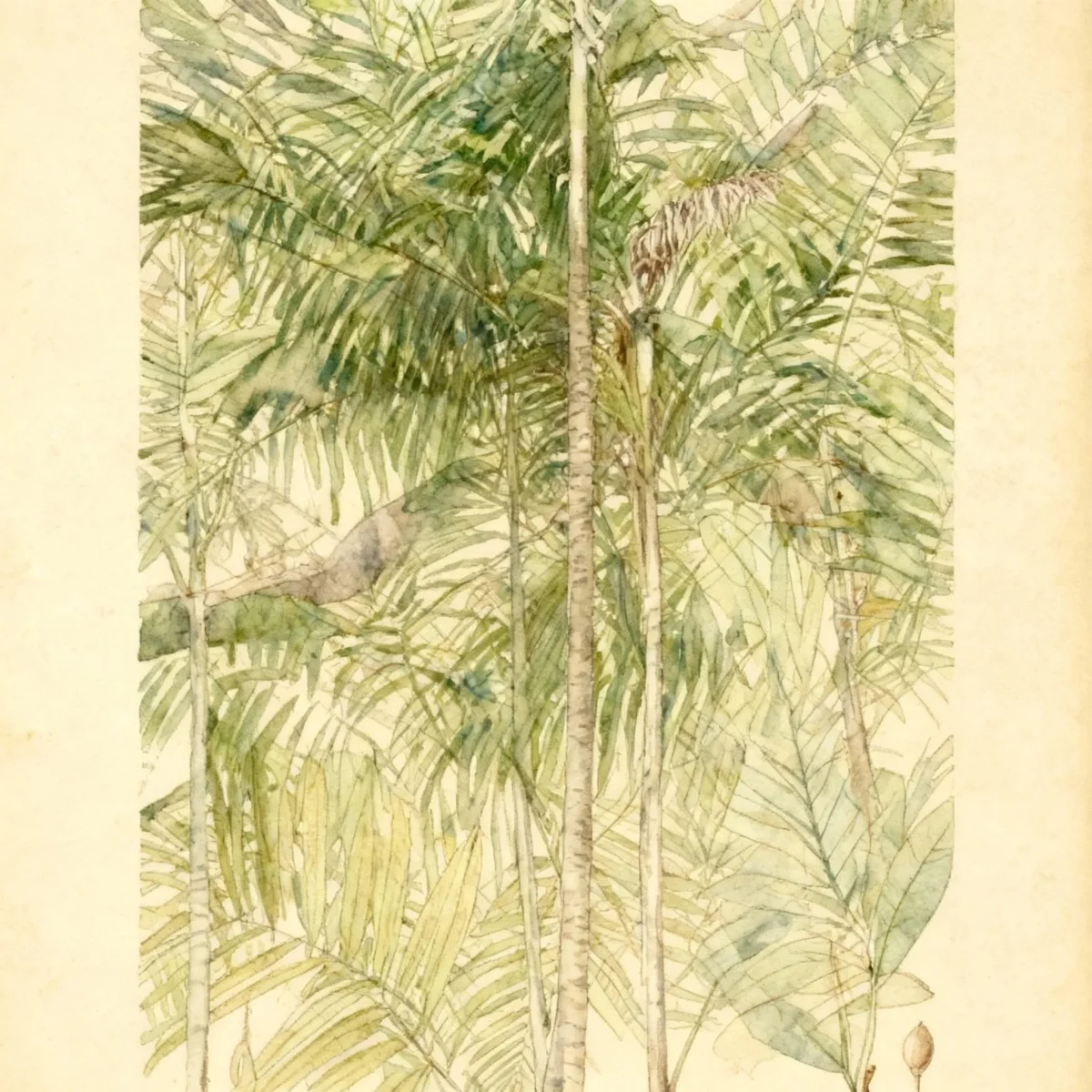
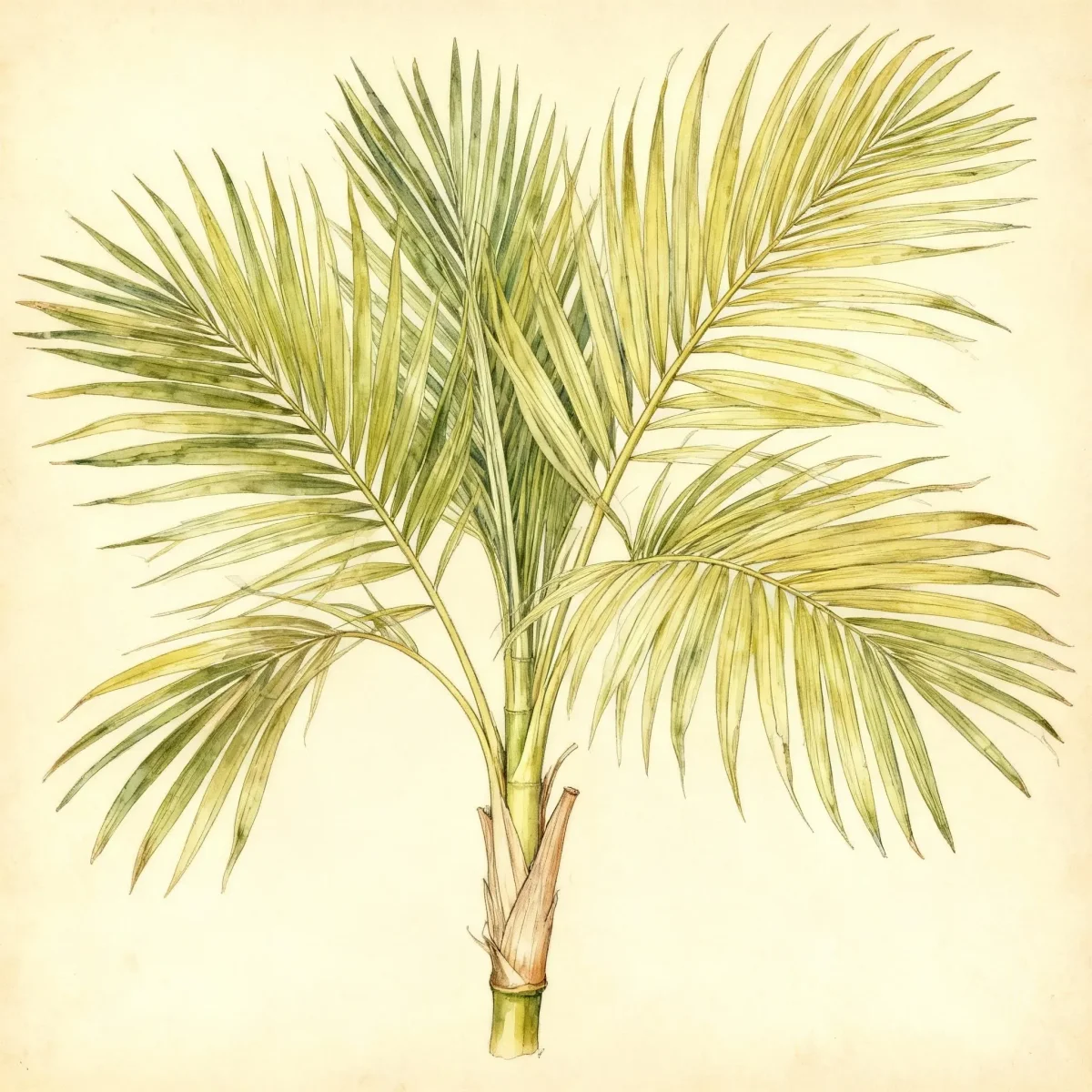
The Bamboo palm, scientifically known as Dypsis lutescens, is celebrated by gardeners for its elegant, multi-stemmed growth habit and feathery, light-green foliage. This popular palm earns its common name from the multiple cane-like, yellow stems that emerge from the base, often resembling bamboo when lower leaves are removed. Native to the moist forests of Madagascar, Dypsis lutescens provides a tropical architectural accent both outdoors in warm climates and as a highly valued houseplant worldwide.
This clustering palm is relatively low maintenance, making it an excellent choice for beginners or those seeking high visual impact with minimal effort. Outdoors, it matures into a dense screen or specimen tree, while indoors, it remains a favorite due to its ability to thrive in bright indoor settings. Its rapid-growing nature allows it to quickly establish that breezy, vacation aesthetic homeowners desire.
Whether utilized for creating a fast privacy hedge in zones 10-11 or kept neatly contained in a container inside, the golden cane palm offers year-round visual appeal. Gardeners appreciate the slightly yellow coloration on the stems and leaf midribs, which enhances its overall brightness, especially when contrasted against dark green foliage.
Fast Facts
- Plant Family: Arecaceae
- Plant Type: Palm or Cycad
- Native Range: Madagascar
- Hardiness Zones: USDA Zones 10-11
- Size at Maturity:
- Height: 12-30 ft
- Spread: 8-15 ft
- Bloom Time: July to August
- Bloom Description: Yellow
- Sun Exposure: Full sun to part shade
- Water Needs: Medium
- Maintenance Level: Low
How to Grow
For optimal outdoor growth, plant Dypsis lutescens where it receives bright part shade; while it tolerates full sun, too much direct overhead exposure, especially in hot afternoon hours, can stress the plant. When planting, incorporate plenty of rich organic matter into the soil, ensuring excellent drainage is achieved, as palms dislike sitting in soggy conditions. Consistent moisture is crucial, particularly during establishment and throughout the growing season.
Watering should be consistent for both landscape specimens and houseplants. Aim for medium water needs, allowing the top inch or two of soil to dry slightly between deep soakings. Indoor plants thrive with high humidity; misting or placing the planter atop a pebble tray are helpful cultural practices. Remember that temperatures below 60 degrees F can cause distress to the bamboo palm.
Maintenance is generally low. Outdoors, prune away any dead or damaged lower fronds to maintain a clean appearance and enhance the visible cane structure. Fertilize regularly during the spring and summer growing seasons with a balanced, slow-release palm fertilizer to support the production of healthy yellow stems and lush leaves.
Landscape Uses
The multi-stemmed nature of the Bamboo palm makes it an outstanding choice for structural planting, especially where space allows for its significant mature spread. Where winter hardy (Zones 10 and 11), this palm excels when planted in groups to form an immediate, informal hedge or privacy screen, effectively softening harsh property lines. Its tropical appearance also makes it ideal as an impressive specimen planting near entryways or patios.
Indoors, the Dypsis lutescens fulfills its role as an extremely popular houseplant, suitable for brightening conservatories, large rooms, or offices. When growing the bamboo palm indoors, consider pairing it with lower-growing tropical foliage plants that share similar requirements for bright, indirect light and consistent moisture to create an immersive, layered display.
Standout Features
Flower Qualities
- Showy
Noteworthy Characteristics
Dypsis lutescens, commonly called bamboo palm, butterfly palm or areca palm, is native to moist forest areas in Madagascar. Although endangered in its native habitat, it is commonly available in commerce throughout the world for outdoor plantings (where winter hardy) or as a houseplant. This multi-stemmed palm is now considered to be the most popular palm sold as a houseplant. Outdoors it will typically grow to 12-30’ tall. Multiple-ringed, cane-like, yellow stems grow from the base of the plant in clusters, sometimes resembling bamboo when suckers are removed.
Tolerances
(No data provided for specific tolerances)
Potential Problems
The Dypsis lutescens generally enjoys few major pest or disease issues, making its cultivation straightforward. However, growers should remain vigilant for common houseplant pests like scale insects and whiteflies, which can adhere to the clustered stems and undersides of fronds; regular inspection and treatment with horticultural oil are effective controls. Outdoor specimens, particularly those grown outside their ideal climate range, should be monitored for the deadly phytoplasma disease known as lethal yellowing, which is spread by planthoppers.
Indoors, the most common issues stem from improper watering or light, often resulting in brown tips on the leaflets, which can also be exacerbated by dry air. To prevent leaf scorch, avoid placing the bamboo palm directly in intense, unfiltered afternoon sun, especially if it is being acclimated from a lower-light setting.
Frequently Asked Questions
What hardiness zones is Bamboo palm suitable for?
The Bamboo palm (Dypsis lutescens) is winter hardy in USDA Zones 10 through 11.
How large does Bamboo palm grow?
Outdoors, this palm typically reaches heights between 12 and 30 feet tall, with a spread ranging from 8 to 15 feet wide.
What sun exposure does Bamboo palm need?
This plant prefers full sun to part shade. When grown as a houseplant, it needs mostly sunny exposures but should be protected from scorching direct sun indoors.
When does Bamboo palm bloom?
The Dypsis lutescens produces its typically inconspicuous yellow flowers during the summer months, specifically from July to August.
Conclusion
The Bamboo palm (Dypsis lutescens) remains an indispensable tropical choice, offering lush texture, low maintenance, and versatility both as a towering outdoor specimen and a beloved houseplant. Its distinctive yellow canes and arching canopy provide immediate visual impact in any setting. Always verify your local USDA hardiness zone before attempting to grow this species outside, but for container gardening, providing bright light and consistent moisture will ensure continued success for your Dypsis lutescens.
Companion Planting
When using the Bamboo palm in landscape designs in warm climates, pair it with plants that appreciate similar soil moisture and light profiles to create cohesive tropical vignettes. Consider utilizing broad-leaved, low-growing tropicals such as various Hostas (in shadier spots) or variegated Flax Lilies (Phormium) near the base to contrast the fine texture of the palm fronds. In containers, ensure companions do not compete aggressively for root space or water, opting for smaller ferns or low-mounding Calatheas placed near the soil line.
Varietals and Culture Notes
Although Dypsis lutescens is widely available and genetically stable, understanding its origins emphasizes proper care requirements. The specific epithet “lutescens” refers to the plant’s tendency toward yellow coloration in its flowers, stems, and leaf midribs, which is a key identifying feature distinguishing it from plain green-stemmed relatives. When selecting a specimen, look for clusters of stems evenly colored to ensure you obtain the classic ‘golden cane’ appearance that makes this palm so recognizable.