Chinese quinine (Dichroa febrifuga)
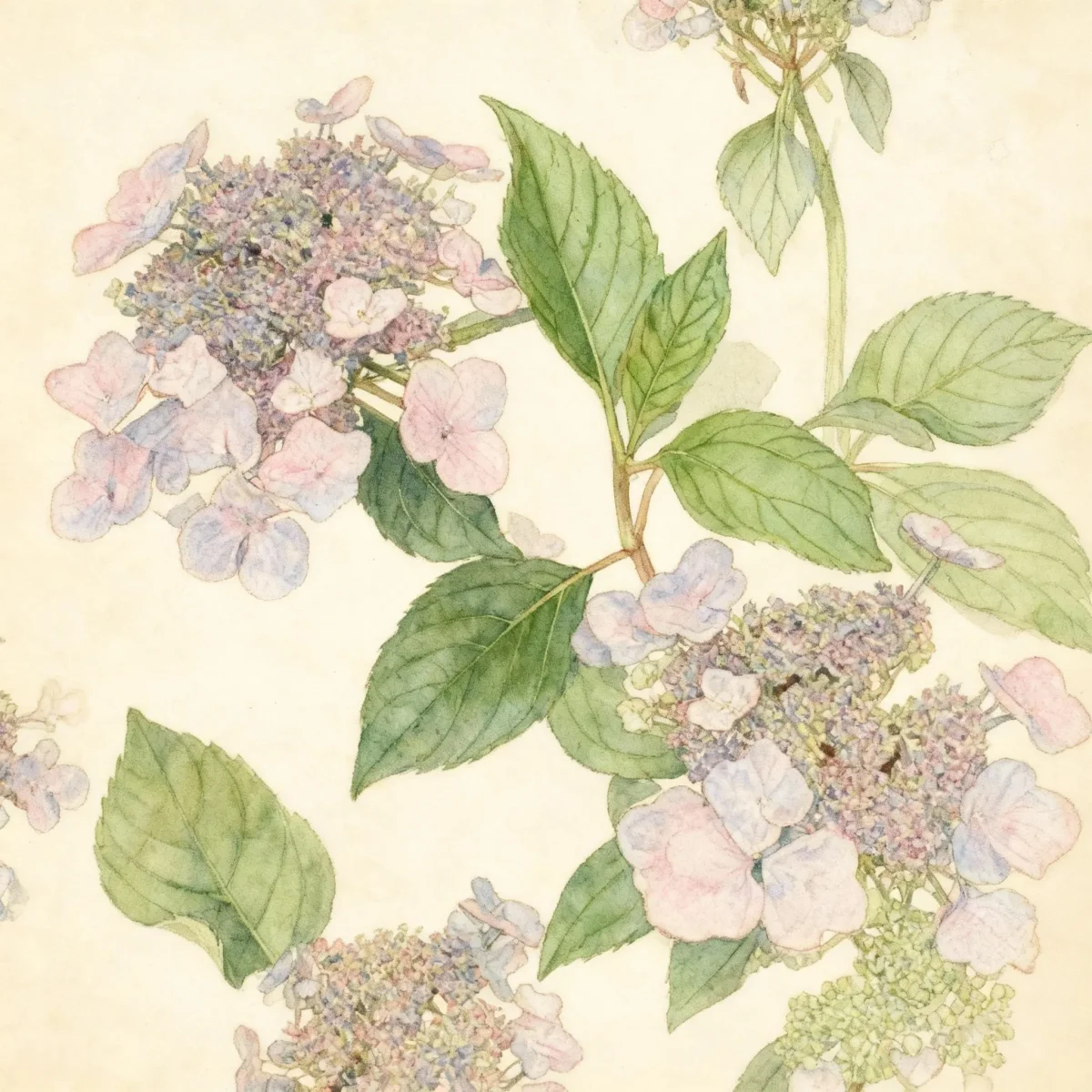
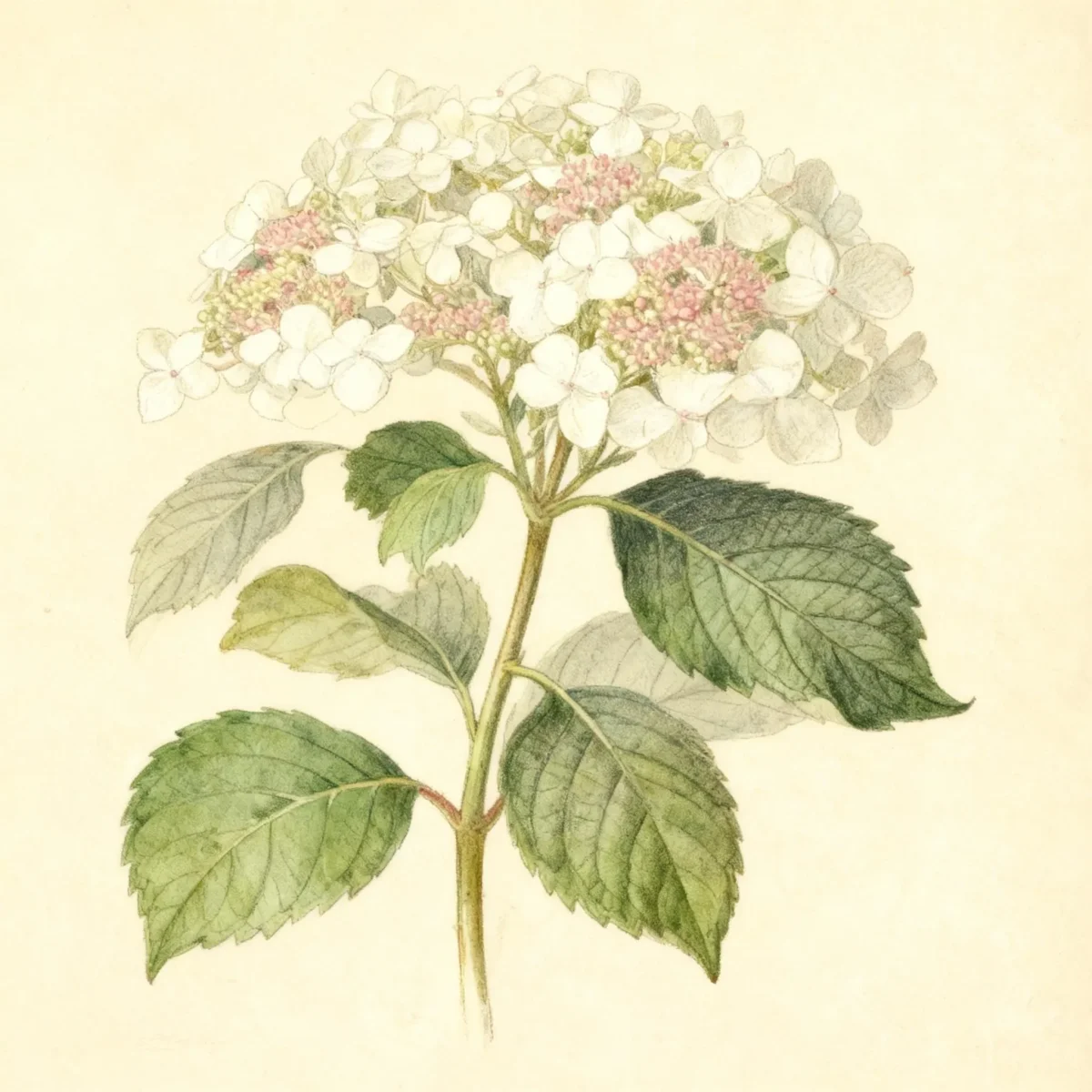
Dichroa febrifuga, the Chinese quinine, is a striking evergreen shrub prized for its unique blue winter berries and bi-color hydrangea-like blooms.
Scroll down to discover growing tips, care requirements, companion plants, and more
Complete Plant Information
Overview
The Chinese quinine, scientifically known as Dichroa febrifuga, offers significant ornamental appeal as a compact, rounded, broadleaf evergreen shrub. Often likened to a tropical hydrangea, it stands out with glossy, dark green foliage that remains attractive throughout the year in suitable climates. Gardeners value this species for its unique bloom structure and especially for the ornamental blue berries that follow the flowers.
Dichroa febrifuga is native to the regions extending from Nepal through China, thriving where frosts are light. It provides reliable structure in warm-temperate and subtropical landscapes, functioning well as a standalone specimen or incorporated into mixed shrub borders. The plant’s visual interest peaks when its bi-color flowers open in early summer, quickly followed by striking gentian blue fruit.
This plant requires focused cultural attention, particularly regarding soil acidity, to maximize its aesthetic potential. Understanding the specific needs of the Chinese quinine ensures vibrant growth and the best possible display of both its flowers and its highly sought-after late-season berries.
Fast Facts
- Plant Family: Hydrangeaceae
- Plant Type: Broadleaf evergreen
- Native Range: Southeastern Asia
- Hardiness Zones: USDA Zones 8-10
- Size at Maturity:
- Height: 3-7 ft
- Spread: 3-5 ft
- Bloom Time: June to July
- Bloom Description: Blue and white
- Sun Exposure: Part shade
- Water Needs: Medium
- Maintenance Level: Medium
How to Grow
Planting Dichroa febrifuga should occur when the threat of frost has fully passed in USDA Zones 8 through 10. It must be established in location providing part shade, ensuring protection from harsh, direct afternoon sun which can scorch the leaves. The soil is critical: it must be moist, organically rich, and acidic. Soil pH directly dictates the flower color intensity; highly acidic soils produce deeper blue tones, while more alkaline conditions shift the color toward lilac or pale blue.
Maintain medium water requirements by ensuring consistent moisture, especially during the growing season. To achieve the deepest blue coloration in the flowers, amend the soil with aluminum sulfate sparingly. Conversely, if you desire lighter blue flowers, incorporate lime cautiously. Propagation is typically achieved via seeds or cuttings taken for the next generation of Chinese quinine.
If you garden in a climate that requires bringing the Dichroa febrifuga indoors for winter, manage its rest period carefully. A night temperature of 50 to 55°F with daytime temperatures around 60 to 65°F is ideal for protection.
Landscape Uses
The Dichroa febrifuga transitions beautifully between functional planting and ornamental display. Its naturally compact, rounded habit lends itself perfectly to creating a formal or informal hedge line where a lower, denser evergreen is desired. Equally, it shines as an interesting and ornamentally attractive shrub in sub-tropical settings where persistent frost is rare.
For container enthusiasts, this plant performs well in pots or tubs, allowing gardeners in marginally colder areas to easily move the Chinese quinine under cover during the coldest weeks. When siting this plant, consider placing it where its late-summer gentian blue berries can be observed, perhaps near a walkway or a patio seating area.
Standout Features
Flower Qualities
- Showy
Fruit Qualities
- Showy
Noteworthy Characteristics
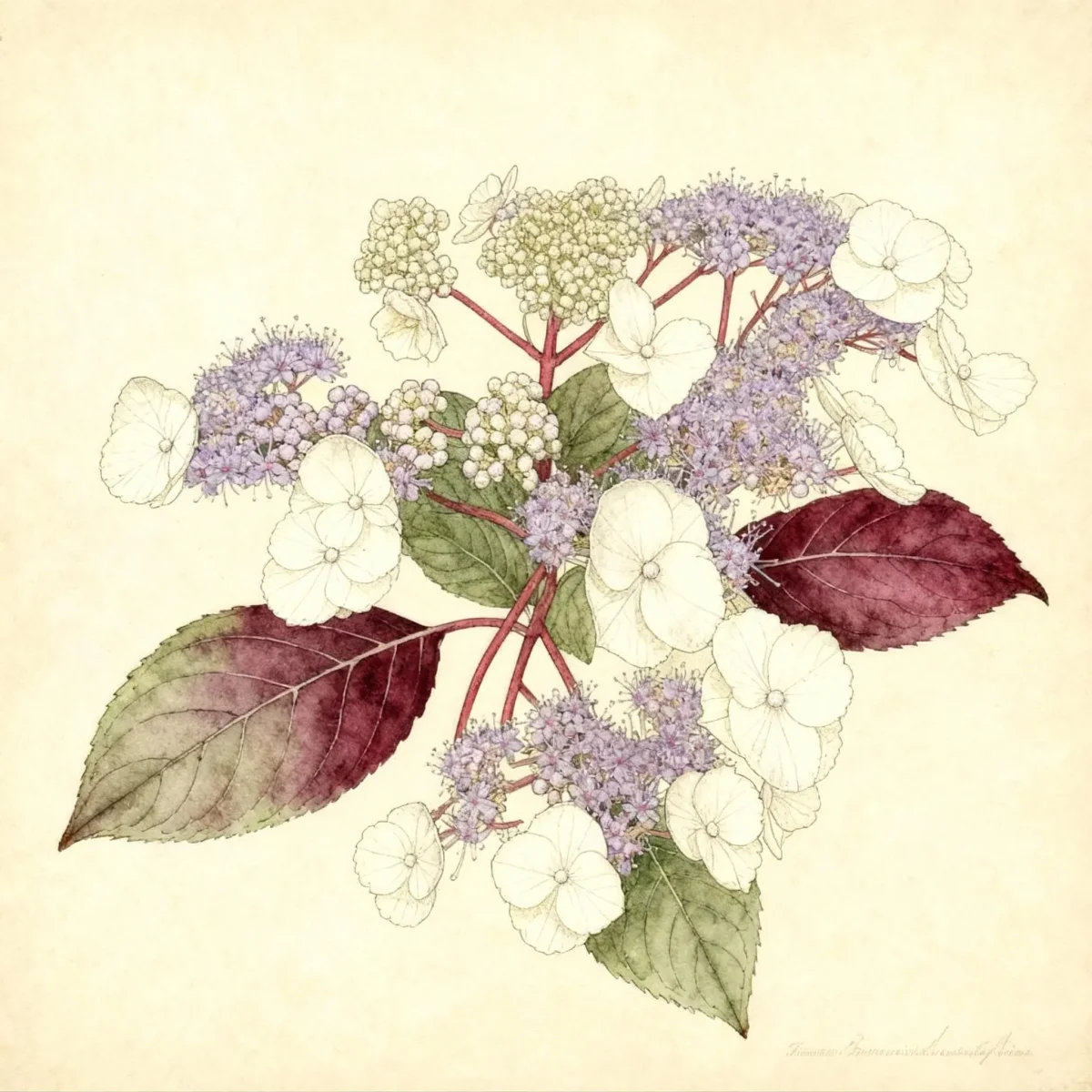
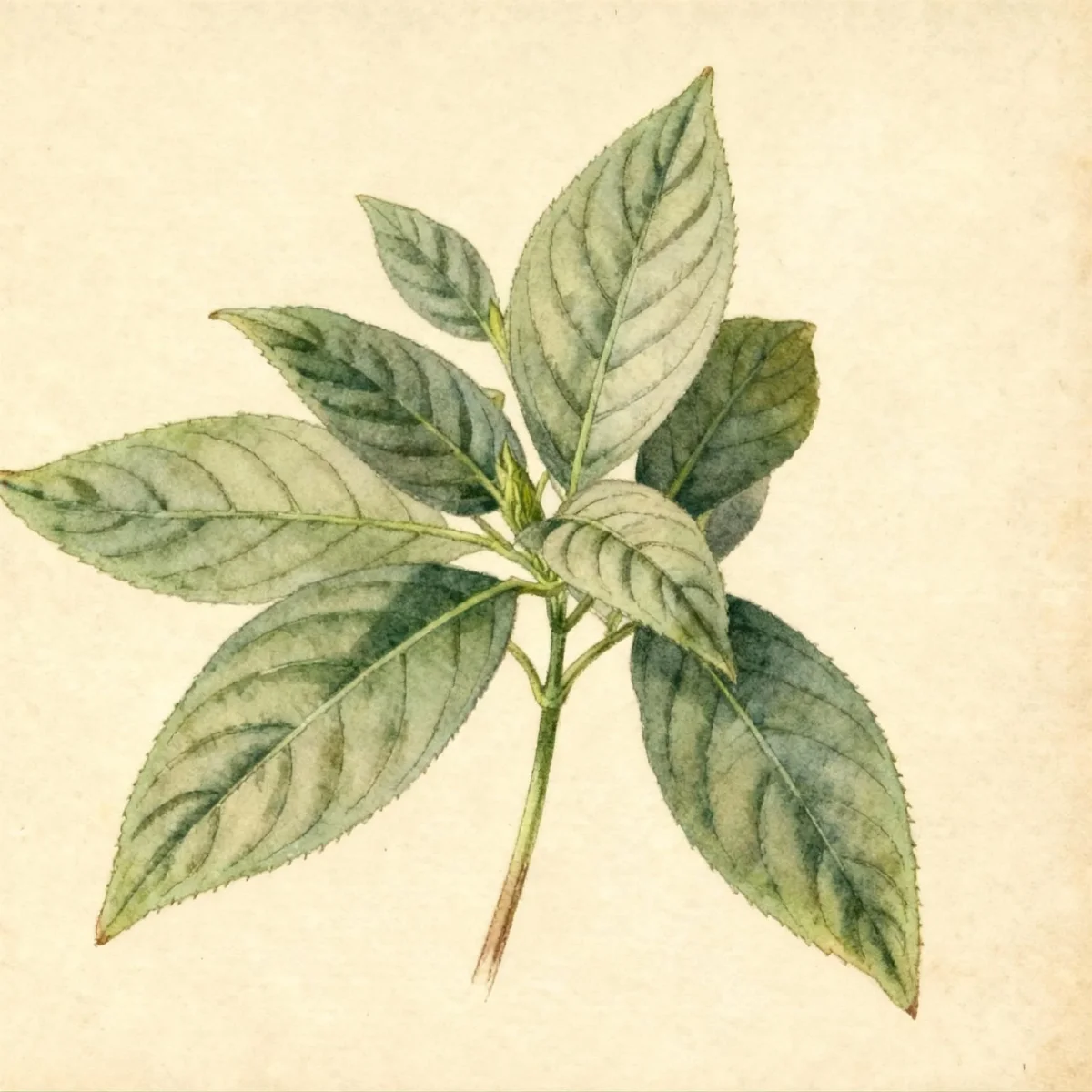
Dichroa febrifuga, commonly called blue evergreen hydrangea or Chinese quinine, is a compact, rounded, tropical, hydrangea-like, evergreen shrub which grows to 3-7’ tall spreading to 5’ wide. Toothed, pointed-elliptic, glossy dark green leaves are attractive year round. Reflexed, five-petaled, bi-color flowers reminiscent of hydrangea bloom in June-July, followed by orbicular, gentian blue berries which mature in late summer and often persist into winter. This plant is historically significant among the 50 Fundamental Herbs in Chinese medicine, valued for applications including fever reduction.
Tolerances
Potential Problems
This species is generally noted for having no serious insect or disease problems, making the Dichroa febrifuga relatively carefree once established in its preferred environment. Gardeners should focus primary preventative efforts on cultural needs, such as maintaining the correct soil pH and ensuring consistent moisture, to keep the plant vigorous. Vigor directly contributes to pest and disease resistance in most woody ornamentals.
Frequently Asked Questions
What hardiness zones is Chinese quinine suitable for?
Dichroa febrifuga is best suited for cultivation within USDA Hardiness Zones 8 through 10, providing protection from severe freezes.
How large does Chinese quinine grow?
This evergreen shrub typically reaches a mature height between 3 and 7 feet and spreads between 3 and 5 feet wide, maintaining a compact, rounded shape.
When does Dichroa febrifuga bloom?
The bi-color flowers of Dichroa febrifuga are typically present from June into July, featuring blue and white coloration.
What sun exposure does Chinese quinine need?
This plant thrives best when provided with part shade, avoiding the intensity of full, hot afternoon sun.
Conclusion
The value of Dichroa febrifuga lies in its evergreen structure, its unique, hydrangea-like flowers, and the intensely ornamental blue berries that provide late-season color. If you are gardening in a subtropical area within Zones 8-10, carefully planning your soil acidity can unlock the magnificent potential of the Chinese quinine. Check your local soil pH today and plan for spring planting.
Companion Planting
When selecting plants to grow alongside the Chinese quinine, prioritize those that share similar requirements for consistent moisture, rich organic soil, and part shade conditions. Excellent partners are other acid-loving plants, such as various species of Rhododendron, Azalea, and Camellia, which will provide complementary texture and early spring color. Ensuring good air circulation between these dense shrubs helps mitigate potential fungal issues common in humid, shaded environments.
Seasonal Care Calendar
For successful cultivation of Dichroa febrifuga, seasonal attention is key. In early spring, before new growth flushes, apply an aluminum sulfate treatment if a deeper blue flower color is desired, working it into the top few inches of soil. Watering needs should be strictly met during the dry summer months to support the medium water requirement necessary for robust flowering and berry set. During the dormant season in Zone 8, lightly mulch around the base to protect the roots from extreme cold fluctuations.