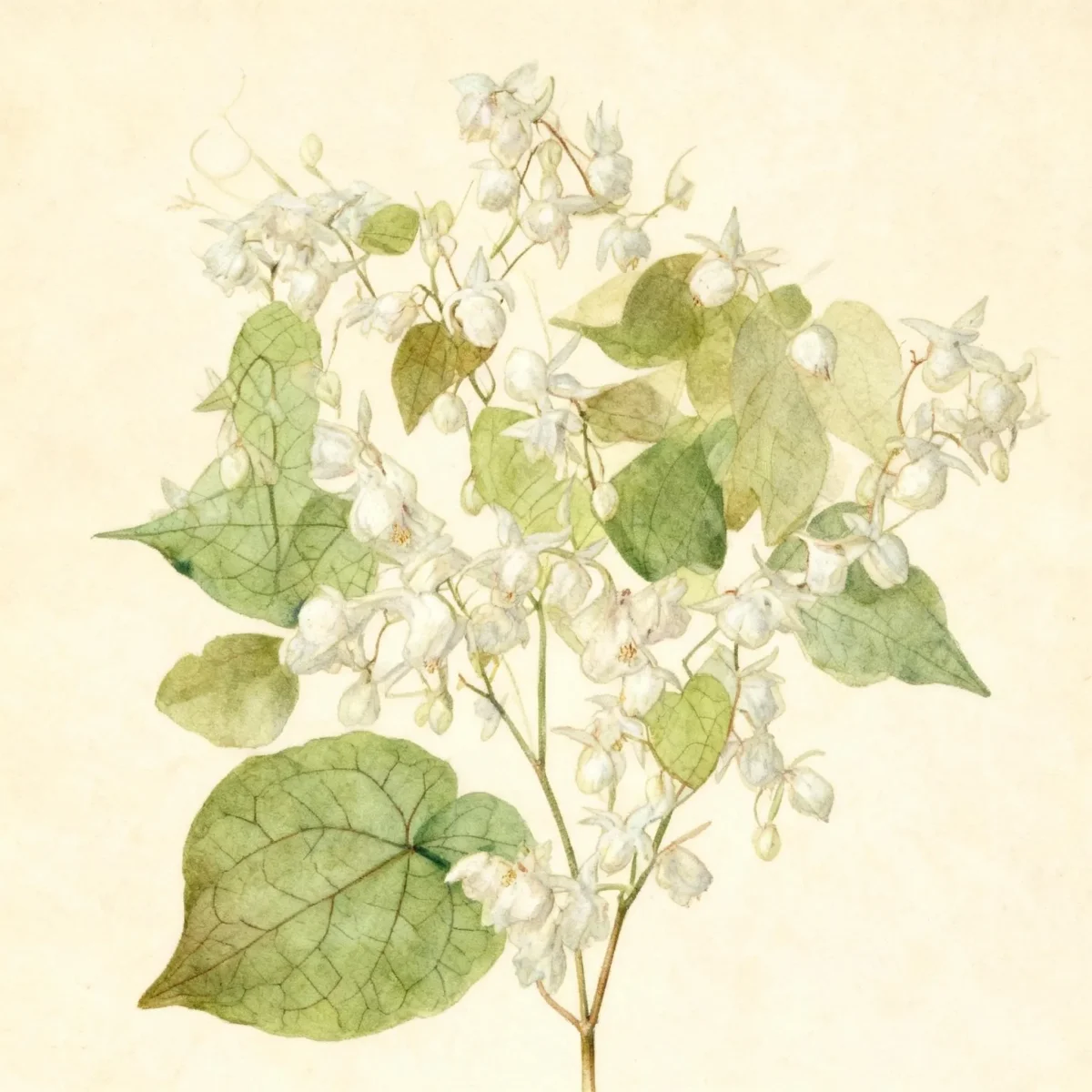
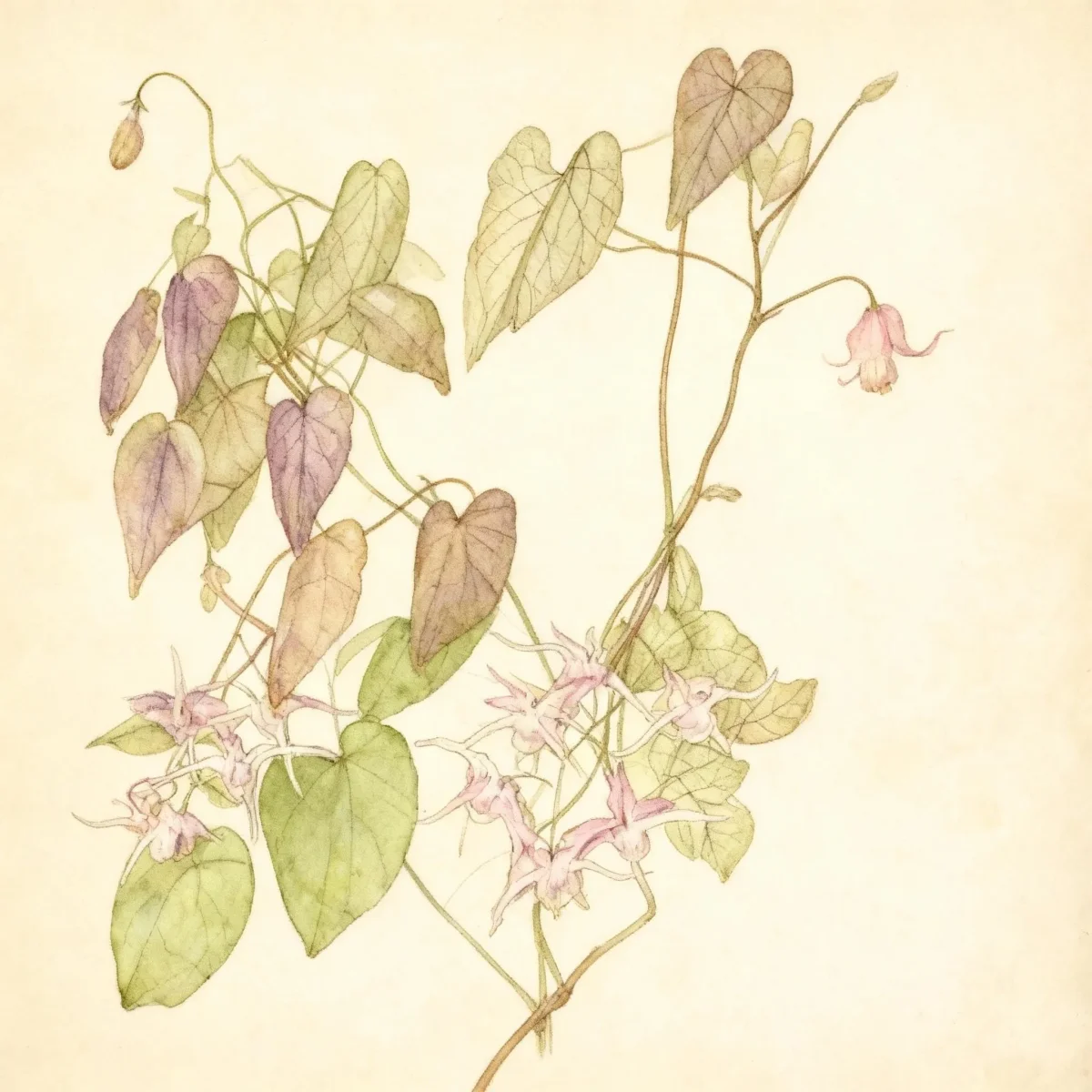
Bishop's hat (Epimedium leptorrhizum)
Discover Epimedium leptorrhizum, the resilient Bishop's hat. Perfect for dry shade, offering spring blooms and low maintenance.
Scroll down to discover growing tips, care requirements, companion plants, and more
Complete Plant Information
Overview
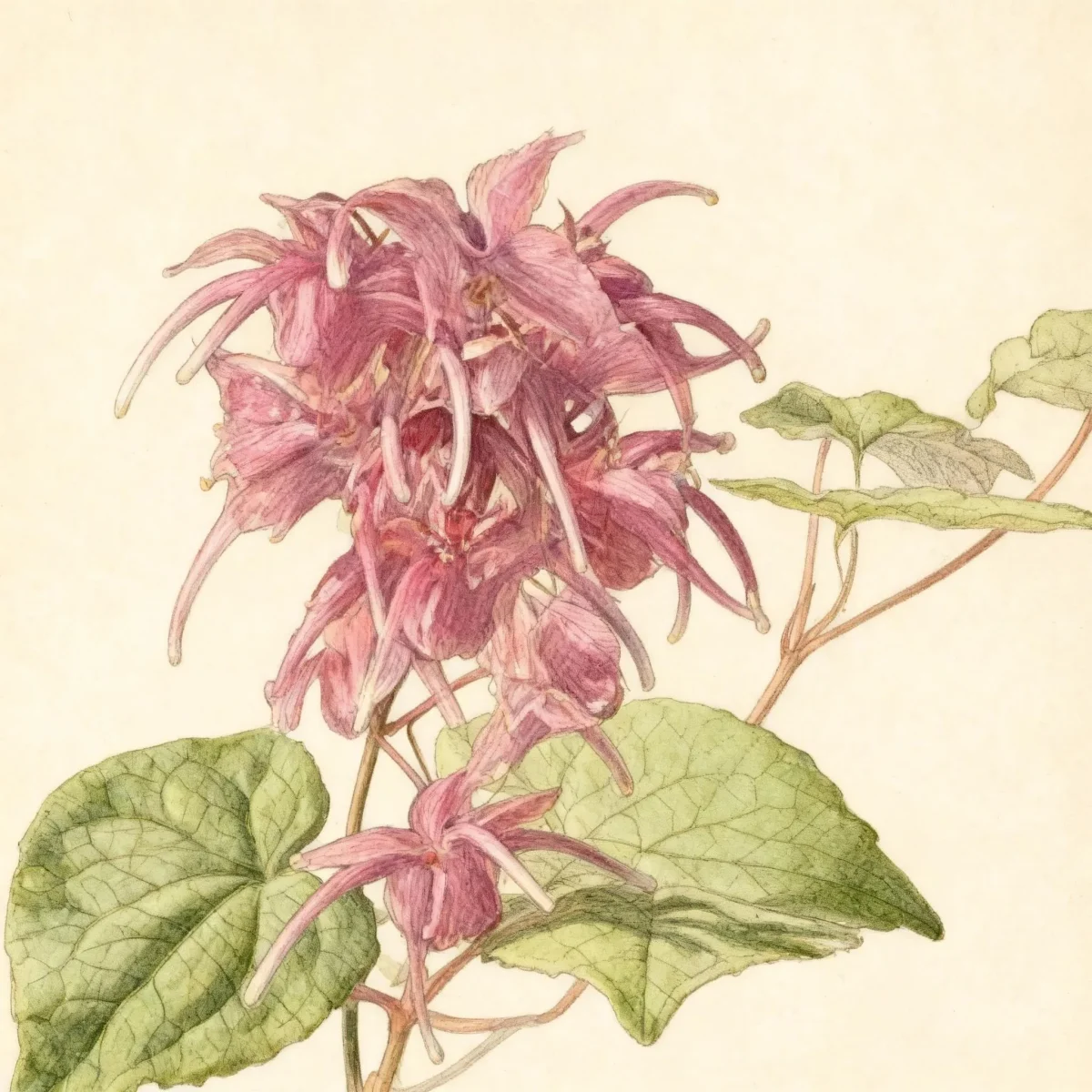
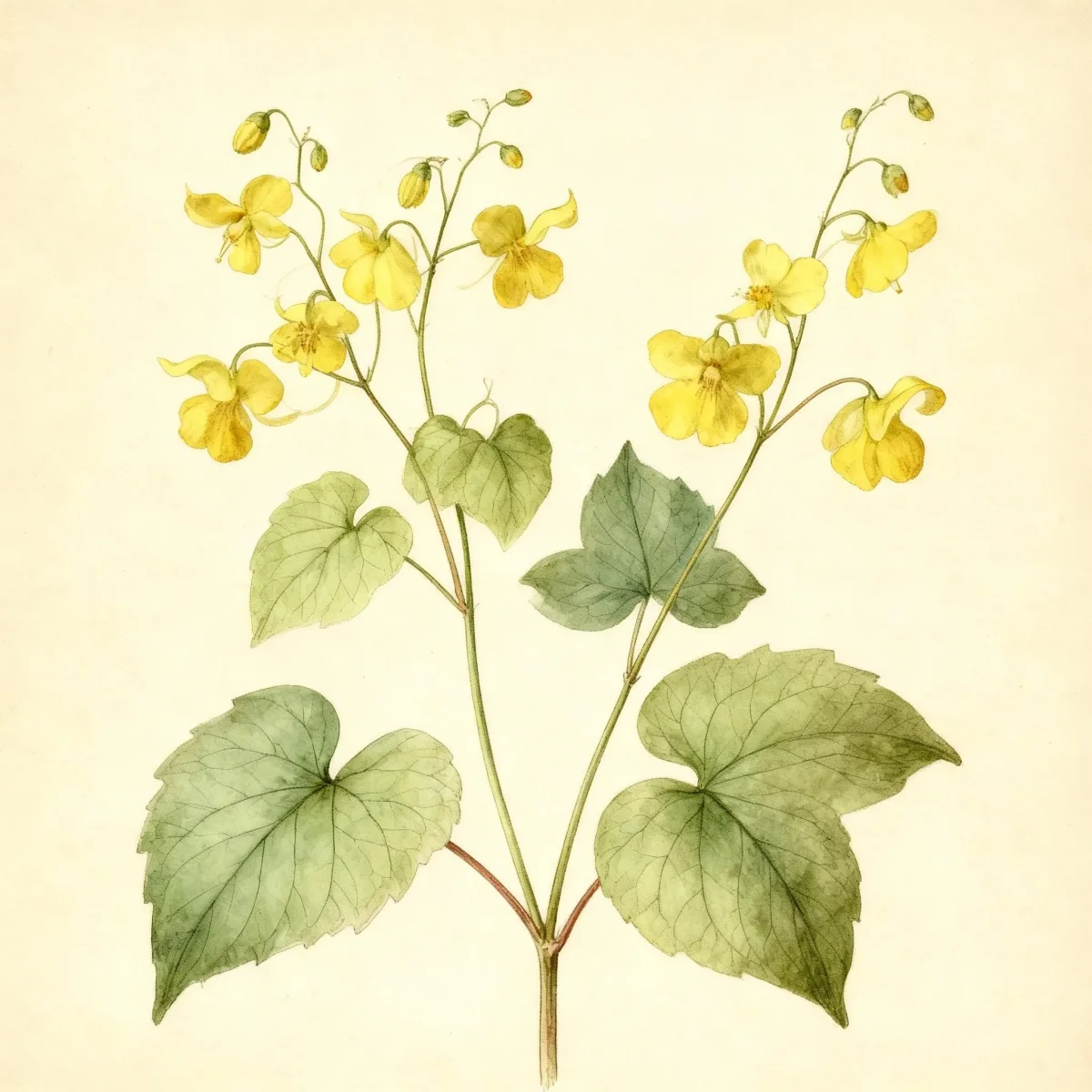
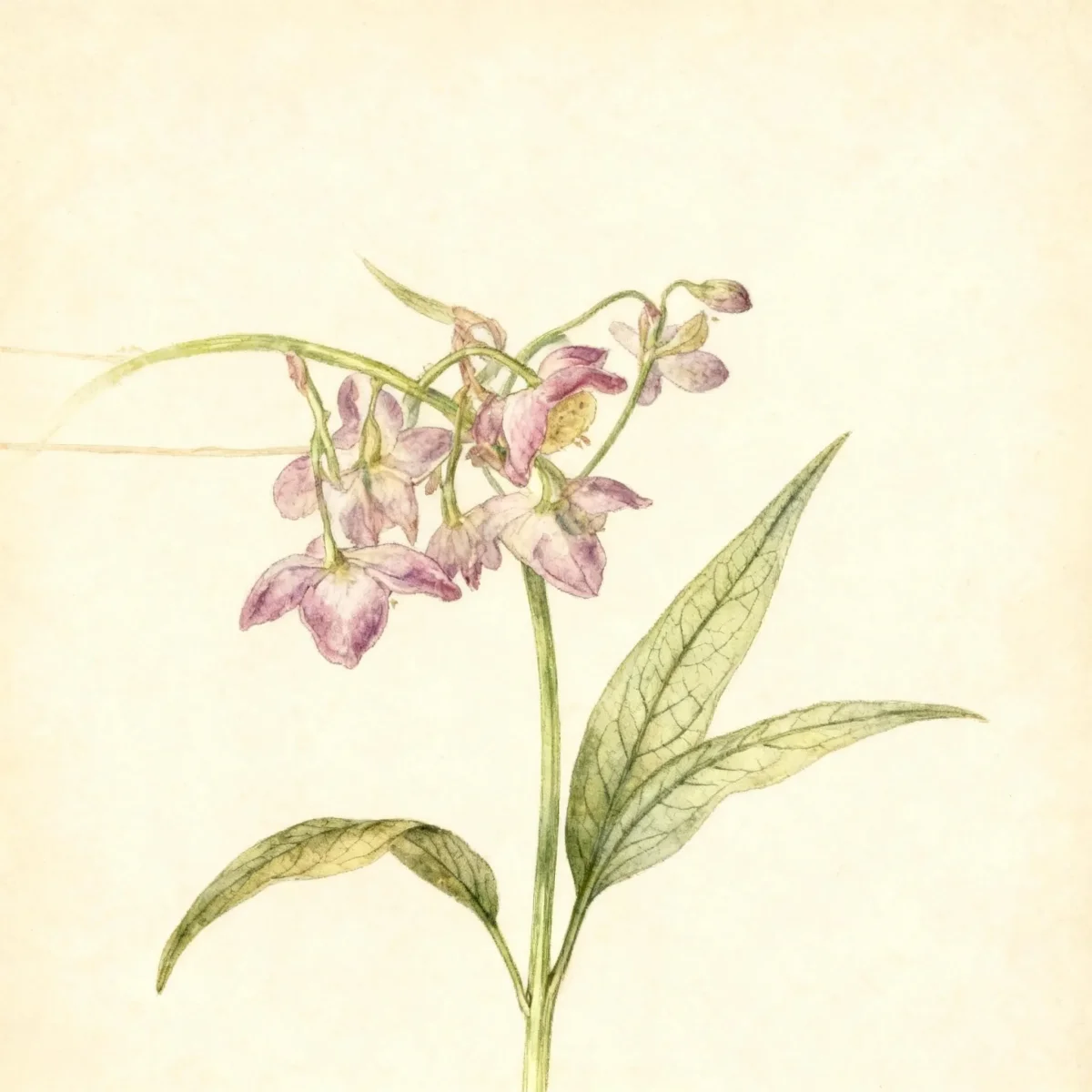
As a low-growing, rhizomatous perennial, Epimedium leptorrhizum offers excellent year-round structure for challenging garden spots. Commonly known as Bishop’s hat, this species is prized for its ability to thrive in dry shade, a characteristic that makes it invaluable under mature trees or along shaded foundations. Its spring bloom features relatively large, showy nodding flowers described as white tinged with rose pink and lilac, emerging beautifully above the textured foliage. Once established, the slow spreading habit of Epimedium leptorrhizum creates dense, attractive colonies, functioning perfectly as a durable, low maintenance groundcover.
Fast Facts
- Plant Family: Berberidaceae
- Plant Type: Herbaceous perennial
- Native Range: China
- Hardiness Zones: USDA Zones 5-8
- Size at Maturity:
- Height: 0.5-1 ft
- Spread: 0.5-1 ft
- Bloom Time: April to May
- Bloom Description: White tinged with rose pink and lilac
- Sun Exposure: Part shade to full shade
- Water Needs: Dry to medium
- Maintenance Level: Low
How to Grow
Epimedium leptorrhizum establishes best when planted in the fall or early spring, allowing the Bishop’s hat time to settle its creeping rhizomes. The ideal location receives part shade, perhaps dappled sunlight or morning sun only; intense afternoon exposure will burn the attractive evergreen leaves. Soil should be average, acidic, and well-drained; while it prefers organically rich loam with consistent moisture, its notable tolerance for drought and dry shade once established is a major benefit.
Watering should be consistent during the first growing season to encourage rhizome spread. After establishment, this perennial requires minimal supplemental water, thriving on natural rainfall unless conditions become excessively dry. Fertilization is generally unnecessary due to its low nutritional needs, though an annual top-dressing of compost helps enrich the soil structure. Pruning is minimal; in late winter, use loppers to shear off any lingering old foliage just before the new growth and flower scapes emerge.
Propagation of Epimedium leptorrhizum is easily achieved through division of the rhizomes. This is best done in early spring before new shoots harden off, or alternatively in the fall. Ensure each division has healthy root sections and plant immediately into prepared, well-amended soil to promote quick establishment.
Landscape Uses
The primary application for Epimedium leptorrhizum is as a reliable ground cover, especially in deep or dry shade where few other plants dare to grow. Use this plant to edge shady paths or walkways, where its low stature (under one foot) prevents obstruction while providing continuous texture. Mass planting in naturalized or woodland garden settings allows the spreading rhizomes to knit together, offering superb erosion control on slopes beneath large trees. The fine texture of the foliage contrasts beautifully with larger-leaved shade lovers like hostas or ferns in border fronts, creating layered visual interest throughout the season.
Standout Features
Flower Qualities
- Showy
Noteworthy Characteristics
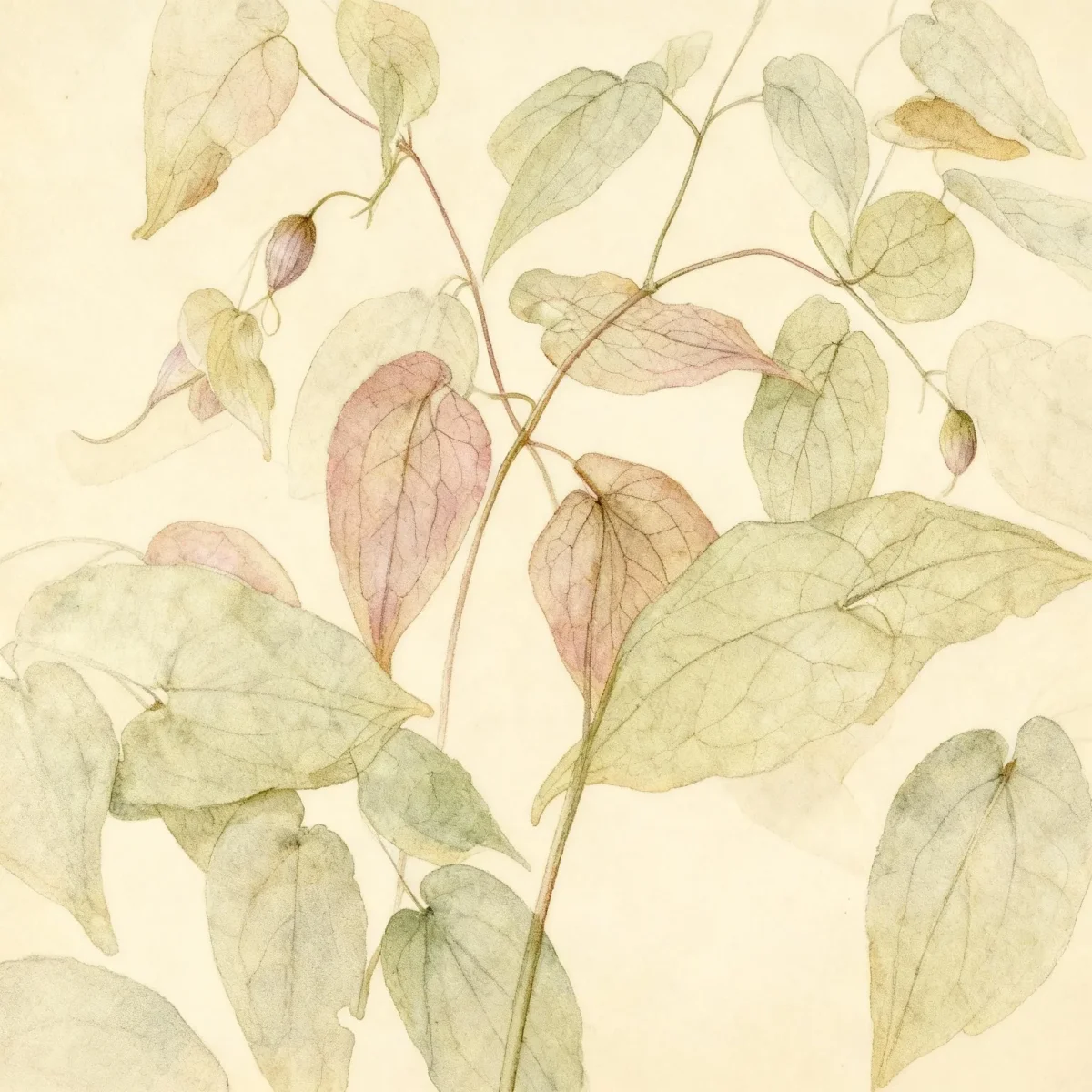
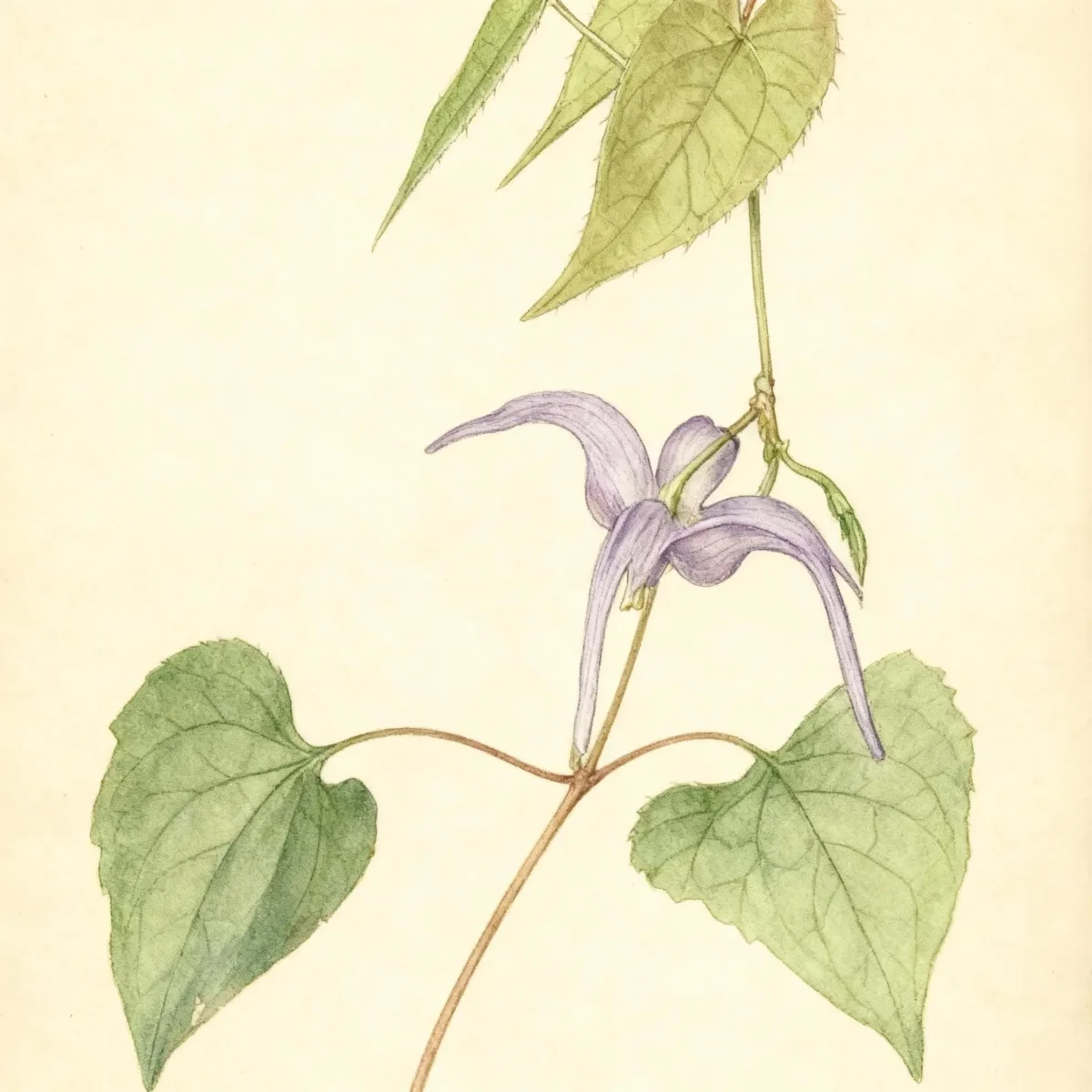
Epimedium leptorrhizum is recognized for having some of the largest flowers among the Epimedium species, measuring up to 2 inches across. Its foliage is deeply veined, olive green, and generally evergreen below Zone 7, providing consistent visual density. The common name Bishop’s hat derives from the shape of the spurs on these delicate, nodding springtime flowers.
Tolerances
- Rabbit
- Deer
- Drought
- Heavy Shade
- Erosion
- Dry Soil
- Shallow-Rocky Soil
Potential Problems
The primary concern for any Epimedium planting is the potential spread of Mosaic virus, which is notoriously transmitted by aphids. Vigilant monitoring for aphids, especially on new growth early in the spring, is the best defense against this disease. If disease is suspected, removing and destroying infected plants quickly limits spread, though Epimedium leptorrhizum is generally robust otherwise. Avoid planting in alkaline soils, as this species shows intolerance and will decline rapidly under those conditions.
Frequently Asked Questions
What hardiness zones is Bishop’s hat suitable for?
Epimedium leptorrhizum is hardy in USDA Zones 5 through 8, offering reliability across a wide area of the temperate landscape.
How large does Epimedium leptorrhizum grow?
This perennial generally reaches a mature height between 0.5 to 1 foot tall, with an equivalent spread of 0.5 to 1 foot, forming dense clumps via creeping rhizomes.
What sun exposure does Bishop’s hat need?
This variety thrives best when situated in part shade to full shade; direct, intense afternoon sun should be strictly avoided to prevent foliage scorch.
When does Bishop’s hat bloom?
The bloom time for Epimedium leptorrhizum is typically from April into May, displaying its characteristic white flowers tinged with rose pink and lilac.
Conclusion
The Bishop’s hat (Epimedium leptorrhizum) is an indispensable perennial for gardeners tackling dry, shaded environments due to its toughness and attractive spring floral display. Its low maintenance needs and evergreen nature ensure garden appeal long after the flowers fade. Before planting, confirm your site conditions align with its preference for acidic, well-drained soil and plan any necessary soil amendments during planting time this spring or fall.
Companion Planting
When designing with Epimedium leptorrhizum, consider pairings that accentuate its fine texture and shade preference. Woodland garden companions like Hellebores (Lenten Rose) offer complementary early seasonal interest, while various Ferns, such as Japanese Painted Ferns, thrive in similar moist to dry shade conditions following the Epimedium bloom cycle. Hostas with contrasting leaf shapes or colors also work well when planted slightly further away, allowing the low-growing Bishop’s hat to serve as a textured border against their bulkier forms.
Seasonal Care Calendar
Late Winter/Early Spring (Pre-Emergence): This is the critical time to perform a light cleanup. Shear away any dead or tattered foliage remaining from the previous year just as the flower buds begin to push up from the soil. This maximizes the visual impact of the emerging blooms.
Summer (Peak Growth): Monitor infrequently. If a drought extends for several weeks, provide a deep, slow watering to help the rhizomes maintain moisture stores, particularly if the Epimedium leptorrhizum is under the canopy of large, thirsty trees. Avoid all overhead watering to discourage fungal issues down the road.
Fall (Establishment): If you are planning to propagate or move established clumps, fall is an excellent time to divide the spreading rhizomes. Amend the soil with organic matter where new plants are destined to ensure they can establish robust root systems before winter dormancy.