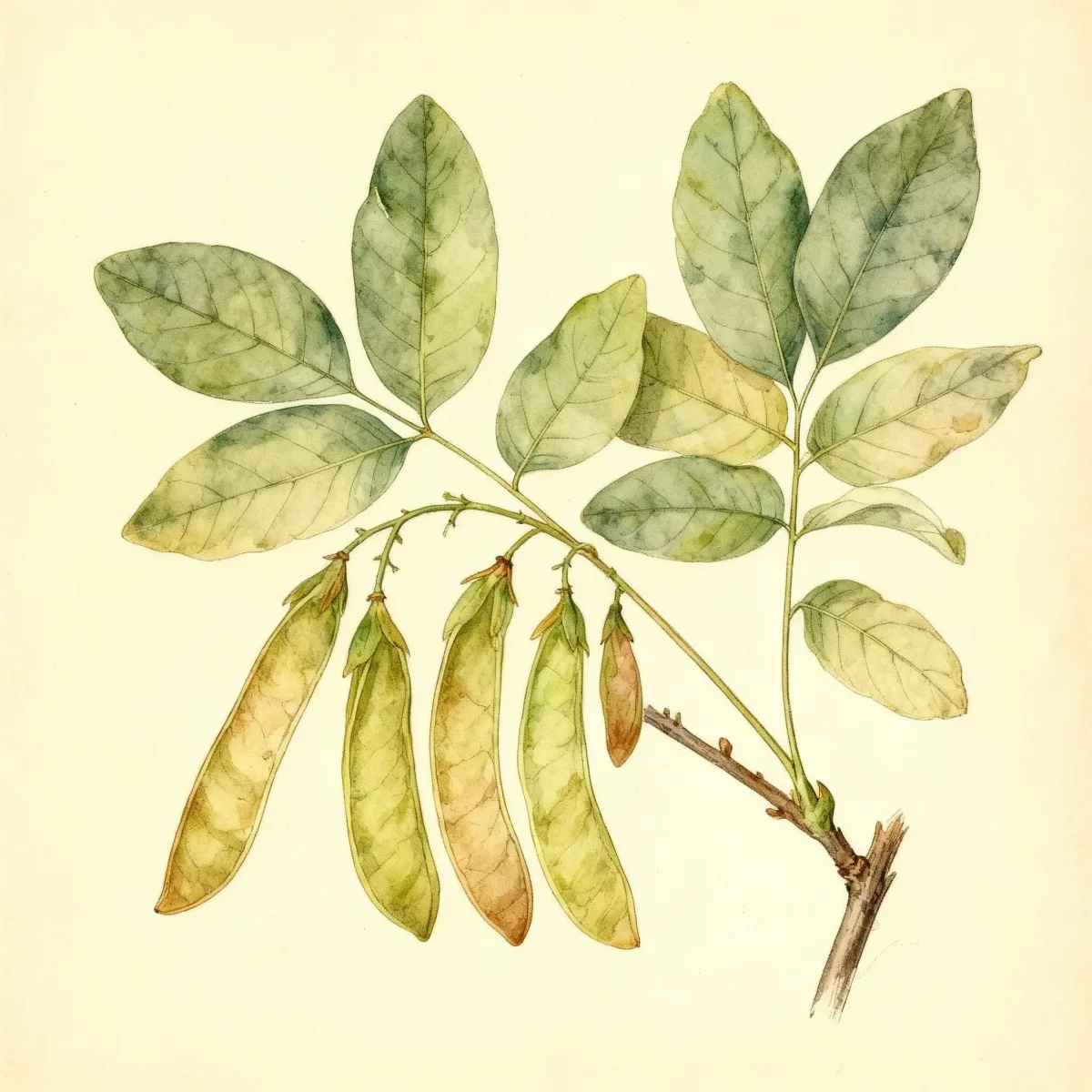
Sweet gum (Liquidambar orientalis)
The Oriental sweet gum, Liquidambar orientalis, is a slow-growing tree offering modest fall color and interesting texture in Zones 7-9.
Scroll down to discover growing tips, care requirements, companion plants, and more
Complete Plant Information
Overview
The Liquidambar orientalis, commonly known as oriental sweet gum, is a distinctive deciduous tree valued for its moderate stature and unique aromatic properties. While not as widely planted as its North American cousin, this species offers an interesting silhouette, maturing into a small, spreading tree perfect for sunny landscapes where space is a consideration. Gardeners appreciate the specific characteristics derived from its native habitat in Turkey, including its tolerance for specific soil types.
In the United States, the oriental sweet gum often maintains a smaller profile, usually reaching only 20 to 30 feet tall. Beyond its structure, the tree is historically significant, as the bark exudes a fragrant resin known as Levant styrax, historically used in perfumery and medicine. While the fall color may be less dramatic than other varieties, the Sweet gum provides reliable shade and texture with manageable maintenance requirements.
It is crucial to understand the specific needs of Liquidambar orientalis regarding climate; it thrives best in areas that experience warm winters. Proper placement and soil management are key to ensuring this lovely specimen flourishes in your garden space.
Fast Facts
- Plant Family: Altingiaceae
- Plant Type: Tree
- Native Range: Southwestern Asia
- Hardiness Zones: USDA Zones 7-9
- Size at Maturity:
- Height: 20-30 ft
- Spread: 20-30 ft
- Bloom Time: April to May
- Bloom Description: Yellowish green
- Sun Exposure: Full sun
- Water Needs: Medium
- Maintenance Level: Medium
How to Grow
For optimal establishment, plant Liquidambar orientalis during the spring or fall when temperatures are mild. Locate it in a spot receiving full sun; while it tolerates some light shade, full shade leads to poor performance. The soil should be average, medium moisture, and well-drained. Liquidambar orientalis prefers deep, fertile soils that remain continuously moist, though it shows adaptability to various soil conditions.
Watering should aim for consistent moisture, particularly when the tree is young or during periods of drought, reflecting its medium water needs. Fertilization is generally unnecessary if the soil is already fertile. Pruning should focus on removing suckers that appear in the spring, which helps maintain a strong, singular trunk structure if desired.
A significant cultural note is to avoid planting the oriental sweet gum in highly alkaline soils, as this can induce iron chlorosis, leading to yellowing leaves. Since the Sweet gum grows substantially better in regions featuring warmer winters, gardeners in the northern extremes of Zone 7 should monitor for potential winter stress during exceptionally cold periods.
Landscape Uses
The moderate mature size of the Liquidambar orientalis, reaching only 20 to 30 feet tall and wide in most US gardens, makes it an excellent choice for a reliable shade tree where larger species would overwhelm the area. It functions well as a specimen planting or as part of an informal border, providing year-round structure. Its smaller scale allows for integration into larger suburban yards where traditional maples might be too large.
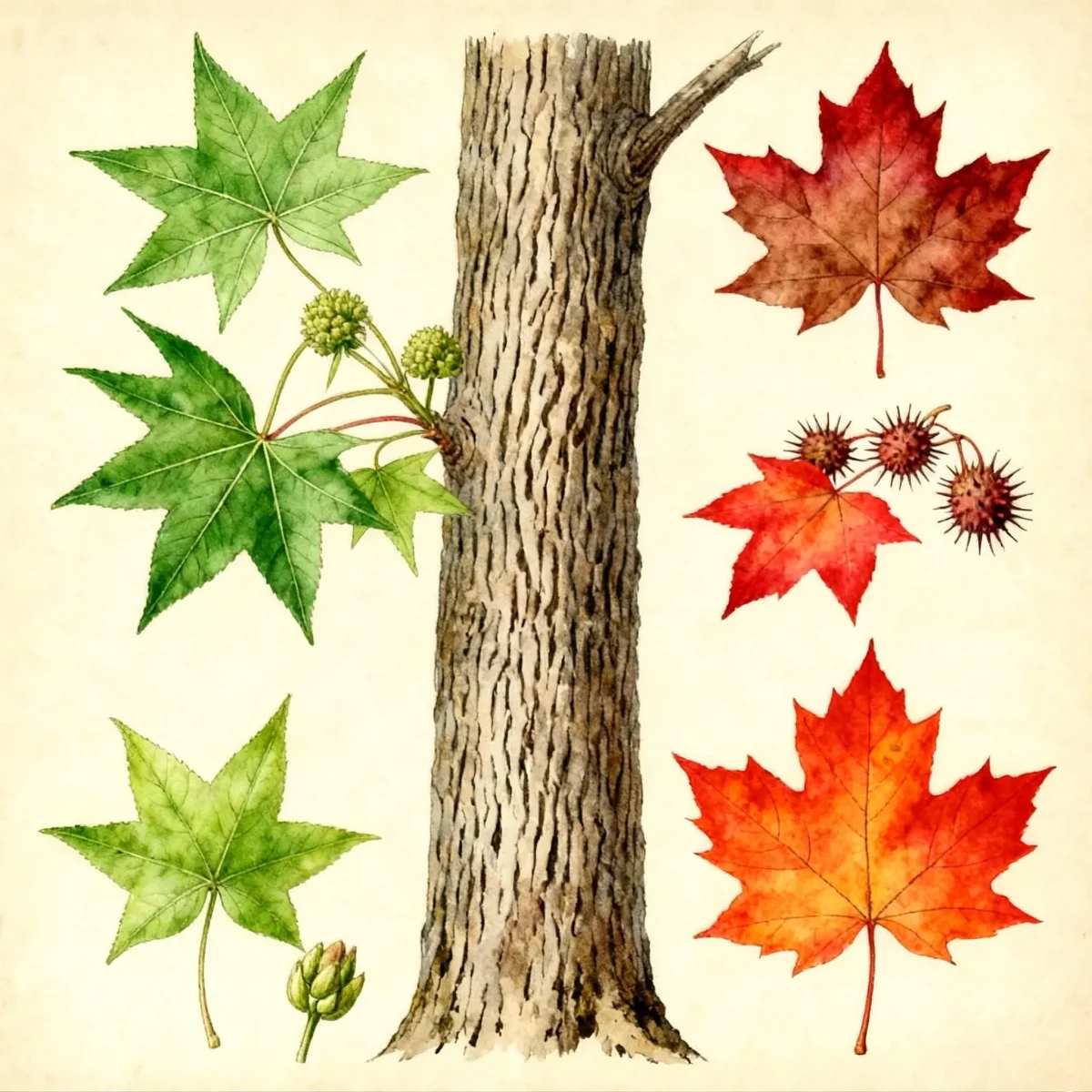
While beneficial for shade, gardeners considering the Oriental sweet gum for street planting should exercise caution. The spherical, spiny fruit clusters (gum balls) can create litter problems on sidewalks and driveways. If used near hardscaping, plan for regular cleanup or select a location where the fruit drop is less consequential.
Finding this species readily available in commerce can sometimes be a challenge, which adds to its unique appeal when successfully integrated. Pair it with understory plantings that appreciate similar well-drained, moist conditions and can tolerate partial filtered light cast by the small tree canopy.
Standout Features
Flower Qualities
- Insignificant
Fruit Qualities
- Showy
Noteworthy Characteristics
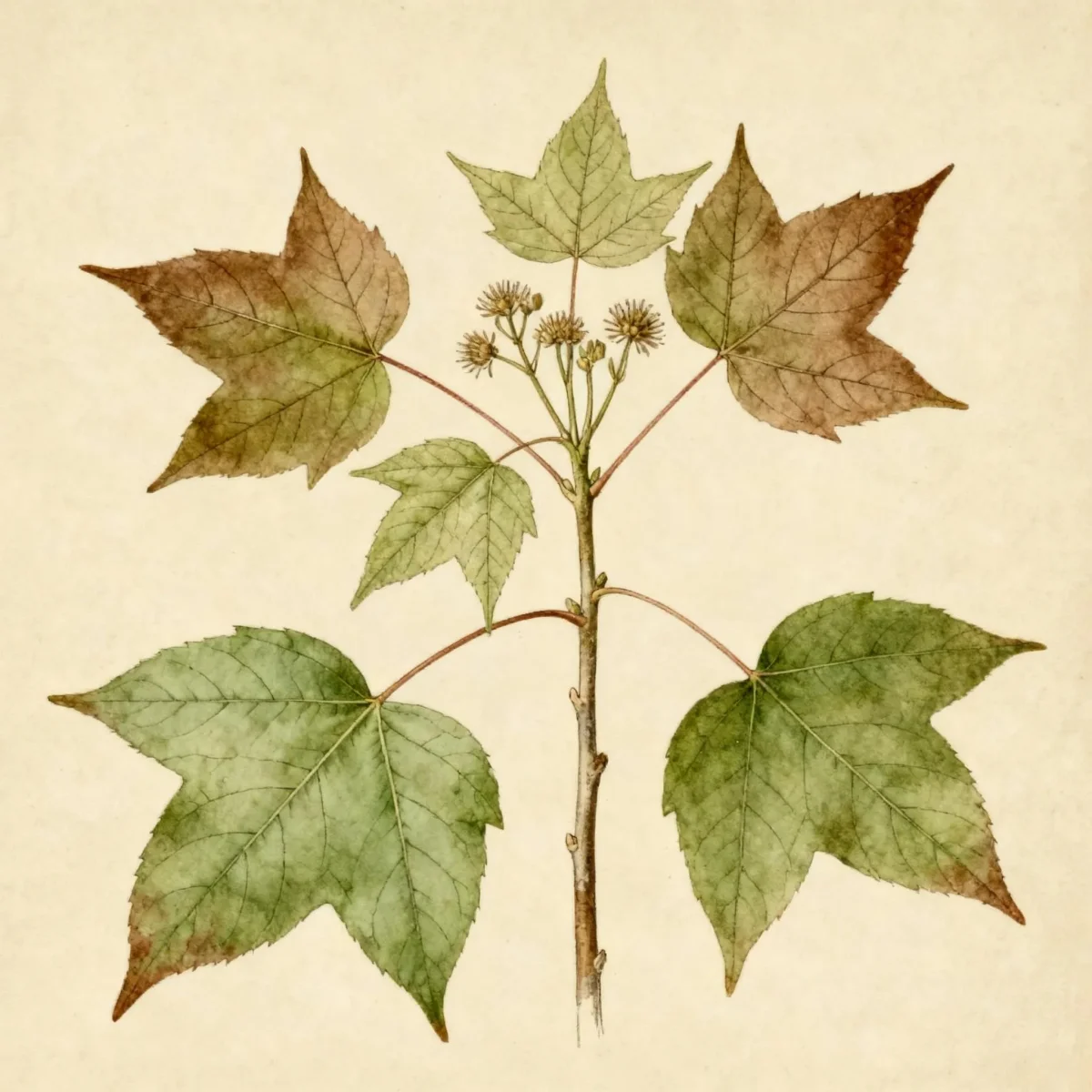
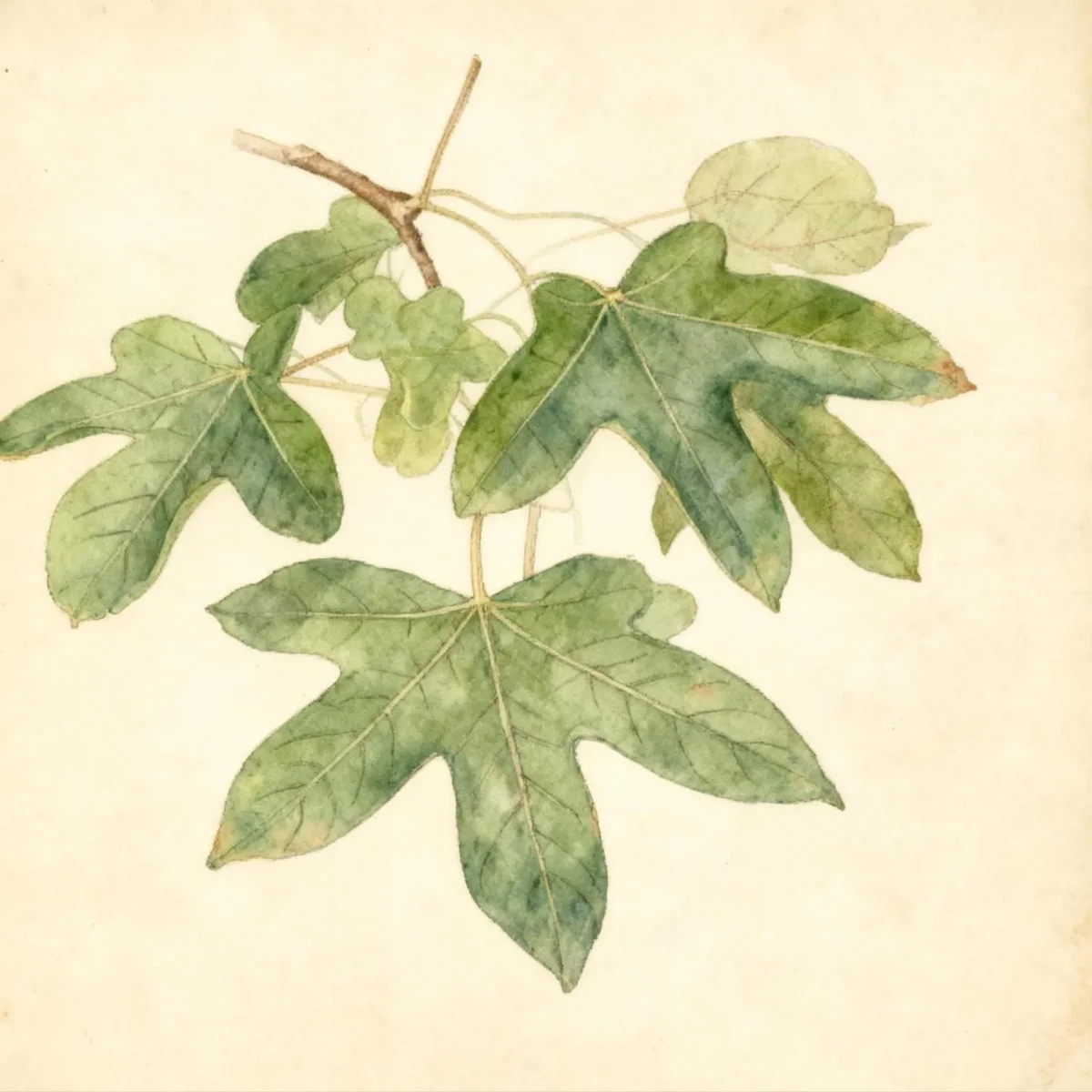
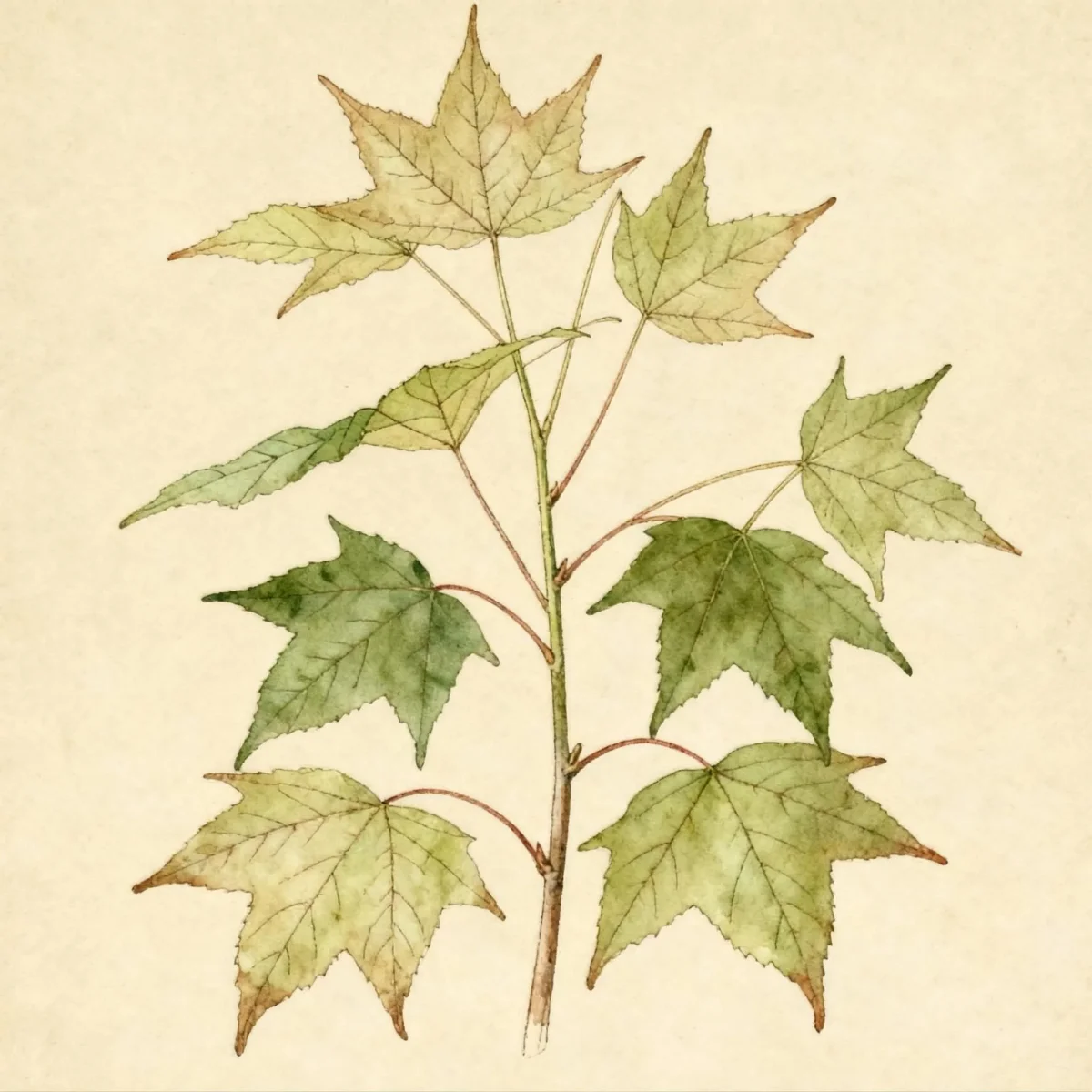
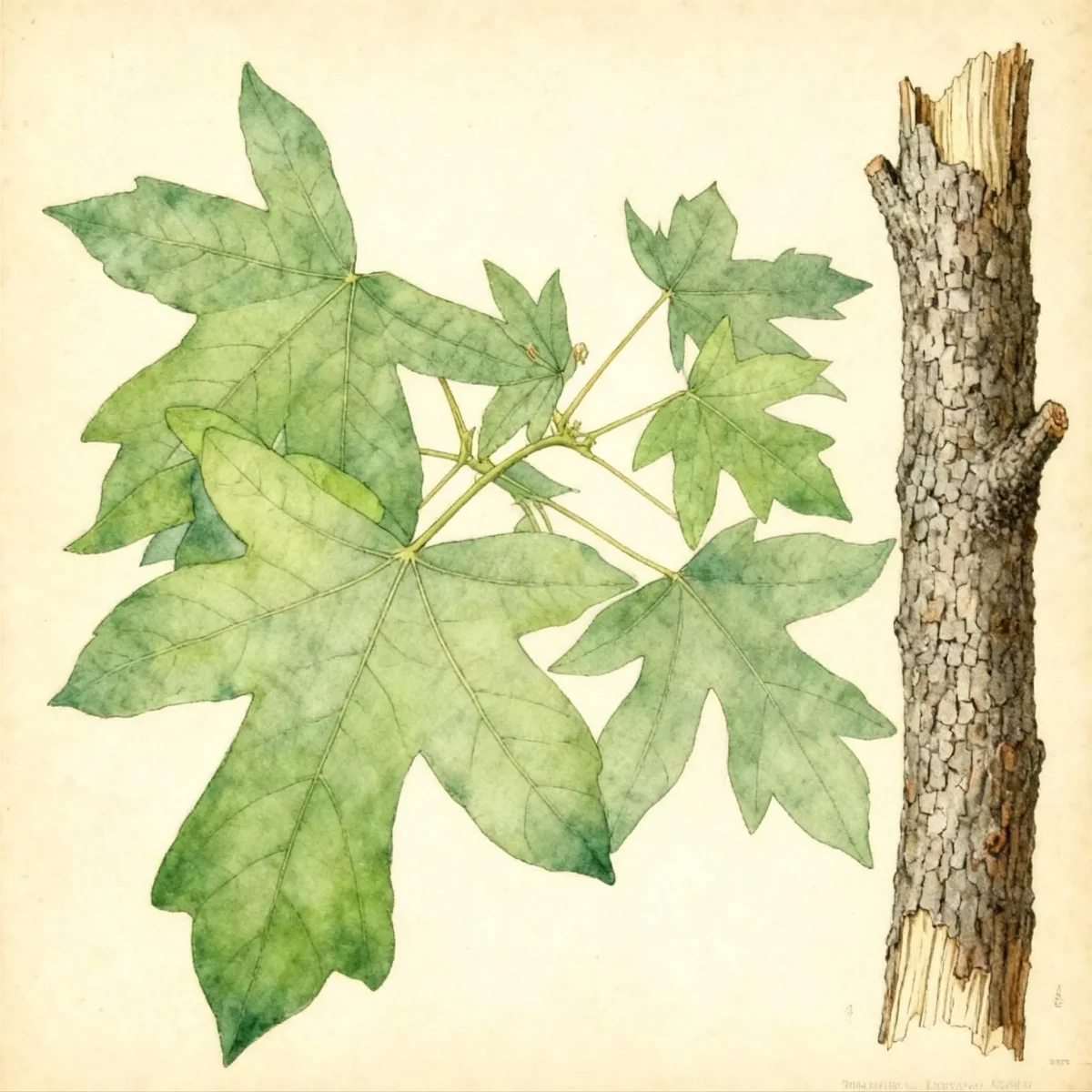
Liquidambar orientalis, commonly known as oriental sweet gum or Turkish sweet gum, is a slow-growing, deciduous tree that is native to flood plains, valleys and streambanks in western Turkey. In its native habitat, it typically matures to 50-70’ (less frequently to 100’) tall. In the U. S., where it is infrequently planted, it usually grows much smaller (to 20-30’ tall) as either a large spreading shrub or a small tree. Suckers typically appear in spring. Coarsely toothed, 5-lobed leaves (to 3” across) are smaller than those of other species of sweet gum.
Tolerances
- Deer
- Clay Soil
Potential Problems
The oriental sweet gum generally avoids major insect or disease problems, offering relatively low chemical management needs. However, watch for secondary pests such as webworms, borers, bagworms, leaf miners, and scale in certain regions. More significant concerns can include developing canker or bleeding necrosis on the trunk.
To prevent moisture-related issues or wood rot, ensure planting conditions meet the medium, well-drained water requirements. Furthermore, planting this Liquidambar orientalis in inappropriate alkaline soils guarantees the development of iron chlorosis, manifesting as yellowing foliage. Maintaining neutral to slightly acidic soil is vital for its overall health.
Frequently Asked Questions
What hardiness zones is Sweet gum suitable for?
The oriental sweet gum is reliably hardy in USDA Zones 7 through 9.
How large does Liquidambar orientalis grow?
In the garden setting, this tree typically reaches a height between 20 and 30 feet, with a similar spread of 20 to 30 feet.
What sun exposure does Liquidambar orientalis need?
It requires full sun for the best growth habit and to ensure sufficient flowering and fruiting, although it can handle some light afternoon shade.
When does Sweet gum bloom?
Flowering occurs from April to May, producing inconspicuous, yellowish-green flowers.
Conclusion
The Sweet gum, or Liquidambar orientalis, presents a valuable, smaller alternative for gardeners seeking an interesting specimen tree with reliable hardiness in warmer temperate zones. Its historic relevance through the production of aromatic gum, coupled with decent tolerance for clay soils, makes it a sturdy landscape addition. Before planting, confirm your region falls within Zones 7-9 and ensure the soil pH is not overly alkaline to support this beautiful oriental import.
Companion Planting
When selecting plants to grow near the oriental sweet gum, focus on species that also prefer medium moisture levels and tolerate similar soil structures. Smaller shrubs or perennials that thrive under the dappled shade cast by a maturing Liquidambar orientalis are ideal companions. Consider groundcovers that enjoy rich bottomland conditions, as the Liquidambar orientalis naturally prefers fertile soil.
For a layered look, pairing the tree with shade-tolerant flowering plants such as Hellebores or Astilbe can enhance the area, especially in slightly lightened shade situations. Ensure that any chosen companions do not have shallow, aggressive roots that would compete heavily with the young Sweet gum for essential surface moisture and nutrients.
Design Ideas
The moderate size profile of this Tree lends itself excellently to mixed border plantings or as a screen where a mature height limit of 30 feet is necessary. Utilize the Liquidambar orientalis near entryways or patios where its silhouette can be appreciated without overwhelming architectural features. If grown as a multi-stemmed large shrub in its early years, it offers excellent visual interest until trained into a single-leader tree form.
Consider the color palette of the surrounding plantings carefully. Since the fall color of this specific variety can sometimes be modest (yellowish-brown), use evergreen foundation plants or broadleaf evergreens nearby to maintain visual interest throughout the winter dormancy. The spiny “gum balls” add texture, even after they drop, contrasting nicely with soft grasses or fine-textured ferns planted nearby.