Spirea (Spiraea decumbens)
Spiraea decumbens is a low-spreading, deciduous shrub offering white spring blooms. Ideal for ground cover in full sun.
Scroll down to discover growing tips, care requirements, companion plants, and more
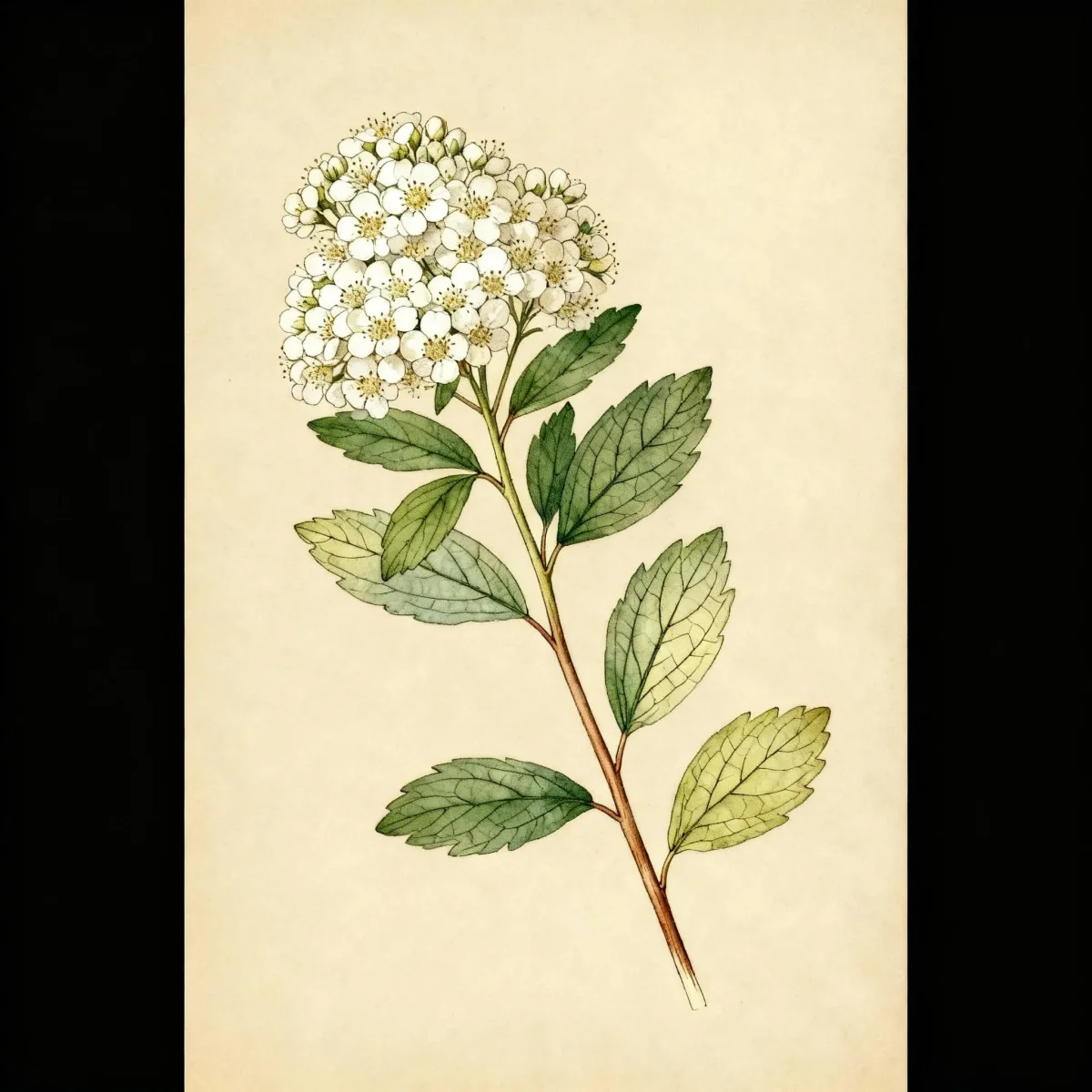
Complete Plant Information
Overview
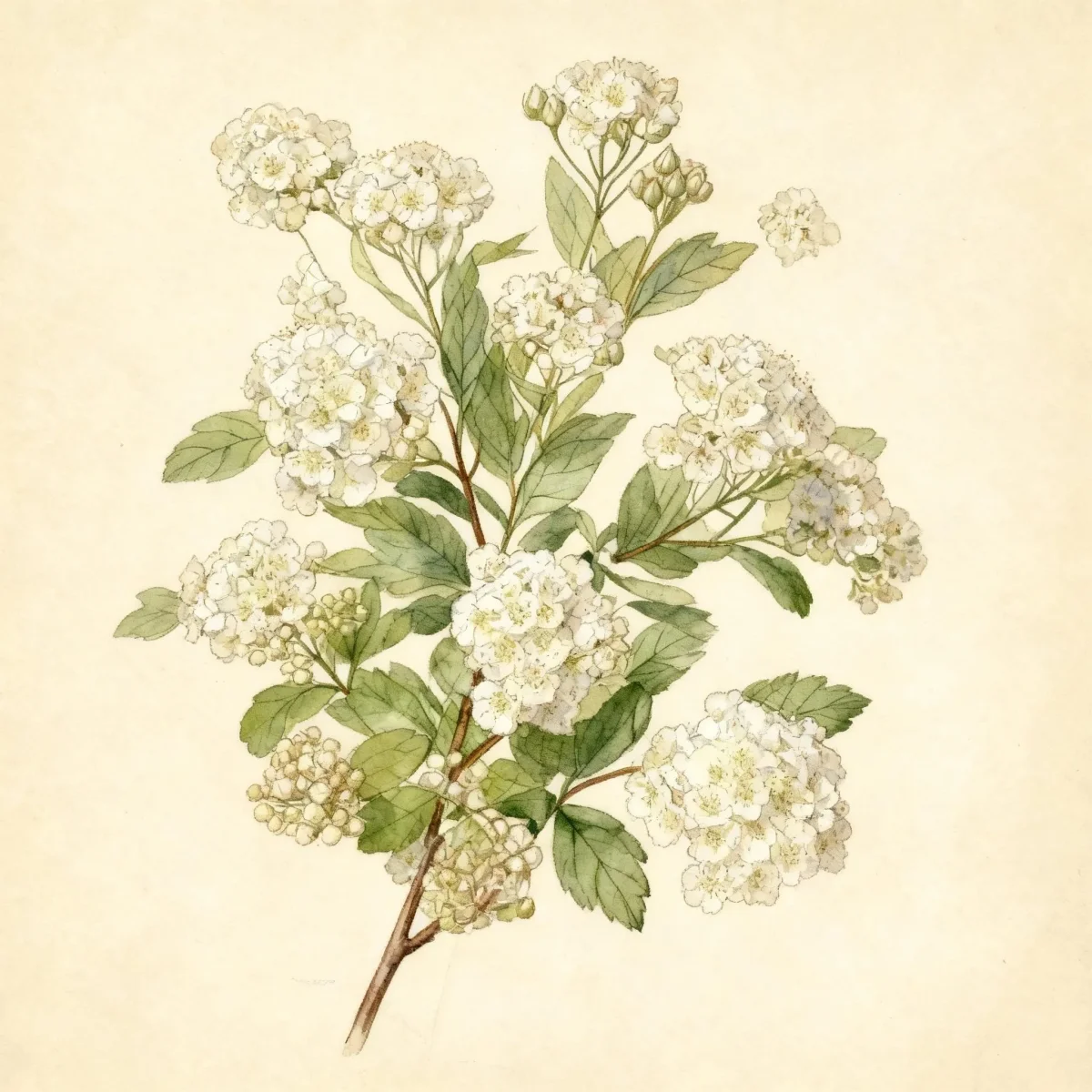
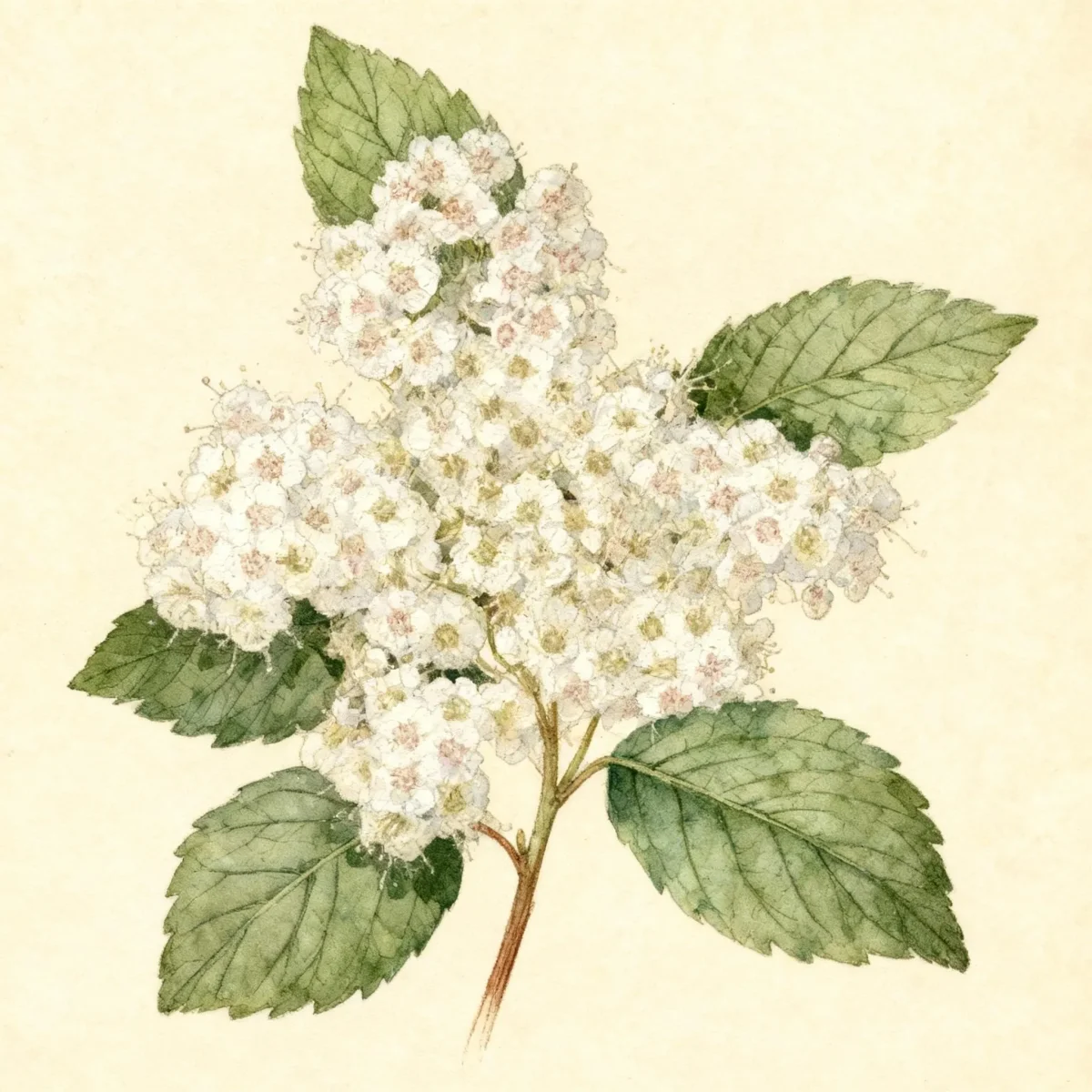
Spiraea decumbens is a distinctive, wiry-stemmed dwarf shrub celebrated for its dense, ground-hugging habit. This low-growing Spirea typically forms a spreading mat, rarely exceeding nine inches in height, making it invaluable for groundcover applications where height control is essential. Gardeners appreciate this Spiraea for its ease of culture and attractive display of tiny white flowers clustered in flat-topped corymbs during late spring.
Native to the Southeastern Alps, Spiraea decumbens displays excellent hardiness across USDA Zones 5 through 8. It functions beautifully as a permanent, low-maintenance textural element in the landscape. The deciduous foliage and dense structure provide year-round interest, even outside of the main bloom period in May and June.
This species of Spirea is remarkably versatile, thriving in full sun and tolerating a wide variety of average, well-drained soils. Its low stature and spreading habit make it an excellent substitute for traditional turf in small areas or as a robust edging plant.
Fast Facts
- Plant Family: Rosaceae
- Plant Type: Deciduous shrub
- Native Range: Southeastern Alps
- Hardiness Zones: USDA Zones 5-8
- Size at Maturity:
- Height: 0.5-0.75 ft
- Spread: 0.5-1.5 ft
- Bloom Time: May to June
- Bloom Description: White
- Sun Exposure: Full sun
- Water Needs: Medium
- Maintenance Level: Low
How to Grow
The best time to establish Spiraea decumbens is in spring or fall when temperatures are moderate. Choose a location that receives full sun to ensure abundant flowering and dense growth. This Spirea variety is highly adaptable, tolerating various soil types provided they drain reasonably well, though average, medium soils are ideal.
Water newly planted specimens regularly until they establish a robust root system. Once established, this shrub requires only medium water inputs, generally benefiting from consistent moisture but remaining drought-tolerant compared to thirstier border plants. Due to its low maintenance needs, supplemental fertilization is rarely necessary unless the soil is extremely poor.
Pruning requirements for Spiraea decumbens are minimal. Since it flowers on new wood, shaping can be done in late winter or early spring before new growth begins. To maintain a neat appearance or encourage a possible sporadic rebloom, lightly shear the shrub immediately after the main flush of flowers fades in early summer. Avoid heavy summer or fall pruning to protect next year’s flower buds.
Landscape Uses
The decumbent, spreading nature of Spiraea decumbens makes it an outstanding choice for functional ground covering, effectively naturalizing slopes or filling large foundation planting areas. Its short stature ensures that it won’t obstruct views or overwhelm smaller ornamental features. Use it en masse as a low meadowsweet substitute for creating broad swaths of texture and spring white color.
For designed borders, this Spirea excels as an effective edging plant for paths, walkways, or driveways where a tidy, low barrier is desired. It provides an excellent, neat transition between lawn or hardscape elements and taller plantings. Consider pairing it with spring bulbs that bloom earlier, allowing this mat-forming shrub to cover the fading bulb foliage.
Because it tolerates average soils and low maintenance, incorporating Spiraea decumbens into rock gardens is highly effective. Its fine texture juxtaposed against coarse stone highlights the delicate white blooms and neat foliage structure of this desirable shrub.
Standout Features
Flower Qualities
- Showy
Noteworthy Characteristics
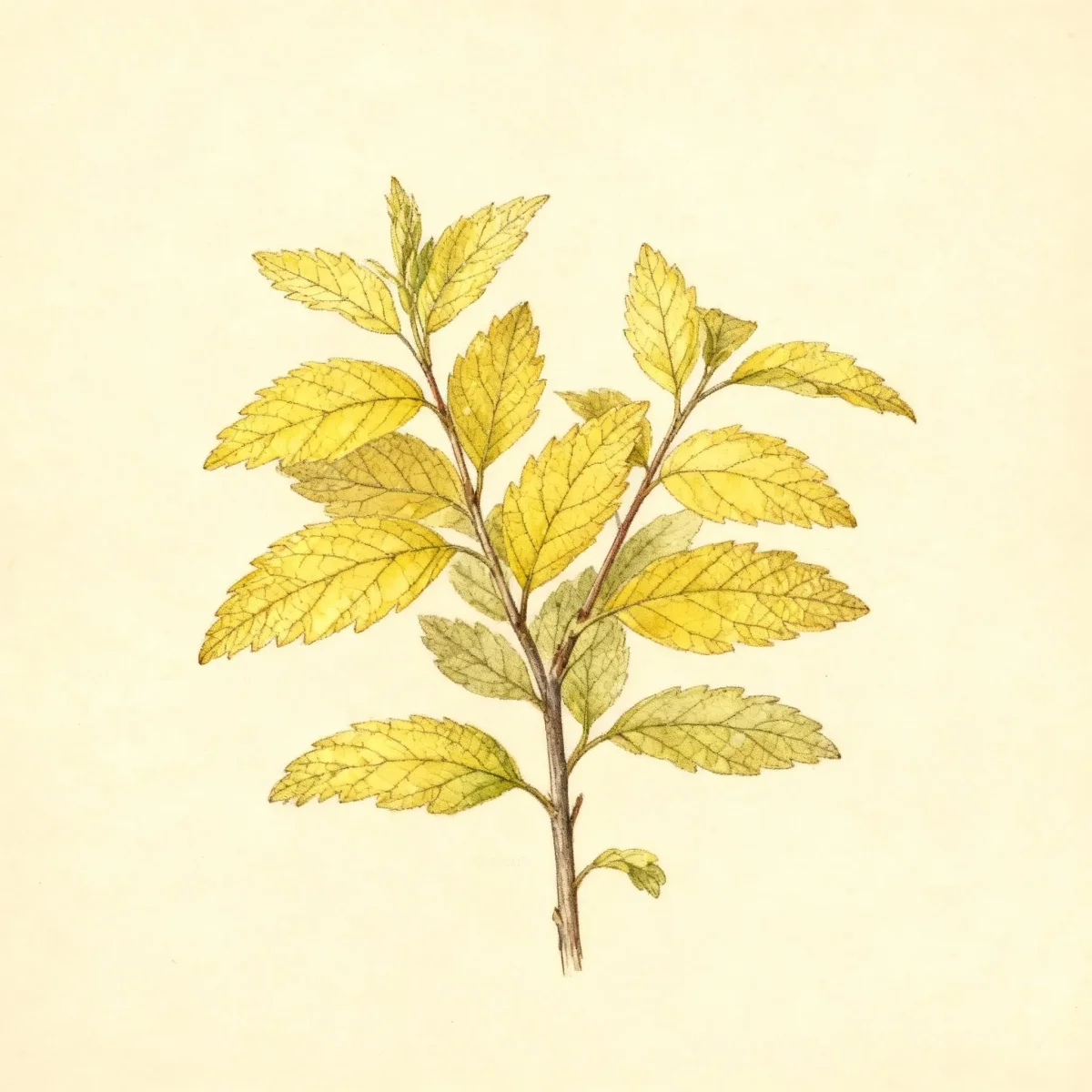
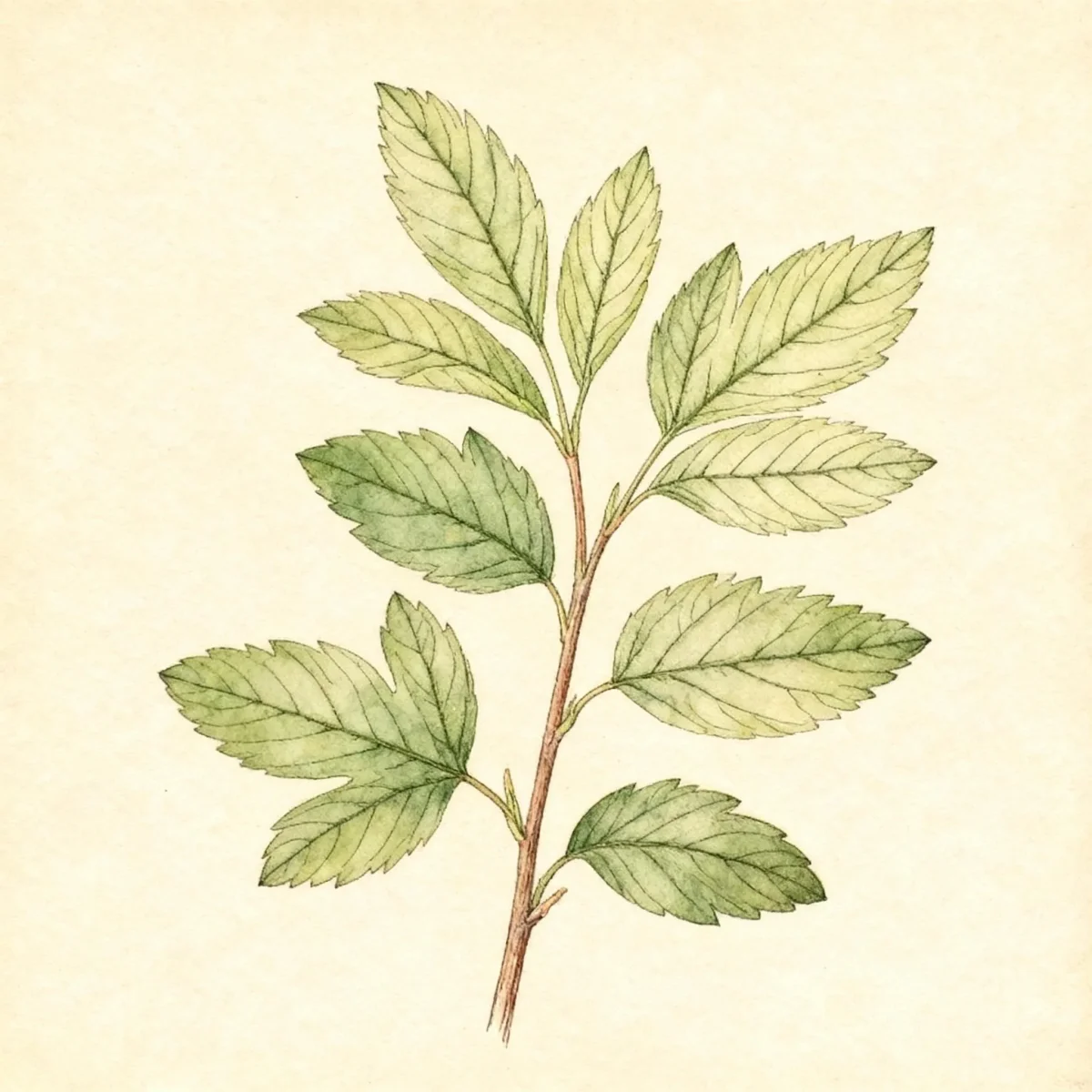
Spiraea decumbens is a wiry-stemmed, decumbent species of spirea that typically forms a shrubby, spreading mat of foliage to only 6-9” tall. It is a deciduous shrublet that features elliptic-oblong, serrate, green leaves (to 1 1/2” long) and tiny white flowers in small flat-topped clusters (corymbs to 2” across). Flowers appear in late spring with some sporadic rebloom sometimes occurring in summer. Genus name comes from the Greek word speira meaning wreath in reference to the showy flower clusters seen on most shrubs in the genus. Specific epithet means trailing with tips upright.
Tolerances
- Deer
Potential Problems
While generally highly durable, like many members of the Rosaceae family, Spireas are susceptible to certain common pests and diseases. The primary concern involves issues such as leaf spot, powdery mildew, and occasionally fire blight under stressful conditions. Pests like aphids or leaf rollers may appear but rarely cause severe, lasting damage to healthy specimens.
Management is typically cultural; ensure good air circulation by avoiding overly dense planting, which helps reduce fungal issues like powdery mildew. Promptly remove any heavily diseased foliage. Since Spiraea decumbens is low maintenance, diligent scouting during the growing season is usually sufficient to catch minor problems before they escalate.
Frequently Asked Questions
What hardiness zones is Spirea suitable for?
This variety of Spirea, Spiraea decumbens, is suitable for USDA Hardiness Zones 5 through 8.
How large does Spirea decumbens grow?
When fully mature, expect this dwarf shrub to reach a height between 0.5 and 0.75 feet tall, spreading horizontally from 0.5 to 1.5 feet wide.
What sun exposure does Spirea decumbens need?
For optimal performance and flowering, Spiraea decumbens requires full sun conditions in the landscape.
When does Spirea decumbens bloom?
This attractive Spirea produces its characteristic white blooms primarily from May to June.
Conclusion
The low stature, resilience, and showy white spring flowers confirm Spiraea decumbens as an excellent choice for gardeners seeking durable, low-growing texture. Its minimal maintenance needs and adaptability make this Spirea a dependable performer in sunny locations. Before planting, confirm that your local growing conditions fall within USDA Zones 5 to 8 to ensure years of dependable groundcover performance.
Companion Planting
When planning garden beds around Spiraea decumbens, consider companions that share its preference for full sun and medium water needs. Low-growing perennials like creeping Thyme (Thymus serpyllum) or various Sedums provide contrasting textures while thriving under similar conditions. Taller companions that maintain an airy structure, such as ornamental grasses or certain dwarf coneflowers (Echinacea), will allow the spreading habit of the Spirea to shine through without being overwhelmed.
For rock gardens or gravelly borders where Spiraea decumbens naturally excels, pair it with alpine plants or hardy geraniums. The goal is to establish a tapestry of ground-hugging forms that offer continuous seasonal interest, complementing the dense green mound of the Spiraea during the summer months after its primary bloom concludes.
Seasonal Care Calendar
Early spring (late winter, before leaf-out) is the ideal time for structural pruning of Spiraea decumbens, focusing on removing any crossing or damaged stems to encourage strong new growth. Once the white flowers have finished in early summer (late June/early July), a light shearing can be employed immediately after flowering to tidy the shape and potentially stimulate a second, smaller round of blooms before the season progresses too far.
Throughout the summer, monitor moisture levels, especially during extended dry spells, ensuring the plants receive at least medium water to keep the foliage looking its best. Due to its low maintenance nature, no fall feeding or intensive winterizing is typically required for this tough little shrub once it is established in appropriate hardiness zones.