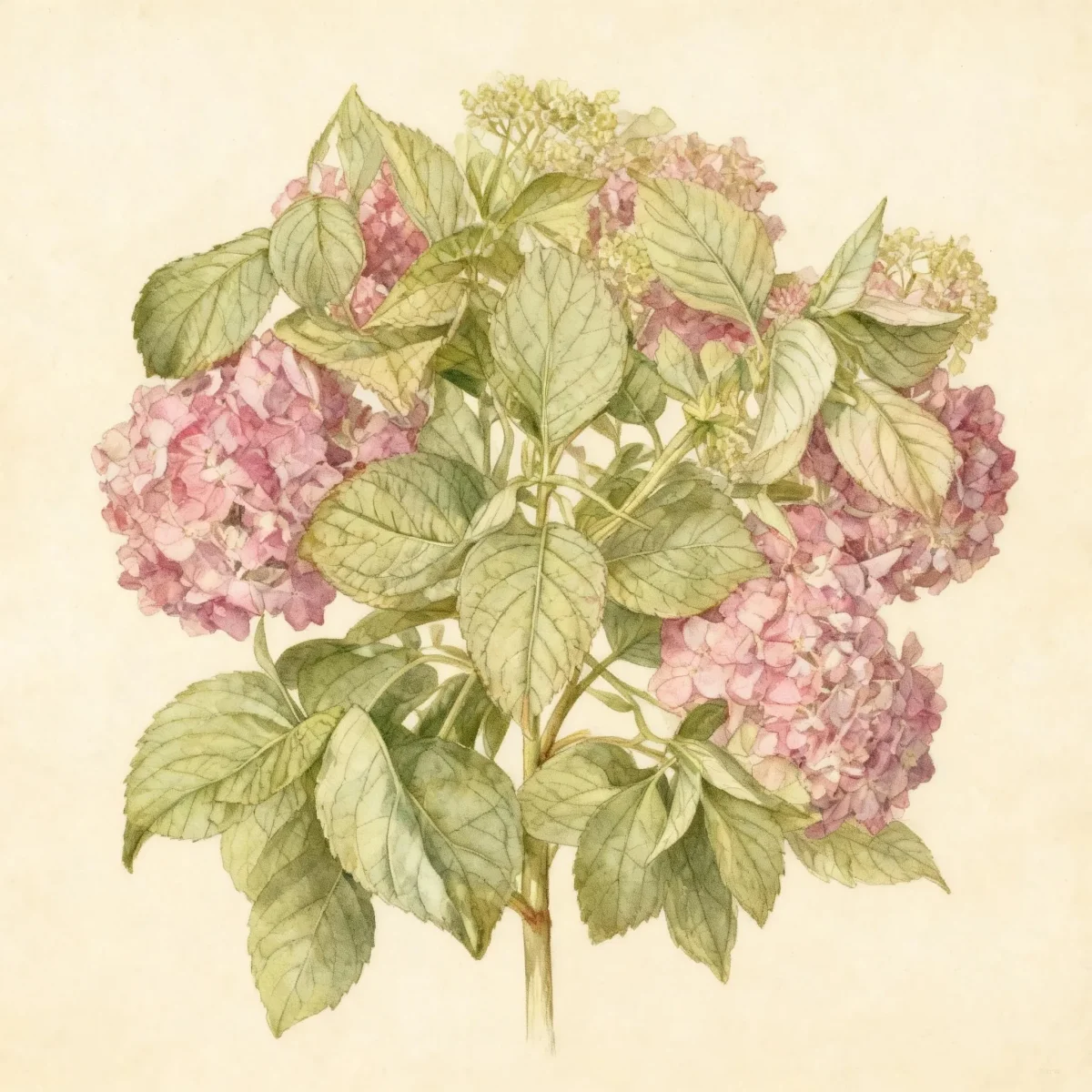
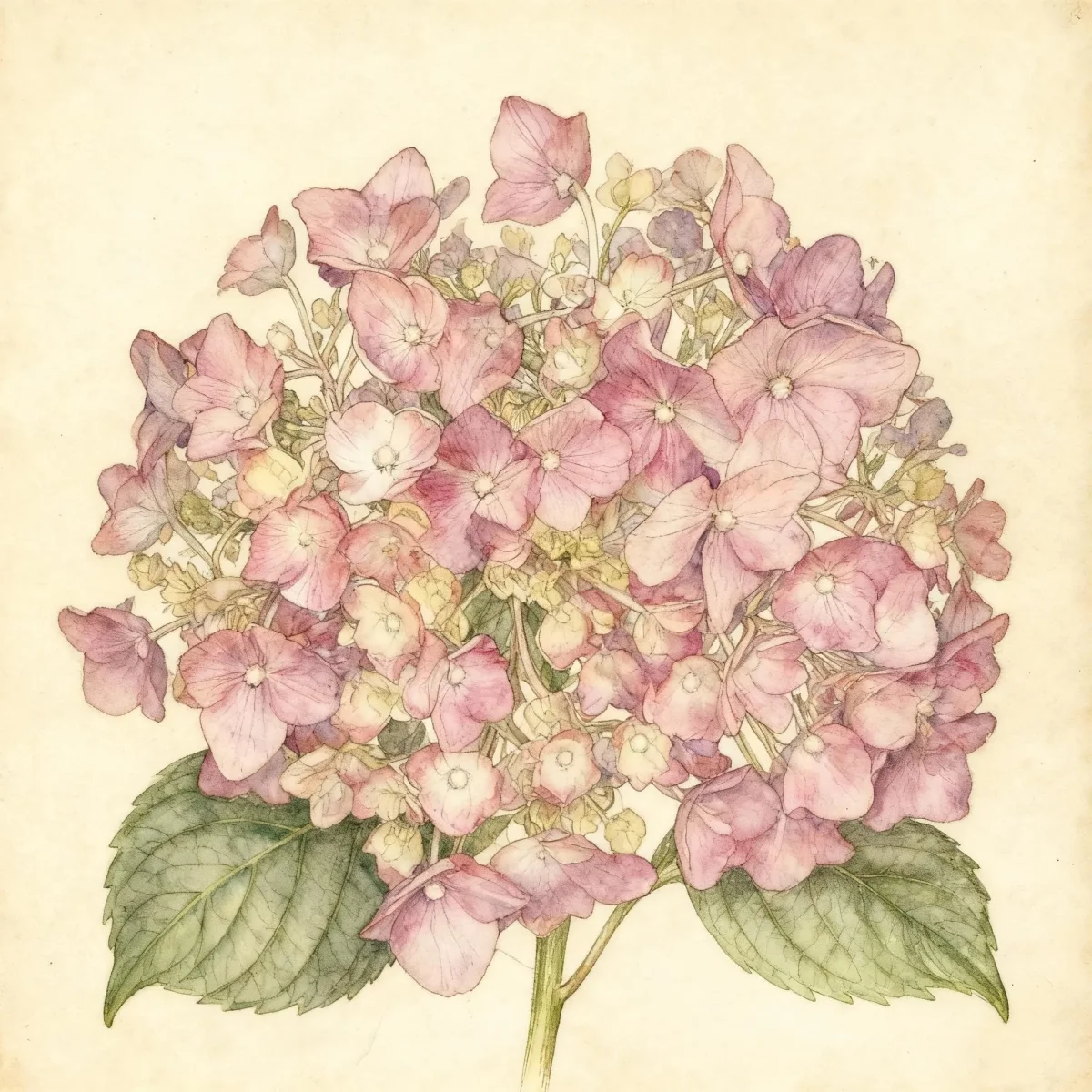
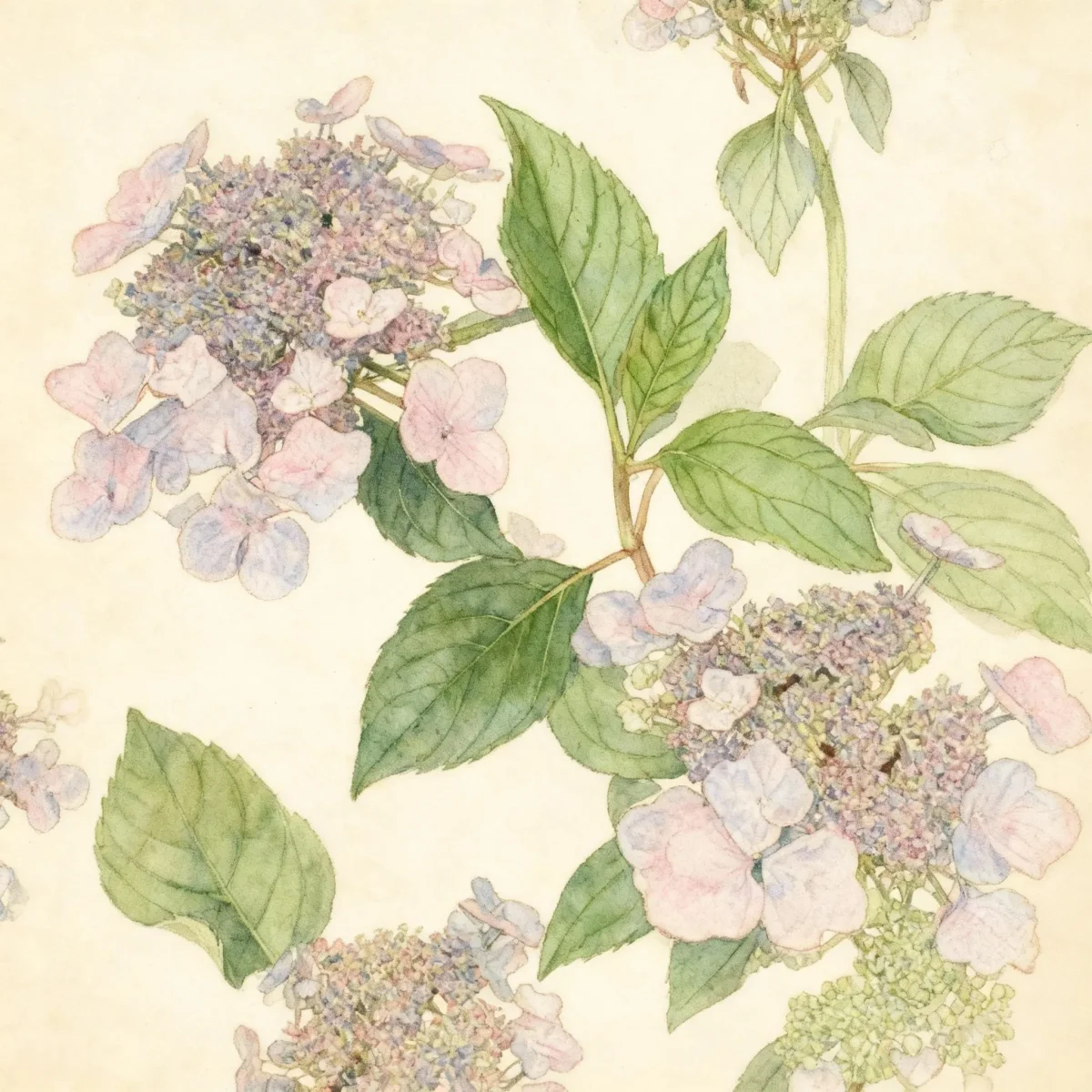
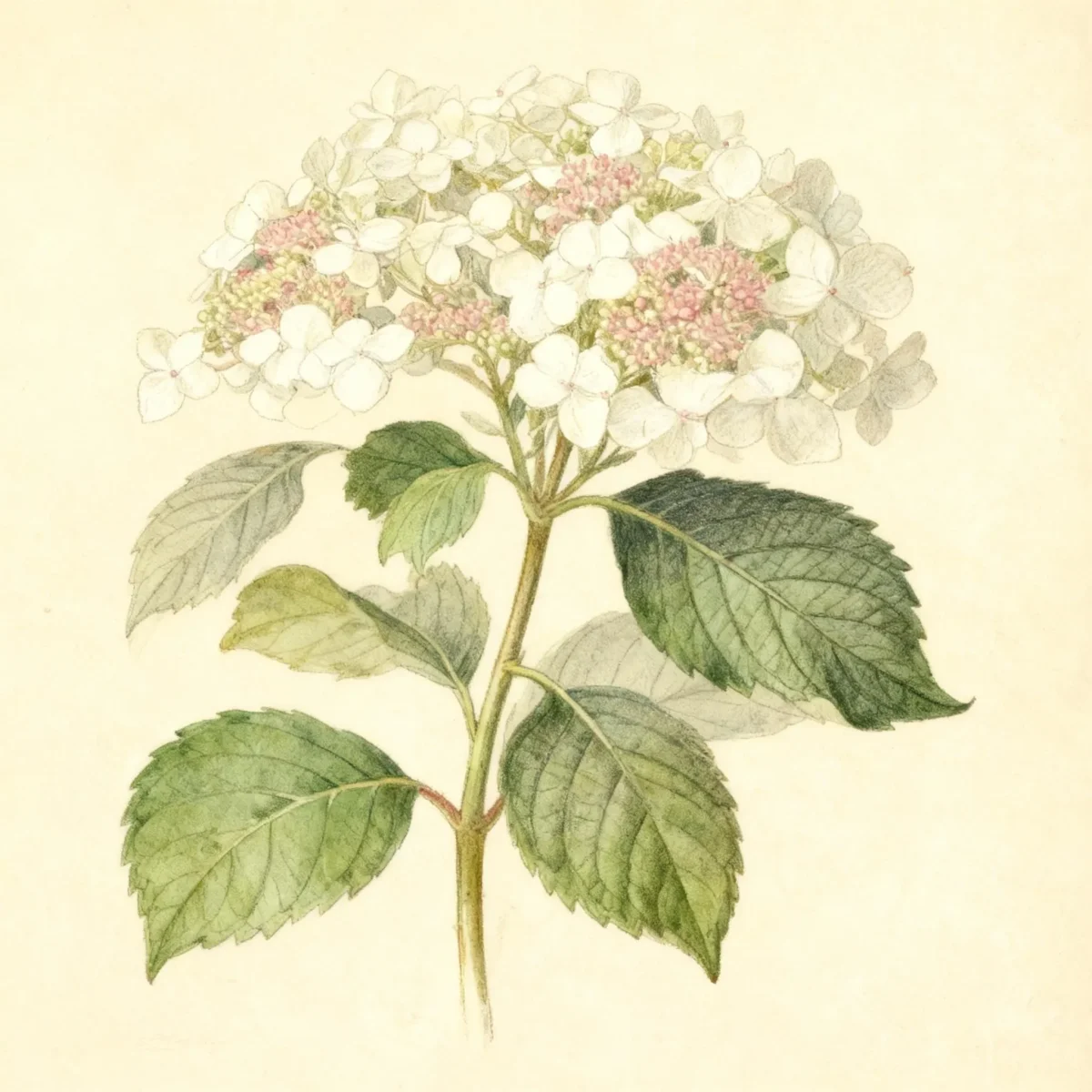
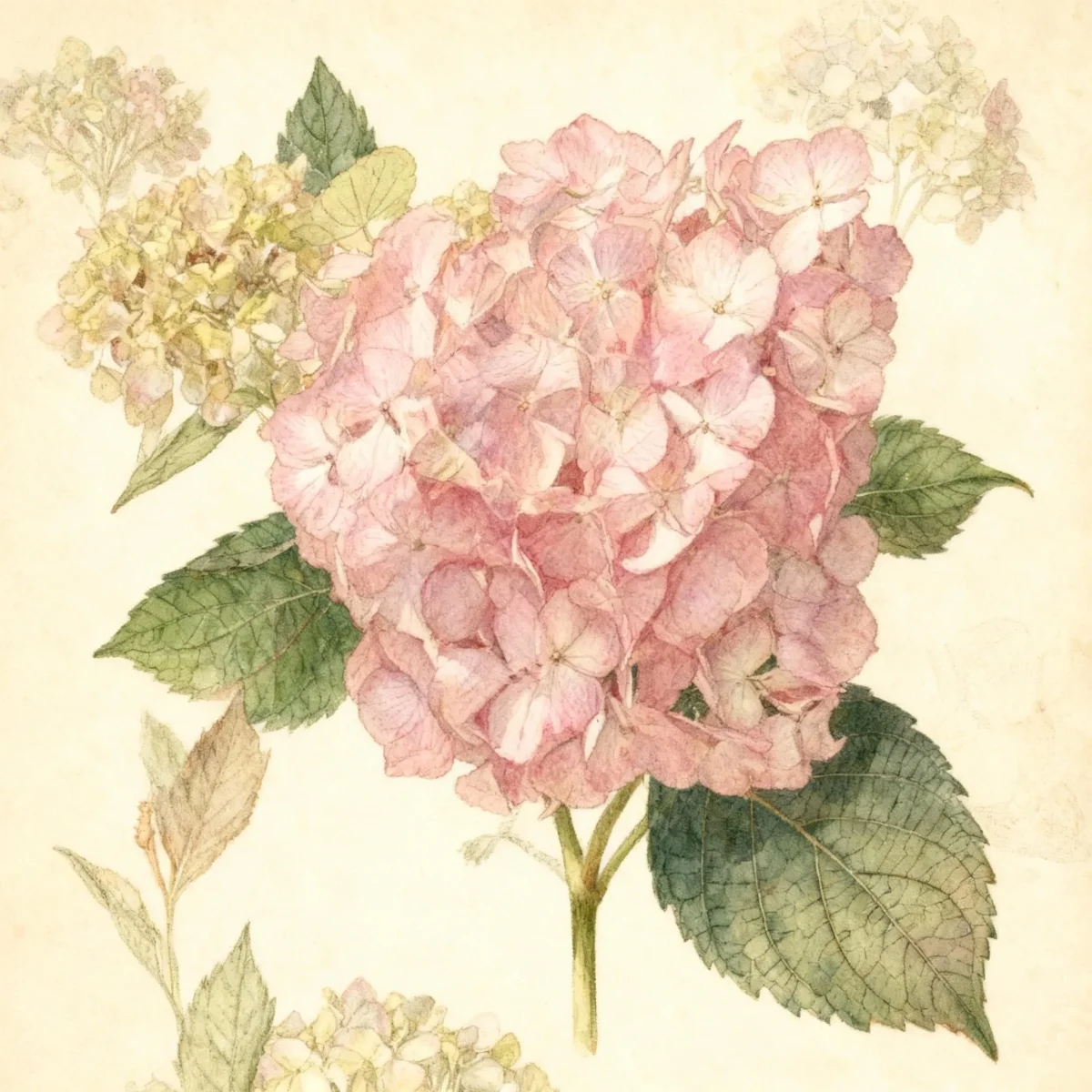
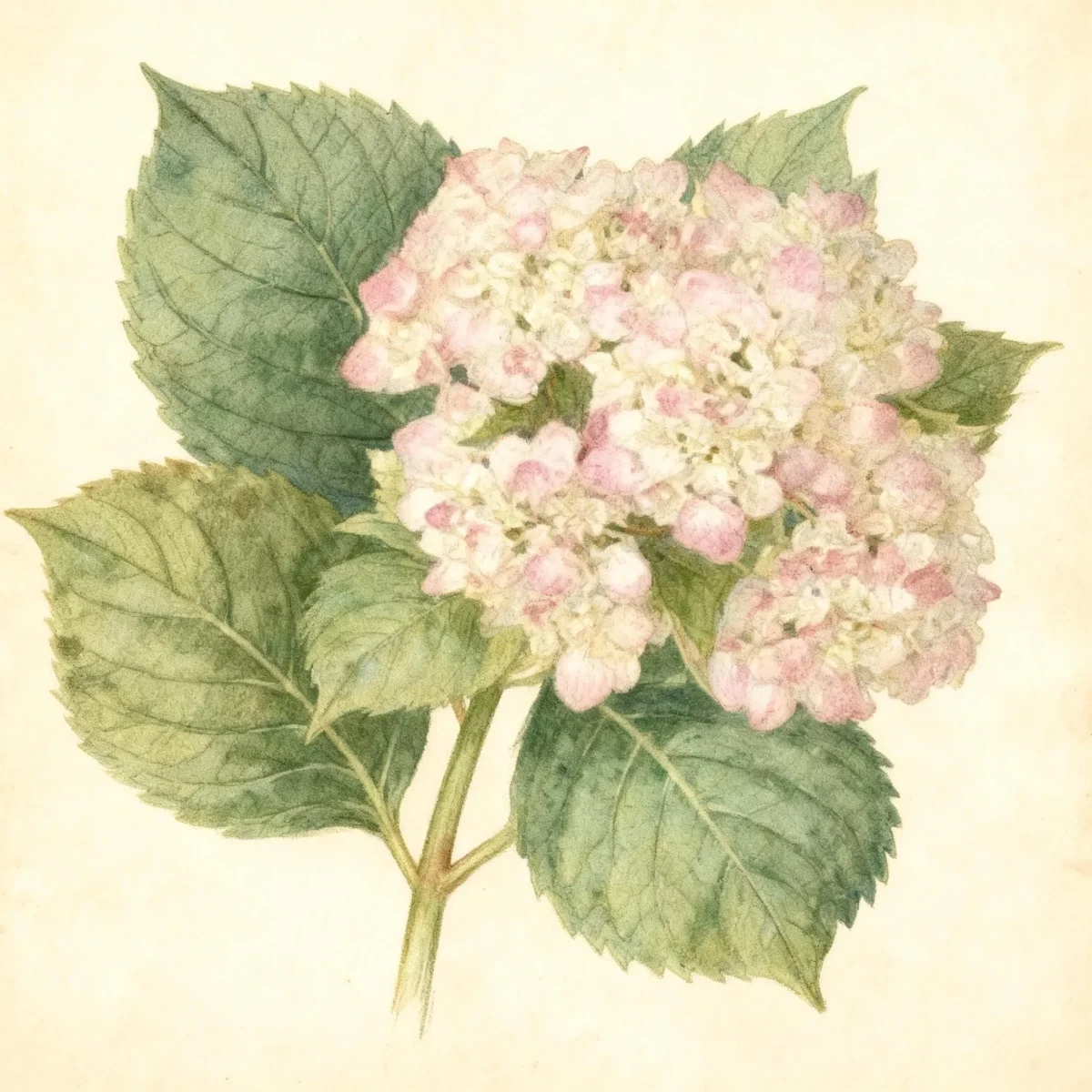
False hydrangea (Deinanthe caerulea)
Deinanthe caerulea, the False hydrangea, offers stunning violet-blue blooms in part shade. A medium-maintenance perennial for Zones 5-7.
Scroll down to discover growing tips, care requirements, companion plants, and more
Complete Plant Information
Overview
The Deinanthe caerulea, commonly known as the False hydrangea, is a captivating herbaceous perennial sought after for its unique foliage and delicate, nodding flowers. It offers gardeners a reliable splash of color in shaded locations where many other flowering plants struggle. This species brings the classic appeal of the Hydrangea family into a smaller, non-woody form.
Native to the cool, moist woodland areas of China, Deinanthe caerulea thrives best when mimicking its natural environment. It presents large, distinctive leaves with a crinkled texture, setting the stage for the cup-shaped, violet-blue flowers that appear above the foliage in midsummer. Gardeners value this plant for adding texture and a refined, woodland aesthetic to shaded garden rooms.
While it shares a superficial resemblance to true hydrangeas, the Deinanthe is distinctively perennial and less imposing in size. It requires consistency in moisture and soil richness to perform optimally, but in return, it rewards the dedicated gardener with its unique late-season floral display.
Fast Facts
- Plant Family: Hydrangeaceae
- Plant Type: Herbaceous perennial
- Native Range: China
- Hardiness Zones: USDA Zones 5-7
- Size at Maturity:
- Height: 1-1.5 ft
- Spread: 2-2.5 ft
- Bloom Time: June to July
- Bloom Description: Violet blue
- Sun Exposure: Part shade
- Water Needs: Medium
- Maintenance Level: Medium
How to Grow
Successful cultivation of Deinanthe caerulea hinges on mimicking its cool, shaded native habitat in China. The best time for planting is typically spring, allowing the plant to establish its root system before summer heat. It demands peaty, fertile, humus-rich soil that retains consistent moisture but must be well-drained to prevent rotting rhizomes.
When it comes to sunlight, place your False hydrangea in light shade. While it tolerates full shade, deep shade can diminish flowering. Crucially, avoid full, unfiltered sun, especially during the afternoon, as this species is intolerant of drought and heat stress. Site the plant where it is naturally protected from strong, desiccating winds.
Watering should be consistent; never allow the soil to dry out completely, as this species struggles severely with drought. Fertilization is generally unnecessary if the soil is rich in organic matter, but a yearly top-dressing of compost can help maintain structure. Propagation is possible via root division in early spring, though seed viability in cultivated varieties can sometimes be low.
Landscape Uses
The compact stature and shade tolerance of Deinanthe caerulea make it an excellent choice for specialized areas within the garden. It excels when planted in deep, dappled light, perfectly suited for filling in spaces under high tree canopies where lawn grass struggles. This plant is highly effective when utilized in shady woodland areas or as an accent within a broader woodland garden design.
Because the foliage is substantial and the blooms appear mid-season, the False hydrangea works well along shaded pathways or nestled into rock gardens where its texture can be easily appreciated up close. Consider pairing it with foliage-focused companions that enjoy similar conditions, such as Japanese forest grass (Hakonechloa), ferns, or various hostas. The violet-blue color provides a cooling contrast to deep green textures.
Standout Features
Flower Qualities
- Showy
Noteworthy Characteristics
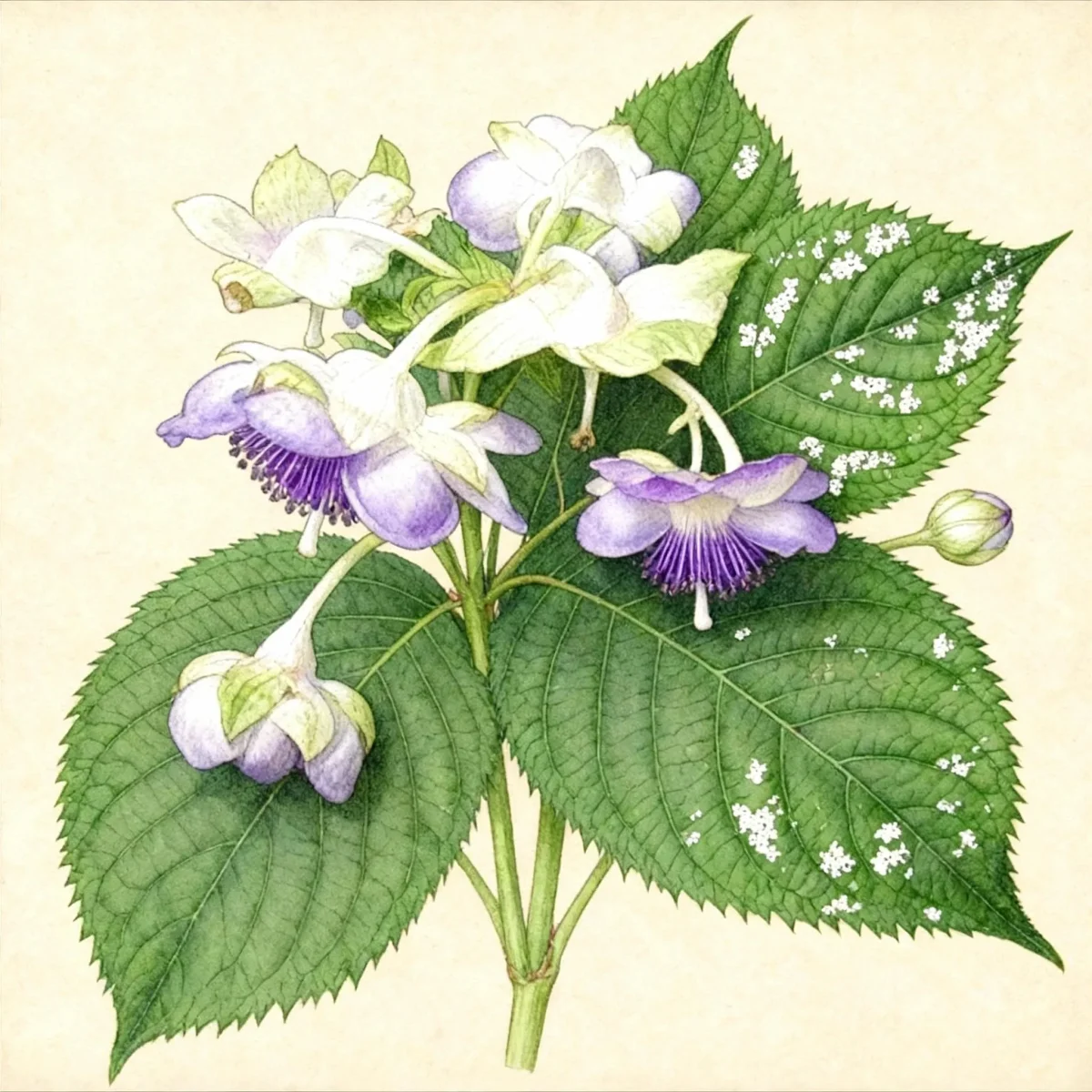
Deinanthe caerulea, sometimes commonly called false hydrangea, is an herbaceous perennial of the Saxifrage family which typically grows to 12-18” tall with a spread to 24-30” wide. It is native to cool moist shady woodland areas in China (Hubei). Erect stems rise from woody rhizomes to 18” tall, topped by large, crinkled, hydrangea-type leaves. Nodding, cup-shaped, violet-blue, fertile flowers bloom in terminal clusters above the foliage in June-July, distinguishing it from similar species.
Tolerances
Potential Problems
The False hydrangea generally exhibits good resistance, with no serious insect or disease problems reported under proper cultural care. The most significant trouble arises from cultural mismatch rather than pest pressure. Avoid planting in dry, sunny spots, as heat stress and drought are its primary antagonists, leading to wilting and leaf scorch. Ensure excellent drainage, as standing water or overly heavy clay soil can lead to root rot, particularly over winter.
If foliage appears stunted or pale, verify that the soil is sufficiently humus-rich and acidic if possible, correcting pH or nutrient deficiencies slowly through organic amendments. Due to its preference for cool environments, planting in areas that accumulate excessive summer heat should be avoided to ensure the best long-term health for your Deinanthe caerulea.
Frequently Asked Questions
What hardiness zones is False hydrangea suitable for?
Deinanthe caerulea is suitable for USDA Hardiness Zones 5 through 7, requiring protection from deep freezes and excessive summer heat.
How large does Deinanthe caerulea grow?
This plant typically reaches a mature height between 1 and 1.5 feet tall, spreading to cover an area of 2 to 2.5 feet wide.
What sun exposure does False hydrangea need?
Deinanthe caerulea thrives best when given part shade; it tolerates full shade but absolutely requires protection from full, hot sun.
When does Deinanthe caerulea bloom?
The False hydrangea produces its signature violet-blue flowers primarily from June into July.
Conclusion
The Deinanthe caerulea offers exceptional value for gardeners seeking textural interest and unique midsummer color specifically in shaded environments. Its large, handsome foliage and charming violet-blue blooms solidify the False hydrangea as an indispensable woodland accent. Before planting, confirm your garden site offers consistent moisture and adequate protection from harsh sun to ensure this wonderful perennial flourishes for years to come.
Companion Planting
When designing a woodland border featuring Deinanthe caerulea, select companions that share its love for moisture retention and dappled light. Native ferns, such as the Japanese Painted Fern or Ostrich Fern, complement the coarse texture of the hydrangea-like leaves beautifully. Consider groundcovers like wild ginger (Asarum) or Tiarella (Foamflower) to keep the root zone cool and suppress weeds in the root zone of the False hydrangea.
For color contrast, incorporating spring-blooming woodland bulbs that fade before the summer heat, such as certain forms of Trillium or smaller Dicentra varieties, allows the garden to transition smoothly. Because the Deinanthe caerulea is relatively short, position taller, upright shade lovers like Astilbe or Digitalis (Foxglove) behind it to create pleasing vertical layers.
Propagation Tips
While Deinanthe caerulea is often best increased by division, understanding the process helps gardeners quickly multiply desirable clumps. The ideal time for root division is early spring just as new growth begins to emerge, or in early autumn after the foliage has begun to die back. Carefully lift the entire clump and gently divide the woody rhizomes using a sharp, clean spade or knife, ensuring each new section has sufficient roots and at least one growth bud attached.
Replant the divisions immediately into prepared, humus-rich soil amended with peat moss to mimic its preferred medium. If attempting seed propagation, collect the seeds promptly after maturity, though viability can be inconsistent, requiring stratification—a period of cold damp storage—to break dormancy before sowing in spring.