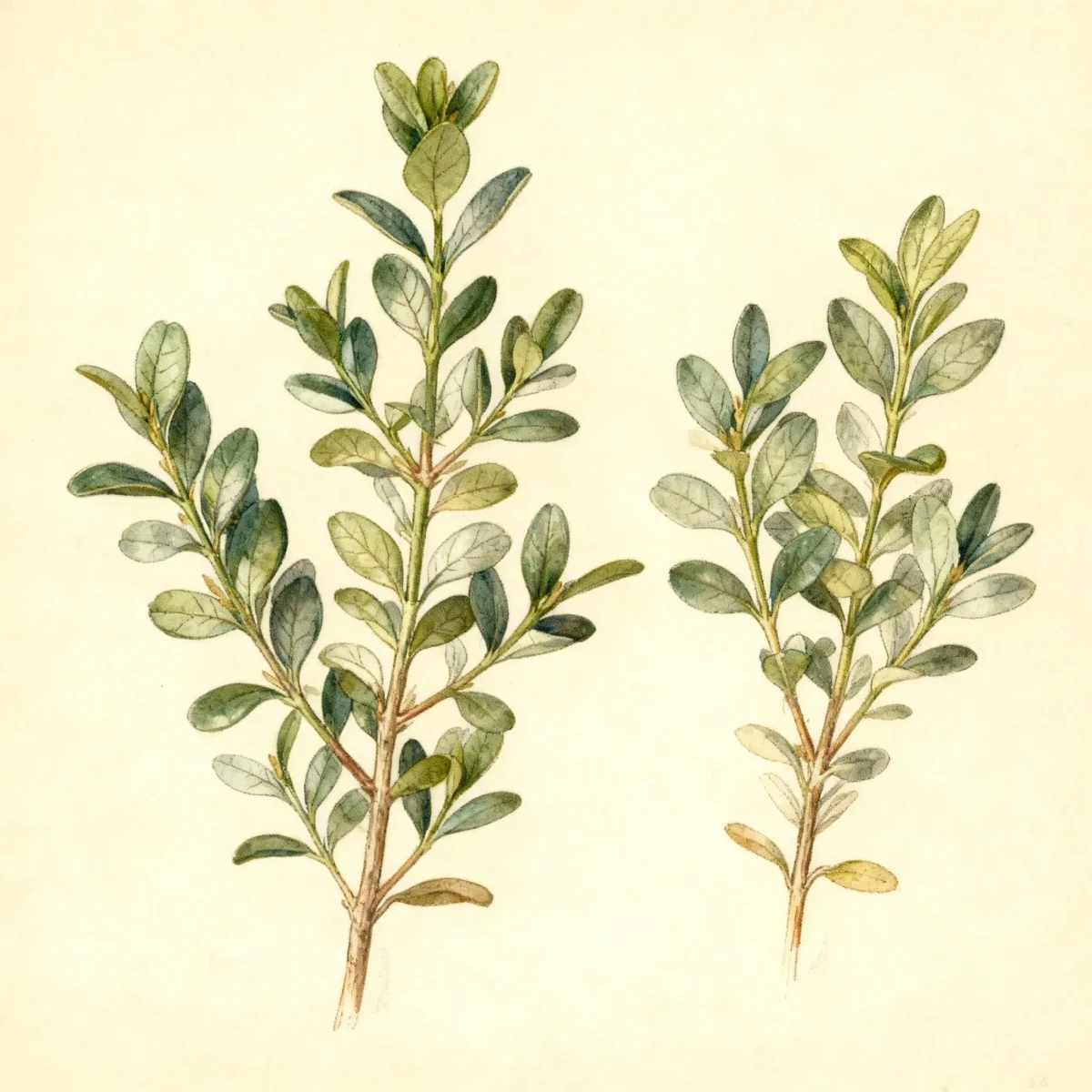
Itea (Itea ilicifolia)
The holly-leaf sweetspire, Itea ilicifolia, is a narrow, upright evergreen shrub ideal for screens or moist garden areas.
Scroll down to discover growing tips, care requirements, companion plants, and more
Complete Plant Information
Overview
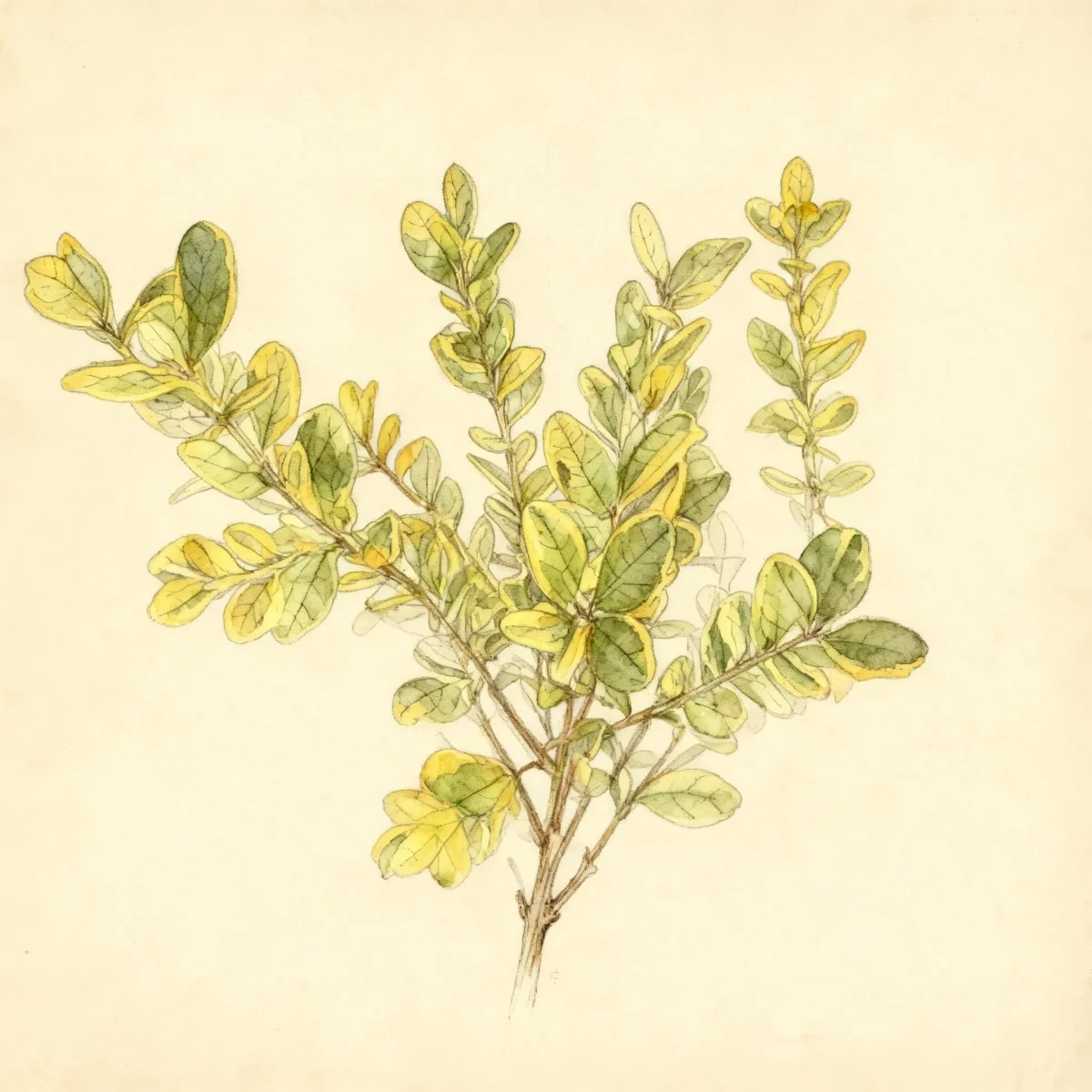
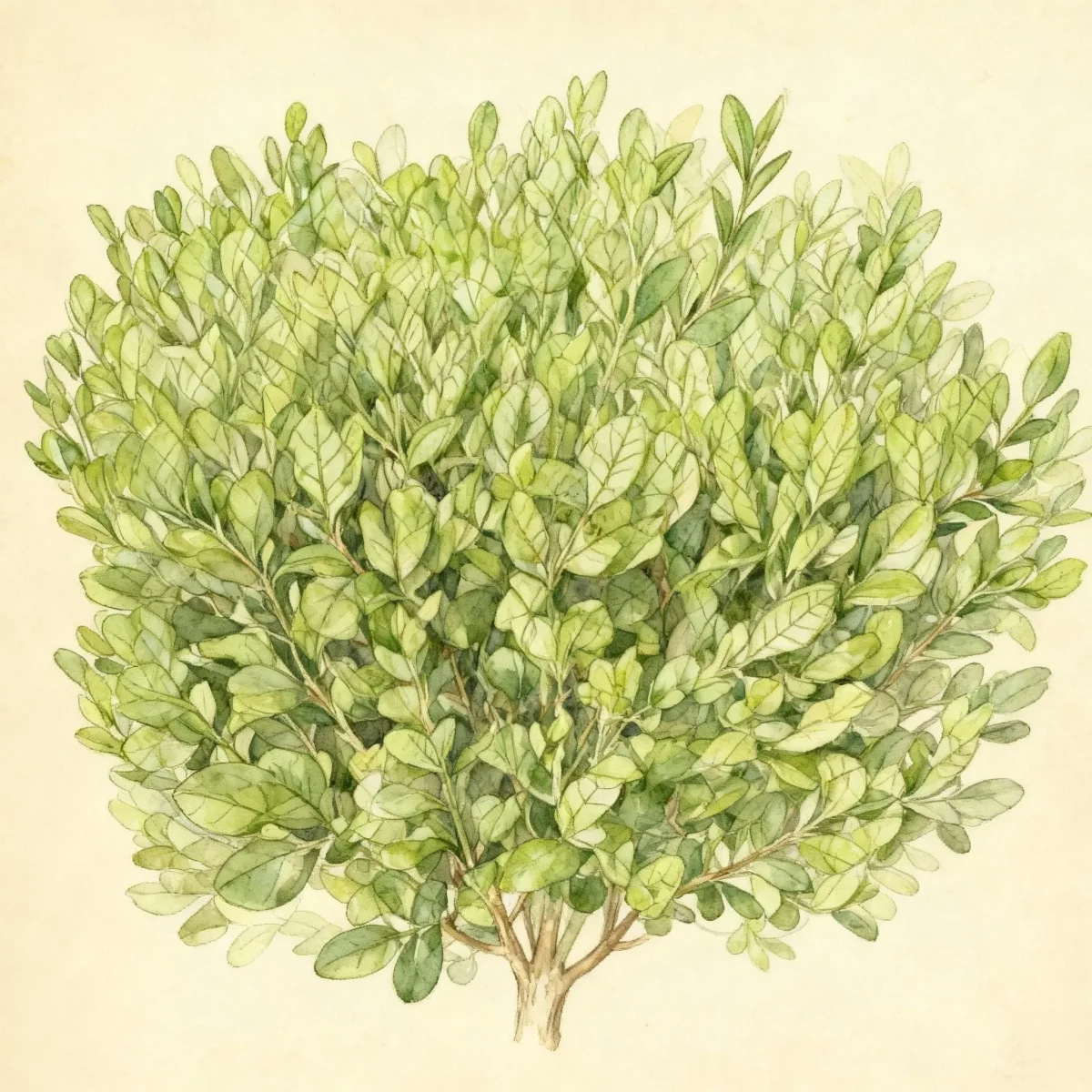
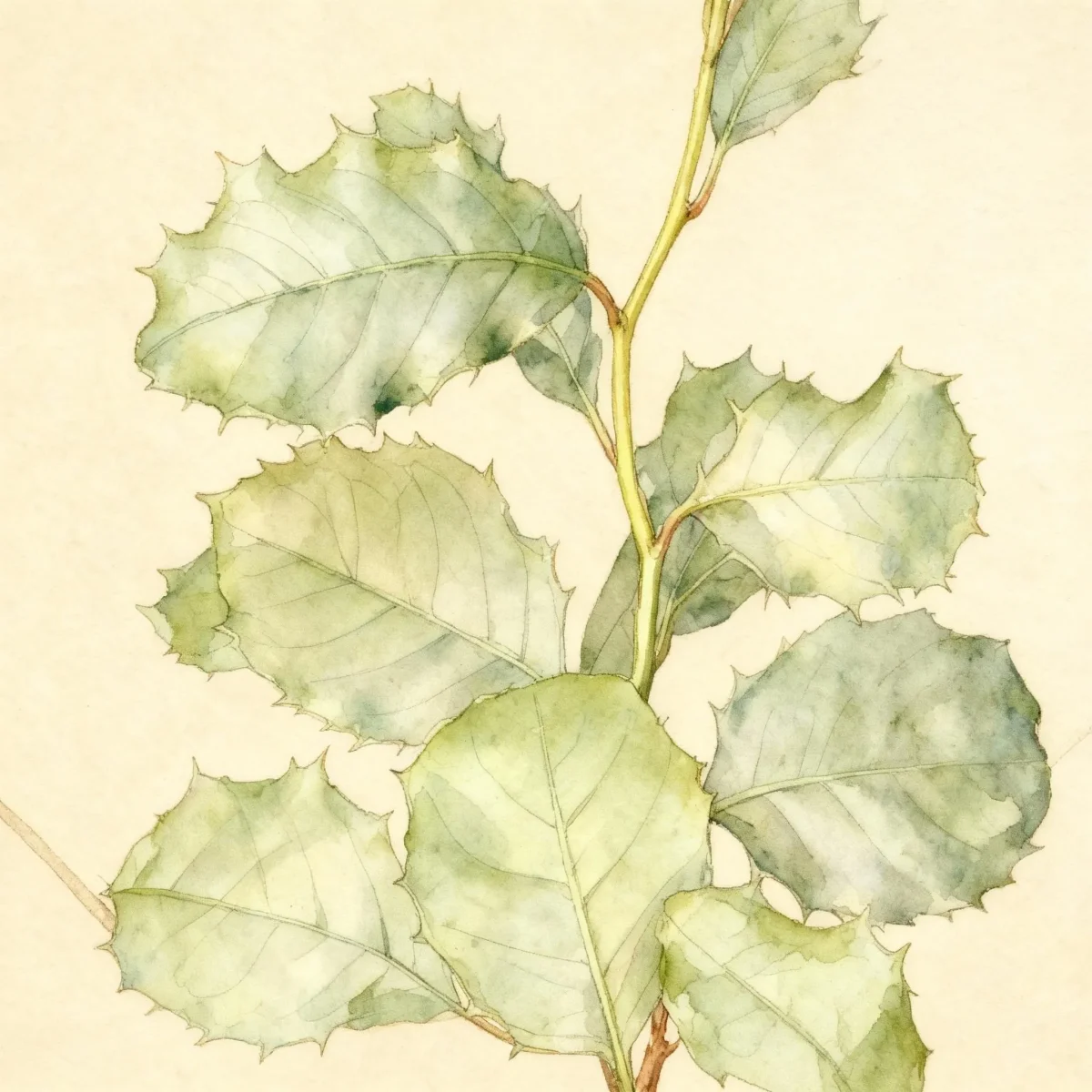
Itea ilicifolia, widely known as holly-leaf sweetspire, offers unique texture and structure to the landscape due to its evergreen nature and distinct foliage. Its glossy, deep green leaves possess holly-like marginal spines, providing year-round interest, making this Itea a valuable specimen when other shrubs lose their leaves. This upright shrub matures into an attractive, dense screen suitable for larger garden spaces.
Blooming in mid-summer, the Itea produces chains of tiny, greenish-cream flowers offering subtle fragrance when most gardens have finished their main spring show. It performs best when provided with consistent moisture and moderate protection from harsh weather. Understanding the needs of Itea ilicifolia ensures a healthy plant capable of reaching its full potential as a backdrop or informal hedge.
The value of Itea lies in its reliable evergreen presence combined with attractive summer blooms. Whether utilized for screening or as an upright accent, this species of Itea provides structure and texture, particularly appreciating sheltered locations away from drying winter winds.
Fast Facts
- Plant Family: Iteaceae
- Plant Type: Broadleaf evergreen
- Native Range: Western China
- Hardiness Zones: USDA Zones 7-9
- Size at Maturity:
- Height: 10-15 ft
- Spread: 10-15 ft
- Bloom Time: July to August
- Bloom Description: Greenish-cream
- Sun Exposure: Full sun to part shade
- Water Needs: Medium
- Maintenance Level: Medium
How to Grow
The ideal time to establish Itea is during the spring or fall when temperatures are mild, allowing the root system to establish before extreme heat or cold. Itea ilicifolia thrives in average, medium-moisture, well-drained soils, though it prefers humusy conditions. While it tolerates various soil types, ensure drainage is adequate, as the shrub is intolerant of drought conditions. Planting in partial shade is often recommended for the best appearance, though it handles full sun if water is consistent.
Consistent moisture management is crucial for Itea once established. Apply water regularly, especially during dry spells, to maintain medium soil moisture levels, avoiding letting the plant dry out completely. Fertilizer is rarely mandatory if the soil is rich, but a balanced, slow-release feed applied in early spring can support strong growth. Pruning, if necessary, should be minimal, focusing on removing damaged wood, as the natural upright habit of Itea is generally desirable.
For gardeners in colder limits of its range, site Itea ilicifolia carefully; it benefits greatly from the protection offered by a south-facing wall or structure, which helps buffer it against drying winter winds. This protection also maximizes its survival potential if attempting to grow outside the typical Zone 7 minimum.
Landscape Uses
The robust, upright growth habit of Itea makes it an exceptional choice for creating an informal screen or backdrop where privacy and year-round interest are desired. Its ability to reach 10 to 15 feet tall and wide allows it to function effectively as a medium-sized hedge. Furthermore, Itea ilicifolia adapts well to specialized treatments; considering espalier training against a partly shaded south-facing wall can transform it into a structured architectural feature.
Beyond screening, Itea is perfectly suited for planting in wetter areas of the landscape where other evergreens might struggle. It pairs beautifully with ferns, hostas, and other shade-tolerant moisture-loving perennials whose finer textures contrast nicely with the bold, spiky leaves of the holly-leaf sweetspire. Its mid-summer blooms provide color later in the season, bridging the gap between early summer perennials and autumn interest plants.
Standout Features
Flower Qualities
- Showy
- Fragrant
Noteworthy Characteristics
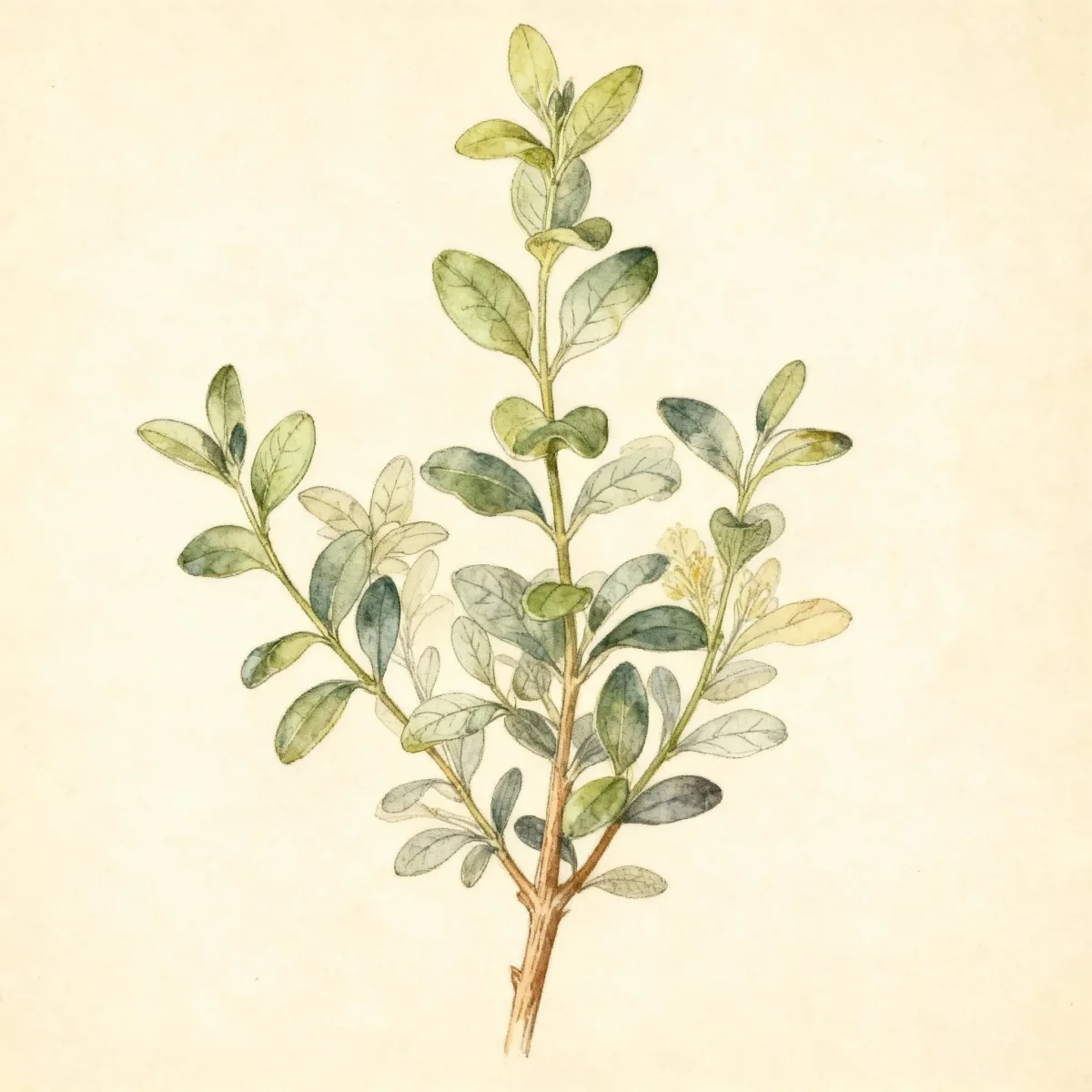
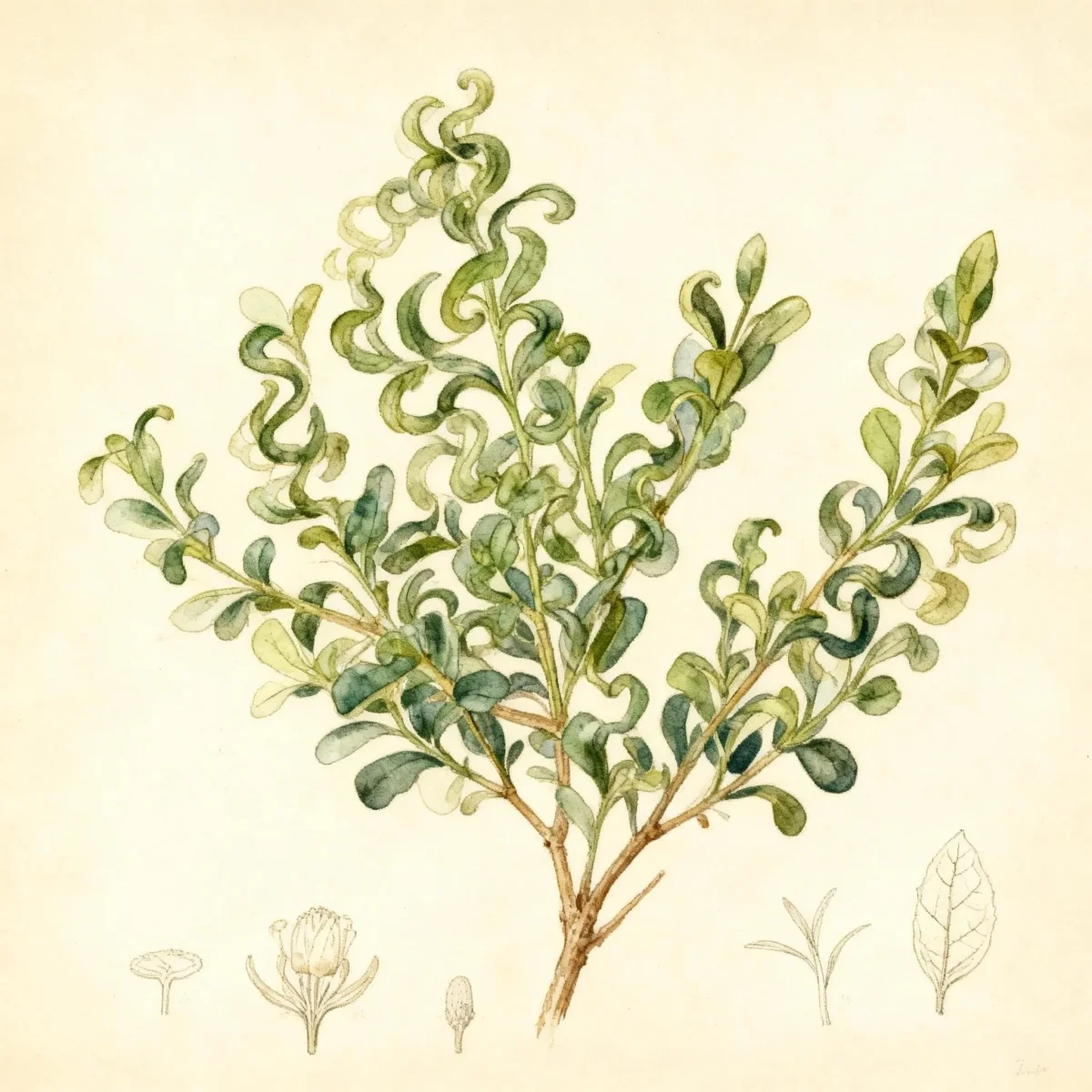
Itea ilicifolia, commonly called holly-leaf sweetspire, is a narrow, upright, evergreen shrub that is native to woodland areas on alpine slopes, thickets, valleys and along streambanks in south central China. It typically matures to 8-12’ tall. Elliptic-oblong, glossy, rich green leaves (to 4 1/4” long and 2 1/4” wide) have prominent holly-like marginal spines. Tiny, mildly fragrant, greenish-cream flowers in tightly-packed, catkin-like, drooping racemes (to 8-12” long) bloom in mid-summer (July-August). Specific epithet comes from the Latin word ilicifolius meaning having leaves resembling those of holly.
Tolerances
No specific tolerance data was provided in the input list.
Potential Problems
Gardeners generally find that Itea ilicifolia is free from serious insect or disease problems, contributing to its low maintenance profile. This reliability is a major attribute for gardeners seeking dependable evergreen structure. Should minor pest issues arise, they usually respond well to standard horticultural practices, but proactive care focuses on ideal growing conditions.
The primary concern for this particular Itea is environmental stress rather than pest infestation. Ensuring the plant avoids severe drought, especially in its first few seasons, prevents stress that could weaken the structure. Additionally, protecting young plants from hard, desiccating winter winds will prevent leaf scorch or breakage, securing the health of your evergreen Itea.
Frequently Asked Questions
What hardiness zones is Itea suitable for?
Itea ilicifolia is reliably hardy in USDA Zones 7 through 9, though careful siting in protected spots may allow survival in Zone 6.
How large does Itea grow?
This evergreen shrub typically reaches a mature height between 10 and 15 feet, with a similar spread of 10 to 15 feet, forming a substantial, upright mass.
When does Itea bloom?
The flowering period for Itea occurs in the middle of summer, specifically from July through August, producing greenish-cream flower racemes.
What sun exposure does Itea ilicifolia need?
For best health and foliage color, Itea ilicifolia prefers an environment ranging from full sun to part shade, ideally sheltered from harsh afternoon intensity if planted in hot climates.
Conclusion
The holly-leaf sweetspire provides invaluable evergreen texture and reliable summer flowers, securing its role as a sophisticated element in structured or naturalized landscapes. Planning the placement of your Itea—ensuring consistent moisture and some wind protection—will guarantee the long-term success of this striking shrub. Consult your local hardiness map and plan your planting during the cooler seasons to give this handsome Itea the best start.
Companion Planting
When siting Itea ilicifolia, consider companions that appreciate similar moist, well-drained soil and perhaps benefit from the light shade cast by the mature Itea. Shade-loving perennials like Hosta, particularly those with blue or variegated foliage, create a beautiful contrast against the dark, glossy leaves of the holly-leaf sweetspire. Areas where soil stays reliably moist are also perfect for various woodland ferns, such as Japanese Painted Ferns or Autumn Ferns, which enhance the shrub’s naturalized woodland aesthetic.
For the structure provided by Itea as a natural hedge, consider placing evergreen conifers with a finer texture, like dwarf hemlocks or certain yews, to the side. This juxtaposition of fine versus coarse leaf textures adds visual depth to the planting scheme. Always ensure companion plants do not aggressively compete for the medium water needs required by the Itea.
Design Ideas for Screening
Using Itea ilicifolia to create an informal screen is one of its most practical applications given its 10-15 foot mature size. Plant several specimens in a zigzag pattern rather than a straight line for a more natural, layered effect that softens views better than a rigid hedge. The shrub’s evergreen quality provides year-round visual blocking, which is essential for privacy borders near property lines or busy areas.
To emphasize the flowers of the Itea in mid-summer, consider underplanting with low-growing, late-blooming summer perennials that feature contrasting colors, such as yellows or whites. This technique draws the eye down while allowing the long, drooping racemes of the Itea flowers to create vertical accents above them. The overall effect is one of rich texture and layered interest throughout the growing season.