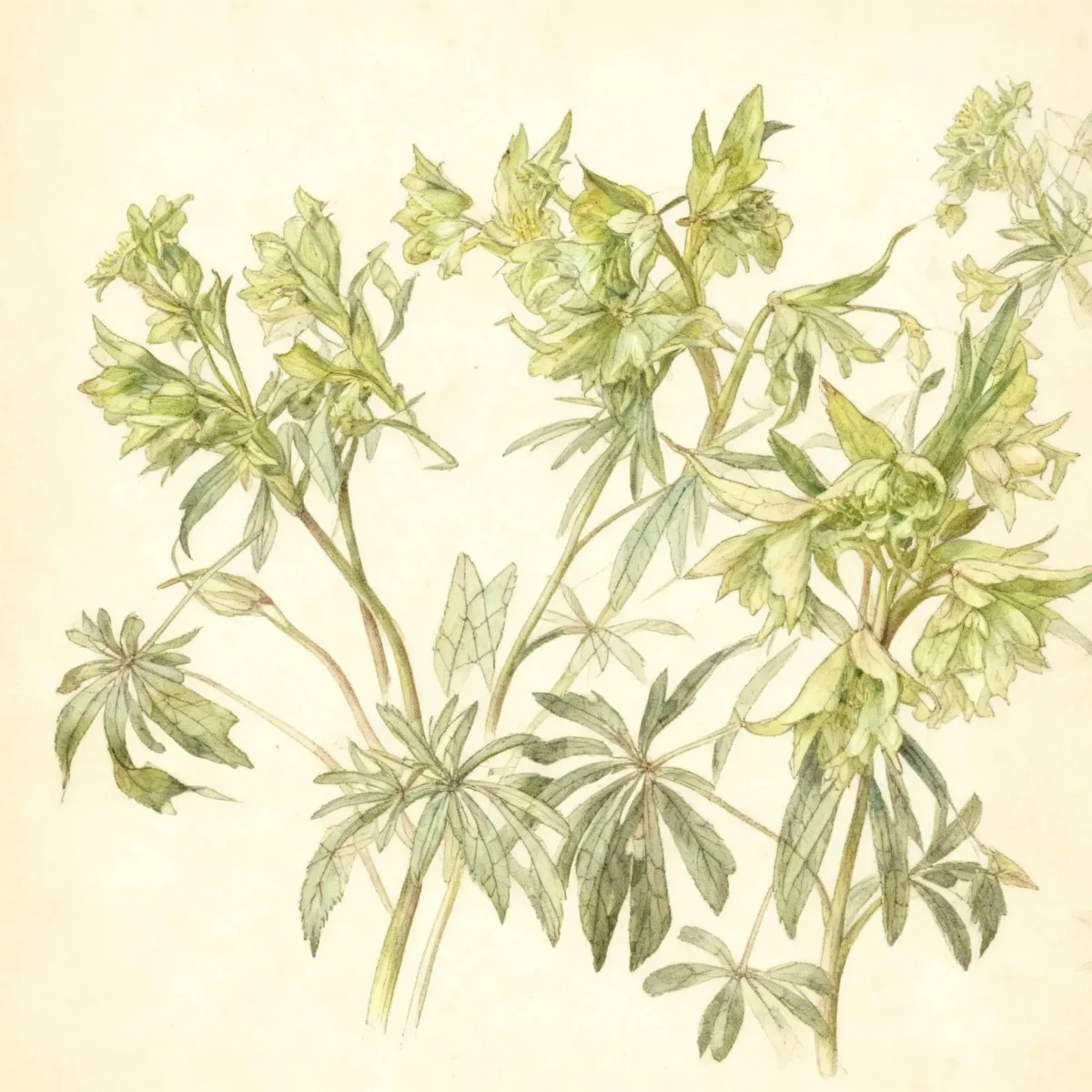
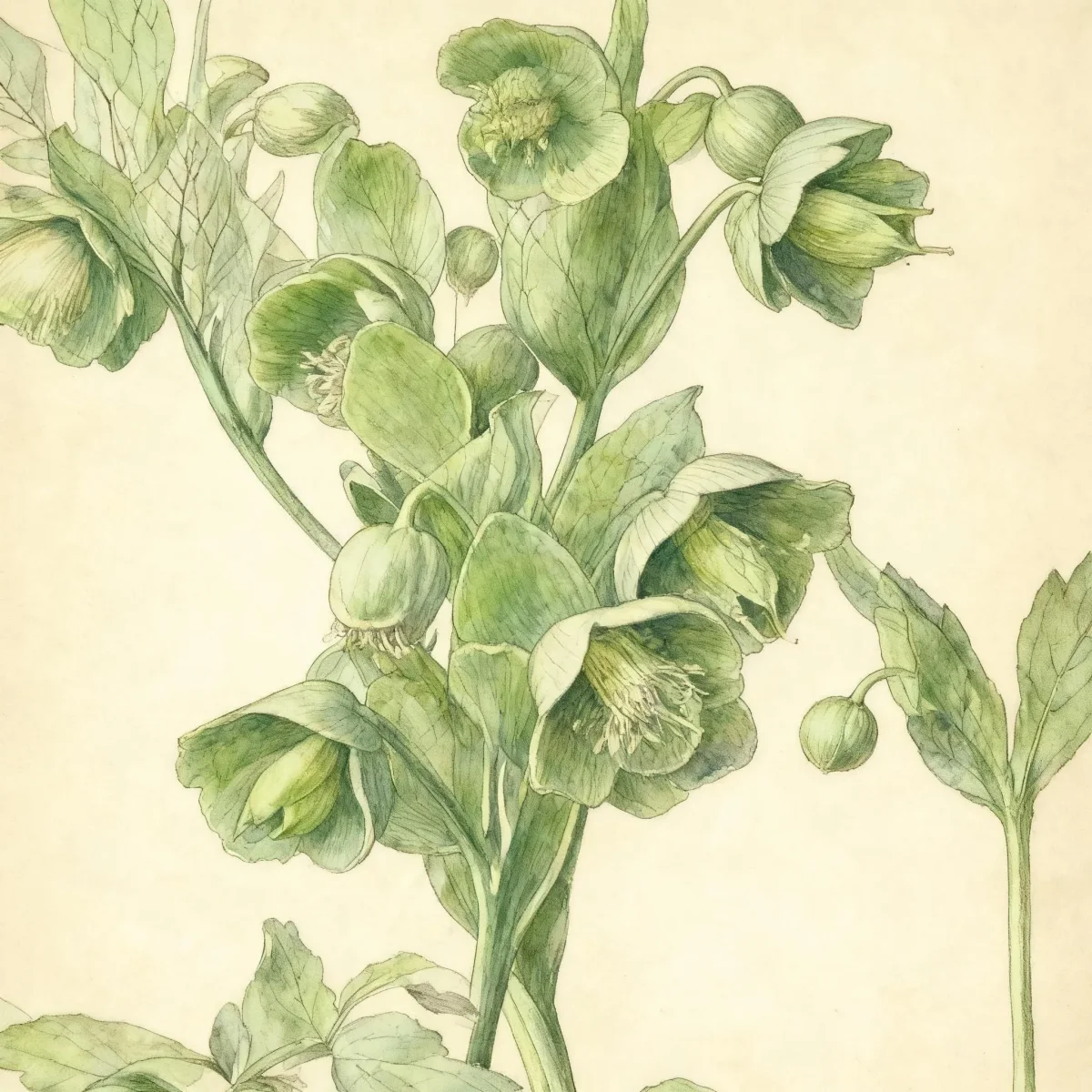
Hellebore (Helleborus odorus)
Helleborus odorus, the fragrant hellebore, offers dark green, fragrant blooms in late winter. Easy Hellebore for Zones 6-8.
Scroll down to discover growing tips, care requirements, companion plants, and more
Complete Plant Information
Overview
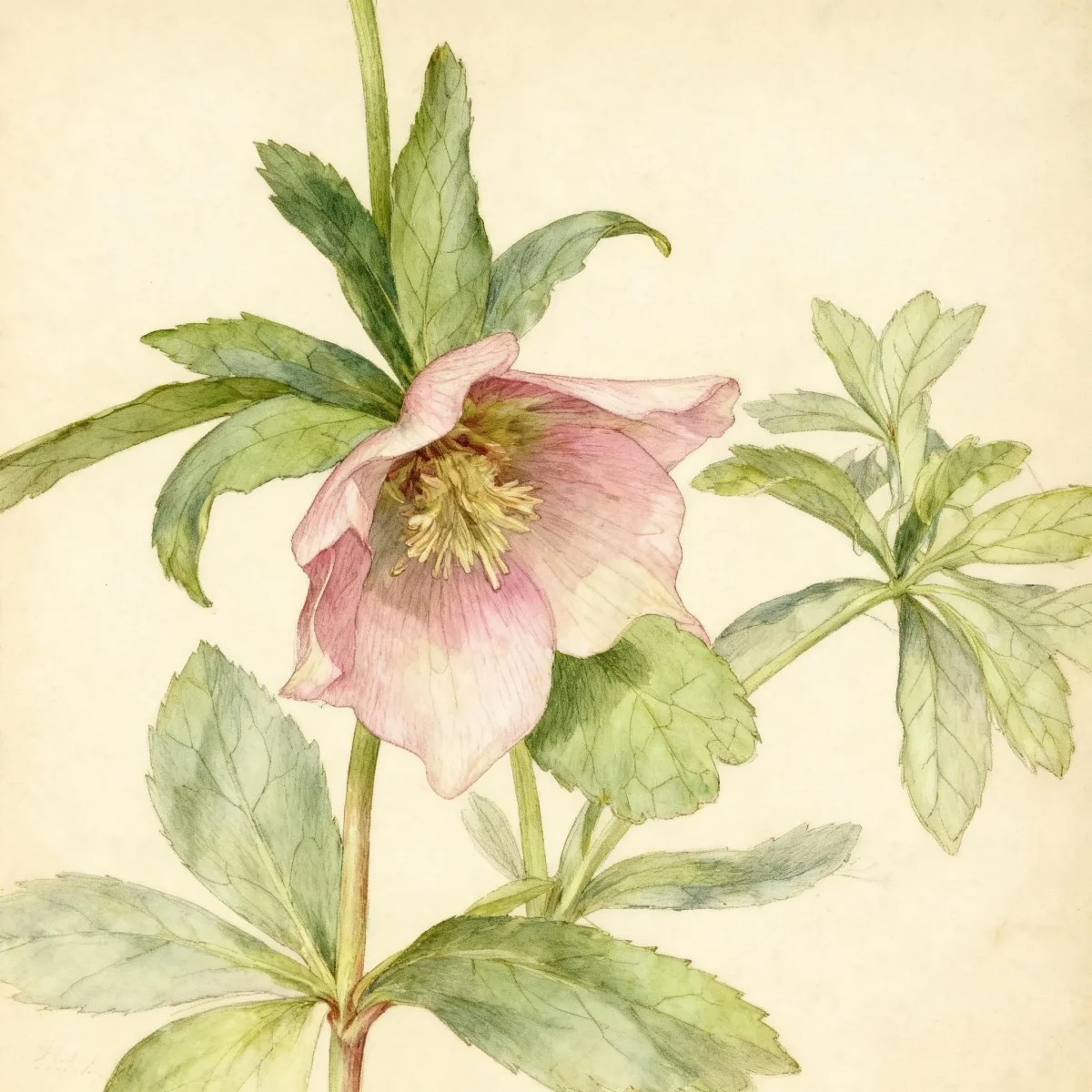
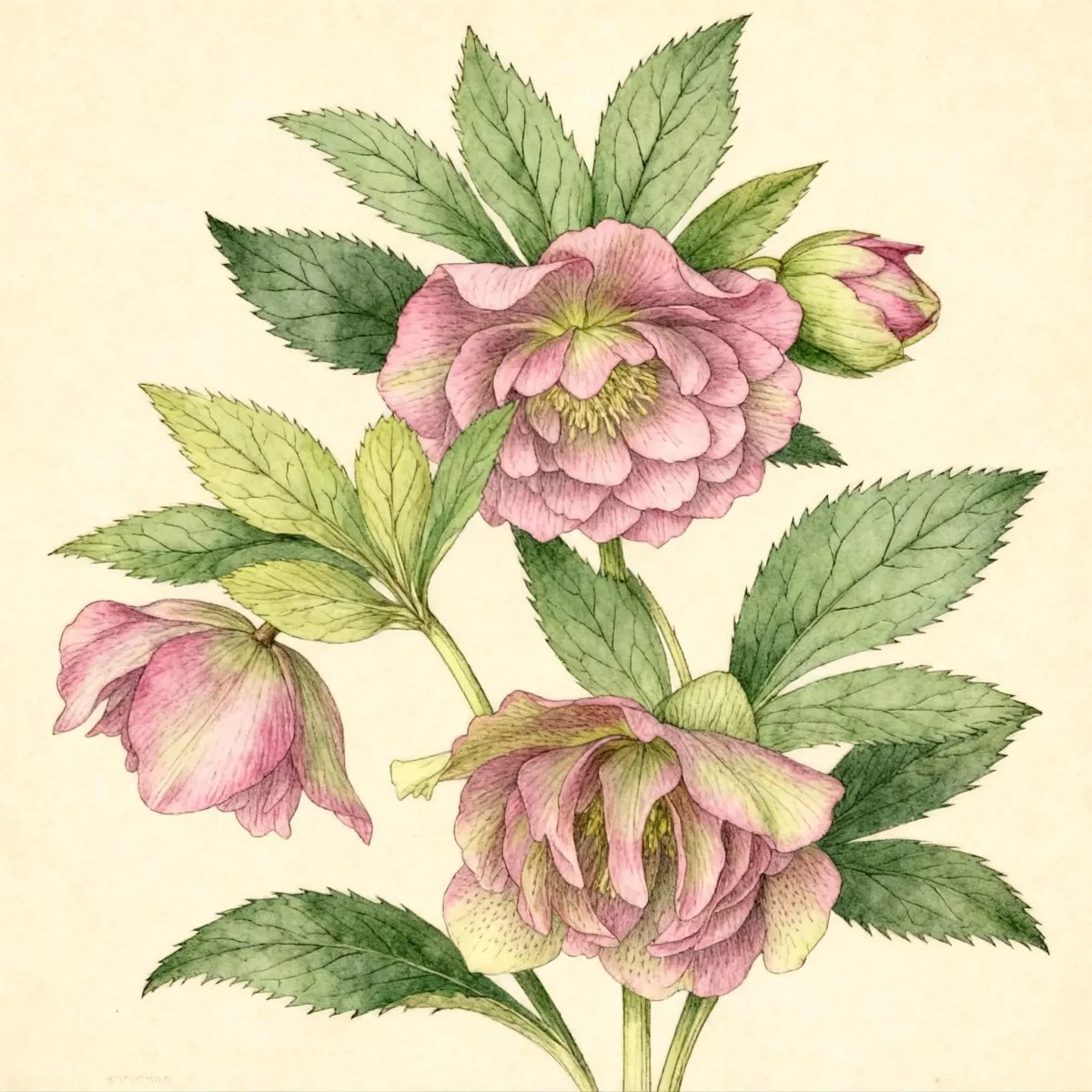
Helleborus odorus, commonly known as the fragrant hellebore, provides vital color interest when much of the garden is dormant. This clump-forming, often evergreen perennial is valued for its attractive late winter and early spring flowers that release a noticeable fragrance. Gardeners appreciate this Hellebore for its hardiness and low maintenance requirements.
Native to the woodlands of southeastern Europe, this species thrives in neutral to alkaline, organically rich soils. The coarse, bold foliage often remains evergreen, providing structure throughout the colder months, making Helleborus odorus an excellent four-season plant. Its ability to bloom so early makes it a true harbinger of spring in USDA Zones 6 through 8.
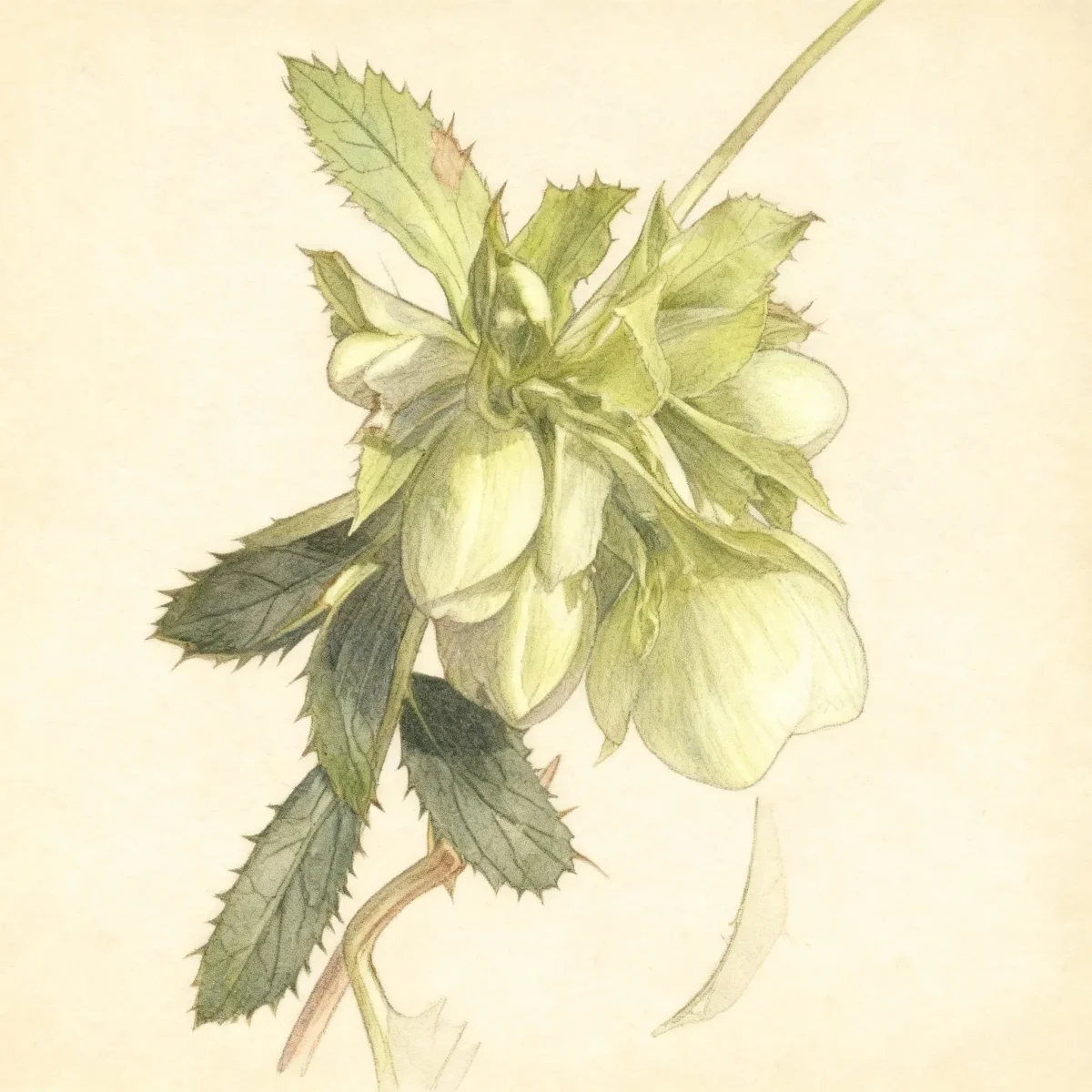
Planting Helleborus odorus allows you to enjoy deep green to apple-green blooms right before spring truly kicks off. Its sturdy nature and shade tolerance make it a reliable component for woodland settings or beneath deciduous trees.
Fast Facts
- Plant Family: Ranunculaceae
- Plant Type: Herbaceous perennial
- Native Range: Southeastern Europe
- Hardiness Zones: USDA Zones 6-8
- Size at Maturity:
- Height: 1-2 ft
- Spread: 1-2 ft
- Bloom Time: February to March
- Bloom Description: Dark green to apple-green to yellow-green
- Sun Exposure: Part shade to full shade
- Water Needs: Medium
- Maintenance Level: Low
How to Grow
Plant Helleborus odorus in the fall or early spring when the soil is workable, ensuring it settles well before extreme heat or cold hits. This Hellebore thrives best in moist, organically rich, humusy soils that are well-drained. Generally, part shade to full shade is ideal, though it tolerates sunnier spots if the soil moisture is kept consistent throughout the growing season.
Maintenance for this low-level perennial is straightforward. Ensure the soil pH leans toward neutral or slightly alkaline; incorporating lime can benefit plants struggling in slightly acidic conditions. Plants located near the northern limit of their range (Zone 6) benefit from protection against harsh, drying winter winds, which can damage the evergreen foliage.
Pruning is minimal but beneficial for appearance and vitality. In late winter, trim away any damaged or tattered leaves before the new flower stems emerge. After the blooming period concludes, snip off the spent flowering stems to encourage vigorous new leaf growth for the summer. With sufficient moisture and rich soil, Helleborus odorus may slowly spread by self-seeding.
Landscape Uses
The early flowering nature of the fragrant hellebore makes it perfect for prime viewing locations. Site plants near walkways, patios, or brightly lit kitchen windows so the late winter bloom of Helleborus odorus can be fully appreciated. They excel when grouped under the dappled shade of large shrubs or mature trees, recreating their native woodland edge environment.
Hellebores serve wonderfully as year-round ground cover due to their evergreen tendencies. They are excellent for softening the edges of borders or naturalizing where clumps can slowly expand over time via self-seeding. Consider massing them for an impactful display when other plants are still asleep.
Standout Features
Flower Qualities
- Showy
- Fragrant
Noteworthy Characteristics
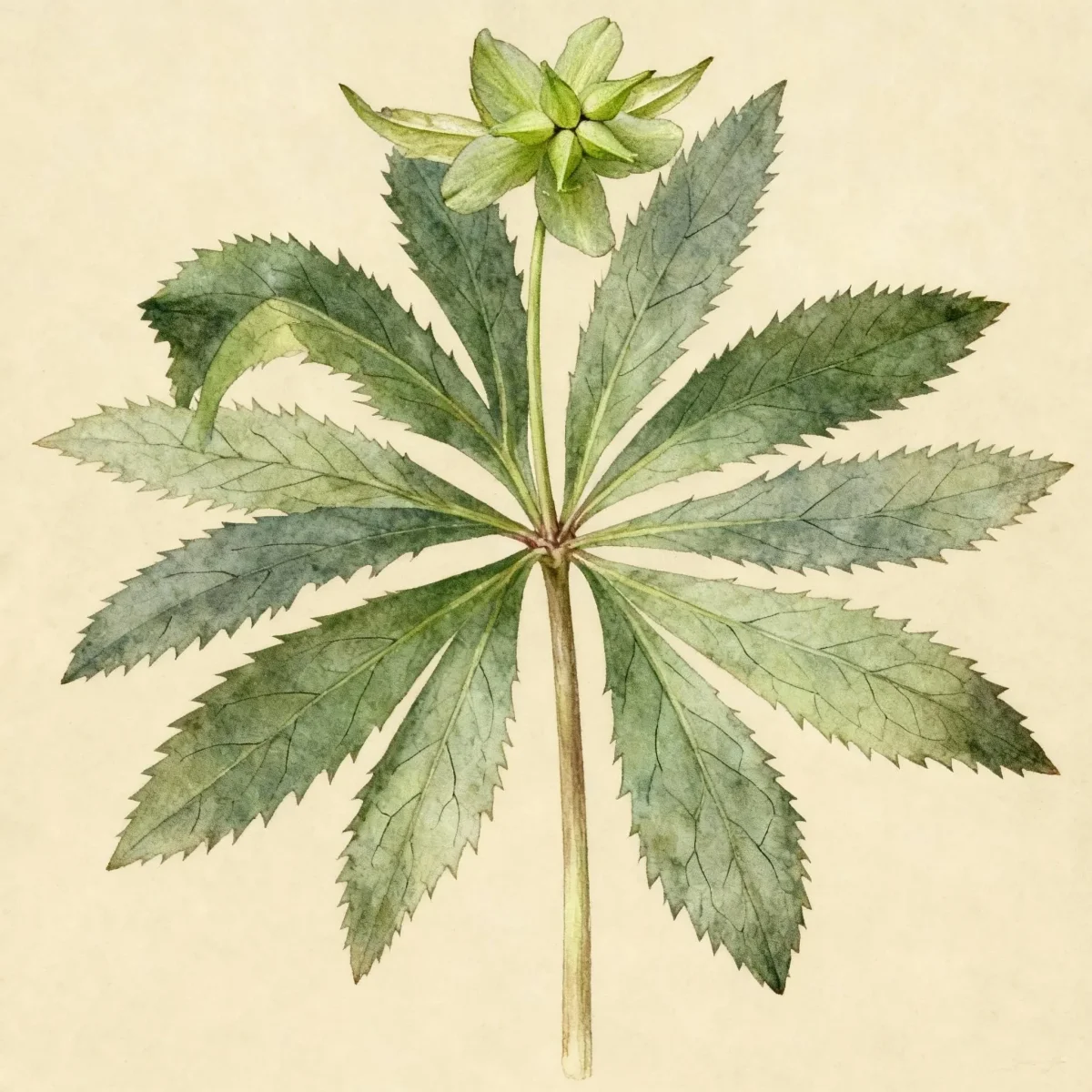
Helleborus odorus, commonly called fragrant hellebore, is a clump-forming often evergreen perennial that is native to open woodlands, woodland margins and grassy areas of southeastern Europe from Romania to northern Italy and northern Greece including the Island of Corfu. It is very similar in appearance to H. Cyclophyllus except for having mostly evergreen leaves in some locations (C. Cyclophyllus is deciduous), slightly larger flowers (usually in excess of 2” across), and usually undivided leaflets. Fragrant hellebore is grown not only for its attractive late winter/early spring flowers but also for its coarse but bold foliage which often remains evergreen.
Tolerances
- Deer
Potential Problems
Helleborus odorus generally resists serious pest and disease issues, contributing to its low maintenance rating. Occasionally, gardeners may encounter issues like crown rot or leaf spot, usually indicating overly wet or poorly draining soil conditions. Slugs and aphids can sometimes appear, though rarely causing significant harm. Ensure excellent drainage to mitigate fungal issues, and use appropriate treatments if pest pressure becomes high.
Frequently Asked Questions
What hardiness zones is Hellebore suitable for?
This Hellebore is recommended for garden use in USDA Zones 6 through 8.
How large does Helleborus odorus grow?
Helleborus odorus typically reaches a mature height between 1 and 2 feet tall, with a similar spread of 1 to 2 feet wide.
What sun exposure does Hellebore need?
The ideal location provides part shade to full shade, mirroring its woodland habitat. Consistent moisture is key if grown in brighter conditions.
When does Helleborus odorus bloom?
This perennial features blooms from February into March, displaying colors ranging from dark green to apple-green to yellow-green.
Conclusion
The fragrant hellebore is a standout choice for gardeners seeking reliable, early-season structure and charm. With its low maintenance needs and appreciation for shade, Helleborus odorus continues to perform long after the initial bloom fades, thanks to its bold foliage. Check your USDA growing zone compatibility now and plan to incorporate this beautiful Hellebore into your early spring landscape design.
Companion Planting
To enhance the woodland aesthetic favored by Helleborus odorus, pair it with other shade-loving, late-winter to early-spring bloomers. Snowdrops (Galanthus) and early Crocus varieties offer contrast with their smaller, lower-growing flowers that carpet the ground beneath the emerging Hellebore foliage. In later spring, hostas, ferns, and bleeding hearts appreciate the same humus-rich, moist soil conditions Helleborus odorus requires, creating a lush, layered display under tree canopies.
Seasonal Care Calendar
Late winter is the critical management time for your Hellebore. Before new growth initiates, perform a light tidy by cutting back any foliage damaged or browned by winter weather. This opens up the plant to sunlight and showcases the emerging flower buds. Avoid heavy fertilization; a spring top-dressing of compost worked gently into the soil surface around the crown is usually sufficient to support the medium water and nutrient demands of this perennial throughout the season.