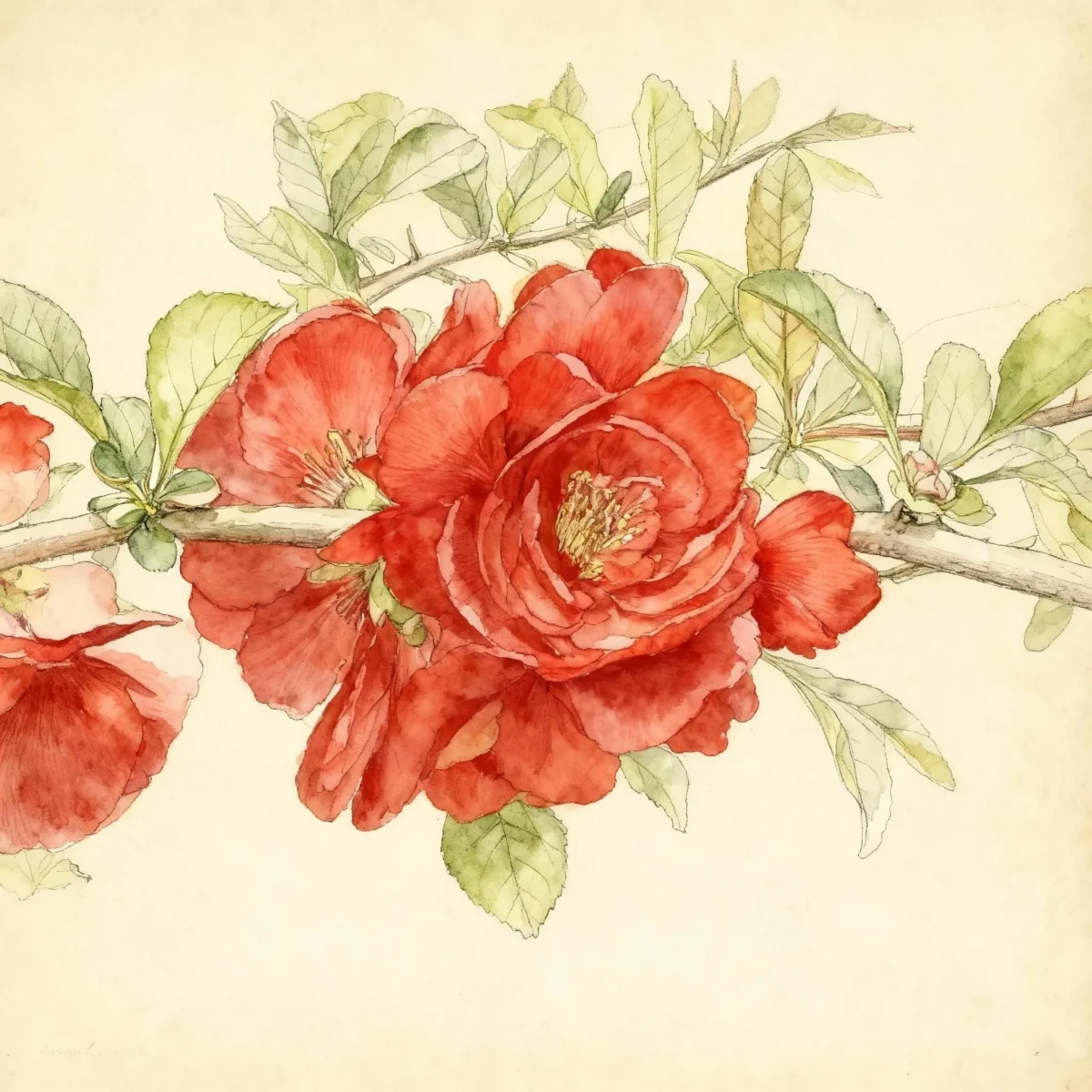
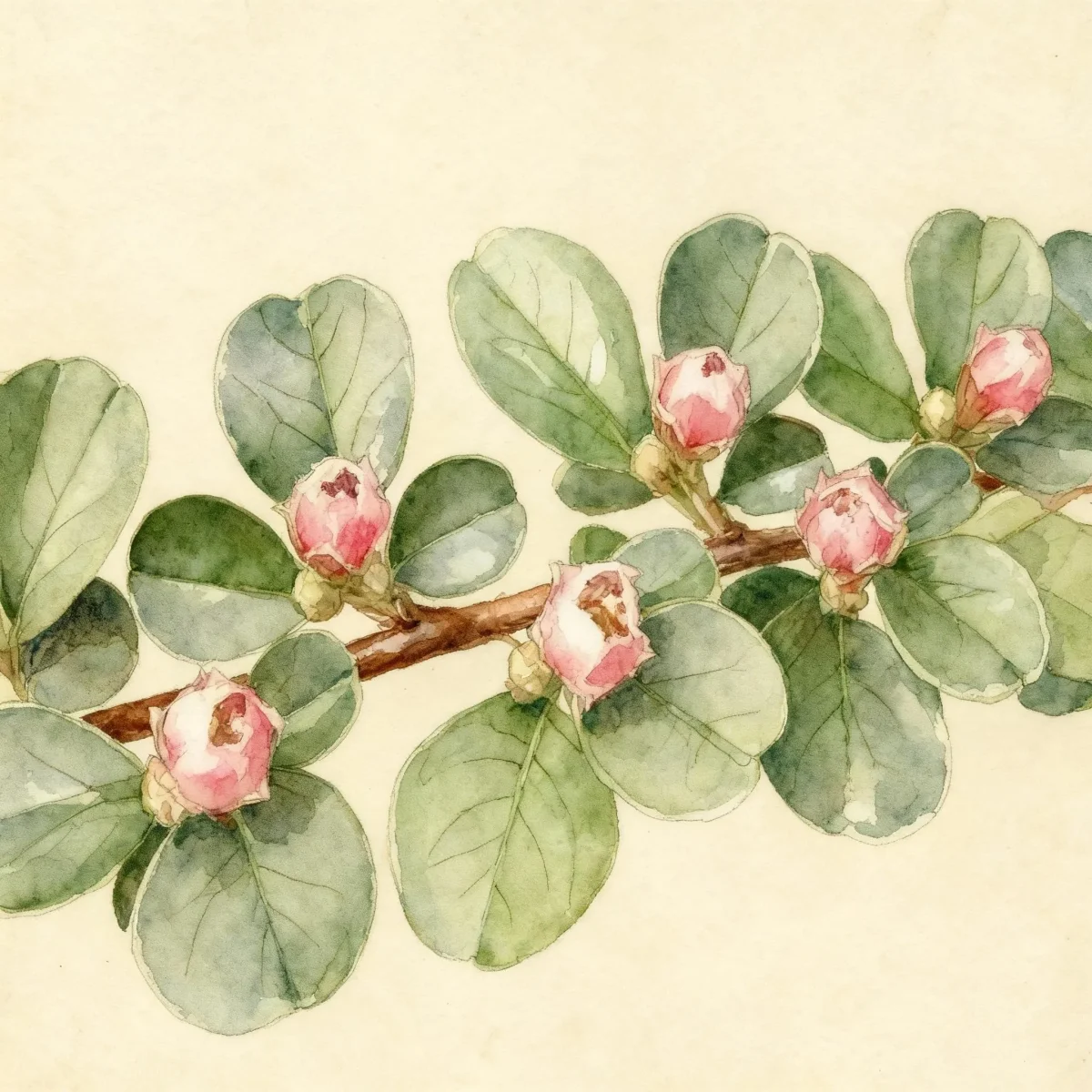
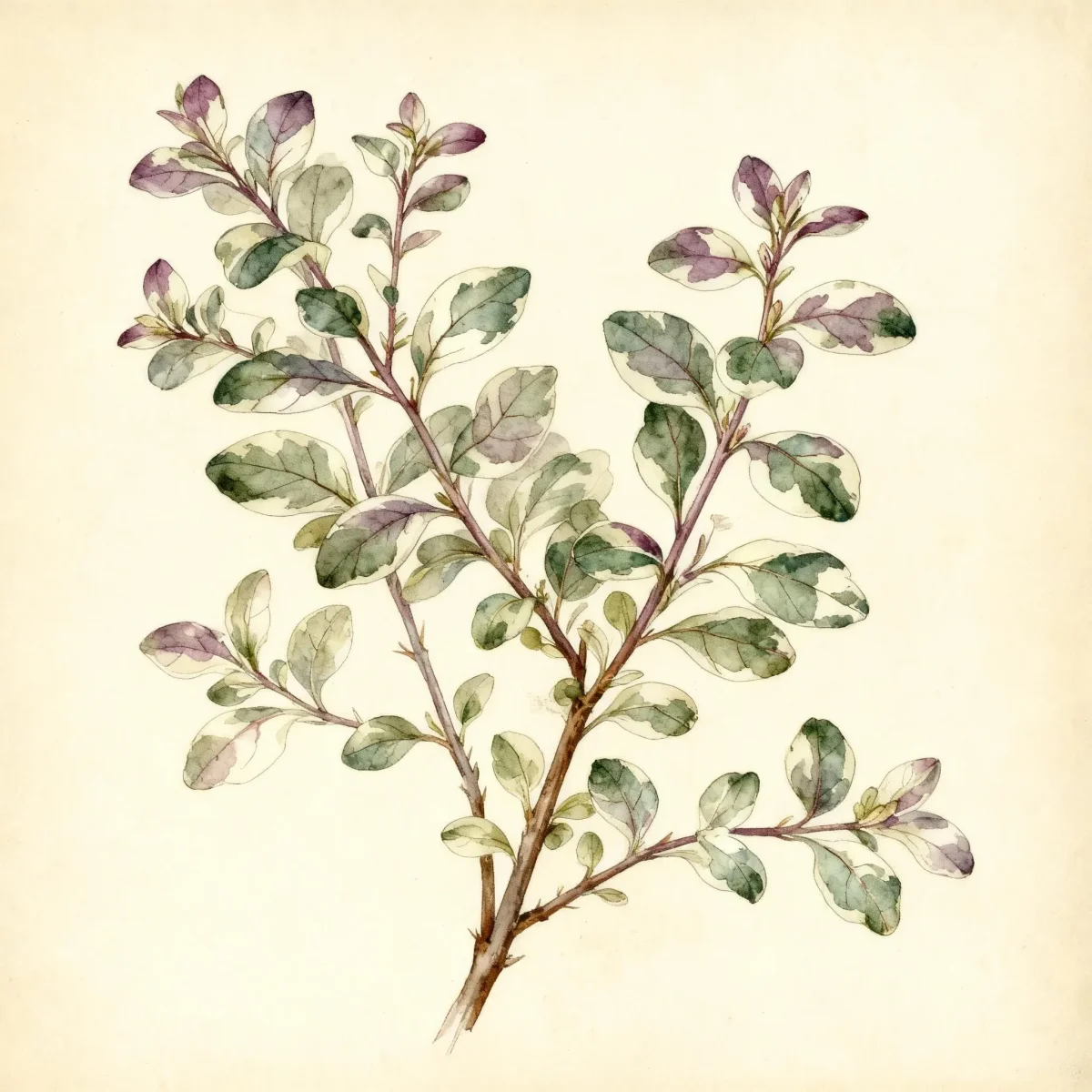
Stern's medlar (Mespilus canescens)
Discover Stern's medlar (Mespilus canescens), a critically endangered Arkansas endemic shrub known for showy white blooms and low maintenance.
Scroll down to discover growing tips, care requirements, companion plants, and more
Complete Plant Information
Overview
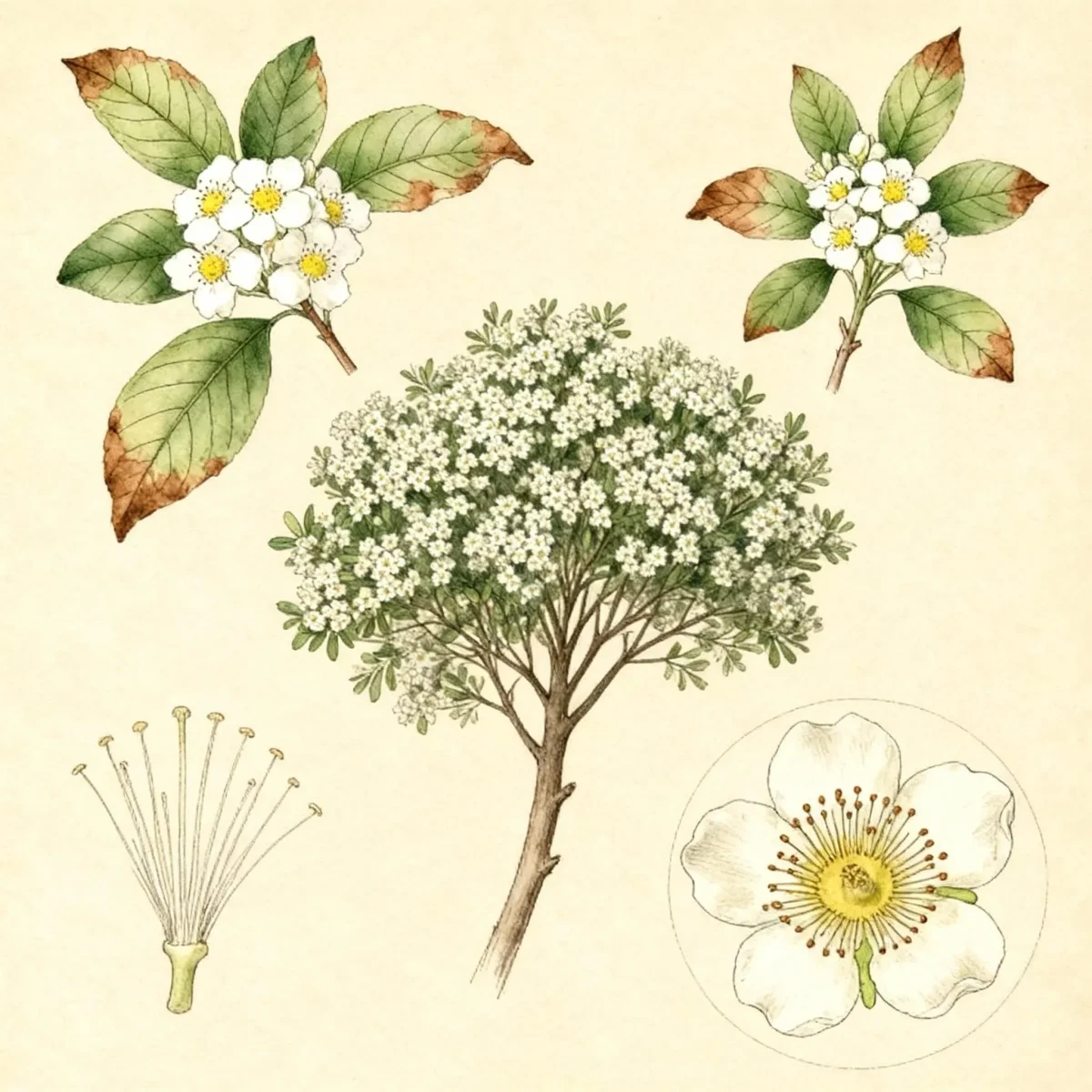
Stern’s medlar, scientifically known as Mespilus canescens, offers unique botanical interest combined with reliable ornamental value. This multi-stemmed deciduous shrub or small tree in the rose family provides beautiful spring color and intriguing fruit structure, making it a distinct addition to specialized gardens. While it is critically endangered in its native range, cultivation helps preserve its genetic lineage.
As a low-maintenance specimen, Mespilus canescens thrives when given the right conditions, generally preferring moist, fertile, well-drained soils. Its manageable size, typically reaching 15 to 20 feet tall, allows it to function well as an accent plant or small specimen tree. Gardeners seeking unusual native North American species will find Stern’s medlar particularly rewarding.
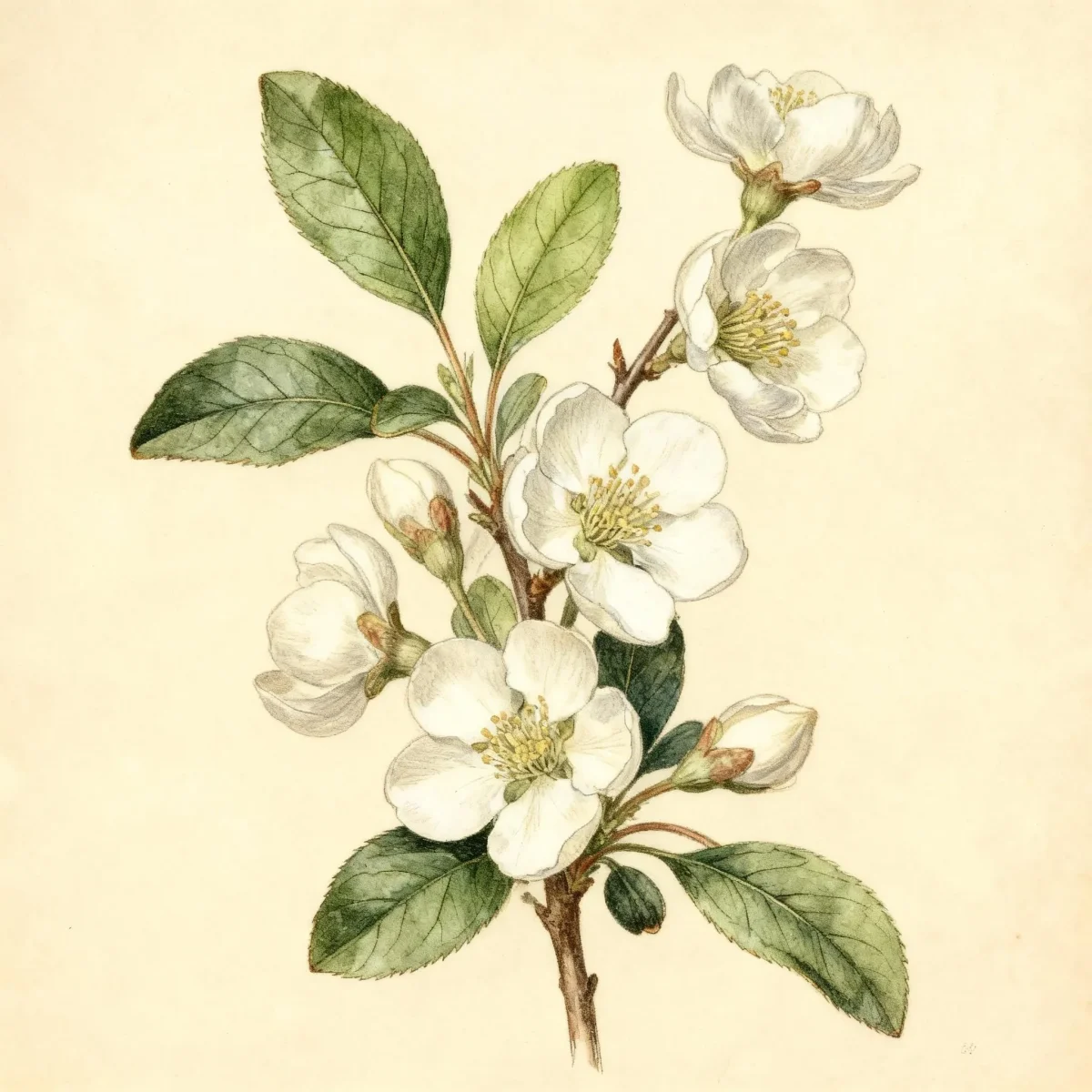
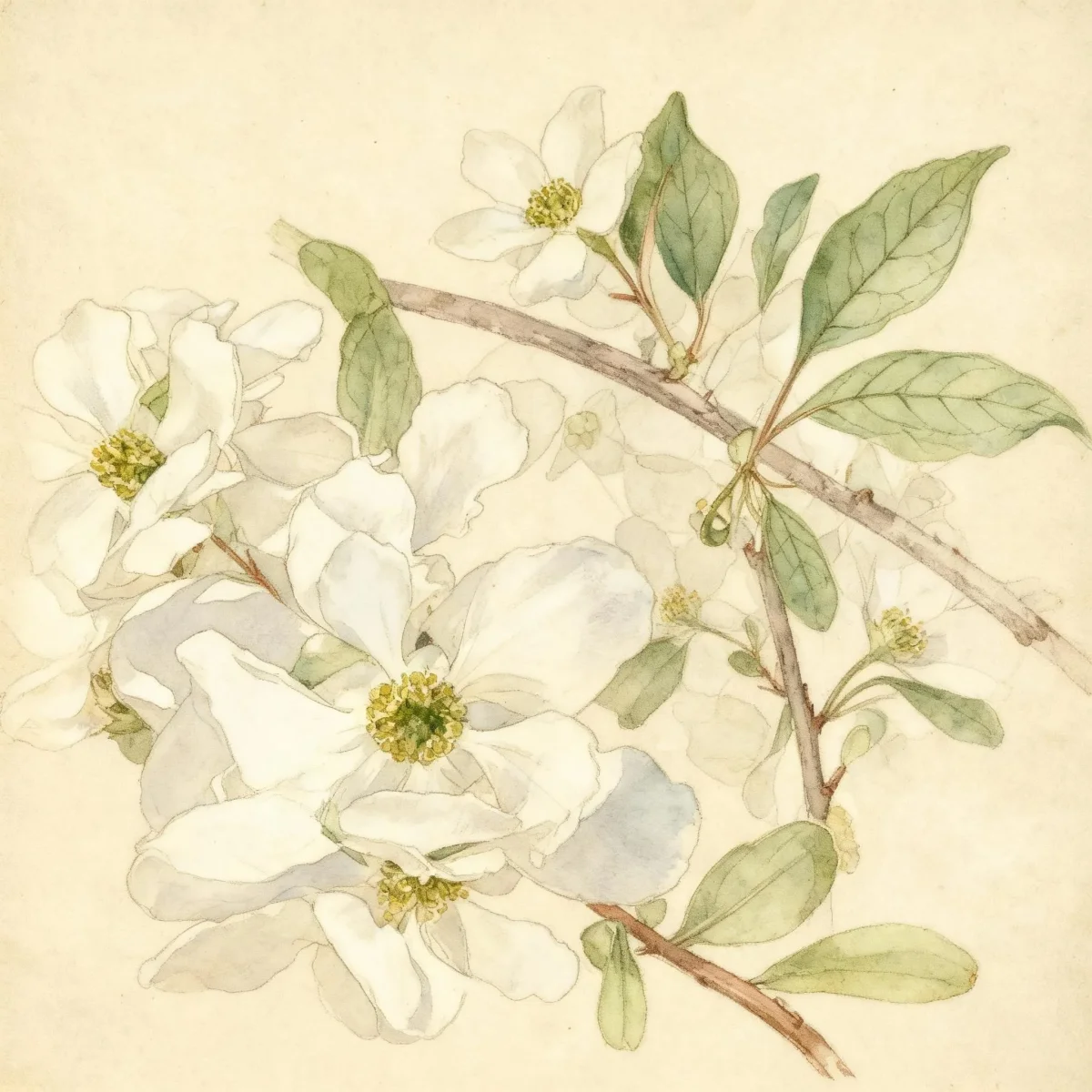
The ornamental appeal of Stern’s medlar is cemented by its showy white flowers appearing in May, followed by glossy red fruits that persist into the cooler months. Understanding the specific needs of this rare Arkansas endemic ensures its successful establishment outside of its limited natural habitat.
Fast Facts
- Plant Family: Rosaceae
- Plant Type: Deciduous shrub
- Native Range: Arkansas
- Hardiness Zones: USDA Zones 6-8
- Size at Maturity:
- Height: 15-20 ft
- Spread: 12-18 ft
- Bloom Time: May
- Bloom Description: White
- Sun Exposure: Full sun to part shade
- Water Needs: Medium
- Maintenance Level: Low
How to Grow
The best time to establish Mespilus canescens is during the dormant season, either in early spring before bud break or late fall after leaf drop, provided the soil is not frozen. Optimal growth occurs in moist, fertile, well-drained loams. Importantly, this Arkansas native reportedly performs well even in gritty or sandy soils, though consistent moisture is key.
Establish the plant in a location receiving full sun to light shade. Due to its structural needs and potential vulnerability as a rare species, site Mespilus canescens in areas naturally protected from harsh, strong winds, which could damage branches. Water moderately upon planting and maintain medium moisture levels throughout the first few growing seasons until the root system is well-established.
This species is noted for its low maintenance requirements once established. Minimal fertilization is generally necessary if the soil is reasonably fertile. Pruning should be light, focusing only on removing dead, crossing, or damaged wood to maintain its natural multi-stemmed form.
Landscape Uses
Although Stern’s medlar is highly valued as an attractive flowering shrub or small tree capable of anchoring a landscape design, gardeners should note that it is an endangered species difficult to obtain commercially. Where available, it excels as a singular specimen where its structure and seasonal interest can be fully appreciated up close. It is well-suited for use in the intermediate layer of a woodland garden or as a striking focal point in a mixed border.
When considering plantings around Mespilus canescens, select companions that share its preference for moist, well-drained conditions and partial sun. Given its Rosaceae family connections, avoid planting it near other species highly susceptible to fire blight, although the plant itself reports no serious disease problems. The contrast between its white spring blooms and later red fruits works well against evergreen backdrops.
Standout Features
Flower Qualities
- Showy
Fruit Qualities
- Showy
Noteworthy Characteristics
Mespilus canescens, commonly known as Stern’s medlar, is a multi-stemmed deciduous shrub or small tree in the rose family that typically grows to 15-20’ tall. This is a critically endangered endemic species that is only known to grow in a single 22 acre site in the Grand Prairie region of eastern Arkansas where about 25 trees/shrubs are present, though research and propagation efforts continue at institutions like the Missouri Botanical Garden. Showy 5-petaled white flowers appear in May, followed by spherical, deep glossy red fruits that are reportedly edible when bletted. Genetic research suggests this plant may be a hybrid between European medlar and an unknown North American Hawthorn, leading to ongoing taxonomic debate regarding its proper genus designation.
Tolerances
No specific tolerances were listed in the provided data, though cultural requirements suggest avoidance of drying or extremely poor soils.
Potential Problems
A significant benefit of cultivating Stern’s medlar is its reported resistance to major horticultural issues; specifically, Mespilus canescens exhibits no serious insect or disease problems. This low-management profile means gardeners rarely need to apply pesticides or fungicides. Continue monitoring for standard issues that affect related Rosaceae members, such as fungal spots or early blight, but generally, its maintenance level remains low.
Frequently Asked Questions
What hardiness zones is Stern’s medlar suitable for?
Mespilus canescens is suitable for USDA Hardiness Zones 6 through 8.
How large does Stern’s medlar grow?
This deciduous shrub typically reaches a mature height between 15 and 20 feet, with a spread ranging from 12 to 18 feet wide.
When does Stern’s medlar bloom?
You can expect the showy white flowers of Stern’s medlar to appear during the month of May.
What sun exposure does Mespilus canescens need?
This species performs best when sited in locations receiving full sun to partial shade.
Conclusion
The unique ecological importance and striking aesthetics of Mespilus canescens make it a valuable candidate for specialized collections and conservation-minded gardens. If you can source this rare species, remember that Stern’s medlar excels in well-drained, fertile soil and requires protection from strong winds to thrive. Before planting, confirm your USDA hardiness zone aligns with zones 6-8 for successful establishment.
Wildlife Benefits
Stern’s medlar provides valuable late-season interest through its fruit production. The small, colorful pomes mature to a deep glossy red, offering a food source for birds and other local wildlife once the fruits have ripened or bletted. Early blooming species like this one also contribute to the overall nectar supply in May, supporting early emerging pollinators before the peak summer flush of flowers.
Design Ideas
Due to its status and unusual form, Mespilus canescens functions exceptionally well as a focal specimen plant, especially in contemporary or native-focused garden designs. Its naturally multi-stemmed habit provides excellent winter structure, meaning it contributes visual interest even when deciduous. Consider grouping it near an area of pedestrian traffic or near windows where the delicate white flowers in May can be easily observed.