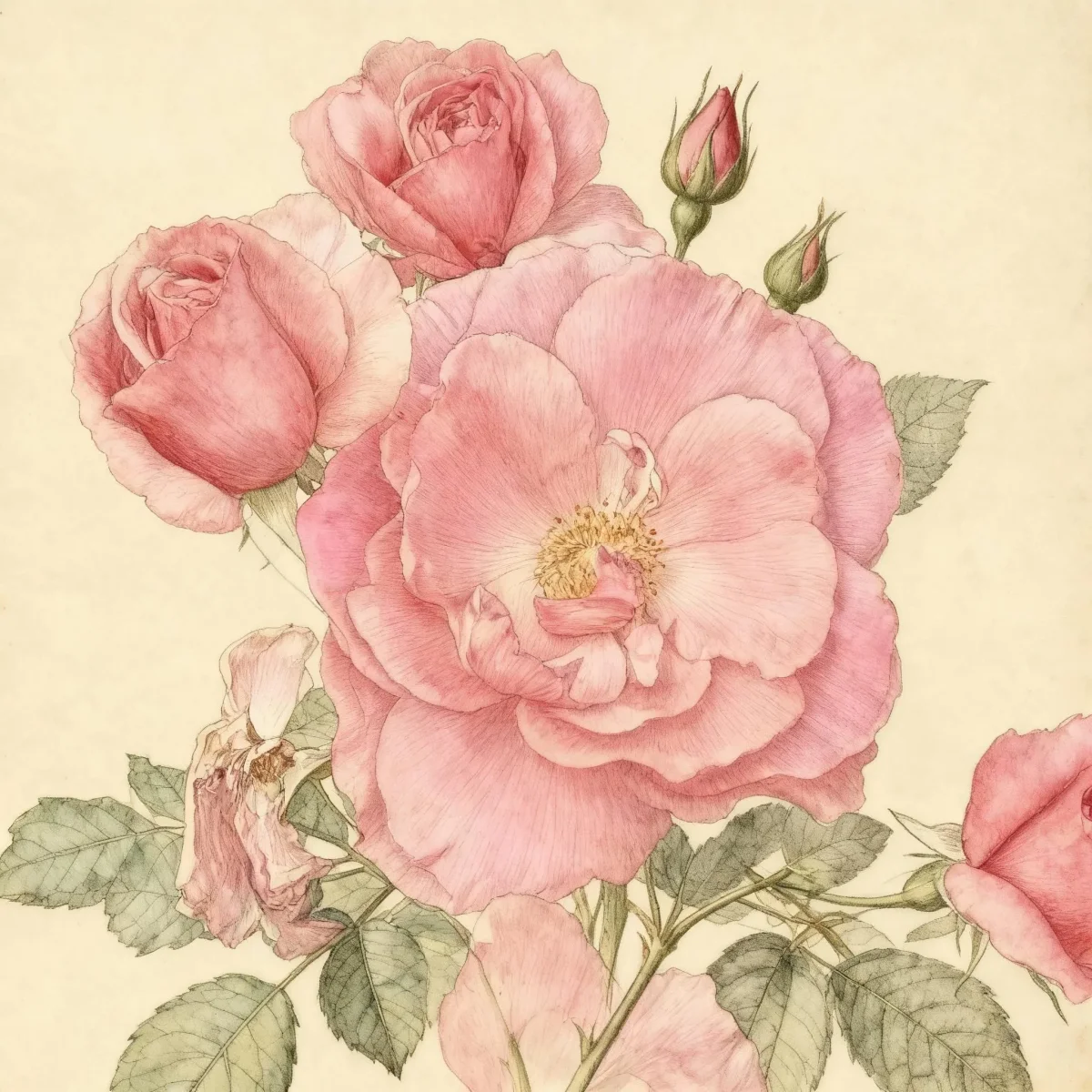
Raspberry (Rubus biflorus)
Discover Rubus biflorus, the Raspberry, valued for striking chalky white winter stems and edible spring fruit.
Scroll down to discover growing tips, care requirements, companion plants, and more
Complete Plant Information
Overview
Rubus biflorus, commonly known as Raspberry or Two-flowered raspberry, is a highly ornamental deciduous shrub celebrated for its structure outside the growing season. What sets this Himalayan native apart is the chalky white, waxy coating found on the first-year canes, providing excellent visual interest against winter landscapes. Gardeners value its dual appeal: attractive flowering in spring followed by edible yellow fruits, coupled with its excellent structural form year-round.
This upright, somewhat climbing shrub typically reaches heights between 3 to 6 feet, though it can stretch taller if left unsupported and unpruned. While it produces berries that are commonly referred to as raspberries, its primary ornamental draw is often the striking white stems that contrast beautifully with evergreen plantings or dark barked shrubs like certain Dogwoods and Willows.
Proper cultural management ensures both vibrant foliage and the desired structural elements of Rubus biflorus. As a medium-maintenance shrub, understanding its specialized pruning needs is key to maximizing either its flowering/fruiting performance or its exceptional winter stem color.
Fast Facts
- Plant Family: Rosaceae
- Plant Type: Deciduous shrub
- Native Range: Himalayas
- Hardiness Zones: USDA Zones 5-9
- Size at Maturity:
- Height: 3-6 ft
- Spread: 3-6 ft
- Bloom Time: May
- Bloom Description: White
- Sun Exposure: Full sun
- Water Needs: Medium
- Maintenance Level: Medium
How to Grow
Plant Rubus biflorus in average, medium moisture, well-drained soil. It thrives best when situated in a location that receives full sun throughout the day, which promotes the best flowering and fruit production, though some afternoon shade in very hot climates can prevent stress. Planting is best done during the cooler months of fall or early spring to allow the root system to establish itself without the stress of intense summer heat.
Water needs are medium; ensure consistent moisture, especially during dry spells, replicating the conditions of its native Himalayan environment. Fertilizing is generally not required if soil conditions are adequate, but a balanced slow-release fertilizer applied in early spring can support vigorous growth. Consistent pruning is crucial, as the optimal strategy dictates what features you wish to maximize.
If the focus is on maximizing the fragrant white flowers and subsequent yellow edible fruits (raspberries), prune immediately after flowering or fruiting concludes. Conversely, if the striking chalky white winter stems are the main aesthetic goal, prune these canes during late winter. Be aware that heavy winter pruning to ground level will eliminate that season’s flowers and fruits.
Seasonal care centers on managing aggressive suckering, which is typical for the genus. Thin out old or crowded canes annually and remove suckers that spread beyond your desired planting area to maintain an open structure that showcases the distinctive white stems.
Landscape Uses
The unique structure of Rubus biflorus makes it an excellent choice for year-round interest. Its chalky white stems offer a visual anchor in the winter garden, matching the ornamental appeal of red-twig Dogwoods or colorful Willow stems. This quality makes it highly attractive when placed in front of dark green evergreens, allowing the white to truly pop.
While it produces edible raspberries, its use often leans more toward structural screening and mixed shrub borders where the cane color can be highlighted. Consider planting Rubus biflorus in naturalized areas where its spreading habit is less of a concern, or use it in mass plantings to create a memorable white beacon during resting seasons. Its medium height works well as a transitional layer between low groundcovers and tall background specimens.
Standout Features
Flower Qualities
- Showy
- Fragrant
Fruit Qualities
- Showy
- Edible
Noteworthy Characteristics
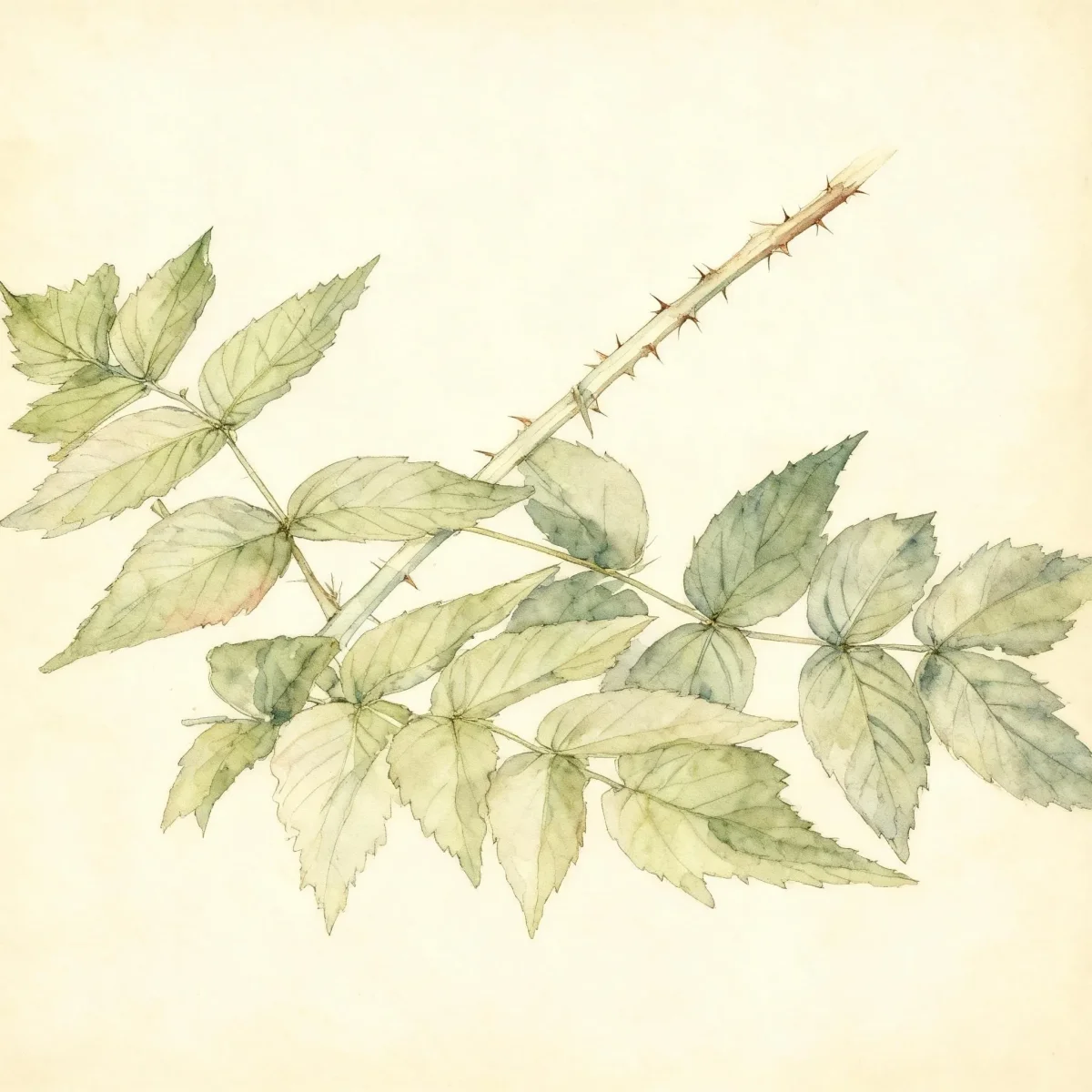
Rubus biflorus is an upright, somewhat climbing, deciduous shrub with cane-like stems which typically grows 3-6’ tall (to 12’ if given support and not pruned). First year canes are covered with a chalky white waxy coating which is quite striking in winter after the foliage has dropped, and this shrub is usually ornamentally grown for this purpose. Fragrant, white, 3/4” wide flowers appear in small clusters of 5-8 at the stem ends in spring. Flowers give way to yellow, 3/4” diameter fruits (raspberries) which are edible. Compound dark green leaves (3-5 leaflets each) are 5-8” long and white beneath.
Tolerances
This plant does not list specific environmental tolerances in the provided data.
Potential Problems
This Raspberry variety rarely suffers from serious insect or disease problems, making it a relatively robust garden specimen. The primary management concern is its aggressive, suckering habit. These shoots can quickly colonize adjacent areas if not monitored.
To control the spread, gardeners should regularly inspect the base of the plant throughout the growing season. Remove unwanted suckers by cutting them off cleanly at the soil line using sharp pruners or loppers. This consistent diligence prevents the shrub from becoming overly dense or invasive in the border.
Frequently Asked Questions
What hardiness zones is Raspberry suitable for?
Rubus biflorus is suitable for USDA Hardiness Zones 5 through 9.
How large does Rubus biflorus grow?
This shrub typically reaches a height of 3 to 6 feet with a similar spread of 3 to 6 feet, although it may reach up to 12 feet if allowed to climb without pruning.
When does Raspberry bloom?
Flowers appear in May and are described as white, offering a showy and fragrant display before the edible fruits develop.
What sun exposure does Rubus biflorus need?
The ideal requirement for this plant is full sun exposure for optimal development and flowering.
Conclusion
The unique combination of edible fruit and highly ornamental chalky white winter stems ensures that Rubus biflorus earns its place in the landscape. This resilient Raspberry offers significant visual value when its specific pruning needs are met each season. Confirm your garden location falls within USDA Zones 5-9, and plan your pruning schedule now to prioritize either stem color or fruit production for the coming year.
Companion Planting
When selecting companions for Rubus biflorus, focus on plants that complement its full sun exposure and average moisture needs. Dark-leaved shrubs or perennials provide excellent contrast against the white canes in winter. Consider partnering it with dark-leaved Japanese Maples (Acer palmatum cultivars) or deep purple Sedums that offer different bloom times and textural contrasts in summer.
Because the Raspberry spreads via suckers, provide visual boundaries between it and finer textured groundcovers. Planting stiffer, upright evergreens like columnar Junipers or structured Boxwoods nearby can help frame the Rubus biflorus and naturally define its space, reducing the perceived need to constantly suppress suckers everywhere else.
Seasonal Care Calendar
Early spring is the vital time to address pruning for the Rubus biflorus you wish to grow. Decide whether stem color (late winter pruning) or fruit set (pruning after May bloom) is the priority, and execute the removal of old canes accordingly. This shrub enjoys consistent medium moisture, so monitor spring rains closely and initiate irrigation if the soil begins to feel dry.
Summer demands vigilance against suckering, especially if the shrub is planted in a formal border setting. While the leaves—dark green above and white beneath—are attractive, ensure adequate air circulation by lightly thinning overcrowded areas. If you are focused on the edible yellow raspberries, ensure consistent water intake during fruit fill to maximize berry size.
As autumn arrives, enjoy the structure beginning to emerge as the foliage drops, revealing the signature white coating on the young wood. Minimal intervention is needed other than observing where suckers are emerging outside the desired footprint. Winter is the time to appreciate the outstanding structural interest this specific Raspberry provides.