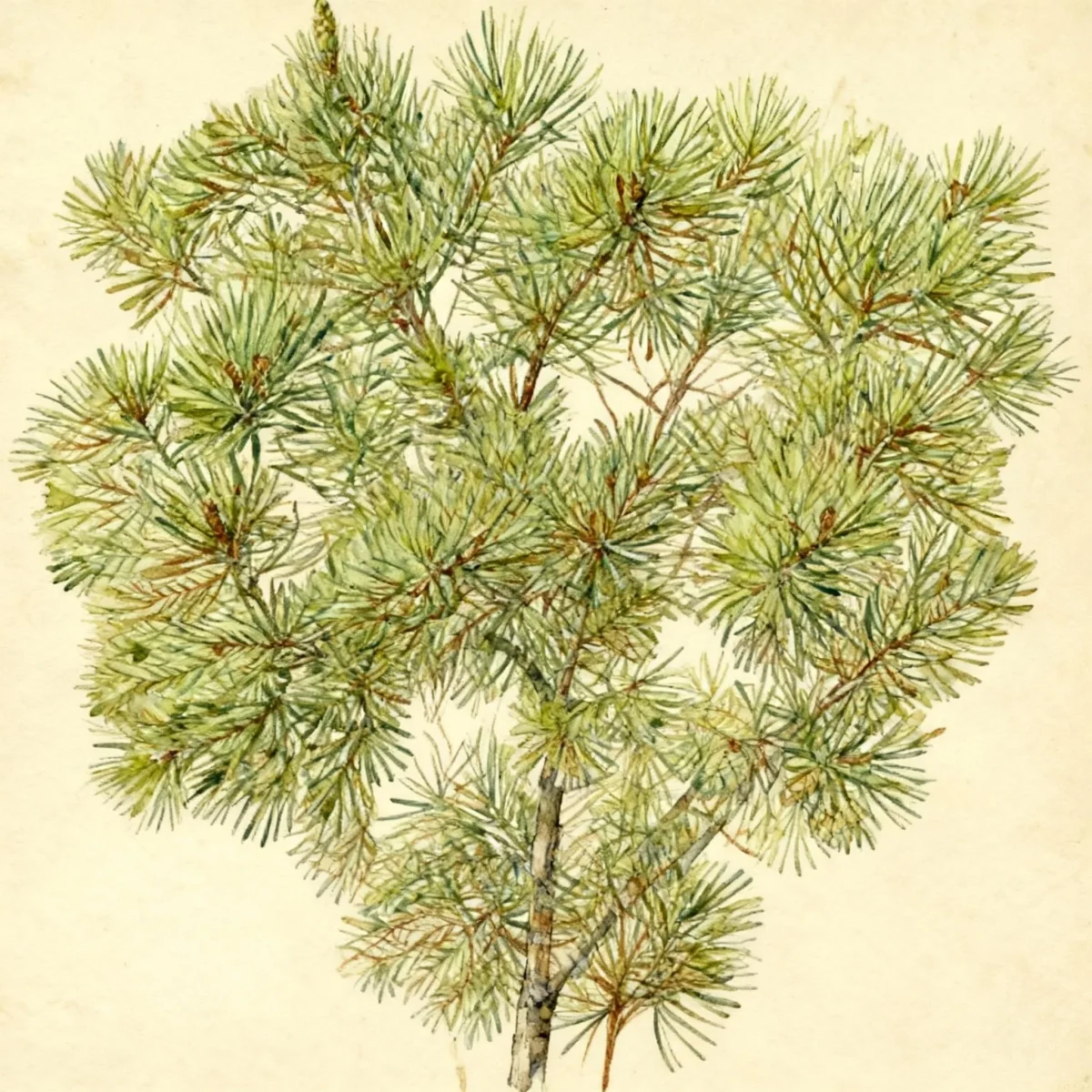
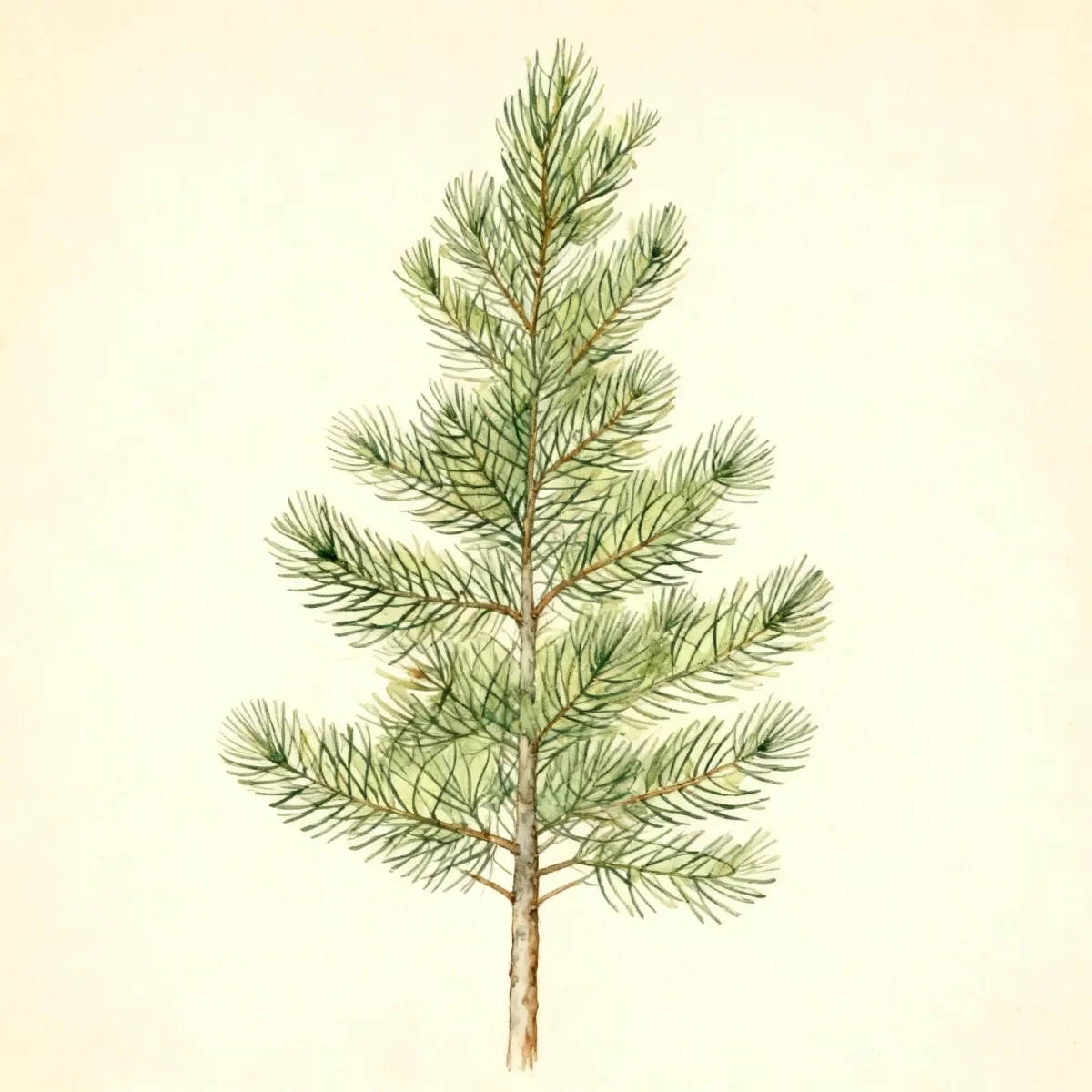
Luiang spruce (Picea likiangensis)
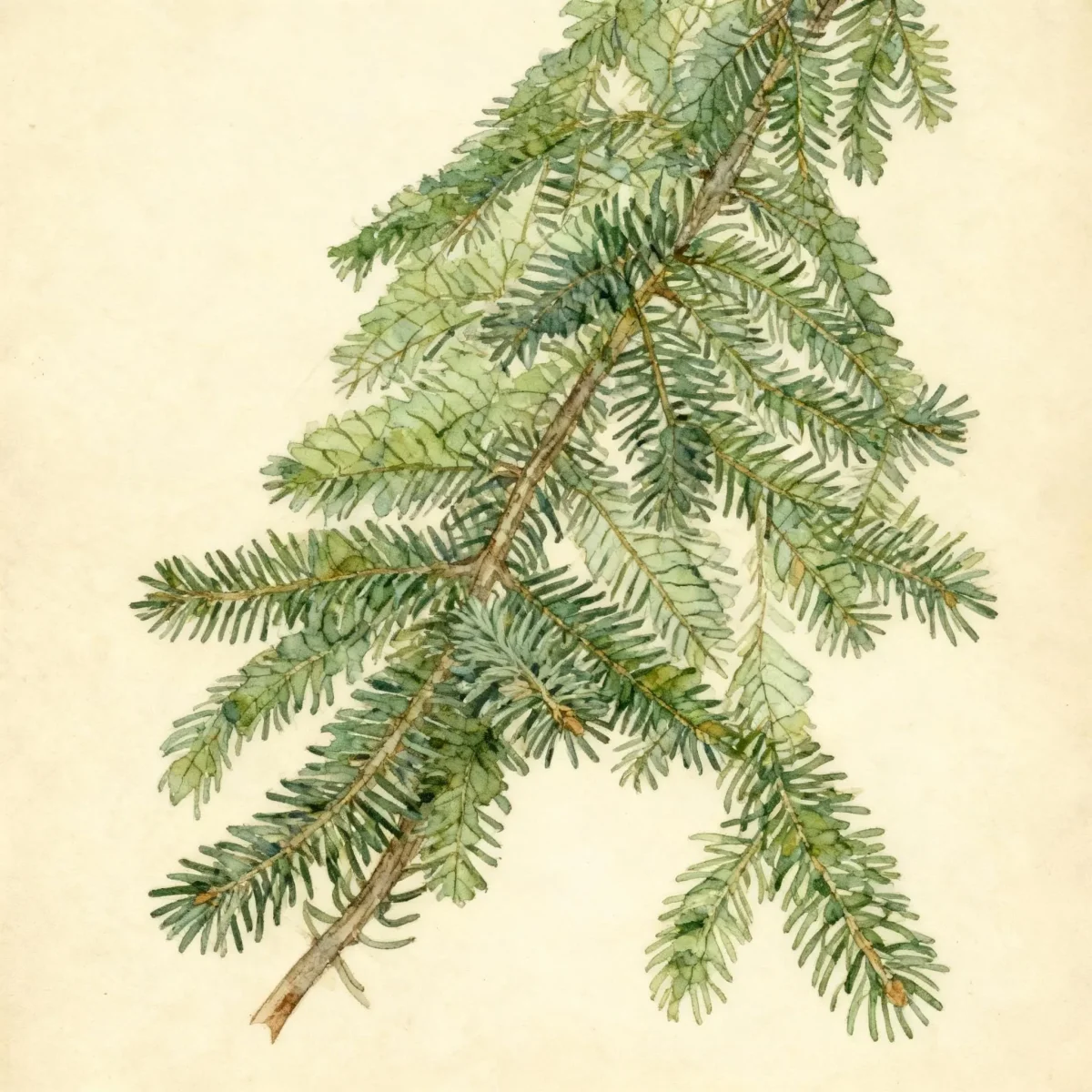
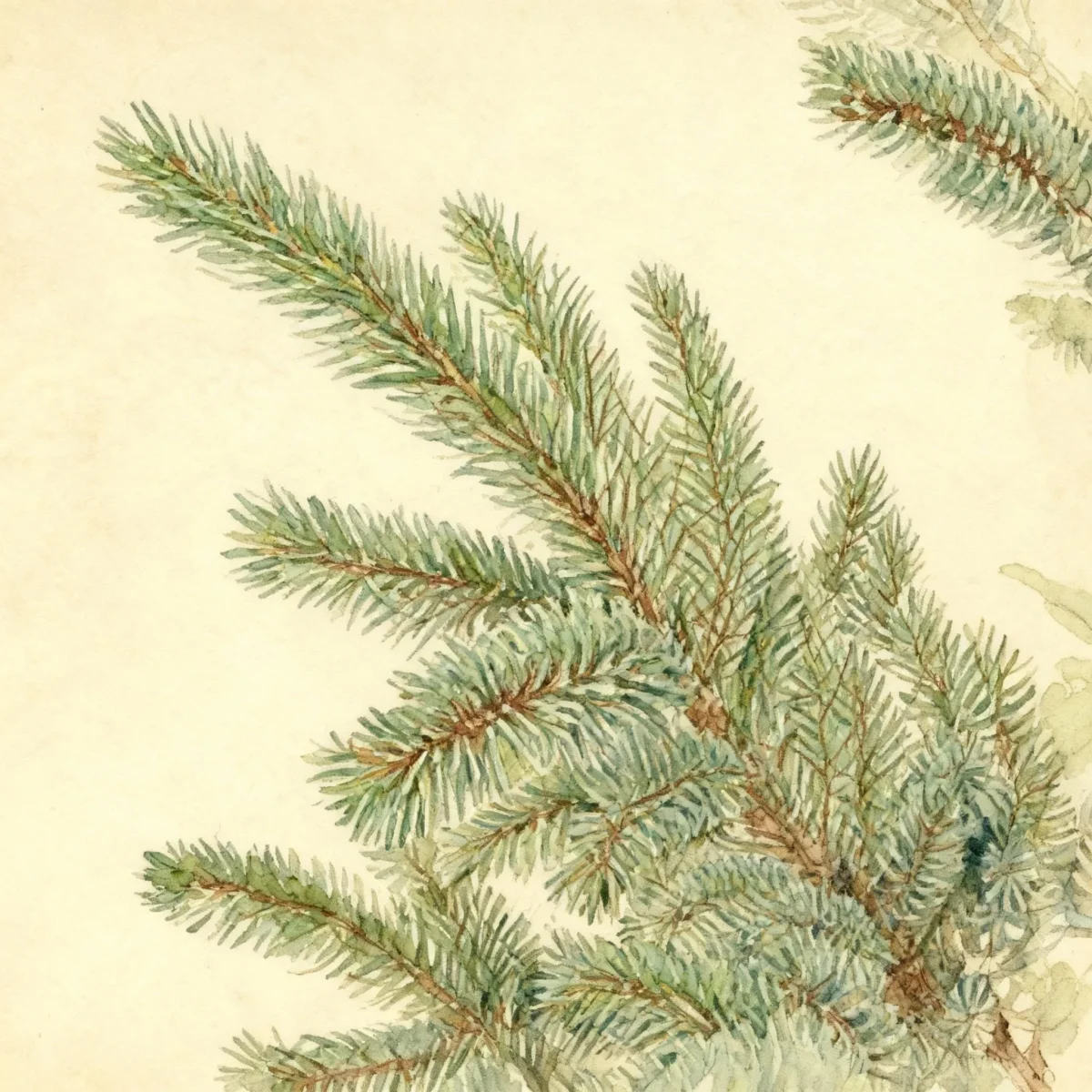
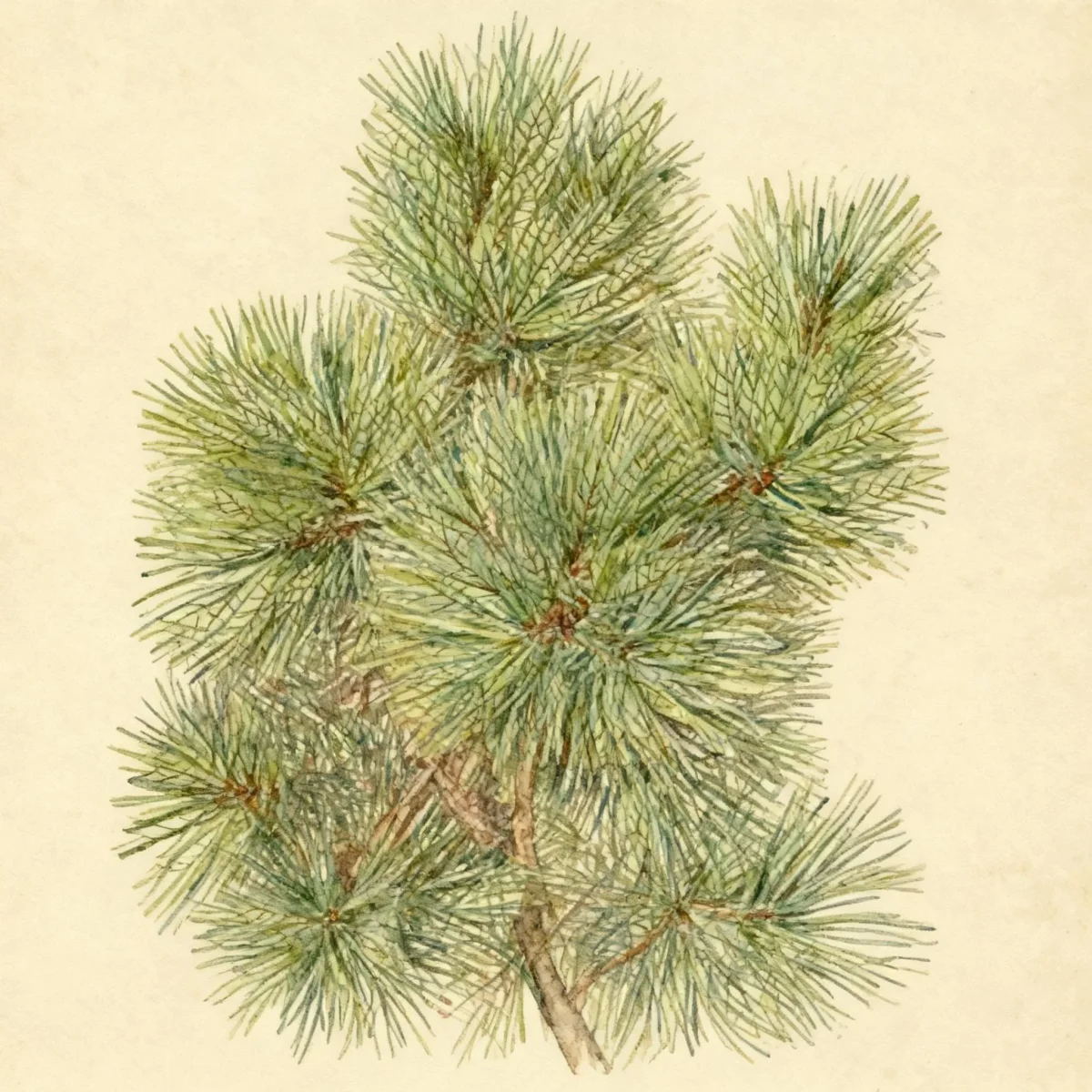
The majestic Luiang spruce (Picea likiangensis) is a large needled evergreen offering dark green to bluish green foliage and noteworthy cones.
Scroll down to discover growing tips, care requirements, companion plants, and more
Complete Plant Information
Overview
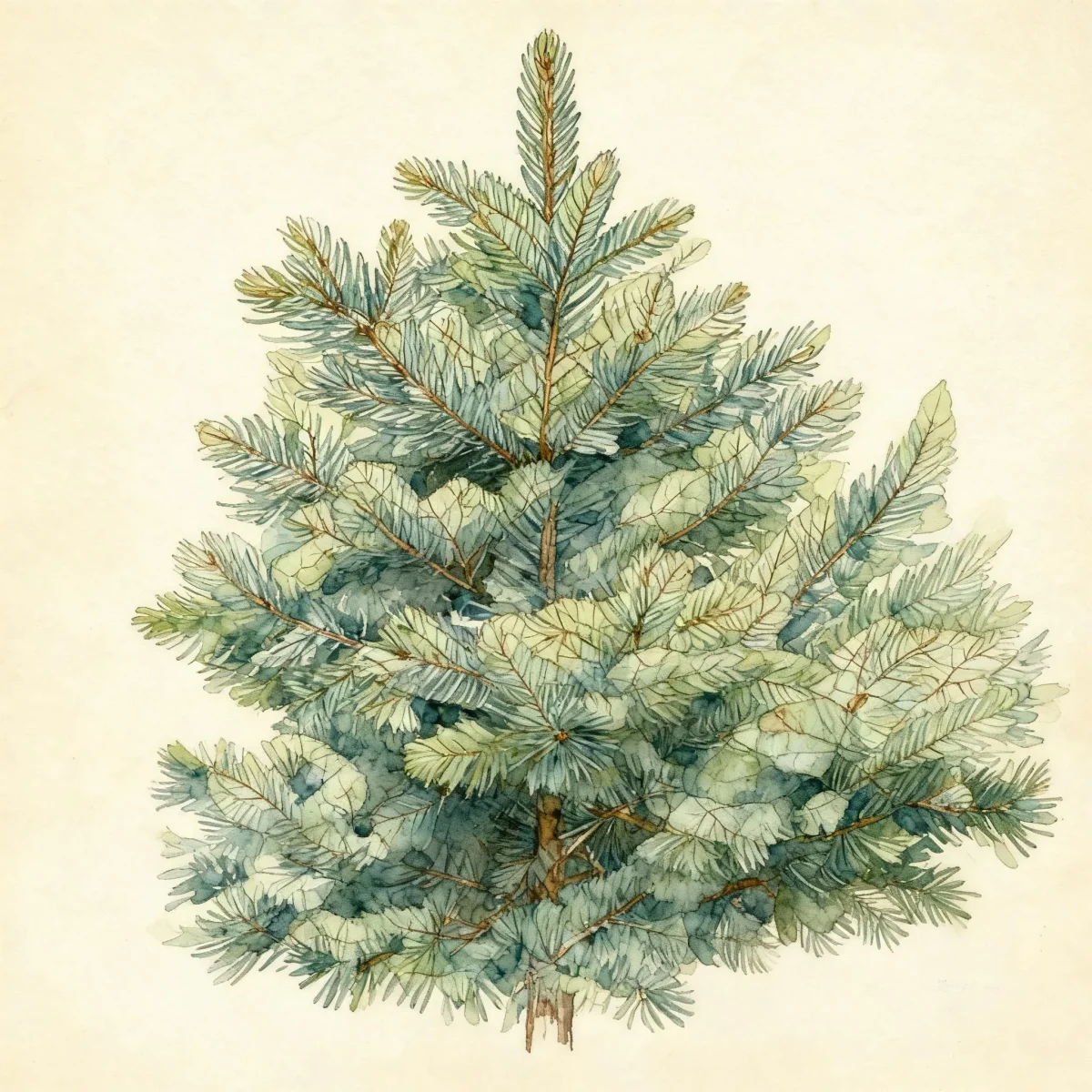
The Luiang spruce, scientifically known as Picea likiangensis, is a striking coniferous evergreen tree perfect for large landscapes where height and structure are desired. Native to the mountain woods of Southwest China and Bhutan, this species commands attention with its impressive stature and classic, broad conical form. Gardeners value this tree (Picea likiangensis) for its year-round visual interest provided by its dark green to bluish green needles.
This is truly a tree built for the long haul, often reaching heights between 60 and 90 feet. Its cultural requirements are straightforward, thriving best in cool summers and preferring average, well-drained soils. While it does produce cones, the primary appeal of the Luiang spruce lies in its impressive evergreen presence and low maintenance needs once established.
For those with ample space, the Luiang spruce offers significant vertical accenting capability. Understanding its need for room is key to successful integration into the landscape, ensuring this magnificent species can display its mature characteristics without constraint.
Fast Facts
- Plant Family: Pinaceae
- Plant Type: Needled evergreen
- Native Range: Southwest China, Bhutan
- Hardiness Zones: USDA Zones 4-7
- Size at Maturity:
- Height: 60-90 ft
- Spread: 25-40 ft
- Bloom Time: Non-flowering
- Bloom Description: Non-flowering
- Sun Exposure: Full sun to part shade
- Water Needs: Medium
- Maintenance Level: Low
How to Grow
Planting the Luiang spruce is best done in the spring or fall, provided the soil is workable, though spring establishment is often preferred. Select a final location carefully, as this is a species that requires significant headroom; ensure the planting site offers full sun exposure, though light afternoon shade is tolerated, particularly in hotter climates. Picea likiangensis absolutely requires well-drained soil; soggy conditions can quickly lead to root health issues, counteracting its general low maintenance level.
Watering newly planted specimens should be consistent to establish the root system, aiming for medium moisture levels. Once mature, the Luiang spruce is relatively drought-tolerant but appreciates supplemental water during extended hot, dry periods, especially since it prefers cooler summers. Fertilizing is usually unnecessary unless the soil is extremely poor; a balanced, slow-release evergreen fertilizer can be applied in early spring if growth appears stunted.
Pruning is rarely required for this species, as it naturally develops a desirable conical shape. If pruning is necessary, it should be done lightly in early spring before new growth begins, focusing only on removing damaged or crossing limbs. Be mindful of the environment; Picea likiangensis struggles in hot and humid summers, so site selection based on microclimate is an essential cultural consideration.
Landscape Uses
The sheer scale of the Luiang spruce dictates that it must be placed thoughtfully within the landscape design. It functions exceptionally well as a specimen tree intended to anchor a large garden, park, or estate boundary. Due to its mature height and spread, avoid placing this magnificent conifer too close to structures, utility lines, or narrower pathways where its imposing presence could cause future conflicts.
Because of its formal, conical habit, the Luiang spruce provides excellent vertical contrast against lower-growing shrubs or rolling topography in expansive plantings, such as those found on golf courses or institutional grounds. It serves effectively as a backdrop element, allowing brighter or smaller ornamental plants to take foreground focus. Think of it as a permanent, towering green screen that provides year-round texture.
Companion planting should focus on species that share its preference for medium moisture and well-drained soil, as well as those that can tolerate the filtered light cast by the tall canopy of the Luiang spruce (Picea likiangensis). Consider pairing it with robust understory shrubs that thrive in partial shade once the tree is fully established.
Standout Features
Flower Qualities
- Insignificant
Fruit Qualities
- Showy
Noteworthy Characteristics
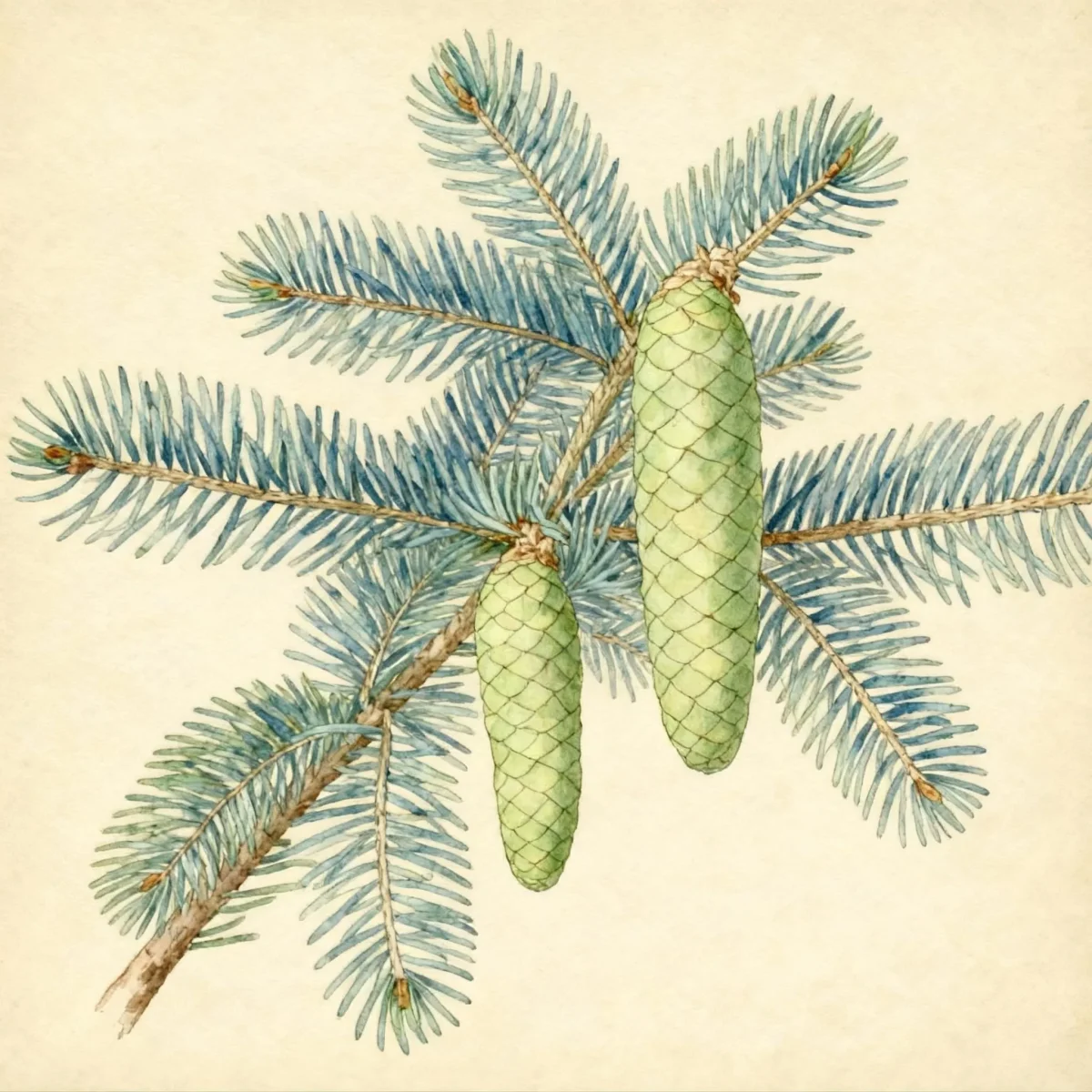
Picea likiangensis is a coniferous, evergreen tree that is native to mountain woods in China. It grows to 90’ tall with a broad, conical form and features dark green to bluish green foliage and scaly, pale gray bark which fissures with age. Pendant, 3-5” cones are initially purple but mature to a pale brown. The genus name is reportedly derived from the Latin word pix meaning “pitch” in reference to the sticky resin typically found in spruce bark, while the specific epithet means of the Lichiang (Lijiang) range in Yunnan, Western China.
Tolerances
- Deer
Potential Problems
Spruces are generally susceptible to a number of insect and disease problems, including but not limited to aphids, bagworms, spider mites, and pine needle scale. Regularly inspecting the needles and branch junctions for early signs of infestation is crucial for keeping the Luiang spruce healthy. For pests like needle cast or scale, chemical controls or horticultural oils may be necessary, applied according to label directions, often timed with the insect life cycle or when new growth hardens off.
Ensuring excellent air circulation, achieved by proper initial spacing, helps mitigate fungal issues like needle blight. If you observe thinning foliage or discoloration, confirm that the growing site is not experiencing conditions too hot or humid, as stress makes Picea likiangensis more vulnerable to secondary invaders.
Frequently Asked Questions
What hardiness zones is Luiang spruce suitable for?
The Luiang spruce is reliably hardy in USDA Zones 4 through 7, making it suitable for a wide range of temperate climates.
How large does Picea likiangensis grow?
At maturity, Picea likiangensis typically reaches an impressive height between 60 and 90 feet, with a considerable spread ranging from 25 to 40 feet wide.
What sun exposure does Luiang spruce need?
This conifer performs best when provided with full sun, but it is adaptable enough to tolerate partial shade conditions.
When does Picea likiangensis bloom?
The Luiang spruce is non-flowering in the traditional sense, as it is a gymnosperm producing cones rather than true flowers.
Conclusion
The Luiang spruce provides an invaluable, long-term structural element to expansive properties, characterized by its stately height and deep green, year-round interest. Integrating Picea likiangensis requires planning due to its eventual massive size, but the resulting low-maintenance screening and natural beauty are excellent rewards. Before planting, confirm that your site provides the necessary cool summer climate and excellent drainage suitable for the Luiang spruce.
Companion Planting
When selecting companion plants for the Luiang spruce, prioritize those that thrive under similar moderate moisture conditions and can handle the slight afternoon shade cast by the tree’s substantial canopy. Groundcovers like Pachysandra or low-growing Vinca minor are excellent choices for creating a weed-suppressing mat beneath the tree, requiring minimal maintenance once established. For texture variation within the landscape border, consider broadleaf evergreens with different foliage colors, such as Japanese Holly (Ilex crenata) cultivars, which appreciate the filtered light beneath mature spruces.
Avoid placing shallow-rooted, high-water-demand perennials anywhere near the base, as the established root system of the Picea likiangensis will aggressively compete for available surface moisture. The key to successful companion planting here is matching the species’ preference for well-drained soil while acknowledging the dominance of the towering Luiang spruce.
Seasonal Care Calendar
Spring marks the most active maintenance period for your Luiang spruce. Address any required pruning early in the season just as buds begin to swell, ensuring cuts are clean to promote rapid healing before the summer heat arrives. This is also the ideal time to apply any systemic insect treatments if you have had recurring issues with aphids or needle scale in previous years.
Summer care focuses primarily on monitoring moisture levels. While mature trees are generally low-maintenance regarding water, pay close attention to long droughts, especially if you are situated in a region prone to hot summers, which this species inherently dislikes. Avoid excessive overhead watering, focusing deep soaking only at the root zone to encourage deeper root growth, which aids in the tree’s overall drought tolerance.
As fall approaches and temperatures cool, the Luiang spruce prepares for dormancy. Avoid heavy feeding late in the season, as this encourages soft, susceptible new growth that will not harden off before winter frost. Winter protection generally isn’t required in Zones 4-7, but young specimens might benefit from burlap wrapping on the most exposed sides to protect needles from winter burn caused by drying winds.