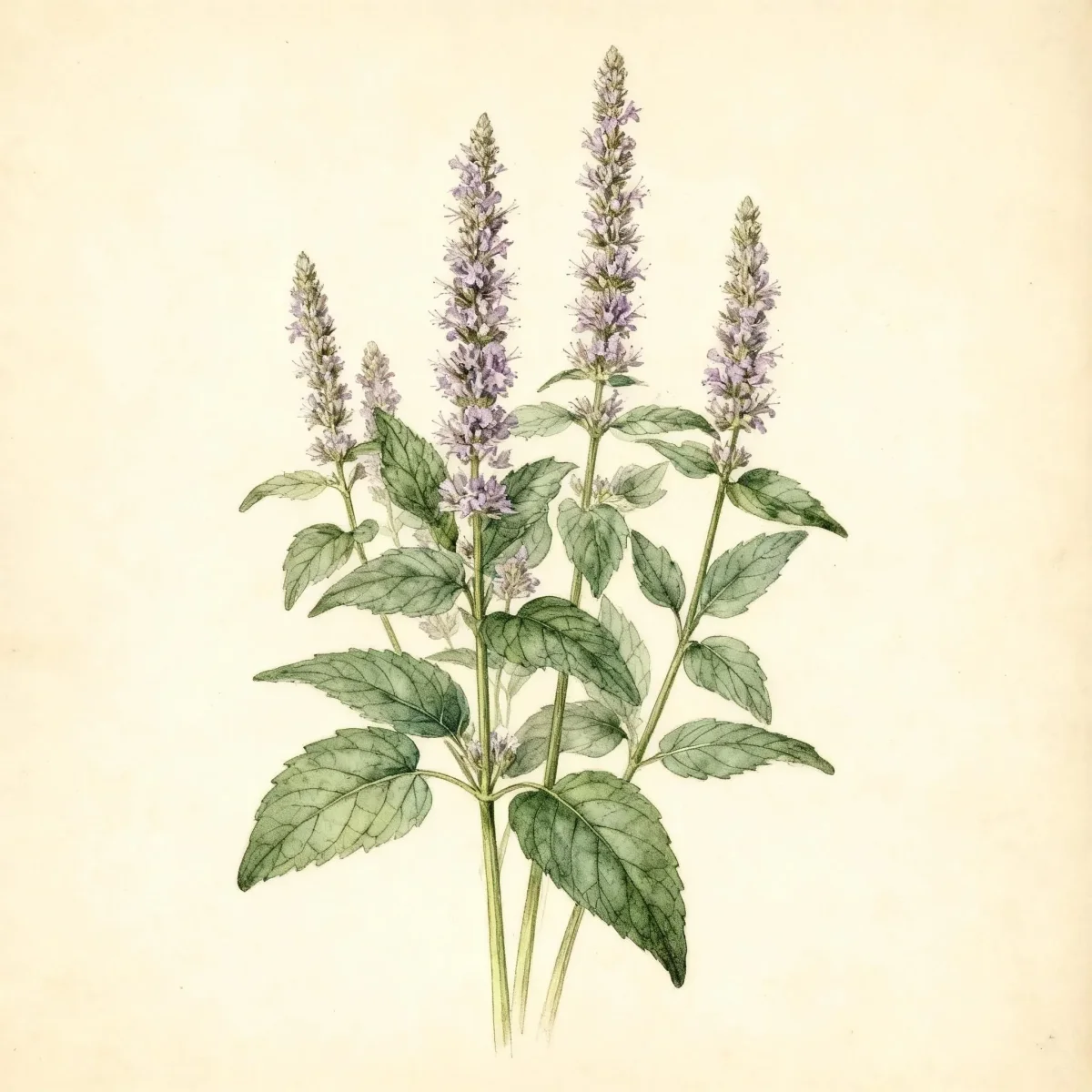
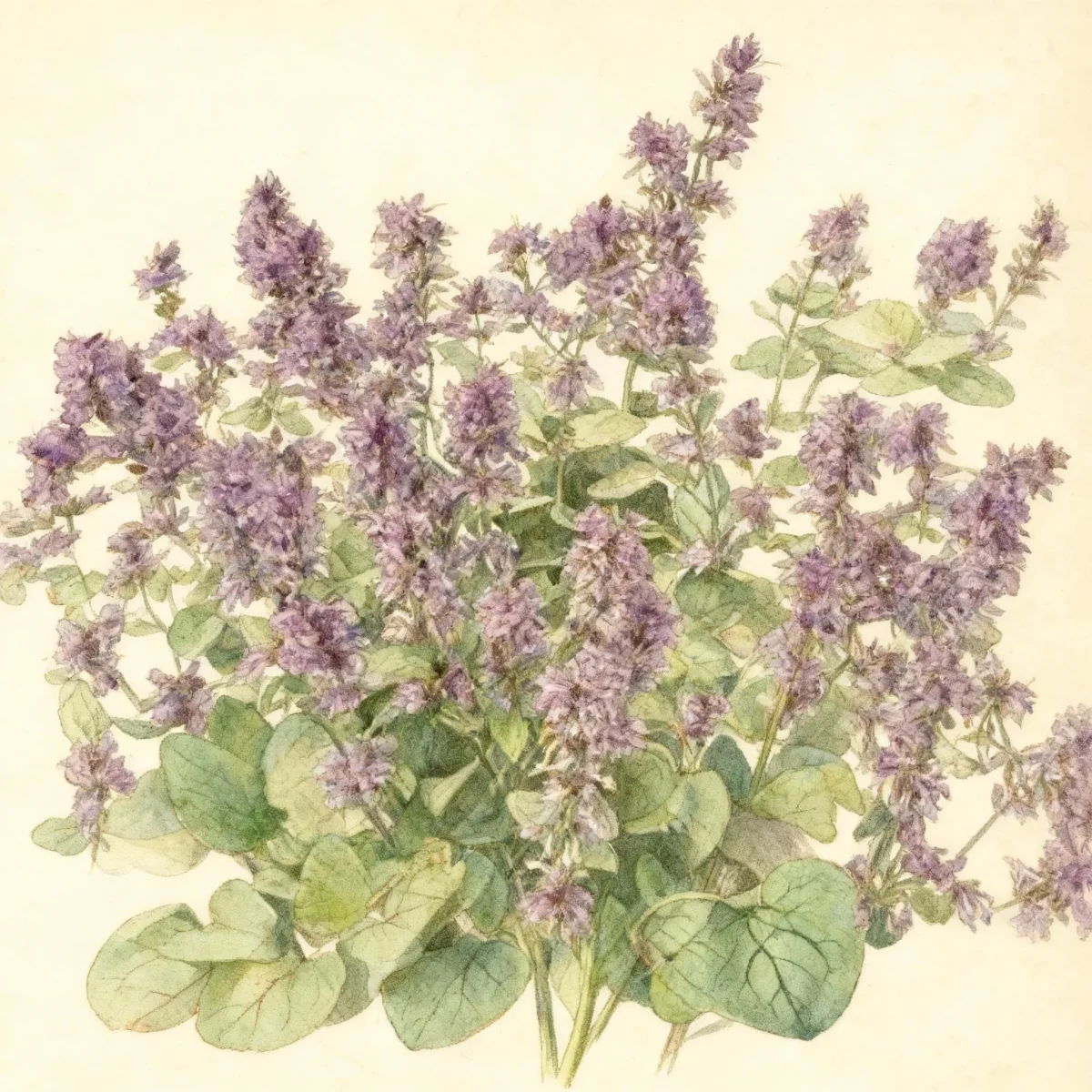
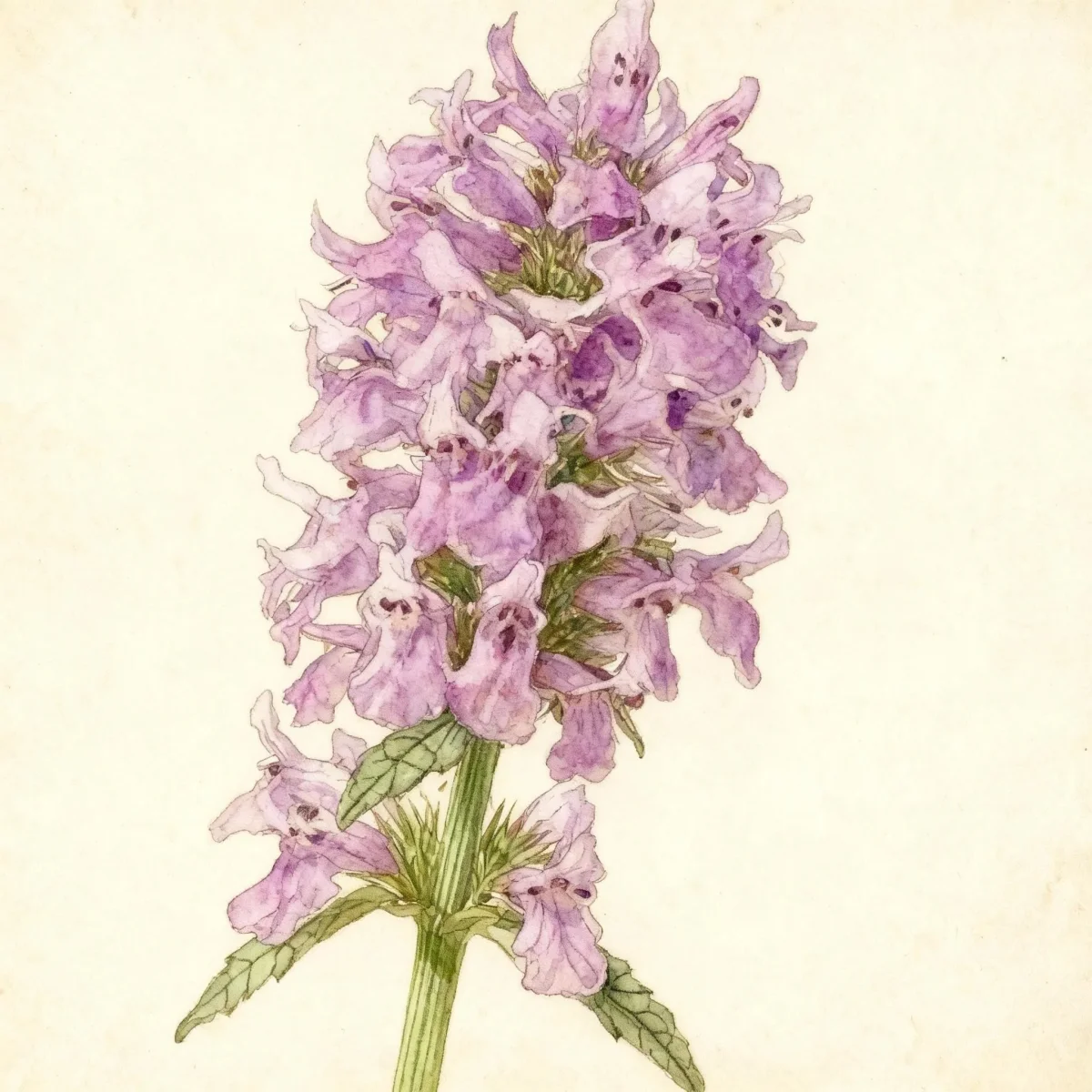
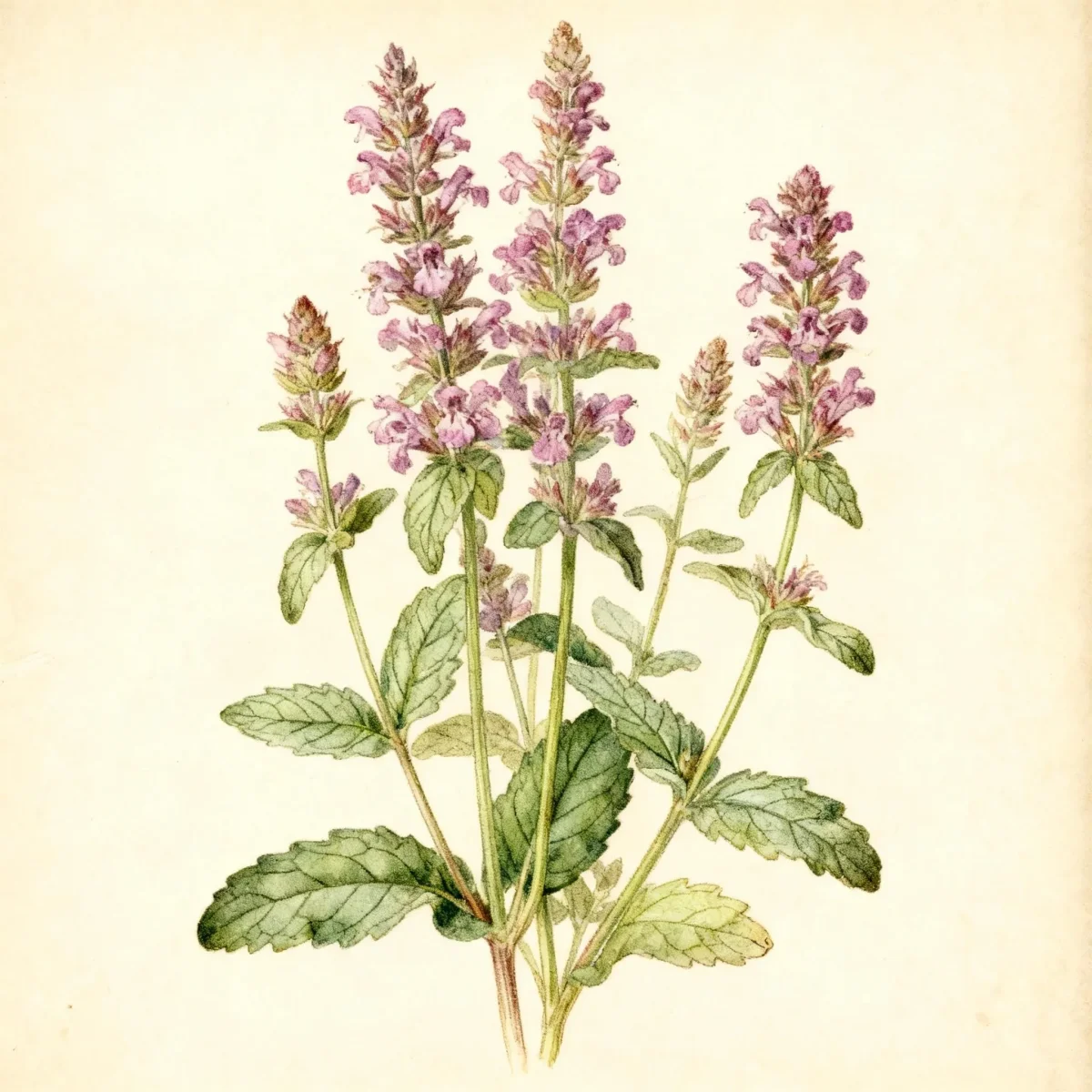
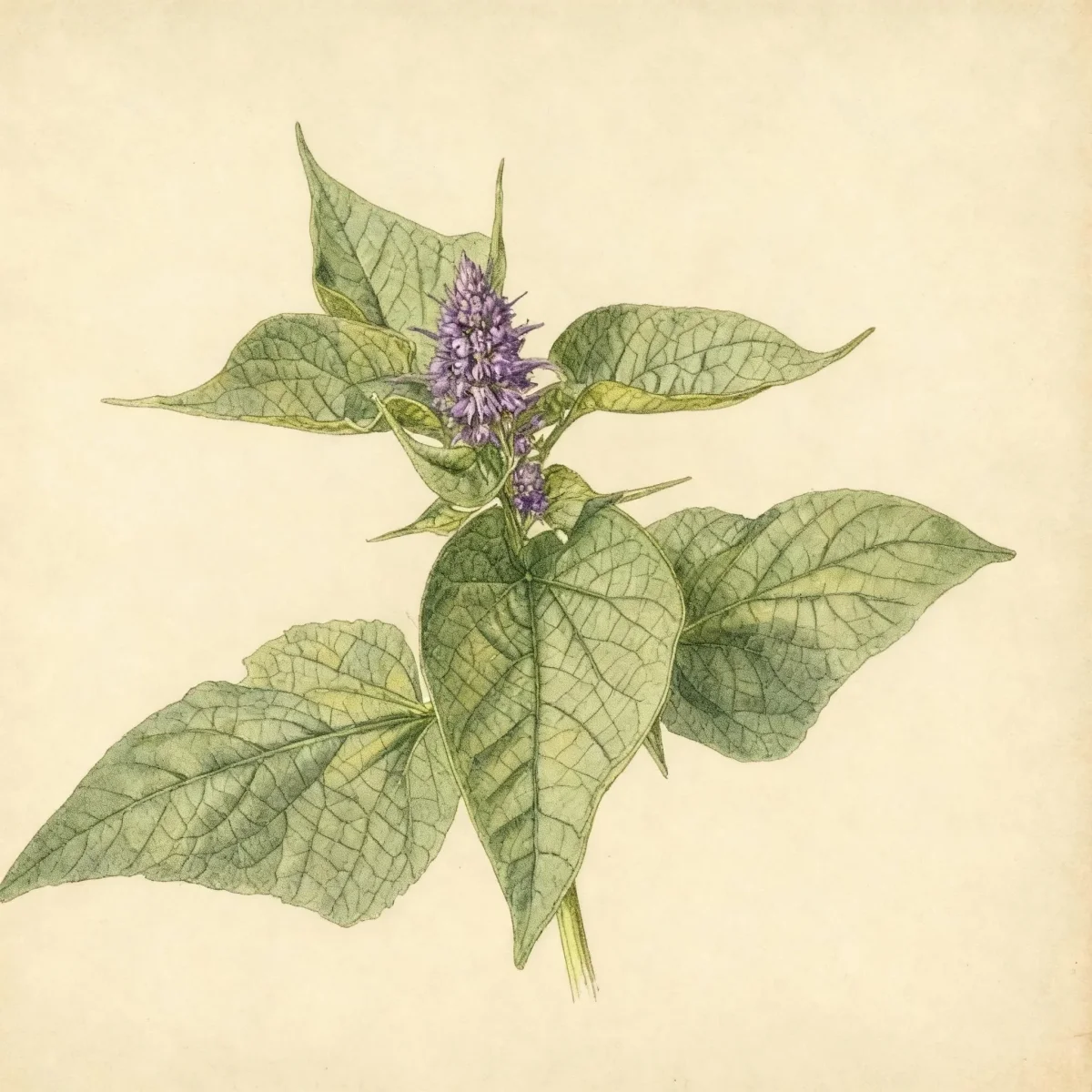
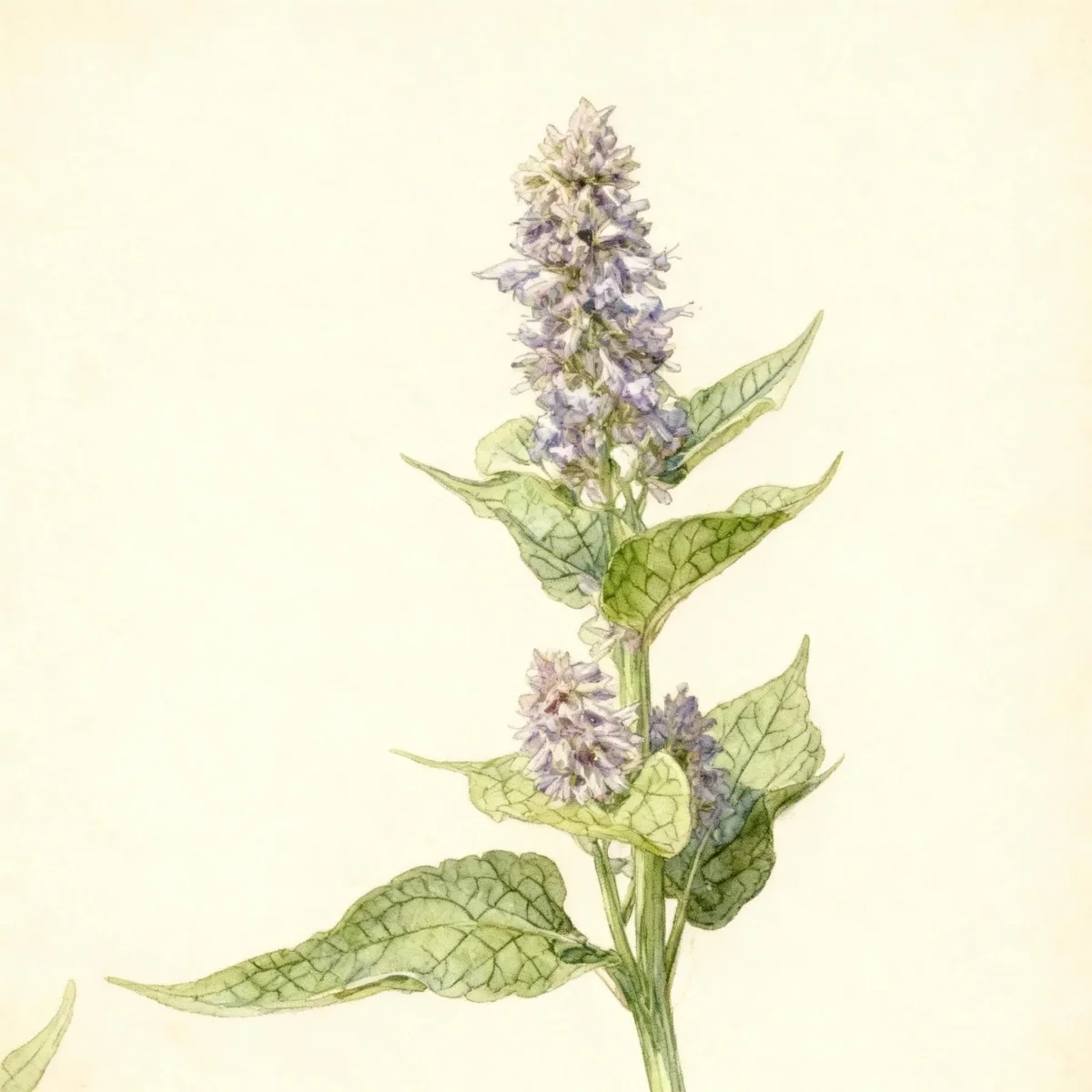
Greek oregano (Origanum vulgare subsp. hirtum)
Grow Greek oregano (Origanum vulgare subsp. hirtum) for intensely flavorful culinary leaves. A hardy, low-maintenance perennial.
Scroll down to discover growing tips, care requirements, companion plants, and more
Complete Plant Information
Overview
Greek oregano, scientifically known as Origanum vulgare subsp. hirtum, is a highly valued herbaceous perennial renowned specifically for its culinary contributions. This variety is considered the standard for culinary spice racks, delivering the classic pungent, hot, and spicy flavor beloved in many Mediterranean dishes. It forms a compact, woody-branched perennial, making it a manageable addition to any herb garden.
While its ornamental value is minimal compared to colored leaf cultivars of Origanum vulgare, its intense aroma and flavor ensure its popularity. Gardeners appreciate its low maintenance requirements and strong resilience once established in suitable conditions. The plant thrives in heat and handles dry spells well, provided it receives the essential full sun exposure.
This hardy perennial is native to Greece and Turkey, fitting beautifully into cottage or rock gardens where its practical use as an herb outweighs its need for flashy blooms. Cultivating Origanum vulgare subsp. Hirtum ensures a reliable yearly supply of intensely flavored foliage for cooking.
Fast Facts
- Plant Family: Lamiaceae
- Plant Type: Herbaceous perennial
- Native Range: Greece, Turkey, Aegean Islands
- Hardiness Zones: USDA Zones 4-8
- Size at Maturity:
- Height: 0.5-0.75 ft
- Spread: 1-1.5 ft
- Bloom Time: July
- Bloom Description: White
- Sun Exposure: Full sun
- Water Needs: Medium
- Maintenance Level: Low
How to Grow
Origanum vulgare subsp. hirtum is easily grown when provided with full sun and well-drained soil. It performs exceptionally well in average soils but truly shines in gritty, sandy loams, requiring dry to medium moisture levels. If growing golden or variegated leaf forms, providing some afternoon shade during intense heat is beneficial, though the standard Greek oregano variety prefers maximum sunlight.
Watering should be consistent but ensure the soil never remains soggy, as this increases the risk of root rot. This perennial displays good heat and drought tolerance once established, reducing the burden of frequent supplemental watering in the summer months. Fertilization is generally unnecessary; over-fertilizing can dilute the essential oils and reduce the desirable flavor profile in the leaves.
For maintaining a tidy appearance and encouraging a fresh flush of flavorful new foliage, shear the plants back regularly before they flower. The best leaf flavor for culinary use is harvested just prior to the plant commencing its summer bloom period in July. If propagating for culinary reasons, take cuttings from plants known to have a superior aroma, as seed-grown plants can sometimes lack intense flavor.
Landscape Uses
Greek oregano serves multiple functions in landscape design beyond the kitchen garden. Its compact, spreading habit makes it an effective ground cover, softening borders, or filling in gaps in rock gardens. It is also highly recommended for mass planting to create swathes of fragrant, low-growing foliage.
Due to its robust nature and drought tolerance, Origanum vulgare subsp. Hirtum pairs well alongside sun-loving Mediterranean herbs like rosemary or thyme, which share similar low-water needs. It also functions excellently as an edger along walkways or defining the front of perennial beds, providing structure that resists deer browsing.
Beyond borders, this versatile herb thrives remarkably well in pots, window boxes, and mixed containers, allowing even small spaces to benefit from its aromatic presence. While the straight species might be used ornamentally, Origanum vulgare subsp. Hirtum is primarily included for its edible value, making it an essential functional component of any culinary landscape design.
Standout Features
Flower Qualities
- Showy
Noteworthy Characteristics
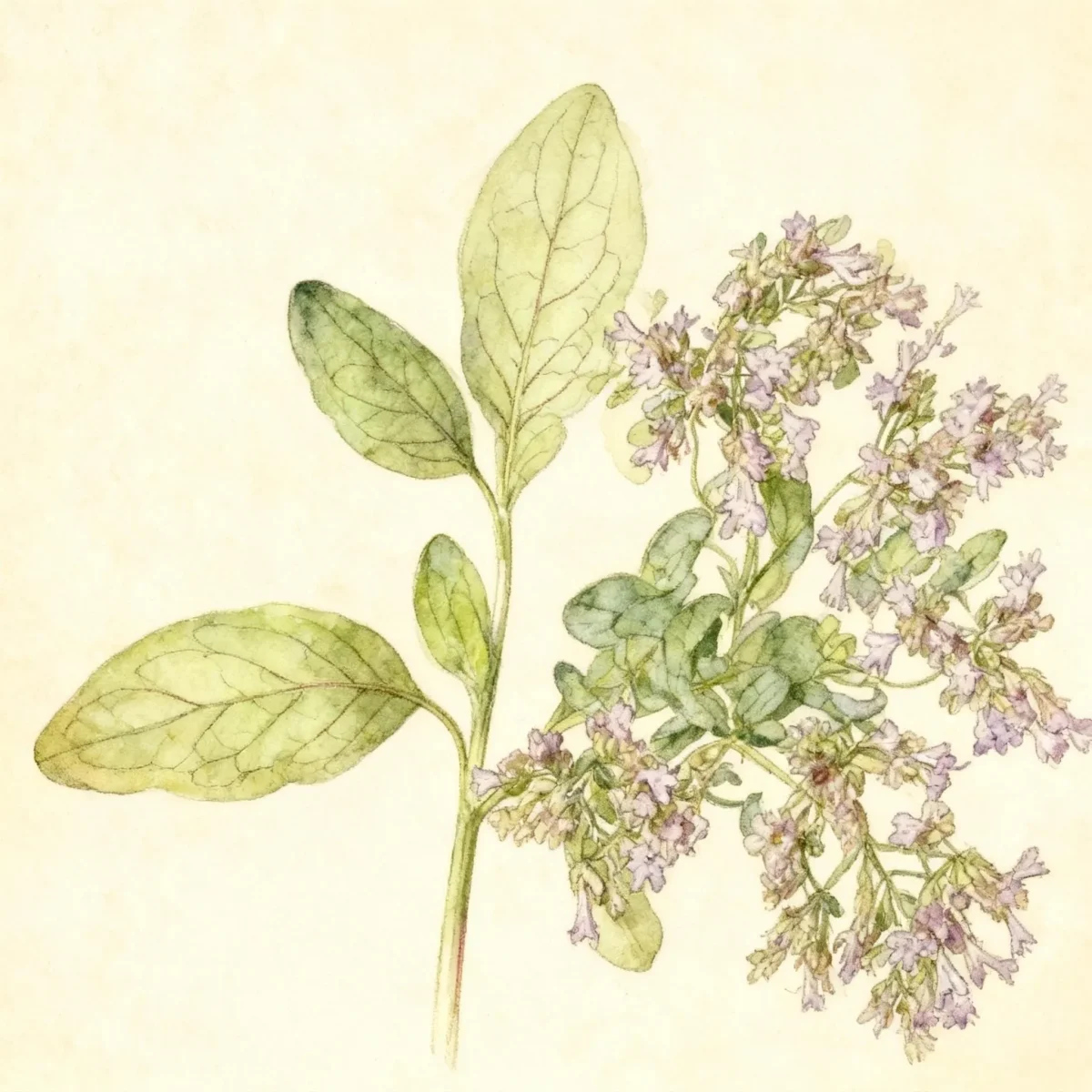
Origanum vulgare subsp. Hirtum, known as Greek oregano, is celebrated because it produces leaves with a much more flavorful profile than the straight Origanum vulgare species, imparting the classic pungent taste sought after by chefs. This particular subspecies is a compact, hardy perennial, unlike the taller straight species, and is the variety most often marketed commercially as the standard dried culinary oregano. Tiny white flowers bloom in summer spikelets, though the plant’s main draw remains its intensely flavored, hairy foliage.
Tolerances
- Deer
- Drought
- Erosion
Potential Problems
This aromatic herb rarely suffers from serious insect or disease issues, contributing to its low-maintenance reputation. The primary cultural concern arises from improper soil conditions; root rot development is possible if Origanum vulgare subsp. Hirtum is planted in wet, poorly drained soils. Additionally, watch for common fungal diseases, particularly in humid conditions.
If pests do appear, they are usually minor annoyances like aphids, spider mites, or leaf miners. Management often involves ensuring good air circulation through proper spacing and regular shearing, which minimizes moisture retention and pest habitat. Avoid excessive watering to prevent the most serious cultural ailment, root rot.
Frequently Asked Questions
What hardiness zones is Greek oregano suitable for?
Origanum vulgare subsp. hirtum is suitable for USDA Zones 4 through 8, offering dependable perennial performance across a wide range of climates.
How large does Greek oregano grow?
When mature, Origanum vulgare subsp. hirtum typically reaches a height between 0.5 and 0.75 ft, spreading outward to occupy an area between 1 and 1.5 ft wide.
What sun exposure does Greek oregano need?
For optimal growth and the best flavor development, Greek oregano requires full sun.
When does Greek oregano bloom?
This herb generally produces tiny, white flowers during the month of July.
Conclusion
Origanum vulgare subsp. Hirtum remains an indispensable garden component, prized for its intensely aromatic and flavorful leaves, which define classic oregano spice. Its hardiness, drought tolerance, and low maintenance make it a rewarding choice for new and experienced gardeners alike. Before planting, confirm that your garden location provides the required full sun and excellent drainage to ensure this superior culinary herb thrives for years to come.
Propagation Tips
Propagation of Origanum vulgare subsp. hirtum is best achieved vegetatively to preserve the strong culinary characteristics. While seeds may yield plants with little or no aroma, taking cuttings from established plants whose leaves have proven superior flavor is the recommended method. These cuttings should be taken when harvesting leaves are desired, ensuring you secure the pungent quality for new generations.
Root division is also a viable, though less common, propagation technique for mature clumps. Waiting until the plant has established a solid woody base facilitates easier division of the root ball during the cooler, dormant seasons or early spring. This method maintains the exact genetic profile of the flavorful parent plant.
Companion Planting
Because Greek oregano thrives in conditions that mimic its native dry, sunny Mediterranean environment, it pairs excellently with other herbs sharing these preferences. Consider planting it alongside Lavender, Thyme, or Sage, as these companions desire the same well-drained, gritty soil and full sun exposure. This grouping creates a functional, attractive “herb zone” that requires minimal supplemental irrigation once established.
Avoid placing Origanum vulgare subsp. Hirtum near plants that require constant moisture or rich, heavy soils. Excess organic matter or damp conditions will negatively impact its flavor concentration and increase susceptibility to soil-borne diseases. Its low stature also makes it an excellent front-of-border plant when paired with taller, sun-loving perennials that do not shade it out during the middle of the day.