False Solomon's seal (Maianthemum stellatum)
Maianthemum stellatum, False Solomon's seal, offers starry white spring flowers and edible fruit. A rhizomatous perennial for shady, moist sites.
Scroll down to discover growing tips, care requirements, companion plants, and more
Complete Plant Information
Overview
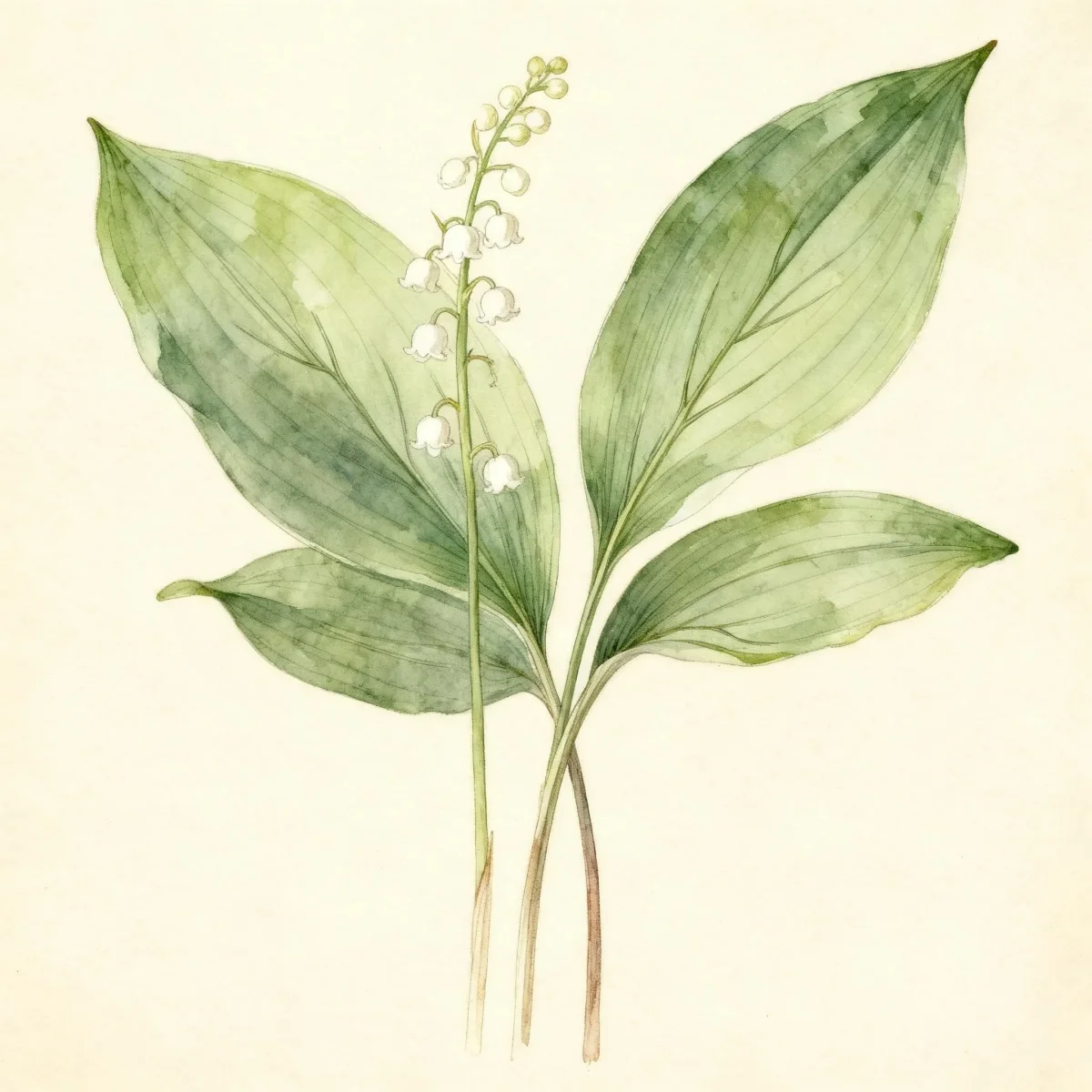
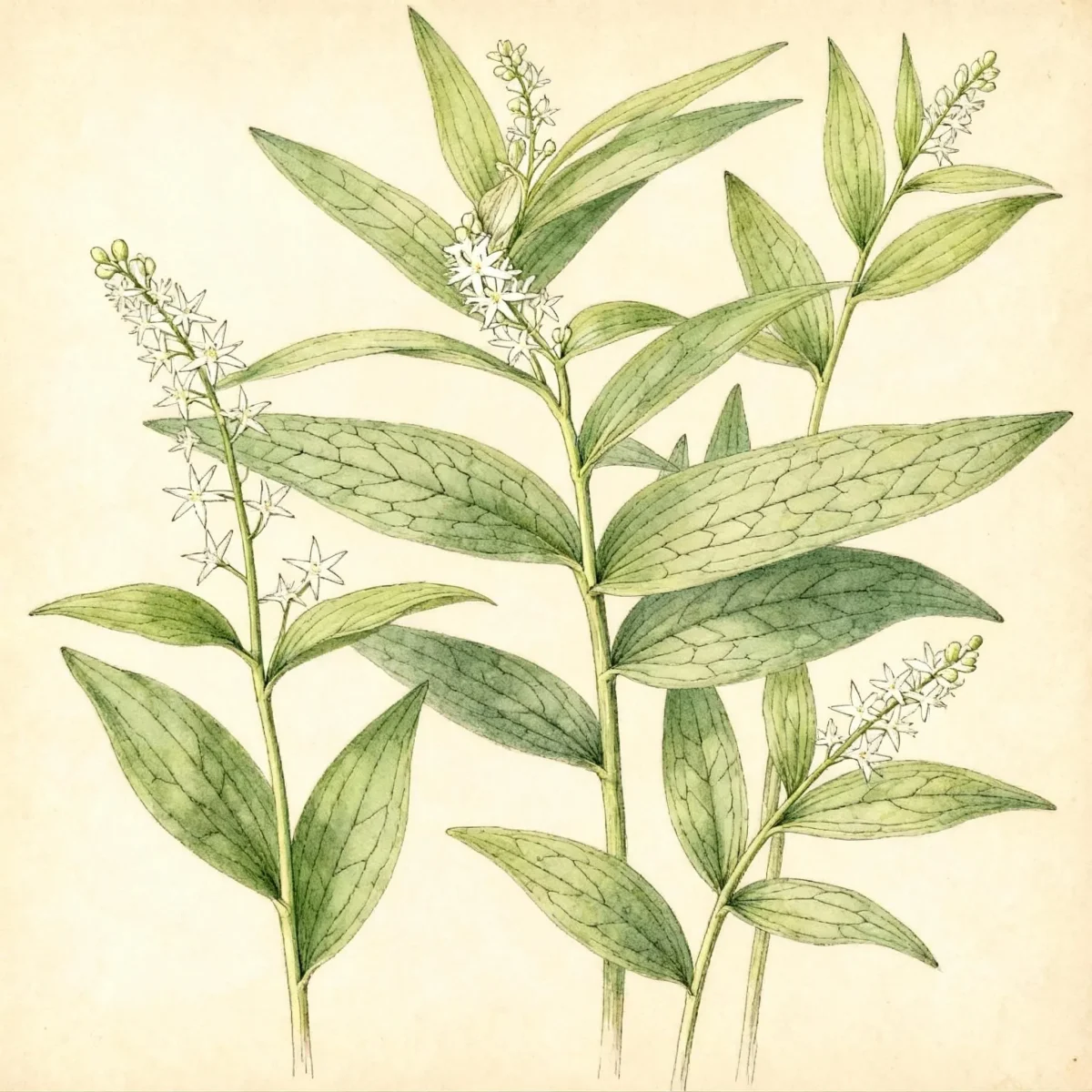
Maianthemum stellatum, commonly known as false Solomon’s seal, is a delightful native perennial valued for its delicate springtime display and versatile woodland presence. Its key features include upward-facing, star-shaped white flowers clustered terminally on the stem, distinguishing it from the nodding bells of true Solomon’s seal (Polygonatum). This creeping rhizomatous plant establishes colonies, making it excellent for filling space naturally within suitable garden environments. Maianthemum stellatum thrives in the dappled light of woodland settings, providing reliable texture and form from its lance-shaped foliage throughout the growing season.
Fast Facts
- Plant Family: Asparagaceae
- Plant Type: Herbaceous perennial
- Native Range: North America
- Hardiness Zones: USDA Zones 3-7
- Size at Maturity:
- Height: 1-2 ft
- Spread: 0.75-1.5 ft
- Bloom Time: May to June
- Bloom Description: White
- Sun Exposure: Part shade
- Water Needs: Medium
- Maintenance Level: Medium
How to Grow
The best time to establish Maianthemum stellatum is by division in early autumn, though growing from seed is also possible. Plant False Solomon’s seal where it receives part shade, mimicking its native moist woods and slopes environment. Success hinges on providing a rich, loose, humusy soil that stays consistently moist but ensures excellent drainage.
Ongoing care for this herbaceous perennial is relatively low once established, requiring medium water inputs to prevent the soil from drying out, especially during warmer months. Avoid planting Maianthemum stellatum in areas subject to intense afternoon heat and humidity, as it generally struggles in those conditions. Since rhizomes allow it to spread and form colonies, minimal fertilization is typically needed.
Propagation is easily achieved by dividing the creeping underground rhizomes in the fall. Ensure that each division retains healthy root and shoot material before replanting immediately. No significant pruning is usually required unless stems are damaged or need tidying in the early spring cleanup.
Landscape Uses
The primary recommendation for False Solomon’s seal is to naturalize it within woodland garden settings. Its moderate height and spreading habit make it an impactful solution for softening edges along stream banks or pond peripheries where soil remains consistently moist.
Use Maianthemum stellatum as an effective understory plant alongside companions that enjoy similar shade and moisture requirements. It pairs beautifully with ferns, hostas, and other shade-loving native groundcovers, creating a layered, textural aesthetic reminiscent of a damp forest floor. Allow the plant room to spread via its rhizomes to build up natural-looking drifts over several seasons.
Standout Features
Flower Qualities
- Showy
Fruit Qualities
- Showy
- Edible
Noteworthy Characteristics
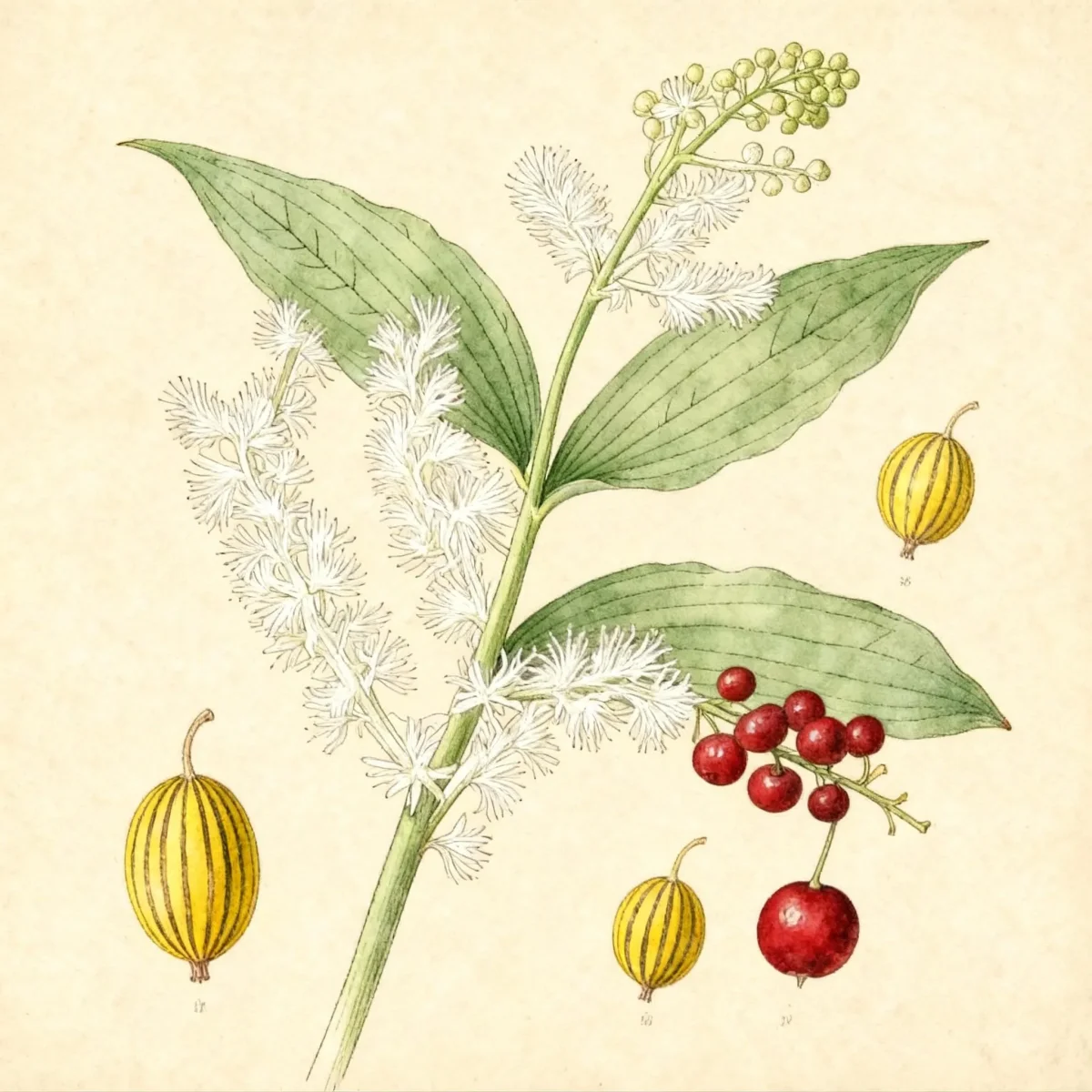
Maianthemum stellatum, commonly called false Solomon’s seal, starry false Solomon’s seal or star flower, is a creeping rhizomatous perennial native to moist woods, meadows, and slopes across North America. Each stem features lanceolate, stem-clasping leaves topped by a terminal raceme bearing 6 to 15 star-shaped, white flowers in late spring, followed by dark, striped fruits that mature to blackish-red. Unlike true Solomon’s seal, its star-shaped flowers point upward, and the genus name references its May blooming time.
Tolerances
Potential Problems
Maianthemum stellatum is generally very robust and reliable, exhibiting no serious insect or disease problems under appropriate growing conditions. The main concern involves cultural stress; this plant is intolerant of dry soils and hot, humid Southern summers. Providing consistent moisture and part shade protection ensures healthy growth and minimizes susceptibility to potential minor issues.
Frequently Asked Questions
What hardiness zones is False Solomon’s seal suitable for?
Maianthemum stellatum is hardy across USDA Zones 3 through 7, making it adaptable to a wide range of temperate North American climates.
How large does False Solomon’s seal grow?
This herbaceous perennial typically reaches a mature height between 1 and 2 feet tall, spreading to occupy an area roughly 0.75 to 1.5 feet wide via its rhizomes.
When does False Solomon’s seal bloom?
The plant produces its star-shaped white flowers during the late spring months, specifically from May into June.
What sun exposure does False Solomon’s seal need?
Maianthemum stellatum thrives best in part shade conditions, mimicking the dappled light found on woodland floors.
Conclusion
The reliability and native charm of False Solomon’s seal (Maianthemum stellatum) make it an essential component for naturalistic shade gardens. Its reliable blooming and attractive foliage, along with edible fruit potential, offer year-round interest in moist, woodland areas. Before planting, confirm your site provides the consistent moisture and part shade that Maianthemum stellatum requires for optimal success this season.
Companion Planting
When planning your woodland garden, select companions that share the need for consistently moist, humus-rich soil and protection from intense sun. Ferns, such as Ostrich Fern or Japanese Painted Fern, offer excellent contrasting, airy texture that complements the upright habit of False Solomon’s seal. Hostas are also superb partners; choose varieties with textured or heavily variegated leaves to enhance the visual interest when Maianthemum stellatum is not in bloom.
Propagation Tips
The most reliable method for increasing your colony of Maianthemum stellatum is division of the creeping rhizomes. Perform this task in early autumn after the foliage begins to senesce, but before the ground freezes hard. Carefully dig around the established clump, lifting sections of the root system. Ensure each separated piece retains at least one viable growing point (bud or shoot) to guarantee successful re-establishment in its new location.