Blue elder (Sambucus nigra subsp. cerulea)
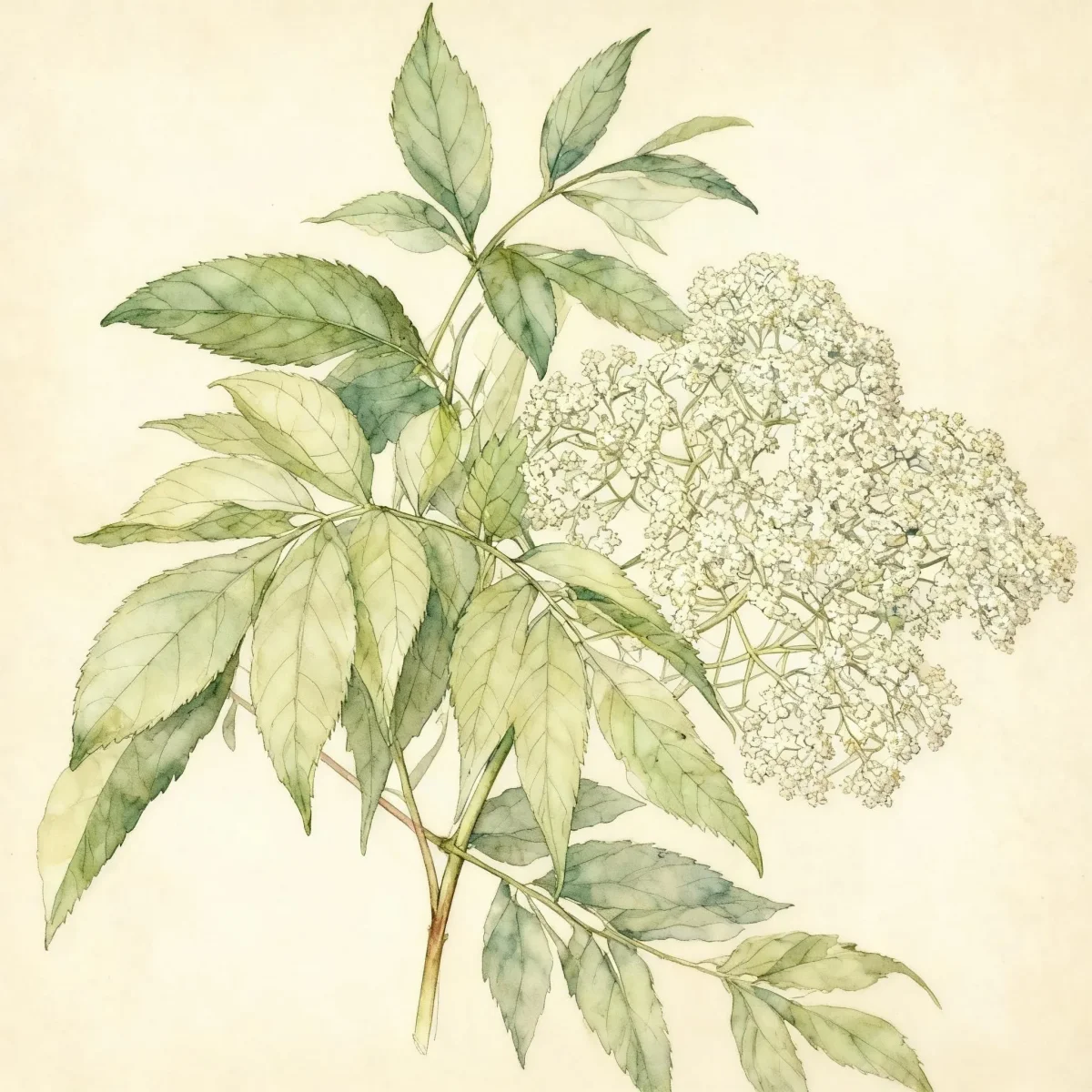
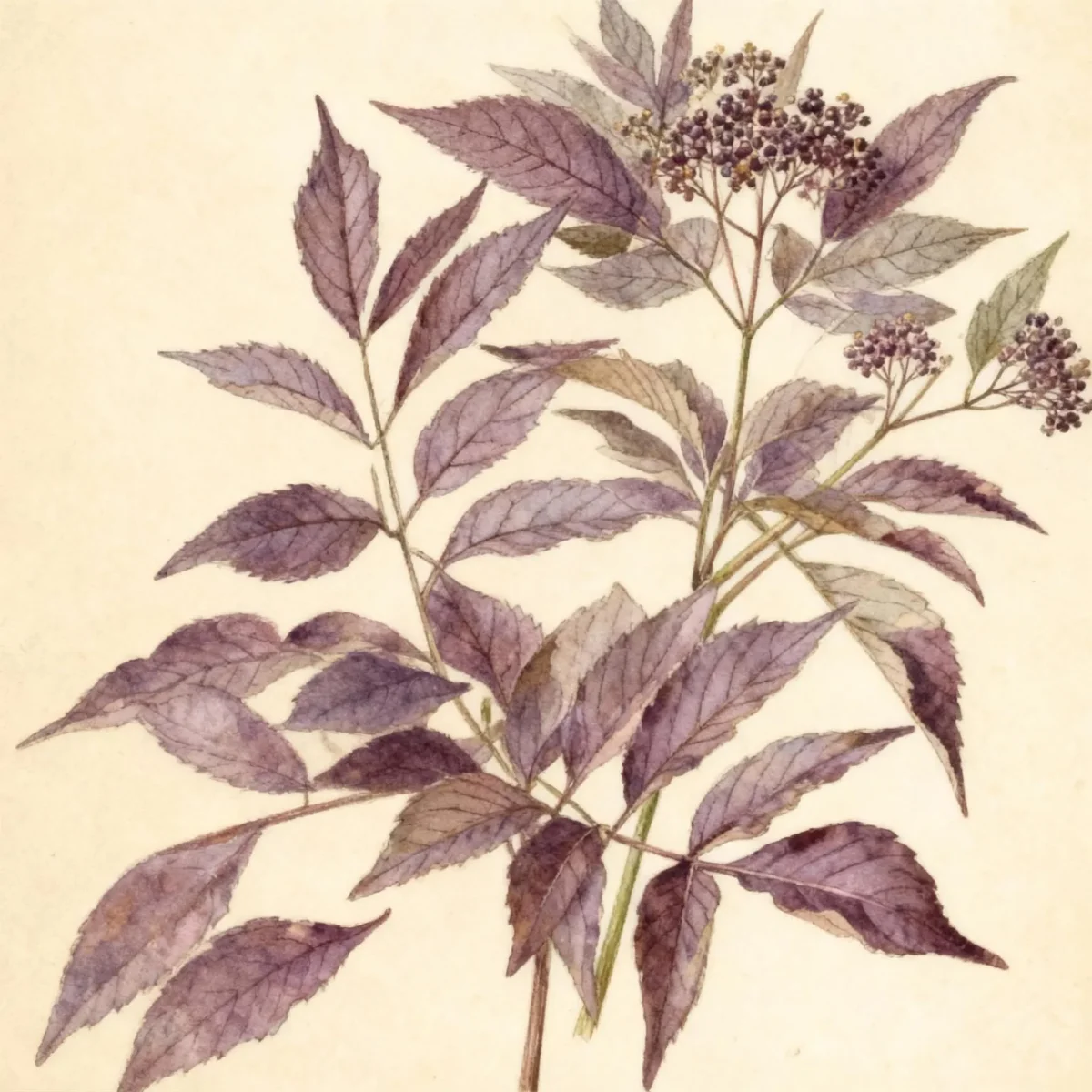
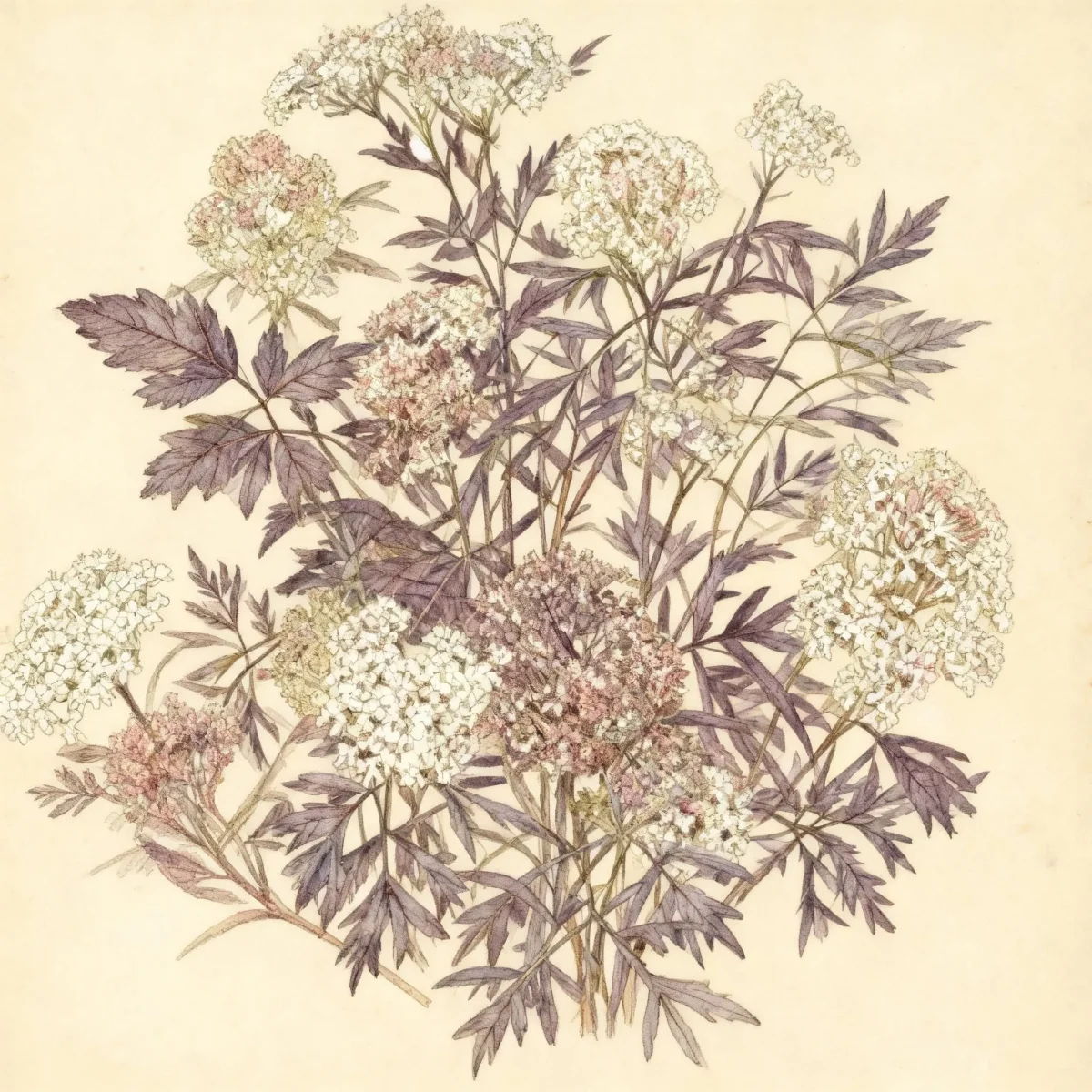
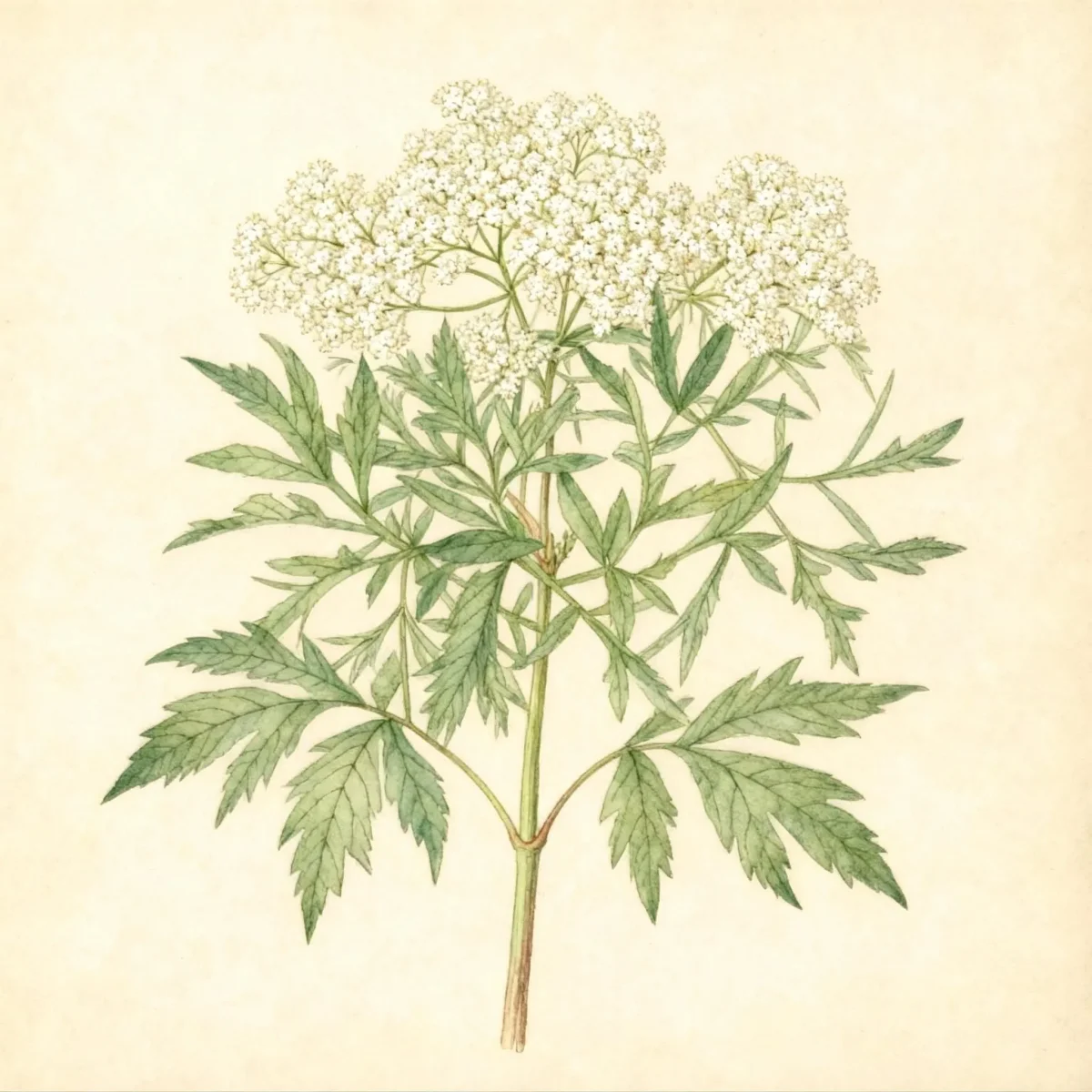
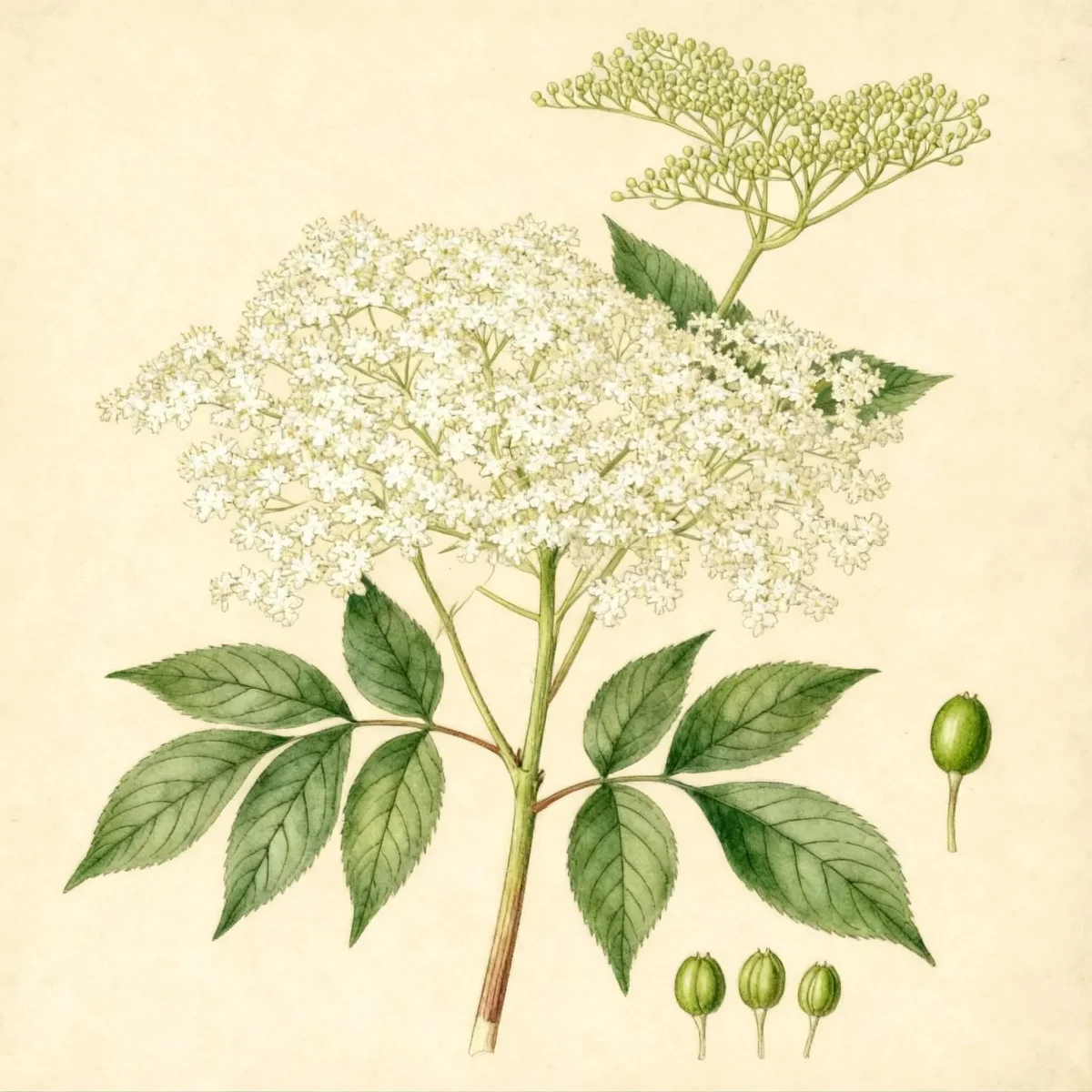
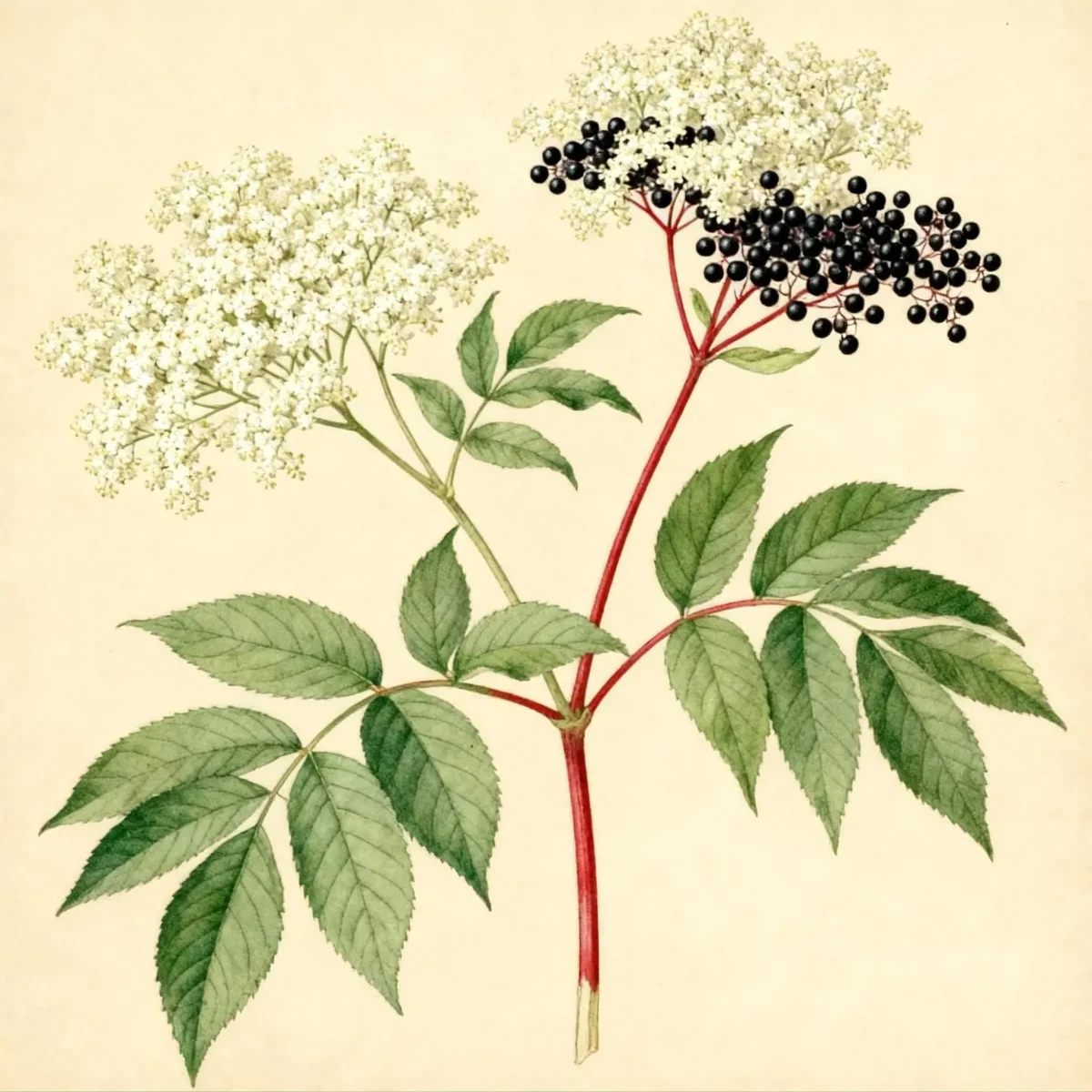
The striking Blue elder (Sambucus nigra subsp. cerulea) is a Western North American native tree known for its showy yellowish-white flowers and edible blue elderberries.
Scroll down to discover growing tips, care requirements, companion plants, and more
Complete Plant Information
Overview
The Blue elder, scientifically known as Sambucus nigra subsp. cerulea, brings striking seasonal interest to landscapes across Western North America. This deciduous tree or large shrub is valued not only for its prolific, fragrant blooms but also for the edible, dark blue fruits it produces late in the season. Its rapid growth and ability to adapt make it a substantial, functional specimen in the right setting.
Reaching heights between 15 and 30 feet, Sambucus nigra subsp. Cerulea forms a rounded crown, often spreading as wide as it grows tall. While it prefers consistent moisture for the best fruit set, it possesses a respectable drought tolerance compared to some other elder species. Gardeners should note its tendency to spread via root suckers, creating attractive naturalized colonies if left unchecked.
Aesthetically, the clusters of yellowish-white flowers in early summer attract attention before giving way to the glaucous, blue-tinged fruit clusters highly attractive to local wildlife. Due to its cultural needs and pruning requirements, this plant is designated as having a high maintenance level, rewarding attentive gardeners with abundant flowers and berries.
Fast Facts
- Plant Family: Adoxaceae
- Plant Type: Tree
- Native Range: Western North America
- Hardiness Zones: USDA Zones 4-9
- Size at Maturity:
- Height: 15-30 ft
- Spread: 15-30 ft
- Bloom Time: June to July
- Bloom Description: Yellowish-white
- Sun Exposure: Full sun to part shade
- Water Needs: Medium to wet
- Maintenance Level: High
How to Grow
For optimal establishment and productivity, plant Blue elder in the early spring or fall when conditions are cooler. Sambucus nigra subsp. cerulea thrives best in medium to wet, well-drained soils. While it tolerates a wide range of conditions, including clay and dry spells, ensure it receives full sun exposure for the absolute best fruit production; part shade is acceptable but may reduce flowering.
Watering should be consistent, falling into the medium to wet category, especially when establishing or during dry summer periods, though it demonstrates better drought tolerance than some relatives. Fertilization is generally unnecessary if the soil is reasonably fertile. Maintenance is generally high, primarily revolving around pruning.
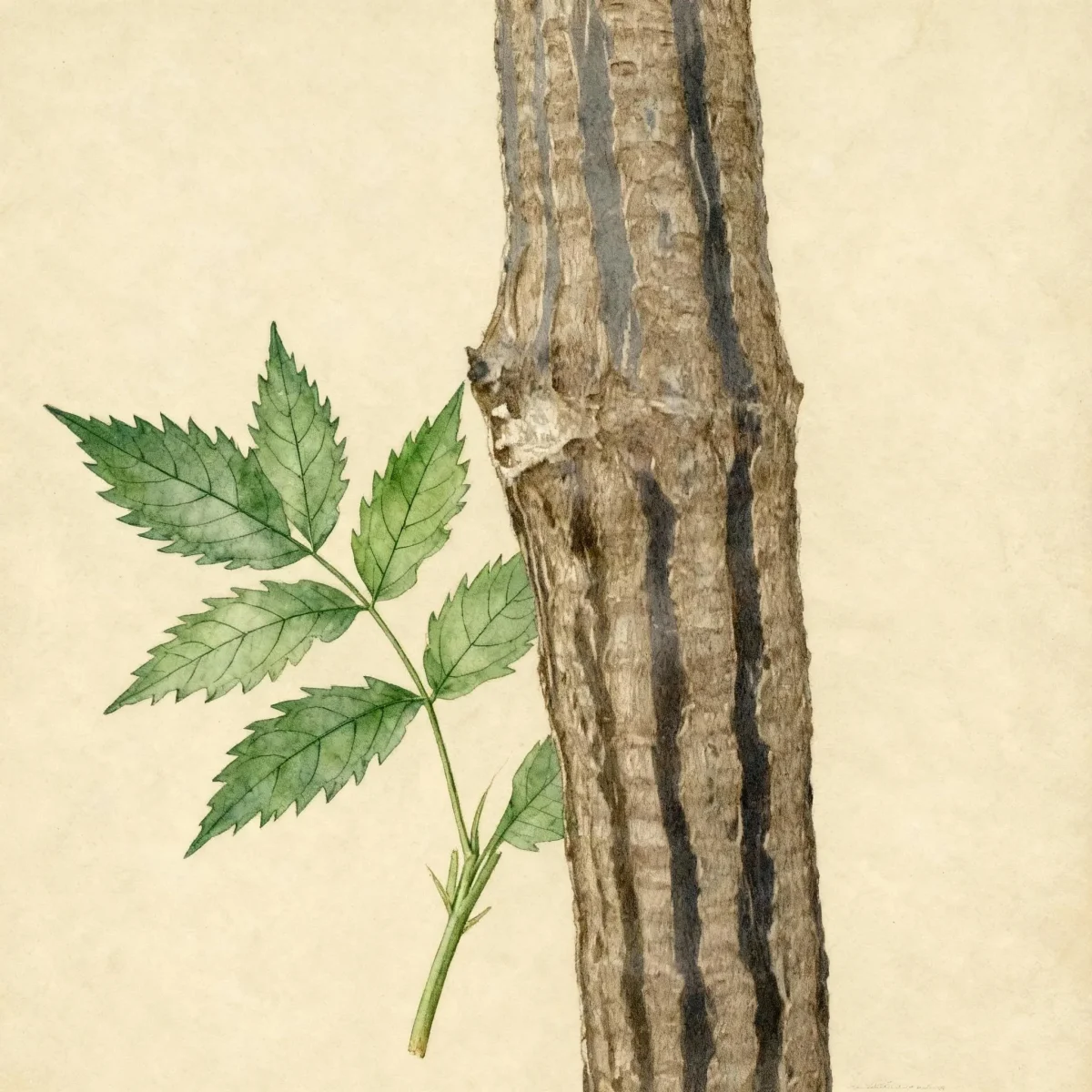
Pruning should be conducted in late winter to remove any dead or weakened stems and to shape the structure of this developing tree or shrub. If you do not intend for the plant to naturalize widely, actively prune out root suckers as they emerge. Be aware that the branches can be brittle; aim to keep overhead snow or ice loads manageable to prevent structural damage.
Landscape Uses
The robust size and dense habit of Sambucus nigra subsp. cerulea make it an excellent choice for creating screens or borders within the landscape. Its tolerance for wet conditions means it is perfectly suited for placement at stream or pond peripheries, functioning wonderfully as a rain garden plant. Consider using it as a flowering tree for backdrops where its height is beneficial.
When allowing naturalizing is acceptable, this plant excels in open woodland gardens or along naturalized wood margins where its suckering habit helps create an expansive, informal colony effect. If you seek a more controlled specimen, careful pruning is required to develop a distinct, rounded crown suitable as a standalone feature or an informal hedge.
For a dynamic, native design, pair the Blue elder with other moisture-loving native shrubs and perennials that accept similar sun requirements. Its presence supports local ecosystems, offering a substantial food source for birds in late summer.
Standout Features
Flower Qualities
- Showy
Fruit Qualities
- Showy
- Edible
Noteworthy Characteristics
Sambucus nigra subsp. Cerulea is notable for its clusters of edible, dark blue elderberry fruits, which mature in late summer and possess a distinctive white, waxy bloom. Native to mountain areas in western North America, this plant grows into a significant tree or large shrub often reaching 15 to 30 feet tall. While the fruits are generally not palatable raw, they cook down beautifully for jams, pies, and traditional elderberry wine.
Tolerances
- Clay Soil
- Wet Soil
Potential Problems
Gardeners should monitor Sambucus nigra subsp. cerulea for several potential issues, including susceptibility to canker, powdery mildew, and leaf spot. Pests like spider mites and aphids can occasionally cause cosmetic damage, while borers may pose a threat to older wood. A significant management concern relates to its physical structure; the branches can break under heavy loads of snow or ice, necessitating careful pruning to maintain structural integrity and beauty.
Frequently Asked Questions
What hardiness zones is Blue elder suitable for?
The Blue elder (Sambucus nigra subsp. cerulea) is hardy and suitable for growing in USDA Zones 4 through 9.
How large does Blue elder grow?
This species typically matures to a height between 15 and 30 feet, with a similar spread ranging from 15 to 30 feet wide.
When does Blue elder bloom?
Sambucus nigra subsp. cerulea produces its showy, yellowish-white flowers primarily from June through July.
What sun exposure does Blue elder need?
For robust growth, the overall recommendation for the Blue elder is Full sun to part shade exposure.
Conclusion
The Sambucus nigra subsp. cerulea offers significant ecological and aesthetic value as a fast-growing, sturdy native tree capable of thriving in moist, challenging spots in your landscape. Ensure you plan for its maintenance needs, particularly regular pruning, to manage its tendency to sucker and to maintain a strong structure. Always confirm that USDA Zones 4-9 compatibility matches your specific location before planting this beautiful Blue elder.
Wildlife Benefits
The elderberry fruits of Sambucus nigra subsp. cerulea are a vital late-season food source for many species of birds native to Western North America. Planting this species near natural borders or in open woodland settings ensures that you are supporting local fauna through the autumn months. While the flowers attract pollinators, it is the fruit display after blooming that truly makes this tree a wildlife magnet.
Designing with Water Lovers
Given that Sambucus nigra subsp. Cerulea requires medium to wet conditions, it pairs naturally with other moisture-loving natives that share a similar sun profile. Consider placing it near marginal plants typically used in stream peripheries or low spots where water pools. This creates a cohesive, low-maintenance vignette, especially since the plant tolerates clay soil common in damp areas where other trees may falter.