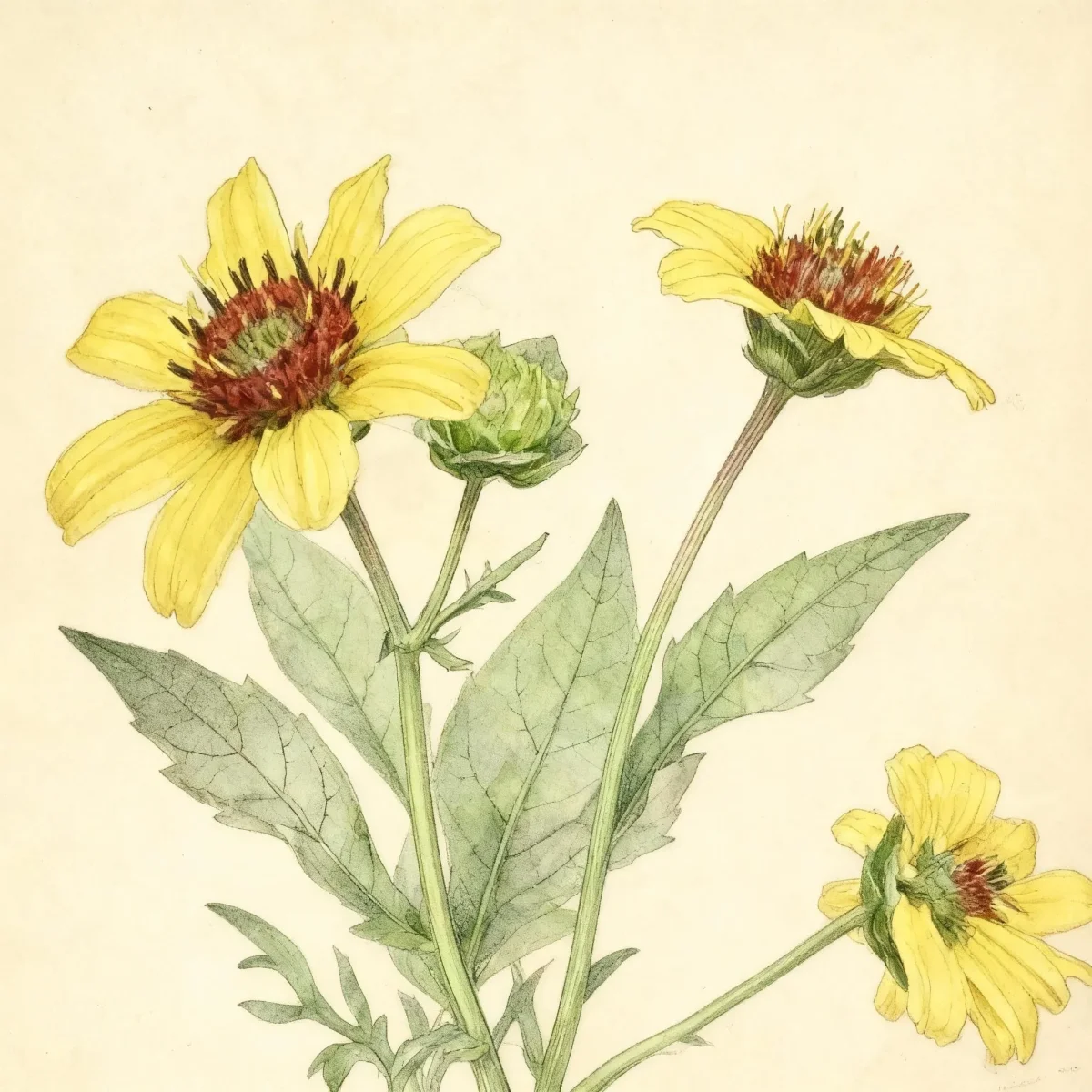
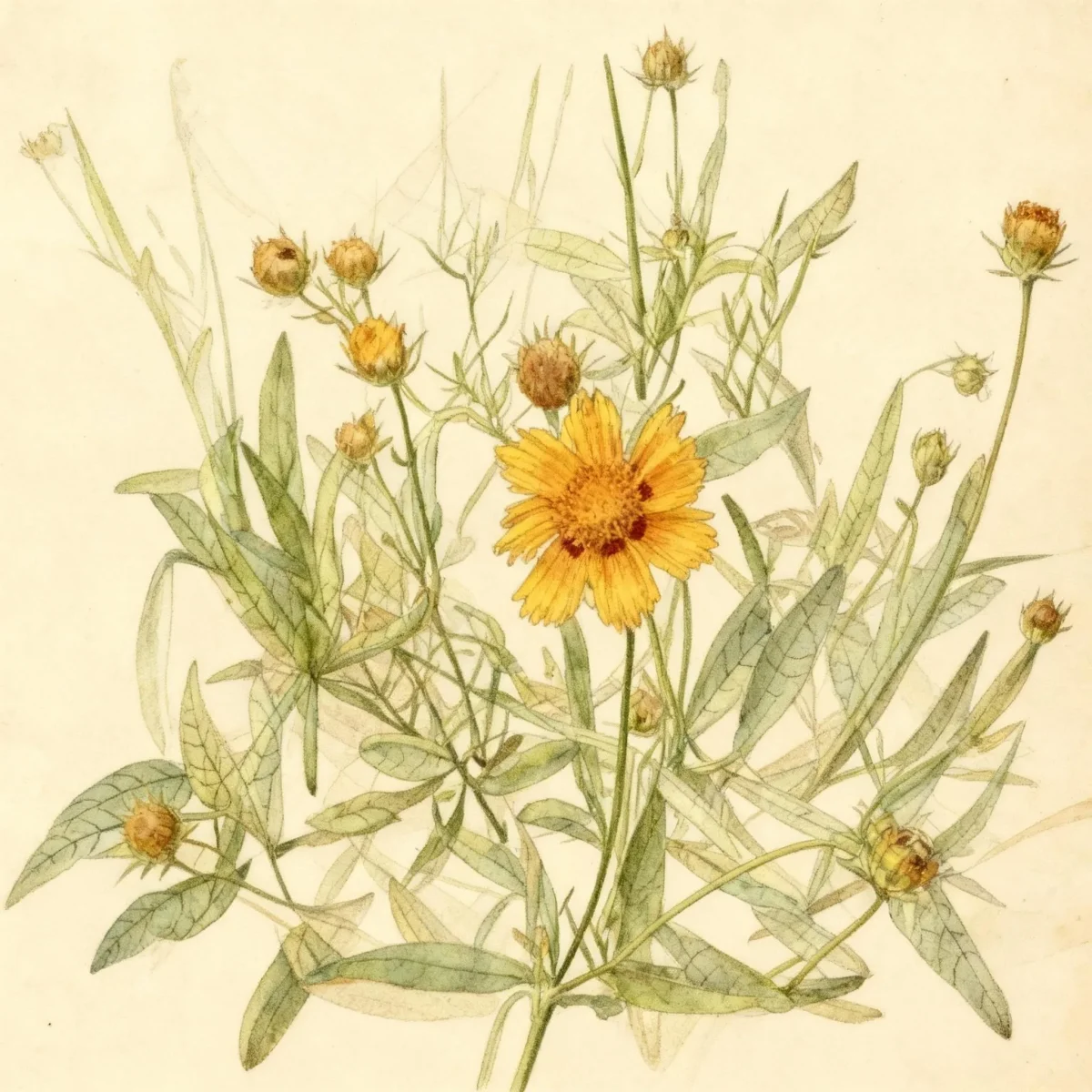
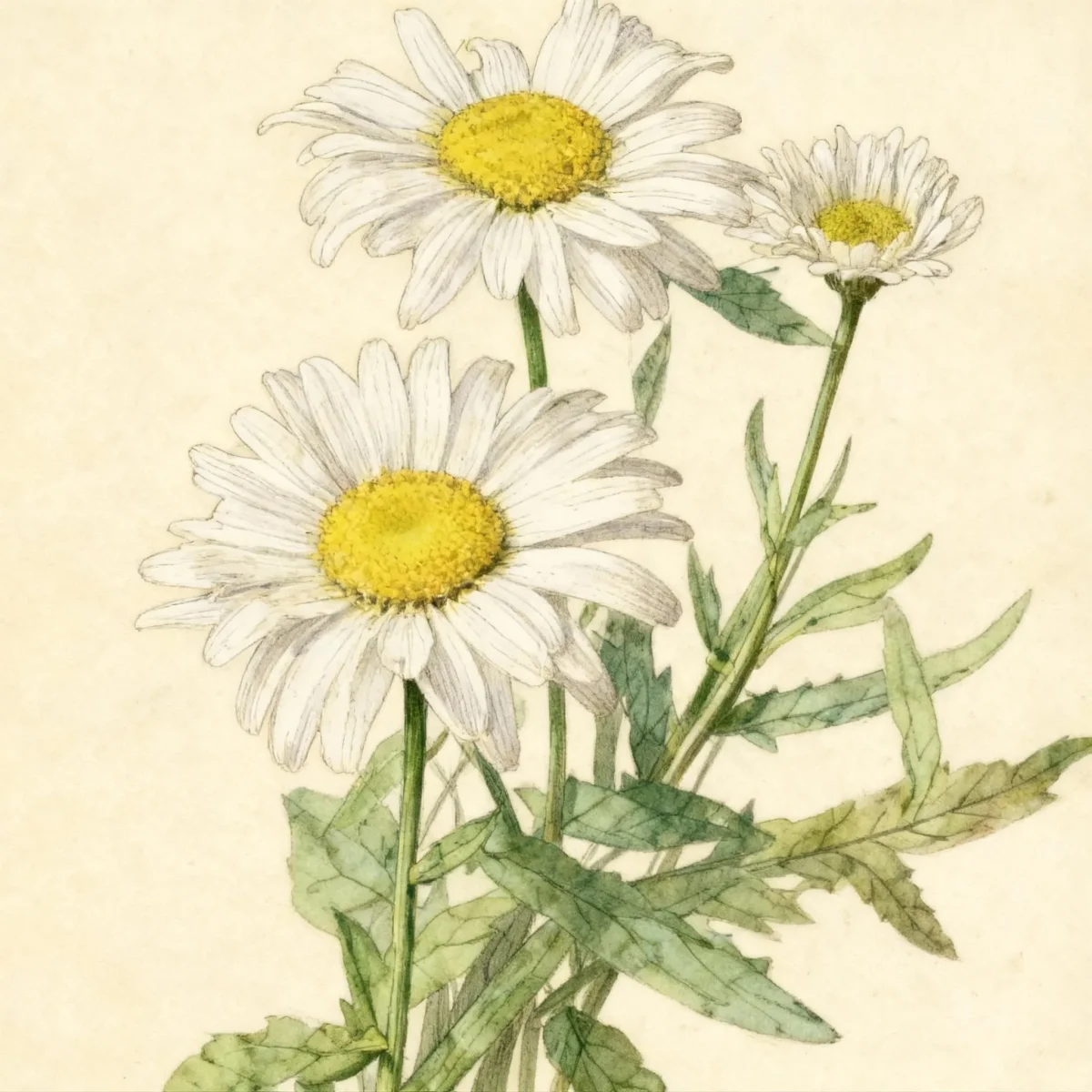
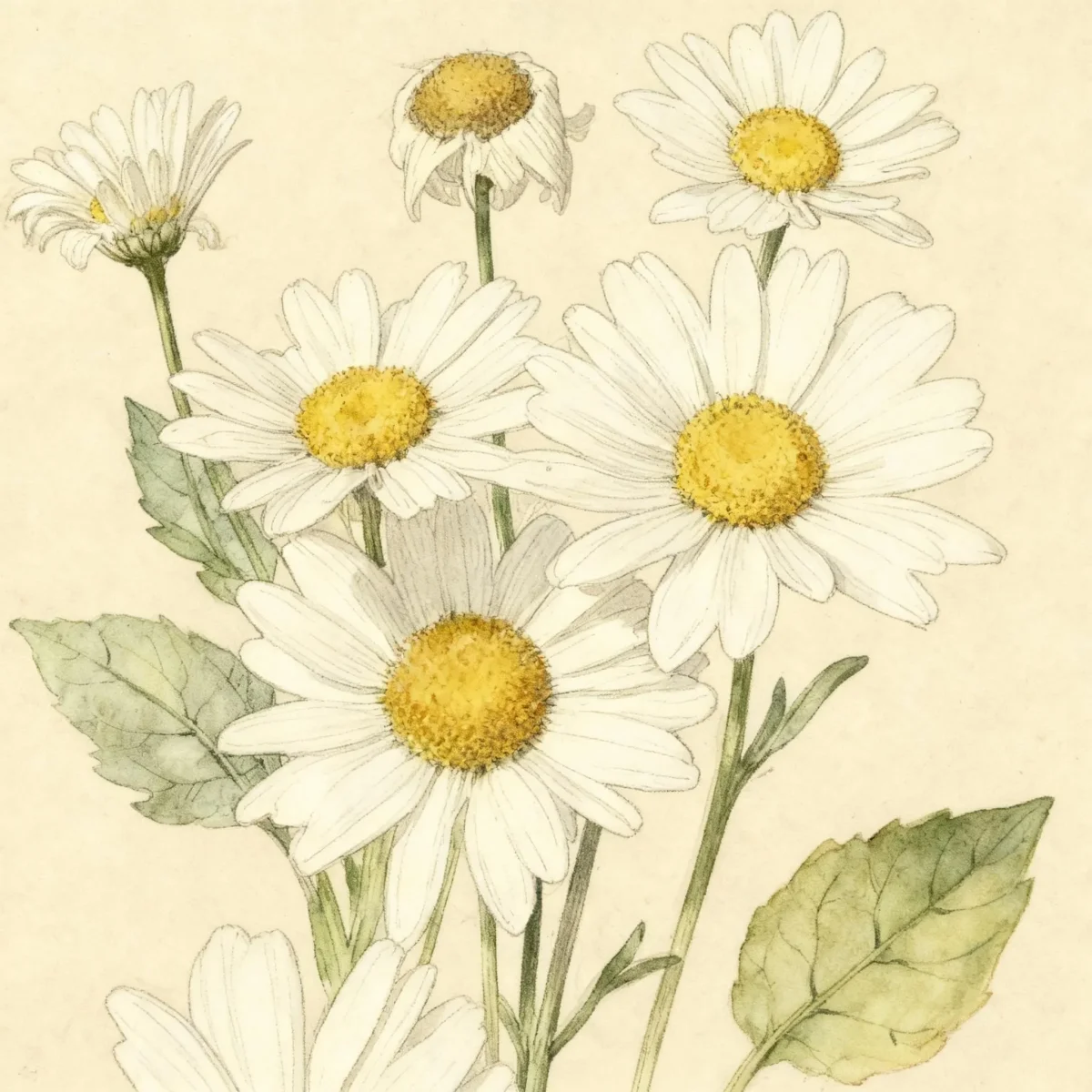
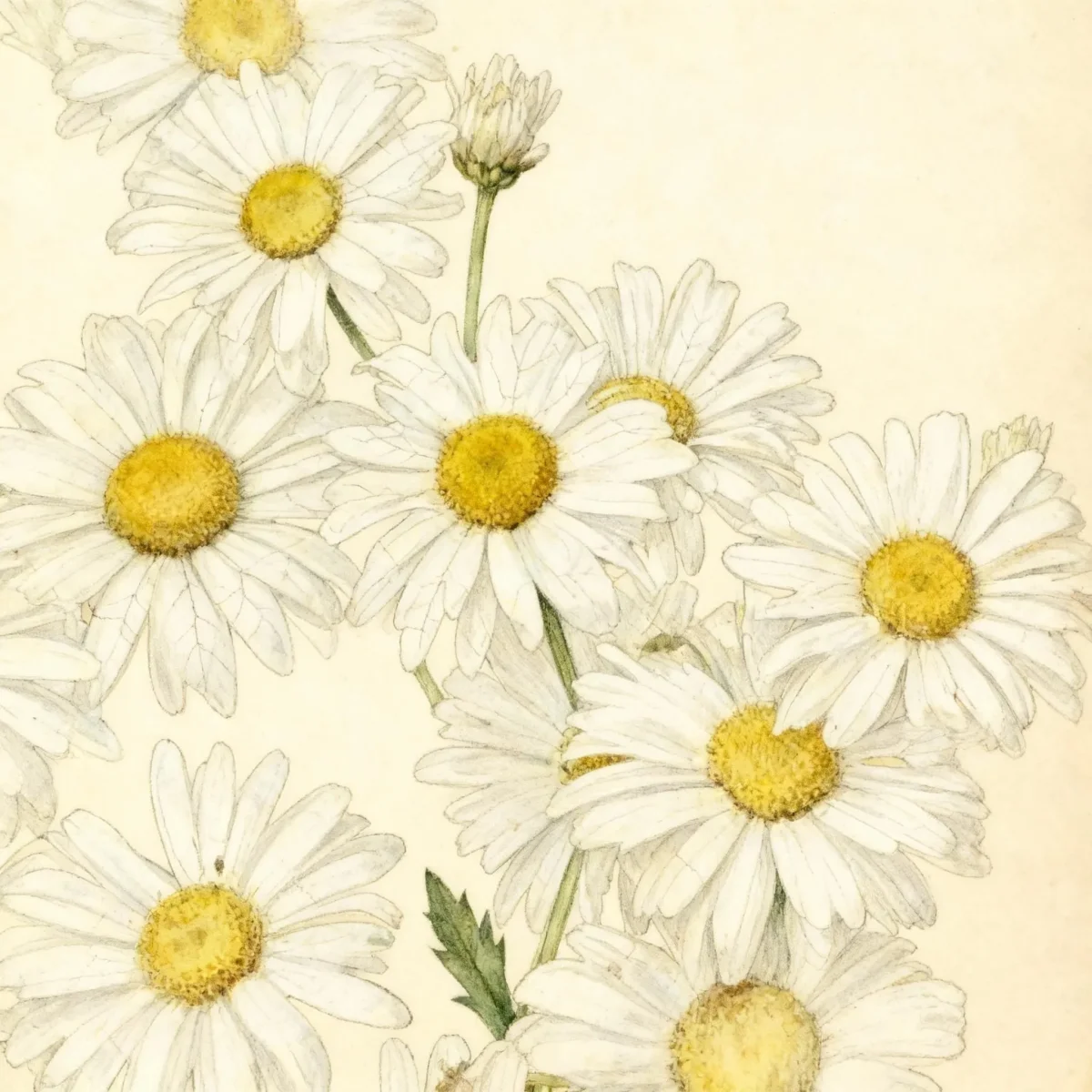
Prairie aster (Symphyotrichum turbinellum)
Prairie aster (Symphyotrichum turbinellum) is a low-maintenance perennial loved for its late-season lavender blooms that attract butterflies.
Scroll down to discover growing tips, care requirements, companion plants, and more
Complete Plant Information
Overview
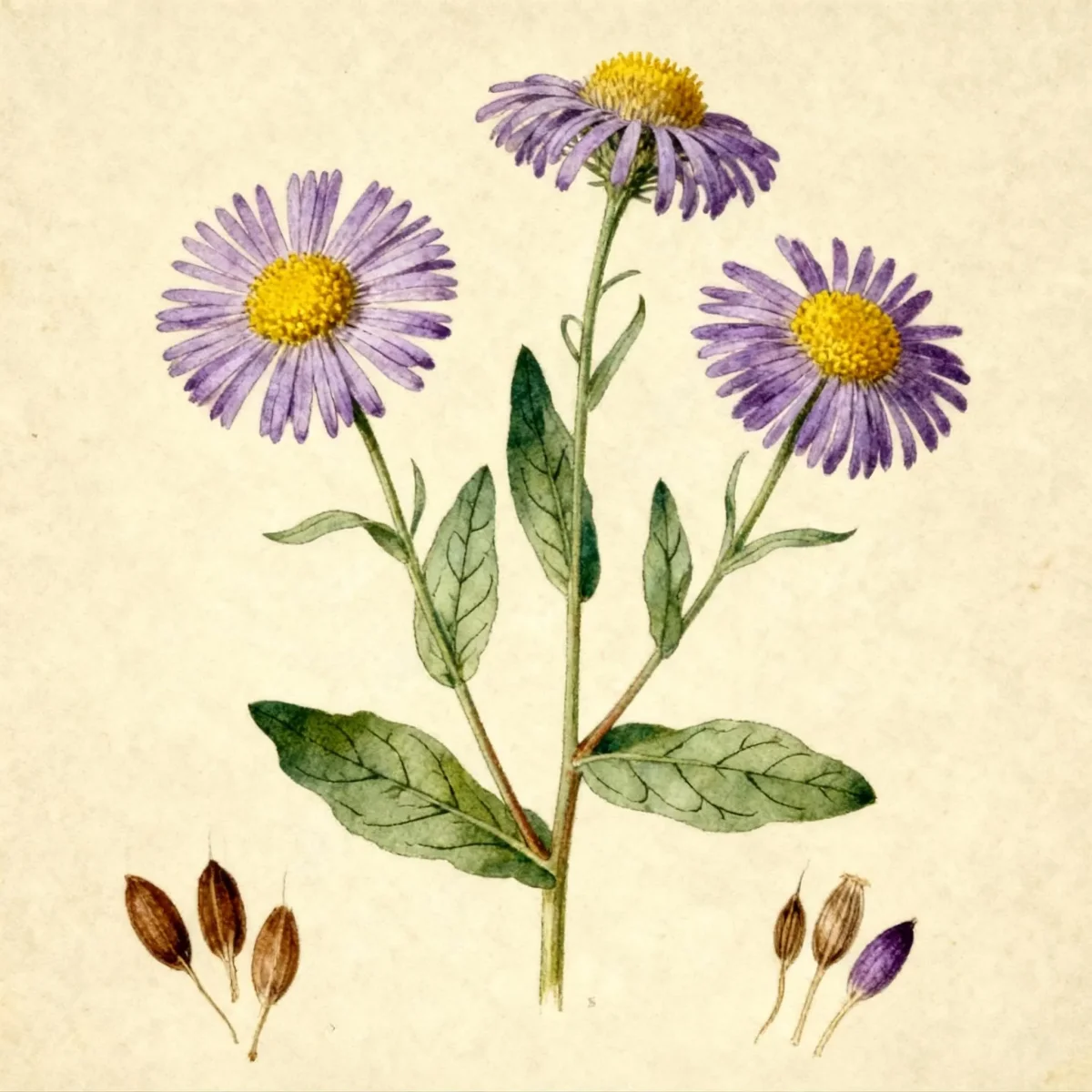
The Prairie aster (Symphyotrichum turbinellum) offers indispensable late-season color, providing vital nectar sources as many other garden plants fade. This herbaceous perennial is highly valued for its upright, shrubby habit and abundant display of daisy-like flowers featuring deep lavender to violet ray petals surrounding sunny yellow centers. Gardeners appreciate Symphyotrichum turbinellum for its adaptability and general ease of care, making it a stellar addition to both naturalistic plantings and structured borders.
Native to the dry prairies and open woods of the East-central United States, this plant thrives in sunny locations where many moisture-loving perennials struggle. The strong constitution of the Prairie aster means it requires minimal intervention once established, fitting perfectly into low-maintenance landscape designs. Its ability to handle dry conditions only adds to its practical appeal in modern, water-wise gardening schemes.
Blooming from late August well into October, Symphyotrichum turbinellum ensures season extension while attracting essential late-season pollinators like butterflies. By incorporating this tough, reliable native into your garden, you support local ecosystems while enjoying vibrant, long-lasting autumn color. Look for the unique turban-shaped base of its flowerheads, a characteristic that gives this plant its alternative name, turbinate aster.
Fast Facts
- Plant Family: Asteraceae
- Plant Type: Herbaceous perennial
- Native Range: East-central United States
- Hardiness Zones: USDA Zones 5-8
- Size at Maturity:
- Height: 3-4 ft
- Spread: 2-2.5 ft
- Bloom Time: August to October
- Bloom Description: Lavender to violet rays with yellow centers
- Sun Exposure: Full sun
- Water Needs: Dry to medium
- Maintenance Level: Low
How to Grow
Plant Symphyotrichum turbinellum in the spring or fall for best establishment, ensuring it receives full sun exposure, though it can tolerate part shade. This Prairie aster is remarkably adaptable regarding soil type, tolerating rocky loams, but it performs best in well-drained conditions that remain acidic to medium in moisture. Amending heavy clay soils with grit or coarse sand will help ensure the necessary drainage these native plants prefer.
Maintenance for this species is minimal; a low rating is well-deserved. Water only sparingly once established, as the species exhibits good drought tolerance. Fertilization is generally unnecessary, especially if grown in native soils, as too much fertility can encourage weak, leaning growth. Deadheading spent flowers is not typically required, allowing the seeds to mature for wildlife consumption.
For managing height, you can cut back the stems in very early spring before new growth begins, or apply the “Chelsea chop” in late May to encourage a bushier, shorter habit. In winter, leave the dried stalks standing to provide winter interest and shelter for dormant wildlife, cutting them down to the ground only when spring cleanup commences.
Landscape Uses
The reliable structure and late bloom time of Symphyotrichum turbinellum make it an excellent backbone plant in various settings. Place it along woodland margins or in open meadows where its natural aesthetic can shine, creating drifts of late-season color that mimic its native dry prairie habitat. The plant reaches heights up to four feet, making it perfect for the middle to back ranks of mixed borders.
This aster serves beautifully as a connector plant, bridging the transition between sun-loving blazing stars and later-blooming goldenrods. Companion planting works well with other drought-tolerant, full-sun natives like Purple Coneflower (Echinacea purpurea) or various little bluestem grasses, which complement its upright form. Consider using masses of Prairie aster to establish naturalized areas or pollinator gardens where high impact and low input are key design goals.
Standout Features
Flower Qualities
- Showy
Noteworthy Characteristics
Symphyotrichum turbinellum, commonly called prairie aster, is native to dry prairies, open woods, upland glades and ridges from Illinois to Kansas south to Oklahoma and Louisiana. It typically grows as a shrubby upright perennial to 4’ tall and to 2 1/2’ wide, featuring narrow leaves with smooth margins. Daisy-like flowers with deep lavender to violet rays and yellow centers bloom abundantly in open panicles from late August to October, and are highly attractive to butterflies.
Tolerances
- Drought
Potential Problems
The Prairie aster exhibits excellent resilience, boasting no serious insect or disease problems under appropriate cultural conditions. Its strong resistance to powdery mildew, a common blight affecting many asters, is a significant advantage for gardeners seeking reliable autumn color. Should any minor pest issues arise, addressing habitat conditions—ensuring adequate air circulation and drainage—is usually the most effective long-term preventative measure.
Frequently Asked Questions
What hardiness zones is Prairie aster suitable for?
Symphyotrichum turbinellum is reliably hardy across USDA Zones 5 through 8.
How large does Prairie aster grow?
This perennial typically reaches a mature height between 3 and 4 feet tall, with a consistent spread of 2 to 2.5 feet wide, forming an upright, shrubby presence.
What sun exposure does Symphyotrichum turbinellum need?
For the best flowering performance and healthiest structure, Symphyotrichum turbinellum requires full sun exposure.
When does Prairie aster bloom?
The bloom time for this species spans from August into October, showcasing lavender to violet ray flowers with distinct yellow centers.
Conclusion
The low maintenance and spectacular late-season display offered by Symphyotrichum turbinellum cement its status as an essential North American native. This reliably drought-tolerant Prairie aster provides critical late nectar for pollinators, rewarding gardeners with structure and vibrant color well into the fall. Before planting, confirm your site offers full sun and excellent drainage compatible with USDA Zones 5-8 for guaranteed success.
Companion Planting
Choosing companions wisely enhances the visual appeal and health of the Symphyotrichum turbinellum planting. Since this aster prefers dry to medium soil, pair it with other prairie natives that share similar xeriscaping needs. Excellent choices include various species of Muhly Grass (Muhlenbergia) or False Indigo (Baptisia) which provide contrasting textures in the spring before the asters peak in the fall. Avoid moisture-loving ferns or hostas, as overly rich or perpetually damp conditions can weaken the aster.
Wildlife Benefits
One of the strongest assets of the Prairie aster is its significant contribution to local ecosystems during the late growing season. Its abundant flowers provide essential fuel for migrating butterflies and last-minute honeybees when other food sources have diminished. The yellow centers are particularly attractive to smaller beneficial insects as well as classic monarch butterflies. Leaving the seed heads intact over winter also offers winter food sources for small seed-eating birds.