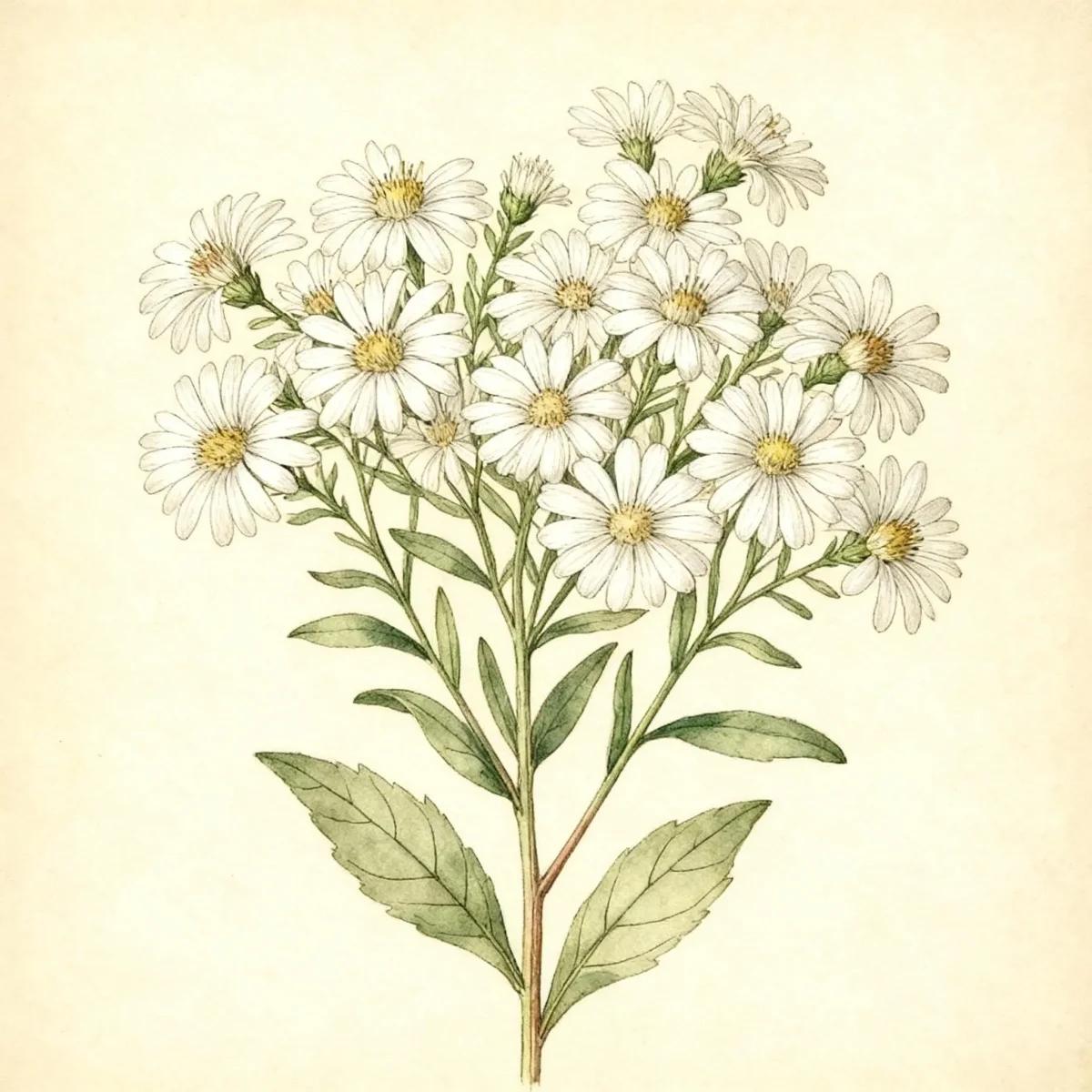
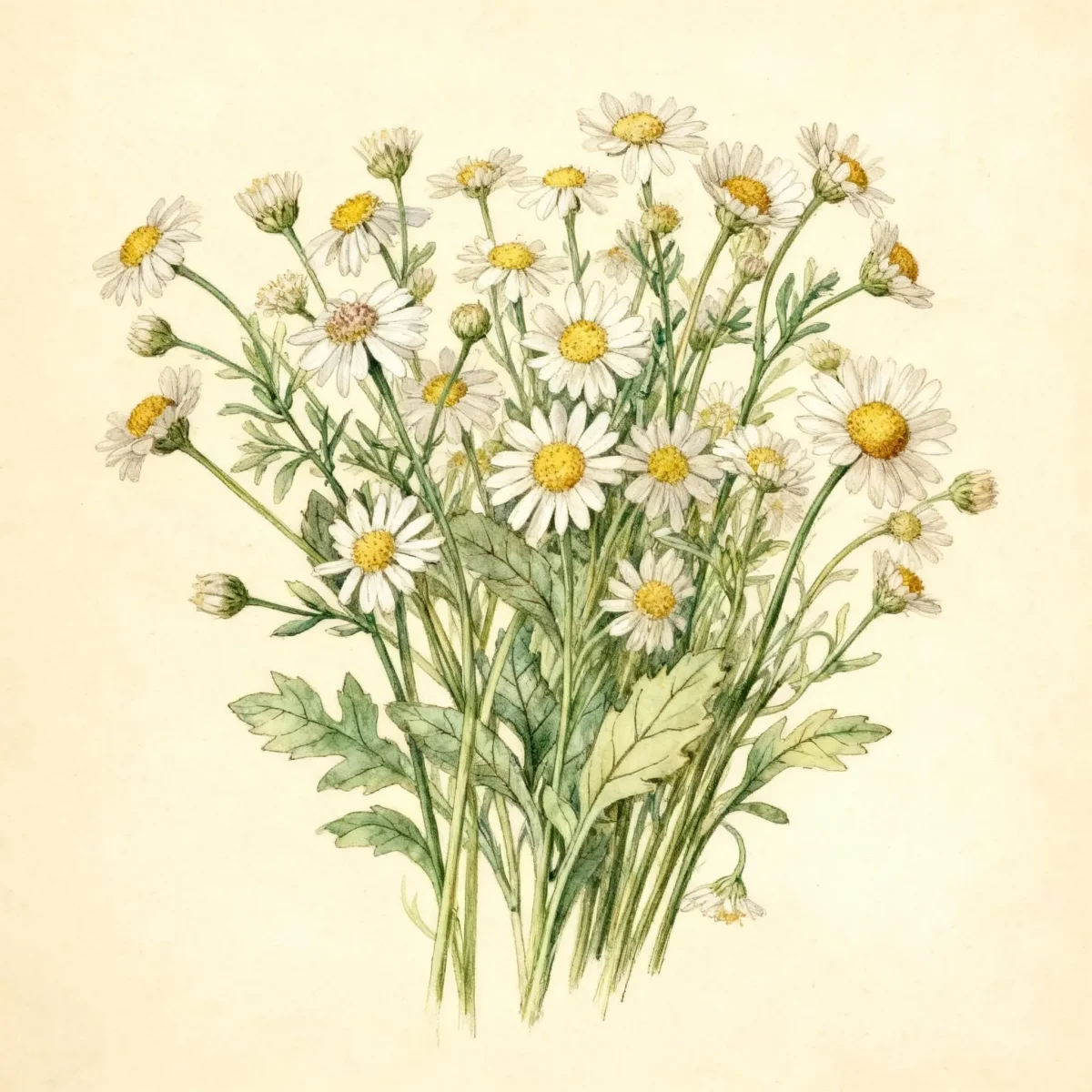
Heath aster (Symphyotrichum ericoides)
The Heath aster (Symphyotrichum ericoides) is a rugged, low-maintenance perennial offering profuse late-season white blooms.
Scroll down to discover growing tips, care requirements, companion plants, and more

Complete Plant Information
Overview
The Heath aster (Symphyotrichum ericoides) is an invaluable late-season bloomer well-suited for challenging garden environments. This bushy, somewhat compact perennial provides a final burst of color when many other species have faded, making it a vital component of autumn interest gardens. Its profusion of small, daisy-like flowers stands out vibrantly against its narrow, heath-like foliage.
As a tough native plant of central and eastern North America, Symphyotrichum ericoides demands very little from the gardener once established. It thrives in full sun and handles poor soil composition remarkably well, making it perfect for xeriscaping or filling in difficult, dry spots. This resilience is a defining feature that makes Symphyotrichum ericoides a highly practical choice.
A significant benefit of planting the Heath aster is its late flowering window, which offers crucial nectar for late-season pollinators, particularly butterflies. Its ability to tolerate a wide range of soils—from sandy to clay—combined with its low maintenance requirements, cements the Heath aster’s status as an essential, hardworking perennial for naturalistic or low-water landscapes.
Fast Facts
- Plant Family: Asteraceae
- Plant Type: Herbaceous perennial
- Native Range: Central and eastern United States, Canada
- Hardiness Zones: USDA Zones 3-10
- Size at Maturity:
- Height: 1-3 ft
- Spread: 1-1.5 ft
- Bloom Time: August to October
- Bloom Description: White with yellow centers
- Sun Exposure: Full sun
- Water Needs: Dry to medium
- Maintenance Level: Low
How to Grow
Plant Symphyotrichum ericoides in the spring or fall, ensuring it receives full, direct sunlight throughout the day for the best flowering performance. This species is highly adaptable concerning soil texture, thriving in average conditions but performing exceptionally well in dry, well-drained locations. It readily accepts sandy or clay soils and tolerates poor conditions, requiring no special amendments for establishment.
Water sparsely once the drought-tolerant Heath aster has matured, allowing the soil to dry out between watering sessions, particularly if you are growing it in a drier native garden setting. Fertilization is generally unnecessary; over-fertilizing rich soil can lead to floppiness. Due to its bushy nature, it generally stands upright, but very tall stands may occasionally require light staking for support in windy areas.
Maintenance is minimal for this low-care perennial. Cut back the stems close to the ground in late winter or early spring before new growth emerges. Because Symphyotrichum ericoides spreads slowly over time, dividing clumps every few years if they become overcrowded can reinvigorate the plant and maintain desired garden spacing, though this is rarely mandatory.
Landscape Uses
The profuse, late summer to early fall bloom display provided by Heath aster makes it an excellent selection for adding depth to perennial borders. Its upright habit and dense sprays of starry flowers provide textural contrast against broader-leafed plants blooming earlier in the season. Consider planting it toward the middle or back of a border where it can be appreciated throughout the autumn months.
This robust aster is perfectly suited for rock gardens where sharp drainage and leaner soils are common, fitting right into the requirements of Symphyotrichum ericoides. Additionally, it excels in wildflower meadows, native plant groupings, and along naturalized edges like roadsides or dry slopes where erosion control is beneficial. Its small, bright blooms are frequently noted as being attractive to butterflies.
For an ideal color combination, pair the white-flowered Symphyotrichum ericoides with late-blooming goldenrods (Solidago species) or purple-flowering asters of different habits for a classic autumn tapestry effect. The narrow foliage provides year-round structure, even when not in bloom.
Standout Features
Flower Qualities
- Showy
Noteworthy Characteristics
Symphyotrichum ericoides, commonly called heath aster, is a Missouri native plant that typically occurs in open rocky woods, prairies and along roads and railroads. A bushy, somewhat compact plant with many-branched stems which typically grows 1’ to 3’ tall. Small, daisy-like flowers (1/2” across) are borne in profusion in spreading, often one-sided, dense sprays (racemes) in late summer to early fall. The specific epithet ericoides means resembling the genus Erica (heather), referring to its distinct leaf structure.
Tolerances
- Drought
- Erosion
- Clay Soil
- Dry Soil
- Shallow-Rocky Soil
Potential Problems
Gardeners will find few issues when growing Symphyotrichum ericoides. It exhibits strong resistance to most common insect pests and many serious diseases, including mildew resistance often seen in other asters. The primary potential issue is structural integrity; while typically bushy, very vigorous plants in rich soil might benefit from early season pinching or staking to prevent stems from flopping, ensuring upright performance through the blooming period.
Frequently Asked Questions
What hardiness zones is Heath aster suitable for?
The Heath aster (Symphyotrichum ericoides) is remarkably adaptable, thriving in USDA Hardiness Zones 3 through 10.
How large does Heath aster grow?
This herbaceous perennial typically reaches a height between 1 and 3 feet, with a spread generally ranging from 1 to 1.5 feet wide.
What sun exposure does Symphyotrichum ericoides need?
Symphyotrichum ericoides requires maximum performance conditions, necessitating full sun exposure throughout the growing season.
When does Heath aster bloom?
This reliable plant signals the transition into fall, with blooming occurring prolifically from August through October, showcasing white flowers with bright yellow centers.
Conclusion
The Heath aster (Symphyotrichum ericoides) offers gardeners a practical solution for low-maintenance gardening, delivering significant late-season visual appeal and vital support for pollinators. Its exceptional tolerance for difficult soils and dry conditions makes this native perennial a highly reliable anchor in challenging garden sites. Be sure to check your local USDA zone compatibility before planting this sturdy selection this coming autumn.
Wildlife Benefits
The extended bloom time of Symphyotrichum ericoides from August into October is critically important for supporting late-season insect activity. As many summer bloomers complete their cycle, the hundreds of small, nectar-rich flowers on the Heath aster provide essential fuel for migratory pollinators, especially butterflies preparing for their journeys. Attracting these beneficial insects enhances the biodiversity of your garden space significantly.
This plant serves as an excellent backdrop or filler in native plantings specifically designed to maximize wildlife support. Because it is a North American native, local insect populations have evolved alongside it, ensuring maximum ecological value. Planting drifts of Symphyotrichum ericoides ensures a consistent food source during this often barren part of the gardening calendar.
Companion Planting
When selecting neighbors for your Heath aster, focus on plants that share its preference for full sun and well-drained, even dry, conditions. Excellent companions include ornamental grasses such as Little Bluestem (Schizachyrium scoparium) or Prairie Dropseed (Sporobolus heterolepis), which offer contrasting texture and movement. For complementary late-season color, pair it with other robust late bloomers like certain varieties of Sedum or late-flowering goldenrods that can handle similar drought stress. Avoiding moisture-loving plants is key to maintaining the dry-adapted health of Symphyotrichum ericoides.