Bee bee tree (Tetradium daniellii)
Discover the Bee bee tree (Tetradium daniellii), a fast-growing, low-maintenance tree celebrated for its fragrant white summer blooms and bird-attracting fruit.
Scroll down to discover growing tips, care requirements, companion plants, and more
Complete Plant Information
Overview
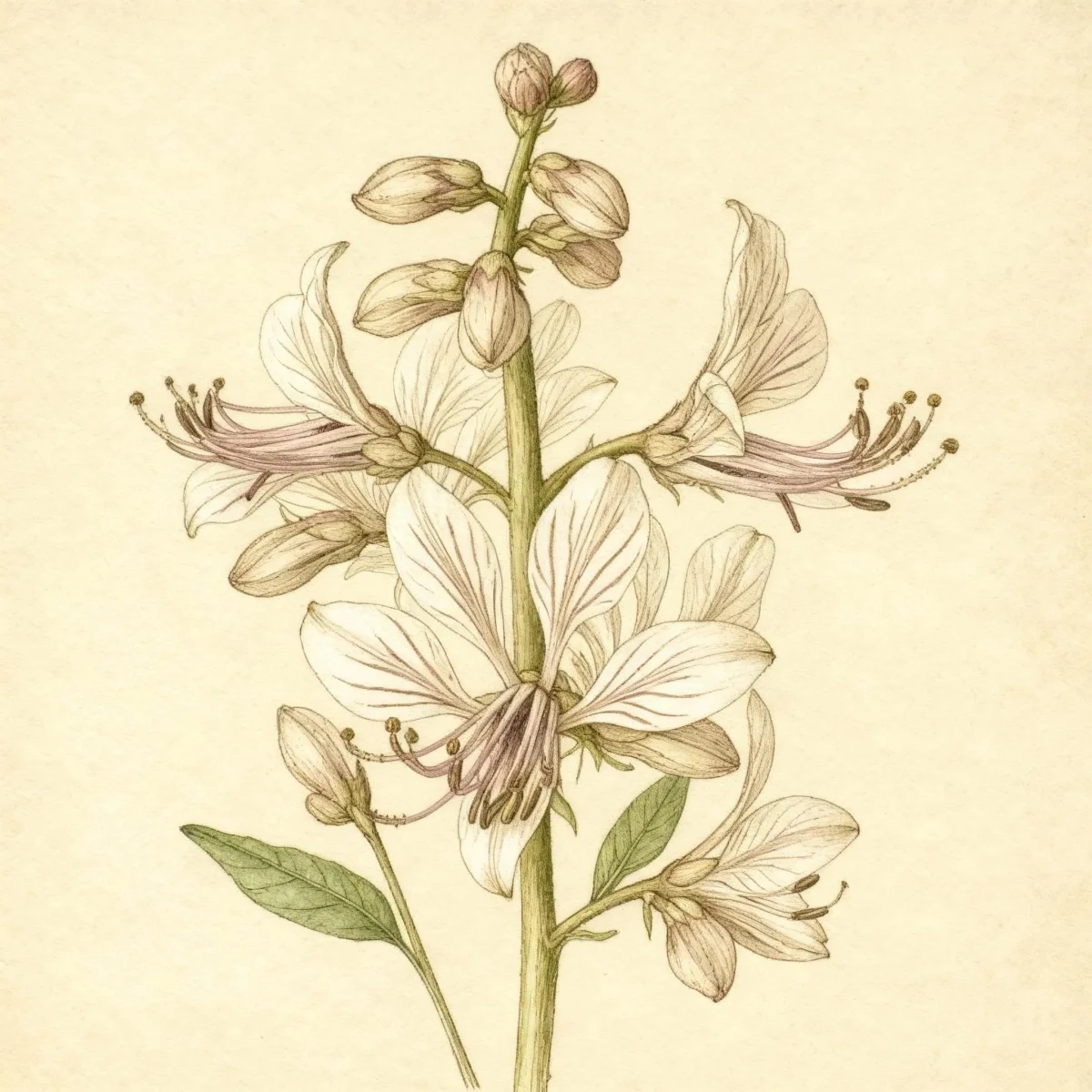
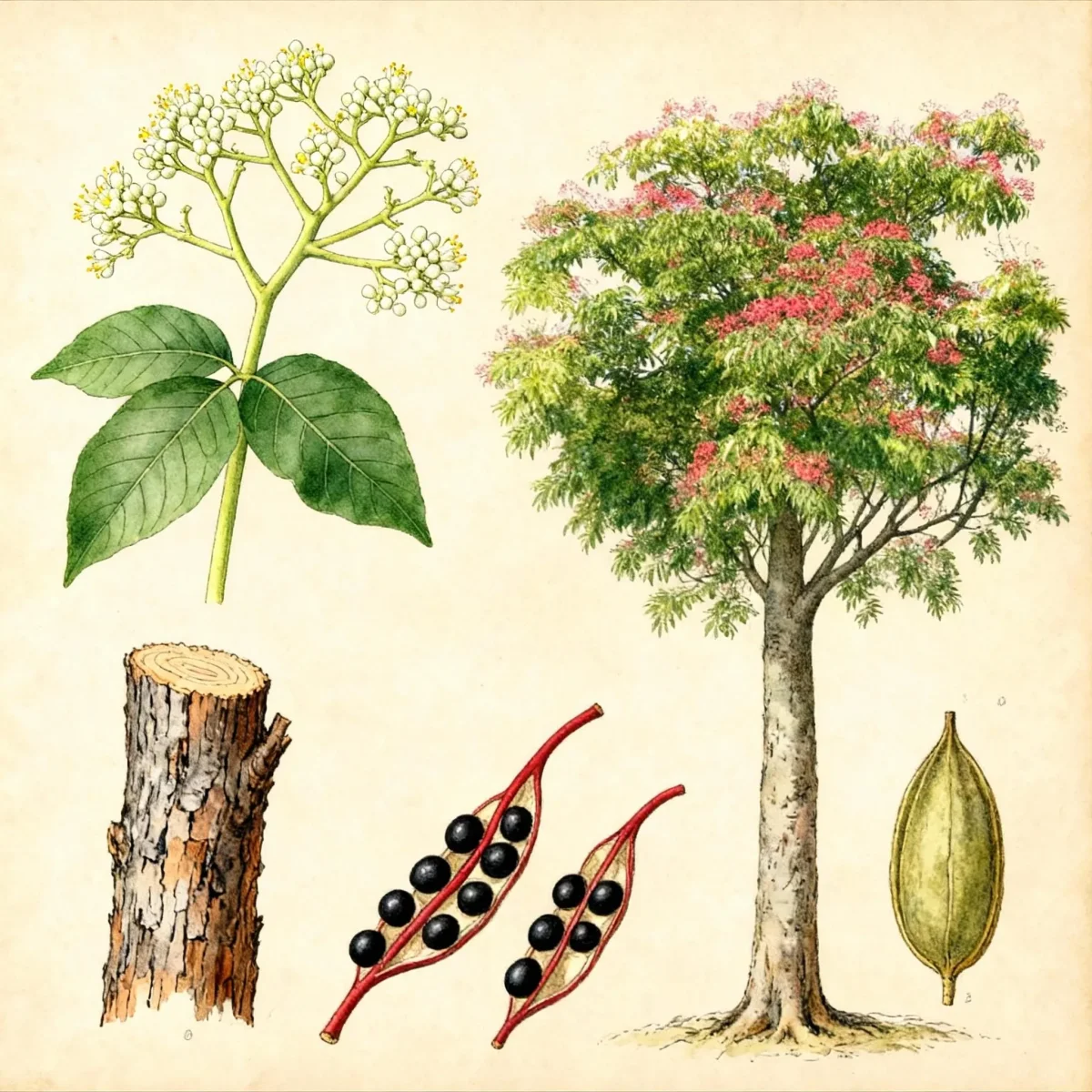
The Bee bee tree (Tetradium daniellii) is a highly valued, fast-growing specimen noted for providing abundant late-season interest. This deciduous tree develops a handsome, rounded shape, making it an excellent focal point in many landscape designs. Its primary claim to fame rests with its clusters of highly fragrant, small, white flowers that bloom when few other trees are flowering, attracting numerous pollinators.
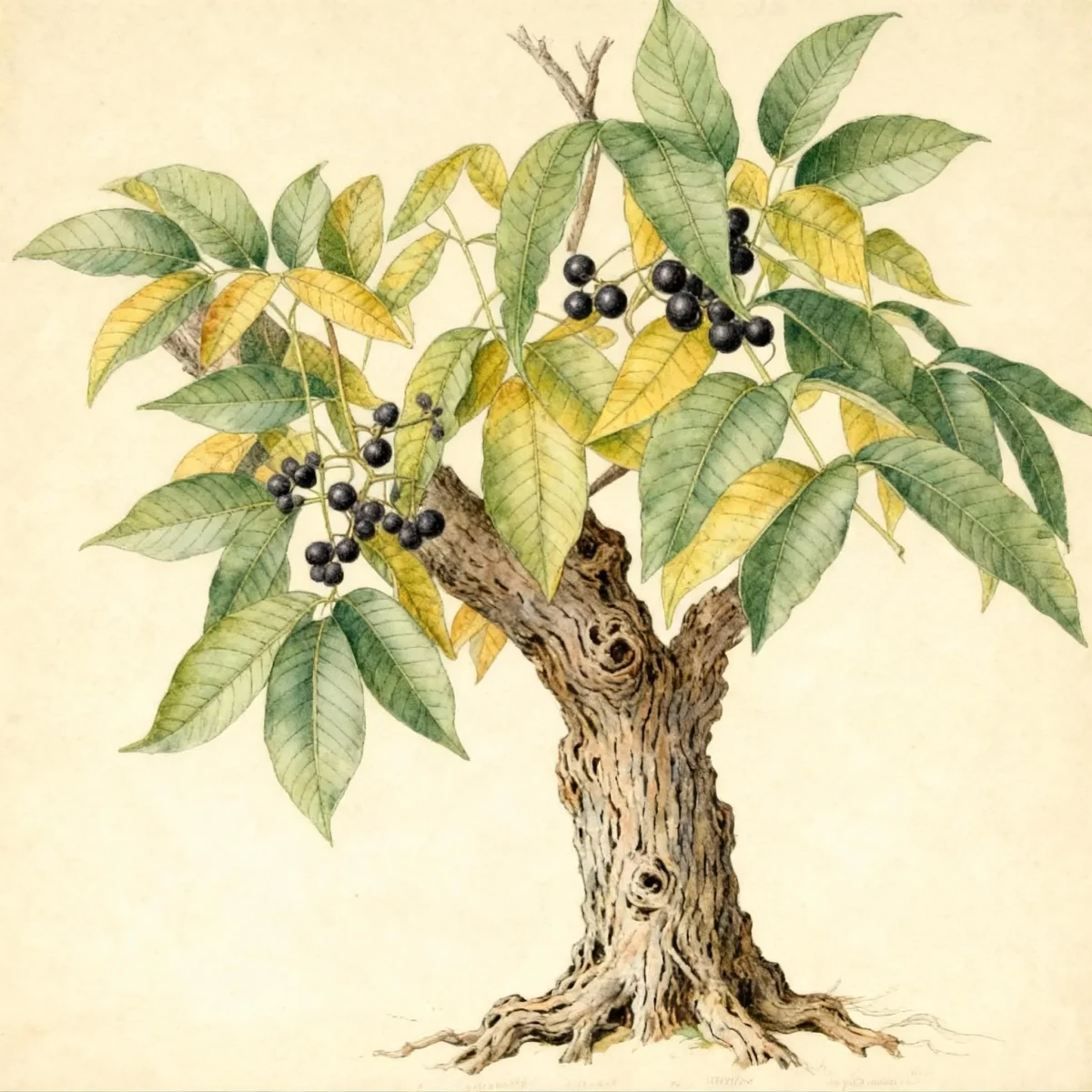
Native to China, Tetradium daniellii offers a multi-season show. After the summer bloom, persistent, showy reddish-purple seed pods develop, which later split open to reveal shiny black seeds that are highly attractive to local bird populations, extending its aesthetic appeal into the late fall and early winter months.
Known for its moderate environmental needs, the Bee bee tree is relatively easy to care for once established. Gardeners appreciate its low maintenance requirements and its robust growth rate, allowing it to quickly fill in spaces in the landscape while providing essential seasonal color and wildlife dividends.
Fast Facts
- Plant Family: Rutaceae
- Plant Type: Tree
- Native Range: China
- Hardiness Zones: USDA Zones 4-8
- Size at Maturity:
- Height: 25-30 ft
- Spread: 25-30 ft
- Bloom Time: July to August
- Bloom Description: White sometimes tinged w/yellow or pink
- Sun Exposure: Full sun
- Water Needs: Medium
- Maintenance Level: Low
How to Grow
For best results, plant your Tetradium daniellii in a location that receives full sun, although it can tolerate some light shade in warmer climates. The soil should be consistently moist, moderately fertile, and most importantly, well-drained. Incorporate organic matter into the planting hole to improve structure and moisture retention initially.
Watering should remain consistent, especially during the initial establishment period, meeting its medium water requirements. Fertilizing is rarely necessary if the soil is reasonably fertile; focus maintenance efforts more on proper pruning management rather than heavy feeding. Prune only to remove crossing or damaged limbs, as the natural umbrella shape is generally desirable.
This tree is easily grown and can be successfully established directly from seed planted on the ground during the fall season. Be aware that plants exhibit rapid growth in their early years, so site them away from foundations or underground utilities where vigorous root systems might become problematic later on.
Landscape Uses
The Bee bee tree excels as a durable specimen plant, making it a superb choice for a small lawn tree where its dense canopy can provide welcome shade during the summer bloom period. Its tidy, rounded habit also makes it suitable for use in woodland garden settings, providing structure along naturalized borders.
Because of its strong vertical interest and fragrant flowers, consider positioning the Tetradium daniellii where it can be easily observed from outdoor living spaces. While it functions well as a solitary feature, it pairs nicely with understory shrubs that tolerate dappled light, or broadleaf evergreens that contrast with its pinnately compound foliage.
As a flowering tree, the Bee bee tree offers mid-summer bloom that enhances garden vibrancy when many spring-flowering specimens are fading. Its value to wildlife, especially honey bees during flowering, makes it an indispensable eco-friendly addition to almost any sizable landscape plan.
Standout Features
Flower Qualities
- Showy
- Fragrant
Fruit Qualities
- Showy
Noteworthy Characteristics
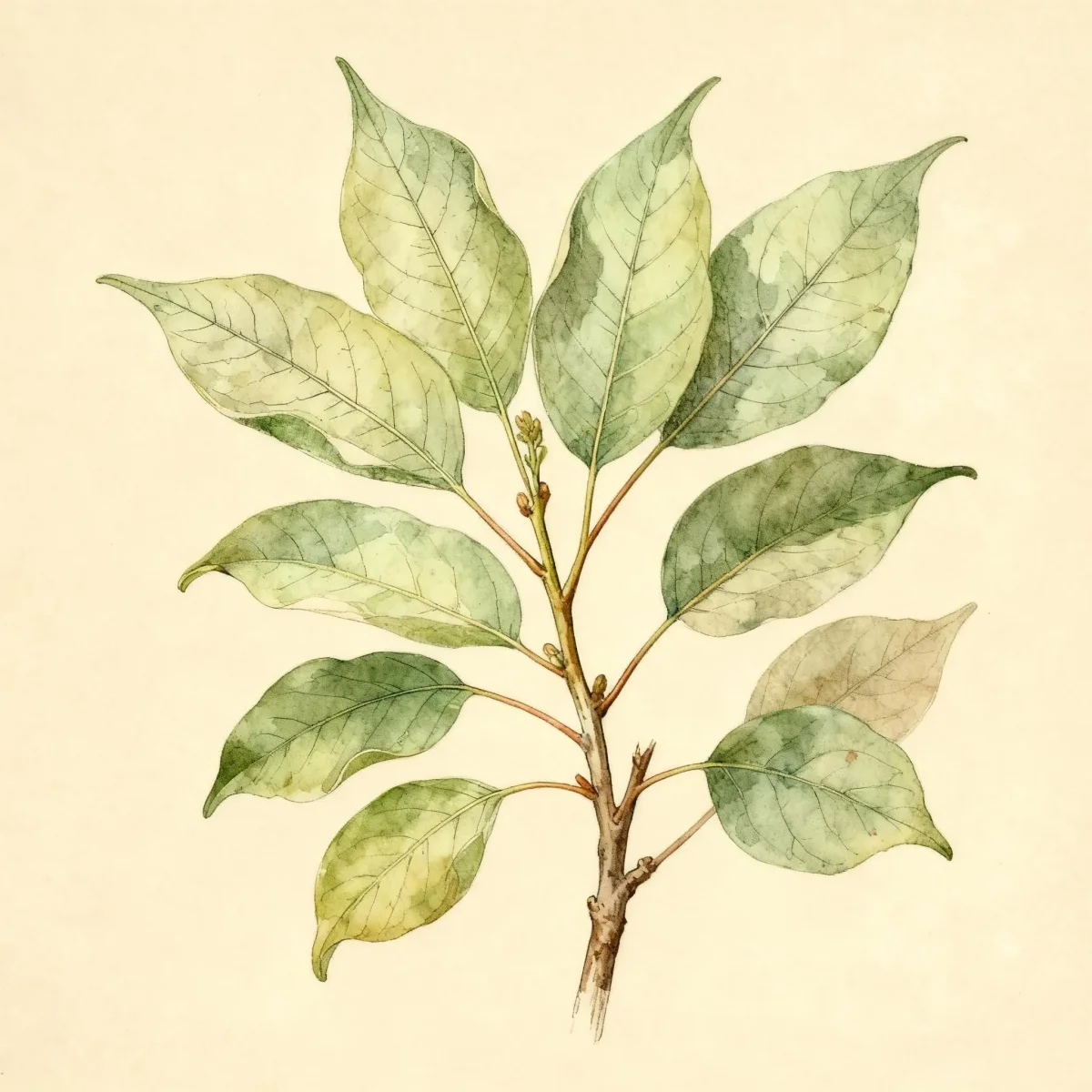
Tetradium daniellii, commonly called tetradium or bee bee tree, is native to Korea and southwestern China, developing a rounded, umbrella-shaped habit that can reach up to 50 feet occasionally. Its small, fragrant white flowers bloom profusely in July and August, intensely attractive to honey bees when other food sources are scarce, giving way to colorful, persistent seed pods enjoyed by birds. The leaves are large, pinnately compound, featuring glossy dark green leaflets that hold their color well throughout the season before dropping green or yellowish-green, revealing smooth gray bark underneath.
Tolerances
Potential Problems
A significant benefit of growing the Tetradium daniellii is its robust nature; the tree generally experiences no serious insect or disease problems. This exceptional resistance to common pests and pathogens reduces the need for chemical interventions, aligning well with low-maintenance and organic gardening practices. Monitor for watering stress if planted in extremely well-drained, poor soil during prolonged droughts, but otherwise, enjoyment of the Bee bee tree should be largely worry-free.
Frequently Asked Questions
What hardiness zones is Bee bee tree suitable for?
The Bee bee tree (Tetradium daniellii) is reliably hardy in USDA Zones 4 through 8.
How large does Tetradium daniellii grow?
At maturity, this tree typically reaches a height and spread between 25 and 30 feet, though some specimens can occasionally grow larger, up to 50 feet.
When does Bee bee tree bloom?
The Bee bee tree produces its abundant blooms during the mid-summer months, specifically from July into August, appearing as white flowers sometimes tinged with yellow or pink.
What sun exposure does Tetradium daniellii need?
This species performs best when grown in full sun, which encourages the densest flowering and strongest structure, although it tolerates light afternoon shade.
Conclusion
The Bee bee tree (Tetradium daniellii) stands out as a valuable, low-maintenance addition to the landscape, supplying critical late-summer fragrance for pollinators and attractive seeds for birds. Its reliability in Zones 4-8 and its fast growth rate make the Tetradium daniellii a wonderful choice for gardeners seeking structure and wildlife value. Before planting, confirm your site offers full sun and consistently moist ground to ensure this handsome specimen thrives.
Wildlife Benefits
The most significant conservation contribution of the Bee bee tree centers on its intense mid-summer bloom. When many trees have finished flowering, the Tetradium daniellii offers masses of fragrant flowers that are irresistible to honey bees and other essential pollinators seeking nectar when resources are scarce. This timing makes the Bee bee tree a crucial component of any pollinator-friendly garden design.
Following the bloom, the structure shifts to visual interest provided by the fruit. The showy, reddish-purple seed capsules remain on the branches from late August through November, persisting well into the colder months. These pods eventually split, exposing black seeds that serve as a valuable late-season food source for various native bird species, ensuring the tree remains a vital functional plant long after its summer aesthetic peak.