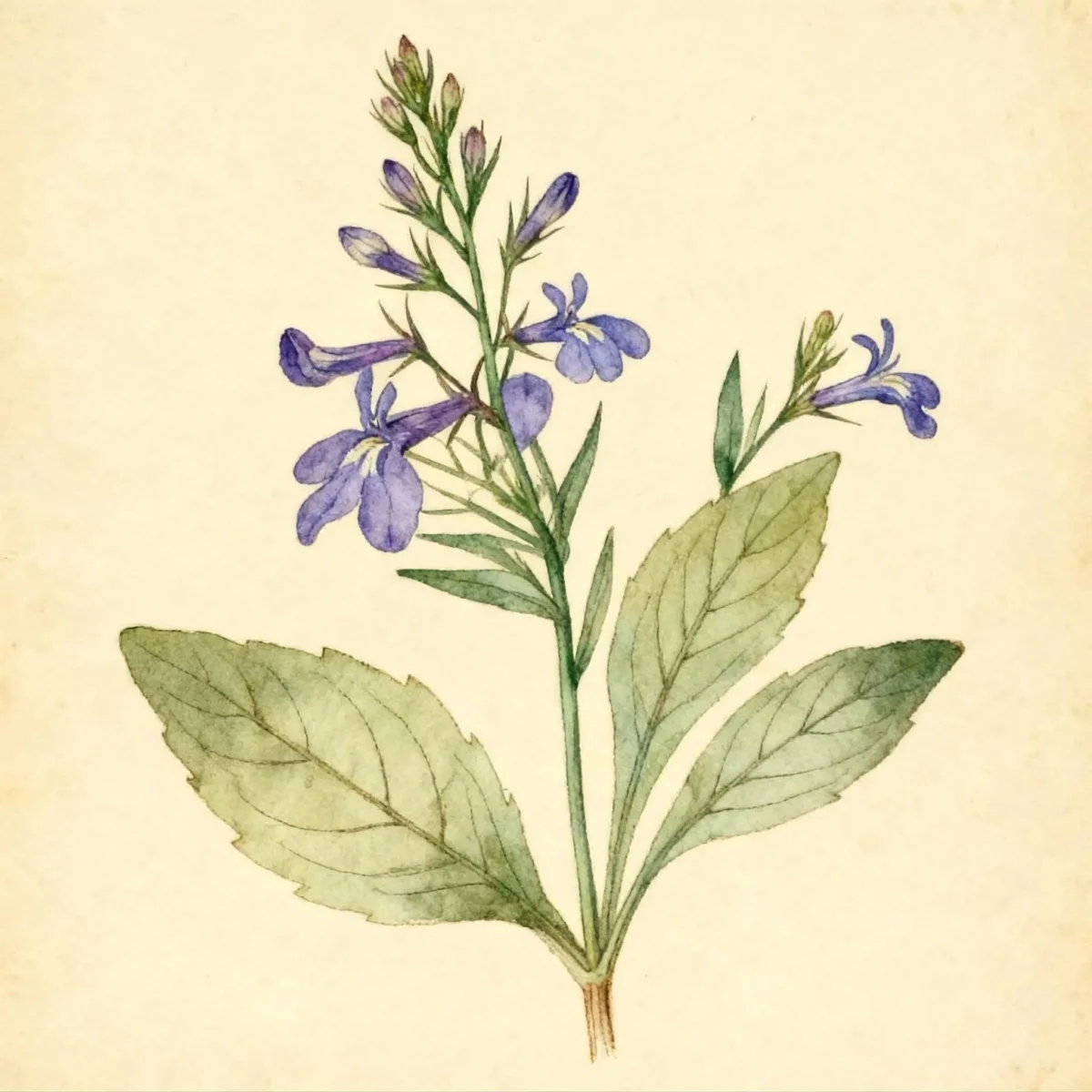
Laurentia (Isotoma axillaris)
Laurentia offers abundant, light blue, star-shaped flowers from June to frost. This Isotoma axillaris is stunning in beds or containers.
Scroll down to discover growing tips, care requirements, companion plants, and more
Complete Plant Information
Overview
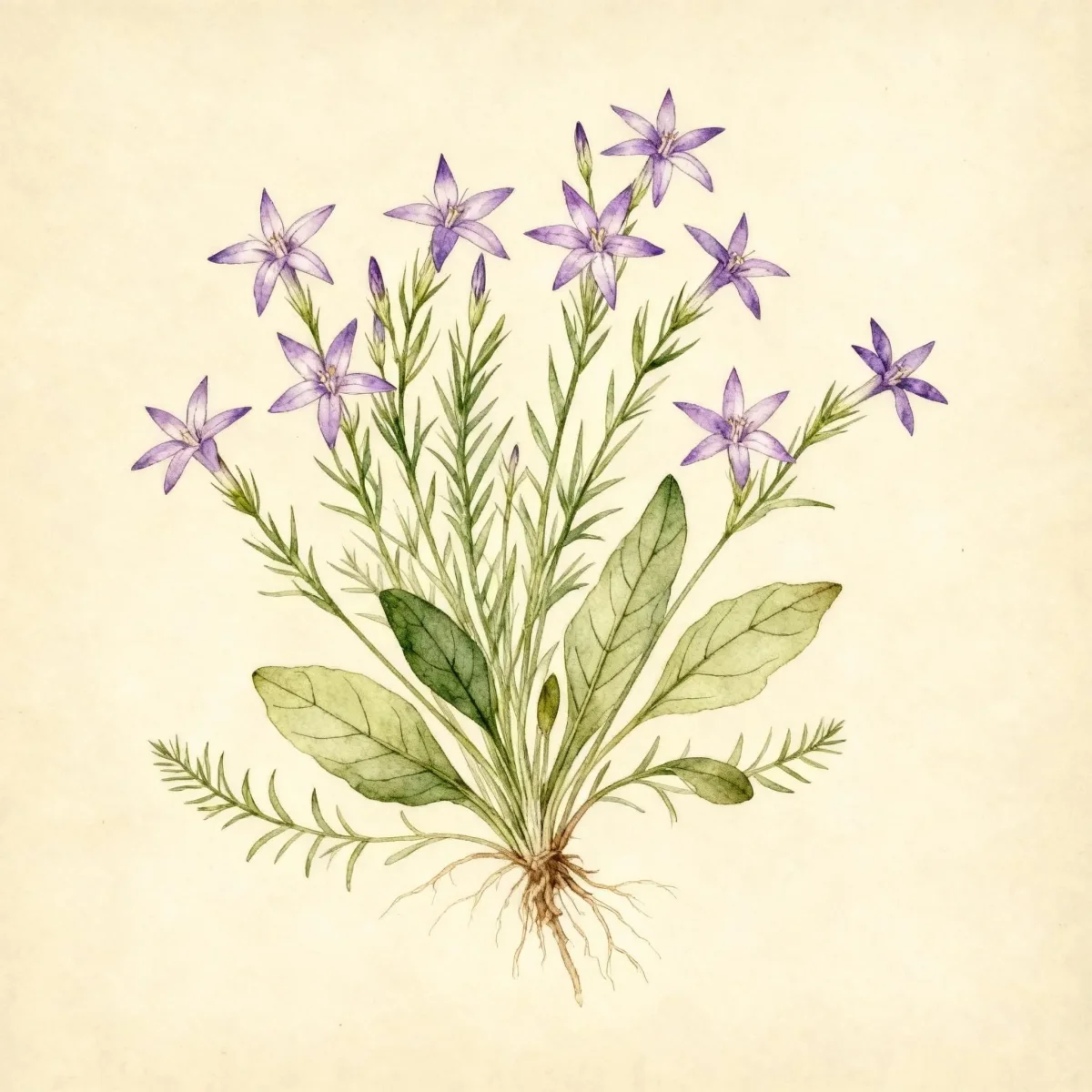
Laurentia, scientifically known as Isotoma axillaris, is a charming herbaceous perennial celebrated for its profusion of light blue to purple-blue, star-shaped flowers that carry the garden color from early summer right up until the first frost. Often sold under the synonym Laurentia, this Australian native provides a low-growing, gently mounding texture perfect for softening edges or filling containers. Gardeners prize its continuous, showy bloom display, which requires relatively straightforward care in the proper climate.
While Isotoma axillaris is naturally a woody-based perennial capable of thriving year-round in warmer regions, it is most commonly grown in cooler climates as a reliable annual accent plant. It forms an upright mound of finely dissected foliage, providing a delicate contrast to its clear, star-like blooms. For gardeners seeking consistent summer color, Laurentia offers excellent performance when conditions—particularly sun and moisture—are met.
The genus name Isotoma derives from Greek words meaning “equal section,” a nod to the symmetrical structure of its five-parted flowers. Whether used as an annual filler or a tender perennial, this plant known commonly as Blue Star Creeper brings delicate texture and bright, cool-toned flowers to the summer landscape.
Fast Facts
- Plant Family: Campanulaceae
- Plant Type: Herbaceous perennial
- Native Range: Australia
- Hardiness Zones: USDA Zones 10-11
- Size at Maturity:
- Height: 0.5-1 ft
- Spread: 0.75-1 ft
- Bloom Time: June to frost
- Bloom Description: Light blue to purple blue
- Sun Exposure: Full sun
- Water Needs: Medium
- Maintenance Level: Medium
How to Grow
For optimal blooming, plant Isotoma axillaris in locations receiving full sun, as insufficient light will result in leggier growth and fewer flowers. This plant thrives in average, well-drained soils that maintain medium moisture levels consistently throughout the growing season. If growing from seed, start indoors approximately 10 to 12 weeks before your region’s last expected spring frost date. Transplant the young Laurentia seedlings outdoors only after all danger of frost has passed.
Watering needs for established plants are moderate; ensure the soil does not dry out completely, especially during hot summer periods where evaporation is high. Consistent access to moisture supports the nearly continuous flowering habit of this species. Minimal pruning is usually necessary unless shaping is required; simply deadhead spent blooms to encourage more flower production if desired.
Gardeners in zones colder than USDA Zone 10 treat Isotoma axillaris strictly as an annual. However, for those wishing to save special plants, cuttings can be taken in late summer for easy indoor propagation overwintering. Alternatively, container-grown specimens of Laurentia can be brought inside before the first fall frost, situated in a cool, sunny spot, and watered sparingly until spring.
Landscape Uses
The compact, mounding habit and continuous bloom cycle make Laurentia an exceptional choice for edging borders or mass planting in sunny beds where its low stature won’t overwhelm neighboring plants. Because of its refined appearance and consistent color, it excels as a “thriller” or “filler” component in mixed summer containers. Use it alongside trailing petunias or mounding zinnias for textural contrast.
In mixed plantings, the cool blue tones of Isotoma axillaris provide a wonderful visual resting place amidst warmer-colored annuals or perennials. Consider pairing it with plants that share the same sun and medium water requirements, such as calibrachoa or drought-tolerant calibrachoa varieties for lower maintenance. Its 1-foot spread makes it ideal for filling mid-sized gaps between taller landscape features.
When grown in containers, the trailing tendency of the stems allows Laurentia to spill gracefully over the edges, softening hard container lines. Ensure containers have excellent drainage to accommodate the preference for medium moisture without becoming waterlogged, which is crucial for long-term success with this plant.
Standout Features
Flower Qualities
- Showy
Noteworthy Characteristics
Isotoma axillaris, commonly called blue stars, star flowers, rock isotomes or laurentias, is native to frost-free areas of Australia. This is a woody-based perennial that grows as an upright mound of branched stems to 6-12” tall. Features light blue to purple blue, star-shaped flowers to 1.5” diameter that bloom from summer to fall, alongside long, deeply-dissected leaves up to 5” long. The genus name comes from the Greek words isos meaning equal and toma meaning a section, referring to the equal segments of the corolla.
Tolerances
- No serious insect or disease problems.
Potential Problems
While Laurentia generally exhibits good resistance to pests and diseases, gardeners should remain vigilant for occasional infestations of aphids, particularly when the plants are stressed or kept indoors for overwintering. Management typically involves spraying with insecticidal soap. A more specific caution for Isotoma axillaris relates to its sap; the milky substance released from broken stems may cause skin or eye irritation in sensitive individuals, so wearing gloves during handling is recommended.
Frequently Asked Questions
What hardiness zones is Laurentia suitable for?
Laurentia, or Isotoma axillaris, is winter hardy only in USDA Zones 10 and 11, where it can be grown as a perennial year-round. In cooler climates, it is best enjoyed as an annual.
How large does Laurentia grow?
This plant typically reaches a height between 0.5 and 1 foot tall, spreading approximately 0.75 to 1 foot wide, forming a neat, low mound.
What sun exposure does Isotoma axillaris need?
Isotoma axillaris performs best when situated in full sun conditions, which encourages the most robust flowering performance from June through frost.
When does Laurentia bloom?
You can expect continuous blooms on Laurentia from June until the first hard frost, featuring attractive light blue to purple blue flowers.
Conclusion
Laurentia (Isotoma axillaris) provides exceptional value to the garden through its long blooming season of delicate, star-shaped blue flowers and easy-going mound habit. Its suitability as both a tender perennial and a reliable annual makes it flexible for various gardening situations. Before planting, confirm your local hardiness zone or plan accordingly to treat it as a vibrant summer seasonal display.
Companion Planting
Selecting appropriate companions for Laurentia involves matching its preference for full sun and medium, consistent moisture. Plants that maintain similar cultural needs will thrive alongside Isotoma axillaris without competing aggressively for resources. Consider pairing it with silver foliage plants, whose softer colors complement the cool blue palette of the Laurentia blooms beautifully.
For lower-growing companions in beds, creeping thyme (Thymus serpyllum) can serve as a fragrant groundcover, provided it receives adequate summer water. In containers, use upright elements that contrast in form, such as slender ornamental grasses or vertical spikes of Salvia, while allowing the Laurentia to cascade slightly over the edges of the pot.
Container Growing
Growing Laurentia in pots is an excellent strategy, especially for gardeners needing to overwinter the plant indoors. Excellent drainage is the most critical factor for container success; use a high-quality potting mix amended with perlite or grit to ensure water passes through freely. Because containers dry out faster than garden beds, you will likely need to monitor water needs slightly more closely during peak summer heat.
When growing multiple plants in one large container, group them based on their mature size; since Laurentia remains relatively small (under 1 foot), use it near the edges so that its foliage can gently drape over the rim. A balanced, slow-release fertilizer applied at planting time will usually provide enough nutrients to support flowering until moving the container indoors for the winter.