Hydnocarpus (Hydnocarpus anthelminthicus)
Explore Hydnocarpus anthelminthicus, a tropical broadleaf evergreen valued for its dense canopy and fragrant flowers.
Scroll down to discover growing tips, care requirements, companion plants, and more
Complete Plant Information
Overview
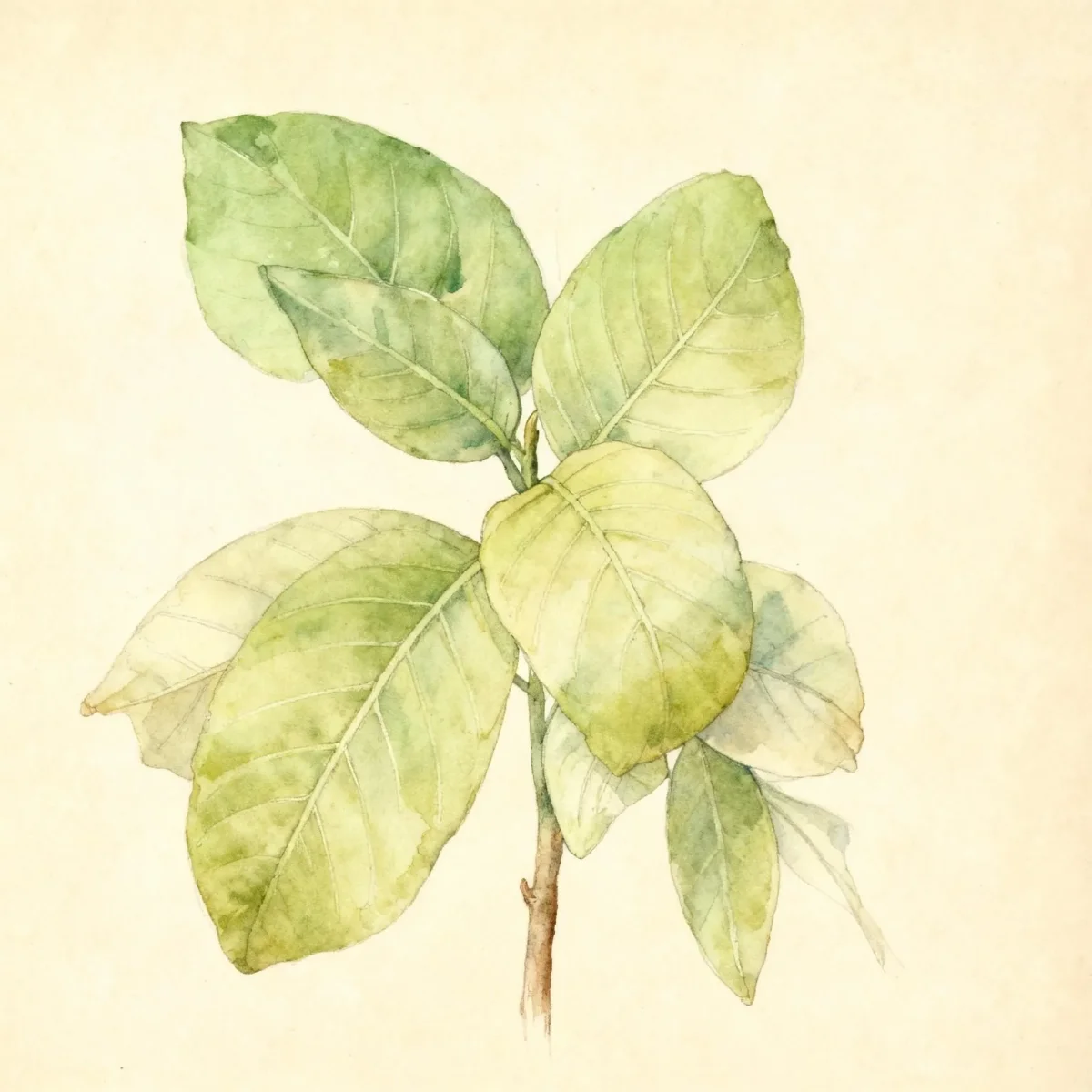
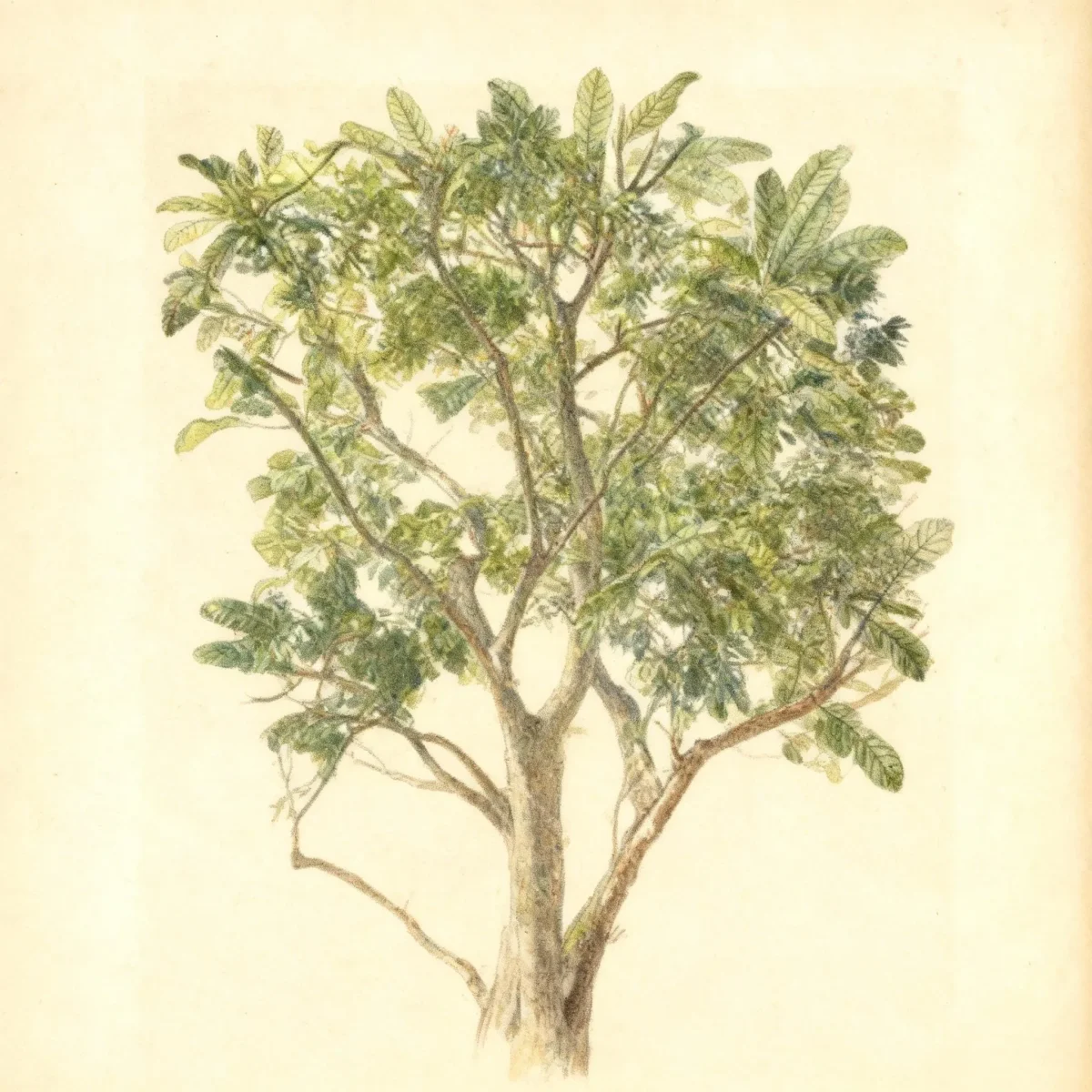
The Hydnocarpus anthelminthicus, commonly known simply as Hydnocarpus, is a striking broadleaf evergreen tree native to the humid rainforests of Southeast Asia, including Indonesia, Malaysia, and the Philippines. Gardeners in tropical climates value this species for its robust, dense, rounded canopy, providing substantial shade and year-round greenery. Mature specimens of Hydnocarpus anthelminthicus become magnificent features, often reaching heights of 65 feet.
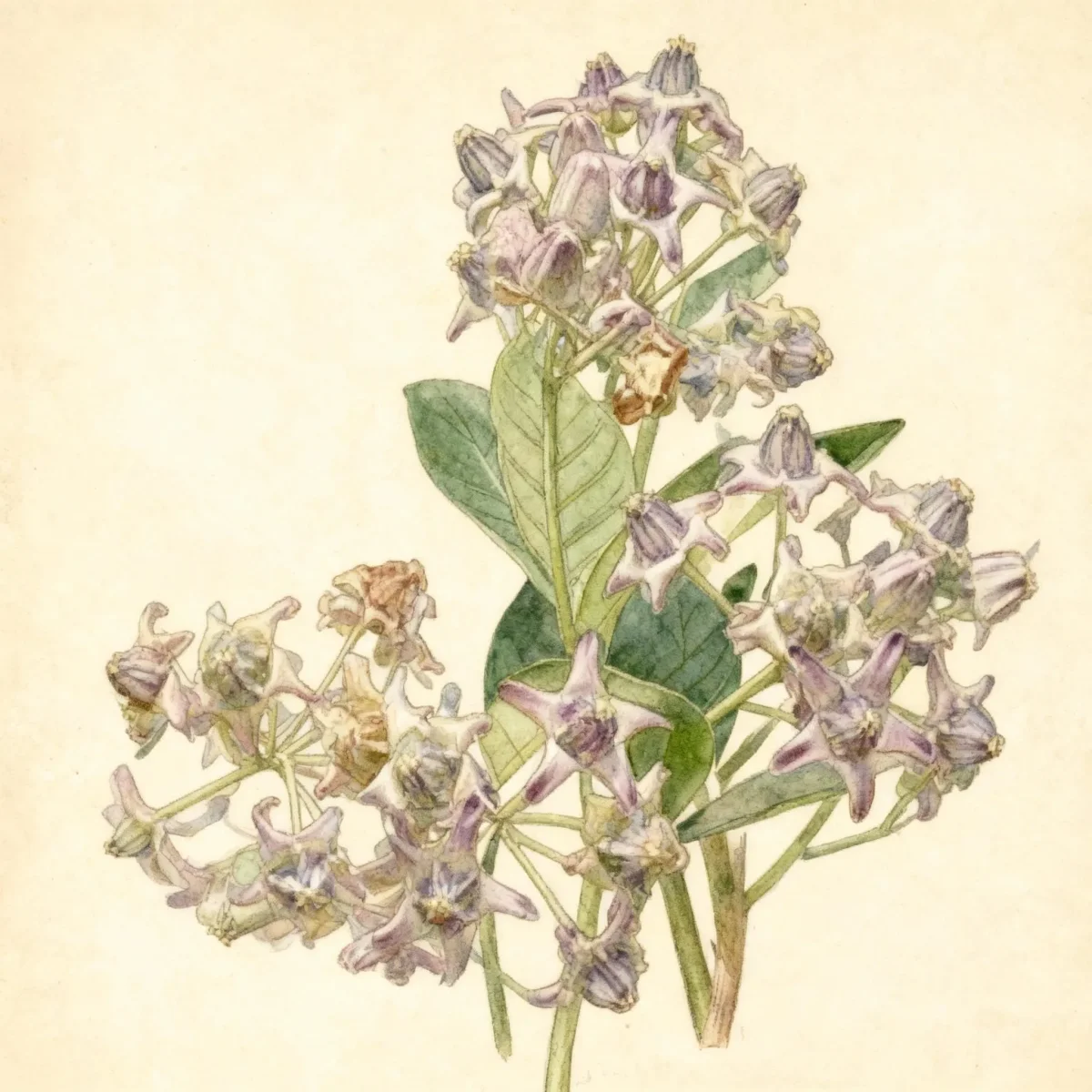
This tree is recognized not only for its substantial stature but also for its small, yet notable, floral display. The flowers possess a unique coloration of yellow-green with a pink blush and carry a desirable fragrance, adding sensory appeal to the landscape. When selecting large specimens for tropical settings, considering the long-lived nature and low maintenance requirements of Hydnocarpus is beneficial.
While primarily ornamental, the traditional uses of this plant are notable, as reflected in its specific epithet, anthelminthicus (worm-repelling). For gardeners in the suitable frost-free tropics, the Hydnocarpus offers a dramatic, enduring focal point with minimal long-term care once established in optimal conditions.
Fast Facts
- Plant Family: Achariaceae
- Plant Type: Broadleaf evergreen
- Native Range: Indonesia, Malaysia, Philippines
- Hardiness Zones: USDA Zones 12-12
- Size at Maturity:
- Height: 23-65 ft
- Spread: 14-40 ft
- Bloom Time: Seasonal bloomer
- Bloom Description: Yellow-green with pink blush
- Sun Exposure: Full sun
- Water Needs: Medium
- Maintenance Level: Low
How to Grow
Successful cultivation of Hydnocarpus anthelminthicus hinges on replicating its native tropical environment. It must be planted in locations that are consistently frost-free, specifically USDA Zone 12. The ideal soil preparation involves ensuring the medium is well-draining, preferably a sandy loam that remains evenly moist throughout the growing season. Full sun is essential; insufficient light will result in sparse canopy development and reduced flowering potential for this Hydnocarpus species.
Watering requirements are medium; consistency is more critical than volume. Avoid letting the soil dry out completely, especially when establishing a young tree, but ensure excellent drainage to prevent root saturation, which can quickly lead to fungal issues in heavy soils. Given its low maintenance designation, heavy fertilization is generally not required, though a balanced, slow-release formula applied in spring can support vigorous growth.
Pruning is minimal, primarily focused on removing dead or damaged wood, or shaping young trees to establish a strong central leader. Because the tree can achieve significant height, site selection is crucial; plant Hydnocarpus anthelminthicus far from structures or utility lines. These tropical evergreens require no special winter preparation in their compatible climates.
Landscape Uses
Hydnocarpus anthelminthicus is cultivated extensively for both its considerable aesthetic impact and its traditional medicinal uses. Its large, dense canopy makes it an exceptional choice as a specimen tree, providing significant architectural interest and deep shade in tropical yards or park settings. The slightly fragrant blossoms add a subtle sensory layer to shaded areas during the blooming season.
Due to its mature size, this tree is not suitable for small gardens or containers. Instead, use the Hydnocarpus to anchor large landscape designs, screen unsightly views, or serve as the upper canopy layer in food forests or mixed tropical plantings. Companion planting should focus on other tropical, full-sun tolerant species that share a preference for well-draining, consistently moist soils.
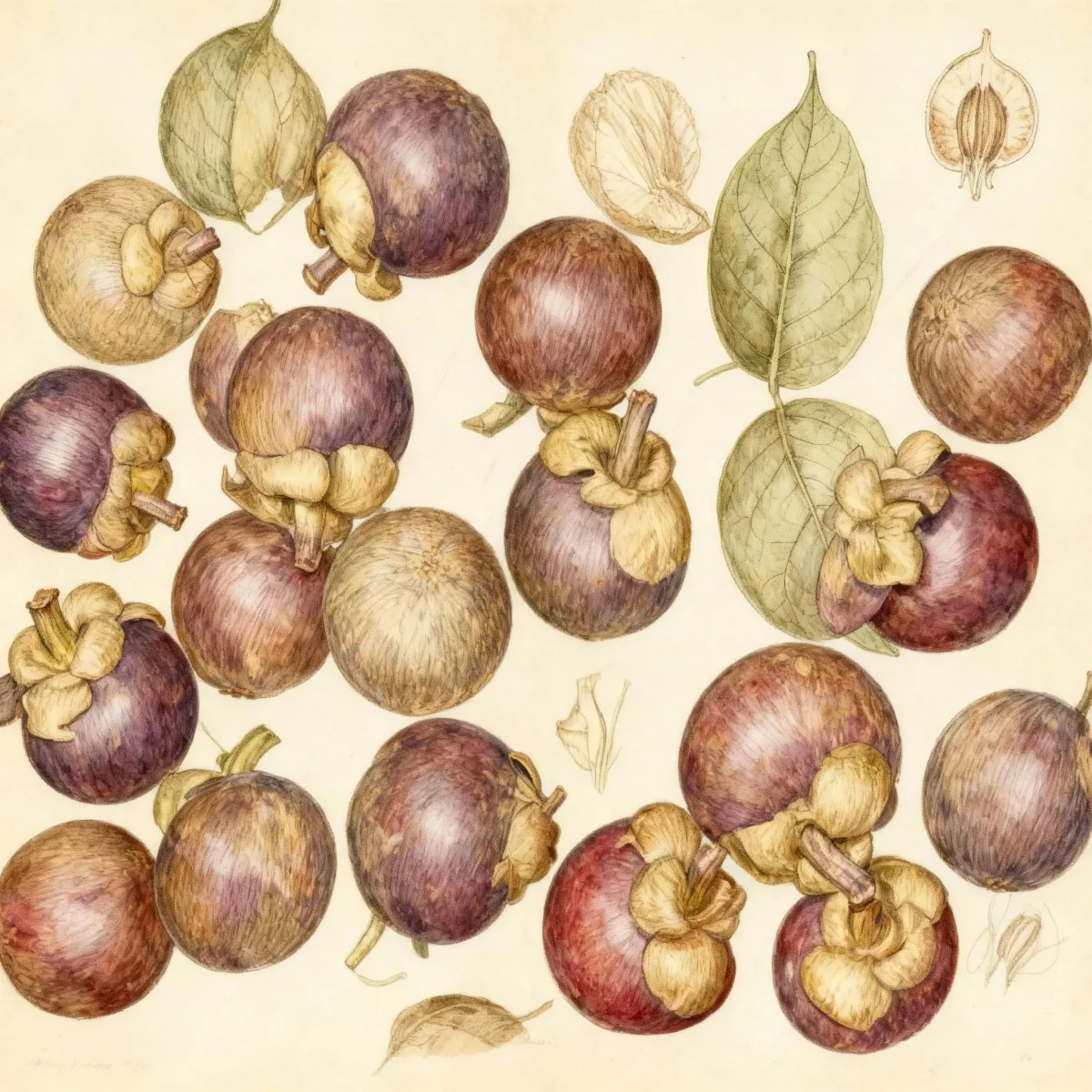
When integrating Hydnocarpus into a design, remember its dioecious nature; if fruit production (the coppery orange spheres) is desired, multiple individuals must be planted to ensure both male and female plants are present. This broadleaf evergreen provides high visual impact year-round.
Standout Features
Flower Qualities
- Fragrant
Noteworthy Characteristics
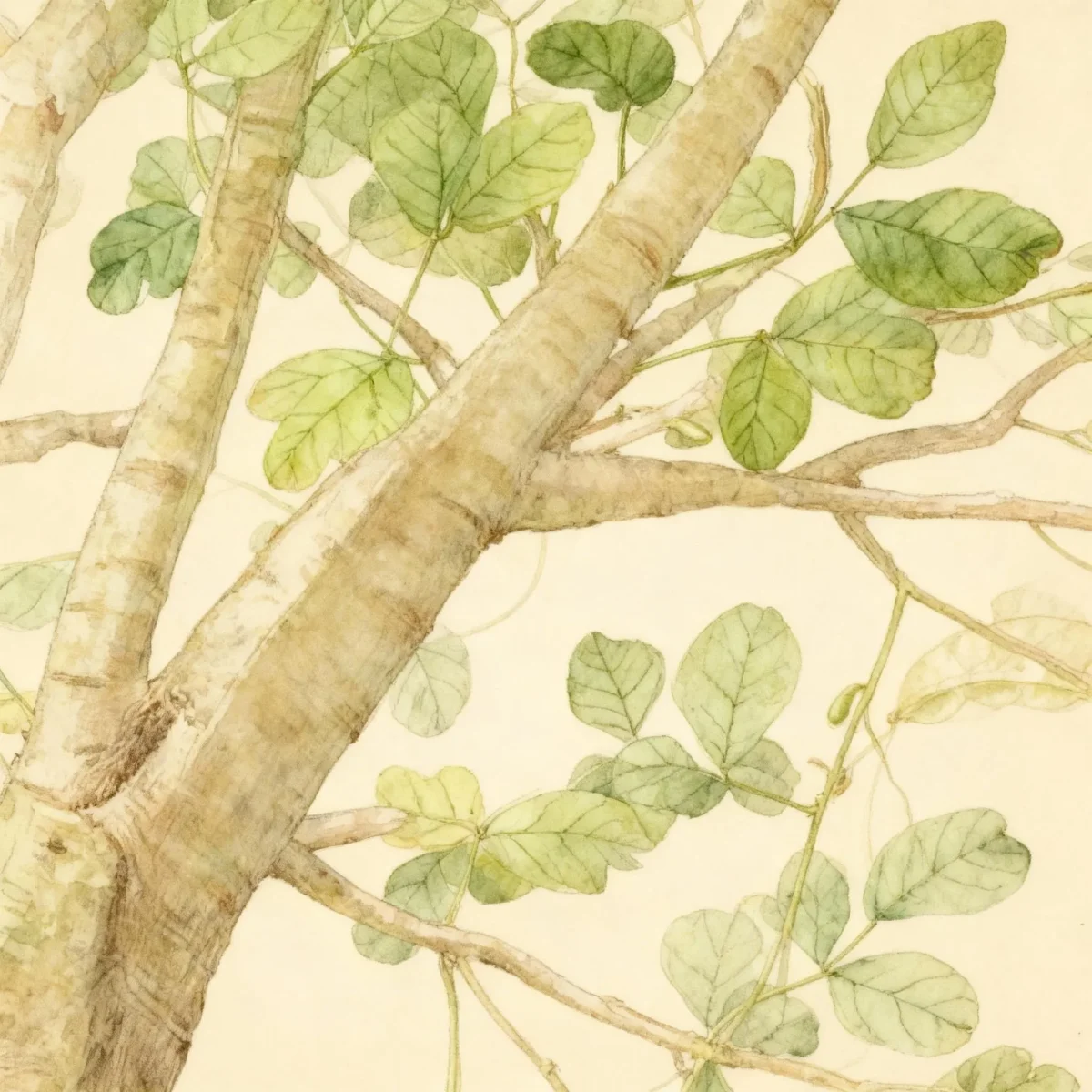
Hydnocarpus anthelminthicus is an evergreen tree or large shrub native to the rainforests of mainland Southeast Asia. Mature specimens have straight trunks with grey-brown bark topped with a dense, rounded canopy of foliage and will reach up to 65’ tall with a 40’ spread. The genus Hydnocarpus means “truffle-fruit,” referencing the appearance of its fruits, while the specific epithet anthelminthicus signifies its historical use as a worm remedy.
Tolerances
Potential Problems
The Hydnocarpus anthelminthicus exhibits remarkable resilience with no major pest or disease problems of note reported under proper tropical cultivation conditions. The best defense against any potential issues, such as fungal growth or minor insect infestations, is maintaining optimal growing conditions.
Ensure the specified well-draining, sandy loam soil is used; poor drainage is the most common pathway to root rot in tropical trees like Hydnocarpus. Avoid overhead watering late in the day to allow foliage to dry, which minimizes the risk of foliar diseases gaining a foothold on this otherwise robust tree.
Frequently Asked Questions
What hardiness zones is Hydnocarpus suitable for?
The Hydnocarpus, or Hydnocarpus anthelminthicus, is strictly suited for tropical climates, thriving only in USDA Hardiness Zones 12 through 12. It cannot tolerate any frost.
How large does Hydnocarpus anthelminthicus grow?
This large evergreen can reach substantial dimensions, often maturing to a height between 23 and 65 feet tall, with a corresponding spread ranging from 14 to 40 feet wide.
What sun exposure does Hydnocarpus need?
Hydnocarpus requires consistent full sun exposure to develop the dense canopy for which it is known.
When does Hydnocarpus bloom?
This species is a seasonal bloomer, producing small, yellow-green flowers tinged with a pink blush, which are noted for being fragrant.
Conclusion
The Hydnocarpus anthelminthicus offers reliable, low-maintenance structure and subtle fragrance for tropical gardeners operating within Zone 12. Its impressive stature and dense canopy make the Hydnocarpus an excellent anchor specimen. Before planting, verify that your location is perpetually frost-free and offers full sun exposure to ensure this magnificent broadleaf evergreen thrives for years to come.
Companion Planting Guidance
When selecting companion plants for Hydnocarpus anthelminthicus, focus on species that share its requirements for high humidity, tropical warmth, and well-draining soils. Since the Hydnocarpus tree casts significant shade once mature, consider understory plantings that prefer dappled light or filtered sun, while still thriving in warm conditions. Avoid shallow-rooted ground covers directly adjacent to the trunk, as this can compete with the tree’s primary root zone.
Look toward understory indicators from Southeast Asian flora, such as certain varieties of Heliconia or Canna for bold color contrast beneath the spreading canopy of the Hydnocarpus. For flowering ground cover that tolerates the dappled light beneath an established Hydnocarpus, consider low-growing gingers or peace lily (Spathiphyllum). Ensuring competition for water is managed through judicious placement remains key in these high-growth environments.
Seasonal Care Calendar
Care for Hydnocarpus anthelminthicus is simplified by its low maintenance rating, but seasonal attention is still beneficial, primarily during the wet and dry transitions typical of the tropics. During the peak growing season (often the rainy months), monitor soil moisture closely to ensure the medium remains evenly moist but never waterlogged; adjust supplemental irrigation if natural rainfall is insufficient.
As the dry season approaches, it may become necessary to increase deep watering frequency for younger specimens to prevent moisture stress that could affect the canopy or blooming cycle. Fertilization should be concentrated in the early growing season; applying a balanced slow-release fertilizer in early spring encourages robust canopy flush. No complex pruning or pest management is typically needed for this resilient tree.