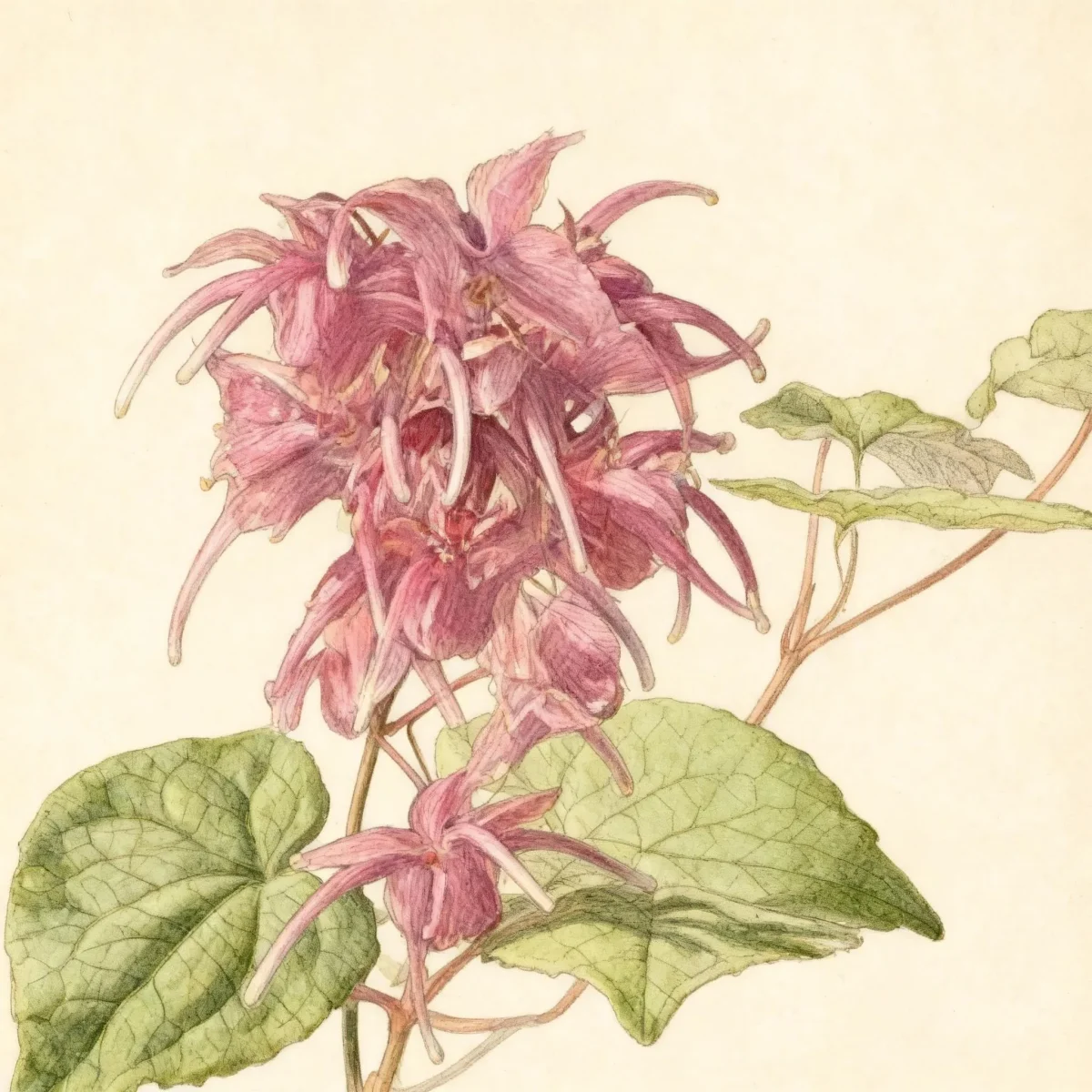
Bishop's hat (Epimedium franchetii)
Discover Epimedium franchetii, the low-maintenance Bishop's hat, perfect for dry shade with its sulphur yellow spring blooms.
Scroll down to discover growing tips, care requirements, companion plants, and more
Complete Plant Information
Overview
Bishop’s hat, scientifically known as Epimedium franchetii, offers exceptional value to gardeners looking for reliable, attractive coverage in challenging, shaded areas. This rhizomatous perennial is prized for its elegant, sulphur-yellow flowers that appear in spring, often held above mounds of attractive foliage. Epimedium franchetii establishes slowly but effectively forms colonies, making it an excellent choice for woodlands or dry shade environments where few other plants thrive.
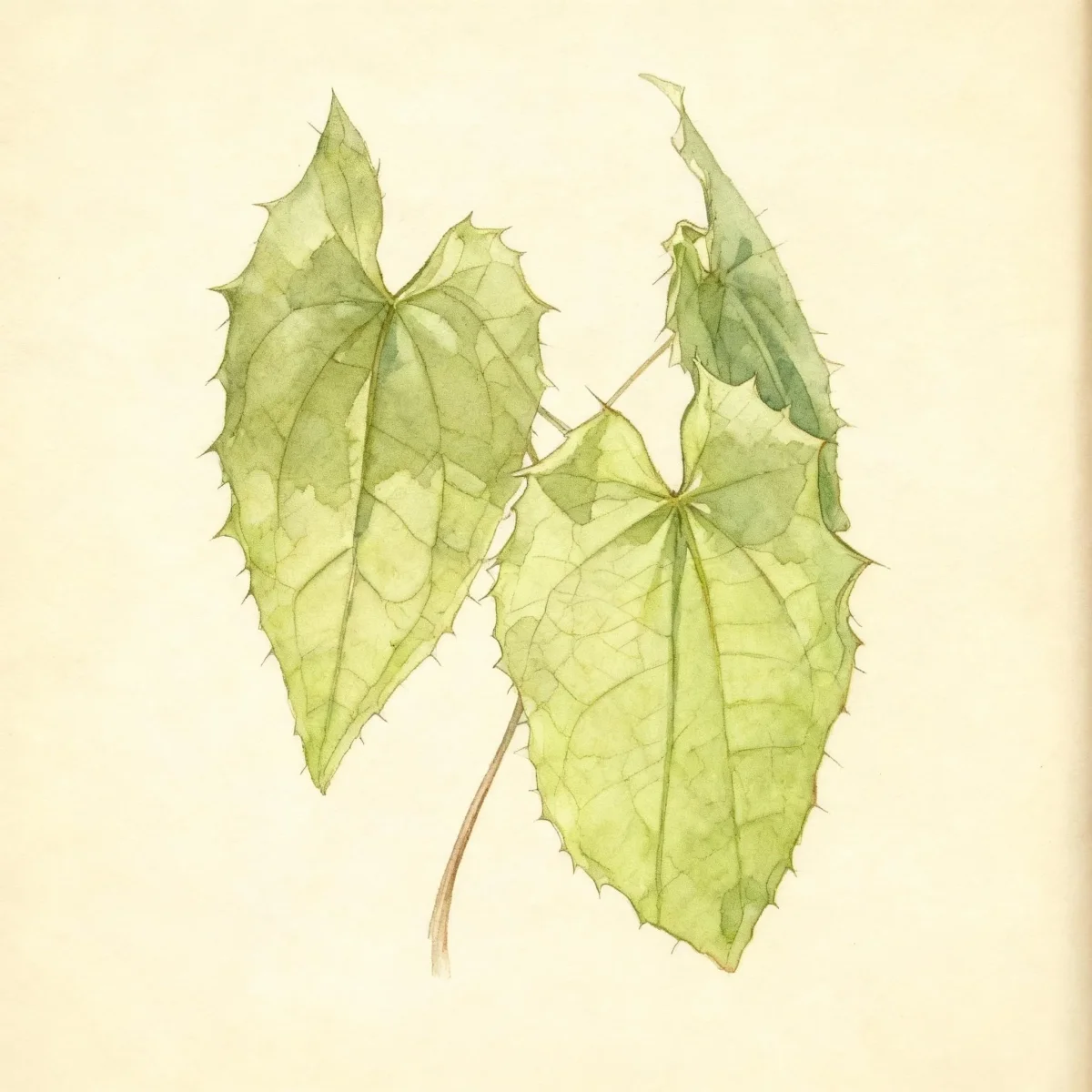
The structure of this plant is notable; it typically grows 1 to 2 feet tall and wide, featuring narrow, ovate-to-lanceolate leaflets that emerge with pinkish tones before deepening to a rich green. Once established, the resilience of Epimedium franchetii is a major selling point, as it handles drought and poor soils with grace. Utilizing this easy-to-manage plant ensures vibrant spring interest and consistent texture throughout the growing season.
Fast Facts
- Plant Family: Berberidaceae
- Plant Type: Herbaceous perennial
- Native Range: China
- Hardiness Zones: USDA Zones 5-9
- Size at Maturity:
- Height: 1-2 ft
- Spread: 1-2 ft
- Bloom Time: April to May
- Bloom Description: Sulphur yellow
- Sun Exposure: Part shade to full shade
- Water Needs: Dry to medium
- Maintenance Level: Low
How to Grow
Epimedium franchetii is adaptable, thriving best when planted in average, acidic, well-drained soils that receive part shade or full shade. While it prefers loose, organically rich loams with consistent moisture, it notably tolerates dry shade once its rhizomes are established, often holding moisture efficiently. Avoid planting in locations receiving harsh afternoon sun, which can cause the attractive foliage to burn.
Care is minimal once Epimedium franchetii is sited correctly. Water sparingly; allow the soil to dry out between waterings, reflecting its preference for dry to medium moisture. Fertilization is rarely necessary if the soil has decent organic content. The main cultural task involves late winter cleanup: cut back any old, tattered foliage just before the new growth emerges to showcase the spring flowers.
Propagation of this Bishop’s hat is easily achieved through division of the slow-spreading, creeping rhizomes in either early spring or fall. This perennial is slow to colonize, so patience is required, but division is the best method for increasing your planting size over time.
Landscape Uses
The primary appeal of Epimedium franchetii lies in its functionality as a robust ground cover for shady areas. It excels in mass plantings, effectively carpeting woodland gardens, naturalized drifts, or beneath established trees where root competition is fierce and light is limited. Its drought and deer tolerance makes it an excellent, worry-free solution for difficult slopes or edges that require erosion control.
Use this Bishop’s hat as a textural contrast against broad-leaved hostas or ferns in a shade border front. It also functions perfectly as a subtle edger along paths and walkways, maintaining a tidy, perennial green mound even during dry periods. Planting Epimedium franchetii ensures that even the darkest corners of your landscape receive seasonal splashes of sulphur yellow bloom.
Standout Features
Flower Qualities
- Showy
Noteworthy Characteristics
Epimedium franchetii is noted specifically for its attractive narrow green leaflets with acute tips and its characteristic large, spider-type, yellow spring flowers. These nodding, columbine-like flowers feature long sulphur-yellow spurs and emerge on stems that rise above the foliage mound in spring. Foliage emerges with a pink-maroon cast before maturing, offering attractive mounds of medium to dark green leaves throughout the season, making this Bishop’s hat a year-round asset.
Tolerances
- Rabbit
- Deer
- Drought
- Heavy Shade
- Erosion
- Dry Soil
- Shallow-Rocky Soil
Potential Problems
Epimedium franchetii generally suffers from no serious insect or disease problems, contributing to its low-maintenance status. The main disease concern is Mosaic Virus, which is transmitted by aphids. To prevent infestation, inspect new growth regularly for aphids and manage them culturally or gently using insecticidal soap if numbers become high.
Frequently Asked Questions
What hardiness zones is Epimedium franchetii suitable for?
Epimedium franchetii is suitable for USDA Hardiness Zones 5 through 9, providing reliable perennial status across a broad range of climates.
How large does Bishop’s hat grow?
This species of Bishop’s hat typically reaches a mature height between 1 and 2 feet, spreading out to a similar width of 1 to 2 feet.
When does Epimedium franchetii bloom?
This plant brings early spring color, blooming reliably from April to May with distinctive sulphur yellow flowers.
What sun exposure does Bishop’s hat need?
Epimedium franchetii prefers part shade to full shade conditions, thriving where light is dappled or only present in the morning hours.
Conclusion
The ability of Epimedium franchetii to dominate dry, shady environments with minimal effort makes it an indispensable woodland perennial. Its attractive foliage and reliable sulphur yellow spring flowers ensure it remains a highlight even in challenging spots. Before planting, confirm your garden falls within USDA Zones 5-9, and prepare for a slow but rewarding spread of this exceptional Bishop’s hat.
Companion Planting
When planning a shade garden around your Epimedium franchetii, select companions that share similar cultural needs for dry to medium moisture and part shade. Hostas with blue or variegated foliage create excellent color contrast against the medium green leaves of the Bishop’s hat. Other excellent partners include spring-blooming woodland natives like Trillium or ferns such as Japanese Painted Fern (Athyrium niponicum), which will complement the spidery flowers early in the season.
Propagation Tips
Propagation of Epimedium franchetii is best achieved through division, capitalizing on its slow-spreading, yet persistent, rhizomatous nature. Wait until early spring before new shoots emerge, or the fall after the primary growing season ends. Gently lift a clump using a sharp spade, taking care not to damage the fibrous roots, and divide the root mass into sections, ensuring each division retains a healthy portion of roots and basal buds. Replant immediately at the same level they were growing previously.