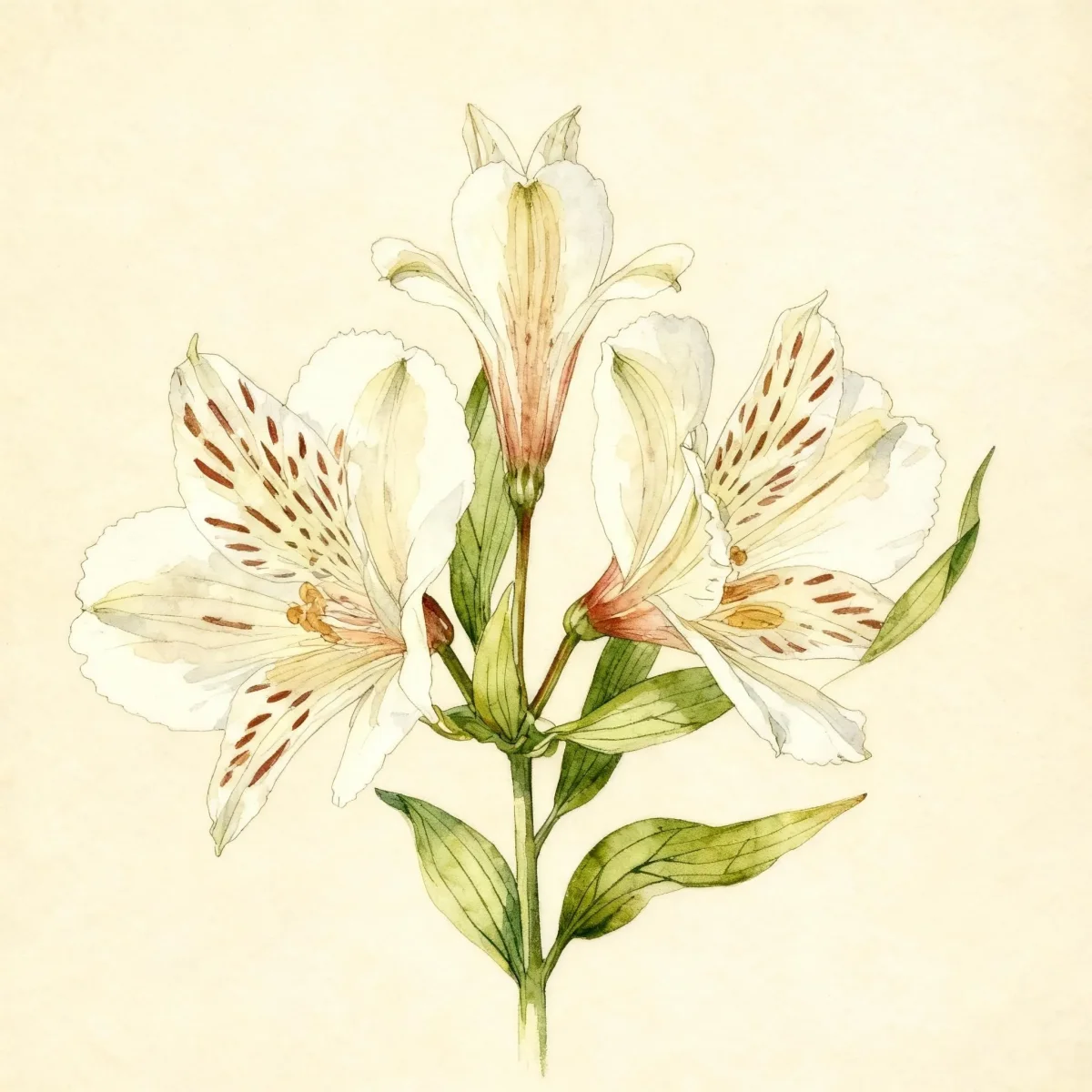
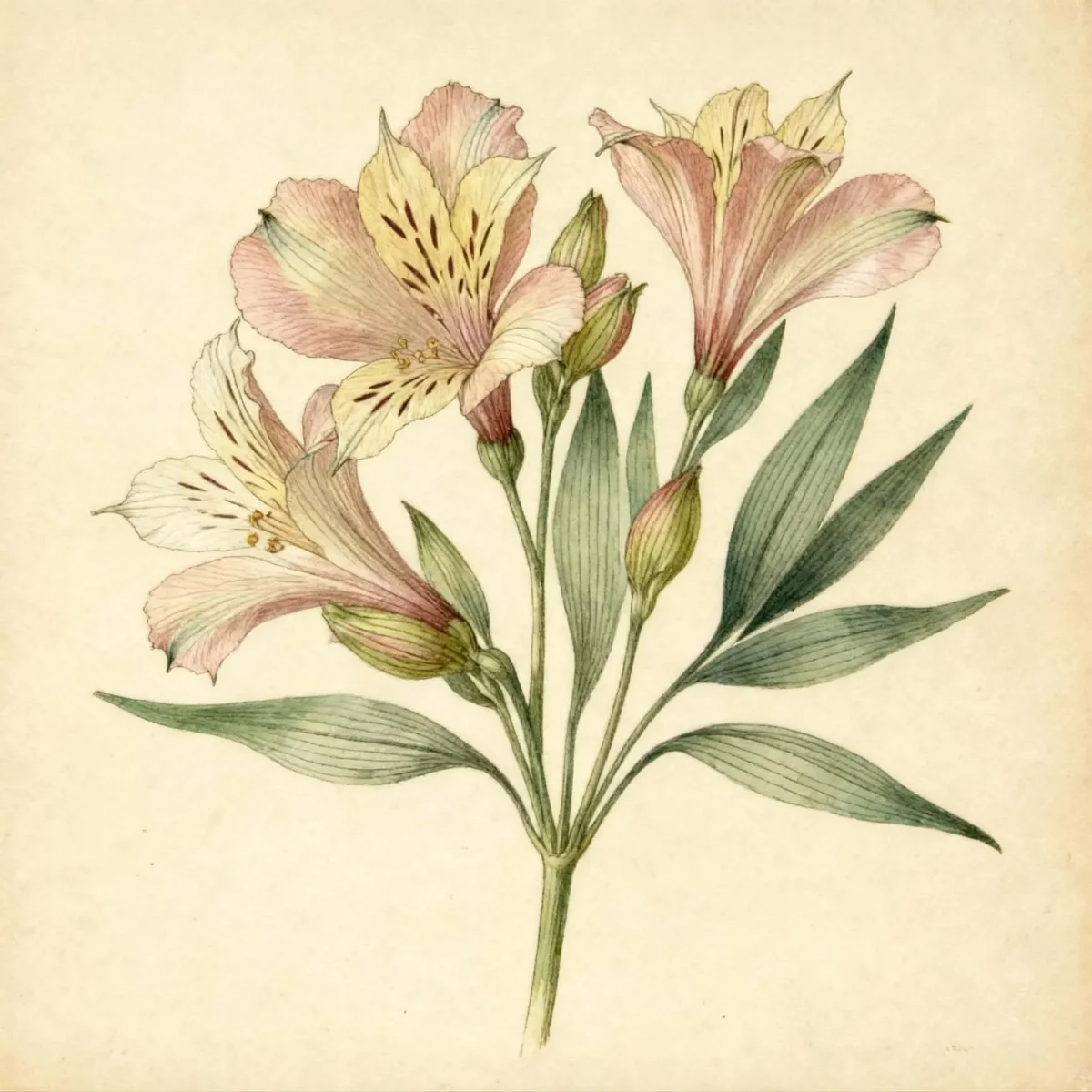
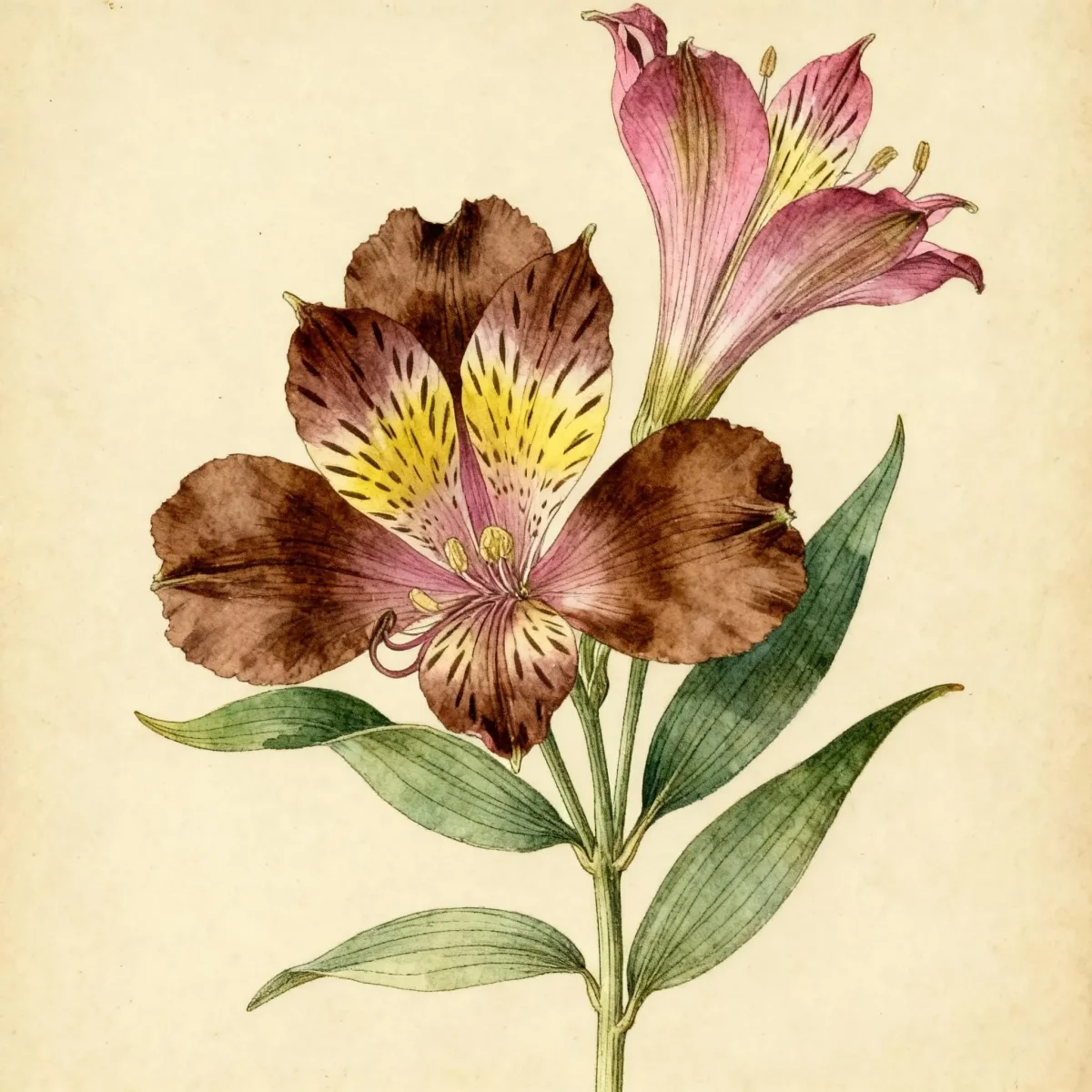
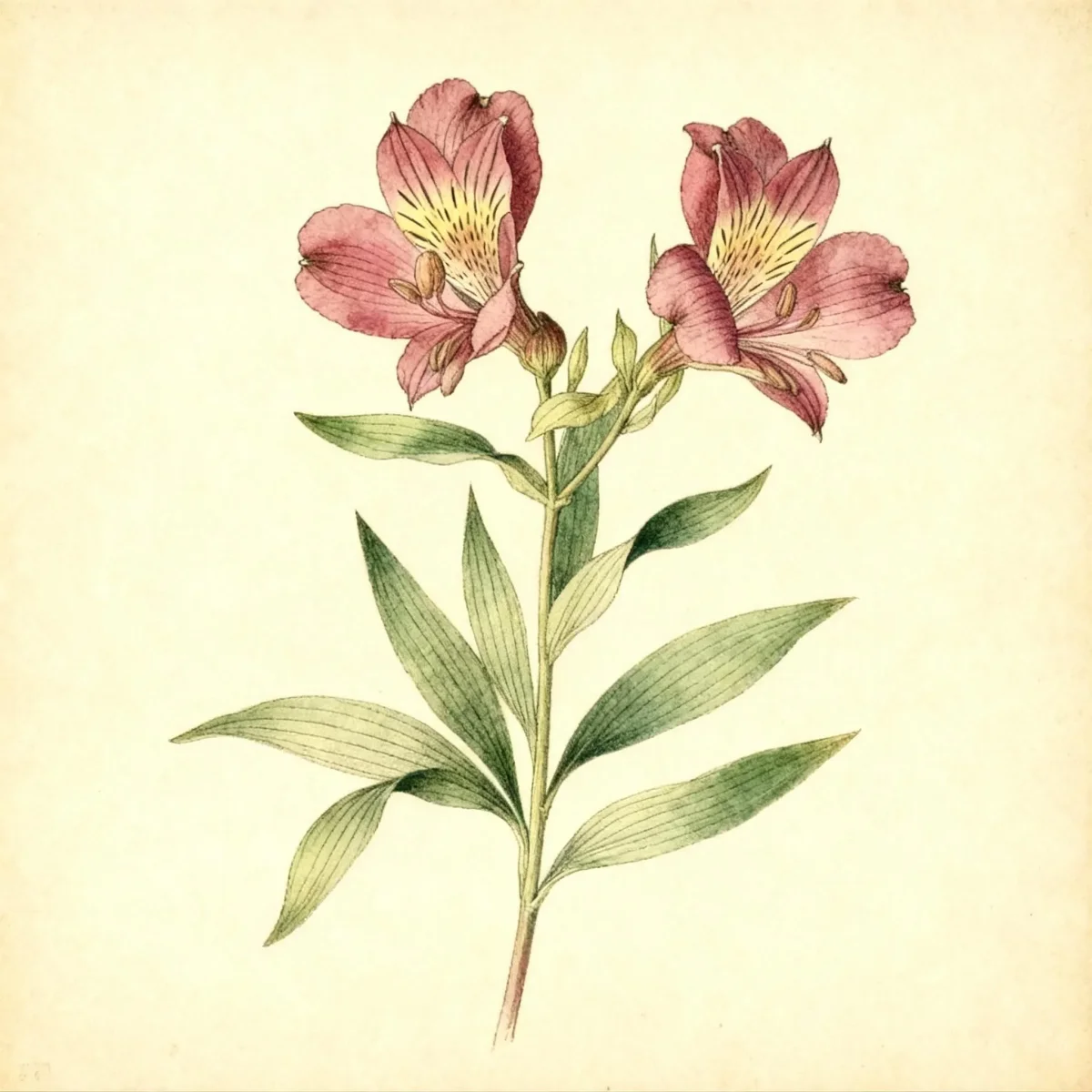
Lily of the Incas (Alstroemeria aurea)
Grow the vibrant Alstroemeria aurea, or Lily of the Incas, for showy yellow and orange summer blooms. A tuberous perennial for Zones 7-10.
Scroll down to discover growing tips, care requirements, companion plants, and more
Complete Plant Information
Overview
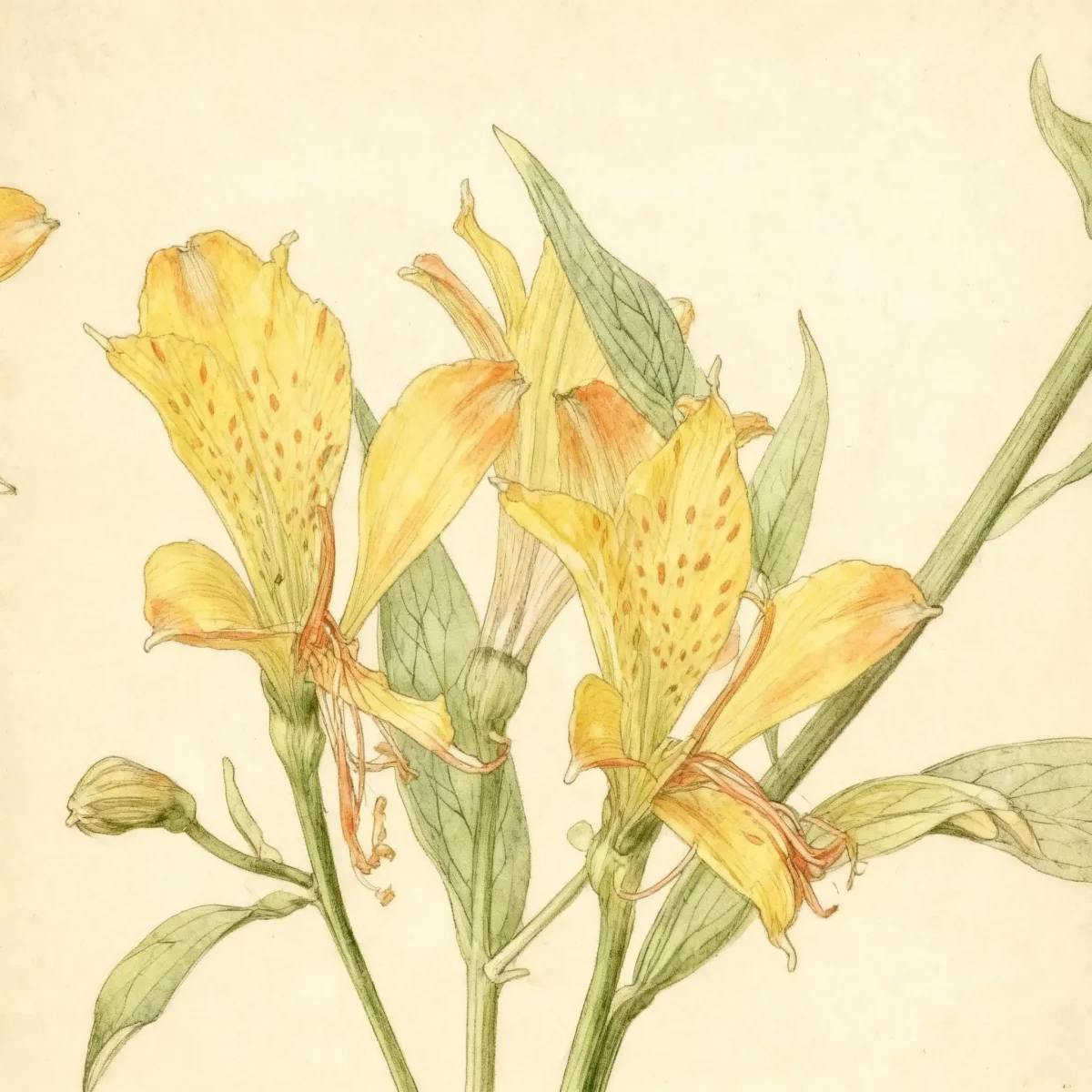
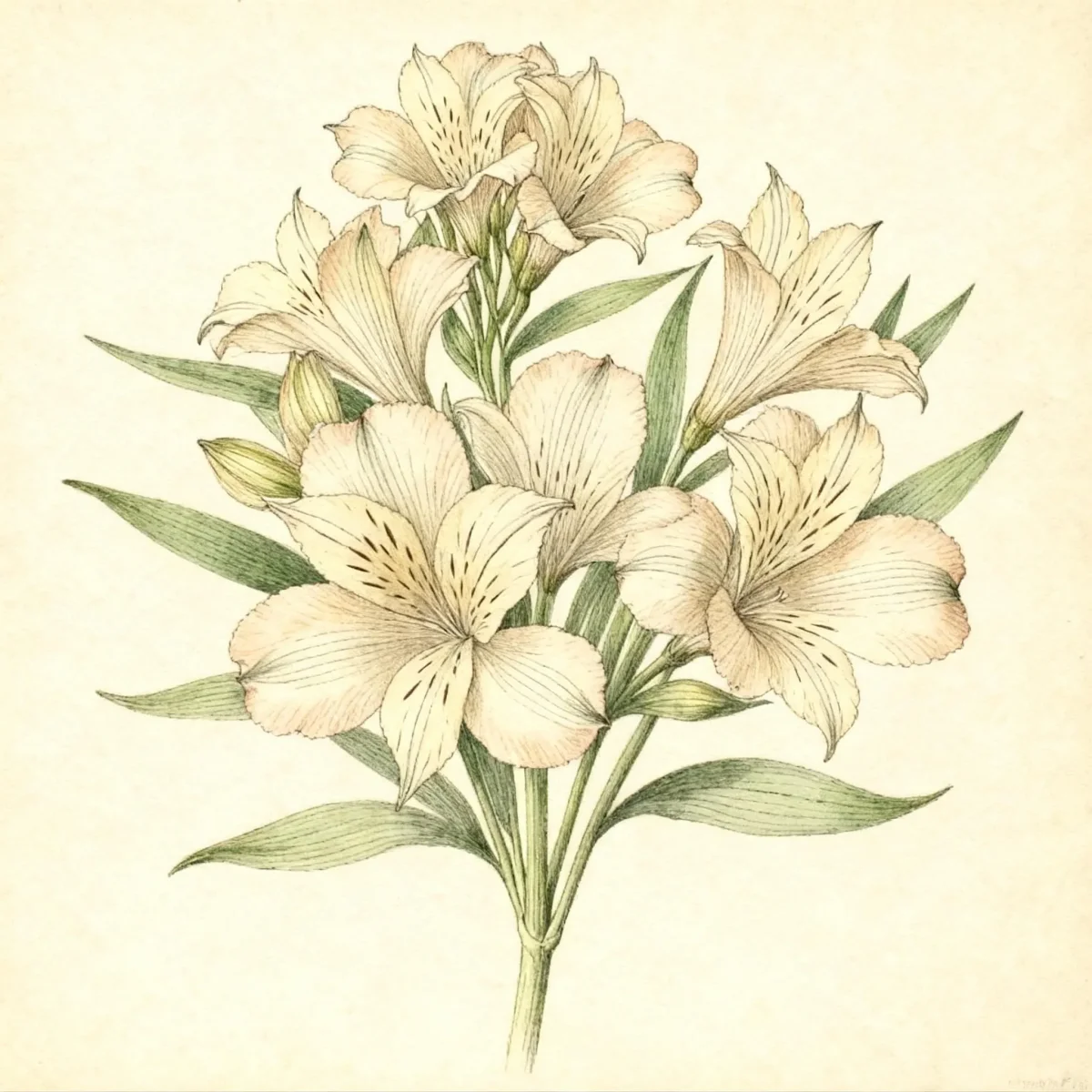
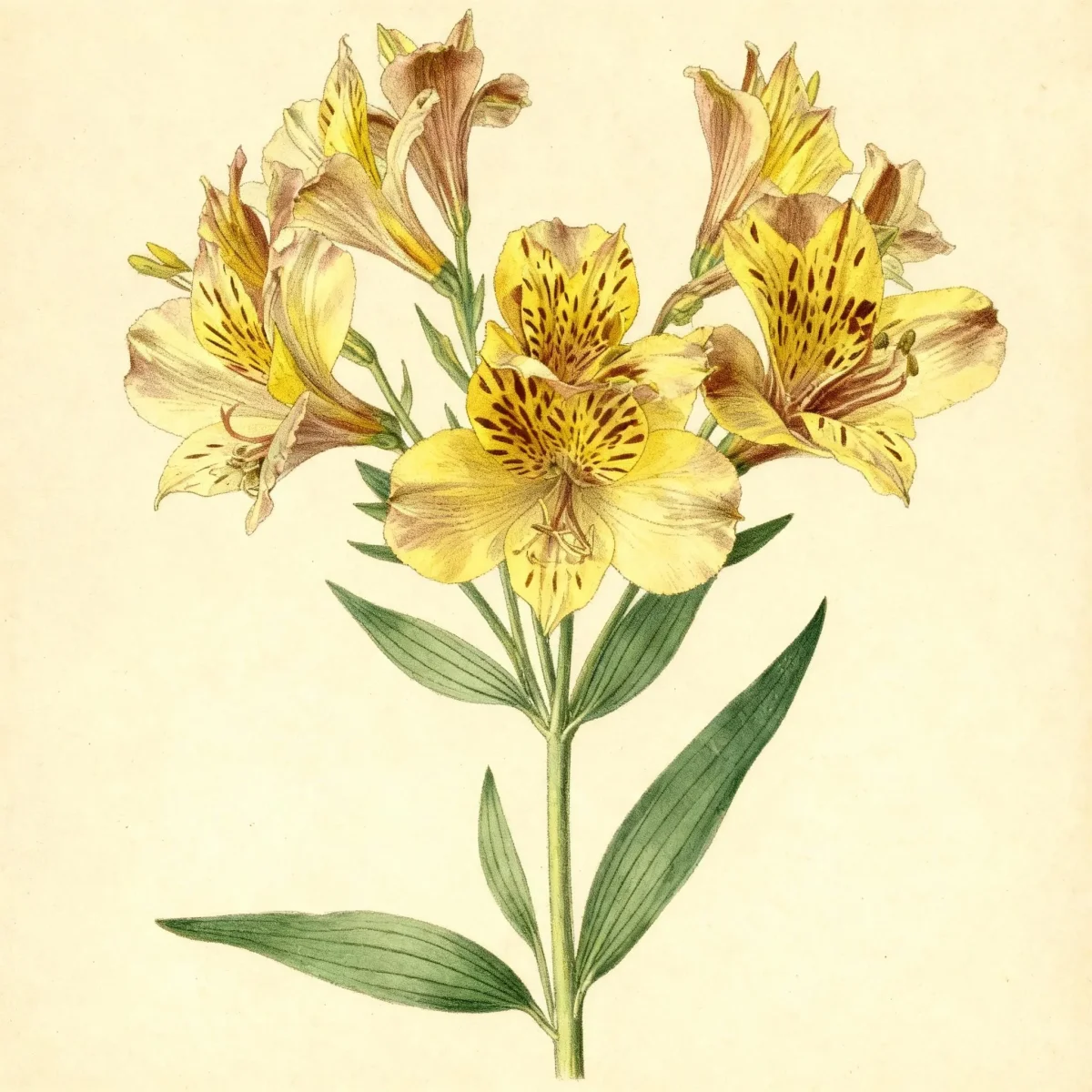
The Alstroemeria aurea, commonly known as Lily of the Incas, offers striking, lily-like flowers in brilliant shades of yellow and orange, often enhanced with delicate spotting. This tuberous perennial draws the eye upward on slender, upright stems, making it a valuable addition to perennial borders and cutting gardens alike. Valued for its vibrant summer display, this species is native to the cool, moist slopes of Argentina and Chile.
Though it provides beautiful color, gardeners must respect the specific needs of Alstroemeria aurea regarding soil and climate. It thrives in richly organic, well-drained soil, requiring medium moisture, especially during its active growing and blooming season. Due to its somewhat brittle roots and sensitivity to harsh winters, specialized care is often required outside of its preferred USDA hardiness range.
While hybrid strains dominate the commercial cut flower market, growing the species form, Lily of the Incas, brings a touch of native South American beauty to the home garden. Where conditions permit permanent ground planting, these plants will slowly naturalize by creeping roots to form appealing clumps of color throughout the summer months.
Fast Facts
- Plant Family: Alstroemeriaceae
- Plant Type: Bulb
- Native Range: Argentina, Chile
- Hardiness Zones: USDA Zones 7-10
- Size at Maturity:
- Height: 1-3 ft
- Spread: 1-2 ft
- Bloom Time: June to July
- Bloom Description: Yellow, orange
- Sun Exposure: Full sun to part shade
- Water Needs: Medium
- Maintenance Level: Medium
How to Grow
Planting Alstroemeria aurea requires attention to its unique root structure. The finger-like roots should be carefully spread over a mound of soil—similar to planting bare-root roses—in spring or early summer, ensuring they are placed in organically rich, medium moisture, well-drained soil. Sunny locations are ideal, but gardeners should provide some afternoon shade or dappled light in extremely hot summer climates to prevent scorching.
Ongoing care involves consistent, medium watering, ensuring the soil remains moist but never waterlogged, as drainage is critical for root health. Alstroemeria aurea is considered medium maintenance; occasional thinning of older stems can encourage better air circulation and subsequent blooming. If grown in containers, staking may be necessary to support taller stems, especially in windy spots.
Winter protection is paramount in the cooler zones (Zone 7). In these areas, ensuring very fast drainage, possibly with winter mulch or treating them as annuals, is necessary. If planted in the ground, it is possible to carefully dig the clumps in fall, though the roots are notoriously brittle and easily broken. Containerized plants must be brought indoors before the first hard frost, kept cool, and watered very sparingly throughout winter dormancy.
Landscape Uses
The upright habit and vibrant coloration of the Lily of the Incas make it an excellent choice for filling gaps in established perennial borders where season-long interest is desired. Its height (up to 3 feet) allows it to stand above low-growing groundcovers, adding vertical accents without overwhelming smaller neighbors. Because of its tendency to form colonies via creeping roots, mature clumps of Alstroemeria aurea can serve as effective, informal edging plants in sunny beds.
Beyond the border, this species shines when utilized in large containers. Grouping Alstroemeria aurea with contrasting foliage plants, such as silvery Artemisia or dark-leafed Heuchera, highlights its golden-orange flowers beautifully. Since these plants are frequently used as cut flowers, placing containers near patios or doorways allows for easy harvesting throughout June and July.
For a striking, integrated design, consider pairing the bloom colors of Alstroemeria aurea with plants that share similar cultural needs, focusing on full sun/part shade tolerance and medium water requirements. Tropical-looking foliage often complements the exotic appearance of the Lily of the Incas. Remember that hybrid descendants are famous cut flowers, and this species shares that desirable trait when its slender stems are harvested.
Standout Features
Flower Qualities
- Showy
Noteworthy Characteristics
Alstroemeria aurea, commonly called Peruvian lily, is a tuberous perennial native to South America. Terminal clusters of small, lily-like flowers top slender, upright stems growing in bushy clumps to 2-3’ tall. Flowers in yellow or orange, often with spotting and streaking. The specific epithet aurea means golden, referencing its brilliant coloration.
Tolerances
Potential Problems
A primary concern when growing Alstroemeria aurea in exposed settings or containers is stem stability. The slender, showy stems may require staking, especially as the plant reaches its full height of 3 feet. Implementing garden supports early in the season, before the foliage fully develops, will prevent damage to the brittle roots if adjustments are made late. Proper spacing and ensuring medium moisture without overwatering also contribute to stronger stems less prone to flopping.
Frequently Asked Questions
What hardiness zones is Lily of the Incas suitable for?
The Alstroemeria aurea is winter hardy in USDA Zones 7 through 10. Gardeners in Zone 7 should provide protection and ensure excellent drainage during winter months.
How large does Alstroemeria aurea grow?
This species typically reaches a height between 1 and 3 feet, spreading to occupy an area 1 to 2 feet wide as its creeping roots establish colonies.
When does Lily of the Incas bloom?
The primary flush of bloom for Alstroemeria aurea occurs from June through July, presenting beautiful yellow and orange flowers.
What sun exposure does Alstroemeria aurea need?
This plant prefers a location receiving full sun to part shade. In very hot summer regions, providing protection from intense afternoon sun is highly recommended.
Conclusion
The Alstroemeria aurea, or Lily of the Incas, brings reliable, vibrant color to the garden during the peak of summer. Its unique appearance and suitability as a cut flower confirm its value for enthusiastic gardeners willing to meet its requirements for rich soil and careful winter management. Before planting, confirm your local hardiness zone and plan for the proper protection or containerization needed for successful cultivation of this beautiful perennial.
Companion Planting
Selecting suitable companions for Alstroemeria aurea involves pairing plants that appreciate similar sun exposure and moisture levels. Look for lower-growing perennials that thrive in dappled light or morning sun, such as Hostas or Ferns, particularly where afternoon shade is provided. In full sun borders, silver-foliaged plants, like Lamb’s Ears (Stachys byzantina), provide excellent contrast to the bright yellow and orange blooms of the Lily of the Incas.
For cut flower focus, companion planting should prioritize other excellent stem producers. Plants that bloom slightly before or after the primary June-July window for Alstroemeria aurea ensure continuous floral design material. Consider pairing it with summer-blooming Alliums or sturdy Salvias which share the medium water needs and upright structure.
Container Growing Tips
Because the roots of Alstroemeria aurea are brittle and digging them up for winter storage can cause damage, container culture is an ideal solution for gardeners in colder climates (Zones 6 and below). Use a large container to minimize the frequency of root disturbance. Ensure the potting mix is light, rich in organic matter, and provides exceptional drainage, as saturated winter soil is fatal.
When overwintering containerized Alstroemeria aurea, cease regular watering once dormancy sets in. Store the pots in a cool, dark, or partially bright location—like an unheated garage or basement—providing only enough moisture to prevent the rootball from completely desiccating. Reintroduce to warmer, brighter conditions in early spring to initiate new growth.