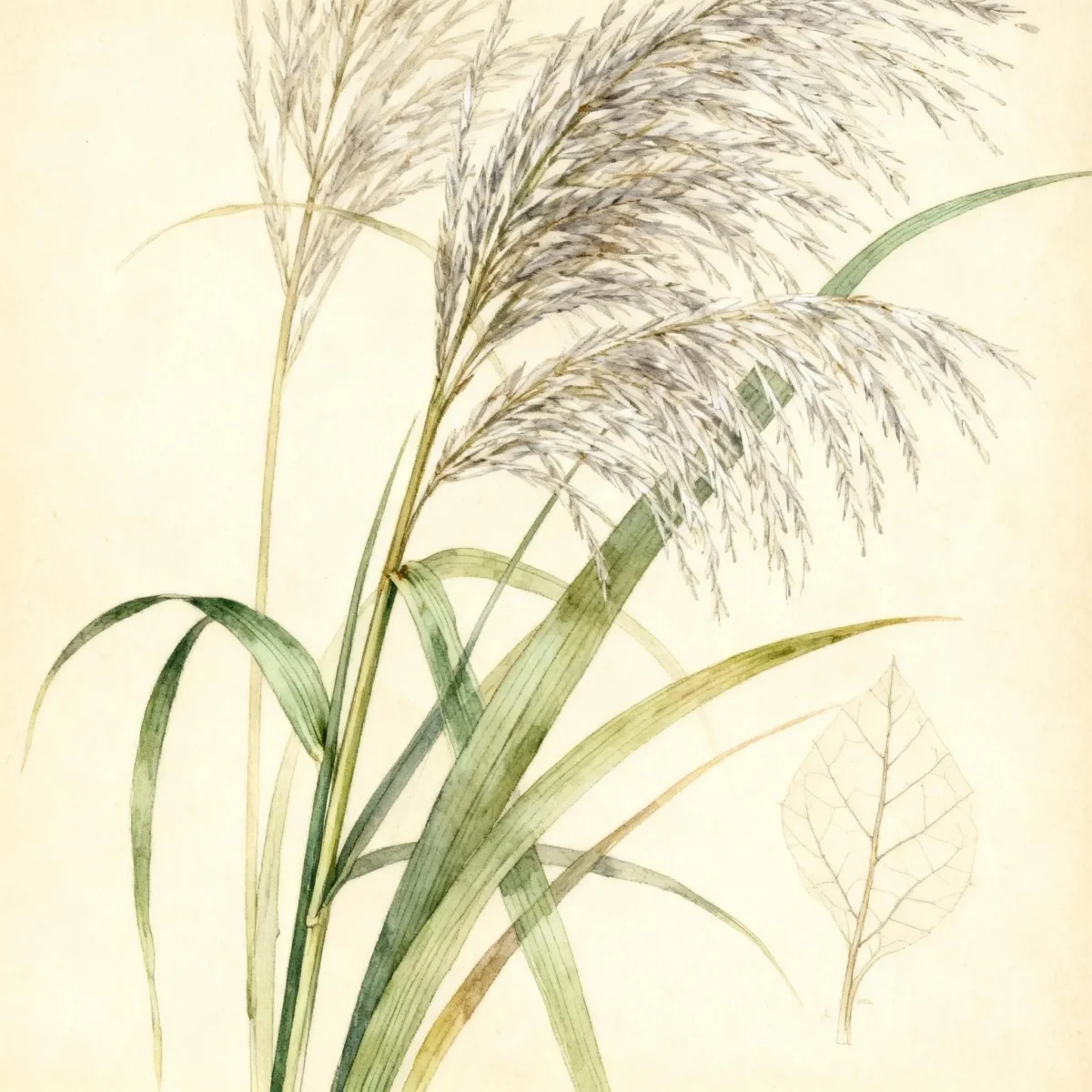
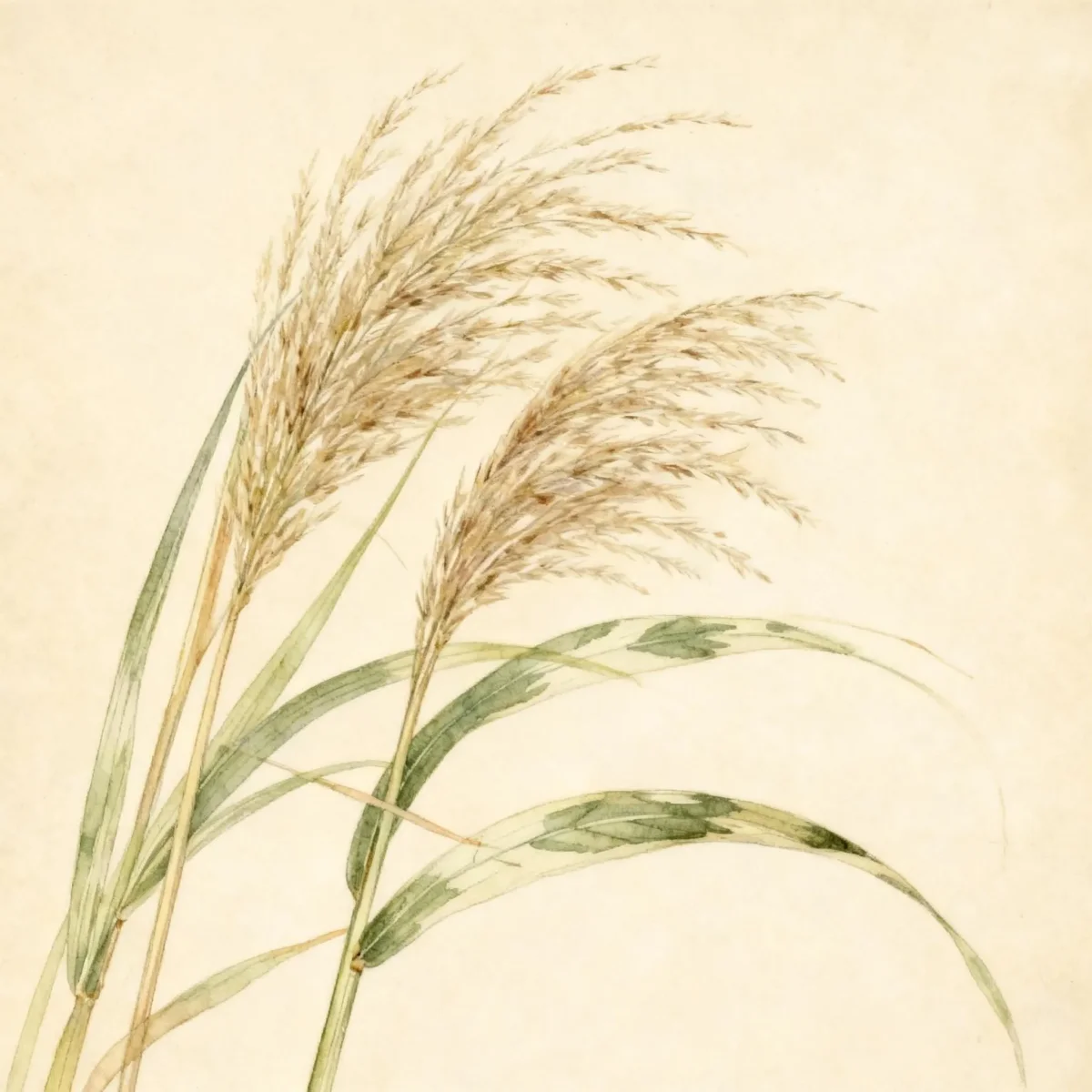
Eulalia (Miscanthus 'Purpurascens')
Eulalia, or Miscanthus 'Purpurascens', is a low-maintenance ornamental grass admired for brilliant orange-red fall color.
Scroll down to discover growing tips, care requirements, companion plants, and more
Complete Plant Information
Overview
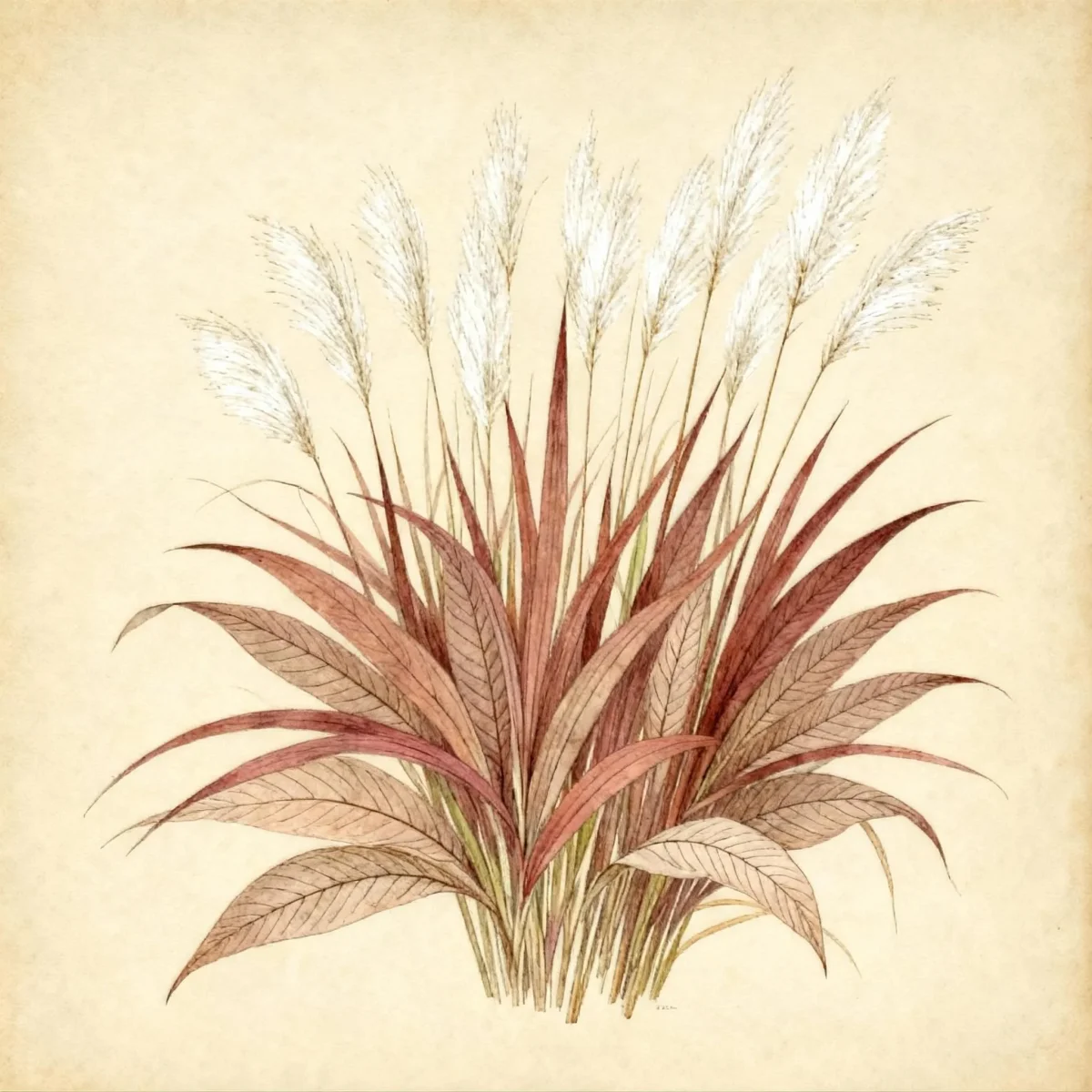
Miscanthus ‘Purpurascens’, commonly known as Eulalia, offers stunning seasonal interest, making it a standout choice for the landscape. This versatile ornamental grass is celebrated for its foliage, which transitions from medium green with a reddish tinge to a brilliant orange-red display by autumn. It forms a compact, upright clump that slowly expands, offering reliable texture and color throughout the growing season and into winter.
As a warm-season grass, Eulalia thrives with sufficient heat and humidity, providing structured vertical appeal without becoming overly aggressive. Its relatively low maintenance requirements and tolerance for diverse soil types make the Miscanthus ‘Purpurascens’ a dependable specimen for gardeners seeking high visual impact with minimal effort. The persistent winter structure, complete with burgundy foliage and creamy seed plumes, ensures year-round garden structure.
Fast Facts
- Plant Family: Poaceae
- Plant Type: Ornamental grass
- Hardiness Zones: USDA Zones 5-9
- Size at Maturity:
- Height: 4-5 ft
- Spread: 2.5-3 ft
- Bloom Time: July to February
- Bloom Description: Red-tinged
- Sun Exposure: Full sun to part shade
- Water Needs: Medium
- Maintenance Level: Low
How to Grow
Plant Eulalia in the spring or fall, ensuring it receives full sun for the best performance. While it prefers moist soils, Miscanthus ‘Purpurascens’ is remarkably adaptable, growing easily in average, well-drained conditions, including sandy soils or the heavy clays found in many regions. Avoid planting in deep shade, as this can lead to decreased vigor and a tendency for the foliage to flop.
Water needs are generally medium; establish regular moisture during the first growing season. Once mature, this grass exhibits good drought tolerance. Fertilization is usually unnecessary; excessive nutrients can promote weak, floppy growth. The slow expansion via short rhizomes helps Miscanthus ‘Purpurascens’ maintain a tight, desirable clump shape.
For winter preparation, it is crucial to leave the foliage standing throughout the cold months. This provides essential protection for the crowns of the plant and offers excellent visual interest against snow or frost. Prune all foliage back hard to the ground in late winter, just as new shoots begin to emerge in spring.
Landscape Uses
The upright habit and superb fall color make Eulalia an extremely versatile ornamental grass suitable for numerous design applications. Use individual plants as a striking accent or specimen where the changing foliage can be clearly observed throughout the cooler months. Miscanthus ‘Purpurascens’ also performs wonderfully when grouped for mass planting or used nearer the front of borders for texture.
Consider utilizing this grass in mixed perennial borders, cottage gardens, or naturalized settings where its graceful form complements surrounding plantings. Its ability to handle erosion and dry soil conditions means it is also well-suited for softening edges in wilder garden areas or meadow plantings.
Standout Features
Flower Qualities
- Showy
- Good Cut
- Good Dried
Noteworthy Characteristics
Miscanthus is a genus of 17-20 species of deciduous or evergreen perennial grasses from Africa to East Asia, with the genus name referencing its stalked spikelets. ‘Purpurascens’, often called flame grass, is highly valued for its exceptional orange-red fall coloration, forming a compact clump typically reaching 4 to 5 feet tall. Its foliage deepens to burgundy by winter, accompanied by creamy white seed plumes that persist, adding significant winter structure to the garden.
Tolerances
- Drought
- Erosion
- Dry Soil
- Black Walnut
- Air Pollution
Potential Problems
Miscanthus ‘Purpurascens’ generally suffers from few common insect or disease issues in most home gardens. However, vigilance is advised in some areas regarding two emerging problems: miscanthus mealybug and miscanthus blight. The mealybug is difficult to control as it resides deep inside the stems, causing stunted growth.
Miscanthus blight is a fungal issue that attacks the leaf blades and sheaths. To manage cultural issues, ensure excellent air circulation by providing the plant with its required full sun exposure, and adhere to the proper late-winter pruning schedule to remove old, potentially infected blades. Early detection of pests or blight allows for quicker intervention before widespread damage occurs.
Frequently Asked Questions
What hardiness zones is Eulalia suitable for?
Eulalia, or Miscanthus ‘Purpurascens’, is reliably hardy in USDA Zones 5 through 9.
How large does Miscanthus ‘Purpurascens’ grow?
This ornamental grass typically reaches a height between 4 and 5 feet, with a spread of 2.5 to 3 feet at maturity.
What sun exposure does Eulalia need?
For optimal performance concerning flowering and upright structure, Miscanthus ‘Purpurascens’ performs best with full sun exposure, though it can tolerate part shade.
When does Eulalia bloom?
The reddish-tinged flowers of the Eulalia appear late in the season, blooming from July through February, gradually maturing into creamy plumes.
Conclusion
The Miscanthus ‘Purpurascens’ delivers unmatched seasonal dynamism, transforming bland late-season landscapes with its brilliant orange-red fall foliage and persistent winter structure. This low-maintenance Eulalia is a robust performer across many soil types while offering excellent tolerance to environmental stresses. Before planting, ensure your location provides adequate sun exposure and confirm that your garden falls within USDA Zones 5 to 9 for the best results with this outstanding ornamental grass.
Companion Planting
Miscanthus ‘Purpurascens’ pairs beautifully with late-blooming perennials that share its preference for full sun and consistent moisture during establishment. Consider planting it alongside sturdy anchors like Rudbeckia (Black-Eyed Susan) or Aster varieties, whose late flowers will overlap with the plume development of the grass. For structure against its vertical lines, use broadleaf evergreens or hardy shrubs such as dwarf Buddleia cultivars that bloom earlier in the summer, creating layers of texture.
When designing a meadow look, allow the Eulalia space to breathe; it works well integrated with native prairie flowers like Coneflowers (Echinacea) or coreopsis. Grouping several Miscanthus ‘Purpurascens’ together creates an effective, modern screen that also highlights the winter appeal of the creamy seed heads.
Design Ideas for Winter Interest
The extended visual appeal of Miscanthus ‘Purpurascens’ is one of its primary assets, extending garden interest long after deciduous perennials have faded. To maximize winter interest, plant the Eulalia near evergreen shrubs like boxwood or globe arborvitae, creating a sharp contrast between the deep green and the burgundy blades and white plumes. Strategically place it where it can be viewed from windows or seating areas during the dormant season.
Ensure the planting area has hardscaping elements positioned nearby, such as stone benches or gravel paths. The texture of the dried plumes in winter catches low sunlight beautifully, offering movement and definition when the garden structure is otherwise minimal. Remember to delay pruning until late winter to fully capitalize on this extended period of ornamental value provided by the structure of the Miscanthus.