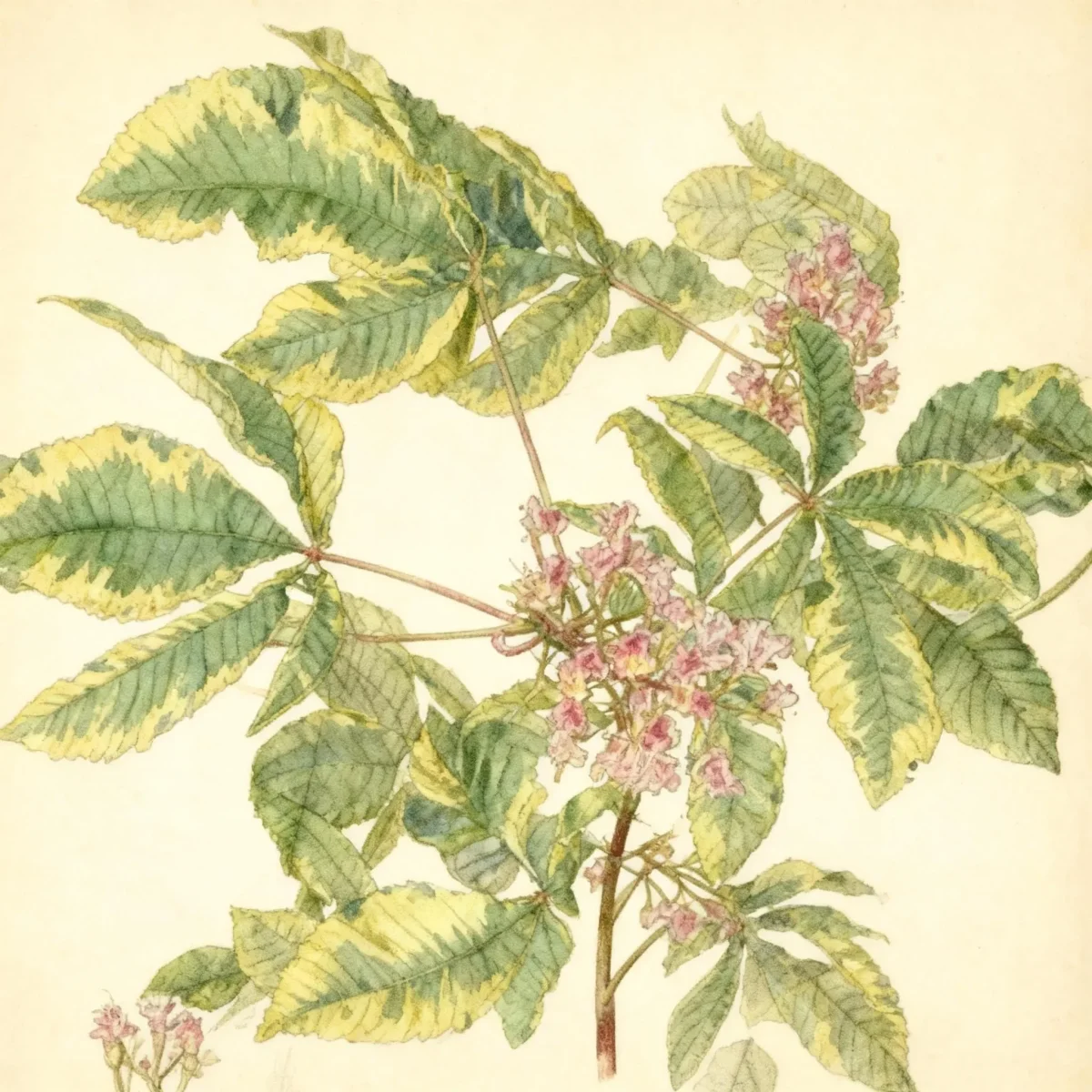
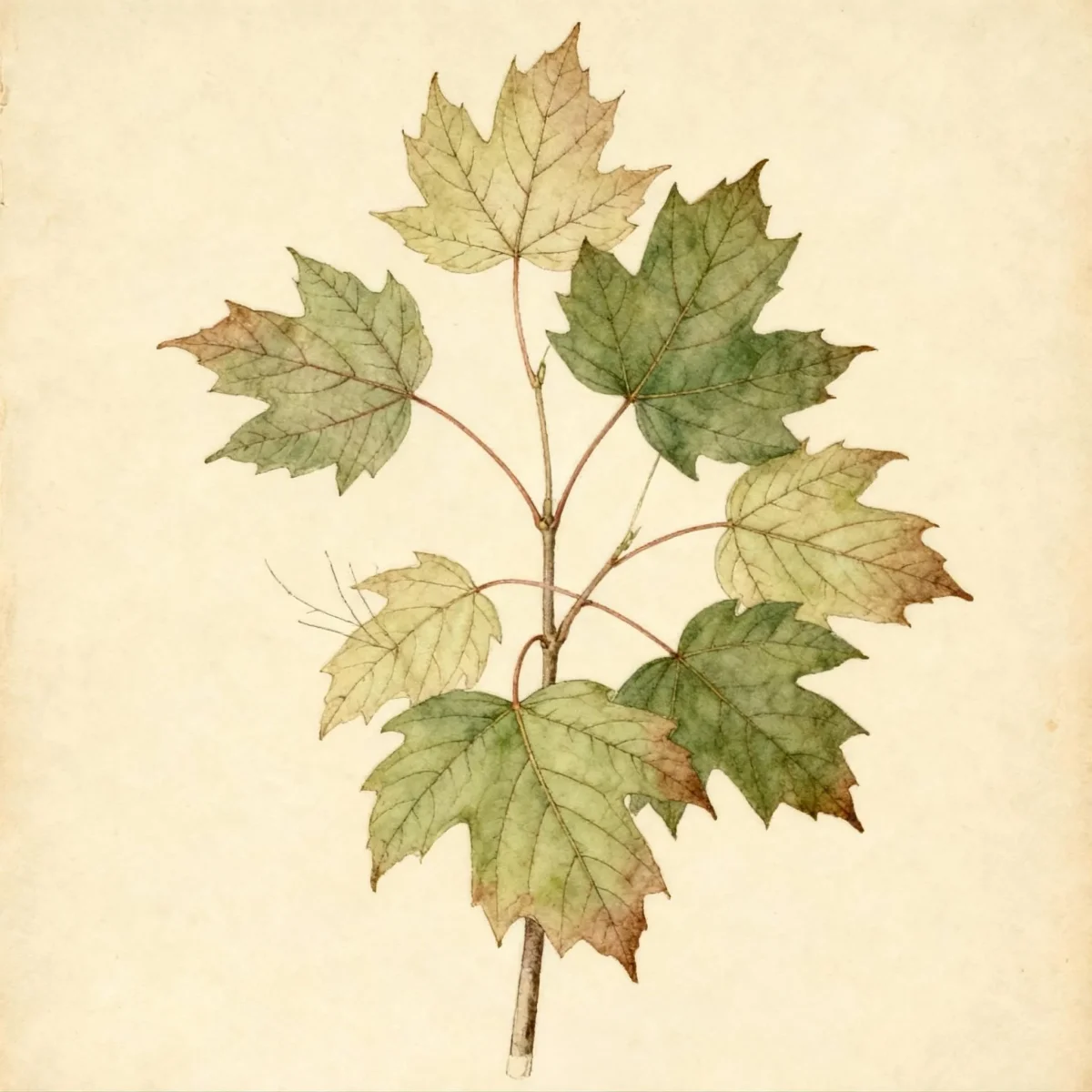
Chinese horse chestnut (Aesculus chinensis)
The Aesculus chinensis, or Chinese horse chestnut, is a rounded deciduous tree offering white blooms. Hardy in Zones 5-7.
Scroll down to discover growing tips, care requirements, companion plants, and more
Complete Plant Information
Overview
The Aesculus chinensis, widely known as the Chinese horse chestnut, presents an excellent choice for adding substantial structure and summer shade to the landscape. This rounded deciduous tree is valued for its elegant stature and seasonal interest, particularly its white spring blossoms. Native to the forests and ravines of Northern China, it brings a refined, established look wherever it is planted.
As a medium-sized shade provider, the Chinese horse chestnut reaches heights and spreads between 30 to 40 feet, making it a balanced specimen tree. Its robust nature allows it to handle varied conditions, though it thrives best under consistent moisture, mirroring its wild habitat. Gardeners appreciate this species for its stately form and the visual appeal of its foliage and subsequent fruit capsules.
While beautiful, gardeners must note that the nuts produced by the Aesculus chinensis are poisonous, requiring consideration if placed near small children or pets. Recognizing the specific needs of the Chinese horse chestnut ensures it develops into a healthy focal point, contributing reliable shade across moderate temperature swings.
Fast Facts
- Plant Family: Sapindaceae
- Plant Type: Tree
- Native Range: Northern China
- Hardiness Zones: USDA Zones 5-7
- Size at Maturity:
- Height: 30-40 ft
- Spread: 30-40 ft
- Bloom Time: May to June
- Bloom Description: White
- Sun Exposure: Full sun to part shade
- Water Needs: Medium
- Maintenance Level: Medium
How to Grow
Planting the Chinese horse chestnut is best achieved in the spring or fall, allowing the roots time to establish before extreme summer heat or winter cold sets in. Select a location offering rich, moist, well-drained loams, ensuring the site receives full sun or light afternoon shade. Proper soil preparation to promote drainage is crucial for the long-term health of this species.
Once established, the Aesculus chinensis requires medium water. Consistent moisture is key; avoid allowing the soil to become overly dry, especially during peak summer months or prolonged drought periods. Fertilization is rarely necessary if the soil is naturally rich, but a balanced, slow-release fertilizer applied in early spring can support vigorous growth. Minimal pruning is generally required, focusing only on removing crossing or damaged limbs to maintain the desirable rounded canopy.
Seasonal attention should focus on monitoring for environmental stress. Due to its potential for leaf scorch on exposed sites, ensure adequate watering during dry spells. In the fall, the removal of dropped fruit capsules is recommended, especially in paved areas, to manage the appearance and mitigate the hazard posed by the poisonous nuts.
Landscape Uses
The natural stature of the Aesculus chinensis makes it perfectly suited for use as a definitive shade tree in open lawns or park settings. Its dense canopy provides excellent relief from the summer sun, contrasting well with lower-growing, lower-maintenance shrubs beneath it. Due to its widespread canopy, site selection is vital; avoid planting directly over utility lines or near foundations.
While its distribution in the United States is somewhat limited, it excels as a landscape specimen where its size is appropriate for avenues or wide boulevards, deserving of the classification as a street tree when proper root space is available. For aesthetic continuity, pair the Chinese horse chestnut with moisture-tolerant perennials that enjoy dappled light, such as Hostas or large ferns, in the understory planting beds. Its impressive spring bloom warrants an open sightline from frequently used areas of the yard.
Standout Features
Flower Qualities
- Showy
Fruit Qualities
- Showy
Noteworthy Characteristics
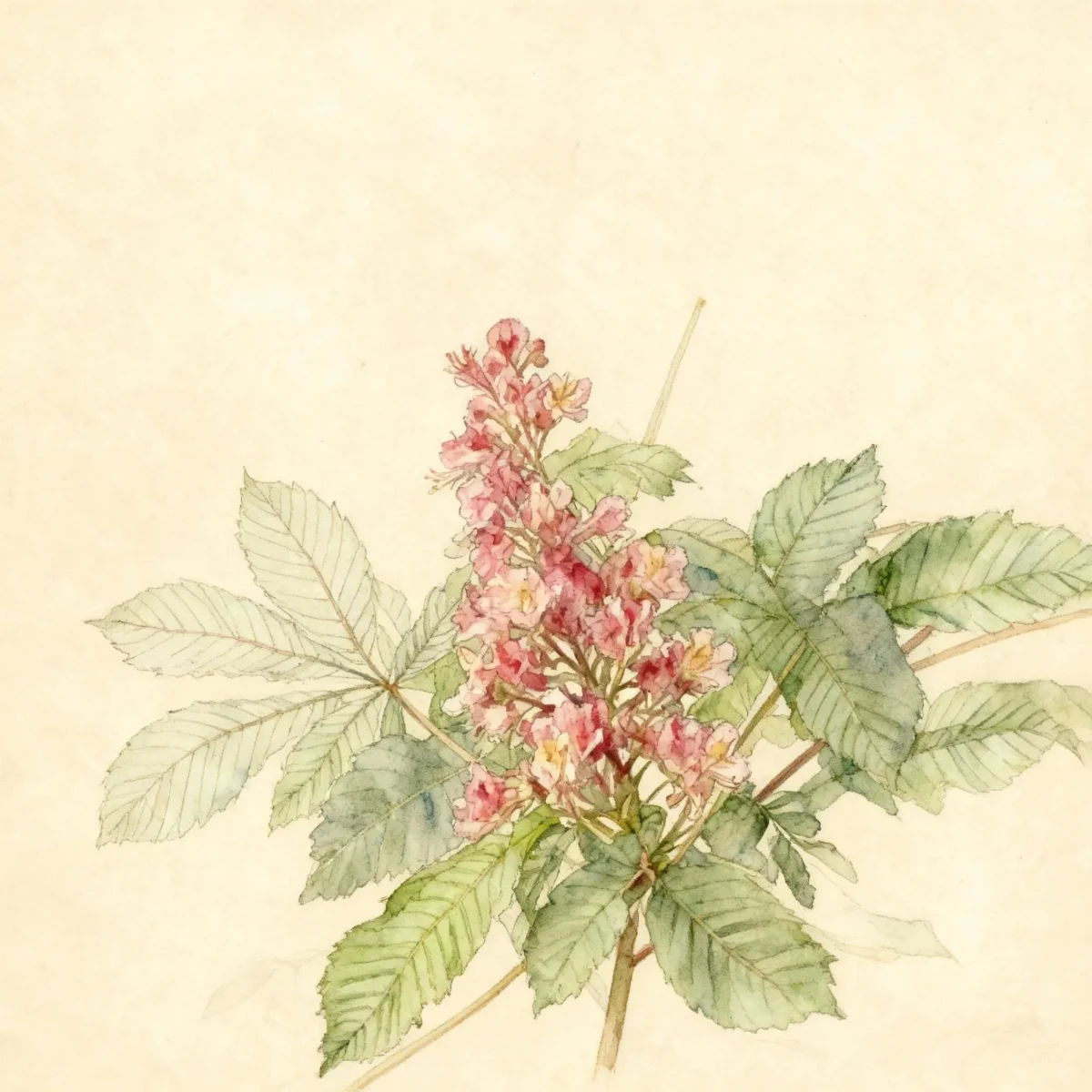
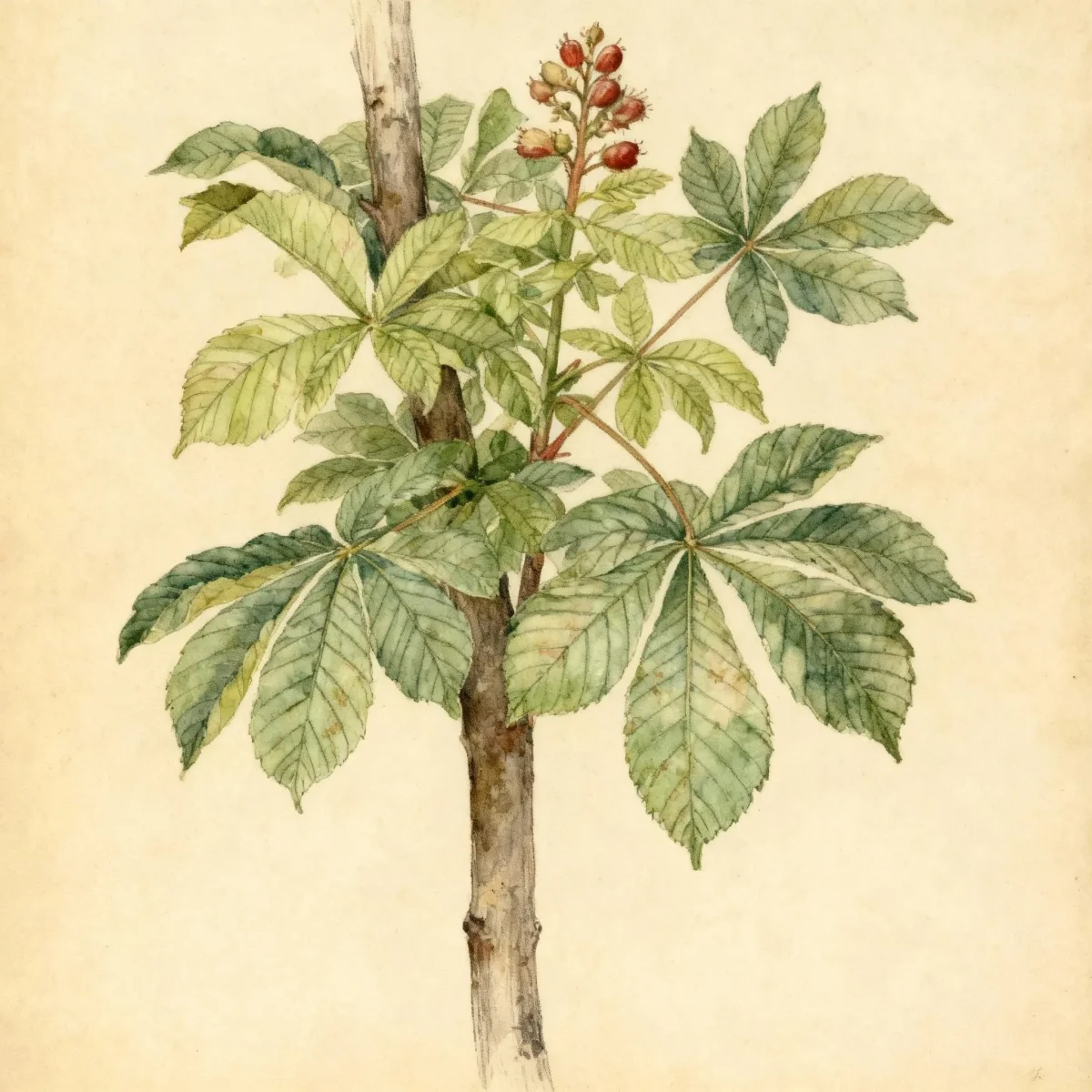
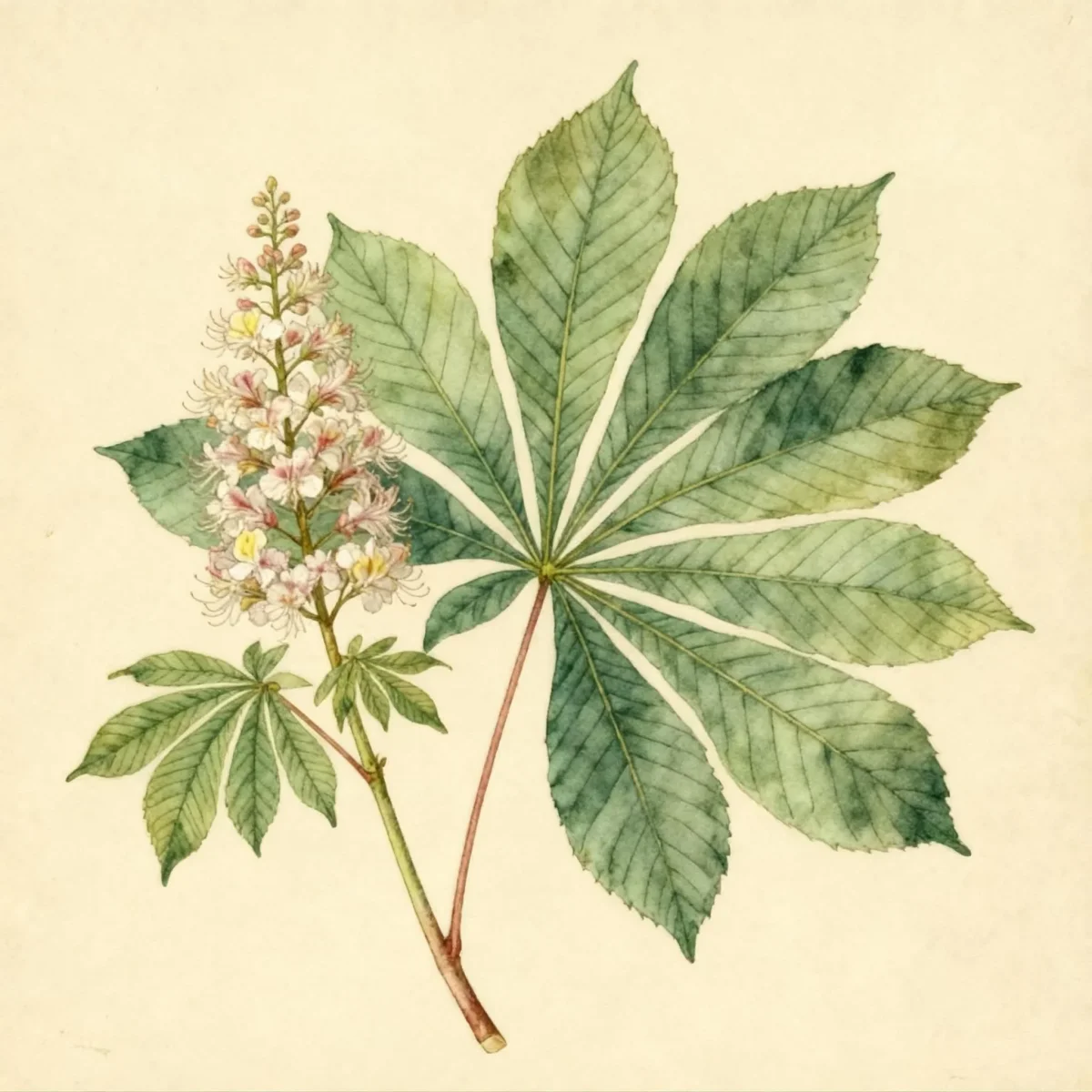
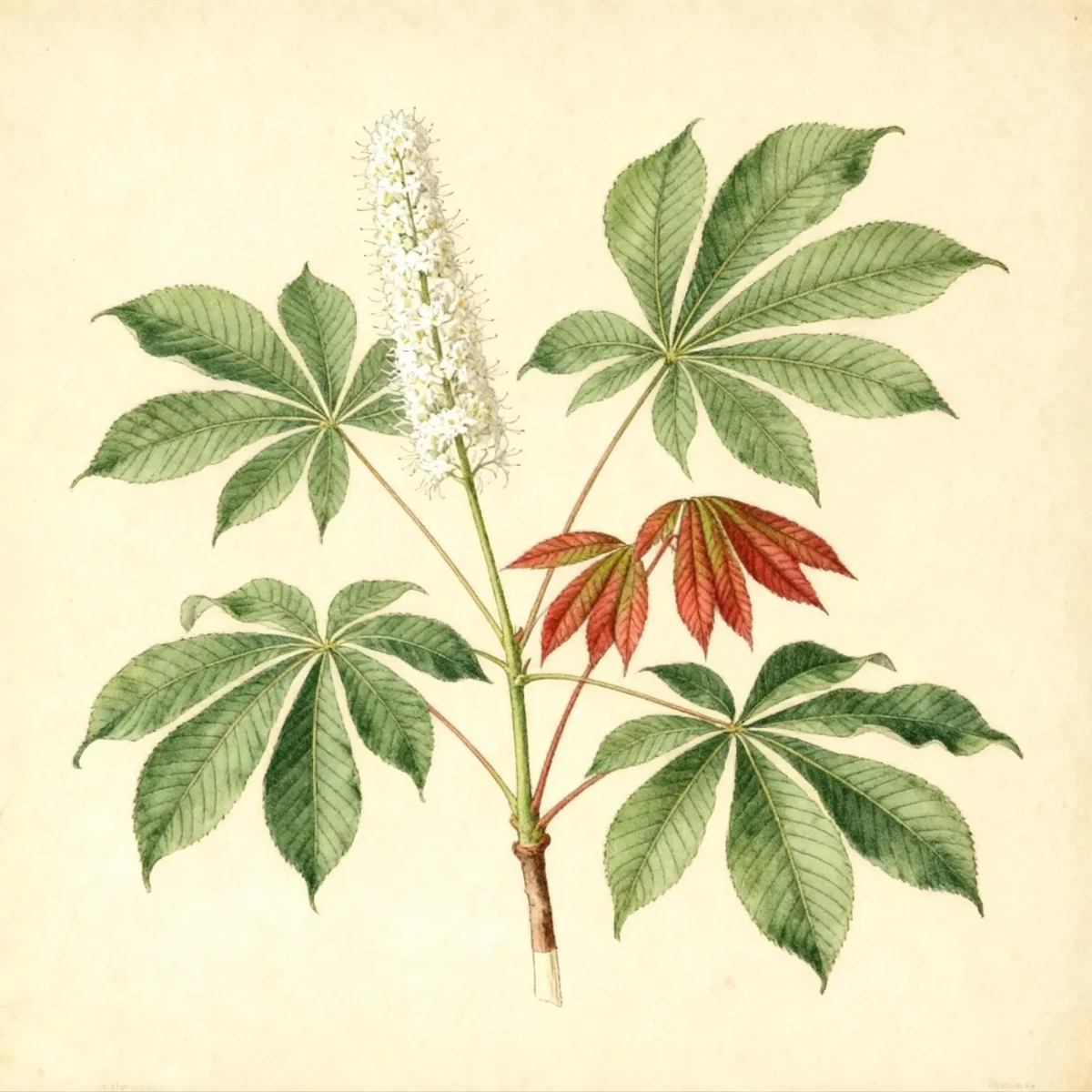
Aesculus chinensis, commonly called Chinese horse chestnut or Chinese buckeye, is a rounded deciduous tree that typically grows to 30-40’ tall. It is native to forests, thickets, slopes, ravines and roadsides in northern China, featuring long-stalked, palmate leaves with 5-7 leaflets. Erect, showy cylindrical terminal panicles of white flowers bloom in mid-spring, followed by globose, rough-textured fruit capsules that release dark brown nuts at maturity.
Tolerances
- Rabbit
Potential Problems
General care for the Aesculus chinensis involves vigilance against common issues affecting the Aesculus genus. Potential disease problems include powdery mildew, rust, and anthracnose, which often manifest as blemishes or premature leaf drop. Insect pests to watch for include bagworms, Japanese beetles, and borers, which can weaken the structure or foliage integrity of the tree.
A very common abiotic issue is leaf scorch, where the edges of the leaves turn brown. This usually occurs in droughty conditions or when the tree is planted on sites subject to strong, drying winds, emphasizing the need for consistent moisture management during high heat periods. Regular inspection and prompt treatment of any signs of infestation or disease are essential for maintaining a healthy Chinese horse chestnut.
Frequently Asked Questions
What hardiness zones is Chinese horse chestnut suitable for?
The Aesculus chinensis performs best in USDA Hardiness Zones 5 through 7.
How large does Aesculus chinensis grow?
This tree typically matures to a height between 30 and 40 feet, with an equivalent spread of 30 to 40 feet.
When does Chinese horse chestnut bloom?
The Chinese horse chestnut features its notable white blooms during the transition period from May to June.
What sun exposure does Aesculus chinensis need?
For optimal growth and flowering, provide the tree with full sun exposure to partial shade conditions.
Conclusion
The Aesculus chinensis offers gardeners a stately, medium-sized specimen tree known for its attractive spring flowers and dense seasonal shade. Whether sought as a shade feature or street tree replacement, the Chinese horse chestnut justifies its medium maintenance needs through superior aesthetic contributions. Before planting, confirm your location falls within USDA Zones 5-7 and plan for a site that can reliably provide rich, moist soil.
Companion Planting
Selecting suitable companions for the Chinese horse chestnut is critical, especially considering its need for rich, consistent moisture and partial shade tolerance. Below large, established specimens, consider groundcovers that thrive in dappled light and similar soil conditions. Plants like Astilbe, Helleborus (Lenten Rose), or Epimedium (Barrenwort) perform well, offering textural contrast without competing aggressively for surface water.
When integrating the Aesculus chinensis into a mixed border, pair it with early spring bloomers that finish flowering before the tree fully leafs out, such as Daffodils or Tulips, which provide foreground color. Avoid placing shallow-rooted, thirsty shrubs directly against the trunk, as they will compete heavily with the developing feeder roots of the shade tree.
Design Ideas: Specimen Focal Point
Utilize the symmetrical, rounded form of the Chinese horse chestnut to anchor formal landscape designs. Plant a single specimen in the center of a large, open lawn area to create a classic vista point, framing it with low, manicured hedges to accentuate its form. The robust canopy makes it an ideal stopping point along a long pathway, offering scheduled areas of cool respite.
Because the nuts of the Aesculus chinensis can be messy and are toxic, these trees are best situated away from active outdoor dining areas or play spaces. Instead, design beds around the drip line using mulch or native woodland-style plantings that can tolerate occasional falling debris, prioritizing form over function in high-traffic zones.