Black wattle (Callicoma serratifolia)
Black wattle (Callicoma serratifolia) is a low-maintenance evergreen shrub/tree native to Australia, ideal for Zones 9-11.
Scroll down to discover growing tips, care requirements, companion plants, and more
Complete Plant Information
Overview
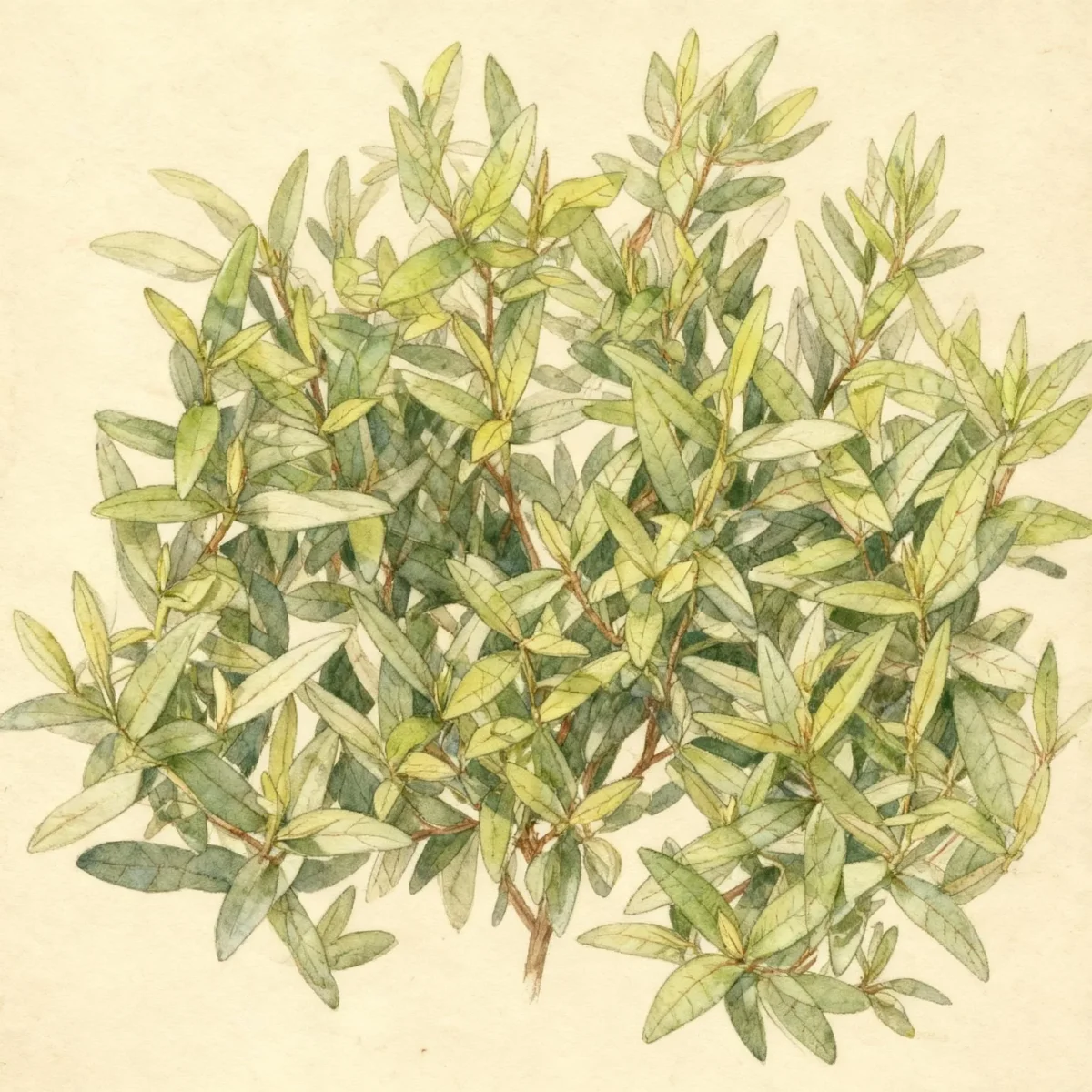
Callicoma serratifolia, commonly recognized as Black wattle or Butterwood, presents itself as a striking broadleaf evergreen shrub or small tree perfectly suited for warmer climates. This Australian native offers dense foliage with dark green upper sides contrasting against white-tomentose undersides, providing year-round visual interest in the landscape. Gardeners value Black wattle for its relatively low maintenance needs and graceful growth habit, reaching heights between 16 and 40 feet.
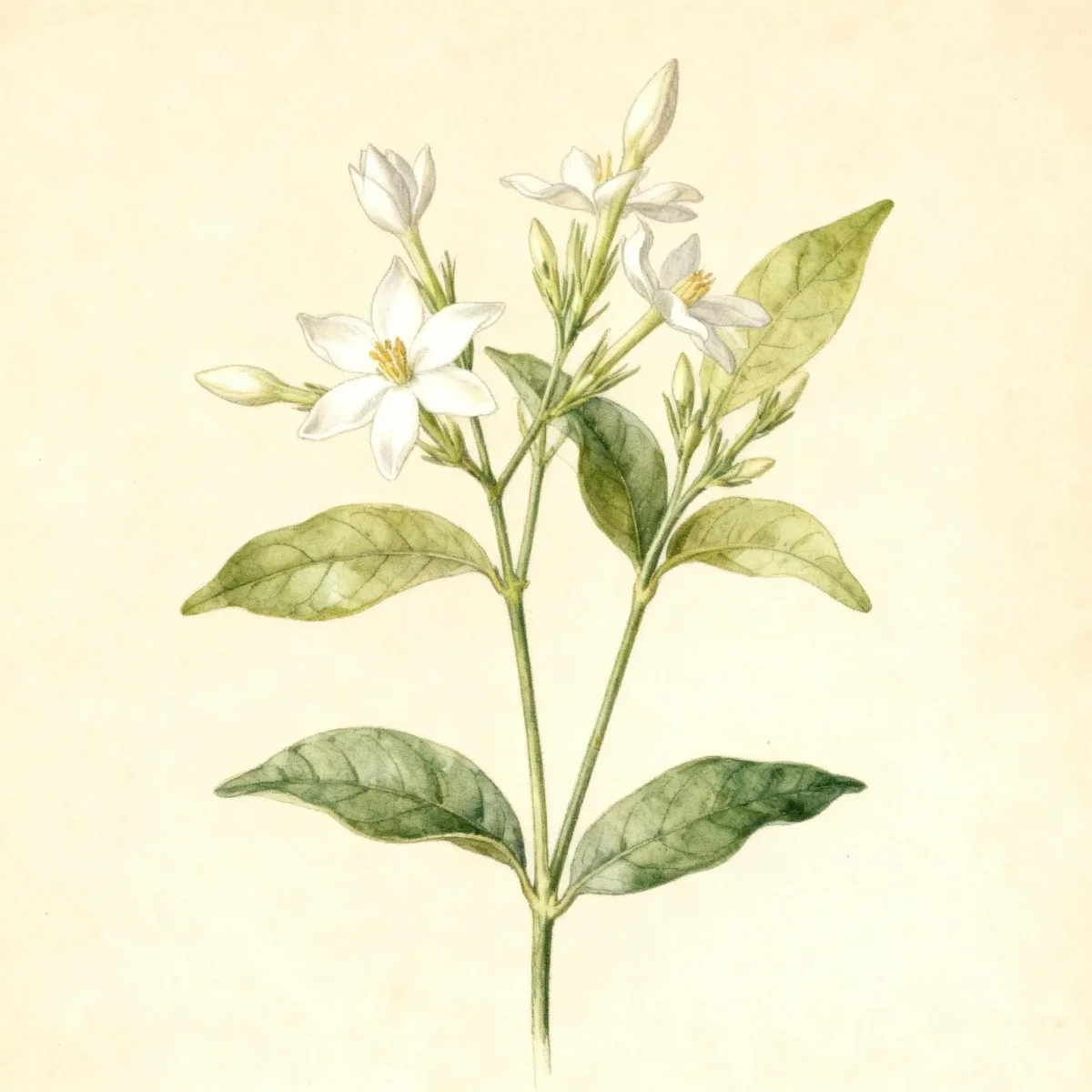
The ornamental appeal of Callicoma serratifolia is subtle yet engaging, featuring tiny, creamy white flowers clustered in spherical heads during late spring and early summer. These blooms offer a delicate resemblance to true wattles, an association that gives Black wattle one of its common names. It thrives best in frost-free regions, establishing itself naturally in damp creek margins and rainforest environments back home.
As a strong, reliable performer in appropriate settings, integrating Callicoma serratifolia into the landscape provides excellent vertical structure. Its tolerance for mixed sun conditions makes it versatile, though ensuring adequate moisture is key to maintaining its health and lush appearance through the hotter months.
Fast Facts
- Plant Family: Cunoniaceae
- Plant Type: Broadleaf evergreen
- Native Range: Australia
- Hardiness Zones: USDA Zones 9-11
- Size at Maturity:
- Height: 16-40 ft
- Spread: 10-25 ft
- Bloom Time: May to July
- Bloom Description: White apetalous flowers
- Sun Exposure: Full sun to part shade
- Water Needs: Medium
- Maintenance Level: Low
How to Grow
For optimal establishment, plant Callicoma serratifolia during the mild conditions of spring or early autumn. This species performs best when situated in fertile, well-drained soil that retains consistent moisture, mimicking its native habitat near creek banks. While it tolerates partial shade, maximizing light penetration with full sun exposure encourages the densest growth, provided water demands are met.
Watering requirements for Black wattle are medium; consistent moisture is crucial, particularly while the plant is young or during prolonged dry spells in summer. Avoid letting the soil become waterlogged, as excellent drainage is essential to prevent root issues. Fertilization is rarely necessary if the base soil is rich; otherwise, a light application of balanced fertilizer in early spring supports vigorous growth.
This evergreen requires very little attention once established, which contributes to its low maintenance rating. Pruning, if needed, should focus on removing any damaged or crossing branches immediately after flowering concludes. Gardeners in Zone 9 should monitor for unusual cold snaps, although established plants are generally hardy down to the minimum threshold.
Landscape Uses
Callicoma serratifolia is primarily recommended as an attractive small ornamental tree suitable for frost-free environments. Its moderate size allows it to serve effectively as a specimen plant, providing an interesting focal point in a mixed border without overwhelming smaller garden spaces. The striking contrast between the leaf upper and lower surfaces adds texture even when blooms are absent.
Consider positioning Black wattle where its mature height can be appreciated, perhaps near the edge of a woodland garden or within a transitional planting scheme moving toward native Australian flora. Due to its tendency toward a denser habit, it can also function well as an informal screen or backdrop planting, lending an established, established look to the garden layout.
Standout Features
Flower Qualities
- Showy
- Fragrant
- Good for cut flowers
Noteworthy Characteristics
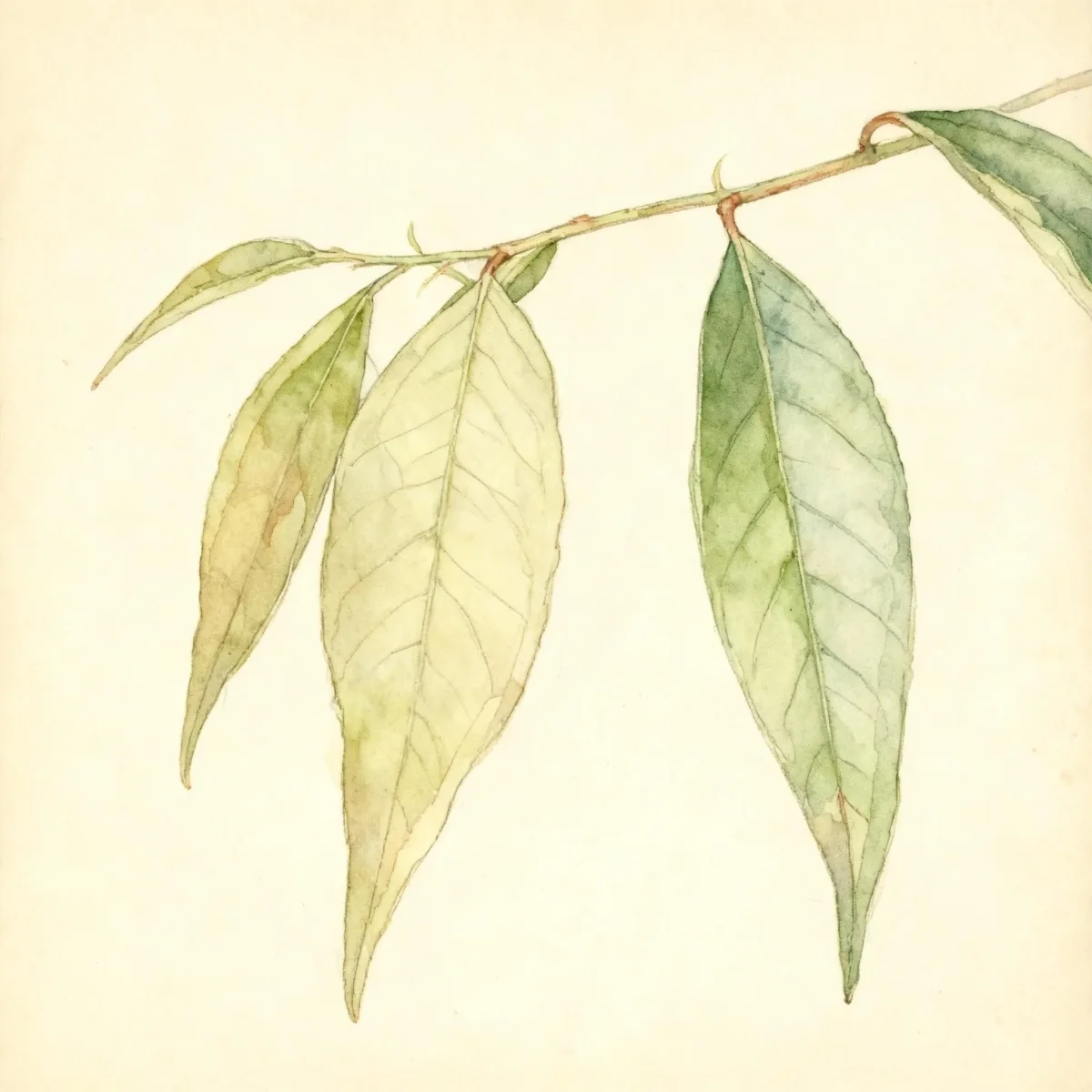
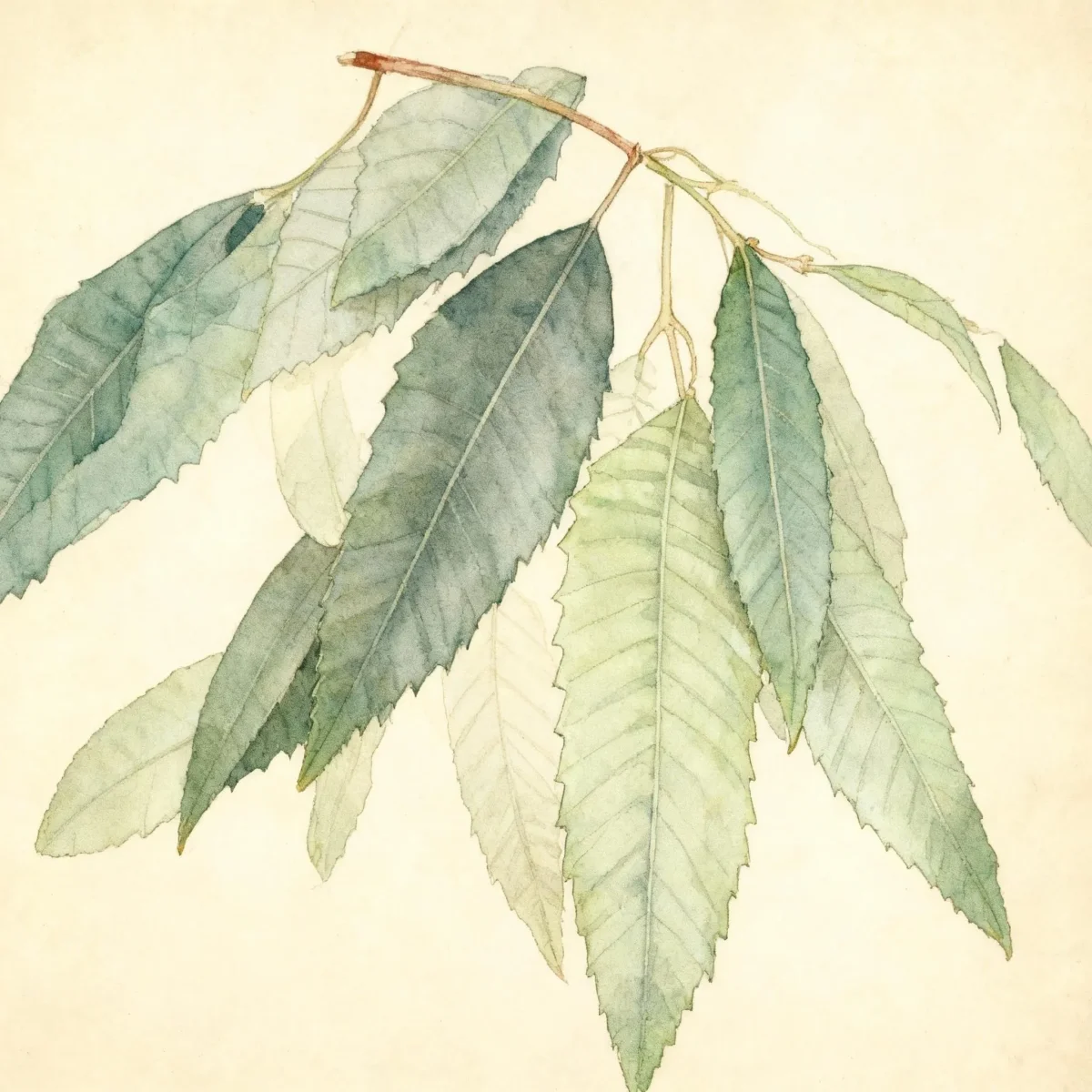
Callicoma serratifolia, commonly known as black wattle, butterwood or callicoma, is an evergreen shrub or small tree that typically grows from 16-40’ tall. It is native to damp creek margins, rocky gullies and rainforests along the coast and tablelands of New South Wales and southern Queensland. Opposite, coarsely-toothed, broad-lanceolate to narrow-elliptic, evergreen leaves (to 6” long) are sharply pointed. Leaves are dark green above and white tomentose (sometimes with reddish-brown hairs) beneath. From the leaf axils and stem ends, tiny creamy white flowers bloom in spring to early summer in dense spherical heads (each flower head to 7/8” diameter). Flowers are apetalous, each having 4 or 5 small hairy sepals and ten protruding and spreading stamens, thus giving the flower heads a certain resemblance to the flower heads found on Australian acacia which is commonly known as wattle. Fruits are small green capsules which are densely clustered into spherical heads. Fruits ripen in late summer to fall. Mature tree bark is dark brown with a pinkish-brown inner layer. Shoots are woolly-hairy.Genus name comes from the Greek kalos meaning beauty and kome meaning hair in reference to the flower heads.Specific epithet is in reference to the serrated leaf margins.Common name of black wattle is in reference to the purported similarity in appearance between the flower heads of callicoma and the flower heads of Australian acacia (known as wattle). Early settlers to Australia reportedly constructed “wattle and daub” huts made from callicoma stems and mud.
Tolerances
- Winter hardy to USDA Zones 9-11 where it is best grown in moist, fertile, well-drained soils in full sun to part shade
Potential Problems
This species experiences no serious insect or disease problems under appropriate growing conditions. The primary threat to Black wattle involves improper site selection, particularly planting in areas prone to hard frosts, as it is rated for Zones 9 through 11. Ensuring the soil structure facilitates excellent drainage will also prevent potential root rot issues common in overly saturated environments.
Frequently Asked Questions
What hardiness zones is Black wattle suitable for?
Callicoma serratifolia is suitable for USDA Hardiness Zones 9 through 11, requiring protection from significant freezing temperatures.
How large does Black wattle grow?
This evergreen tree typically matures to a height between 16 and 40 feet, with a spread ranging from 10 to 25 feet.
What sun exposure does Callicoma serratifolia need?
This plant thrives well in conditions ranging from full sun to partial shade, making it adaptable to various landscape placements.
When does Black wattle bloom?
Callicoma serratifolia blooms between May and July, producing small, white apetalous flowers clustered densely together.
Conclusion
The Black wattle (Callicoma serratifolia) offers substantial aesthetic value through its evergreen structure and fine textured flowers, making it a desirable choice for low-maintenance landscaping in mild climates. If you are gardening within USDA Zones 9-11, assess your site conditions for moist, well-drained soil and plan to plant your Callicoma serratifolia during the recommended spring or fall window.
Companion Planting
When planning borders around Callicoma serratifolia, focus on plants that share similar requirements for consistent moisture and well-drained, rich soil. Australian natives that appreciate similar slightly acidic conditions, such as certain Banksia or Grevillea varieties (in frost-free areas), can create a cohesive native planting scheme. In less formal settings, underplanting the spread of the Black wattle with moisture-loving perennials that tolerate partial shade, like certain ferns or hostas (depending on local moisture levels), can enhance the understory texture.
Seasonal Care Calendar
Spring is the optimal time to assess your Callicoma serratifolia after winter to prune out any cold-damaged tips and apply a light, slow-release fertilizer if soil fertility is questionable. During the summer months, monitor soil moisture closely, as the medium water needs become critical during high heat; supplemental, deep watering may be required during extended droughts. Fall is the season when fruits ripen; ensure adequate water leading into winter dormancy, but cease heavy feeding entirely to prepare the plant for cooler temperatures.