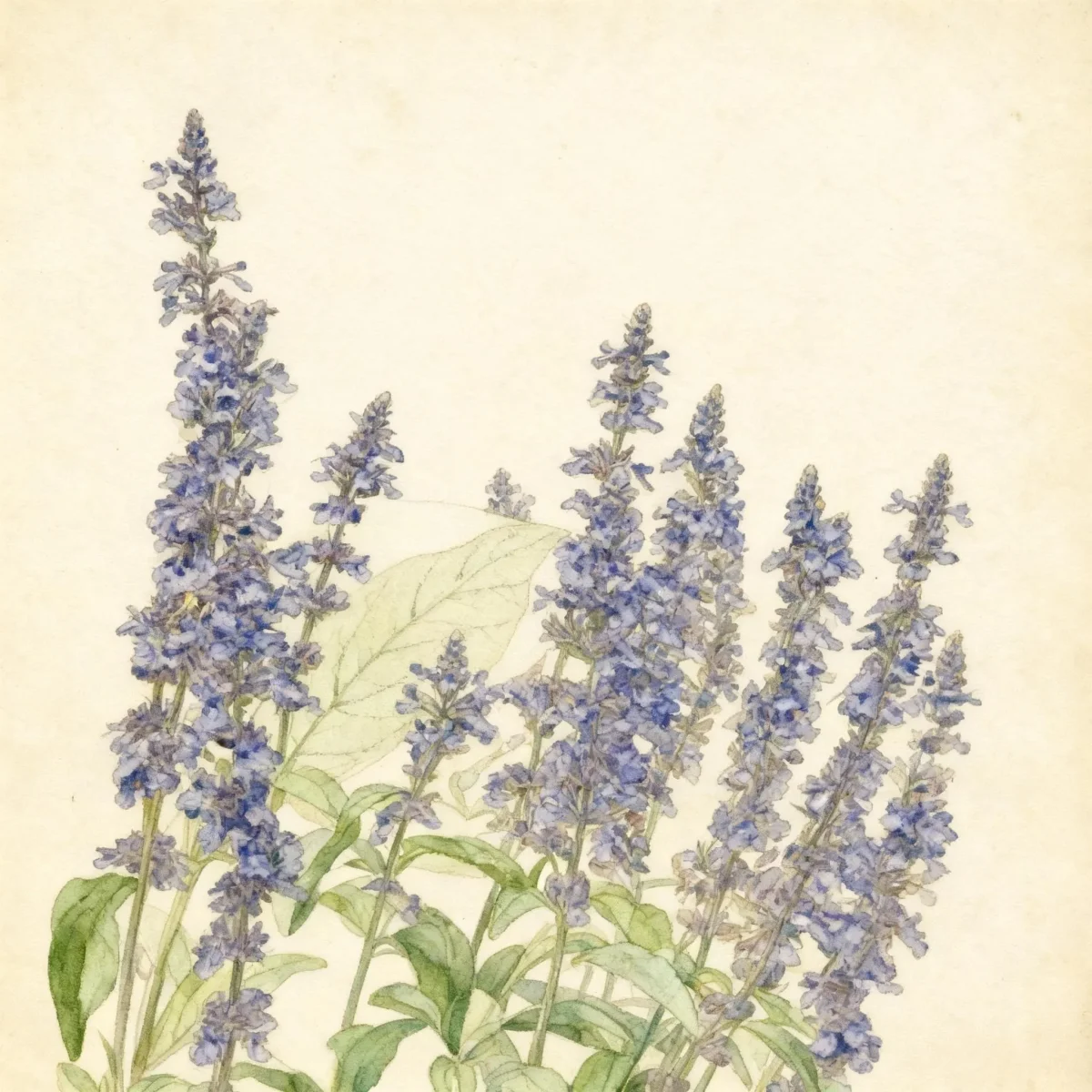
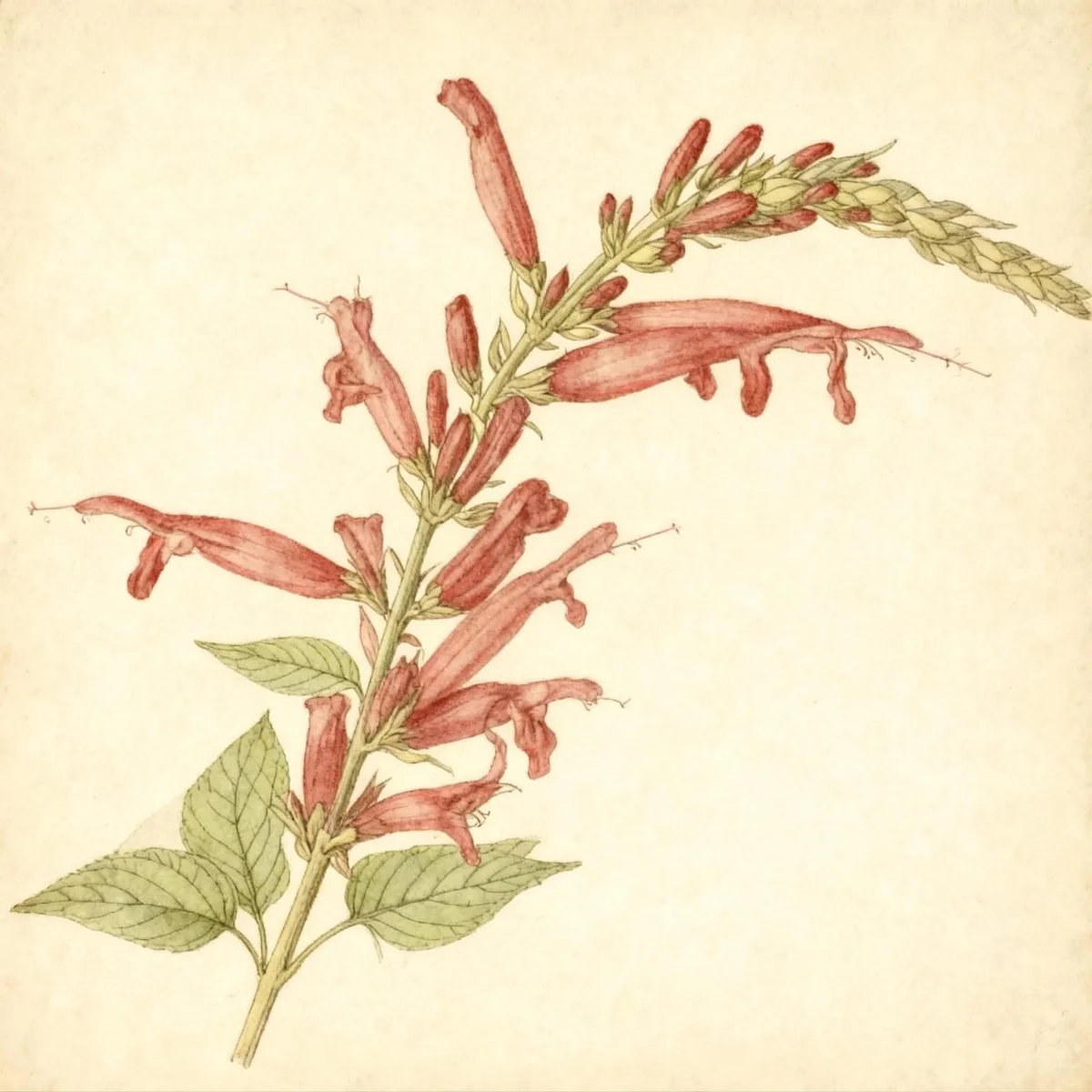
Pineapple sage (Salvia elegans)
Salvia elegans, or Pineapple sage, offers fragrant foliage and bright red blooms late in the season, ideal for zones 8-10.
Scroll down to discover growing tips, care requirements, companion plants, and more
Complete Plant Information
Overview
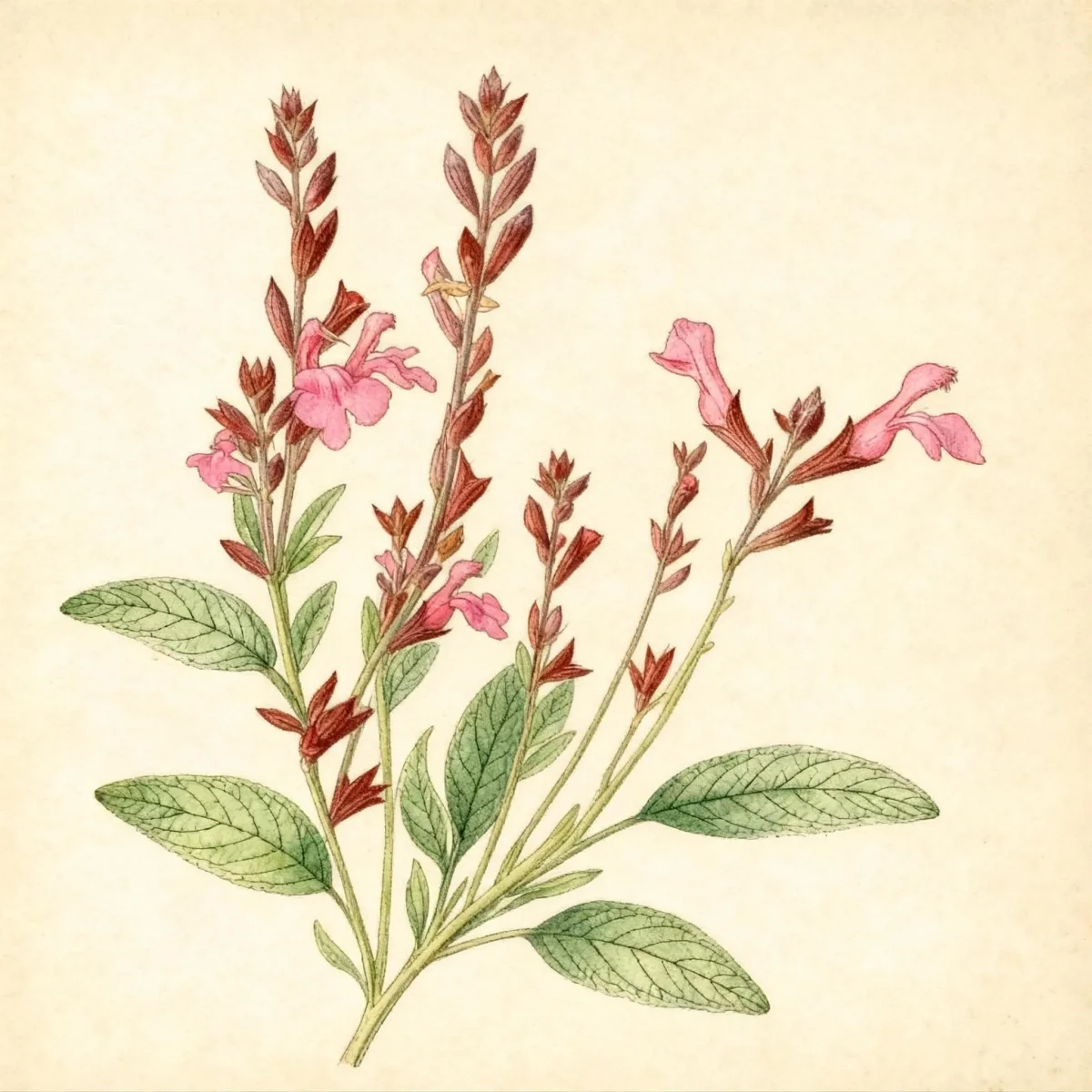
Pineapple sage (Salvia elegans) is a highly distinctive addition to any garden, prized not only for its late-season color but intensely for the unmistakable pineapple aroma released when its soft, light-green foliage is crushed. This tender perennial provides vibrant scarlet-red flowers when many other plants are fading, offering a critical late nectar source. Native to the Mexican highlands, this shrubby subshrub offers both aesthetic appeal and culinary utility to the gardener.
The plant features opposite, ovate leaves on characteristic square stems, growing robustly to four feet tall in a good season. As summer concludes, Salvia elegans rewards patient gardeners with terminal spikes of bright flowers from August straight through October. It is relatively undemanding, fitting well into herb or cottage garden designs where its fragrant qualities can be easily accessed.
While winter hardy in warmer climates, gardeners in cooler regions treat this beautiful Salvia elegans as a vigorous annual, ensuring a burst of late-season life and fragrance before the first hard frost. Its appeal to hummingbirds further solidifies its role as a functional, beautiful garden specimen.
Fast Facts
- Plant Family: Lamiaceae
- Plant Type: Herbaceous perennial
- Native Range: Mexico, Guatemala
- Hardiness Zones: USDA Zones 8-10
- Size at Maturity:
- Height: 3-4 ft
- Spread: 2-3 ft
- Bloom Time: August to October
- Bloom Description: Red
- Sun Exposure: Full sun
- Water Needs: Medium
- Maintenance Level: Low
How to Grow
For robust growth, plant Pineapple sage where it receives full sun, though it will tolerate some light afternoon shade, especially in the hottest climates. This plant thrives in humusy, well-drained soils that maintain even moisture, though it handles temporary drought better than constantly wet conditions. Set out new plants only after all danger of frost has passed for annual planting success.
Maintenance for Salvia elegans is generally low across the growing season. Water regularly to keep the soil consistently moist but never waterlogged; drainage is crucial, as wet soils must be avoided. While aggressive spreading via underground runners can occur in ideal, naturalized settings, pruning is minimal during summer, focusing only on shaping if desired.
If you are growing Salvia elegans as a perennial in Zones 8-10, cut back the top growth lightly in the fall. If you intend to overwinter your Pineapple sage, take cuttings in the late summer, root them, and bring the rooted cuttings or potted divisions indoors before the fall frost hits to maintain stock for the following spring.
Landscape Uses
Where winter hardy, Pineapple sage shines in mixed borders, cottage gardens, and dedicated herb gardens, pairing well with summer bloomers whose season is drawing to a close. Its deep red spires provide excellent vertical accent against silvery foliage or mid-range green backdrop plants. In regions where it cannot survive winter, it serves brilliantly as a container plant.
Containers allow gardeners to move the fragrant Salvia elegans indoors easily when temperatures drop, extending the season or ensuring perennial survival. When used in beds, allow for its 2 to 3-foot spread; it will colonize slightly via underground runners, creating attractive, informal clumps.
The culinary versatility significantly informs its placement. Locate your Pineapple sage near the kitchen door or pathway so that harvesting leaves for teas or garnishes is convenient. The late flowers also make striking, edible garnishes for late-season fruit salads.
Standout Features
Flower Qualities
- Showy
Noteworthy Characteristics
The genus name Salvia is derived from the Latin word salveo, meaning “to save or heal,” reflecting historical medicinal uses across the genus. As the common name suggests, Pineapple sage is particularly noted for the potent pineapple aroma and flavor of its foliage when crushed, a trait that sets it apart from many other salvias. This shrubby tender perennial produces bright scarlet red flowers in terminal spikes from late summer right into fall, strongly attracting both butterflies and hummingbirds.
Tolerances
- Deer
Potential Problems
Salvia elegans generally exhibits few serious insect or disease problems, which contributes to its low-maintenance rating. Gardeners should ensure excellent drainage to prevent root rot, which is the most likely issue if soils are heavy or stay soggy. Watch for typical occasional pests like whiteflies or aphids, especially when overwintering plants indoors, and treat promptly with insecticidal soap if necessary.
Frequently Asked Questions
What hardiness zones is Pineapple sage suitable for?
Pineapple sage (Salvia elegans) is winter hardy and best grown permanently in USDA Zones 8 through 10, though it is commonly grown as an annual elsewhere.
How large does Pineapple sage grow?
When grown in-ground in favorable conditions for one season, this herbaceous perennial typically reaches a height between 3 and 4 feet, with a spread ranging from 2 to 3 feet wide.
What sun exposure does Salvia elegans need?
Salvia elegans requires full sun for the best flowering performance, although it offers some tolerance for light shade, particularly in the intense heat of summer afternoon sun.
When does Pineapple sage bloom?
You can expect the stunning two-lipped, bright red flowers to appear across a long display window, typically beginning in August and continuing until October.
Conclusion
Pineapple sage (Salvia elegans) offers double value through its late-season, hummingbird-attracting red blooms and its wonderfully aromatic, culinary foliage. Its low maintenance requirements and established hardiness make it a reliable choice for warmer climate gardeners. Verify your USDA hardiness zone compatibility, and plan to plant this superb herb after the final spring frost for a fragrant season ahead.
Wildlife Benefits
The late-season bloom time of Salvia elegans is one of its greatest assets in the landscape. From August through October, when many summer perennials have finished flowering, the tubular, bright scarlet-red blossoms provide a concentrated source of energy for migratory hummingbirds. Planting Pineapple sage near windows or patio areas maximizes viewing opportunities for these speedy visitors.
Because the flowers are rich in nectar and borne on sturdy spikes, they are easily accessible to various pollinators. Encourage butterfly activity and support local nectar supplies by incorporating this plant where it receives full sun and medium moisture, allowing it to grow into a robust, multi-stemmed specimen by late summer.
Propagation Tips
While Salvia elegans can sometimes be grown from seed, the most reliable and popular propagation method is vegetative cutting taken in late summer. Cuttings root readily given sufficient humidity and warmth, securing a clone of the parent plant before fall frosts arrive. Softwood cuttings taken just below a leaf node, stripped of lower leaves, and placed in moist, sterile potting mix root efficiently.
If you are growing the plant as a permanent perennial in Zones 8-10, you can also induce division in the spring when new growth begins to emerge. As the plants spread modestly by underground runners, carefully dig up sections containing both roots and stems. Allow these divisions callousing for a day before replanting them to minimize transplant shock.