Oak (Quercus virgiliana)
The low-maintenance Quercus virgiliana is a deciduous Oak tree native to Southeastern Europe, valued as a shade tree.
Scroll down to discover growing tips, care requirements, companion plants, and more
Complete Plant Information
Overview
The Quercus virgiliana, commonly known as Oak, is a stately, medium-sized deciduous tree highly recommended for providing substantial shade across the landscape. This species closely resembles Q. Pubescens and offers robust structure combined with relatively low maintenance needs, making it excellent for long-term landscape investments. Native to southeastern Europe and northern Turkey, this Oak establishes itself well in a variety of conditions once established.
As an imposing specimen, the Quercus virgiliana provides significant seasonal interest, including its yellow-green blooms in spring and the production of attractive, showy acorns. Its mature height of 40 to 60 feet and spread up to 50 feet makes it a powerful focal point or effective boundary marker. Gardeners seeking a tree with natural toughness and enduring form will find the Quercus virgiliana to be a rewarding choice.
Fast Facts
- Plant Family: Fagaceae
- Plant Type: Tree
- Native Range: Southeastern Europe, northern Turkey
- Hardiness Zones: USDA Zones 6-9
- Size at Maturity:
- Height: 40-60 ft
- Spread: 30-50 ft
- Bloom Time: April to May
- Bloom Description: Yellow-green
- Sun Exposure: Full sun
- Water Needs: Dry to medium
- Maintenance Level: Low
How to Grow
The ideal time to plant the Quercus virgiliana is during the dormant season, either late fall or early spring, ensuring the tree establishes a strong root system before summer heat. This strong Oak thrives best when situated in rich, moist, well-drained loams, though it also performs commendably in sandy loams. Ensure it has ample space to develop its substantial canopy, as it is ultimately a large specimen tree.
While established plants exhibit excellent drought tolerance, supplemental watering is crucial during the first couple of years following planting to encourage deep root penetration. Once mature, aim for deep, infrequent watering during extended dry periods, as this species prefers dry to medium soil moisture conditions. Maintenance is generally low; focus primarily on removing dead or crossing branches during late winter dormancy to promote good structure.
This species is winter hardy across USDA Zones 6 through 8, performing best in the warmer end of that range. Although full sun exposure is preferred for optimal health and density, the Quercus virgiliana is noted to tolerate some part shade, though it should not be subjected to deep shade, which inhibits vigor.
Landscape Uses
The primary strength of the Quercus virgiliana throughout the landscape is its superb performance as a shade provider. Listed among its suggested uses are high-visibility applications like mass planting as a dedicated Shade Tree or integration into civic plantings as a resilient Street Tree. Its impressive size ensures long-term canopy coverage for patios, walkways, and large green spaces.
For those designing more naturalistic settings, this Oak is perfectly incorporated into woodland gardens, offering structure and seasonal interest that complements native understory plantings well. While its large root system requires consideration, pairing it with hardy, deep-rooted perennials or shrubs that share dry soil tolerance can create a cohesive, water-wise planting scheme under the majestic canopy of the Quercus virgiliana.
Standout Features
Flower Qualities
- Insignificant
Fruit Qualities
- Showy
Noteworthy Characteristics
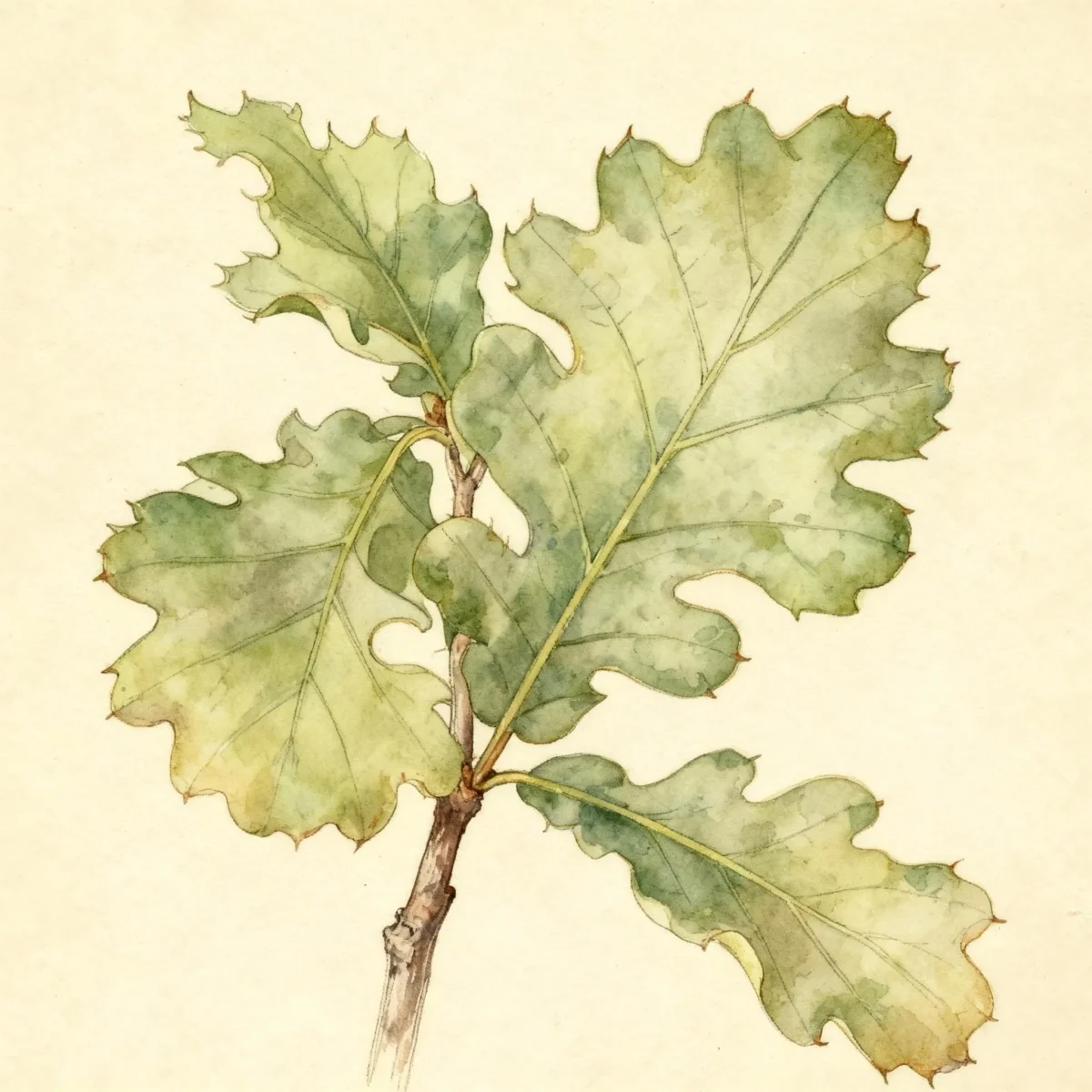
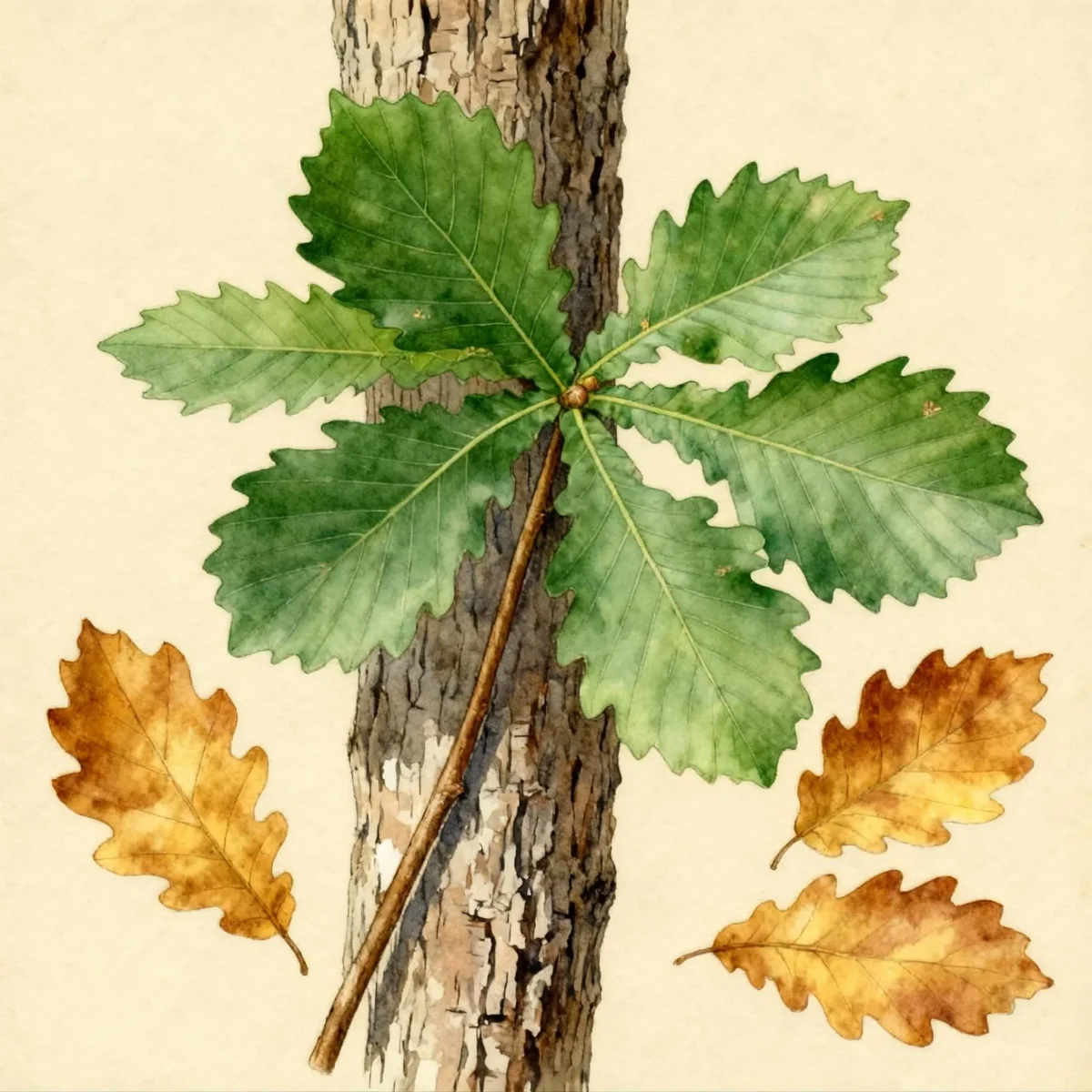
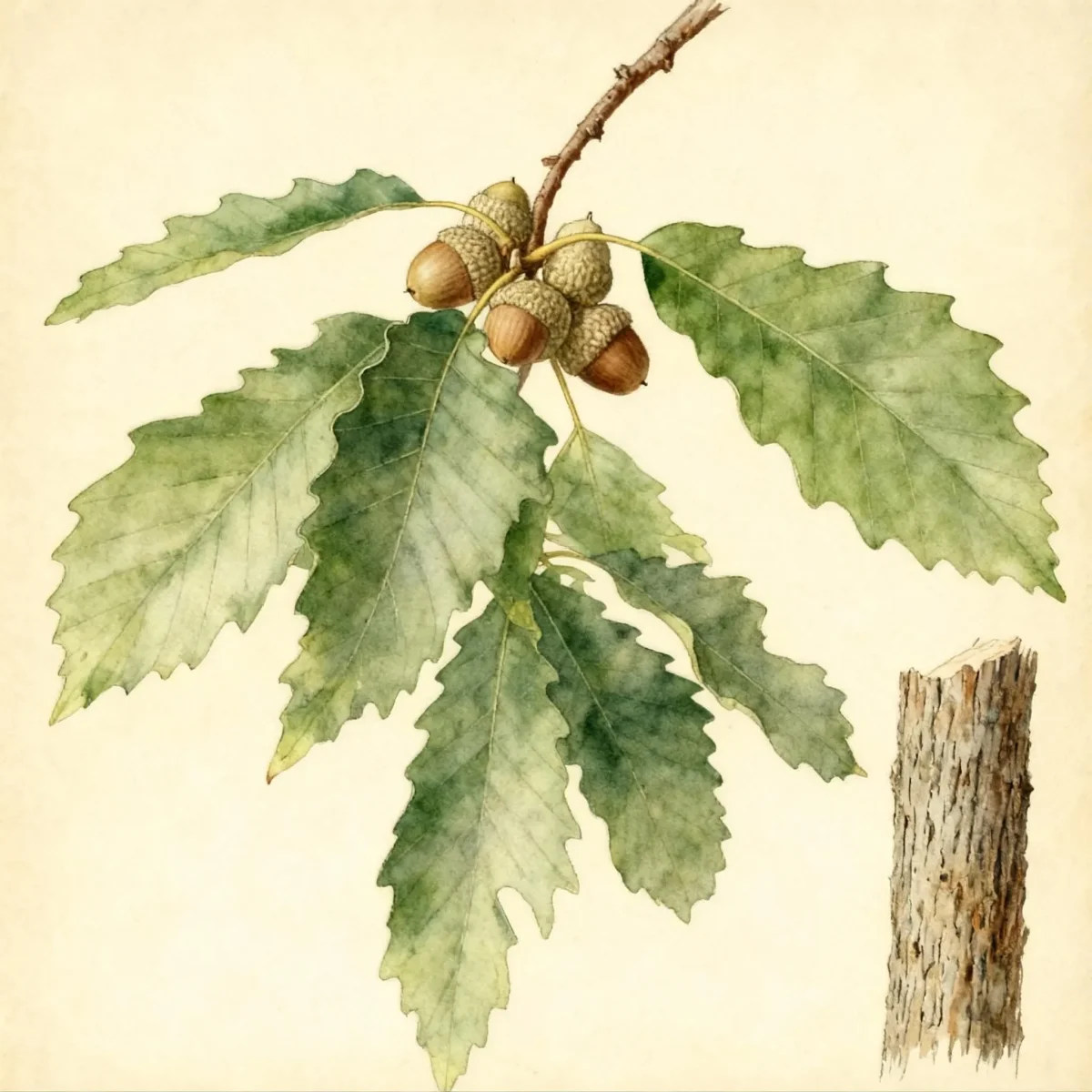
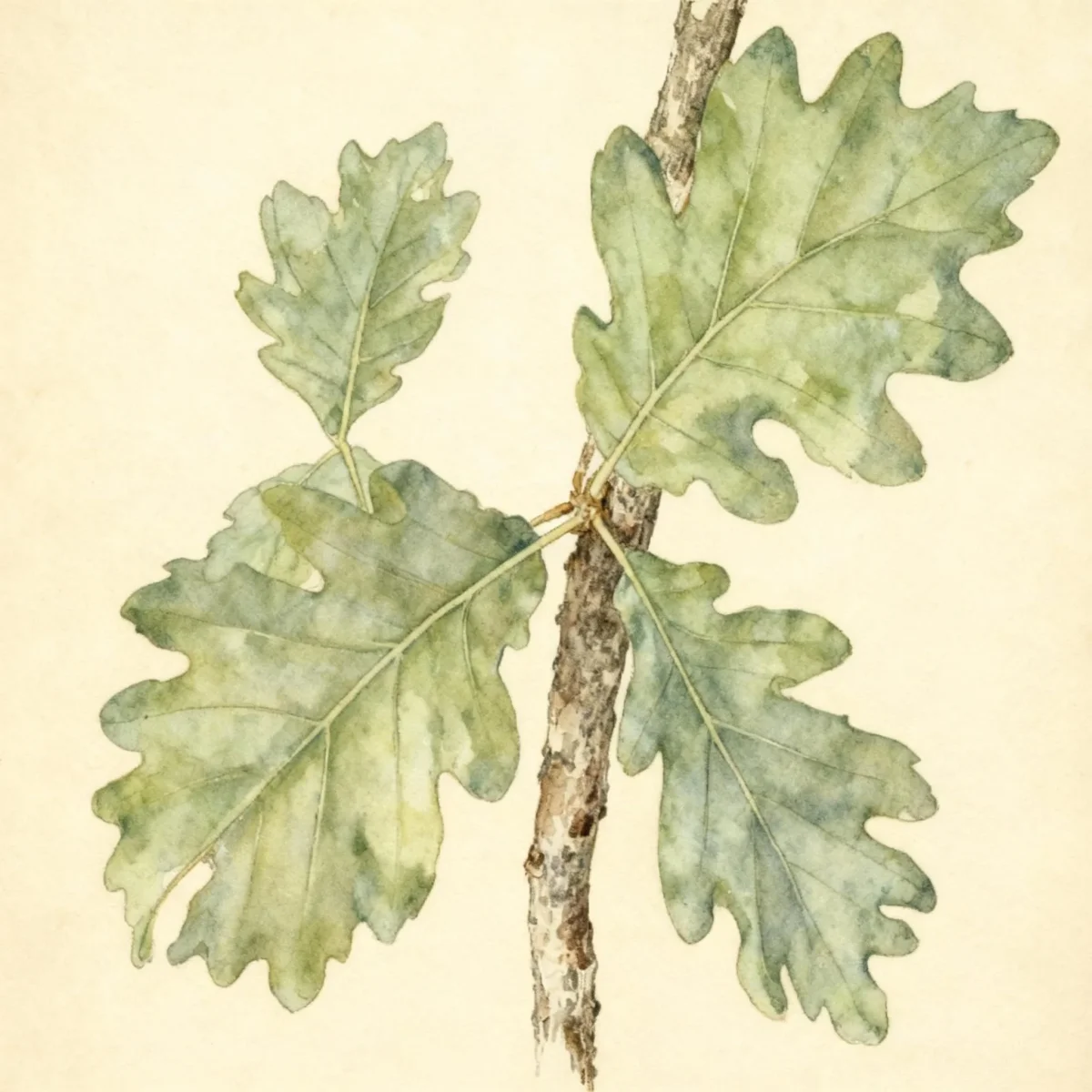
Quercus virgiliana develops into a medium-sized deciduous oak tree rising up to 40-60 feet tall, closely resembling Q. Pubescens and holding native distinction in southeastern Europe and northern Turkey. Its leaves are obovate to oblong-obovate, reaching up to 6 inches long with 5-7 pairs of obtuse or rounded lobes, appearing woolly to sparsely hairy underneath. This Oak produces small ovoid acorns, enclosed in a distinctive scaly cupule, which ripen in the fall, offering food for local wildlife.
Tolerances
- Drought
- Dry Soil
Potential Problems
This Oak generally experiences no serious insect or disease problems, offering a low-maintenance profile regarding major threats. However, like most members of the Oak genus, Quercus virgiliana can potentially be susceptible to common oak maladies, including oak wilt, anthracnose, oak leaf blister, and various cankers. Pests such as scale, oak lace bugs, and various borers or caterpillars should be monitored, especially in stressed environments. Maintaining good air circulation and ensuring proper drainage are crucial preventative measures against fungal issues.
Frequently Asked Questions
What hardiness zones is Oak suitable for?
The Quercus virgiliana is winter hardy across USDA Zones 6 through 9, making it suitable for a moderately wide range of temperate environments.
How large does Quercus virgiliana grow?
This robust Oak tree typically reaches a mature height between 40 and 60 feet, with a corresponding spread ranging from 30 to 50 feet wide.
What sun exposure does Oak need?
The Quercus virgiliana requires full sun for the best growth habit and density, although it tolerates some light afternoon shade if necessary.
When does Oak bloom?
This species blooms relatively early in the season, producing inconspicuous yellow-green flowers between April and May.
Conclusion
The Quercus virgiliana stands out in horticulture as a low-maintenance, drought-tolerant Oak ideal for providing large, enduring shade in established landscapes. Its resilience, combined with its classic structural form, makes this Oak a highly valuable specimen tree. Ensure your location meets its full sun requirements and verify that you are situated within USDA Zones 6-9 before planning your planting this fall or spring.
Companion Planting
When integrating the Quercus virgiliana into your design, selecting companions that appreciate similar growing conditions—namely deep, well-drained soil and tolerance for dry spells—is key. Native shrubs from Mediterranean-like climates often thrive under established deciduous Oaks. Consider planting species like Lavender (Lavandula) or Rosemary (Salvia rosmarinus) along the edge of the drip line, provided they are kept mulched away from the trunk flare.
For woodland garden applications, focus on fall interest plants that can handle the dappled light provided by the Oak canopy once it matures. Hardy, structural perennials that don’t demand constant moisture will integrate best with the preferred dry to medium water needs of this magnificent tree.