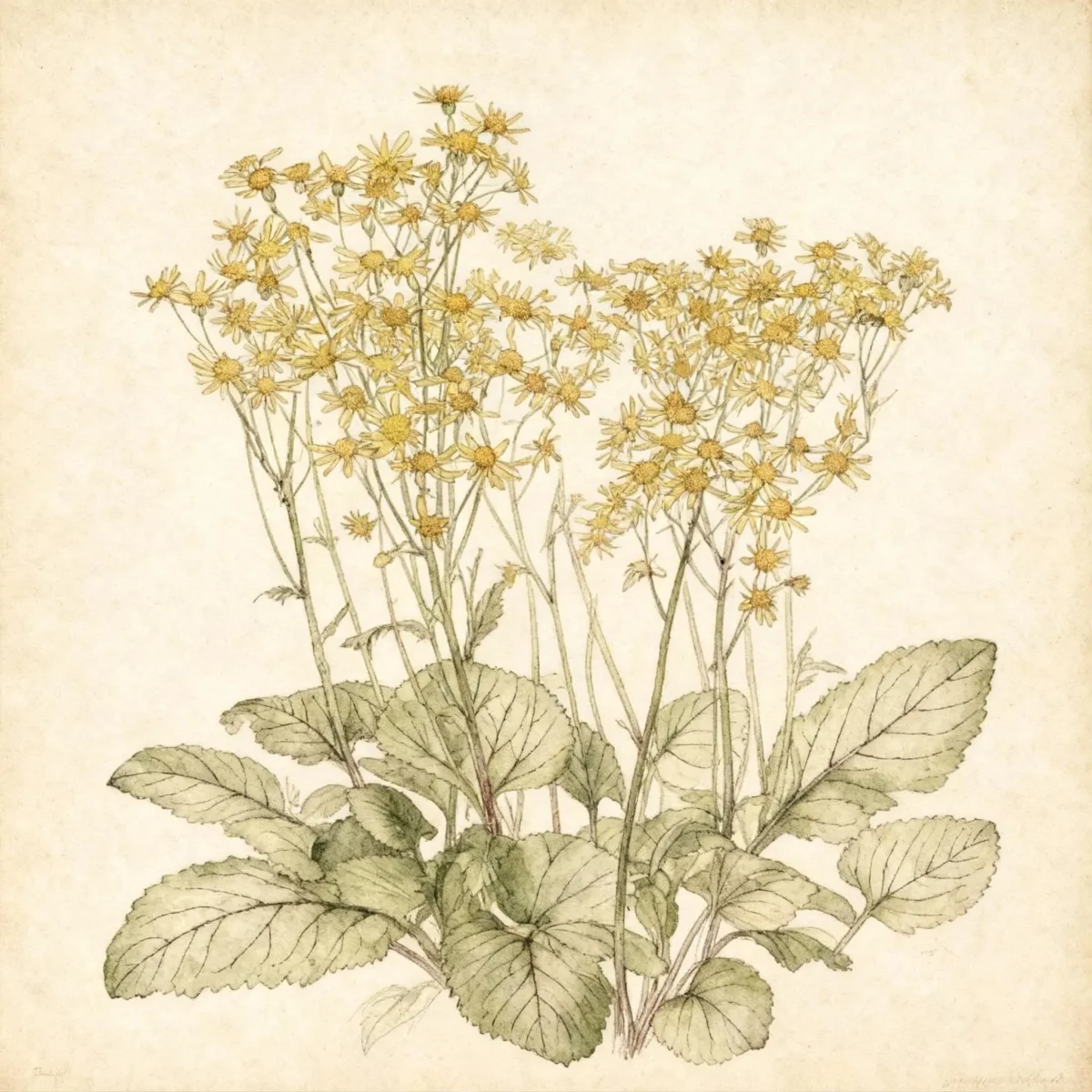
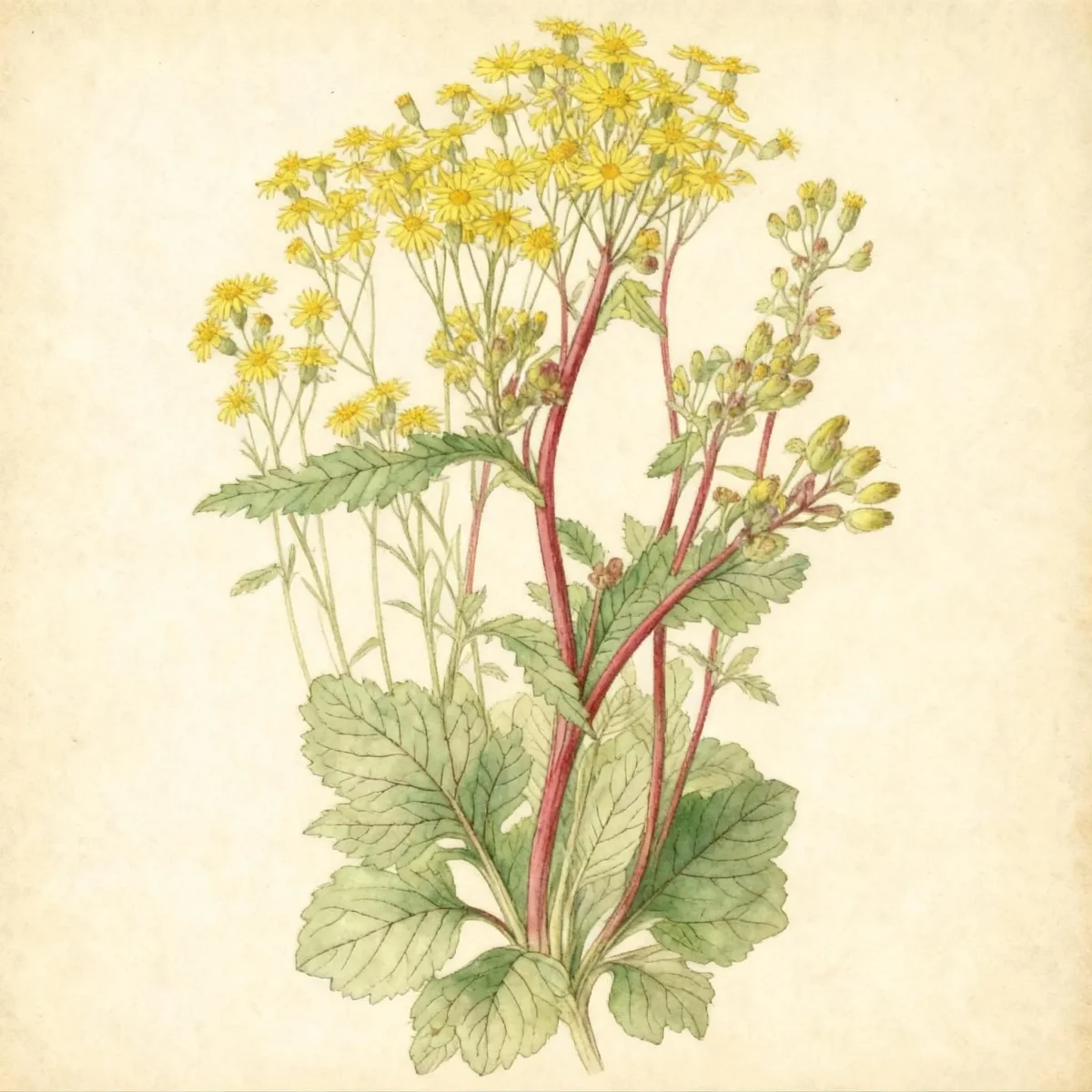
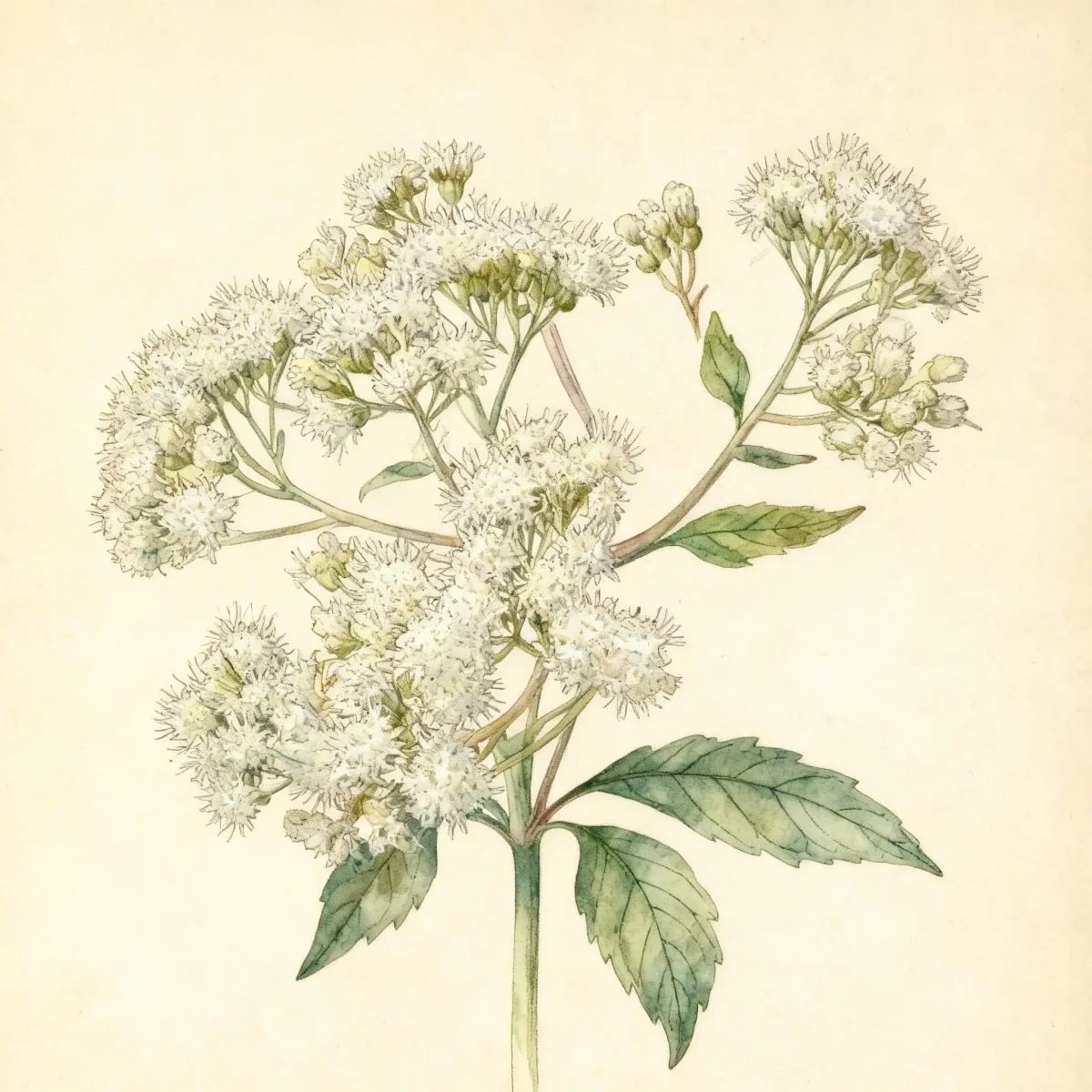
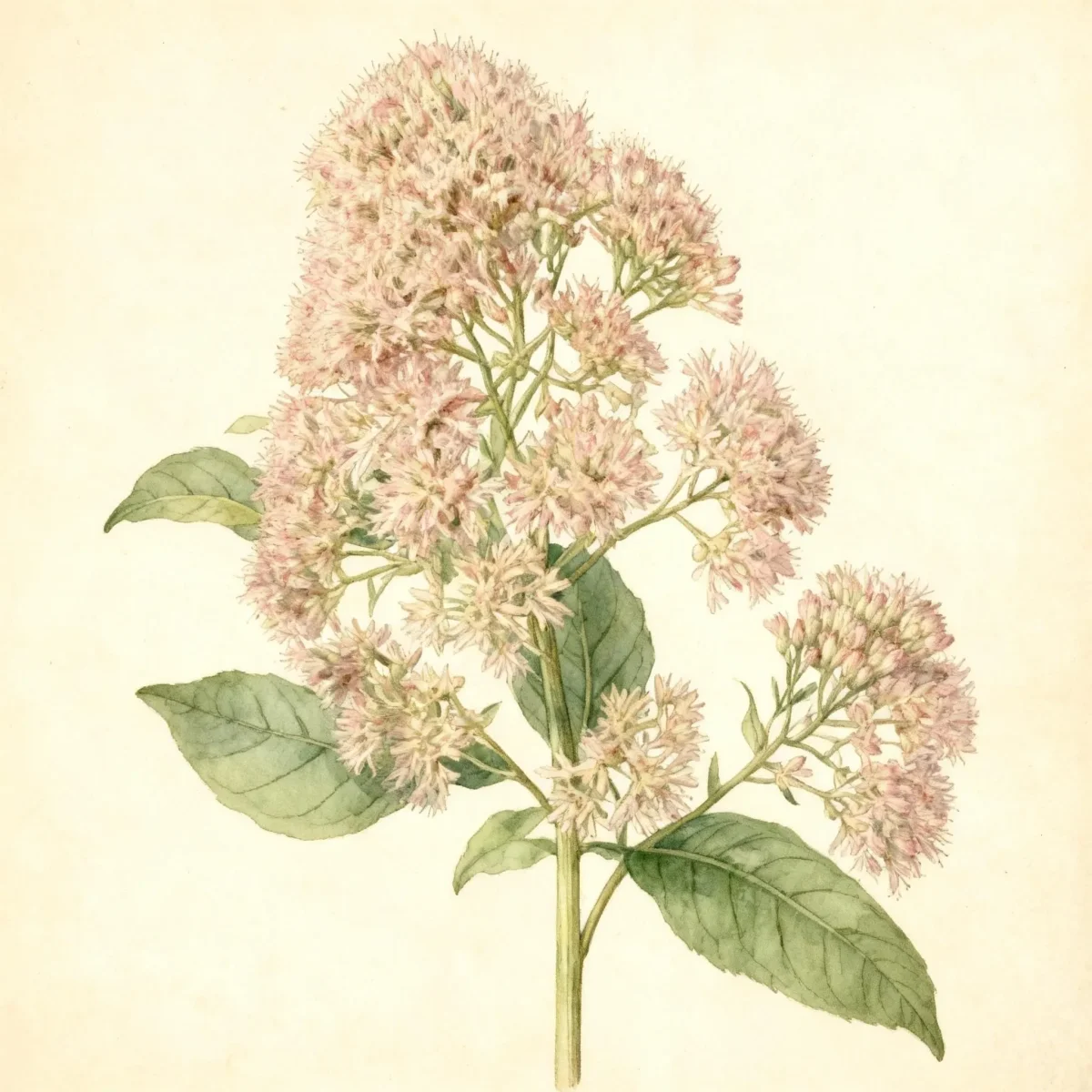
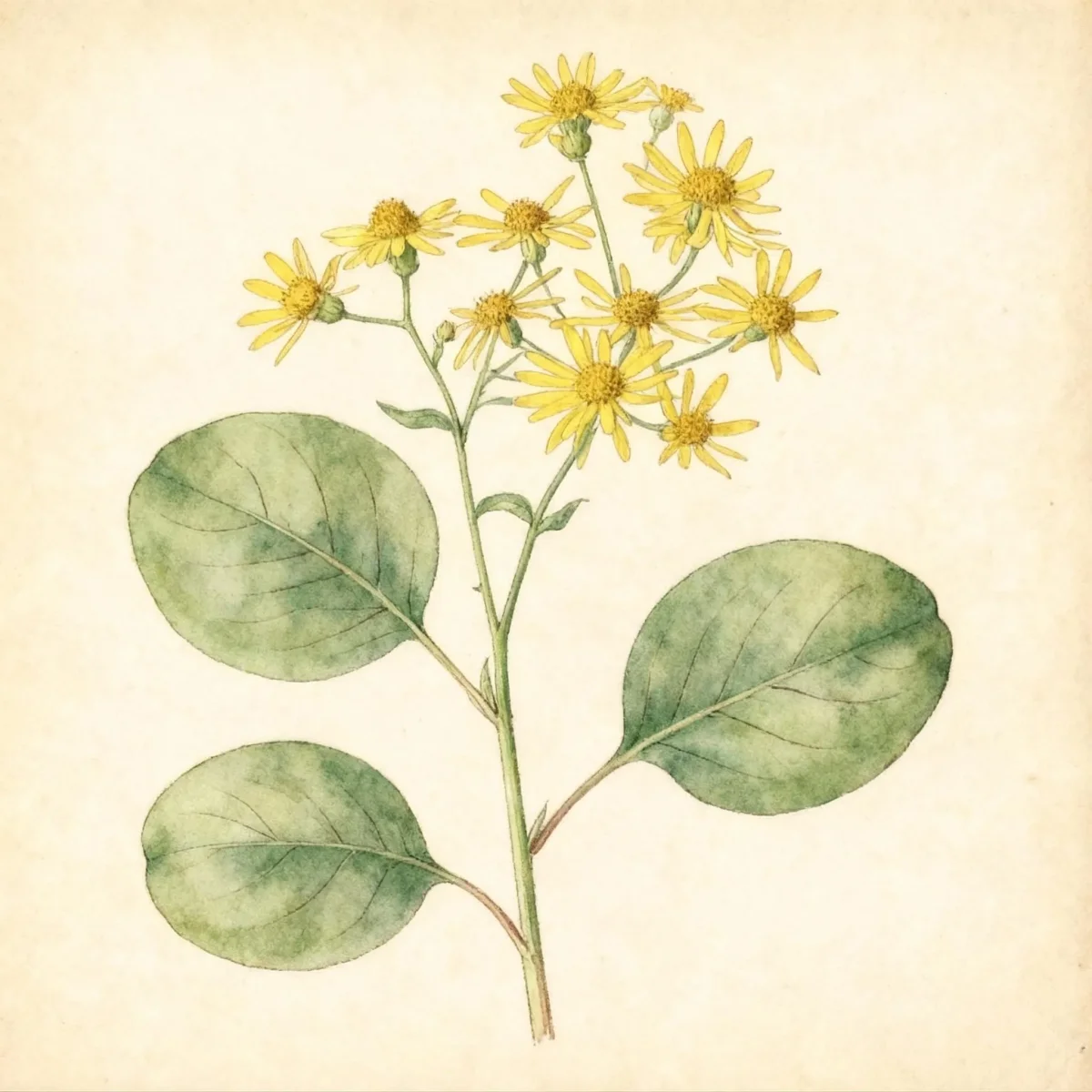
Round-leaved ragwort (Packera obovata)
Discover Round-leaved ragwort (Packera obovata), a vigorous perennial thriving in shade, offering profuse spring yellow blooms.
Scroll down to discover growing tips, care requirements, companion plants, and more
Complete Plant Information
Overview
Packera obovata, widely known as Round-leaved ragwort, is a highly valued herbaceous perennial celebrated for its bright yellow blooms that reliably appear from spring into early summer. This species is adaptable, performing admirably in both full sun and shady garden locations, making it an excellent choice for filling challenging spots. Its ability to rapidly naturalize via stolons and self-seeding means that Packera obovata quickly forms attractive, dense colonies.
This plant is particularly useful for its persistent basal foliage, which acts as a lush, semi-evergreen ground cover throughout the growing season once established. Native to the moist, rocky woodlands of the Southeastern US, Round-leaved ragwort brings a vibrant, wild element to cultivated landscapes, offering visual interest long after the spring flowering period concludes.
Fast Facts
- Plant Family: Asteraceae
- Plant Type: Herbaceous perennial
- Native Range: Southeastern United States
- Hardiness Zones: USDA Zones 3-8
- Size at Maturity:
- Height: 1-1.5 ft
- Spread: 0.5-1 ft
- Bloom Time: April to June
- Bloom Description: Yellow
- Sun Exposure: Full sun to part shade
- Water Needs: Medium to wet
- Maintenance Level: Medium
How to Grow
Plant Packera obovata in spring or fall when conditions are cooler, ensuring it is sited in average soil that is moist and well-drained. While it tolerates some dryness once established, consistent moisture leads to the best ground cover performance. It thrives well even in shadier locations where many other spring bloomers struggle.
Maintenance for Round-leaved ragwort is relatively simple but requires timely action post-bloom. To manage its vigorous spreading habit, remove the spent flowering stems after the plant has dispersed its seed, or deadhead them earlier if you prefer a tidier look. This encourages the dense basal foliage—the main feature outside of bloom time—to remain healthy and attractive.
The plant naturalizes readily, forming large colonies through both self-seeding and underground stolons. If you wish to curb rapid expansion, diligent removal of flowering stems is necessary. Otherwise, allow Packera obovata to roam in areas designated for naturalized plantings.
Landscape Uses
The vigorous growth habit of Packera obovata makes it an outstanding perennial for naturalizing large areas within woodland gardens, creating a spectacular carpet of yellow in the spring. Its suitability for areas needing medium to wet soil moisture also makes it highly effective in rain gardens or along the edges of streams and ponds. Use it as a dynamic ground cover where its dense foliage can suppress undesirable weeds.
Consider using Round-leaved ragwort in informal settings such as cottage gardens or native plant borders where its spontaneous seeding is encouraged. Its bright spring color contrasts beautifully with emerging, later-blooming woodland perennials. For a structured look, plant it along borders but be prepared to trim stems back after flowering to maintain sharp edges, as this plant prefers a slightly wilder aesthetic.
Standout Features
Flower Qualities
- Showy
Noteworthy Characteristics
Packera obovata, commonly called roundleaf ragwort or roundleaf groundsel, is valued for its ability to thrive in shady locations, naturalize rapidly, and produce a long and profuse spring bloom of bright yellow flowers. It is native to rocky wooded hillsides, open rocky glades, limestone ledges, stream banks and moist meadows from Quebec and Ontario south to Texas and Florida. Flat-topped clusters (corymbs) of daisy-like flowers (3/4” diameter) with yellow rays and yellow central disks bloom in spring (April-June) atop sparsely-leaved stems rising to 18” tall.
Tolerances
- Tolerates some soil dryness.
Potential Problems
This resilient species rarely faces serious challenges from pests or diseases, making it a low-fuss addition to the landscape. Gardeners typically do not need to worry about significant insect infestations or fungal issues when growing Packera obovata correctly. Promptly deadheading the faded flowers helps manage seed dispersal without requiring chemical intervention.
Frequently Asked Questions
What hardiness zones is Round-leaved ragwort suitable for?
Round-leaved ragwort (Packera obovata) is reliably hardy across USDA Zones 3 through 8.
How large does Packera obovata grow?
This herbaceous perennial typically reaches a height between 1 and 1.5 feet, with a spread that ranges from 0.5 to 1 foot wide.
What sun exposure does Round-leaved ragwort need?
It prefers a location receiving full sun to part shade, performing especially well in dappled or partial shade conditions.
When does Round-leaved ragwort bloom?
Packera obovata displays its bright yellow blooms throughout the spring season, generally from April to June.
Conclusion
Packera obovata offers tremendous value for gardeners seeking a vigorous, low-maintenance perennial that excels in moist, partially shaded environments. The spectacular cloud of yellow flowers in spring, followed by attractive basal foliage, ensures appeal throughout the growing season. Before planting, confirm that your USDA hardiness zone falls between 3 and 8, and plan for moist soil conditions to maximize the naturalizing potential of this excellent native plant.
Companion Planting Suggestions
When planning a woodland or shade garden, consider pairing Packera obovata with plants that share its moisture and light requirements for a layered, cohesive look. Hostas, with their contrasting foliage texture and later bloom time, offer excellent companionship beneath taller trees. False Solomon’s Seal (Maianthemum racemosum) provides height and texture that complements the lower mounds of the Round-leaved ragwort.
For areas that are wetter or bordering water features, consider moisture indicators like Marsh Marigold (Caltha palustris) or various ferns, such as Ostrich Fern (Matteuccia struthiopteris). These companions benefit from the medium to wet water needs of Packera obovata, creating a robust, low-maintenance planting scheme that utilizes the plant’s naturalized tendencies beautifully.
Wildlife Benefits
While the primary appeal of Packera obovata is ornamental, its profuse spring flowering offers essential early nectar resources. The bright yellow, daisy-like flowers attract various early-emerging native pollinators seeking readily available pollen and nectar sources after the winter lull. Planting a large mass of Round-leaved ragwort creates an unmistakable beacon for bees and other beneficial insects during its bloom window.
The flat-topped clusters (corymbs) are structurally accessible, benefiting a wide range of small beneficial insects crucial for garden ecology. Though not a primary source of winter cover or bird seed, providing early, dense native flora like Packera obovata supports the base of the local insect food web, which in turn benefits birds and other wildlife throughout the season.