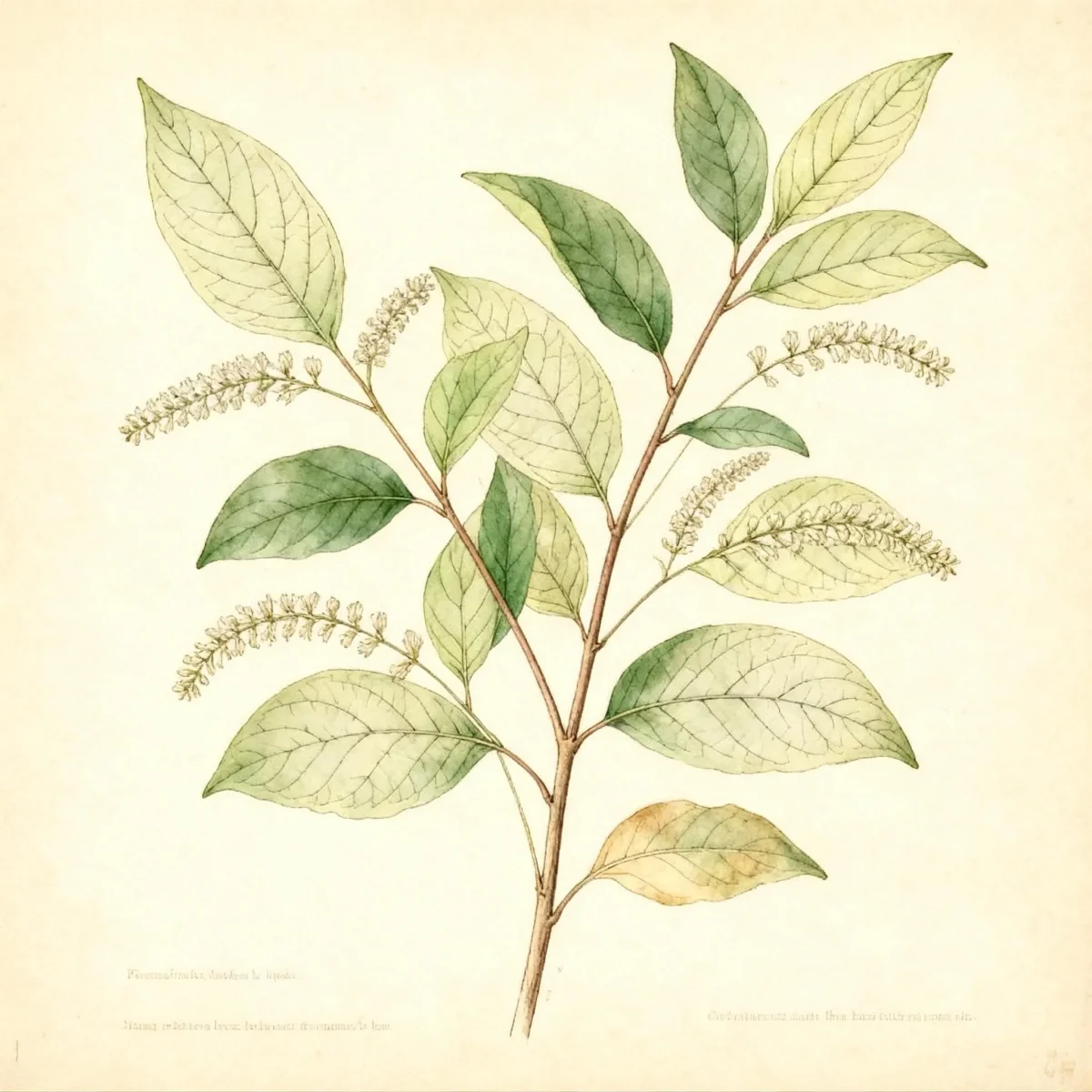
Japanese sweetspire (Itea japonica)
Discover Itea japonica (Japanese sweetspire), a low-maintenance, deciduous shrub ideal for wet soils and erosion control in Zones 6-9.
Scroll down to discover growing tips, care requirements, companion plants, and more
Complete Plant Information
Overview
Itea japonica, commonly known as Japanese sweetspire, is a robust, semi-evergreen shrub native to woodland environments in Japan, valued for its adaptability and striking summer blooms. This plant is characterized by its rapid growth habit, often forming large, dense colonies through suckering, making it highly effective for stabilization projects in challenging areas of the garden. While valued for its foliage and mid-summer white flowers, its utility extends to functional landscaping needs.
A key feature of the Japanese sweetspire is its tolerance for wet soil conditions, setting it apart from many other ornamental shrubs. It establishes best in average, humusy soils but maintains flexibility across various mediums, thriving even in heavy clay when moisture is adequate. Growers should recognize that the appearance shifts seasonally based on climate; it may retain foliage in warmer regions (Zones 8-10) but acts deciduous further north.
This low-maintenance specimen delivers performance with minimal intervention, requiring simple care once established. The upright clusters of tiny white flowers provide a late-season display, offering excellent visual interest when many spring bloomers have faded. For gardeners seeking resilient screens or robust ground cover, Itea japonica provides a reliable, naturalizing solution.
Fast Facts
- Plant Family: Iteaceae
- Plant Type: Deciduous shrub
- Native Range: Japan
- Hardiness Zones: USDA Zones 6-9
- Size at Maturity:
- Height: 8-12 ft
- Spread: 10-15 ft
- Bloom Time: June to July
- Bloom Description: White
- Sun Exposure: Full sun to part shade
- Water Needs: Medium to wet
- Maintenance Level: Low
How to Grow
Planting the Japanese sweetspire is best accomplished in spring or fall, ensuring the soil is consistently moist until establishment. Ideal placement involves areas receiving full sun to partial shade, though it performs admirably even in heavy shade provided moisture is plentiful. While it favors moist, humus-rich, well-drained soils, one of the great advantages of Itea japonica is its ability to adapt to poor drainage, clay soils, and consistently wet conditions simultaneously.
Ongoing care for Itea japonica is delightfully straightforward; it is considered a low-maintenance shrub. Due to its rapid, suckering growth, regular water is necessary during establishment, but mature plants are quite resilient. Fertilization is rarely needed unless the plant is stressed or needs vigorous growth encouragement. Pruning, if desired, should focus on thinning the suckers selectively to control spread or maintain an open habit, especially if it is naturalizing aggressively.
In colder climates, such as the St. Louis area reference point, expect the shrub to be deciduous, potentially dying back to the ground in harsh winters; however, the roots are reliably hardy to Zone 6 and will resprout vigorously in spring. In warmer zones (8-10), it maintains semi-evergreen to evergreen status, requiring less concern over late-season dieback. Always prioritize sufficient moisture retention, especially when siting this shrub near competition or on slopes prone to drying.
Landscape Uses
The adaptability of Itea japonica makes it a premier choice for functional landscape applications where moisture control is critical. Its robust root system and suckering habit are perfect for stabilizing troublesome banks, controlling erosion along streams, or filling out large naturalized areas in the landscape. These shrubs excel in rain gardens and other perpetually moist sites where many other decorative shrubs would fail.
Consider planting Japanese sweetspire where a dense, informal screen is required, or mass it extensively as a woodland understory planting, allowing it to spread naturally to form colonies. While not typically suited for formal hedges due to its spreading nature, controlled groupings offer substantial seasonal texture. Pair it with moisture-loving perennials or ferns that appreciate similar damp roots, such as hostas or ligularia, in partial shade settings.
For large properties or restoration projects, utilizing Itea japonica ensures long-term soil stability alongside the benefit of mid-summer white flowers. Its ability to handle heavy shade while maintaining good structure means it can fill difficult transition zones between sunny areas and deep woodland edges.
Standout Features
Flower Qualities
- Showy
Noteworthy Characteristics
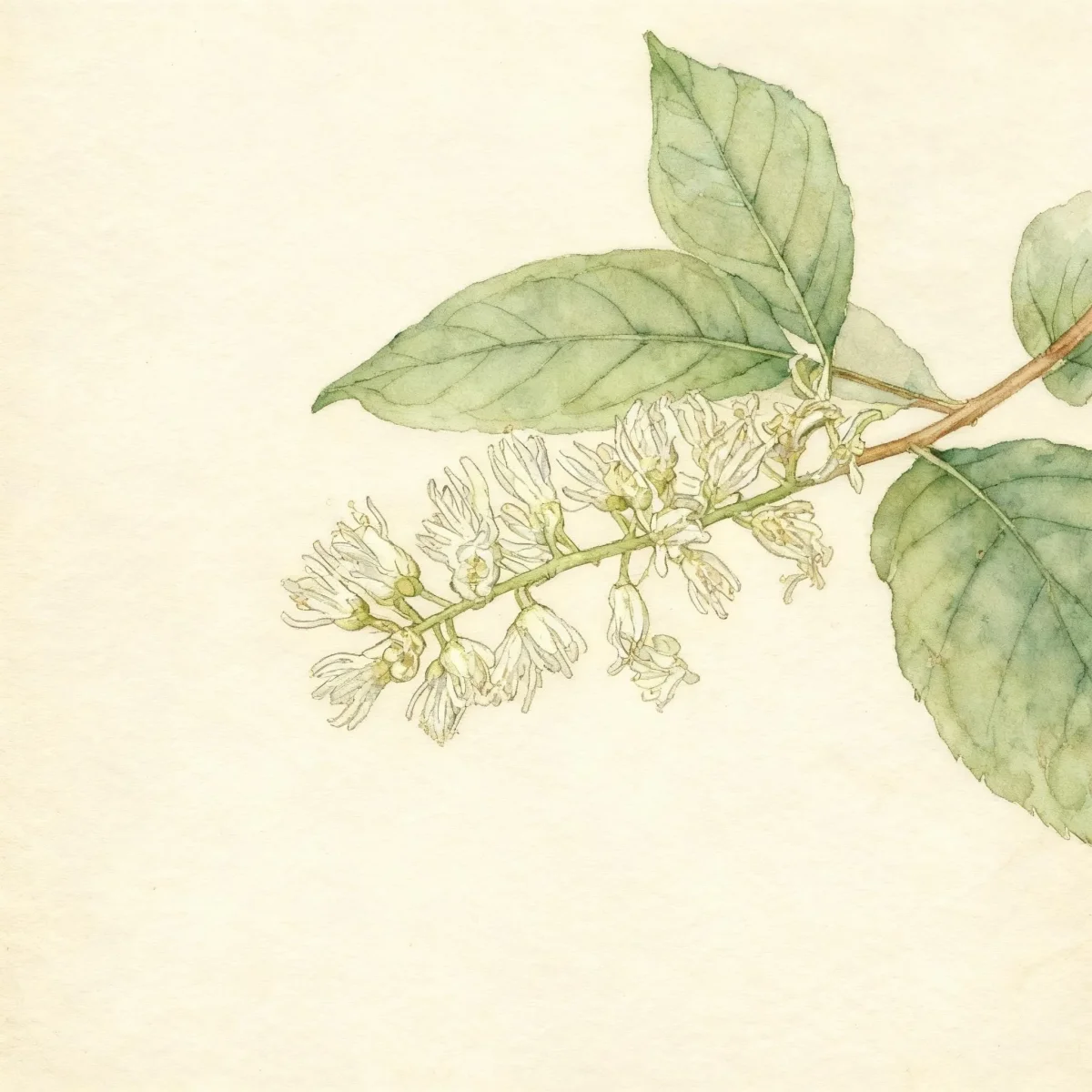
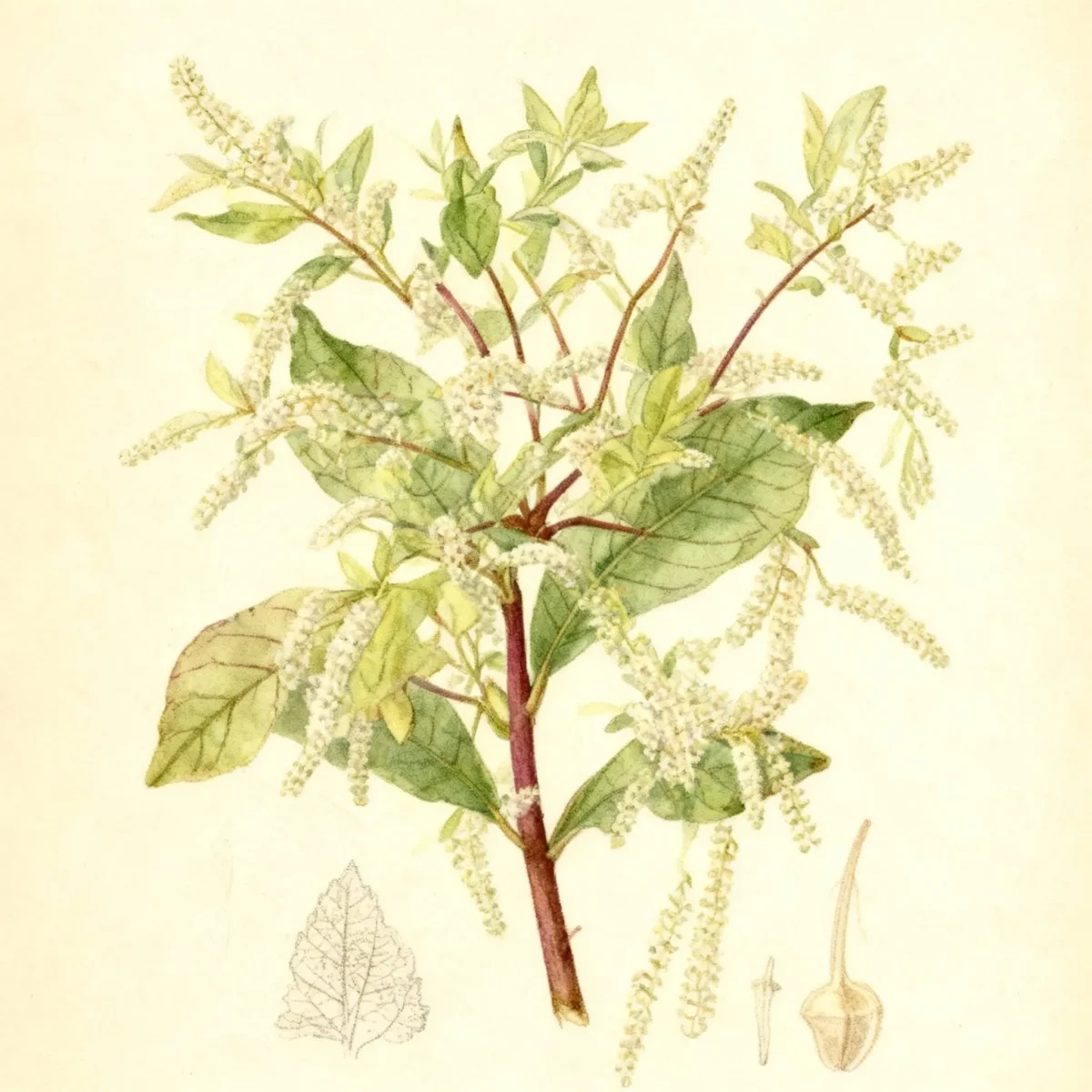
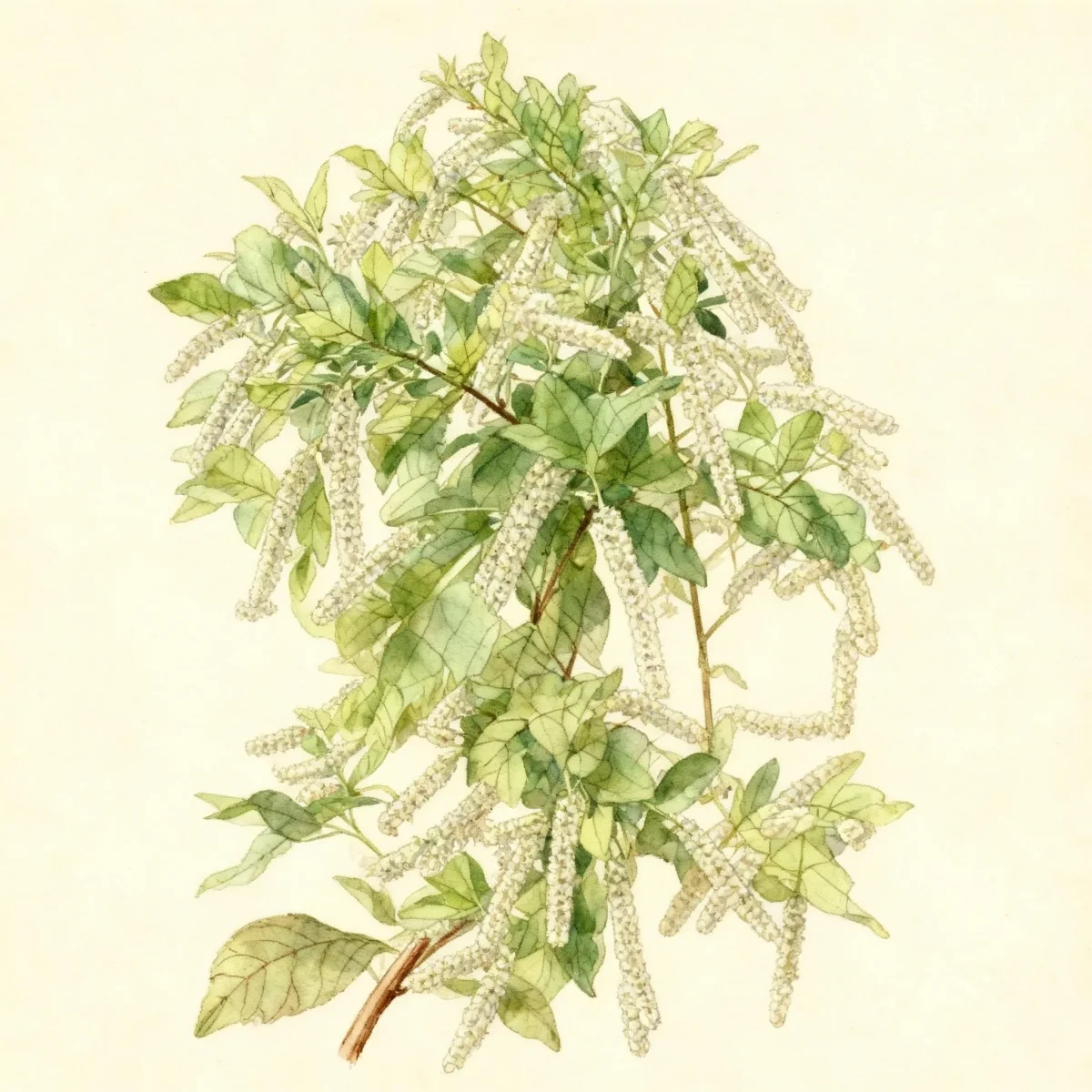
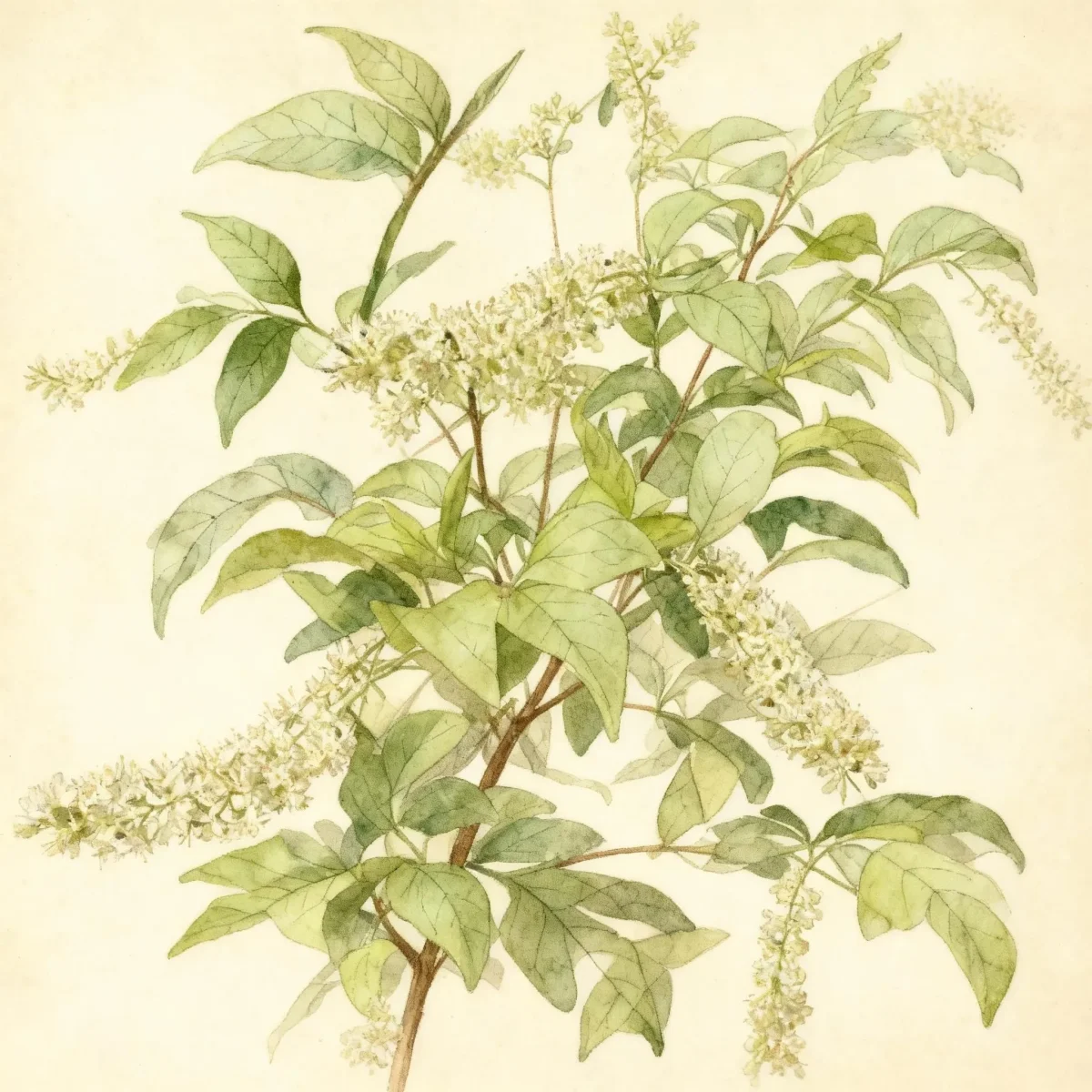
Itea japonica, sometimes commonly called Japanese sweetspire, is a semi-evergreen, suckering shrub that is native to woodland areas in Japan. It typically grows to 10-12’ tall and to 12-15’ wide, featuring ovate to oblong, rich green leaves that may produce attractive reddish-purple fall color in some climates. Tiny white flowers cluster in upright, catkin-like drooping racemes up to 8” long, blooming reliably in mid-summer.
Tolerances
- Heavy Shade
- Erosion
- Clay Soil
- Wet Soil
Potential Problems
One of the greatest advantages of growing Itea japonica is its excellent resistance profile; it generally suffers from no serious insect or disease problems when sited appropriately. This inherent toughness contributes significantly to its low maintenance rating. Gardeners in the U.S. can expect few surprises regarding pests or pathogens that severely compromise the health of the Japanese sweetspire.
Management of this plant focuses almost entirely on controlling its habit rather than combatting specific threats. If the suckering root spread becomes too invasive for a manicured setting, physical barriers or regular selective pruning are the prescribed remedies rather than chemical interventions for pests. Ensure adequate air circulation, which remains good horticultural practice, even though specific diseases are infrequent.
Frequently Asked Questions
What hardiness zones is Japanese sweetspire suitable for?
The Japanese sweetspire (Itea japonica) is winter hardy in USDA Zones 6 through 9.
How large does Japanese sweetspire grow?
Mature Japanese sweetspire typically reaches a height between 8 and 12 feet, with a spread often expanding to 10 to 15 feet wide.
When does Japanese sweetspire bloom?
This shrub produces its signature white flowers throughout the early to mid-summer, specifically from June into July.
What sun exposure does Itea japonica need?
Itea japonica performs well in a range of light conditions, thriving in full sun or partial shade.
Conclusion
The Japanese sweetspire (Itea japonica) offers superior value for landscapers dealing with moisture challenges, providing reliable structure and attractive summer blooms with minimal effort. Its exceptional tolerance for wet soil and erosion-prone areas makes it an indispensable resource for functional plantings. Before adding this excellent specimen to your property, confirm that your USDA hardiness zone falls within Zones 6–9 and plan your site preparation to accommodate its moisture requirements.
Companion Planting
When designing plantings around Itea japonica, prioritize companions that share its preference for medium to wet soil and tolerate partial shade. Plants like Hellebores (to benefit from the semi-evergreen leaf retention in warmer zones) or various Ferns provide excellent textural contrast against the shrub’s broad leaves. In sunnier, moist spots, consider water-loving rudbeckia cultivars or astilbes for extended bloom color throughout the summer season, ensuring the overall garden composition thrives under similar root conditions.
Design Ideas
Itea japonica excels when used as a naturalistic border along property lines or water features where its spreading nature can be embraced rather than constrained. For large residential properties, mass plantings create a bold, uniform texture that looks especially effective when viewed from a slight distance, softening edges between lawn and woodland. Because it can grow quite large (up to 15 feet wide), use it strategically as a background anchor plant, perhaps layered in front of evergreen screens or taller deciduous trees to provide mid-story interest when it blooms.