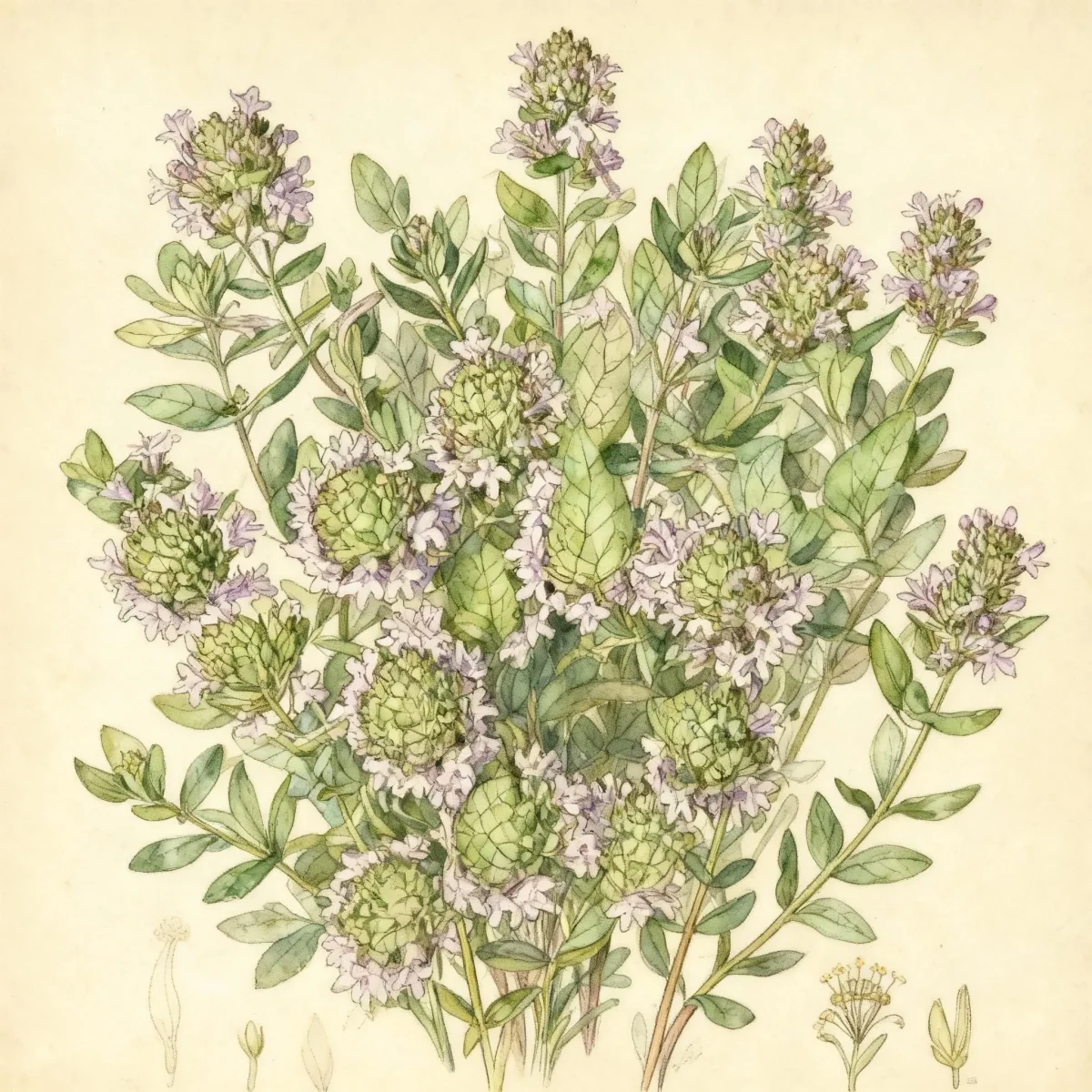
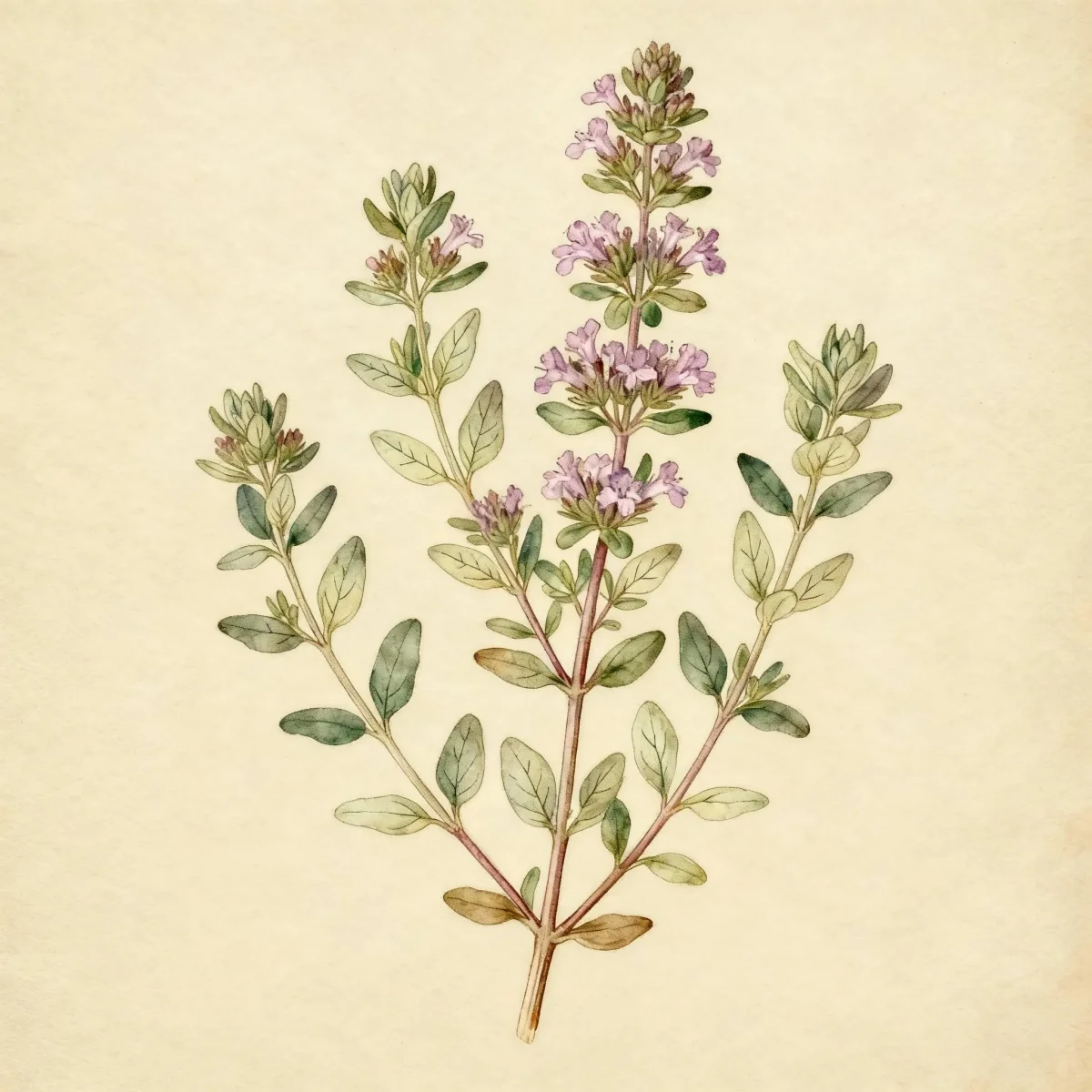
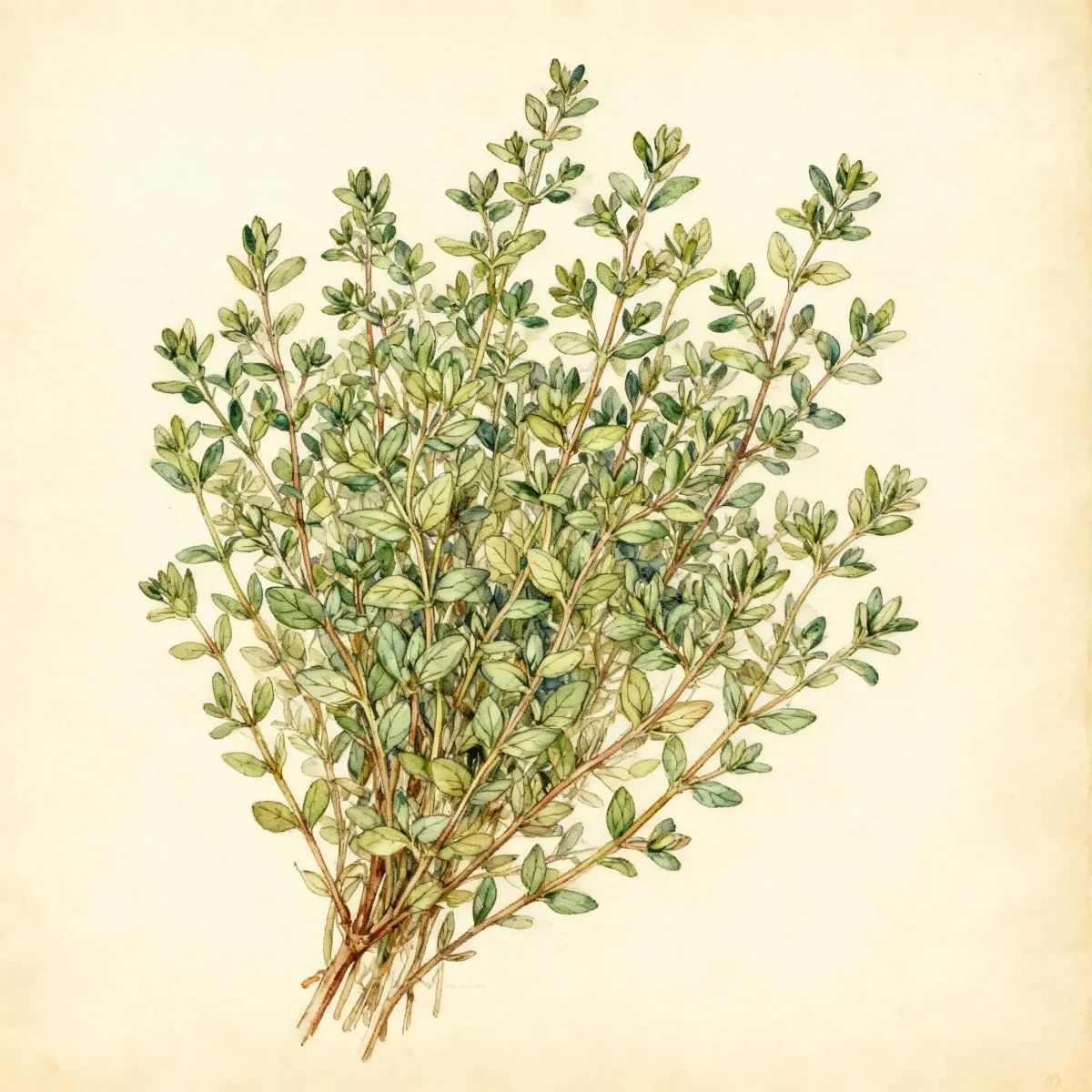
Thyme (Thymus polytrichus subsp. britannicus)
Discover Thymus polytrichus subsp. britannicus, a low-growing Thyme perfect for ground cover due to its drought tolerance and bright green leaves.
Scroll down to discover growing tips, care requirements, companion plants, and more
Complete Plant Information
Overview
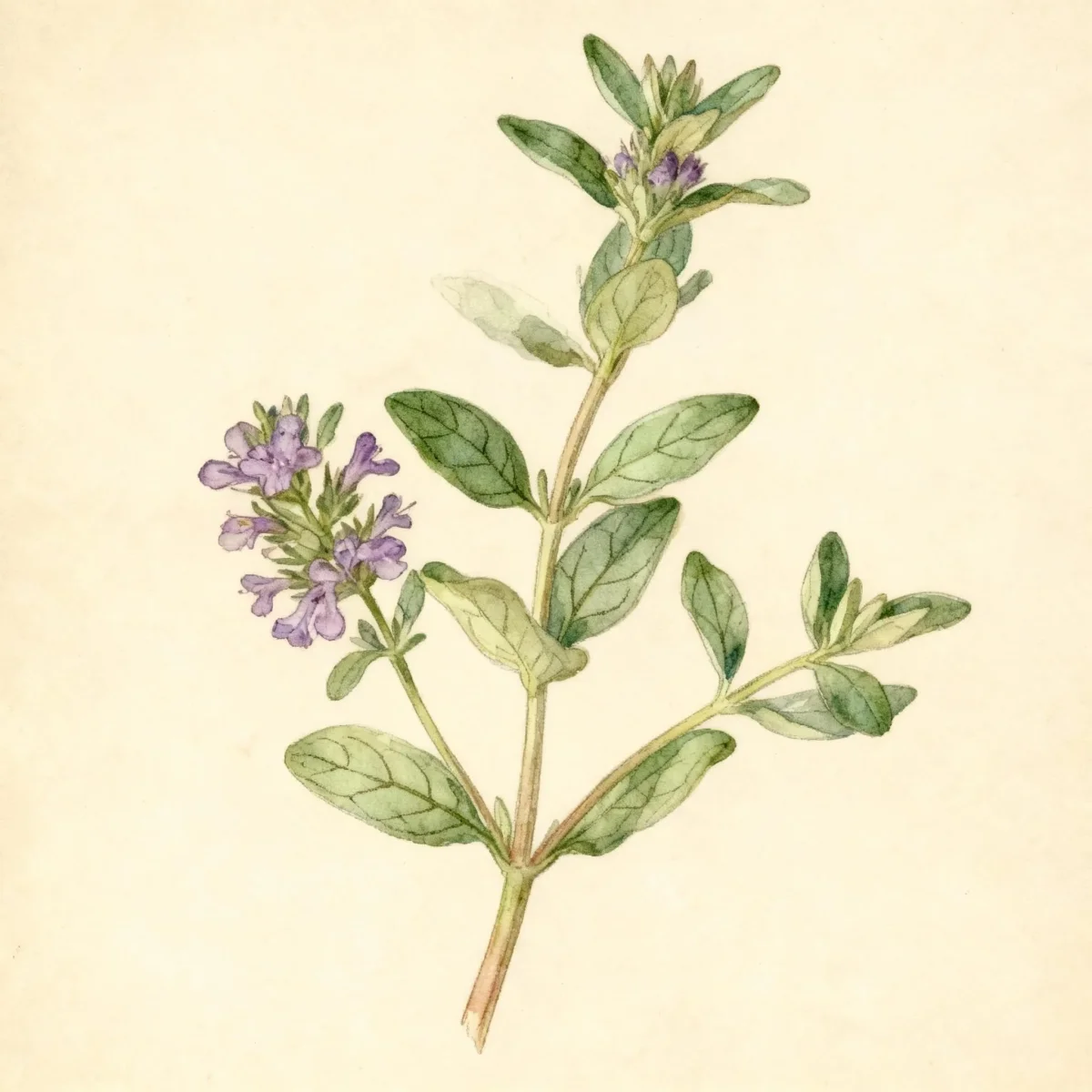
Thymus polytrichus subsp. britannicus, commonly known as Thyme, is a highly valued, low-growing, woody-based perennial celebrated for its dense mat-forming habit. This subspecies establishes quickly, making it an excellent choice for gardeners seeking durable, low-maintenance ground cover solutions in sunny, dry areas of the landscape. Its tiny, fuzzy, blue-green leaves release an aromatic scent, often referred to commercially as Coconut thyme, enhancing its appeal beyond just aesthetics.
This creeping Thyme exhibits remarkable resilience, thriving in conditions where other plants might struggle, particularly enjoying the full sun exposure it requires. While it produces clusters of small, whitish to rose-purple flowers in early summer that attract bees, its primary functional benefit lies in its ability to cover surfaces effectively and withstand moderate foot traffic, classifying it as both an herb and a naturalizing accent.
The key to success with Thymus polytrichus subsp. Britannicus centers on ensuring excellent drainage, as this perennial strongly dislikes overly moist or poorly aerated soils that can lead to root rot. By providing sharp drainage and full sunlight, gardeners can enjoy a dense, aromatic carpet of Thymus polytrichus subsp. britannicus with minimal effort, thanks to its naturally low maintenance profile.
Fast Facts
- Plant Family: Lamiaceae
- Plant Type: Herbaceous perennial
- Native Range: Western Europe
- Hardiness Zones: USDA Zones 5-8
- Size at Maturity:
- Height: 0.25-0.5 ft
- Spread: 0.5-0.75 ft
- Bloom Time: June to July
- Bloom Description: Whitish purple
- Sun Exposure: Full sun
- Water Needs: Dry to medium
- Maintenance Level: Low
How to Grow
Establish Thymus polytrichus subsp. britannicus best by planting in the spring or early fall after the danger of hard frost has passed. Location selection is critical: this Thyme demands full sun and thrives in average soils, provided they are well-drained. For optimal results, amend heavy soils with sand or grit to mimic its preferred loose, rocky conditions; wet soils are the primary enemy, often causing rot.
Ongoing care for this Thyme is minimal. Water only when the soil approaches dryness, as it is highly drought tolerant once established. Fertilizer is rarely necessary; excessive richness can promote weak, floppy growth rather than the desired tight mat. Prune only as needed, typically trimming back stems in spring to maintain a compact shape, control spread, or remove any woody growth that has become unattractive.
To manage its creeping habit and maintain vigor, lightly shear the plant after flowering or in early summer. This practice encourages denser foliage closer to the ground and prevents the older stems from becoming too unsightly or woody. In areas with mild winters, this perennial remains evergreen, offering year-round texture to the garden.
Landscape Uses
The creeping nature of Thymus polytrichus subsp. britannicus makes it an exceptional choice for low-growing ground cover applications where many traditional lawn grasses fail. It excels as a filler plant between stepping-stones or paving slabs, where its short stature and aromatic foliage are constantly appreciated. Furthermore, it functions beautifully as path edging or cascading over retaining walls, lending a soft, natural appearance to rockeries and dry slopes.
As an herb, you can interplant Thyme in kitchen gardens, though its main use here is ornamental. When designing, consider companions that share its preference for dry, sunny conditions, such as Sedums, Hens-and-Chicks (Sempervivum), or other Mediterranean herbs like culinary Sage or Oregano. The goal is to create thriving zones that are never waterlogged.
Utilize this tough Thyme in small, neglected areas where conventional plantings struggle due to dryness or intense heat. Its ability to sprawl lightly ensures that even small borders or pockets of rock garden terrain quickly become covered in its textured, fragrant foliage.
Standout Features
Flower Qualities
- Insignificant
Noteworthy Characteristics
Thymus polytrichus subsp. Britannicus, commonly called mother of thyme, is a creeping, woody-based thyme that is primarily used as a small ground cover, though it possesses limited culinary value. Numerous stems form a flat mat featuring tiny, rounded, fuzzy, blue-green leaves which remain evergreen in milder climates. While the leaves are aromatic, the strength of this scent varies based on the local environment and season before the plant produces clusters of tiny, tubular flowers attractive to foraging bees.
Tolerances
- Deer
- Drought
- Air Pollution
Potential Problems
This hardy perennial typically presents no serious horticultural issues under proper cultural conditions. The most significant concern arises from poor soil drainage, which subjects plants to root rot, especially during periods of heavy rain or overwatering. To mitigate this risk, always amend heavy soils liberally with coarse materials like gritty sand or gravel to improve permeability. If woody stems become excessive, a hard pruning in early spring can rejuvenate the plant form without causing undue stress.
Frequently Asked Questions
What hardiness zones is Thyme suitable for?
Thymus polytrichus subsp. britannicus is reliably hardy across USDA Zones 5 through 8.
How large does Thyme grow?
This creeping variety typically forms a flat mat, reaching only 0.25 to 0.5 feet in height, with spreads ranging from 0.5 to 0.75 feet wide.
What sun exposure does Thyme need?
For best growth and foliage density, Thymus polytrichus subsp. Britannicus requires consistent full sun exposure throughout the day.
When does Thyme bloom?
You can expect this variety of Thyme to bloom from June into July, typically displaying small, whitish purple flowers.
Conclusion
Thymus polytrichus subsp. britannicus offers exceptional value as a sun-loving, low-maintenance ground cover that tolerates dry conditions beautifully. Whether utilizing it as an aromatic border or allowing it to naturally weave between stones, this Thyme provides texture and resilience to challenging sites. Before planting, confirm your site receives full sun and possesses excellent drainage to ensure your patch of this durable Thyme thrives for years to come.
Companion Planting
When planting Thymus polytrichus subsp. britannicus, focus on creating a tapestry of low-growing, drought-tolerant species that share its Mediterranean origins and sun demands. Consider pairing it with creeping sedums or certain hardy rock garden succulents; these companions have similar water needs and benefit from sharp drainage, ensuring neither plant suffers from excess moisture retention around its root zone. Avoid planting near moisture-loving perennials or those requiring rich, dark soils, as the contrast in needs will stress at least one species.
Wildlife Benefits
While the flowers of this Thyme subspecies are noted as being attractive to bees, its dense, low growth provides subtle yet important ground-level cover for beneficial insects seeking shelter during the off-season or mild winters, as the plants are evergreen. Providing these low, dense mats in rock gardens or dry slopes can create micro-habitats. Planting Thymus polytrichus subsp. Britannicus alongside other native flowering herbs enhances the overall nectar corridor available to local pollinators throughout the early summer bloom period.