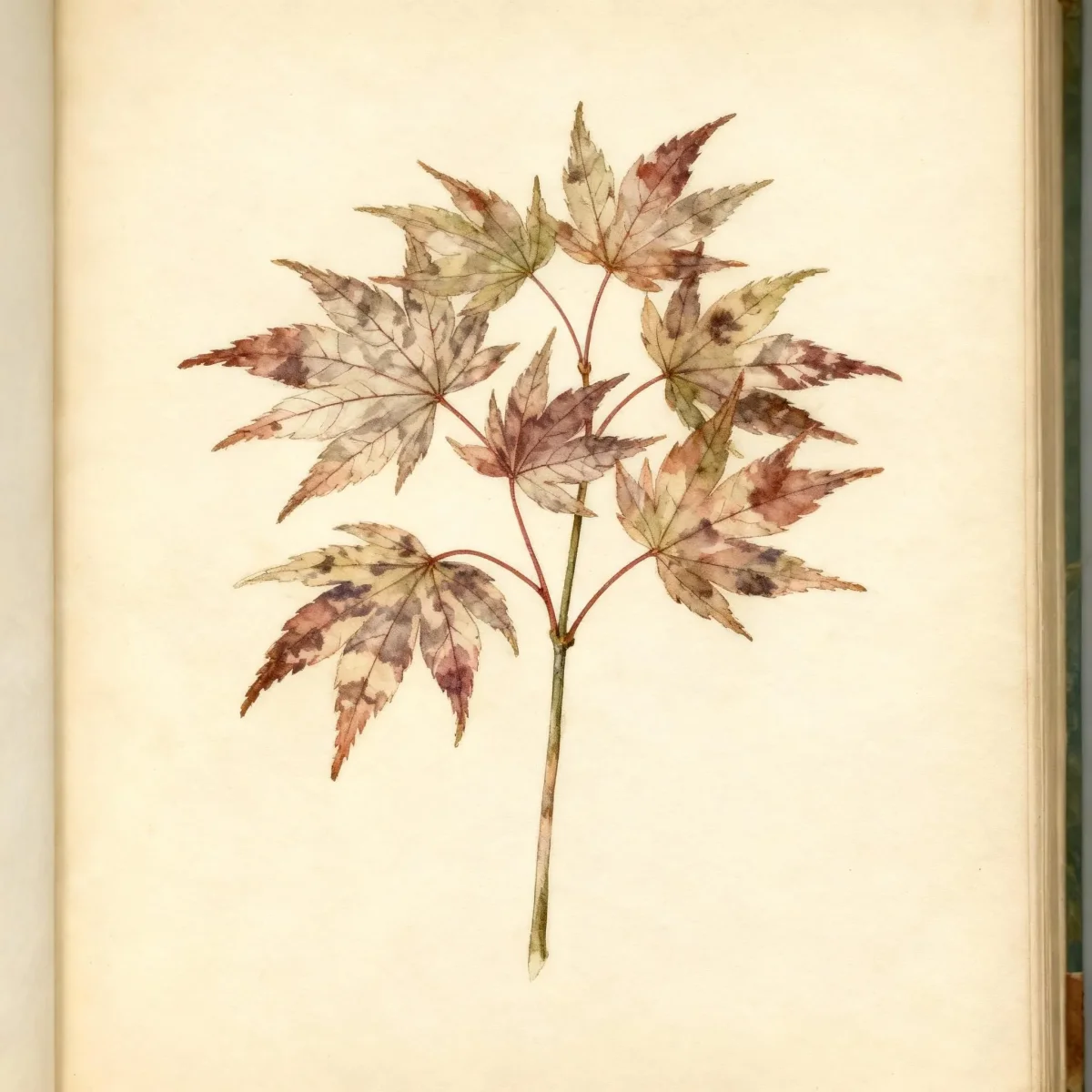
Painted maple (Acer pictum subsp. mono)
The Painted maple (Acer pictum subsp. mono) is a low-maintenance, stunning deciduous tree offering brilliant fall color from Eastern Asia.
Scroll down to discover growing tips, care requirements, companion plants, and more
Complete Plant Information
Overview
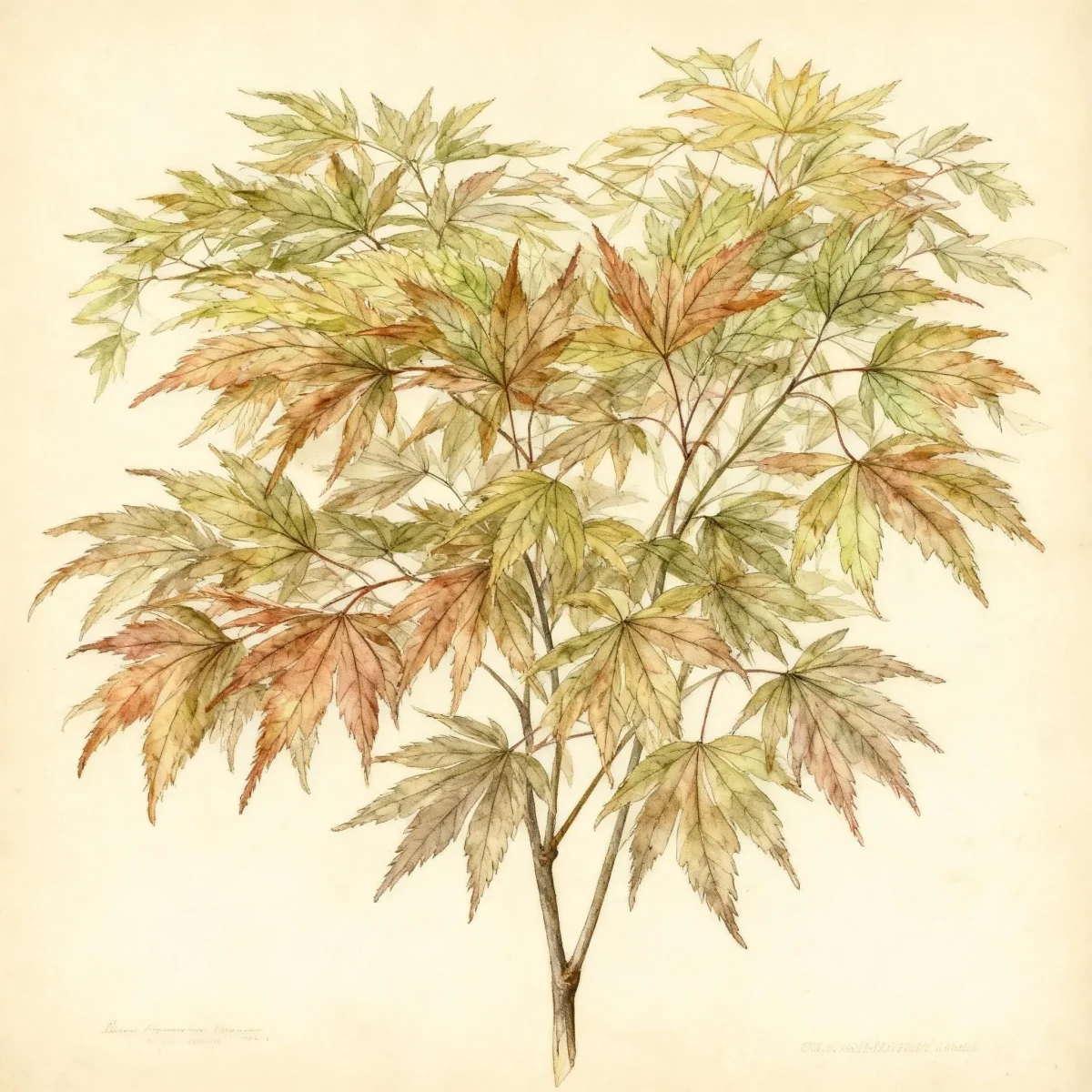
The Painted maple, scientifically designated as Acer pictum subsp. mono, is a highly desirable, medium-sized deciduous tree native to the forests of Eastern Asia. Gardeners prize this species for its robust structure and exceptional seasonal foliage display, which transitions beautifully from bronze spring tints to bright green summer tones before culminating in attractive yellow and orange fall coloration. Its manageable size, typically reaching 30 to 40 feet tall, makes it an excellent choice for medium to larger landscapes where space allows for its rounded, spreading crown.
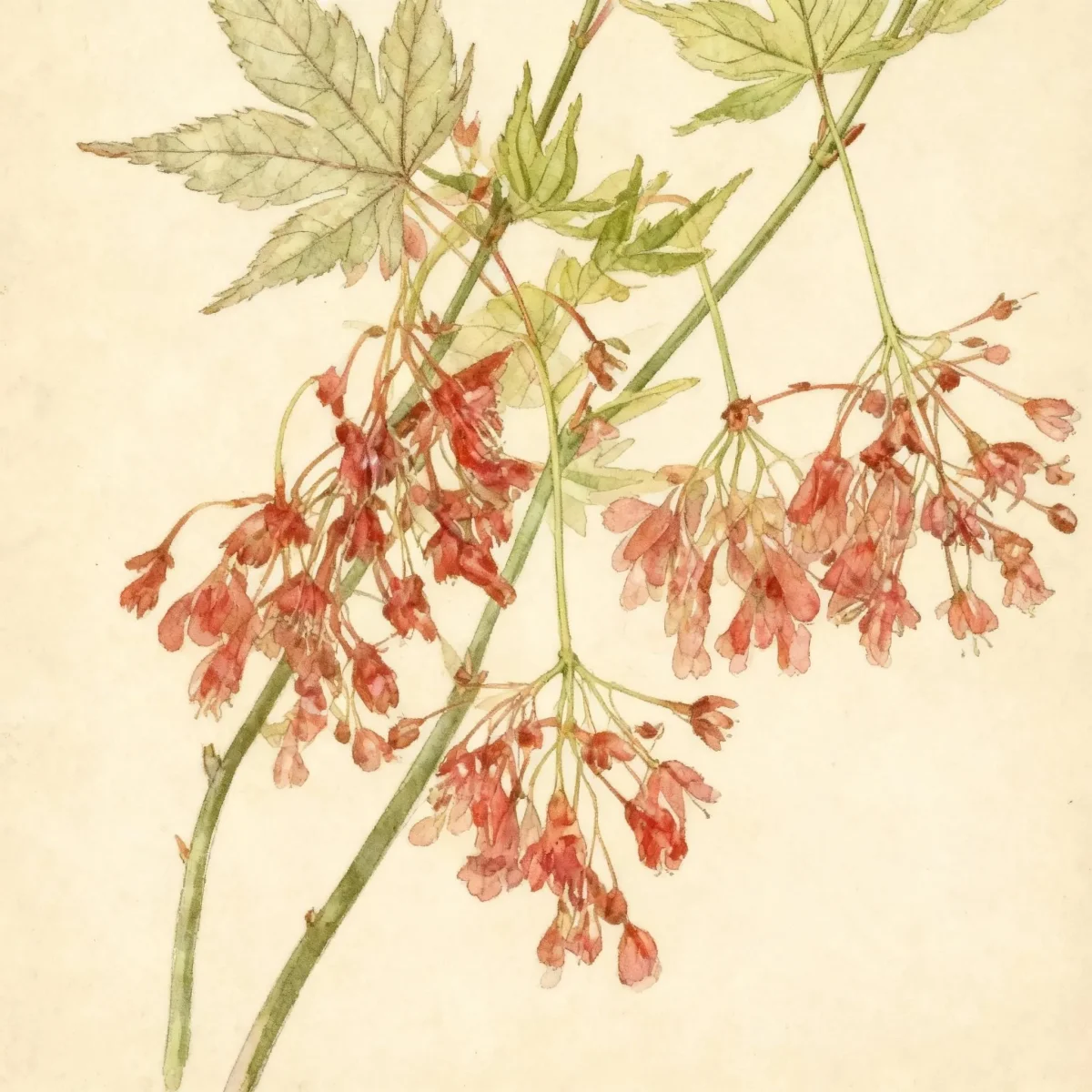
This Acer pictum subsp. Mono specimen is noted for being relatively easy to establish and maintain, classified as a low-maintenance feature plant suitable for various settings. While its spring flowers—greenish-yellow blooms appearing in upright clusters—are not a primary aesthetic feature, the overall structure and leaf texture provide year-round interest. Furthermore, when the leaf stems are cut, they notably exude a milky sap.
It is important for cultivators to note that there is ongoing taxonomic discussion regarding the exact designation of Acer pictum subsp. Mono versus Acer pictum, though for practical gardening purposes, the cultural needs and appearance are very similar. Successful cultivation hinges on providing the right soil environment, focusing on even moisture and adequate drainage.
Fast Facts
- Plant Family: Sapindaceae
- Plant Type: Tree
- Native Range: Eastern Asia
- Hardiness Zones: USDA Zones 5-8
- Size at Maturity:
- Height: 30-40 ft
- Spread: 30-40 ft
- Bloom Time: April to May
- Bloom Description: Greenish yellow
- Sun Exposure: Full sun to part shade
- Water Needs: Medium
- Maintenance Level: Low
How to Grow
The Painted maple establishes best when planted in the spring or fall, providing optimum conditions for root development before experiencing temperature extremes. Location selection is crucial: while it tolerates full sun, it thrives best where it receives partial shade, especially protection during the intense afternoon heat. The culture dictates a preference for average, medium moisture, well-drained soils. Crucially, Acer pictum subsp. Mono prefers consistently moist, slightly acidic soil conditions.
Watering should be consistent, falling into the “Medium” category; avoid letting the soil dry out completely, especially during establishment and hot summer months. Fertilization is generally unnecessary if the soil is adequate, reflecting its low maintenance requirements. Pruning should be minimal, focused primarily on removing dead, damaged, or crossing branches to maintain the healthy, rounded crown structure.
When preparing the soil, ensure excellent drainage is achieved, as maples are susceptible to root issues in waterlogged conditions. While the overall species is hardy, young trees benefit from mulch to help maintain even soil moisture and moderate soil temperature, supporting the preference for evenly moist environments throughout the growing season.
Landscape Uses
As an excellent landscape tree or shrub, the Painted maple offers significant value as a specimen planting. Its impressive stature and vibrant, variable foliage make it an outstanding focal point around homes, patios, or other seating areas where its seasonal show can be fully appreciated. Consider planting Acer pictum subsp. Mono where its form can be viewed from multiple angles, allowing its natural, spreading crown to develop unimpeded by nearby structures or competing large trees.
Due to its interest in both spring (bronze tints) and fall (yellows/oranges), this Acer pictum cultivar functions well as an accent piece in mixed borders planted with later-blooming, lower-growing perennials that offer contrasting foliage texture, such as Hostas or Astilbes, which also appreciate similar partial shade conditions. Its height potential means it should be sited with future growth in mind, ensuring it does not overshadow smaller ornamental features or block desirable sightlines.
Standout Features
Flower Qualities
- Insignificant
Noteworthy Characteristics
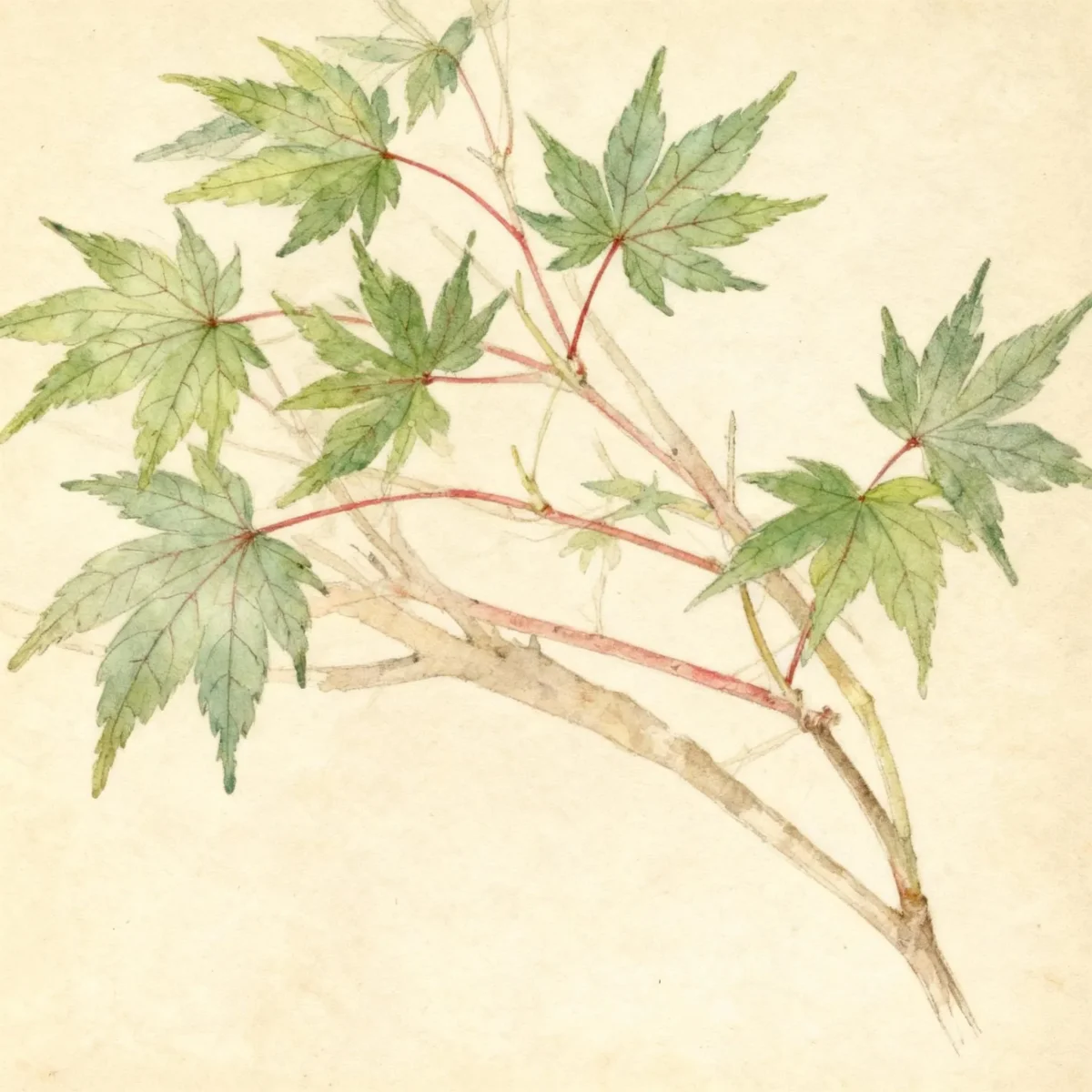
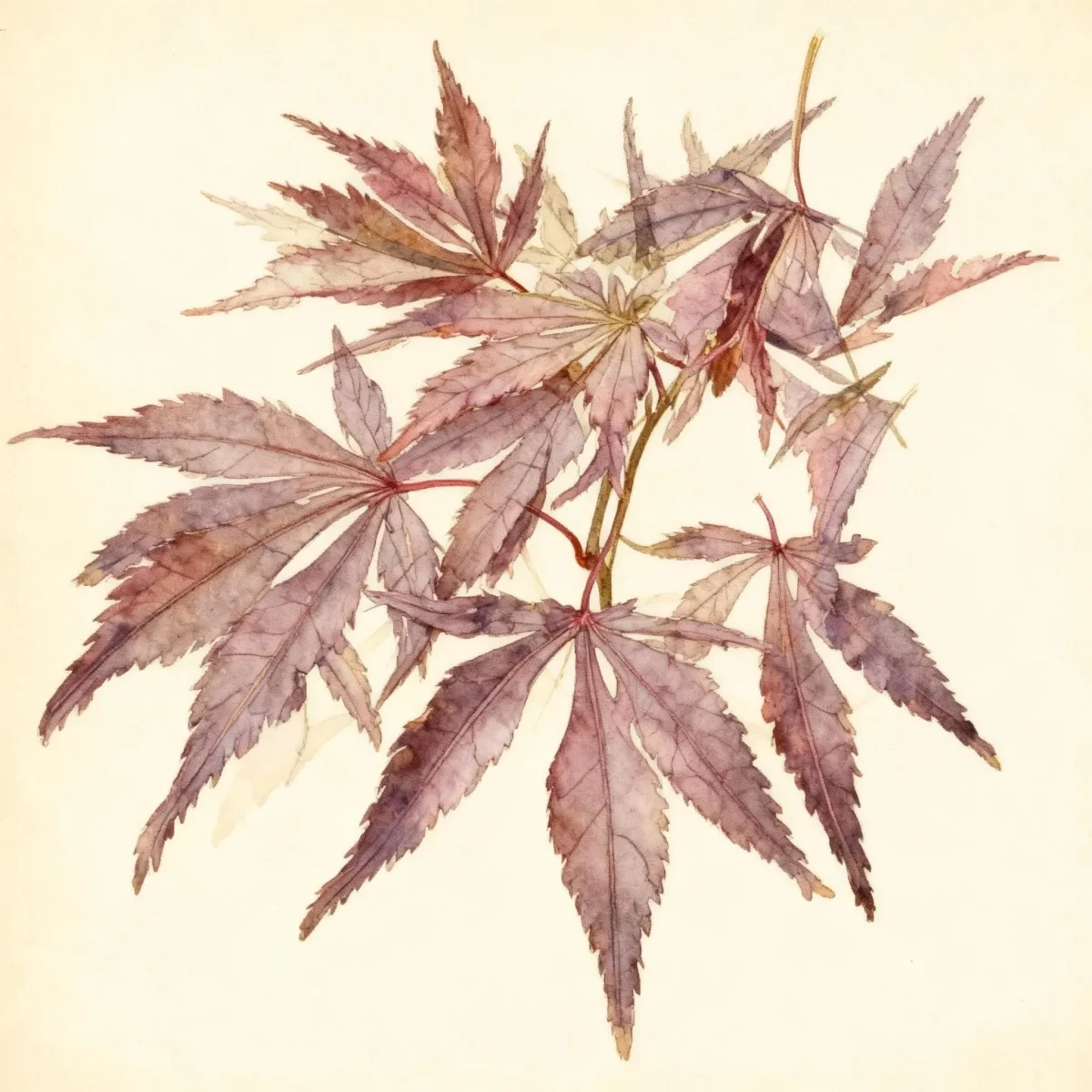
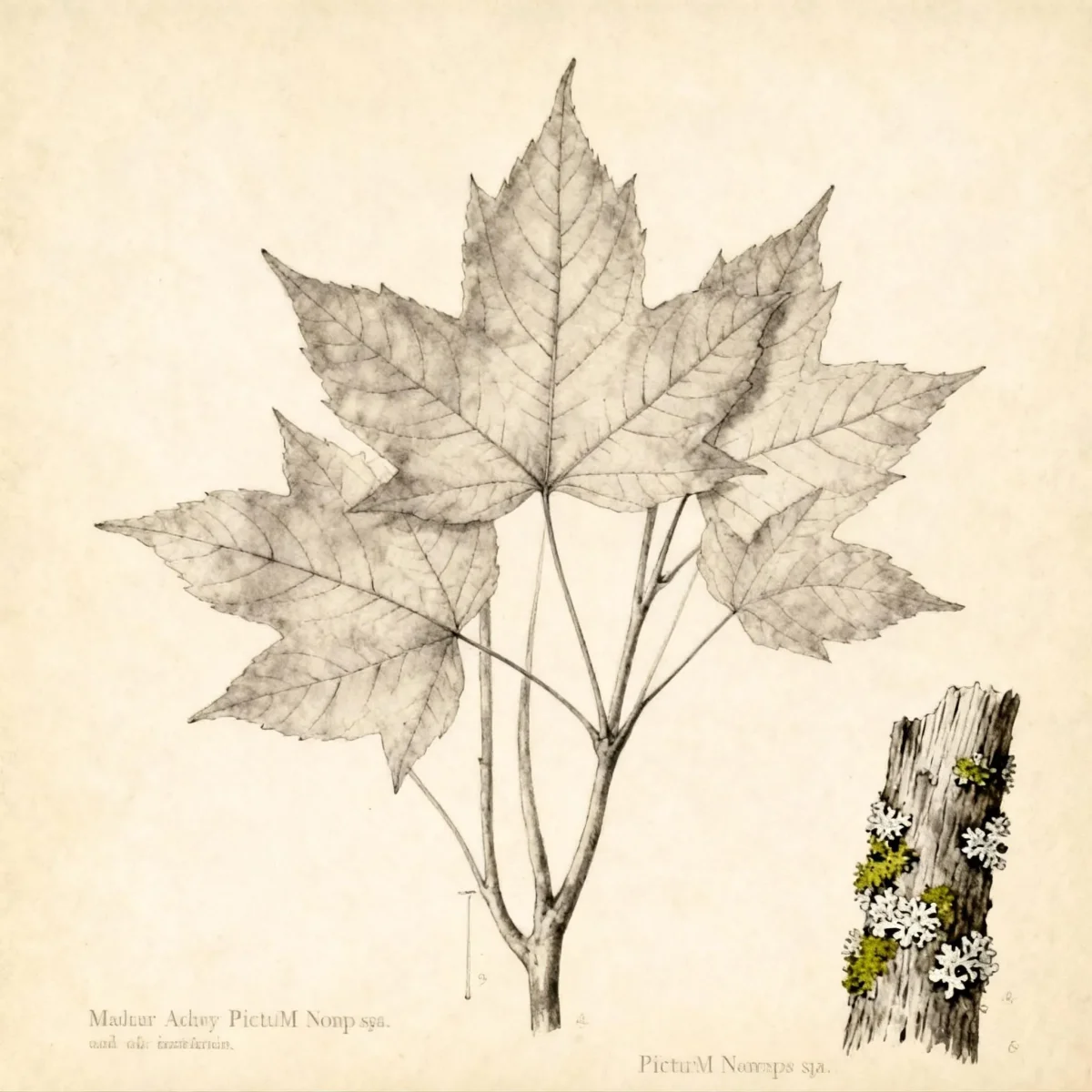
Acer pictum is a deciduous tree that typically grows to 30-40’ (less frequently to 60’) tall with a rounded spreading crown. It is native to forests in Japan, China, Korea, Mongolia and Eastern Russia, sometimes growing in a shrubby form with variable leaves (3-6” long) having 5-7 triangular lobes. Leaves emerge with bronze tints in spring, mature to bright green by summer and turn attractive shades of yellow and orange in fall, while leaf stems exude a milky sap when cut. This subspecies, Acer pictum subsp. Mono, is often confused with A. pictum itself, differing primarily in the absence of hairs on the main veins of the underside of the leaf blade on subsp. Mono.
Tolerances
No data was provided for specific environmental tolerances.
Potential Problems
This plant generally exhibits robust health, facing no serious or widespread insect or disease problems that plague many other ornamental trees. However, potential issues gardeners should monitor for include common maple problems such as verticillium wilt, various leaf spots, tar spot, and anthracnose. Root rots and collar rot become risks if the soil drainage is poor, emphasizing the need for well-drained sites. Potential insect pests are usually minor and include aphids, scale insects, borers, and caterpillars, sometimes accompanied by mite activity in hot, dry conditions.
Frequently Asked Questions
What hardiness zones is Painted maple suitable for?
The Acer pictum subsp. mono is reliably hardy in USDA Zones 5 through 8, making it adaptable to a wide range of climates across North America.
How large does your Painted maple grow?
In ideal conditions, Acer pictum subsp. Mono typically matures to a height range of 30 to 40 feet, with an equal spread of 30 to 40 feet, forming a rounded crown.
When does Painted maple bloom?
This deciduous tree produces its non-showy, greenish-yellow flowers spanning from April into May, preceding the full expansion of its summer foliage.
What sun exposure does Acer pictum subsp. Mono need?
For optimal health and best autumn color display, the Painted maple prefers a location that receives full sun to part shade, though it benefits from some afternoon protection.
Conclusion
The Acer pictum subsp. Mono stands out as a refined, yet resilient, addition to many landscapes, valued for its low maintenance needs and its spectacular seasonal color palette. Leveraging the beauty of the Painted maple requires attention to its preference for well-drained, consistently moist, slightly acidic soil. Before planting, always confirm that USDA Zones 5-8 encompass your local growing environment to ensure long-term success.
Companion Planting
Selecting companions for Acer pictum subsp. Mono should focus on plants that thrive under similar conditions: partial shade, medium moisture, and well-drained, acidic soil. Shade-loving perennials that offer textural contrast work exceptionally well beneath the spreading canopy. Consider woodland favorites like Hosta cultivars, whose broad leaves contrast nicely with the maples’ lobed structure, or Ferns, which provide airy, fine texture around the base.
For season-long color below the tree, layer in spring-blooming bulbs like Daffodils or early blooming Phlox, followed by shade-tolerant annuals or perennials like Impatiens (in shadier spots) or Astilbe, which provide vertical plumes of color through the summer. Since the Painted maple is an acid-lover, avoid large groups of alkaline-loving plants nearby, as maintaining soil pH consistency is key to its well-being.
Seasonal Care Calendar
Spring is the most important time for Acer pictum subsp. Mono as the leaves emerge with bronze tints. Ensure protective mulch is fresh and deep around the root zone before the soil fully warms up to conserve the critical moisture the tree prefers during this busy growth phase. Summer care is primarily about monitoring soil moisture; use a slow, deep watering method if the environment becomes excessively dry, as consistent moisture is preferred.
As fall approaches, resist the urge to heavily amend the soil, allowing the tree to prepare naturally for dormancy; this is when the foliage delivers its expected yellow and orange performance. Winter care in colder Zones 5-6 involves ensuring the young tree is protected from drying winter winds and that the root zone is insulated by a thick layer of organic mulch. Avoid heavy pruning outside of dormancy or early summer, as wounds produced late in the season may not seal effectively before frost.