Hardy begonia (Begonia grandis subsp. evansiana)
Discover Begonia grandis subsp. evansiana, the hardy begonia offering pink blooms in shade from July to October in zones 6-9.
Scroll down to discover growing tips, care requirements, companion plants, and more
Complete Plant Information
Overview
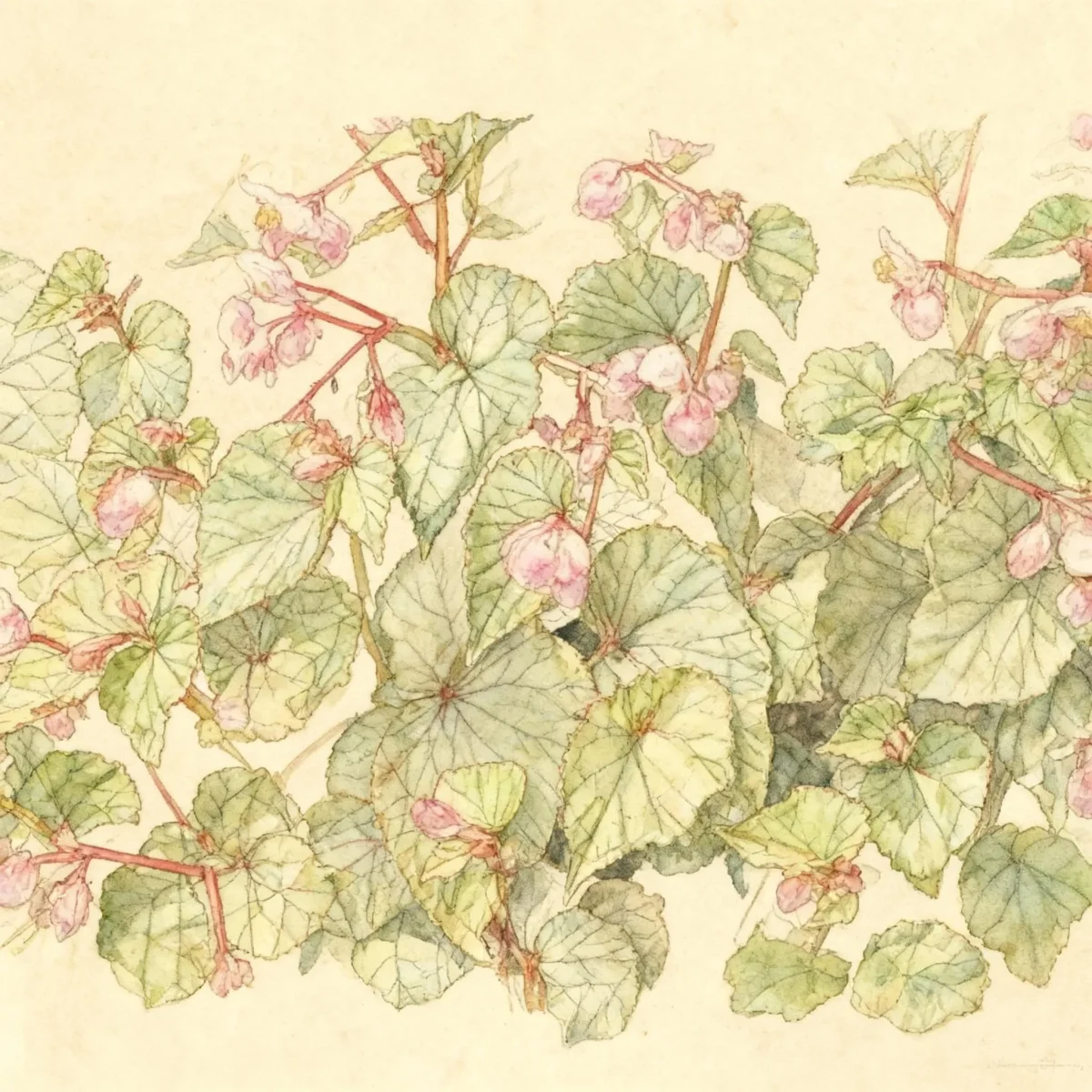
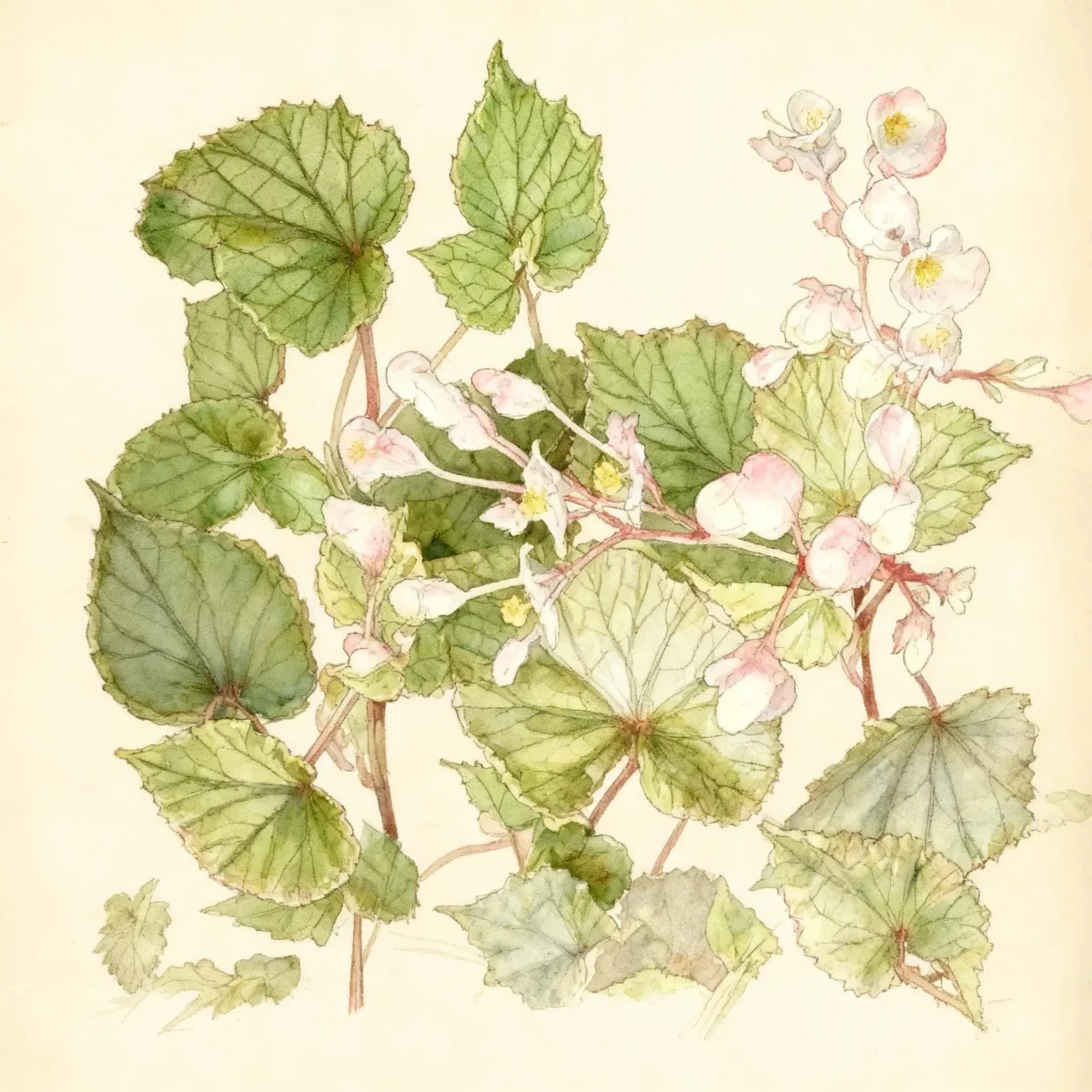
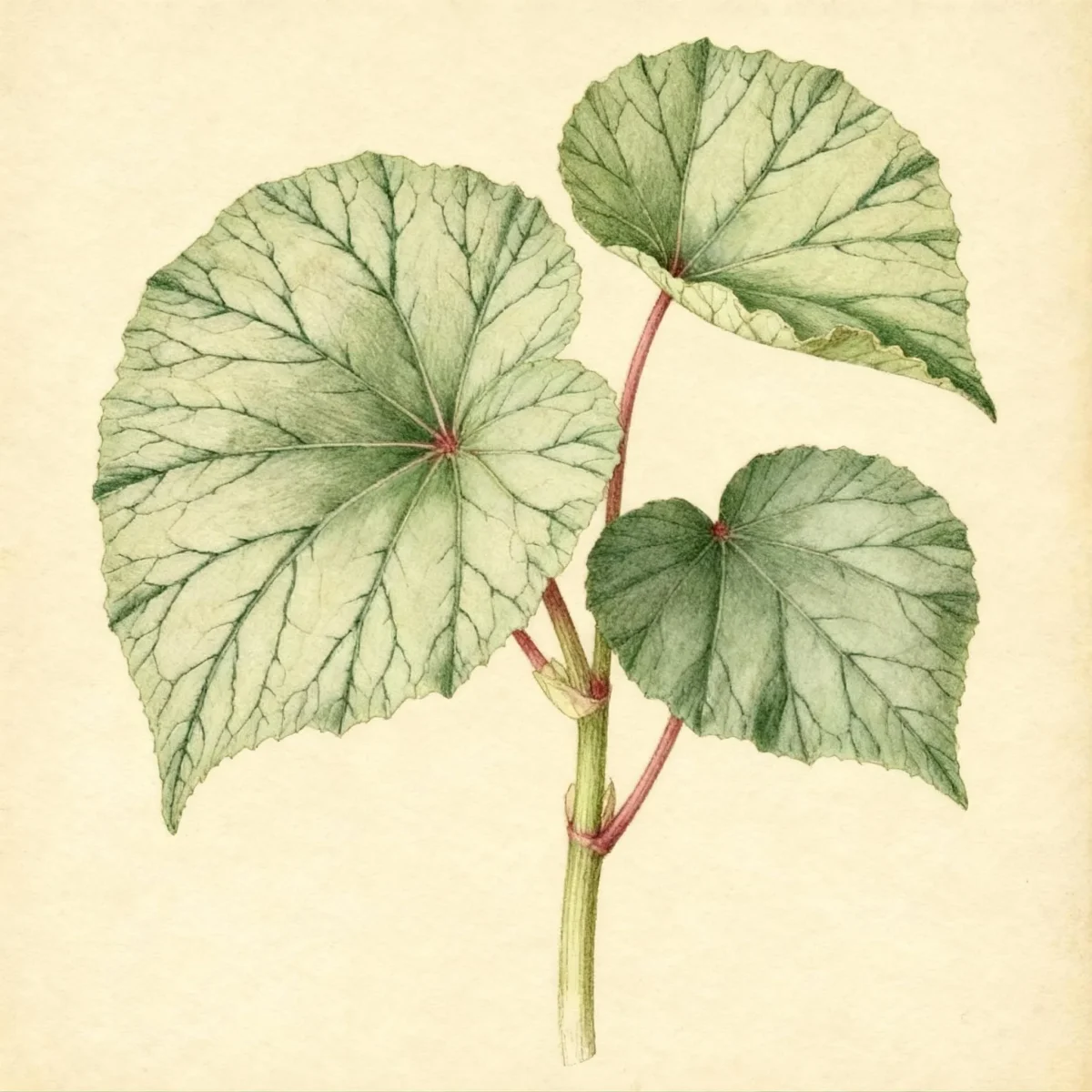
The Hardy begonia (Begonia grandis subsp. evansiana) stands out as a garden treasure, primarily because it is one of the very few Begonia species reliably winter hardy in many temperate climates, such as the St. Louis area. This tuberous-rooted perennial brings late-season color to the darkest corners of the garden, thriving where many other shade lovers struggle to flower well. Its lush, textural foliage—medium green above and distinctively reddish beneath—provides year-round structure.
This forgiving perennial forms a bushy mound, quickly establishing itself through the natural dispersal of tiny bulblets formed in the leaf axils during autumn. While the flowers are modestly sized, the masses create a delicate pink display from mid-summer deep into the fall. Gardeners value Begonia grandis subsp. evansiana for its ability to brighten woodland settings and shaded borders reliably.
For success, this plant requires consistent moisture, making it an excellent choice for boggy transitions or stream edges where the soil remains moist. Utilizing the Hardy begonia in mass plantings allows it to naturalize beautifully, creating an effortless tapestry of texture and subdued color beneath the high canopy.
Fast Facts
- Plant Family: Begoniaceae
- Plant Type: Herbaceous perennial
- Native Range: China
- Hardiness Zones: USDA Zones 6-9
- Size at Maturity:
- Height: 1.5-2 ft
- Spread: 1.5-2 ft
- Bloom Time: July to October
- Bloom Description: Pink
- Sun Exposure: Part shade to full shade
- Water Needs: Medium to wet
- Maintenance Level: Medium
How to Grow
Plant Begonia grandis subsp. evansiana in the spring after the danger of hard frost has passed, ensuring it is sited in part shade to full shade. The crucial cultivation requirement is rich, organic soil that is kept consistently moist; do not allow the soil to dry out fully during the growing season. While generally hardy, applying a winter mulch in marginal zones (like Zone 6) is advisable for added insulation.
Care throughout the summer is minimal. Deadheading the spent flowers can encourage a slightly longer bloom period, although this is not strictly necessary for health. Throughout the autumn, the plant naturally produces small bulblets in the leaf axils; these structures are key to its spread and can be harvested for propagation if desired placement changes are needed.
Be patient in the spring; new growth from the tubers of the Hardy begonia often appears late compared to other perennials waking up. Ensure you do not disturb the area too early, as the overwintering structure needs time to emerge. If growth is slow to appear, it may indicate the site is too dry over winter.
Landscape Uses
The Hardy begonia is perfectly suited for naturalizing beneath deciduous trees and large shrubs where light levels remain consistently low. Because it requires medium to wet soils, it integrates seamlessly into woodland gardens alongside moisture-loving companions. This plant’s texture contrasts beautifully with fine-leaved plants, making it an ideal mid-layer plant.
Pair Begonia grandis subsp. Evansiana with native ferns, hostas, and bleeding hearts (Dicentra). These companions share similar preferences for shade and moisture, creating a lush, multi-textured environment that thrives from spring until the first hard autumn frost. The late summer pink flowers of Begonia grandis subsp. evansiana provide necessary color when many spring bloomers have faded.
Use this species to soften formal borders in shaded areas or to create drifts along naturalized paths. Its upright, clumping habit helps define the edge of a woodland border without becoming invasive, relying instead on its tiny bulblets for gentle self-propagation.
Standout Features
Flower Qualities
- Showy
Noteworthy Characteristics
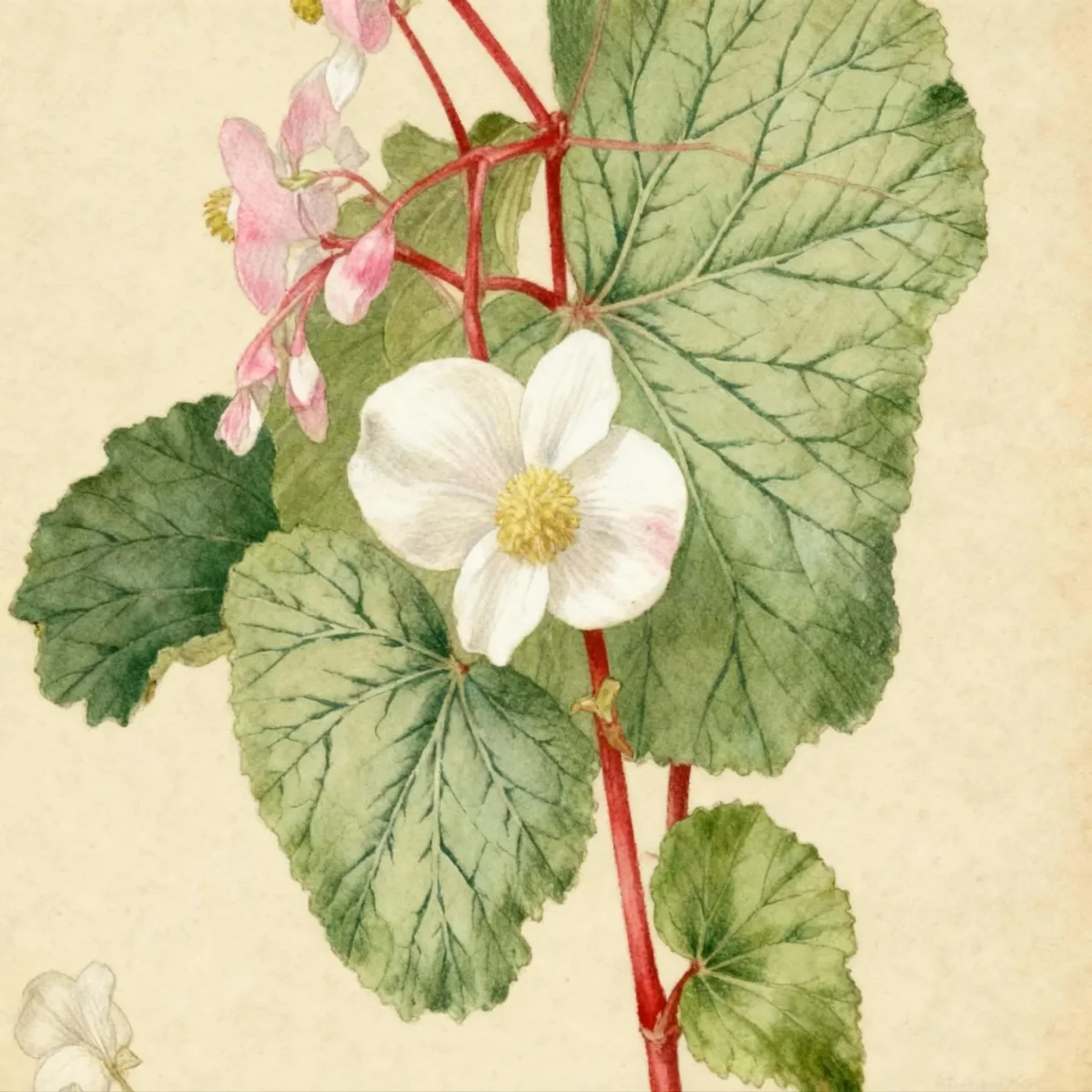
Begonia grandis, commonly called hardy begonia, is the only species of Begonia that is winter hardy to the St. Louis area. It is a monoecious, tuberous-rooted, clump-forming perennial that typically forms a bushy mound of foliage to 2’ tall on branching stems. Male and female pale pink flowers (to 1” across) bloom in pendent clusters (dichotomous cymes) from July to early fall.
Tolerances
- Heavy Shade
- Black Walnut
Potential Problems
Generally, Begonia grandis subsp. evansiana proves quite robust, suffering from no serious insect pests or debilitating disease issues in ideal conditions. The primary concern for gardeners is winter hardiness, particularly in Zone 6 or colder locations where soils may freeze too deeply or remain damp and cold near the crown. Preventing this involves ensuring excellent drainage even in moist areas and applying that insulating winter mulch if necessary.
To maintain healthy, vigorous clumps, ensure the soil structure remains rich in organic matter, which aids in retaining moisture without becoming waterlogged. As new season growth is typically late to appear, gardeners must avoid digging or amending the area prematurely in spring, which risks damaging the emerging tubers.
Frequently Asked Questions
What hardiness zones is Hardy begonia suitable for?
The Hardy begonia (Begonia grandis subsp. evansiana) is reliably hardy in USDA Zones 6 through 9.
How large does Begonia grandis subsp. evansiana grow?
This species typically reaches a mature height between 1.5 and 2 feet tall, with a similar spread of 1.5 to 2 feet, forming a dense, bushy mound.
What sun exposure does Begonia grandis subsp. evansiana need?
This plant performs best when situated where it receives part shade to full shade, thriving particularly well in deep, consistent shade.
When does Hardy begonia bloom?
The Hardy begonia provides late garden interest, blooming with pink flowers from July all the way through October, flowering later than many other shade perennials.
Conclusion
The Hardy begonia is an indispensable plant for shade gardens thanks to its structural foliage and dependable late-season pink blooms. As one of the few truly winter-hardy Begonia species, Begonia grandis subsp. evansiana offers resilient tropical flair with simple culture. Check your local USDA zone compatibility and ensure you provide the consistent moisture this perennial requires before planting it in your shaded borders this spring.
Propagation Tips
Propagation of Begonia grandis subsp. Evansiana is remarkably easy thanks to the small bulblets it forms. These bulb-like structures develop during the autumn in the axils where the leaves meet the stems. Once the foliage begins to senesce in the fall, these tiny bulblets detach easily or can be gently harvested.
To propagate, simply gather the dropped bulblets and lightly press them into moist, well-drained potting mix, covering them with a scant layer of mix or leaf mold. Overwinter these containers in a protected, cool, but frost-free location, or directly sow them in the garden bed after the last expected frost the following spring. This natural reproductive strategy allows the Hardy begonia to gradually colonize an area effectively.
Companion Planting
When designing for moist shade, selecting companions that complement the structure of Begonia grandis subsp. evansiana is key. Consider using plants that contrast in texture, such as the fine, airy foliage of Astilbes or the bold, architectural leaves of large Hosta cultivars. These companions also share the need for rich, consistently damp soil conditions common to woodland plantings.
For vertical interruption, tall shade-loving grasses or tall woodland phlox can be placed behind the medium height of the Hardy begonia. Since this plant naturally naturalizes, using shorter, spreading groundcovers like wild ginger (Asarum) around the base can suppress weeds while maintaining a lush, layered look in a shaded border.