Dead man's fingers (Decaisnea fargesii)
Discover Dead man's fingers (Decaisnea fargesii), a unique deciduous shrub prized for its striking blue fruit pods and architectural foliage.
Scroll down to discover growing tips, care requirements, companion plants, and more
Complete Plant Information
Overview
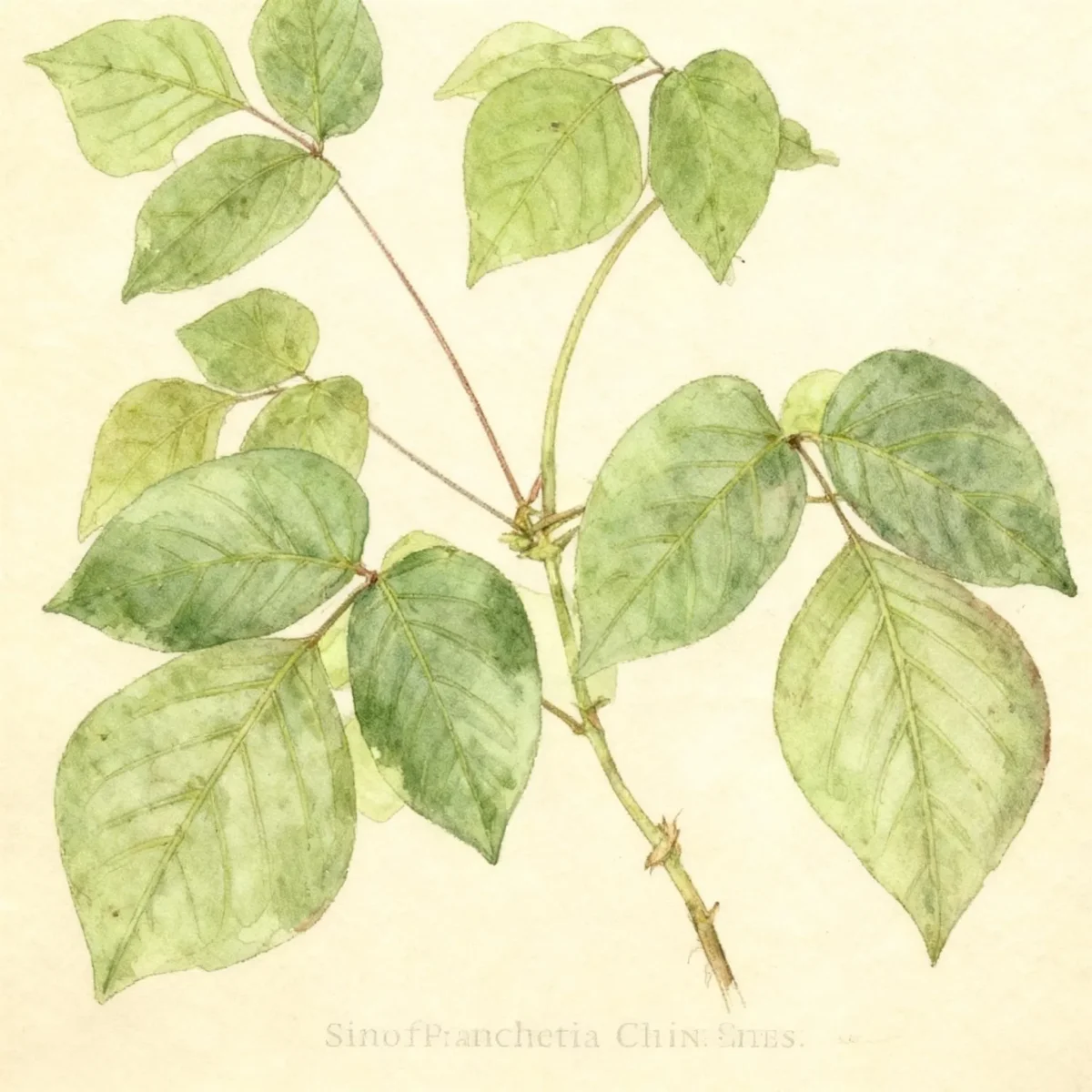
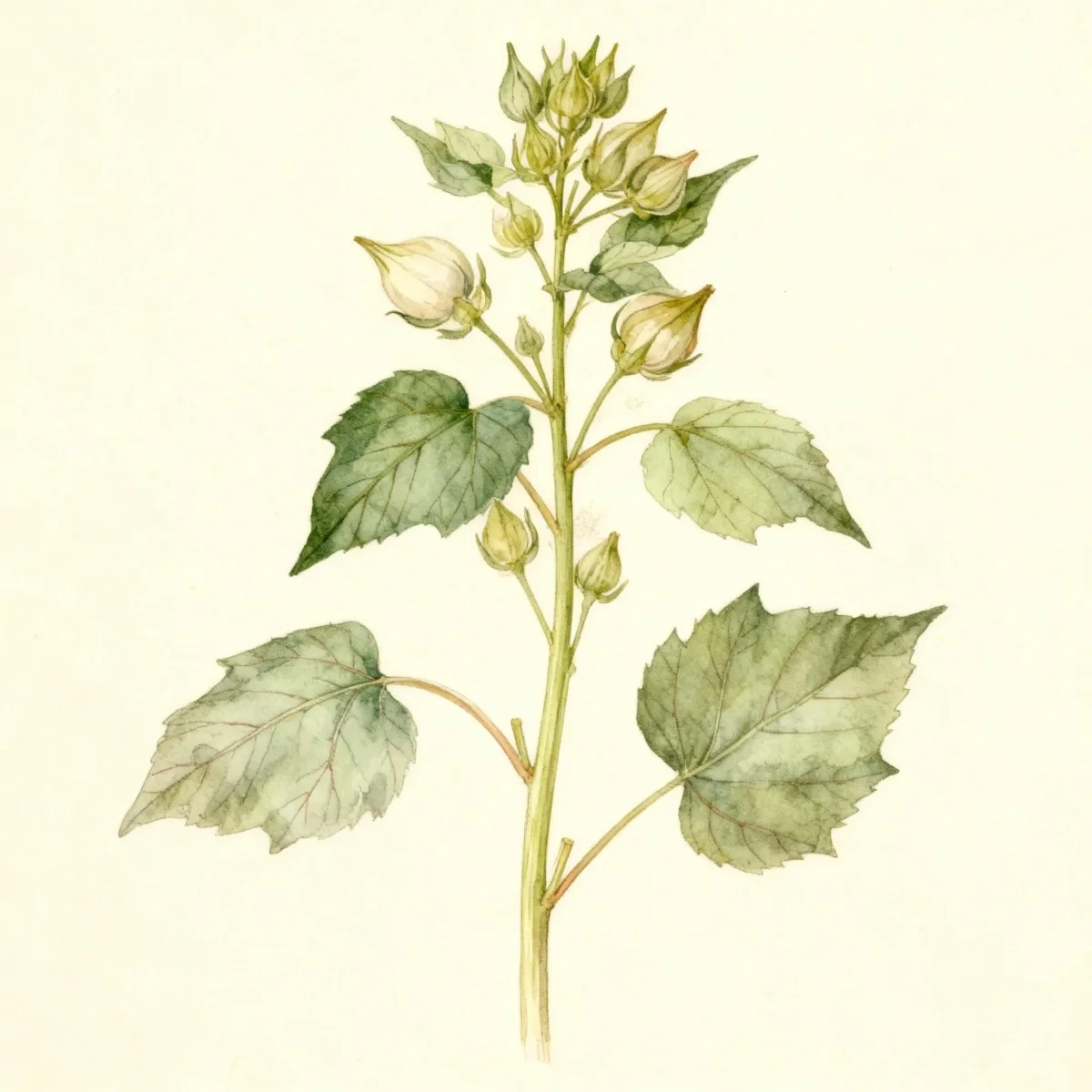
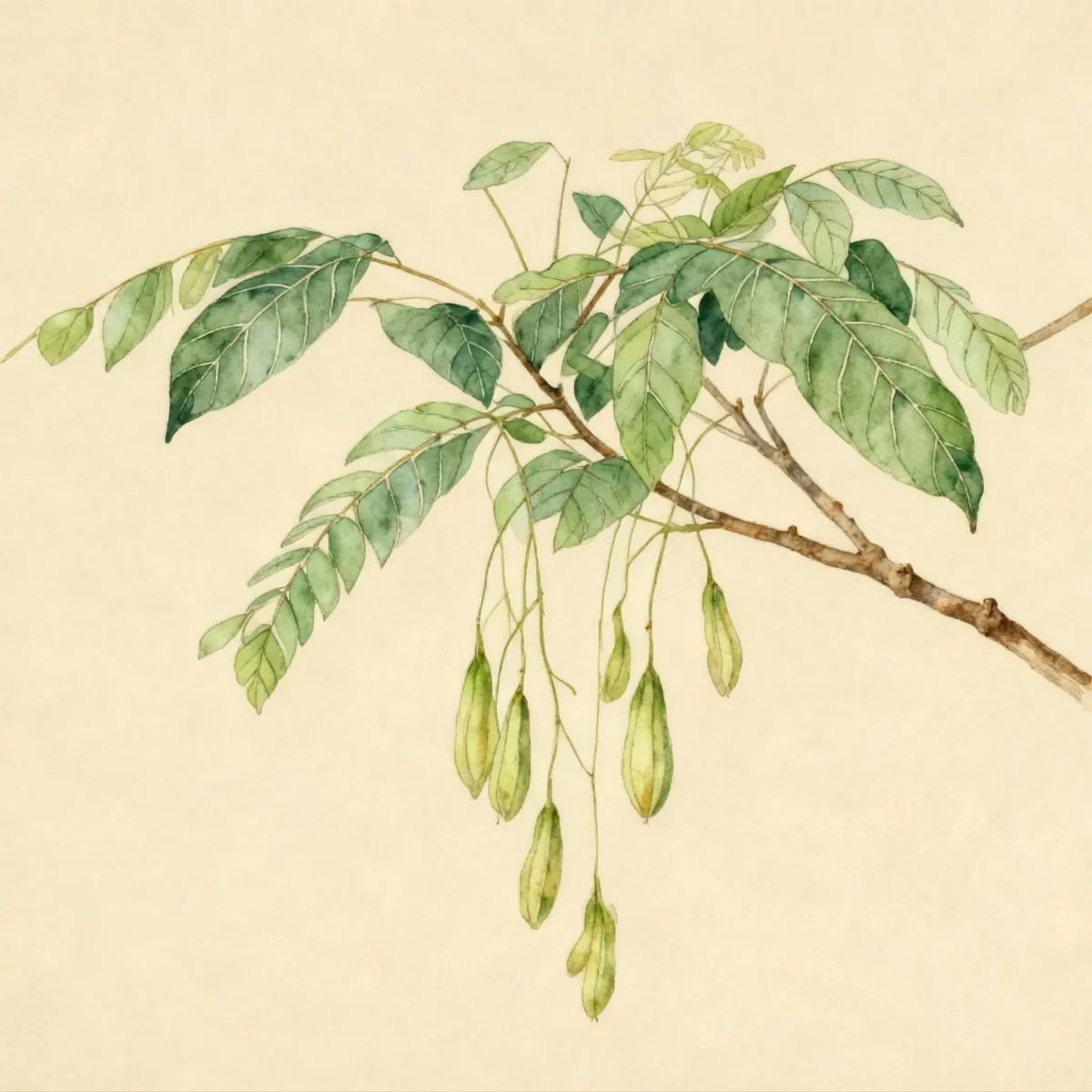
The striking ornamental value of Decaisnea fargesii, commonly known as Dead man’s fingers, stems primarily from its highly unusual and bizarre fruit—long, sausage-like pods that ripen to a metallic, eye-catching blue. This large, upright, multi-stemmed deciduous shrub is native to the mountainous regions of Central and Eastern China. Beyond its unique fruiting display, the Decaisnea fargesii offers long, compound leaves that provide substantial texture throughout the growing season.
As a specimen plant, this shrub demands attention, particularly in the fall when the blue pods contrast dramatically with the dark green foliage. While the small, yellow-green summer flowers are initially inconspicuous, the overall structure and eventual fruit display cement Decaisnea fargesii as a conversation piece in the garden. Successful cultivation relies on providing consistent moisture and protection from harsh winds.
Gardeners should note that while this plant is winter hardy to Zone 6, it thrives best where summers are not excessively hot and dry. Its substantial size, reaching up to 20 feet tall and wide, makes it suitable for larger landscape applications where its unique attributes can be fully appreciated.
Fast Facts
- Plant Family: Lardizabalaceae
- Plant Type: Deciduous shrub
- Native Range: Central and eastern China, Nepal, Tibet
- Hardiness Zones: USDA Zones 6-9
- Size at Maturity:
- Height: 12-20 ft
- Spread: 12-20 ft
- Bloom Time: May to June
- Bloom Description: Yellow-green
- Sun Exposure: Full sun to part shade
- Water Needs: Medium
- Maintenance Level: Medium
How to Grow
Planting Dead man’s fingers is best done in the spring after the danger of hard frost has passed, allowing it time to establish roots. Select a location offering fertile, moist, but well-drained soil. Decaisnea fargesii requires full sun for best flowering and fruiting, though it tolerates partial shade. Critically, site the plant in an area protected from cold spring winds, as these can damage new growth.
Ongoing care centers around moisture management. This shrub is intolerant of drought and hot summer conditions, so keep the soils consistently moist, especially during dry spells. While generally hardy in Zone 6 or 7, gardeners in cooler areas (Zone 5) might see top-growth die back, though the roots usually survive to send up new vigorous shoots the following spring.
Maintenance is considered medium. Pruning is generally needed only to remove dead or crossing wood, maintaining its open, upright habit. Avoid heavy fertilization, as rich soil that retains moisture is usually ideal. Pay attention to the placement, as large, mature specimens of Decaisnea fargesii can be difficult to move.
Landscape Uses
The striking appearance of Dead man’s fingers lends itself perfectly to settings where its unique architecture can shine. It is highly recommended for use in shrub borders, providing a bold, architectural mass throughout the growing season. Due to its need for protection and consistent moisture, woodland gardens or large, partially sheltered ravines mimic its native habitat successfully.
Consider planting Decaisnea fargesii where its fruits will be visible against a dark evergreen background or a light-colored wall for maximum visual impact. Pair it with large-leafed perennials or shrubs that appreciate similar moist conditions, such as large hydrangeas or ferns in shadier zones. Its massive size naturally positions it toward the back of the border, acting as a substantial screen or backdrop specimen.
Standout Features
Flower Qualities
- Showy
Noteworthy Characteristics
Decaisnea fargesii is an upright, multi-stemmed, deciduous shrub native to woodlands, thickets, and ravines in western China. It is ornamentally grown for its long odd-pinnate leaves, its monoecious flowers in drooping racemes, and its exceptional metallic blue, bean-like fruit pods reaching up to 4 inches long. These fruits, which are actually fleshy follicles, split open at maturity to reveal seeds embedded in edible pulp, giving the plant its memorable common names like Dead man’s fingers. The genus name honors Joseph Decaisne, while the specific epithet honors Pere Paul Guillaume Farges, who discovered the plant.
Tolerances
- Intolerant of drought
- Intolerant of hot summer climates
Potential Problems
Decaisnea fargesii generally exhibits few serious issues concerning pests or diseases, making it a resilient choice when established correctly. The primary threat is environmental stress rather than biotic threats. Ensure the soil does not dry out, as noted by its medium water needs, because drought tolerance is poor. Additionally, protecting young plants from harsh, drying winter winds is crucial for maintaining form and vigor.
Frequently Asked Questions
What hardiness zones is Dead man’s fingers suitable for?
Decaisnea fargesii is reliably winter hardy in USDA Zones 6 through 9.
How large does Decaisnea fargesii grow?
This shrub typically matures into a large specimen, usually reaching heights between 12 and 20 feet, with a similar spread of 12 to 20 feet wide.
What sun exposure does Decaisnea fargesii need?
This plant performs best when planted in full sun, though it can tolerate partial shade, provided the moisture requirements are continually met.
When does Decaisnea fargesii bloom?
The blooming period for Dead man’s fingers is typically from May into June, producing sprays of yellow-green flowers before the famous fruit appears.
Conclusion
The unique aesthetic appeal of Decaisnea fargesii, especially its unforgettable blue fruit structures, secures its place as a standout exotic in temperate gardens. Its substantial size and structural interest make Dead man’s fingers a worthwhile, albeit moderately demanding, specimen. Before planting, confirm your local USDA Hardiness Zone compatibility and ensure you can meet its requirement for consistently moist, well-drained soil.
Companion Planting
Selecting companions for Decaisnea fargesii should prioritize plants that share its appreciation for rich, reliably moist soil and some degree of afternoon protection from the most intense summer heat. Plants that naturally thrive in woodland-edge environments work well. Consider using understory shrubs like Japanese maples (Acer palmatum cultivars) for contrasting fine texture, or large hostas for ground cover beneath the canopy, where they will benefit from the filtered light if the shrub is sited in partial shade.
For structural contrast, incorporate broadleaf evergreens that offer year-round foliage as a foil to the deciduous nature of Decaisnea fargesii. Rhododendrons and certain Azaleas, provided soil pH is acidic enough, create a lush, layered look that complements the shrub’s semi-tropical appearance. In areas showing good Zone 6 cold hardiness, early spring bulbs can add color before the shrub leafs out fully.
Wildlife Benefits
While the primary draw of Dead man’s fingers is ornamental, the fruit pods offer unique benefits to wildlife, particularly in its native ranges or mild climates. The fleshy pulp surrounding the seeds is edible and relished by some native fauna, though direct observation of beneficial insect activity on the summer flowers is less documented due to their small size and color.
The dense, multi-stemmed growth habit, once mature, offers excellent cover and potential nesting sites for medium-sized birds visiting the woodland garden setting. Introducing this shrub helps diversify the structural layers of the ecosystem, offering shelter across different vertical planes.