Stachyurus (Stachyurus praecox)
Stachyurus praecox is a deciduous shrub noted for unique yellow-green flowers in early spring before leaf-out. Hardy in Zones 6-8.
Scroll down to discover growing tips, care requirements, companion plants, and more
Complete Plant Information
Overview
The Stachyurus genus offers the garden a wonderful prelude to spring with Stachyurus praecox, often known as Early Stachyurus. This deciduous shrub is highly valued because it produces its unique flowers well before the foliage emerges, brightening the late winter landscape. Its arching, spreading habit creates an appealing silhouette even when dormant.
This specimen generally matures between 4 and 10 feet tall, offering season-long interest from its dark winter branches to its autumnal leaf color change. Proper siting is key, as the early flower buds are susceptible to frost damage, making sheltered locations beneficial in colder zones.
For gardeners seeking an unusual focal point that reliably signals the end of winter, Stachyurus praecox is an excellent choice. It thrives in acidic soil conditions, rewarding attentive care with its early, dangling blossoms.
Fast Facts
- Plant Family: Stachyuraceae
- Plant Type: Deciduous shrub
- Native Range: Japan
- Hardiness Zones: USDA Zones 6-8
- Size at Maturity:
- Height: 4-10 ft
- Spread: 3-8 ft
- Bloom Time: March to April
- Bloom Description: Yellow-green
- Sun Exposure: Full sun to part shade
- Water Needs: Medium
- Maintenance Level: Medium
How to Grow
For the best performance, locate your Stachyurus praecox where it receives full sun or light afternoon shade. Optimal soil conditions are light, humusy, acidic, and well-drained, ensuring the roots do not sit in standing water. Planting should ideally occur during cooler seasons, allowing the plant to establish before facing summer heat.
Water needs are medium; maintain consistent soil moisture, especially during dry spells, but avoid saturation. While specific fertilization advice is not detailed, meeting the preference for humusy, acidic soil types fulfills most nutritional needs for this shrub.
Pruning is critical for this species because shrubs flower reliably on old wood. Therefore, pruning should be executed immediately after flowering finishes in early spring. Mature plants benefit from having spent flower shoots removed entirely to the base to encourage fresh growth and maintain an open structure. Be vigilant about protecting the site from cold, drying winter winds to safeguard the developing flower buds.
Landscape Uses
The unusual, early bloom time makes Stachyurus praecox an ideal specimen plant for shrub borders where its structure and color can be appreciated before larger deciduous plants leaf out. Its naturally spreading, arching habit lends itself well to softer transitions in woodland garden settings or near informal walkways.
Consider utilizing this shrub near structures, as it can be trained skillfully against a wall that receives southern exposure, which may offer crucial microclimate protection against severe winter cold. In shrub groupings, pair the early flowers of the Stachyurus with late-blooming bulbs or early spring ephemerals that emerge when its foliage begins to develop.
Standout Features
Flower Qualities
- Showy
Noteworthy Characteristics
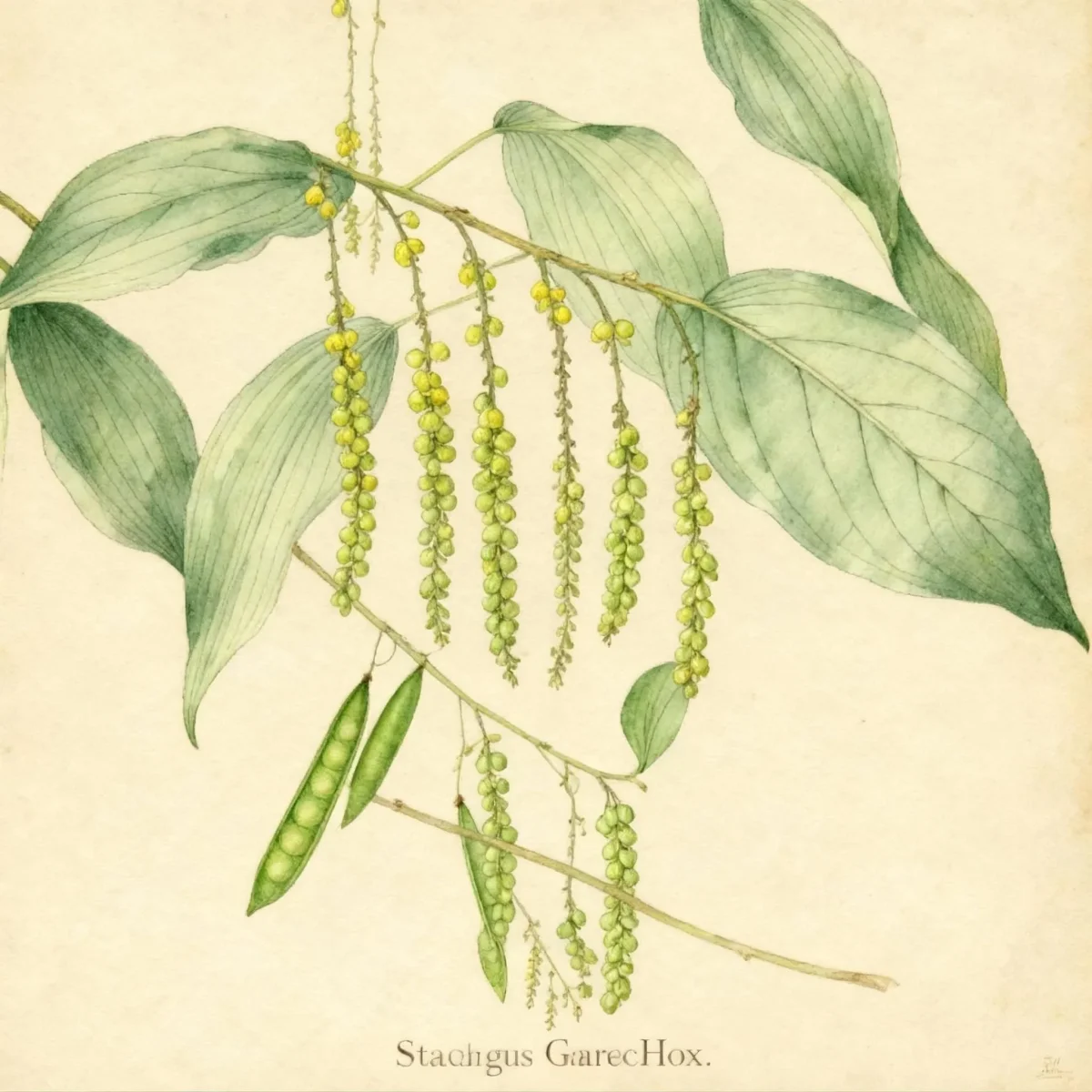
The genus name honors the form of the flower racemes, which resemble a spike or tail. The specific epithet, praecox, translates to “early,” referencing its exceptionally timed bloom. The pendant, catkin-like racemes carry numerous tiny, 4-petaled, yellow-green flowers, creating a delicate haze against the bare branches in early spring. Foliage, which emerges later, is large and serrated, sometimes featuring attractive rosy red and yellow tones in the autumn.
Tolerances
- No serious insect or disease problems.
- Winter damage is a concern.
Potential Problems
While generally robust against pests and disease, the primary concern gardeners must manage with Stachyurus praecox is winter damage. Unprotected flower buds are highly susceptible to damage from hard frosts or harsh, drying winter winds.
Gardeners in marginal zones should select a location sheltered from prevailing winter weather patterns, perhaps on the east or south side of a building or structure. Selecting a protected microclimate is the most effective strategy to ensure a full, colorful display during the bloom period in late March or April.
Frequently Asked Questions
What hardiness zones is Stachyurus suitable for?
Stachyurus praecox thrives best in USDA Hardiness Zones 6 through 8.
How large does Stachyurus grow?
This deciduous shrub typically reaches a height between 4 to 10 feet, with a spread ranging from 3 to 8 feet when fully mature.
When does Stachyurus bloom?
You can look forward to the bloom of Stachyurus praecox in the early season, usually between March and April, displaying lovely yellow-green flowers.
What sun exposure does Stachyurus praecox need?
This plant adapts well to conditions ranging from full sun to partial shade exposure in the landscape.
Companion Planting
When planning a border featuring Stachyurus praecox, focus on plants that appreciate similar growing conditions—namely acidic, consistently moist, yet well-drained soil. Considering its extremely early bloom, pairing it with spring bulbs that emerge slightly later can extend the period of seasonal interest.
Consider incorporating late-blooming rhododendrons or azaleas nearby, as they share a preference for acidic soil pH. Alternatively, groundcovers that prefer dappled light, such as certain hostas or ferns, can fill in the base once the Stachyurus begins to leaf out, keeping the area shaded and cool beneath its canopy.
Seasonal Care Calendar
Spring is the most crucial time for managing this shrub. Immediately after the yellow-green flowers fade in April, prune out the old flower shoots to the base to encourage good airflow and direct energy to new growth. Monitor soil moisture consistently throughout the growing season, especially during establishment, as it requires medium water input.
Summer care focuses on maintaining consistent moisture levels, particularly if the plant is in full sun, and keeping the soil pH acidic. Evaluate the winter protection needs before the first hard frost; ensure any chosen location shields developing flower buds from desiccating winter winds.
Conclusion
The Stachyurus genus provides critical early-season splendor, making Stachyurus praecox a unique and valuable addition to the temperate garden. Its ability to flower before the leaf canopy develops ensures a bright show regardless of surrounding deciduous dormancy. Review your USDA zone compatibility and plan for adequate winter protection to ensure you enjoy the remarkable display of Stachyurus praecox next spring.