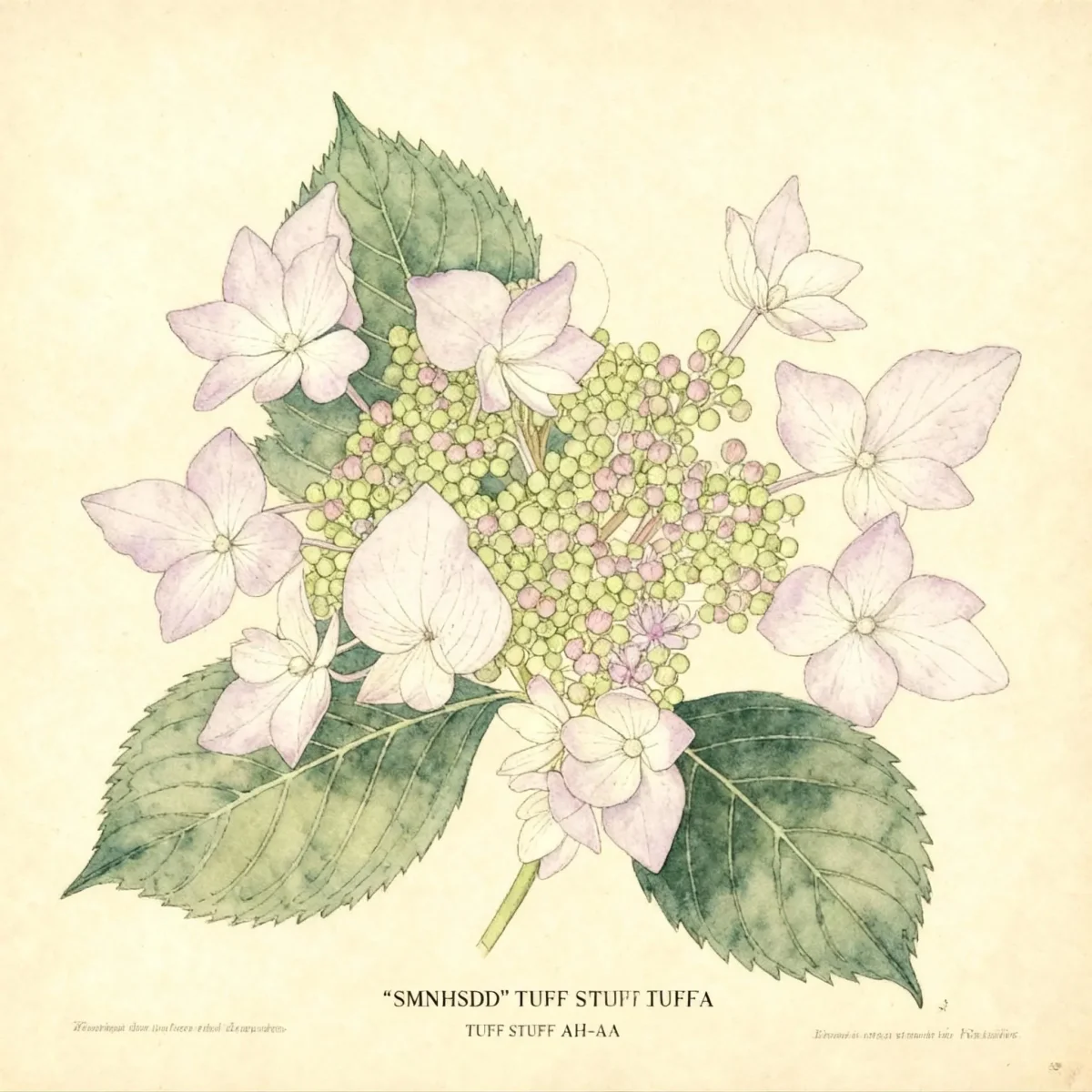
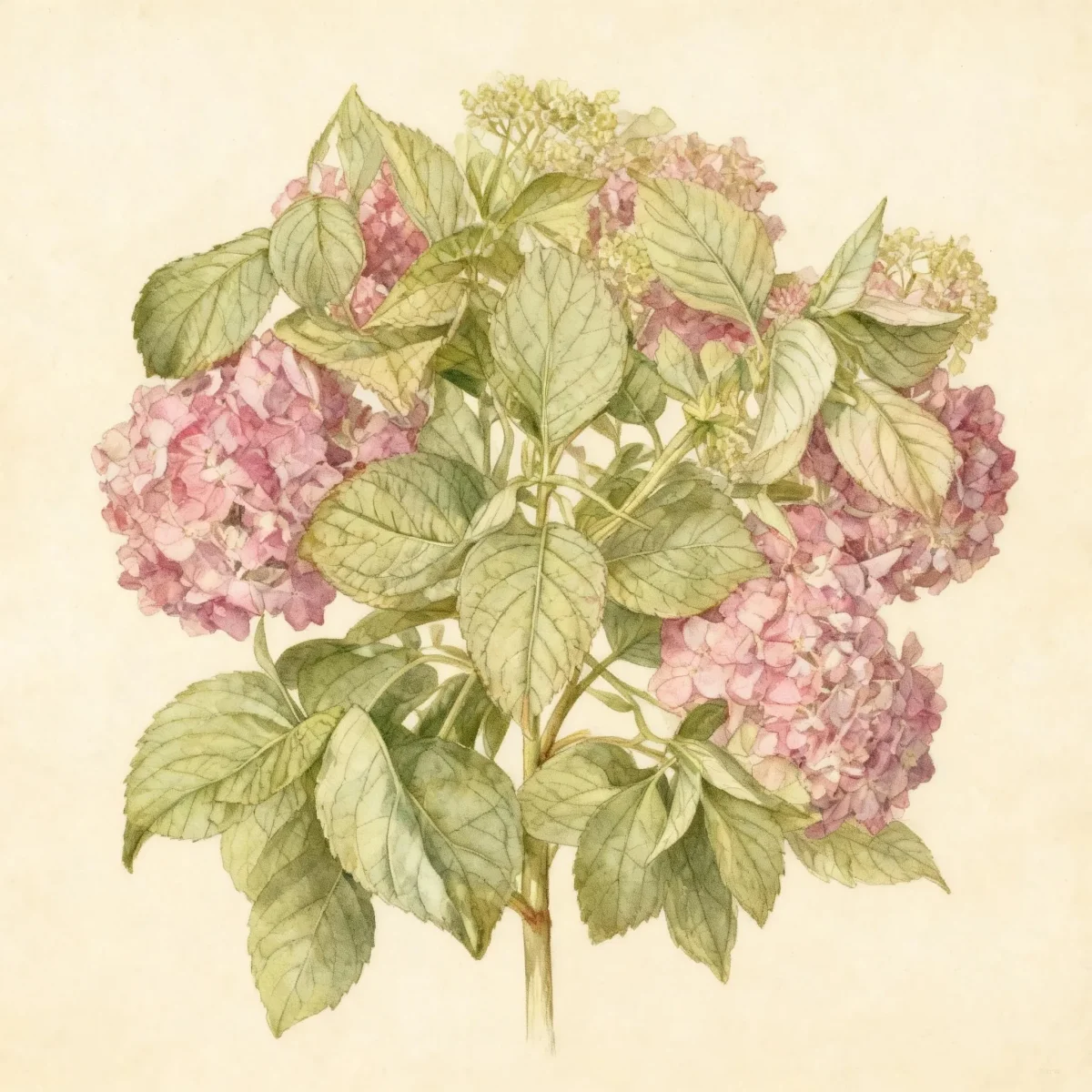
Hydrangea (Hydrangea serrata)
Explore Hydrangea serrata, the Mountain Hydrangea, a compact deciduous shrub prized for its lacecap summer blooms and pH-sensitive color.
Scroll down to discover growing tips, care requirements, companion plants, and more
Complete Plant Information
Overview
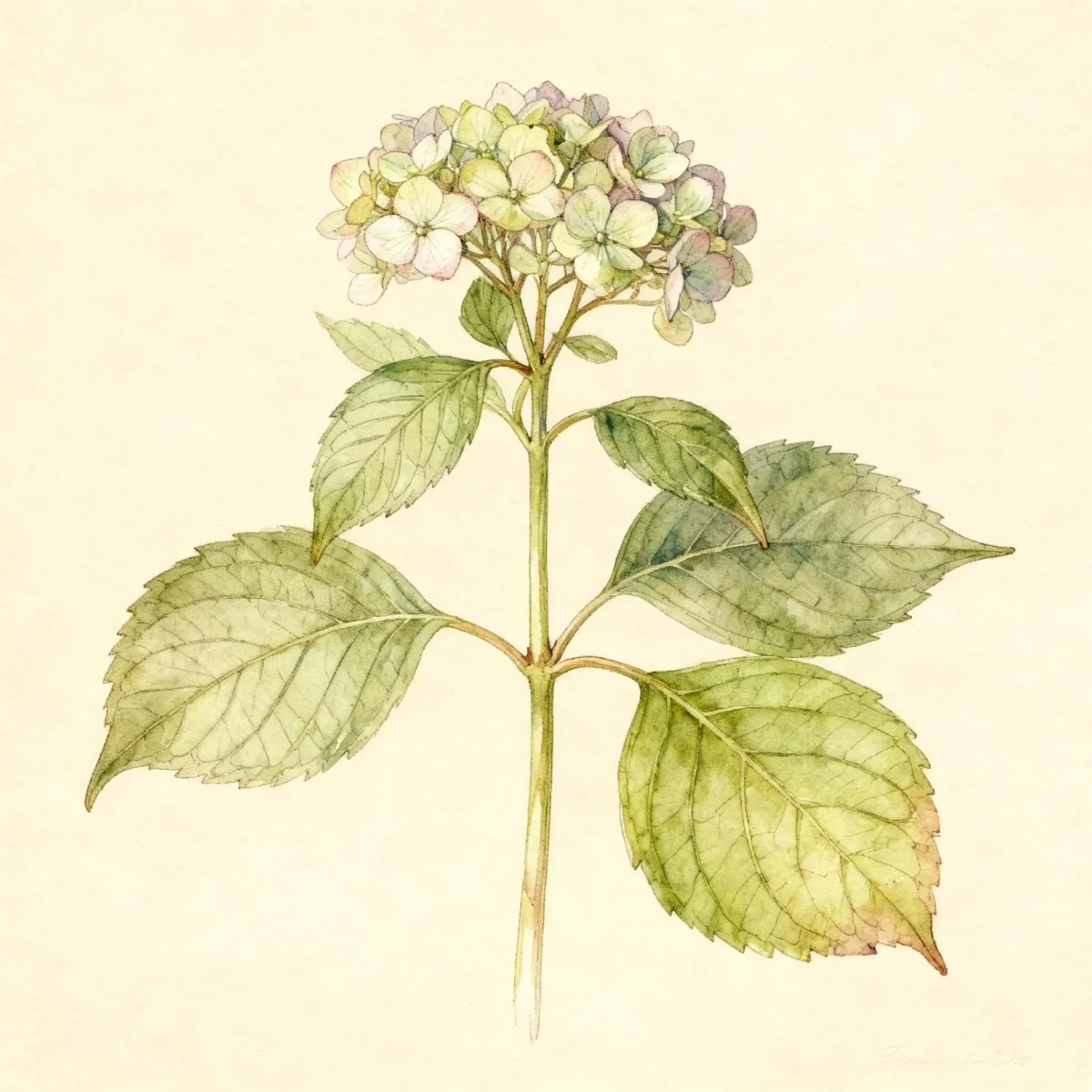
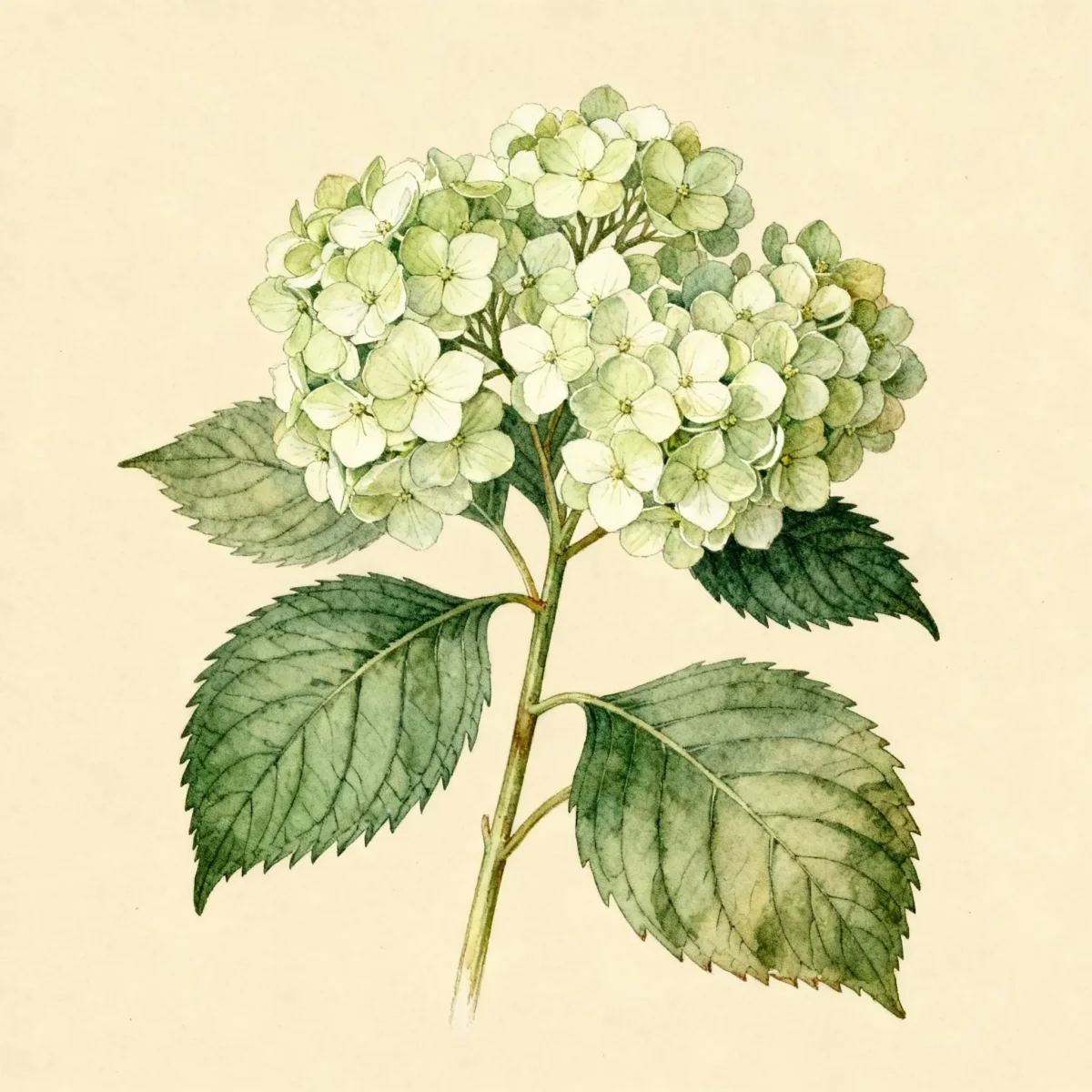
The Hydrangea serrata, often called Mountain Hydrangea, is a smaller, more refined relative of the popular big leaf Hydrangea. This deciduous shrub brings delicate, long-blooming color to shady garden spots, typically featuring attractive lacecap flower clusters from June through August. Its compact nature makes the Hydrangea serrata an excellent choice for smaller landscapes where the larger Hydrangea macrophylla might overwhelm.
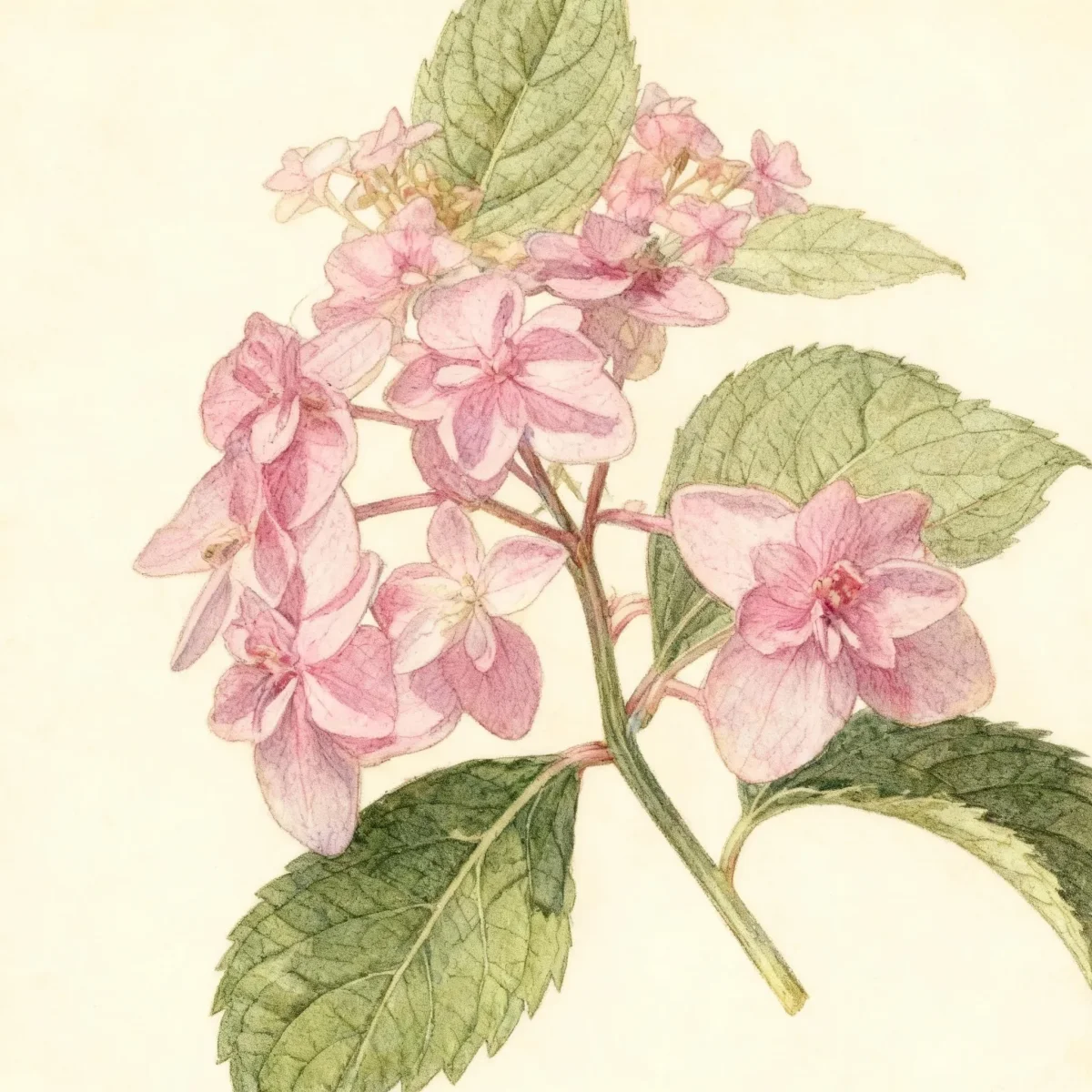
Native to the moist mountain valleys of Japan and Korea, this Hydrangea species thrives in part shade and moist conditions. Gardeners particularly value its ability to shift flower hue depending on soil alkalinity; seek acidic soils for vibrant blues or sweeter alkaline soils for lovely pinks. Proper care ensures this species provides reliable texture and color throughout the summer season.
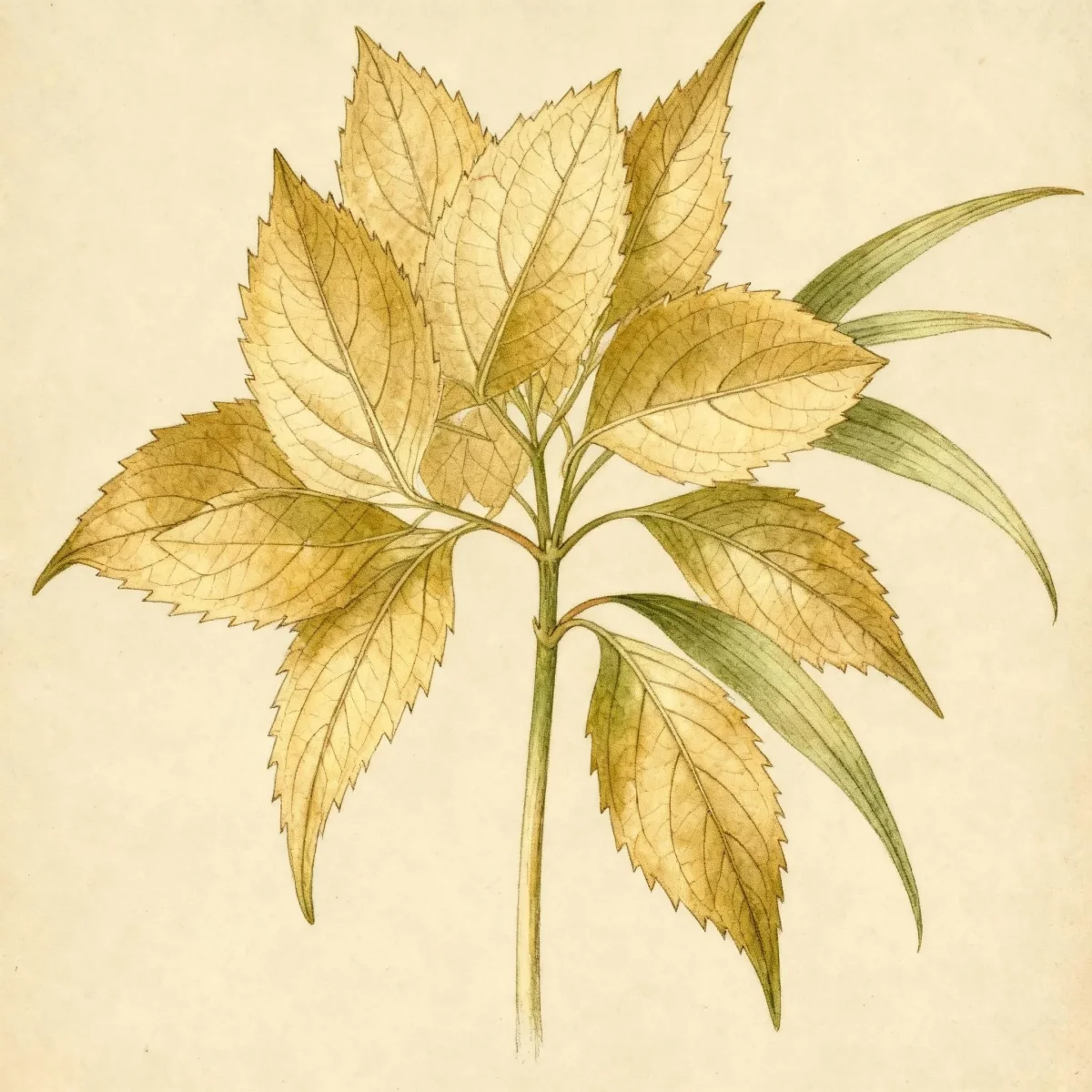
This particular Hydrangea features toothed, ovate leaves and offers a rounded habit, maturing between 2 and 4 feet tall. Its historical significance is further cemented by its common name, ‘Tea of heaven,’ referencing the use of its leaves for sweet tea. For reliable seasonal interest, understanding the needs of Hydrangea serrata is key to long-term success.
Fast Facts
- Plant Family: Hydrangeaceae
- Plant Type: Deciduous shrub
- Native Range: Japan, North and South Korea
- Hardiness Zones: USDA Zones 6-9
- Size at Maturity:
- Height: 2-4 ft
- Spread: 2-4 ft
- Bloom Time: June to August
- Bloom Description: Pink (alkaline soils)Blue (acid soils)
- Sun Exposure: Part shade
- Water Needs: Medium
- Maintenance Level: Medium
How to Grow
Planting Hydrangea serrata is best accomplished in spring or fall, ensuring the shrub establishes roots before extreme temperatures hit. Locate these specimens where they receive afternoon shade, as intense, prolonged sun can scorch the foliage unless soil moisture is absolutely constant. The ideal medium is richly organic, well-drained, and consistently moist.
Watering should be kept medium and consistent; avoid letting the soil dry out completely, especially during blooming periods. Maintenance is generally low, but pruning is specific to bloom timing. Since Hydrangea serrata blooms on old wood, only prune immediately following flowering by cutting back spent stems to the first set of healthy buds. In early spring, remove any weak or winter-damaged growth before the new season starts.
If you are attempting to manipulate flower color, remember that highly acidic soils encourage blue blooms, while slightly acidic to alkaline soils result in pink flowers. In colder reaches of Zone 6, or when attempting Zone 5 cultivation, be prepared to offer winter protection, such as heavy mulch or burlap wrap, to prevent bud loss from harsh freezes.
Landscape Uses
The compact stature of the Hydrangea serrata makes it exceptionally versatile in sheltered garden environments. It excels when grouped or massed together to form low, textured borders in areas shaded by larger trees or structures. Since they appreciate protection, placing them near the foundation of a home or along a protected patio edge allows gardeners to appreciate their lacecap flowers up close.
As a specimen plant, the Mountain Hydrangea provides an excellent accent providing summer interest where few other shrubs bloom reliably. Consider pairing them with shade-loving perennials such as hostas, astilbes, or ferns, which share similar moisture and light requirements. The subtle structure of this Hydrangea blends beautifully into woodland or Japanese-inspired garden designs.
Standout Features
Flower Qualities
- Showy
Noteworthy Characteristics
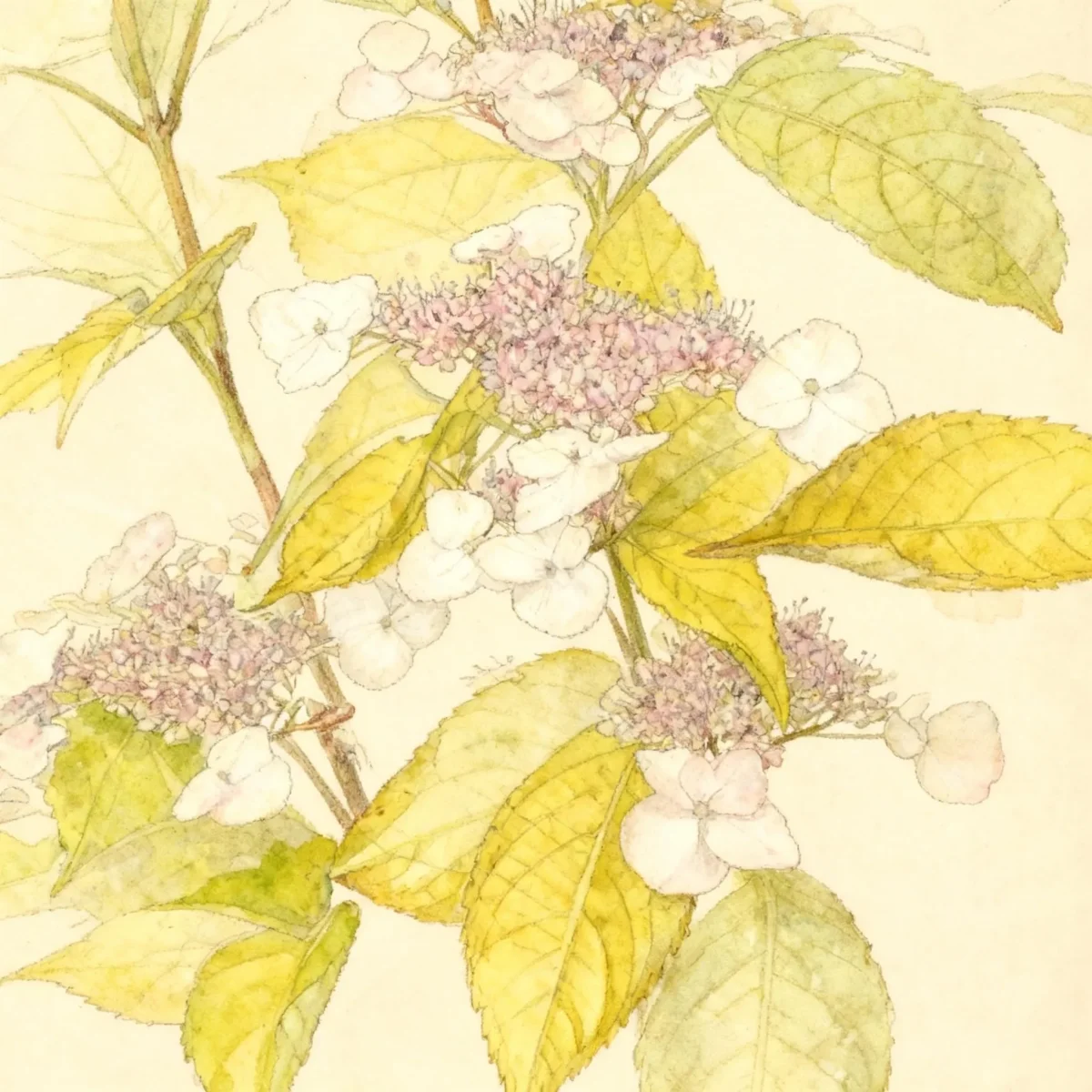
Hydrangea serrata is similar to big leaf hydrangea (H. Macrophylla) except it is a smaller more compact shrub with smaller flowers and leaves. It was formerly listed and sold as Hydrangea macrophylla var. Serrata. Native to moist woodland mountain valleys in Japan, it features a rounded habit, often growing 2-4’ tall, complemented by toothed, ovate, dull green leaves up to 6” long. Flowers appear in long-blooming, flattened lacecap clusters, where showy sterile florets ring the tiny fertile central florets.
Tolerances
Potential Problems
While generally robust, susceptible issues can arise, including bacterial wilt, leaf spot, and mildew, alongside potential bud blight. Management usually involves ensuring good air circulation and avoiding overhead watering to minimize fungal issues. Aphids may occasionally appear, but rarely cause damaging infestations. The most significant concern for many gardeners is winter hardiness; harsh freezes, especially in marginal zones, can kill flower buds, leading to seasons with drastically reduced bloom display.
Frequently Asked Questions
What hardiness zones is Hydrangea suitable for?
This shrub is generally hardy across USDA Zones 6 through 9.
How large does Hydrangea grow?
Hydrangea serrata typically reaches a mature height of 2 to 4 feet, displaying a spread that mirrors its height, usually between 2 and 4 feet wide.
What sun exposure does Hydrangea need?
The ideal light requirement for this species is part shade, although it can tolerate full sun provided the soil moisture is kept consistently high.
When does Hydrangea bloom?
You can expect blooms starting in June and continuing through August, with the resulting color being either pink in alkaline soils or blue in acidic soils.
Conclusion
The Hydrangea serrata offers gardeners a compact, elegant summer bloomer perfect for shaded borders and sheltered accents. Its intricate lacecap flowers and adaptable color palette, dictated by soil chemistry, make it a unique choice among flowering shrubs. Before planting, confirm your location falls within USDA Zones 6-9 and ensure you can provide the medium moisture that this beautiful Hydrangea requires.
Companion Planting
Selecting appropriate companions is crucial for ensuring your Mountain Hydrangea thrives in its preferred environment. Since Hydrangea serrata requires moist, rich, well-drained soil and part shade, look toward other woodland-edge plants. Hostas are excellent neighbors, offering contrasting foliage texture while sharing the need for shade. Ferns, particularly Japanese Painted Ferns or large Tassel Ferns, complement the fine texture of the hydrangea blooms beautifully.
For continuous seasonal ground cover beneath the shrub canopy, consider using woodland phlox (Phlox stolonifera) or bleeding hearts (Dicentra spectabilis). These low-growing plants appreciate the same cool, dappled light conditions and help keep the base of the Hydrangea visually appealing and the soil temperature regulated. Always ensure companion plants do not aggressively compete with the shallow root system of the shrub.
Design Ideas
The lacecap form of Hydrangea serrata offers a more delicate, naturalistic look compared to the mophead varieties. This characteristic lends itself perfectly to naturalistic plantings meant to mimic woodland edges or Japanese garden styles. Plant them en masse along a slightly sloped area facing east to capture morning sun but avoid harsh afternoon exposure.
In contemporary designs, use the structural, rounded form of individual Hydrangea specimens as repeating anchors within a bed dominated by fine-textured grasses or broad-leaved evergreens. When massed, they create a serene, continuous band of light summer color that contrasts nicely with dark green conifers or deep purple foliage plants like Heuchera.