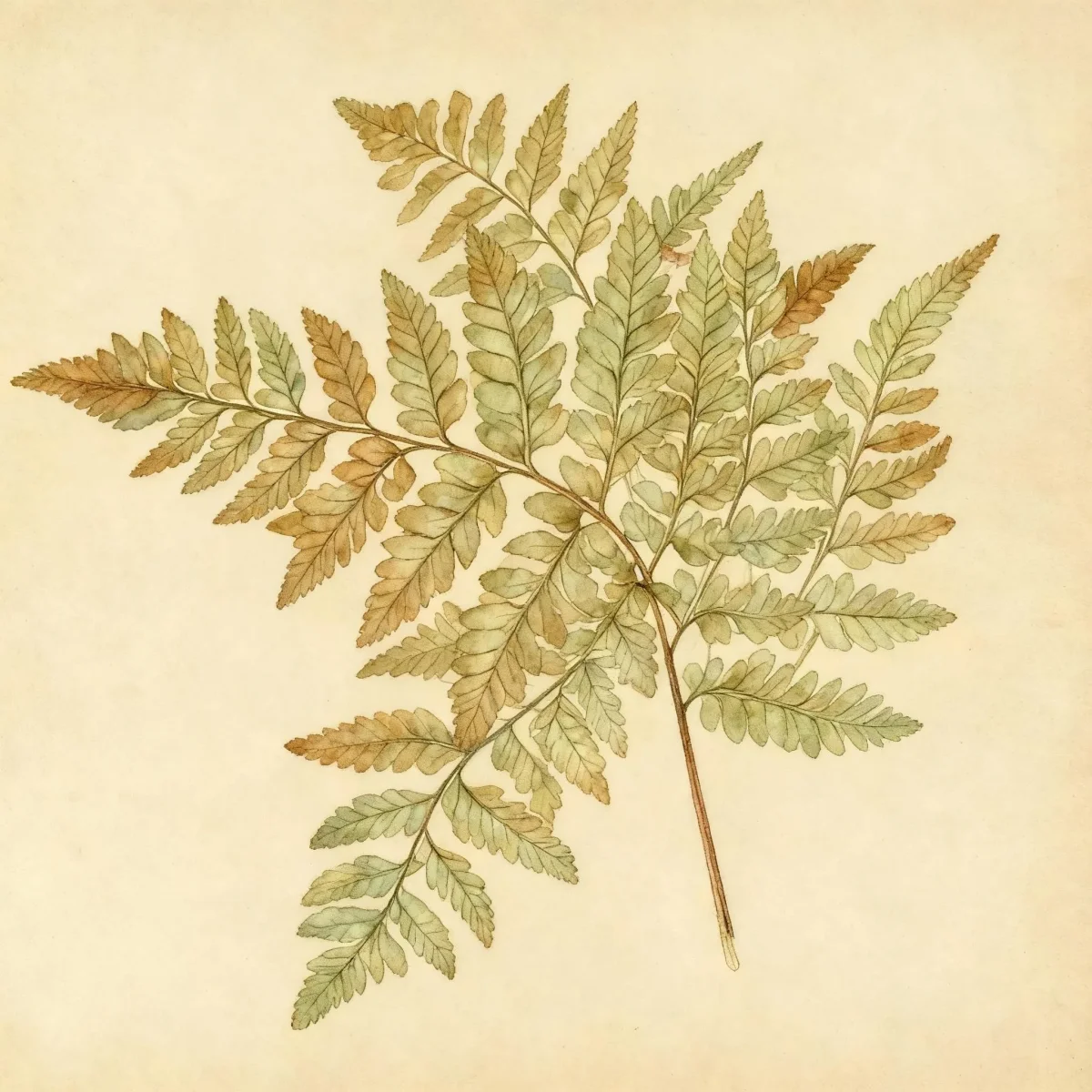
Soft tree fern (Dicksonia antarctica)
The Dicksonia antarctica, or Soft tree fern, offers dramatic architectural foliage for shaded gardens, thriving in moist, rich soils of zones 9-10.
Scroll down to discover growing tips, care requirements, companion plants, and more
Complete Plant Information
Overview
The Dicksonia antarctica, widely known as the Soft tree fern, brings immediate tropical drama to temperate landscapes. This evergreen terrestrial fern is prized for its architectural form, creating a dense, arching canopy of deeply divided fronds atop a recognizable fibrous trunk. It excels in shaded, sheltered locations where its lush, coarse texture contrasts beautifully with finer foliage.
Native to the moist, cool mountain forests of Australia and Tasmania, the Dicksonia antarctica requires consistent moisture to thrive. While it develops a woody trunk over time, it remains relatively modest in cultivation compared to its wild stature, making it a manageable yet impressive specimen plant.
Gardeners value the Soft tree fern for providing deep-shade interest and a lush, prehistoric ambiance without the complications of heavy flowering or fruiting cycles. Successful cultivation hinges on maintaining high humidity and rich, humusy soil, securing its place as a stunning focal point in protected garden areas.
Fast Facts
- Plant Family: Dicksoniaceae
- Plant Type: Fern
- Native Range: Australia, Tasmania
- Hardiness Zones: USDA Zones 9-10
- Size at Maturity:
- Height: 12-18 ft
- Spread: 8-12 ft
- Bloom Time: Non-flowering
- Sun Exposure: Part shade to full shade
- Water Needs: Medium to wet
- Maintenance Level: Medium
How to Grow
Planting the Dicksonia antarctica should occur during temperate seasons, ideally spring or early fall, to allow root establishment before temperature extremes. Locate this soft tree fern where it receives part shade to full shade—sun-dappled areas may be ideal, but avoid harsh, direct afternoon sun. The soil is critical: it must be loose, organically rich, humusy, and consistently moist. Ensure the planting site is protected from strong, drying winds that can desiccate the fronds.
Ongoing care involves rigorous moisture management. Due to its high water demands, the Dicksonia antarctica requires medium to wet conditions; never allow the soil to dry out, particularly during hot spells. In dry, hot weather, implement the practice of hosing the trunk daily to mimic the humid environment it prefers. Maintenance is moderate, mainly involving the occasional removal of old, spent fronds.
If you are growing this fern outside its hardy range (Zones 9-10), it is best treated as a conservatory or greenhouse plant. For indoor growth, use a well-draining container mix combining bark, loam, sand, and leaf mold, providing bright but filtered light indoors, and move pots outside during the summer months. Though hardy to light frost, providing extra winter protection or overwintering indoors is wise in marginal zones. Propagation relies primarily on spores.
Landscape Uses
In regions where it is reliably winter hardy (USDA Zones 9-10), the Soft tree fern serves as an exceptional specimen plant, providing immediate vertical interest and deep green texture. They function perfectly as stand-alone focal points in shaded courtyards or incorporated into woodland garden settings where they mimic their native habitat. Their tropical silhouette also pairs wonderfully with broad-leafed rhododendrons, delicate ferns, and moisture-loving hostas at ground level.
Younger Dicksonia antarctica plants are particularly well-suited for container culture. Growing them in large pots allows gardeners in cooler climates to move the plant to a protected greenhouse or conservatory before the first hard frost. As landscape specimens mature, their imposing height makes them excellent choices for structuring entrances or framing viewpoints in established parks and large home landscapes.
Standout Features
Noteworthy Characteristics
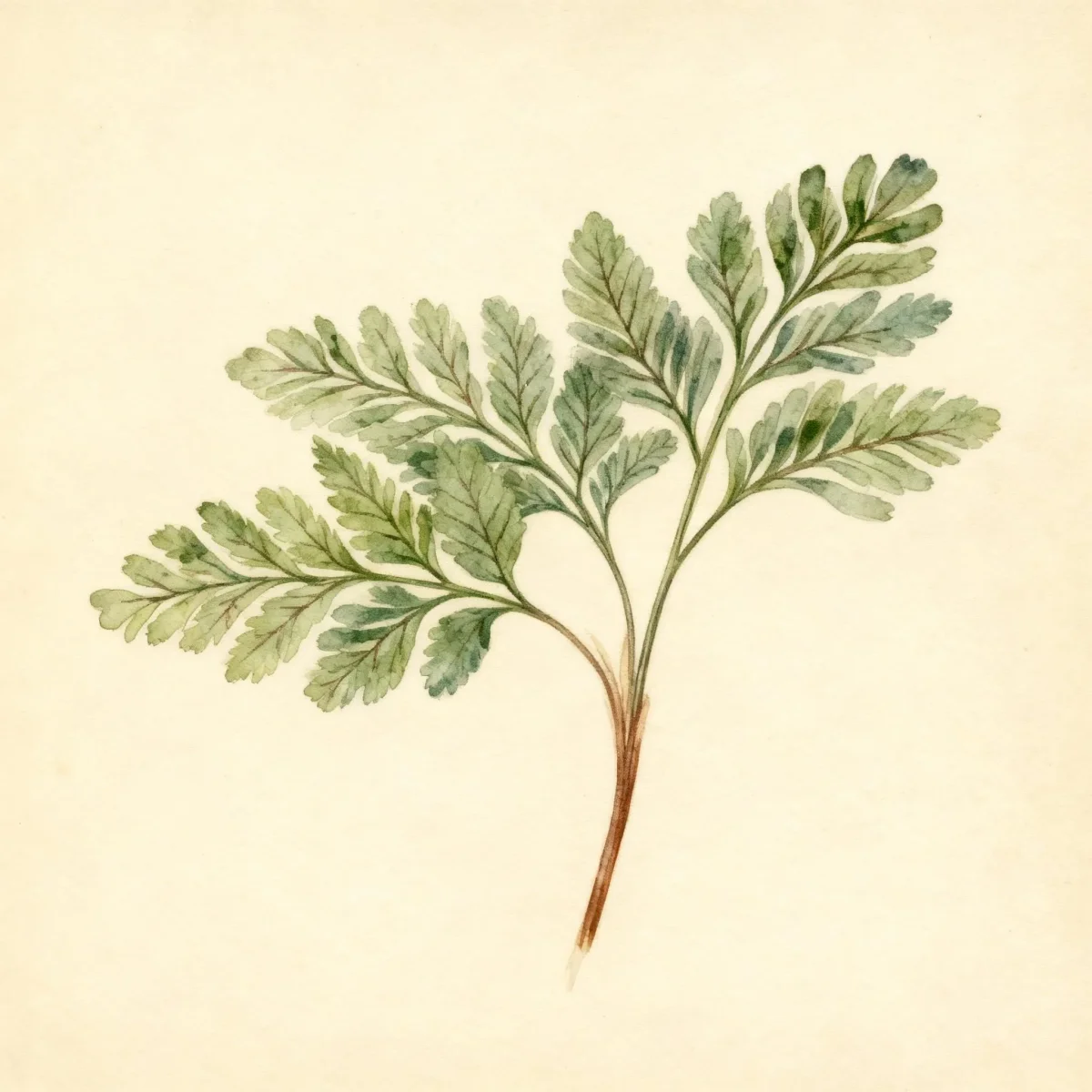
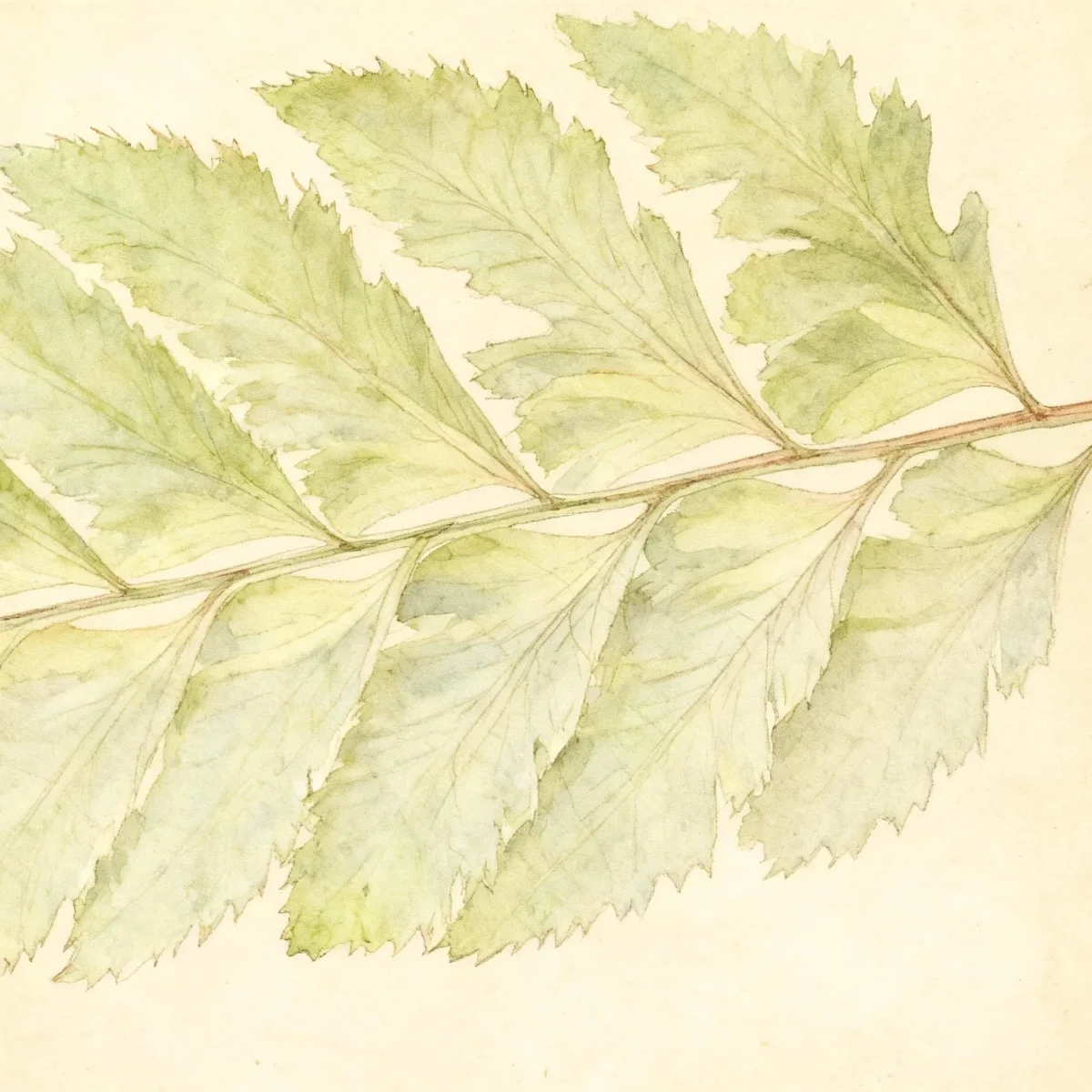
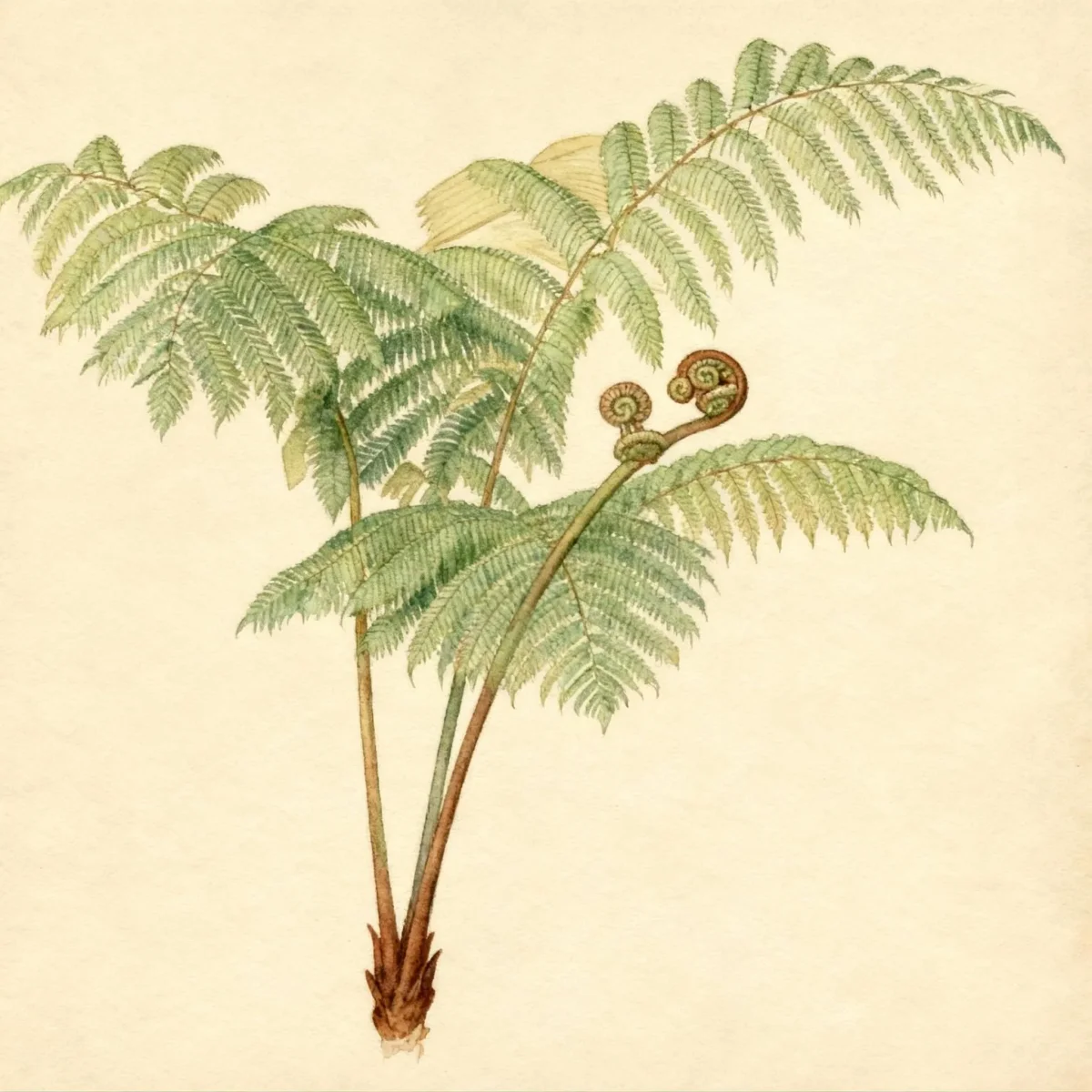
The Dicksonia antarctica, commonly called soft tree fern, is an evergreen terrestrial tree fern native to moist areas of cool mountain forests, sheltered woodland slopes, gullies, and shaded creek beds in southeastern Australia and Tasmania. In cultivation, it grows much smaller than its wild stature of up to 30 feet, developing a nearly black, woody trunk covered in a dense mantle of fibrous roots. Large, tripinnate fronds spread outward from the crown, creating a dramatic canopy structure.
Tolerances
- Rabbit
- Heavy Shade
Potential Problems
The Dicksonia antarctica generally exhibits remarkable resilience, facing no serious insect or disease problems under proper cultural conditions. The primary threat comes from environmental stress, particularly desiccating winds or prolonged drought, which cause the fronds to brown prematurely. Prevention centers on ensuring the soil remains consistently moist and siting the plant in a location buffered against harsh weather elements.
Frequently Asked Questions
What hardiness zones is Dicksonia antarctica suitable for?
The Soft tree fern is generally hardy in USDA Zones 9 through 10.
How large does Dicksonia antarctica grow?
In cultivation, this species typically reaches heights between 12 and 18 feet, with a spread ranging from 8 to 12 feet.
What sun exposure does Soft tree fern need?
Dicksonia antarctica thrives in part shade to full shade, preferring filtered light over intense direct sun exposure.
When does Soft tree fern bloom?
This plant is a fern and is non-flowering.
Conclusion
The Dicksonia antarctica, with its commanding yet elegant form, is unmatched for adding deep, lush texture to shaded garden pockets. By providing the richness and moisture this Soft tree fern craves, you can successfully cultivate this magnificent architectural plant. Review your local hardiness zone compatibility and plan to plant when soils are workable for the best results.
Companion Planting
When planning a woodland setting for your Dicksonia antarctica, select companions that share similar needs for consistent moisture, high organic matter, and shade tolerance. Excellent partners include moisture-loving perennials like large-leafed Hostas for textural contrast, various species of shade-loving Astilbe for seasonal color near the base, and other moisture-loving ferns such as the Japanese Painted Fern for delicate, silvery accents against the robust, dark green fronds of the tree fern. Avoid planting near aggressive shallow-rooted shrubs that might compete excessively for scarce surface water.
Seasonal Care Calendar
Spring preparation involves cutting back any spent or damaged fronds from the previous winter to encourage fresh flush. Ensure soil is deeply amended with fresh compost once active growth begins. Summer is the critical watering period; never let the fibrous trunk dry out, and provide supplemental feeding with a balanced liquid fertilizer diluted to half strength every four weeks during peak growth. In autumn, if winter is predicted to dip below Zone 9 tolerance, apply a thick insulating mulch around the base or prepare to wrap the crown if containerized specimens are being moved indoors.