Cat mint (Nepeta racemosa)
Discover Cat mint (Nepeta racemosa), a low-maintenance perennial with fragrant foliage and masses of pale lilac to deep violet blooms from May to September.
Scroll down to discover growing tips, care requirements, companion plants, and more
Complete Plant Information
Overview
Nepeta racemosa, widely known by its common moniker Cat mint, is a foundational choice for drought-tolerant perennial borders due to its exceptional resilience and extended flowering display. This species forms a neat, spreading clump of aromatic foliage that remains attractive throughout the season, punctuated by airy sprays of pale flowers. Gardeners prize this plant for its low-maintenance profile and long bloom window, which keeps color in the landscape from late spring well into autumn.
Native to the Caucasus and surrounding regions of the Middle East, Nepeta racemosa is well-adapted to drier conditions once established. Its ability to tolerate poor soils and significant drought makes it invaluable in water-wise gardening schemes. While the true catnip (N. cataria) is more potent for cats, this cultivar still offers visual appeal and reliable structure in borders and rock gardens.
The visual impact of masses of pale lilac to deep violet flowers floating above silvery-green foliage is significant, making this a highly effective mass planting specimen. Its robust nature, coupled with a general resistance to pests and diseases, confirms the status of Cat mint as a workhorse perennial for both novice and expert gardeners.
Fast Facts
- Plant Family: Lamiaceae
- Plant Type: Herbaceous perennial
- Native Range: Caucasus, Iran, Iraq, Turkey
- Hardiness Zones: USDA Zones 4-8
- Size at Maturity:
- Height: 0.75-1 ft
- Spread: 1-1.5 ft
- Bloom Time: May to September
- Bloom Description: Pale lilac to deep violet
- Sun Exposure: Full sun to part shade
- Water Needs: Dry to medium
- Maintenance Level: Low
How to Grow
Plant Nepeta racemosa in the spring or fall once the threat of hard frost has passed. It thrives best when positioned in average, dry to medium, well-drained soils. While it tolerates a range of conditions, providing full sun maximizes flower production, though a little afternoon shade is beneficial in extremely hot climates.
Watering should be minimal once the plant is established, as this Cat mint species is highly tolerant of drought conditions. Avoid consistently wet or soggy soil, which can lead to root issues. Fertilizer is generally unnecessary; amending heavy soils with grit or gravel is more important than adding rich compost.
To encourage continuous blooming throughout the summer, practice quick maintenance by shearing the flower spikes back by about half their length immediately after the first major flush fades. This simple shearing technique prompts the plant to produce new blooms quickly, extending Scapes of Nepeta racemosa well into September.
Be mindful that Nepeta racemosa may self-seed readily under ideal growing conditions, potentially spreading more than desired. If you wish to keep the planting tidy or avoid unwanted seedlings, remove faded flower heads consistently before they set seed.
Landscape Uses
Nepeta racemosa is excellently suited for use in rock gardens where sharp drainage mimics its native environment. Its low stature makes it perfect for border fronts, providing a soft, flowering edge to taller shrubs or perennials. Consider using this Cat mint variety in expansive naturalized plantings where its spreading habit can fill in space beautifully without demanding constant attention.
This plant functions wonderfully as an informal edging for pathways, where its aromatic foliage is released when brushed by passersby. Due to its low profile and tolerance for dry conditions, it pairs well with Mediterranean herbs and tough sun-loving perennials like Sedum or Lavender.
For those seeking ground cover solutions that offer seasonal interest, Nepeta racemosa fills the bill effectively, suppressing weeds once it thickens out. Its use in herb gardens is also appropriate, though care should be taken if planted directly alongside culinary herbs needing richer soil.
Standout Features
Flower Qualities
- Showy
Noteworthy Characteristics
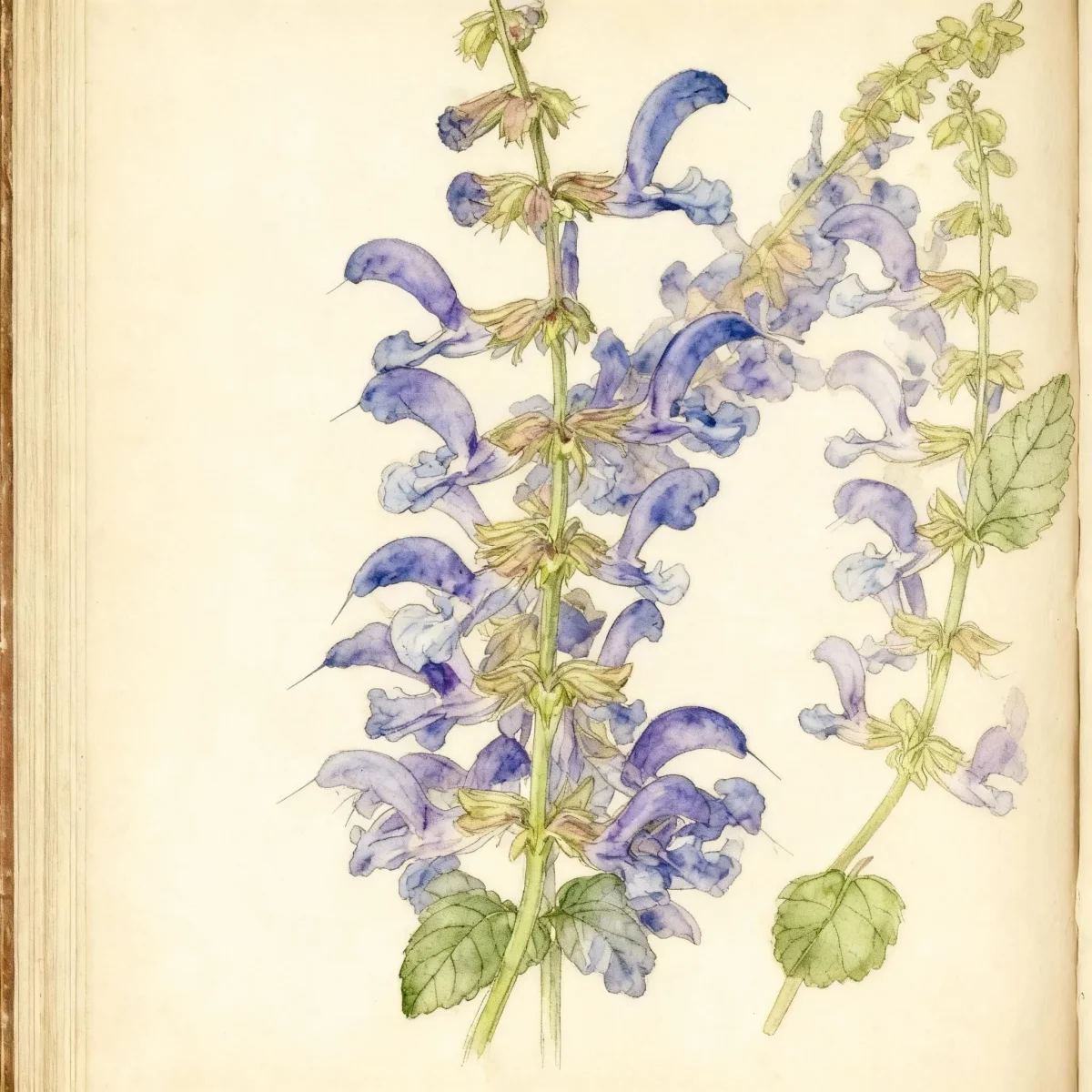
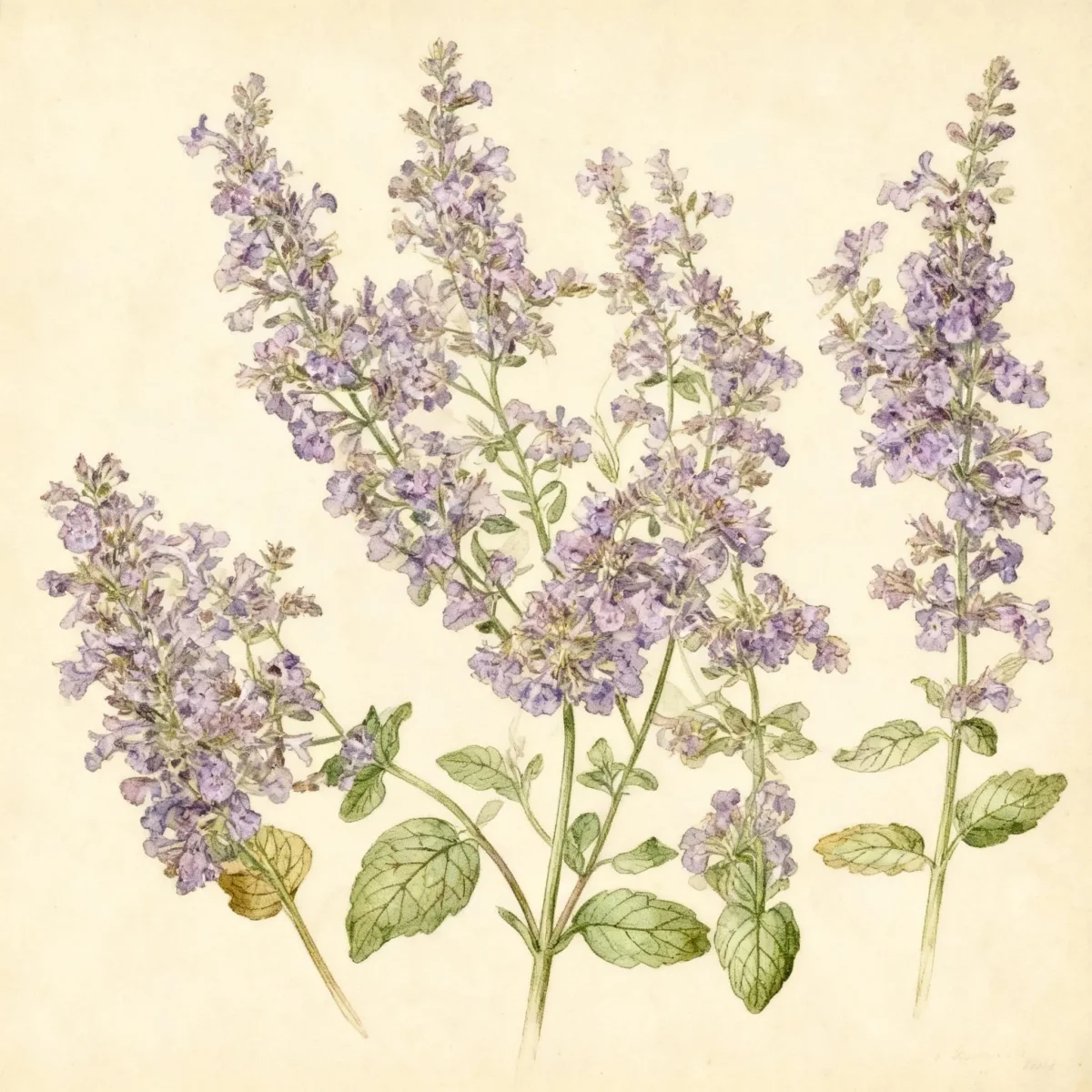
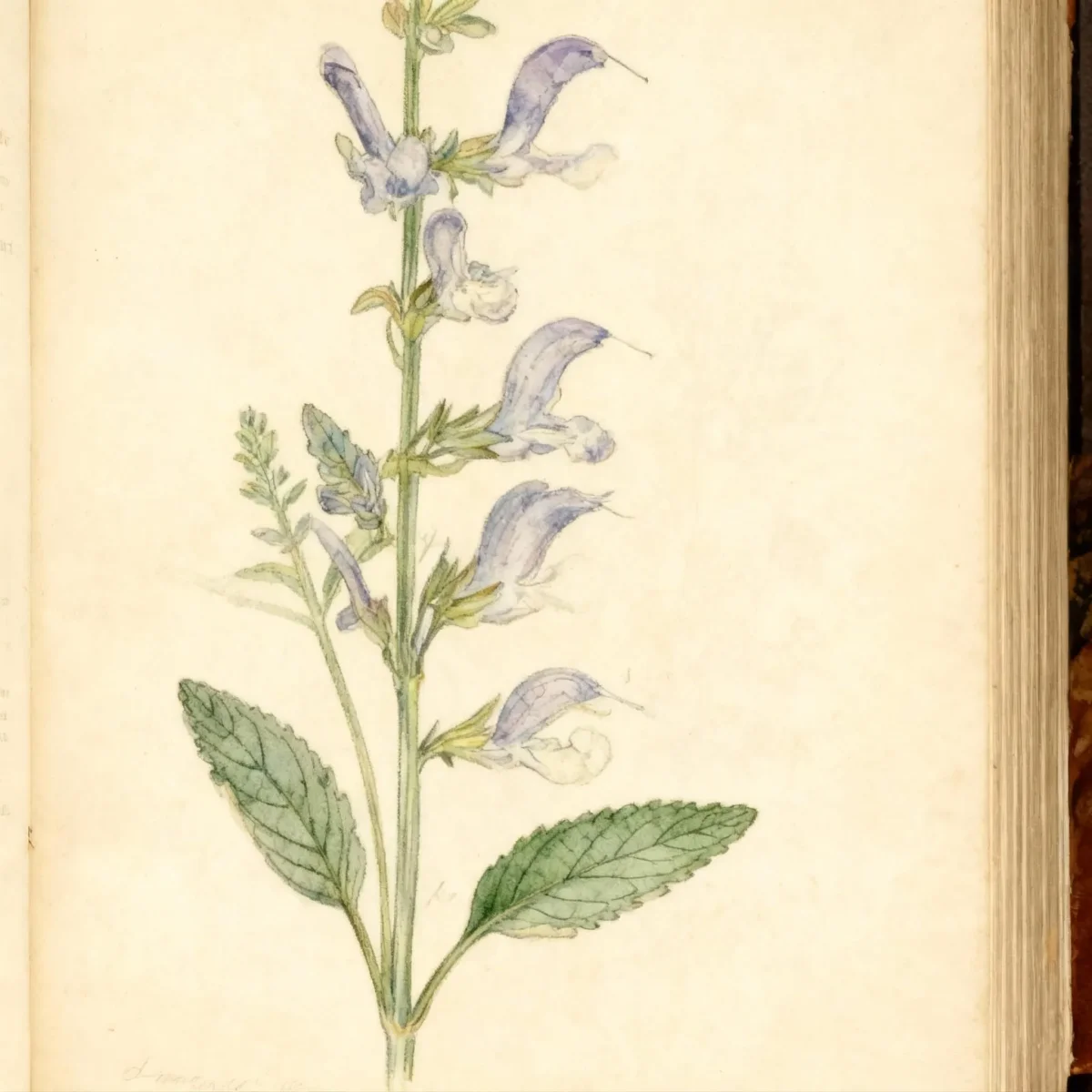
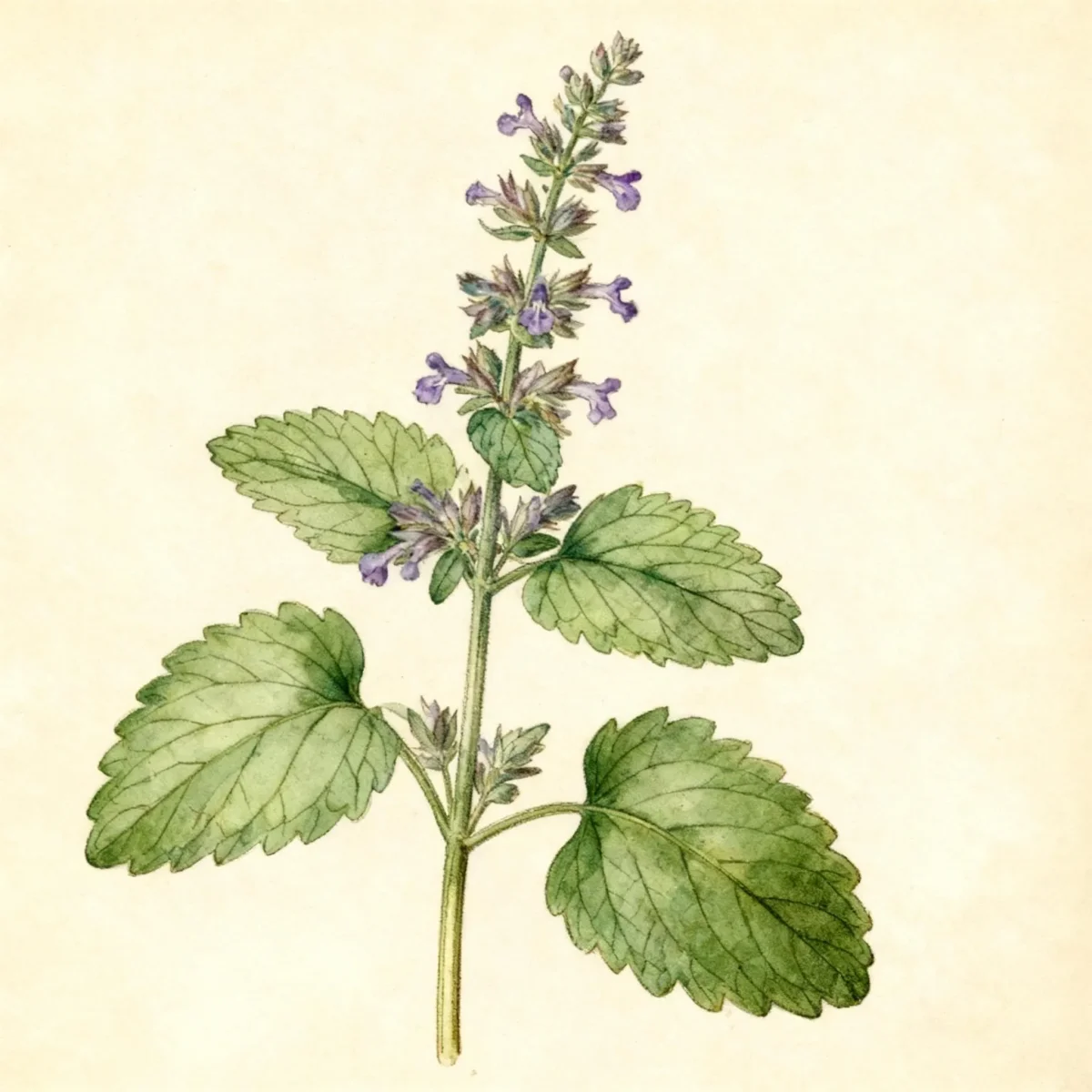
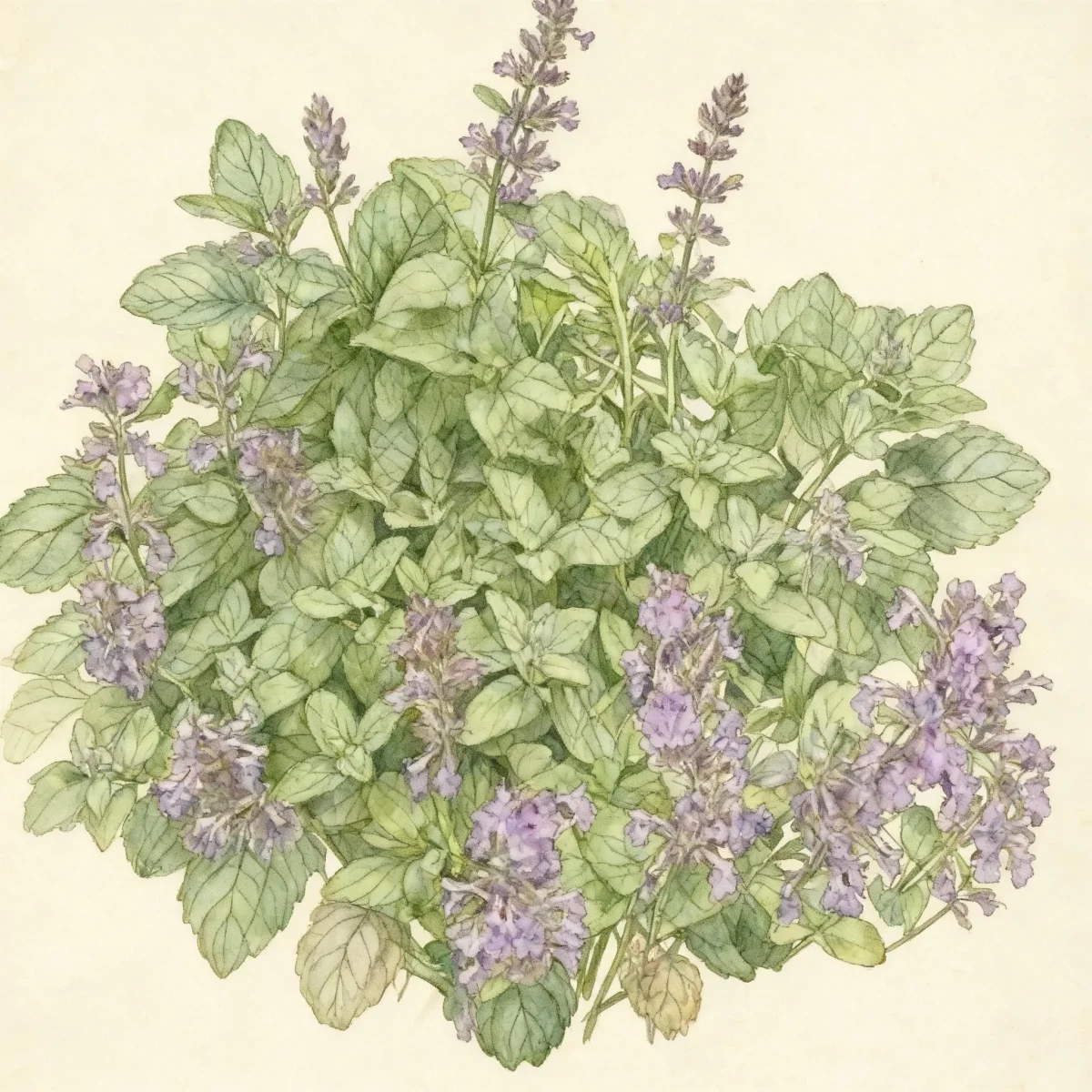
Nepeta racemosa, commonly called catmint, is Native to the Caucusus and northern Iran. It is a low-growing perennial that typically forms a spreading clump of decumbent, ascending and upright stems to 12” tall and 18” wide. Features gray-green, hairy, ovate leaves (to 1” long) with crenate margins, prominent veining and heart-shaped bases; these leaves are highly aromatic when crushed or bruised. Pale lilac to deep violet two-lipped flowers (1/ 2” long) clustered in loose raceme-like verticillasters bloom in spring, with bloom continuing throughout summer into early fall under proper growing conditions. The genus name honors the ancient city of Nepete (Nepi today) located north of Rome.
Tolerances
- Deer
- Drought
- Air Pollution
Potential Problems
This tough perennial generally avoids serious insect or disease problems, contributing significantly to its low-maintenance appeal. Overwatering and heavy, poorly draining clay soils are the primary threats rather than pests. In hot, humid climates, plants might struggle with excessive moisture, occasionally leading to foliage die-back or fungal issues if air circulation is poor. Ensure adequate spacing during planting to promote good air flow around your Cat mint.
Frequently Asked Questions
What hardiness zones is Cat mint suitable for?
Nepeta racemosa is a vigorous perennial, thriving reliably in USDA Hardiness Zones 4 through 8.
How large does Cat mint grow?
This species typically reaches a mature height between 0.75 to 1 foot tall, with a spread ranging from 1 to 1.5 feet wide, forming a spreading clump.
What sun exposure does Nepeta racemosa need?
For best performance, Nepeta racemosa requires full sun but can adapt to receiving some protection from part shade, especially during intense afternoon heat.
When does Nepeta racemosa bloom?
This long-flowering perennial showcases its pale lilac to deep violet blooms consistently from May, often continuing right through September.
Conclusion
The durability, drought tolerance, and extended flowering period of Nepeta racemosa make it an essential perennial for sustainable and beautiful garden design. This Cat mint offers fragrant foliage and reliable color with minimal fuss, proving invaluable for borders and dry slopes. Before planting, ensure your site offers well-drained soil and that your hardiness zone falls within the recommended range for success.
Propagation Tips
Propagating Nepeta racemosa is straightforward, making it easy to increase masses or replace older clumps. The most effective method is division, which should be performed in early spring just as new growth begins to emerge. Carefully dig up the entire clump, gently separate it into sections ensuring each division has a healthy root system, and replant immediately into pre-moistened soil.
While it can be grown from seed, flowering may be delayed, and the offspring might not perfectly match the parent’s characteristics, especially if referring to named cultivars. Softwood cuttings taken during the early summer months offer another excellent avenue for rapid propagation. Cuttings root relatively easily in a moist, shaded environment, providing you with genetically identical plants resistant to the natural tendency of established clumps to become woody near the base after several seasons.
Companion Planting
Given the specific cultural needs of Nepeta racemosa—full sun, dry to medium water needs, and average soil—it pairs best with other tough, sun-loving perennials that share similar low-water requirements. Consider planting it alongside plants known for their structured forms, such as ornamental grasses like Blue Fescue (Festuca glauca) or various decorative Alliums which bloom earlier and then fade as the Cat mint reaches its peak.
For color contrast, utilize plants with warmer tones or contrasting foliage textures. Deep purple Salvia or bright yellow Achillea (Yarrow) provide vibrant opposition to the soft, cool tones of the Nepeta racemosa flowers and silvery leaves. This combination results in a dynamic, yet consistently low-water, cottage-style border that requires little intervention once established.