Beautyberry (Callicarpa dichotoma f. albifructa)
Discover Callicarpa dichotoma f. albifructa, the white-fruited Beautyberry, a low-maintenance shrub prized for its striking fall fruit display in USDA Zones 5-8.
Scroll down to discover growing tips, care requirements, companion plants, and more
Complete Plant Information
Overview
The white-fruited Beautyberry, scientifically known as Callicarpa dichotoma f. albifructa, offers a unique late-season spectacle that few other shrubs can match. This deciduous shrub is primarily selected for its phenomenal display of pearly white fruit clusters that persist well into autumn, long after the foliage has turned yellow. As a low-maintenance addition, this Beautyberry variety is exceptionally easy to incorporate into mixed borders or use as a low hedge.
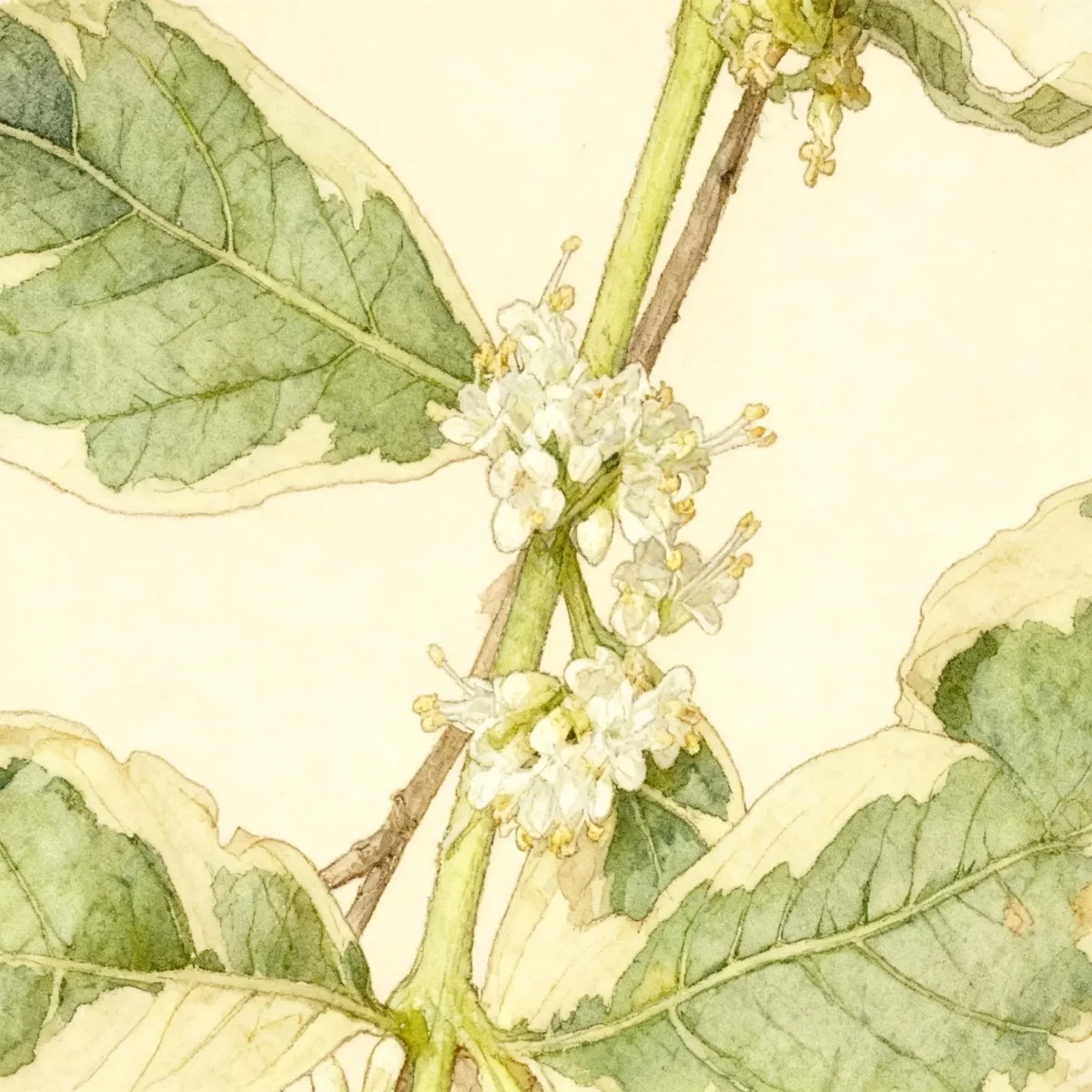
Reaching a manageable size, Callicarpa dichotoma f. albifructa typically matures between 3 to 4 feet high and spreads slightly wider. The plant produces small, pale pink flowers in the summer, which are quickly followed by the truly noteworthy fruit display. For superior flowering and the best fruiting performance, ensure this Beautyberry receives adequate sunlight in your landscape.
This plant provides excellent structure and seasonal interest, making the Callicarpa dichotoma f. Albifructa an invaluable choice for gardeners seeking late-season color and wildlife appeal. Its cultural requirements are straightforward, meaning most gardeners can successfully establish and maintain this delightful shrub for years of enjoyment.
Fast Facts
- Plant Family: Lamiaceae
- Plant Type: Deciduous shrub
- Native Range: China, Japan, Korea
- Hardiness Zones: USDA Zones 5-8
- Size at Maturity:
- Height: 3-4 ft
- Spread: 4-5 ft
- Bloom Time: June to August
- Bloom Description: Pale pink
- Sun Exposure: Full sun to part shade
- Water Needs: Medium
- Maintenance Level: Low
How to Grow
Planting Callicarpa dichotoma f. albifructa is best done in the spring or fall when soil temperatures are moderate. This shrub thrives in average, medium moisture, well-drained soil. While it tolerates some drought once established, consistently medium moisture levels support the best growth. Site the Beautyberry where it receives full sun to achieve the densest growth, best flowering, and most abundant fruit set; stems may become sparse and leggy if planted in heavy shade.
Maintenance for this low-maintenance shrub centers on pruning. Flowers bloom on new wood, so pruning should occur in early spring before new growth begins. Experienced gardeners often cut the stems back hard, shearing them to about six inches from the ground in late winter or early spring annually. This aggressive pruning technique encourages a compact habit and maximizes flowering and fruiting success for the coming season.
Be aware that in the colder reaches of its range, specifically USDA Zone 5, stems might occasionally die back completely to the ground during harsh winters. This dieback does not typically harm the plant, as new, vigorous growth will emerge from the roots come spring. To maximize the amazing white fruit clusters, consider planting multiple shrubs together, as best cross-pollination and subsequent fruit production occur when the Beautyberry shrubs are massed or grouped.
Landscape Uses
The architectural structure and striking white fruit make this Beautyberry highly versatile in the landscape. It functions exceptionally well when planted in groups or massed together to create a continuous drift of white berries in the fall, transforming an otherwise fading garden space. For defined garden areas, use Callicarpa dichotoma f. albifructa in informal borders where its arching branches can be appreciated.
This shrub is also an excellent choice for bird gardens, as the fruit provides late-season sustenance for visiting avian life. Consider underplanting it beneath the canopy of open woodland areas where dappled light filters through, though remember that denser sunlight promotes better fruiting. Furthermore, due to its manageable size and tendency to respond well to pruning, the white-fruited Beautyberry can be trained as a low, textured hedge where hardiness allows.
For maximum visual impact, pair your Beautyberry with shrubs that offer contrasting fall color or fruit. Planting near deciduous plants that hold bright red berries, such as certain Ilex verticillata cultivars, or those bearing orange fruit like Pyracantha, creates a stunning, colorful tapestry against the white clusters of the Callicarpa dichotoma f. albifructa.
Standout Features
Flower Qualities
- Showy
Fruit Qualities
- Showy
Noteworthy Characteristics
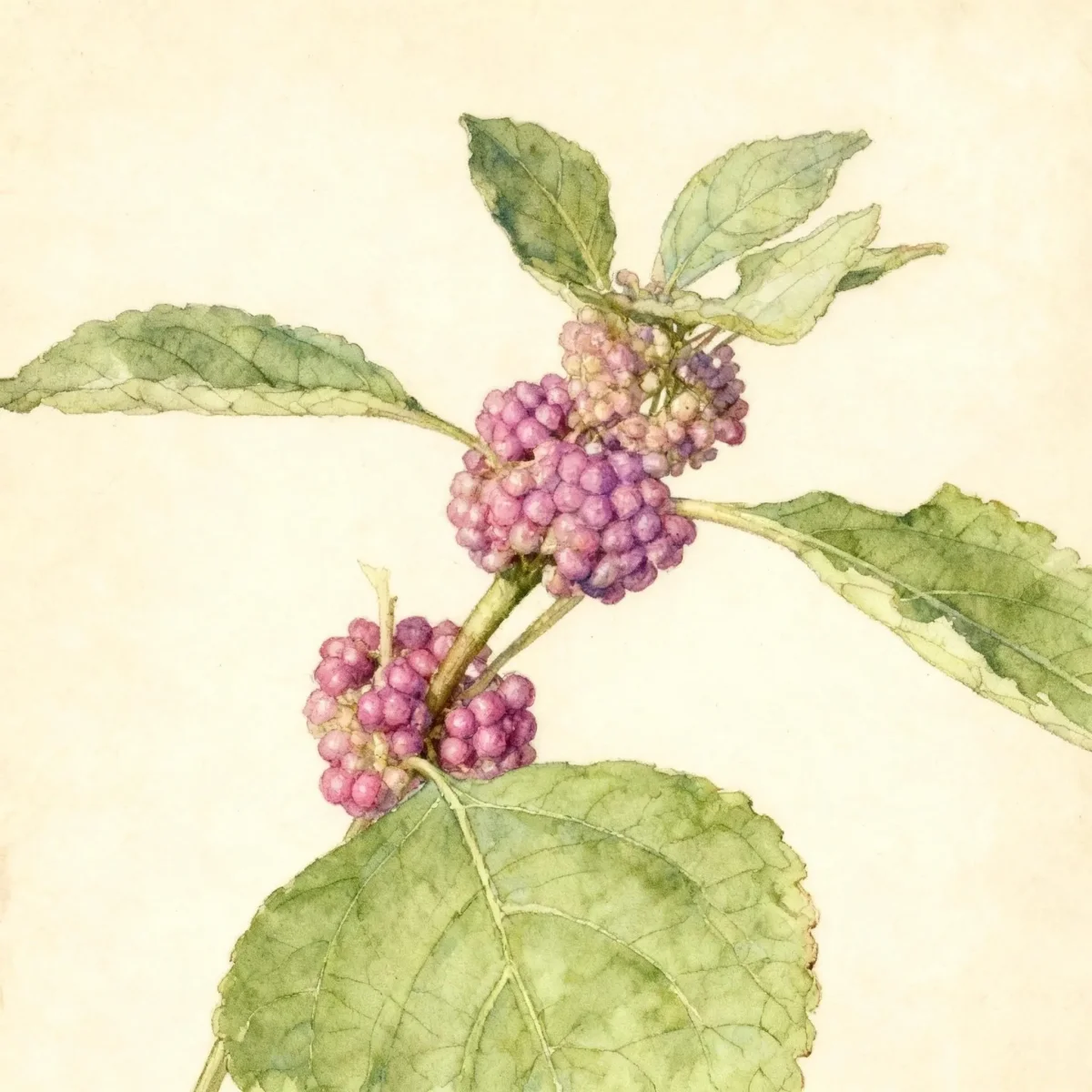
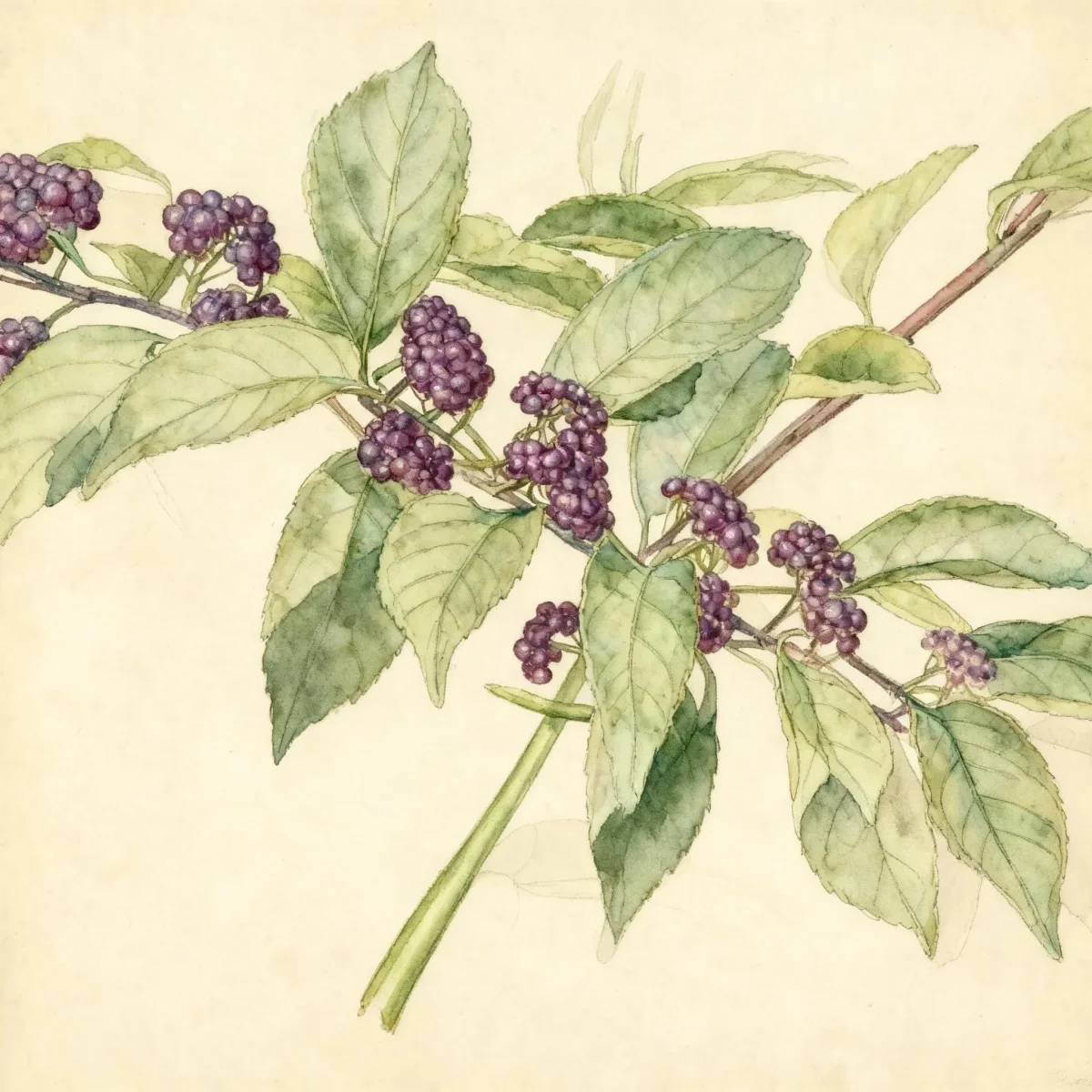
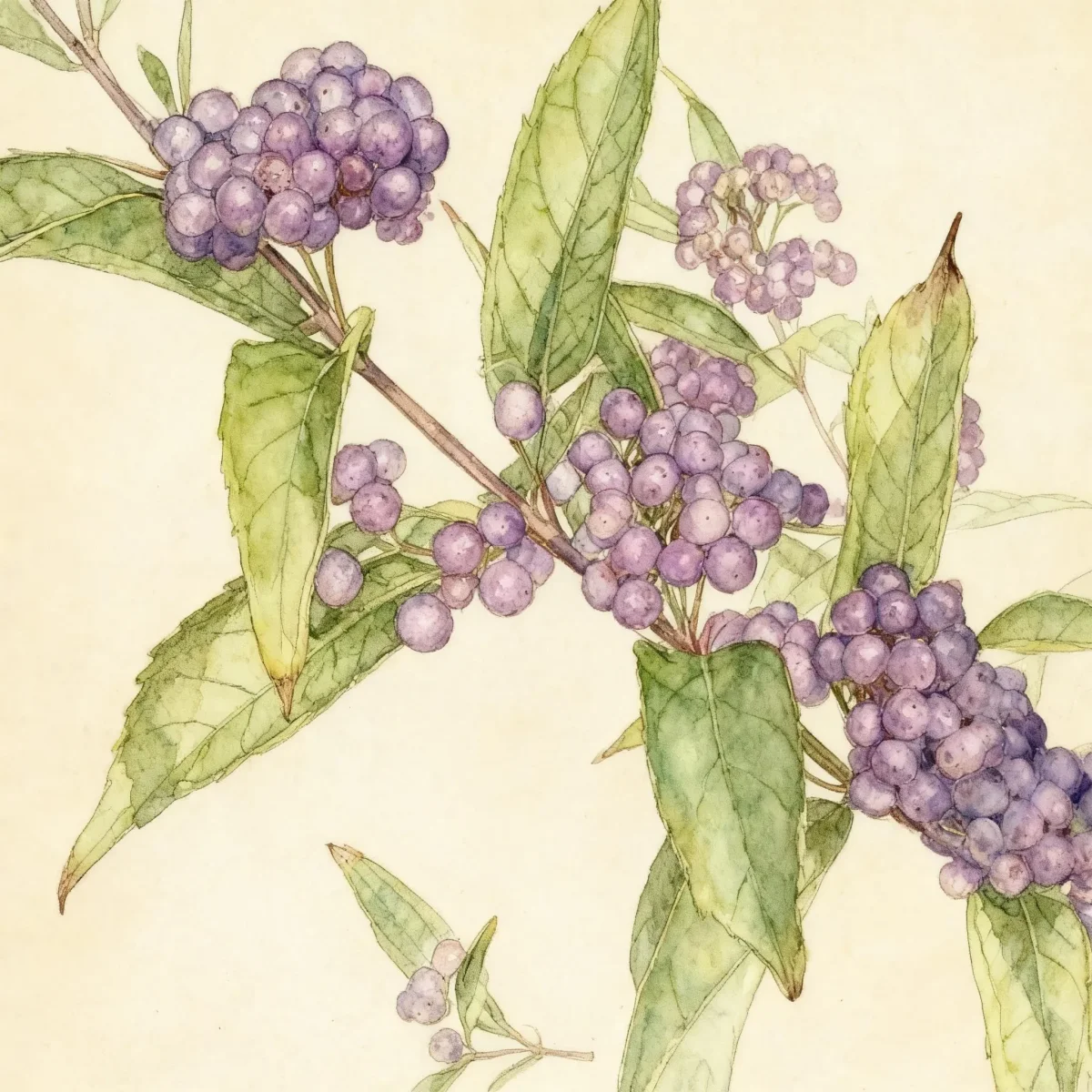
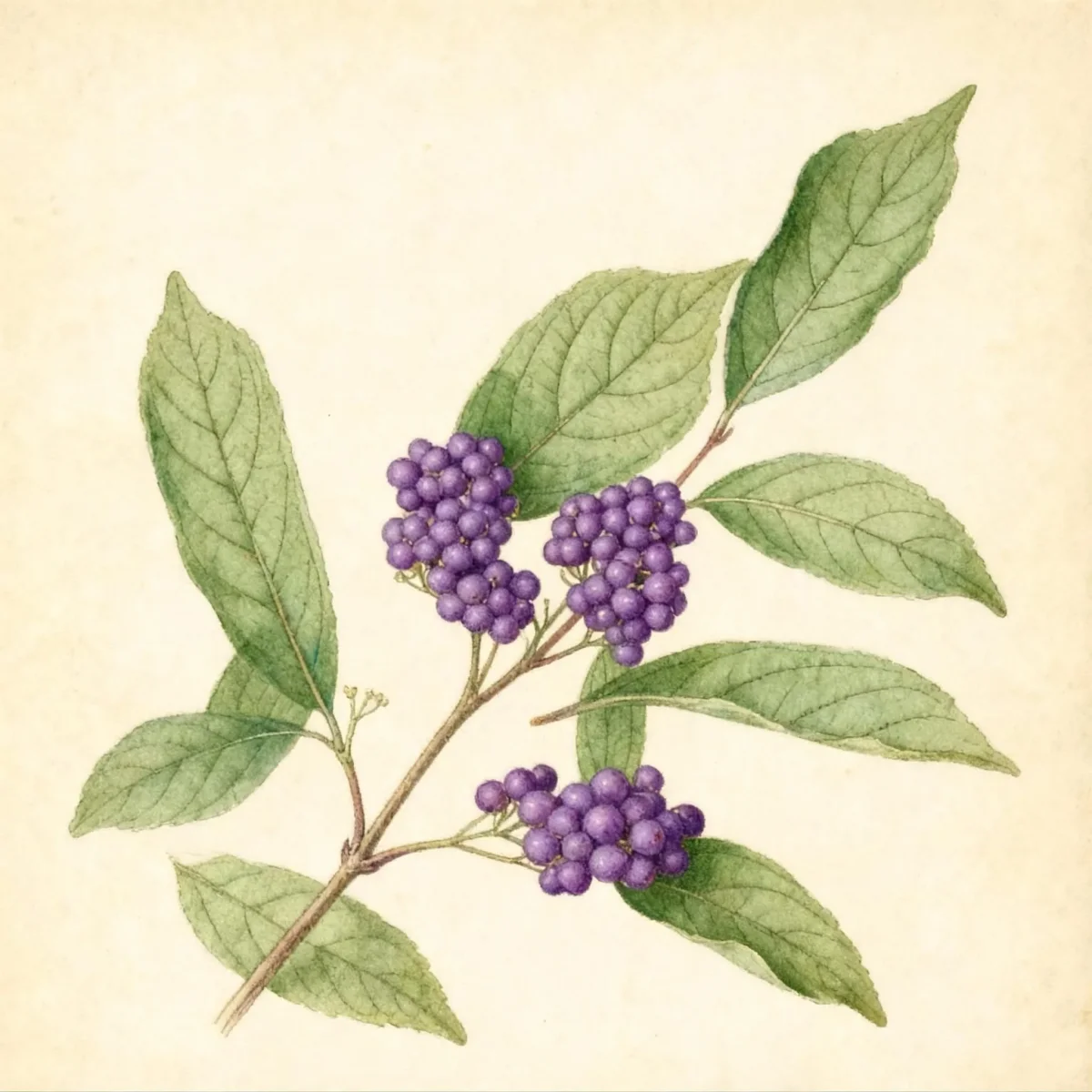
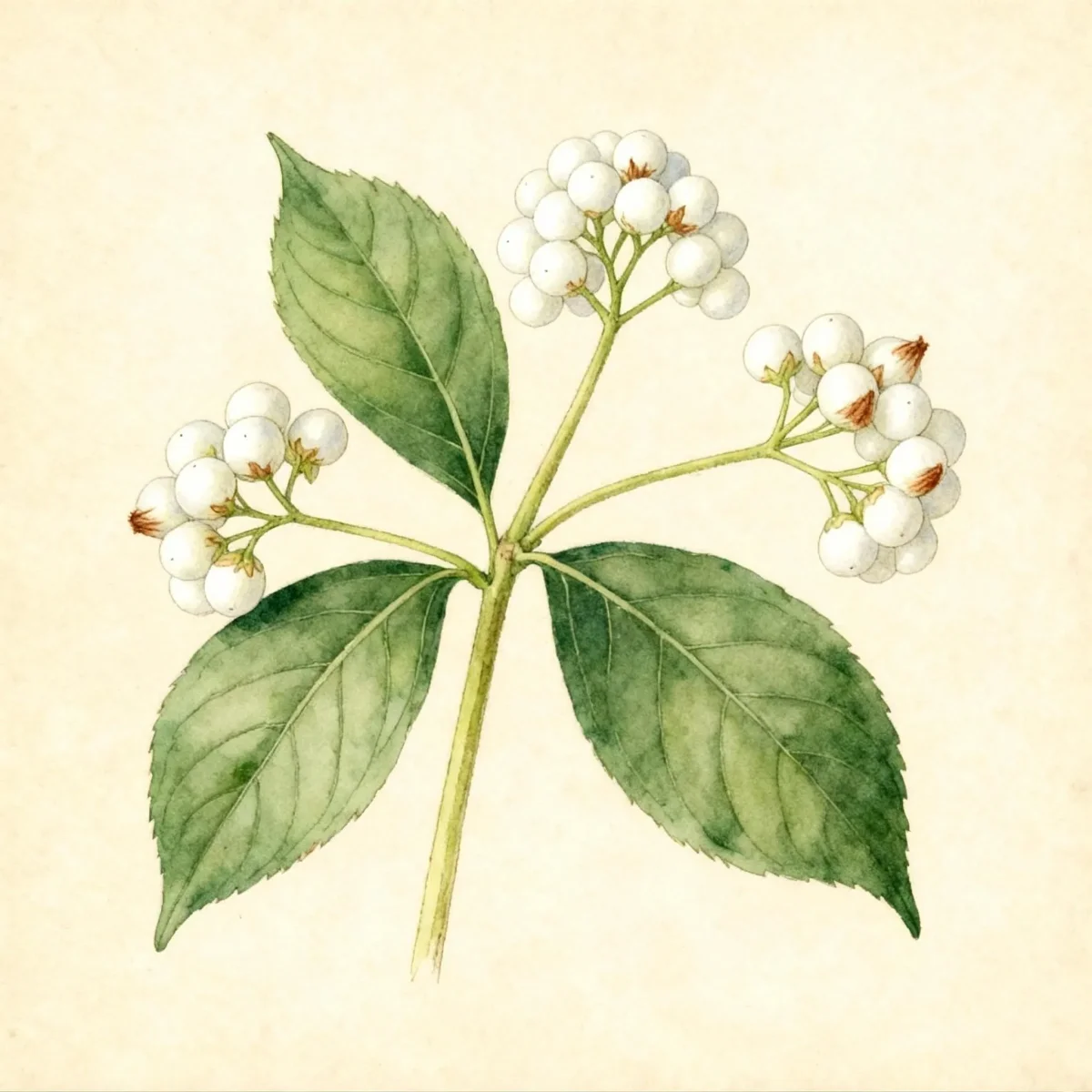
Callicarpa dichotoma, commonly called beautyberry, is a small, rounded, deciduous shrub which typically grows 2-4’ tall and is primarily included in the landscape for its showy fall display of lilac-violet fruit. Long, arching, slender branches dip downward often to touch the ground. Clusters (cymes) of small, pink to lavender flowers bloom in the leaf axils along the stems in summer. The specific forma albifructa distinguishes itself by presenting pure white fruit clusters instead of the typical lilac-violet. The genus name beautifully translates from Greek as meaning “beautiful fruit.”
Tolerances
- Some tolerance for drought
Potential Problems
The most common issue encountered when growing the Beautyberry is winter dieback, particularly noticeable when established in the northern limits of USDA Zone 5. While this dieback can look alarming in early spring, it generally does not impact the shrub’s ability to flower and fruit, as new wood emerges vigorously. Gardeners should also watch for susceptibility to fungal issues like leaf spot, some stem diseases, and black mold, especially in humid or overcrowded conditions. Proper pruning in spring to ensure good air circulation throughout the shrub helps mitigate disease pressure.
Frequently Asked Questions
What hardiness zones is Beautyberry suitable for?
Callicarpa dichotoma f. albifructa is hardy and reliably grown across USDA Zones 5 through 8.
How large does Beautyberry grow?
This deciduous shrub typically matures to a height between 3 and 4 feet tall, with a spread ranging from 4 to 5 feet wide.
When does Beautyberry bloom?
The plant produces its pale pink flowers during the summer months, generally blooming from June through August, setting the stage for its distinctive fall fruit display.
What sun exposure does Callicarpa dichotoma f. albifructa need?
For the best performance, aim to plant this shrub in full sun, though it will tolerate partially shaded locations, which may result in slightly leggier growth.
Conclusion
The white-fruited Beautyberry, or Callicarpa dichotoma f. albifructa, stands out as a low-maintenance shrub offering outsized rewards, especially due to its unique, persistent white fruit display in the autumn landscape. Incorporating this Beautyberry variety ensures late-season visual interest long after summer perennials have faded. Before planting, always confirm your garden sits within USDA Zones 5–8 for optimal success.
Companion Planting
The cultural requirements of Callicarpa dichotoma f. albifructa—medium moisture, well-drained soil, and preference for full sun—make it an excellent partner for many other late-season shrubs. Consider pairing it with deciduous hollies (Ilex verticillata) for a dramatic contrast between white and deep red berries during late fall and early winter. Plants that offer bold, late-season foliage color, such as certain varieties of Japanese maples pruned to reveal their structure, can highlight the graceful, arching habit of the White Beautyberry.
Wildlife Benefits
While the fruit display of Callicarpa dichotoma f. albifructa is ornamental to humans, it also serves a functional purpose for local wildlife. Birds often rely on these persistent berries when other food sources dwindle late in the season, providing excellent viewing opportunities for backyard birdwatchers. The shrub’s slightly dense branching structure, even in winter after leaf drop, offers small wildlife suitable cover and shelter throughout the colder months.